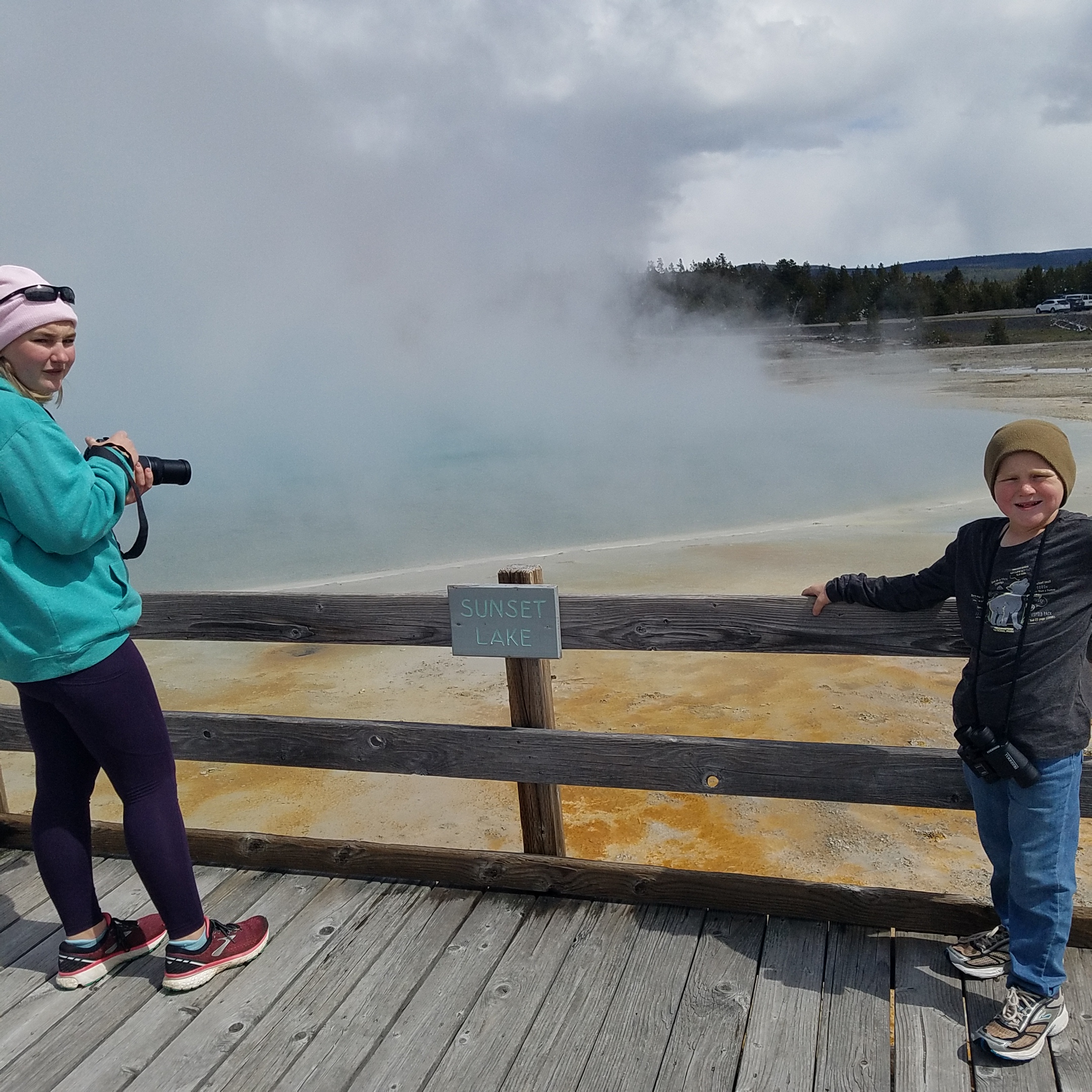
“Rocks, rocks, rocks, I’ve never seen so many rocks. I’m ready to see some trees.”

Those words came out of my teenage son’s mouth as we traveled around part of the western United States this spring. We live on the East Coast, and most of the rocks we see come from somewhere else. The land is beautiful but flat and sandy.
While he was joking about wanting to see some trees, we really enjoyed seeing all the different rock formations, canyons, and even petrified trees. So, it was no surprise that my two elementary-aged boys wanted to learn more about rocks this year.


Why Geology?
We do our science studies together as a family in elementary and middle school. We usually choose a topic together each year. We primarily use Apologia, but this year, when my son said he wanted to learn about rocks, I went digging to see what we had and what resources were available to teach about rocks and geology from a creationist point of view.
Resources for a Creationist Geology Study
We already had the Wonders of Creation: Geology book from Master Books, which is geared towards students in grades seven to twelve. The two that I am teaching this year are grades one and five. Wonders of Creation: Geology also does not contain hands-on activities because it is a spine used as part of another curriculum.

However, I really liked the content and the fantastic illustrations in Wonders of Creation: Geology, so I decided to use it as a spine and create my own study.

I found an excellent book for younger children called Rocks and Minerals for Little Eyes by Patrick Nurre. This book is designed for pre-K to second grade and includes some very basic content and a lovely selection of hands-on activities. It was perfect for the students I am teaching this year, but they also have other levels if your students are older.


Next, I searched our Homeschool Nature Study subscription to see what was available. To my delight, there is a whole unit on rocks. This included hands-on studies, notebooking pages, and more. We have a “bingo” card to fill out with different hands-on activities, outdoor activities, indoor projects, and so much more.
Finally, I knew we would need some rocks to study. Part of our study will be collecting rocks where we can find them, but thankfully, we also had a small rock collection to get us started. We had picked this up secondhand, but there are lots of options on Amazon. This set will give us a more extensive variety of rocks to study and help us have some known rocks to compare to the ones we find.

Once I had gathered my materials, I set out to make a plan. The Wonders of Creation: Geology and Rocks and Minerals for Little Eyes covered many of the same topics but in a different order. The materials are more basic since Rocks and Minerals is for a younger audience.
How Are We Using our Geology Resources?
Therefore, I decided to start each topic with that book and then go into the Wonders of Creation: Geology book. Once I laid out a schedule that incorporated both of those books, I added the components of the Rocks Nature Study course according to where they fit best with the other material. I have put this information on an easy-to-use and edit chart in our free resource library for anyone who wants to use these materials to teach geology.
I set up my timeline to cover each topic over two weeks. During those two weeks, we will read the sections in each book, complete activities from the Rocks and Minerals book, and do the related nature study activities.

We Are Covering in Our Creationist Geology Study?
- Creation
- The Flood
- What the Earth is made of/Parts of the Earth’s surface
- Different Types of Rocks
- Different Geological Processes (fossilization, erosion, etc.)
Based on that timeline, I have twenty-two weeks of geology study. While many curricula use the thirty-six-week timeline, we like to take December off of our regular studies for Christmas-themed studies. By finishing early, we can use those last weeks of school in the spring to further our hands-on rock study with nature hikes and field trips. If you want or need a full thirty-six weeks, you can take more time to cover the other topics or add more in-depth study using library books about specific topics.


Geology Field Trips
There are so many field trip options for this study! You can start with simple trips like a nature hike in a local park to look for rocks. There are also a variety of museums that have rock and mineral exhibits. You can visit a mine and learn more about that process and see what the different rocks and minerals look like when they are found in the Earth. Various state and national parks also focus on geological features or remarkable rocks and minerals. I’m sharing about different national parks in my Field Trip Friday series.
We are looking forward to diving into our geology study, learning more about the rocks and geological features we saw on our trip, and getting outside to explore rocks “in the real world.” If you have studied rocks and geology, what were your favorite resources?
Remember, if you want to study geology this year, you can download our curriculum plan in our free resource library.
Resource Library and Affiliate Disclosure
When you sign up for the Schoolin’ Swag free resource library, you will receive a link and password to the library. We add new items to the library each month. You will also receive a monthly newsletter email to keep you updated on what we have going on.
This post may contain affiliate or referral links, including Amazon affiliate links. As always, I will never recommend a product that I don’t believe in, and you will never be charged more for purchasing through our links. However, it does help pay for the costs associated with the blog.
Deals and Freebies
Schoolhouse Teachers is also offering a BOGO sale right now! You can get two years worth of curriculum for your whole family for less than $300.
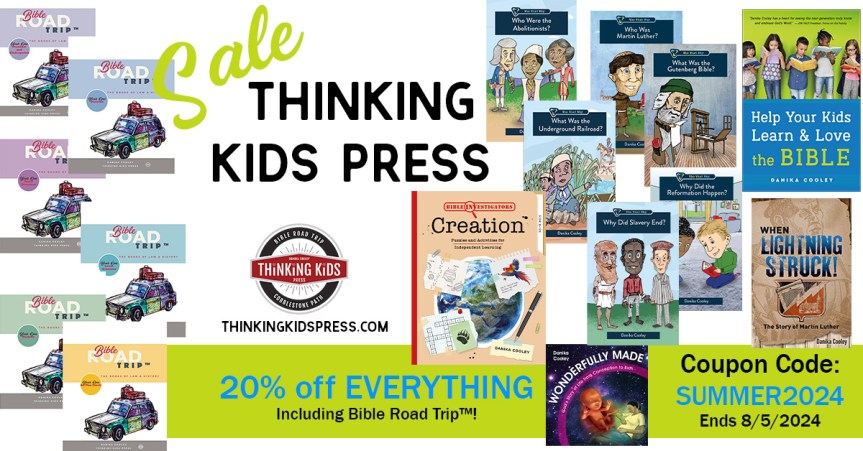
We love the Who, What, Why book series from Thinking Kids Press and now is a great time to buy with 20% off! You can check out our review here.

 The Schoolin' Swag Blog
2 thoughts on “Creationist Geology Unit Study for Elementary and Middle Grades”