
Most of us have heard many things about our National Parks and the other types of sites within that system, from the Big ones like the Grand Canyon and Yellowstone to the small ones like The Wright Brothers Memorial and Pipestone National Monument.
*Some links are affiliate links, see full disclosure below*
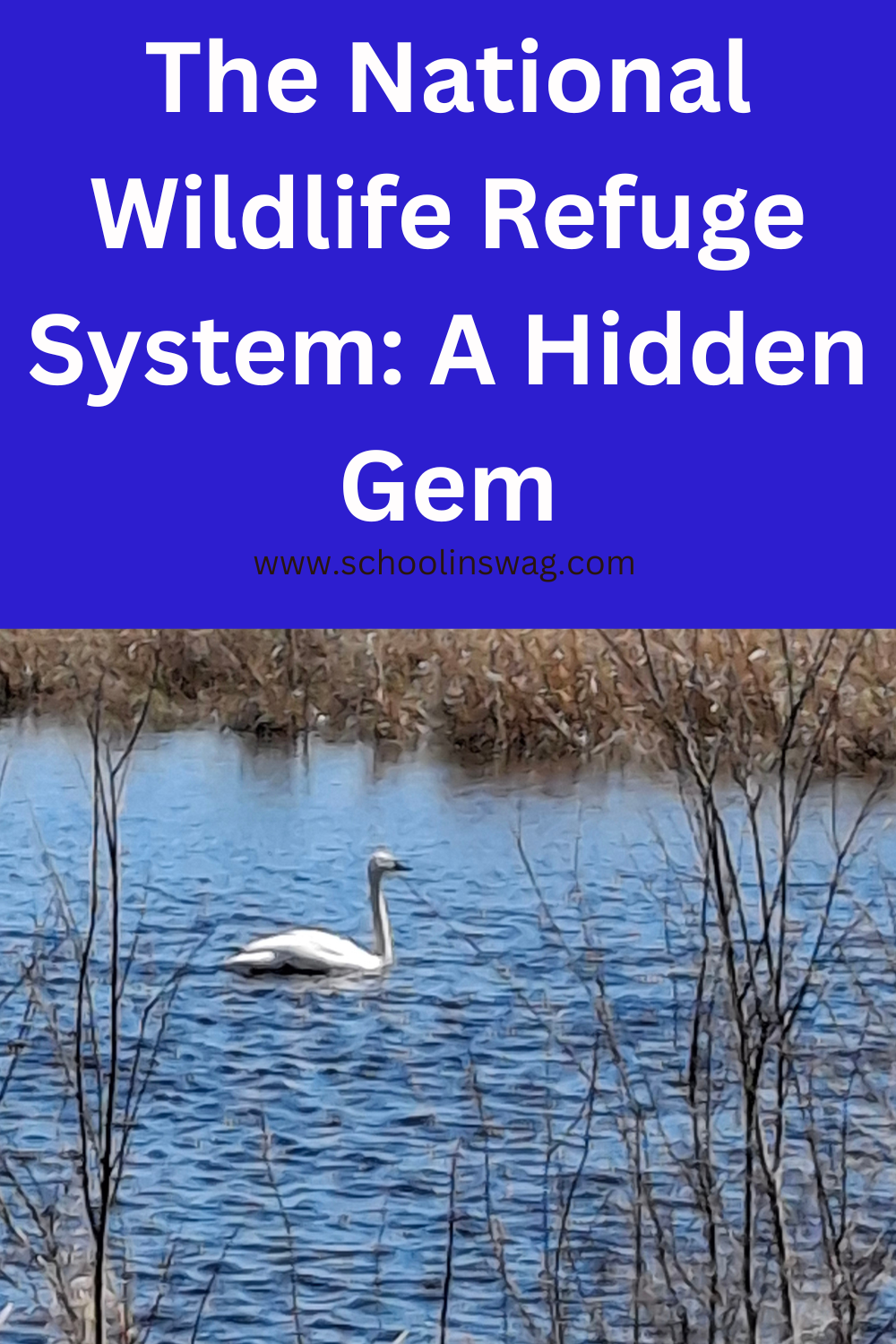
We love traveling to visit those sites, and my children naturally look for the National Park Service “arrowhead” signs as we travel. However, we have discovered another resource that I consider a bit more of a hidden treasure: the National Wildlife Refuge System.
What is the National Wildlife Refuge System?
The U.S. Fish and Wildlife Service manages the National Wildlife Refuge System, which offers various educational opportunities at multiple locations.
Each site focuses on wildlife that is native to that area. Some sites focus on a single specific animal, while others focus on a variety of local species. Each site is unique, but most feature a visitor’s center that has educational displays, restrooms, water fountains, and often a small gift shop.
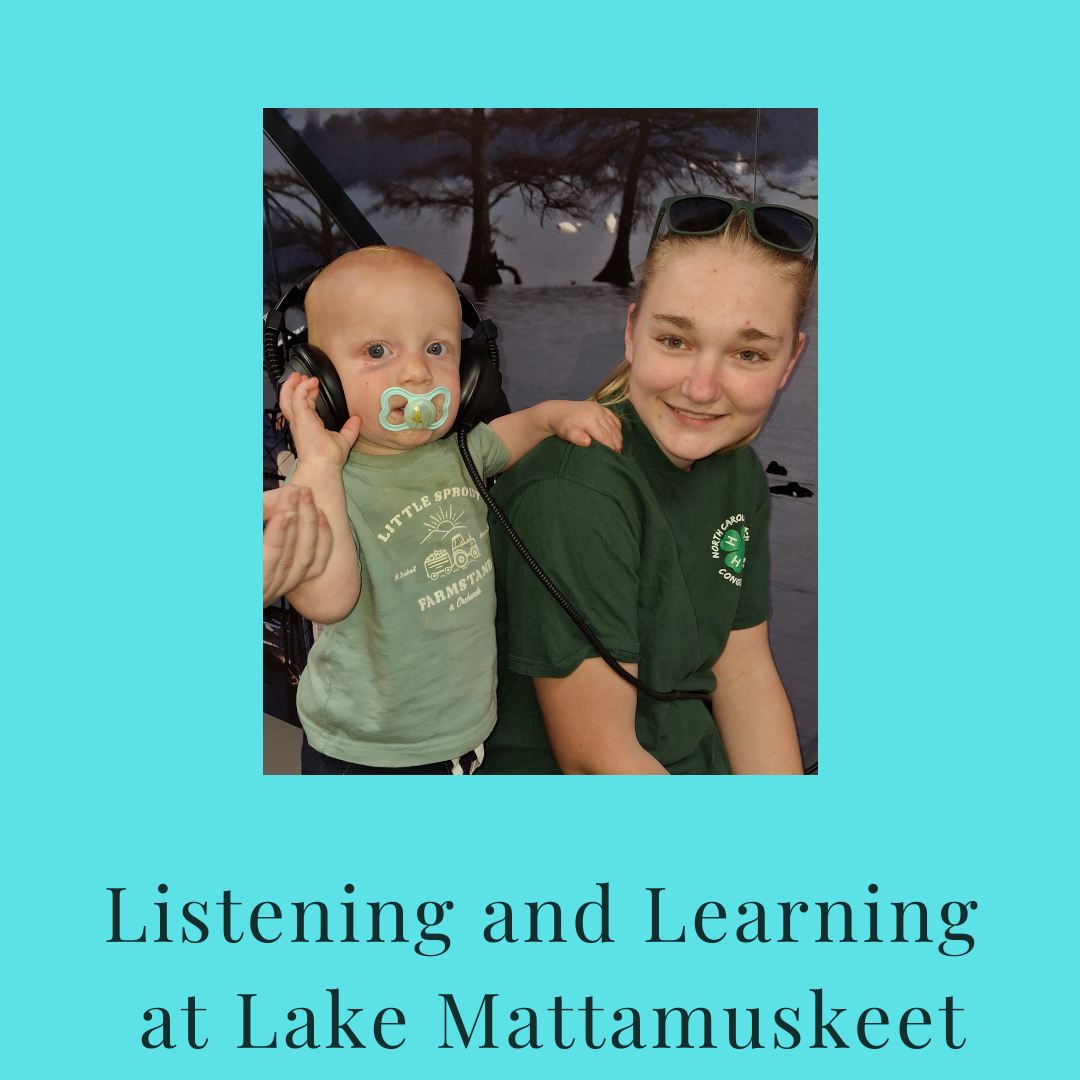
At the visitor center, you can find out more about what each site has to offer, get maps of the sites, and sometimes enjoy educational programming. Many of the sites provide hiking or biking trails, and some also have areas that you can drive through and look for wildlife.
Our Experience with Wildlife Refuges
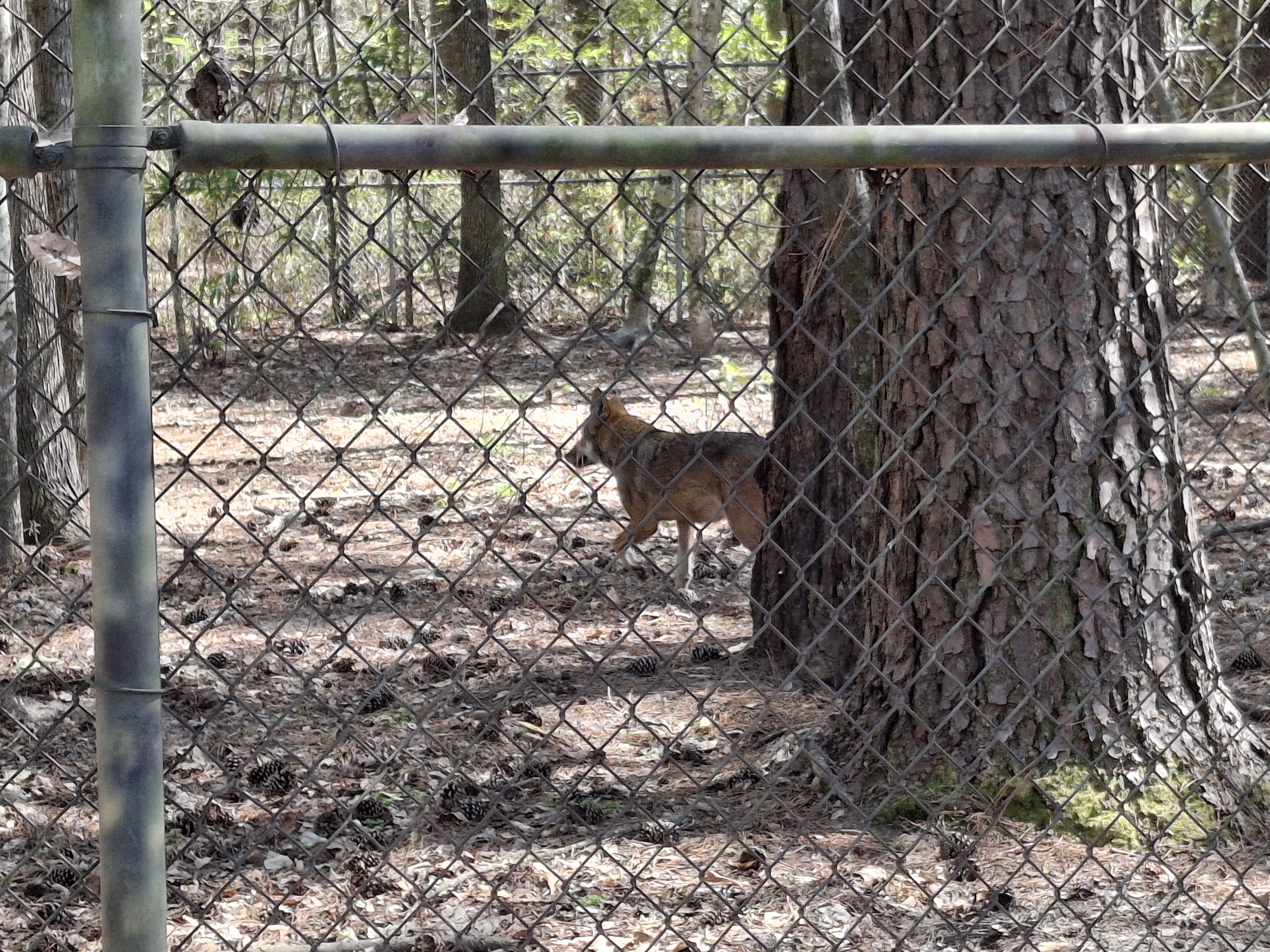
During our visits to various sites, we have seen a wide variety of birds, deer, alligators, bears, wolves, and many more. We recently visited a site and had the opportunity to learn more about red wolves, as well as observe a pair that were part of a rehabilitation program. The boys were also able to measure themselves against the wing span of various birds and create animal tracks using molds.
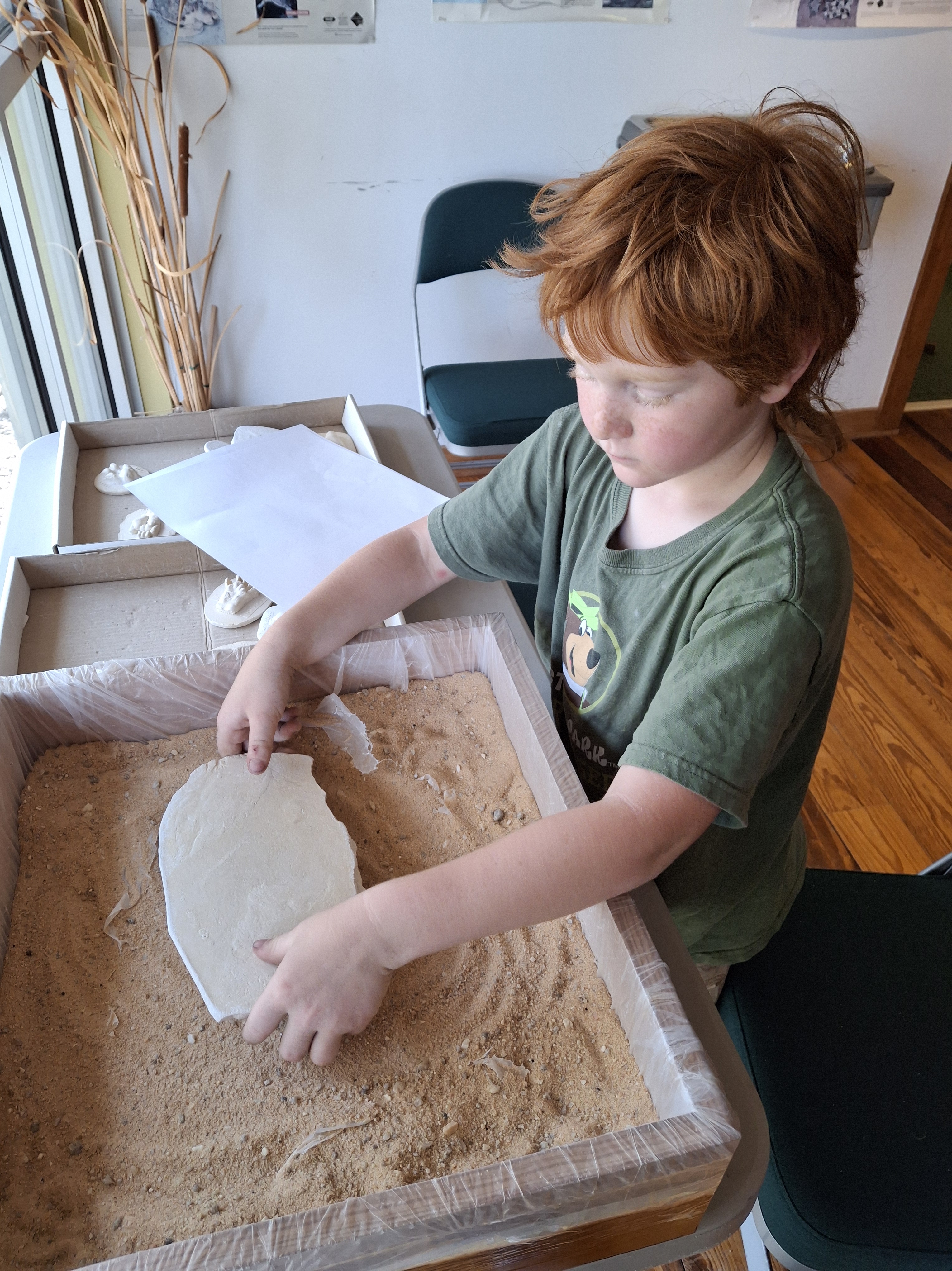
These refuges are generally free to visit, offering a fun and educational experience, providing time outside and some exercise (hiking the trails), and helping to create fun family memories. In my book, that makes it perfect for a homeschool field trip.
Helpful Hints For Planning Your Wildlife Refuge Field Trip
The most obvious way to incorporate these is a simple day trip to a local site. Those are great, but another idea is to find the sites that are along your route as you travel. They often make a great lunch and bathroom stop. They give everyone a chance to stretch their legs and learn a little something before continuing your journey.

If you decide to visit a wildlife refuge near you, you will want to obtain a refuge passport. It works much like the national park passports, with a stamp at each location. However, instead of generic pages by area, this one features a specific page for each site. You may also want to grab our field trip journal, available in paperback or digital so that your children can write about what they see and learn. (You can use code: SWAG25 to get 25% off the digital version.)
Do you have a site near you? What animals are you hoping to find?
Resource Library and Affiliate Disclosure
When you sign up for the Schoolin’ Swag free resource library you will get a link and password to the library, we are adding to the library each month with new items. You will also get a bi-weekly newsletter email to keep you up to date on what we have going on.
This post may contain affiliate or referral links, including Amazon affiliate links. As always I will never recommend a product that I don’t believe in and you will never be charged more for purchasing through our links. It does help pay for the costs associated with the blog.
Have you signed up for #LifeSkillsNOW? This is such a fun and beneficial program!
- Life skills help kids be confident, capable, and ready for anything.
- Your kids and teens will build critical thinking and know deep down that they can do hard things.
- Productive screen time instead of passive scrolling
- The #LifeSkillsNow Screentime Promise: We promise to give your kids the shortest amount of (productive) screentime possible, and then OFF into the real world.
- Expose your kids to topics you’ve never thought about (and might not know yourself).
- Bridges the gap in traditional education with practical life skills, critical thinking, tech savvy habits, and understanding money
Journey Homeschool Science has some great online summer camps starting this month! They are a fun way to keep the learning going for the whole family.
What If You Could Give Them an Education That Truly Aligns with Your Values?Education shapes the worldview of your child. Did you know early learning forms lifelong ethical foundations? Use coupon code MAMABUG25 by June 20th, 2025, for a $44 Family Quarterly Membership (regular price: $89/Quarter). Find Christ-centered homeschool curriculum at SchoolhouseTeachers.com and set their hearts on the right path.


 The Schoolin' Swag Blog