Literature Study: Bingo Style

When I think about my goals for my children’s literature study, two things come to mind. I want them to be lifelong readers and read a wide variety of books. While there is a time and place for more formal literature study, we often take a more relaxed approach.

This year, for my sixth grader, we will be doing the quarterly family novel studies with Read Aloud Revival. Still, I wanted to make sure he was reading a variety of books independently in addition to those.

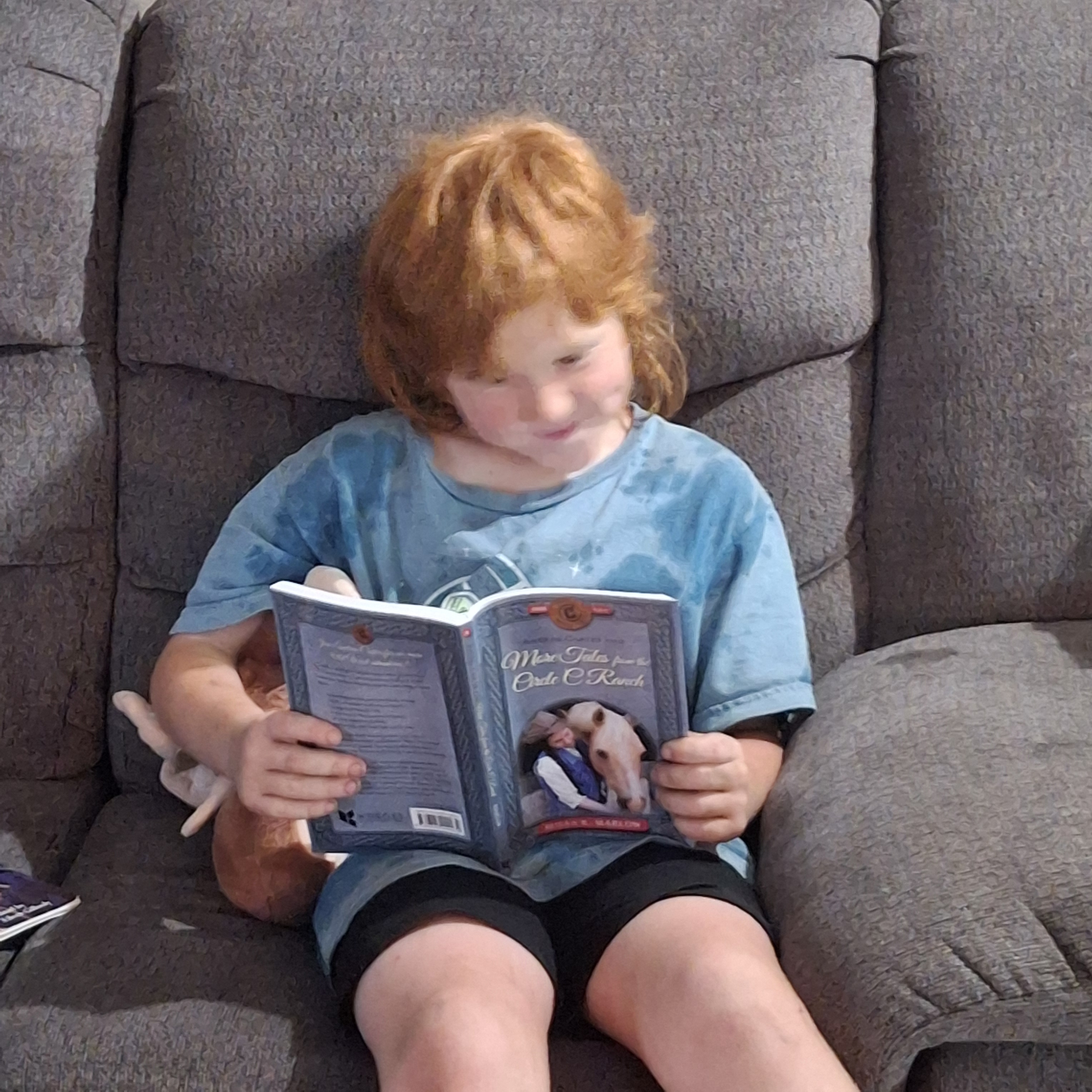
Reading at the campsite.

Instead of doing a formal literature study, I created a book bingo card for him to mark off as he does his independent reading. This will allow him a lot of autonomy in his reading, while ensuring that he is getting a wide variety of books.

Each block on the bingo card has a different description of a book; it may be the type of book, something about the title, a character trait, etc. Your student can pick any book that matches the description in the box and any box, but their goal is to get Bingo in whatever timeframe you set.
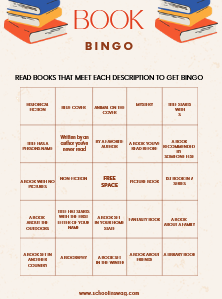
Once the child has read the book, you can have them journal about it, discuss it, or track it on a reading log.

Book discussions not only allow them to share about what they are learning (and you to analyze their understanding), but also create a chance for bonding and making memories.
This keeps reading from becoming a laborious chore, but still allows you to make sure they are reading a variety of books, and if necessary for your state records, have a record of it.

You can find my Book Bingo card in our Free Resources Library, and if you want a print and go reading log and journal, you can get one here.  This one has several different journal pages to choose from, some great logs, and even fun book quotes. Buy once and print as many times as desired for your household. (Take $3 off with code Bingo)

Resource Library and Affiliate Disclosure

When you sign up for the Schoolin’ Swag free resource library you will get a link and password to the library, we are adding to the library each month with new items. You will also get a bi-weekly newsletter email to keep you up to date on what we have going on.

Resource Library 

This post may contain affiliate or referral links, including Amazon affiliate links. As always I will never recommend a product that I don’t believe in and you will never be charged more for purchasing through our links. It does help pay for the costs associated with the blog.

Find Christ-centered homeschool curriculum at SchoolhouseTeachers.com and set their hearts on the right path.

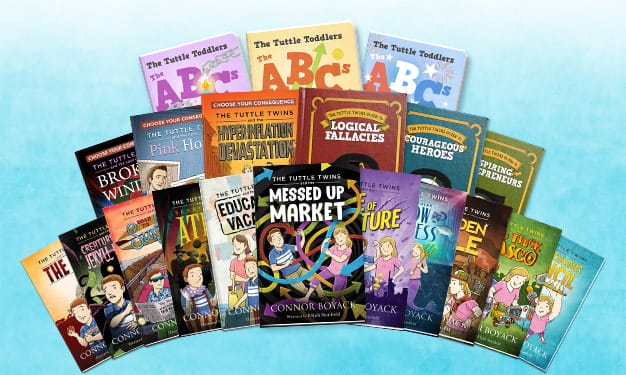
Tuttle Twins is having their BIG Back to School sale. They have up to 70% off book bundles and major discounts on their academy classes (which now has World History offerings). We love their books and their American History curriculum.

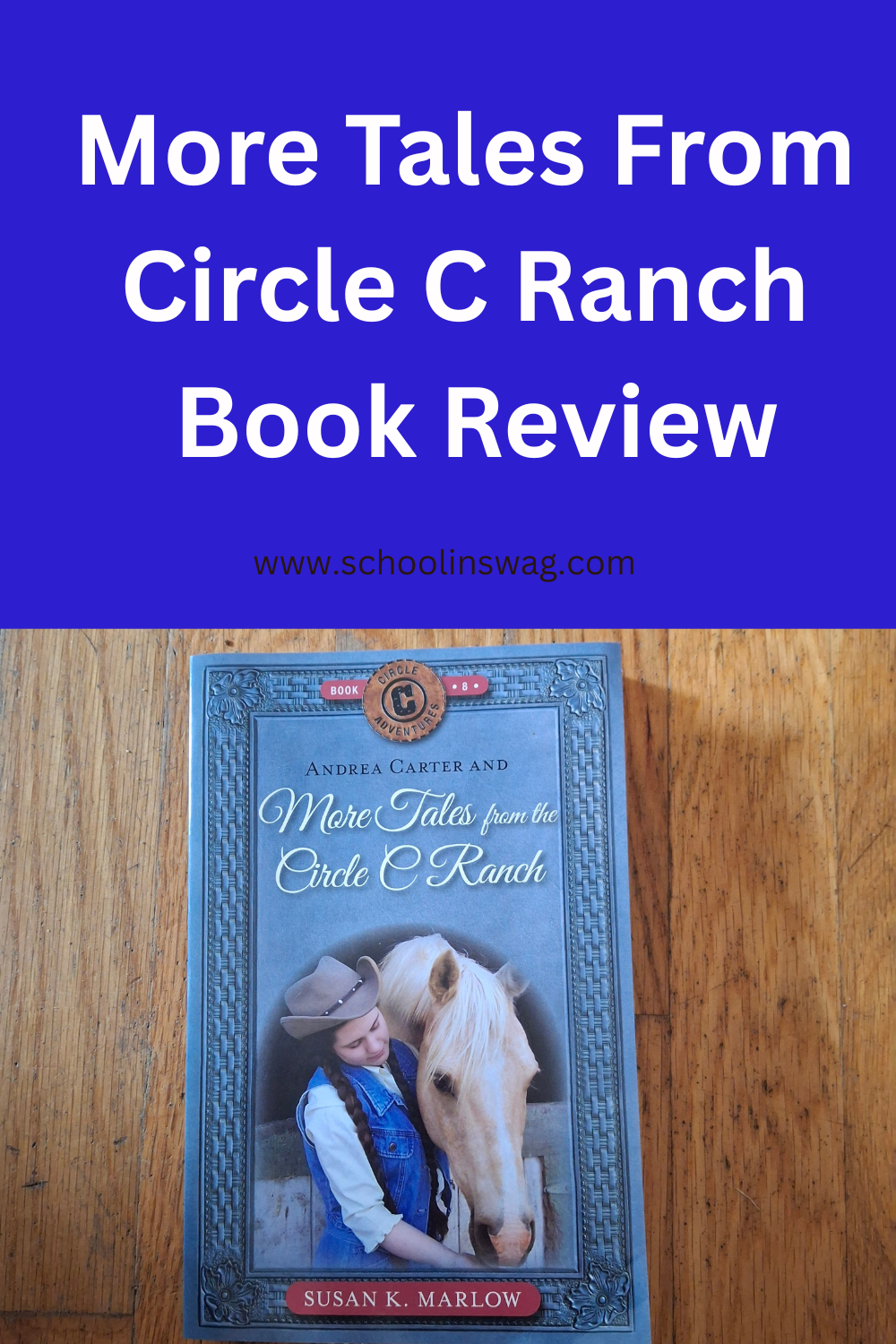
More Tales From Circle C: A Circle C Adventures Book Review

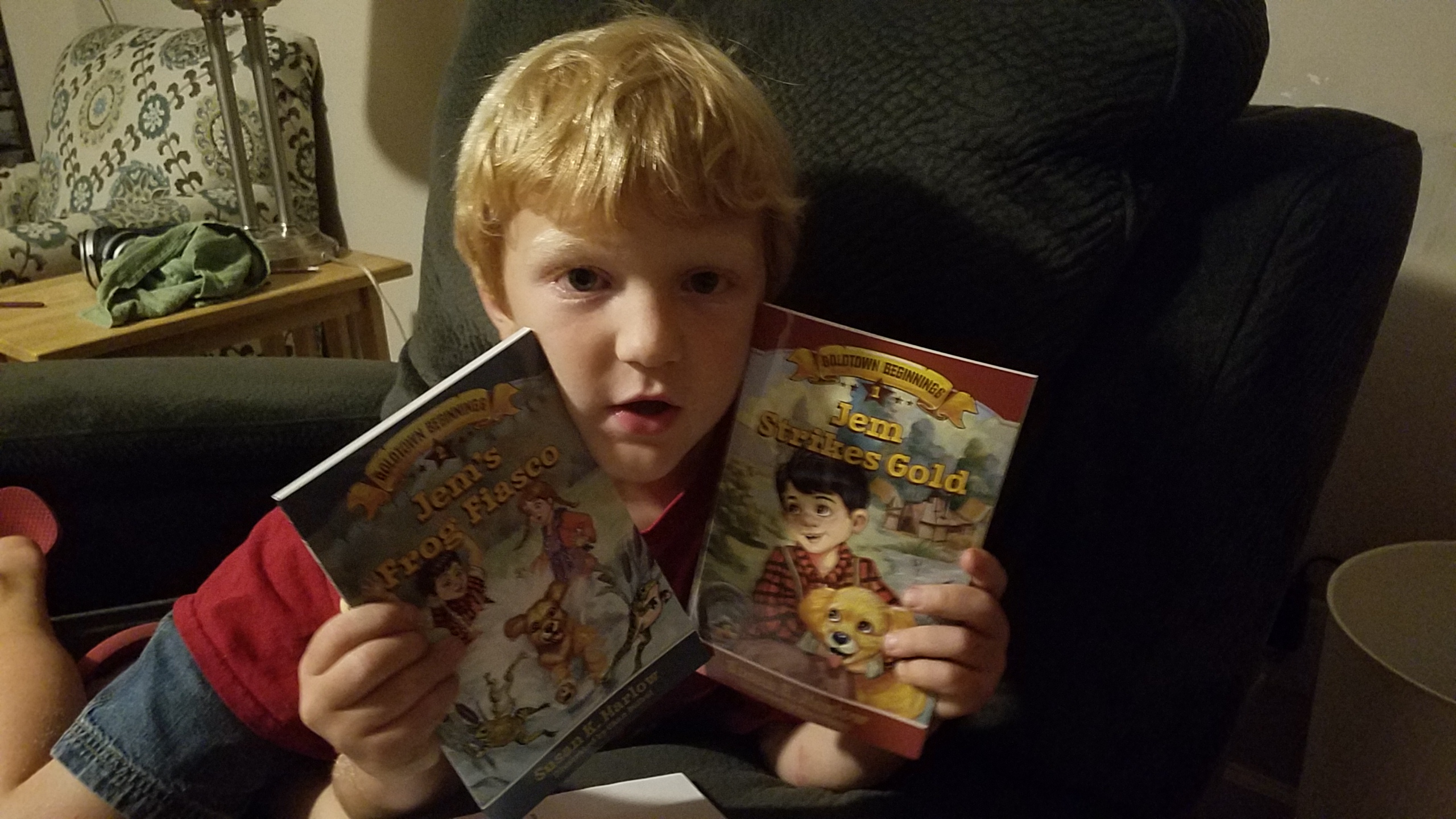
Several years ago, we were blessed with the chance to review Susan K. Marlow’s Goldtown Beginnings series. My children loved it, which led me to try even more of her books. She has some wonderful, wholesome series that our whole family has enjoyed.

*Some links are affiliate links, see disclosure below*

One of the things that is different about her books than many authors is that she often has several series for a character that follow them at different ages and are written for different-aged (or ability) readers.

The Circle C books follow Andrea Carter, a wonderful, horse-loving young lady. From the Beginnings series, where we meet young Andrea (Andi) at age 6, to the Stepping Stones books when Andi is 9, up next are the Circle C Adventure Books when she is twelve. There are also the Circle C Milestones books that feature her as a teenager.

Throwback to our first time with Goldtown

More Tales From The Circle C Ranch (Book 8)

This review focuses on the newest book in the Circle C Adventures series, book 8, More Tales from the Circle C Ranch.

This book is a compilation of six short stories featuring Andi and her family and friends. The stories range from an unfortunate roping incident to a summer on the pond. The book is about 139 pages long, and each story is from twelve to almost forty pages long.

The stories are broken up into short chapters and their are a few black and white sketch style illustrations sprinkled throughout the book.

Throughout the stories, Andi has adventures and mishaps. You get to see her handle trouble and grow through the process. For readers who have read the other books in the series, we also get to visit a few “old friends” from previous books. 

More Tales from the Circle C Ranch takes place in 1880 and 1881. While they are not primarily history books, they introduce readers to various events and the lifestyles and cultures of the historical period.

This is a great way for students to make more connections with their history study and better understand the times. For example, in one of the stories, Andi’s friend’s brother had just gotten a bicycle. Bicycles were a new invention, and the girls did not even know what they were.

Who Should Read More Tales From the Circle C Ranch?

Overall, I highly recommend this book for independent reading for upper elementary and middle-grade students or as a family read-aloud for all ages. The short story style makes it easy to use as a read-aloud and could also benefit children who struggle to read or get frustrated with longer selections.

If you want to start at the beginning, you can try Circle C Beginnings for young readers, the very beginning, or the first book in the Circle C Adventures series.

Resource Library and Affiliate Disclosure

When you sign up for the Schoolin’ Swag free resource library you will get a link and password to the library, we are adding to the library each month with new items. You will also get a bi-weekly newsletter email to keep you up to date on what we have going on.

Resource Library 

This post may contain affiliate or referral links, including Amazon affiliate links. As always I will never recommend a product that I don’t believe in and you will never be charged more for purchasing through our links. It does help pay for the costs associated with the blog.

Timberdoodle Hidden Systems Book Review

What Are Hidden Systems?


Most people use the internet, electricity, and running water every day. Have you ever wondered exactly how they all work? We know that electricity comes through a power line, and pipes bring water into our homes. However, most people don’t understand how the systems work to make it happen.  

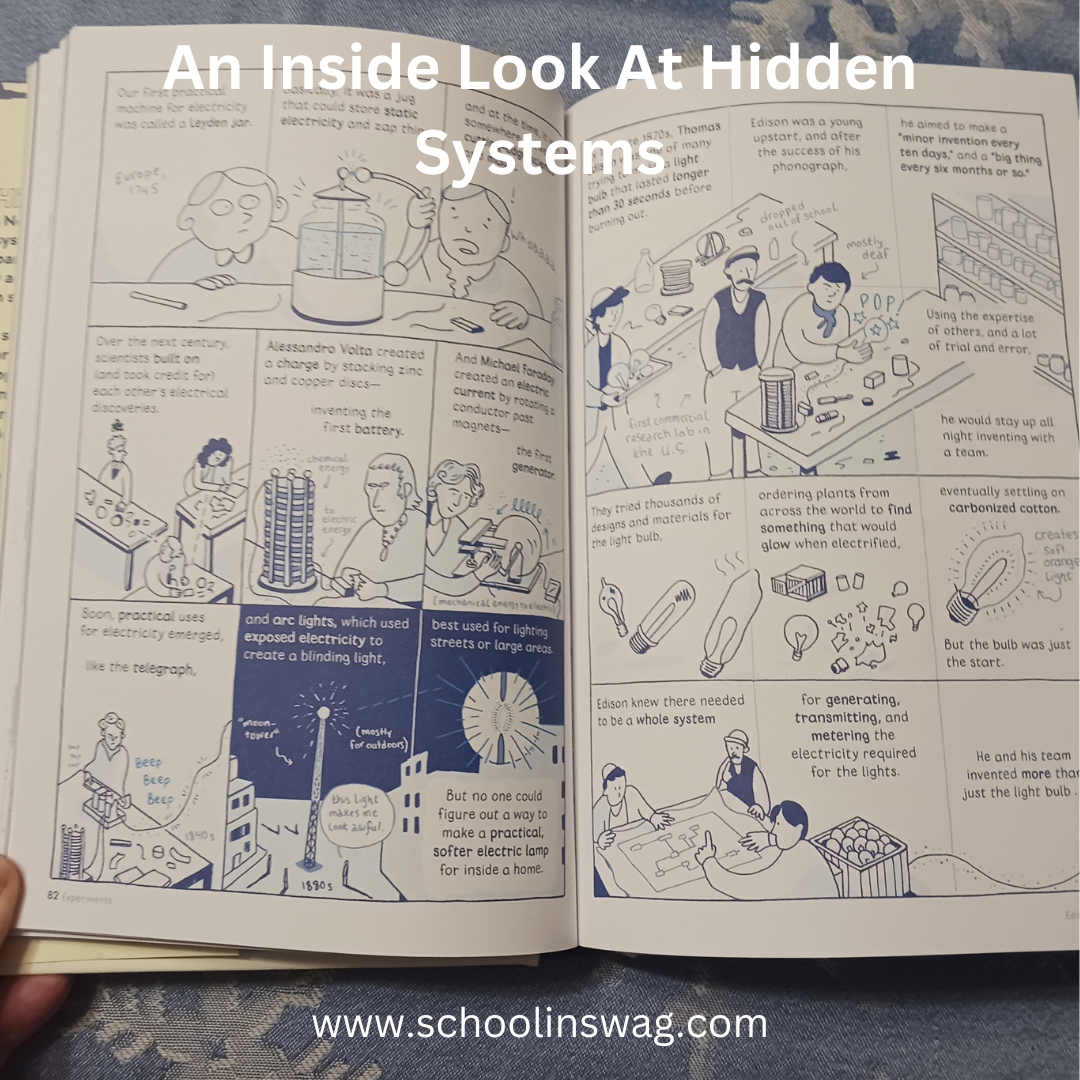
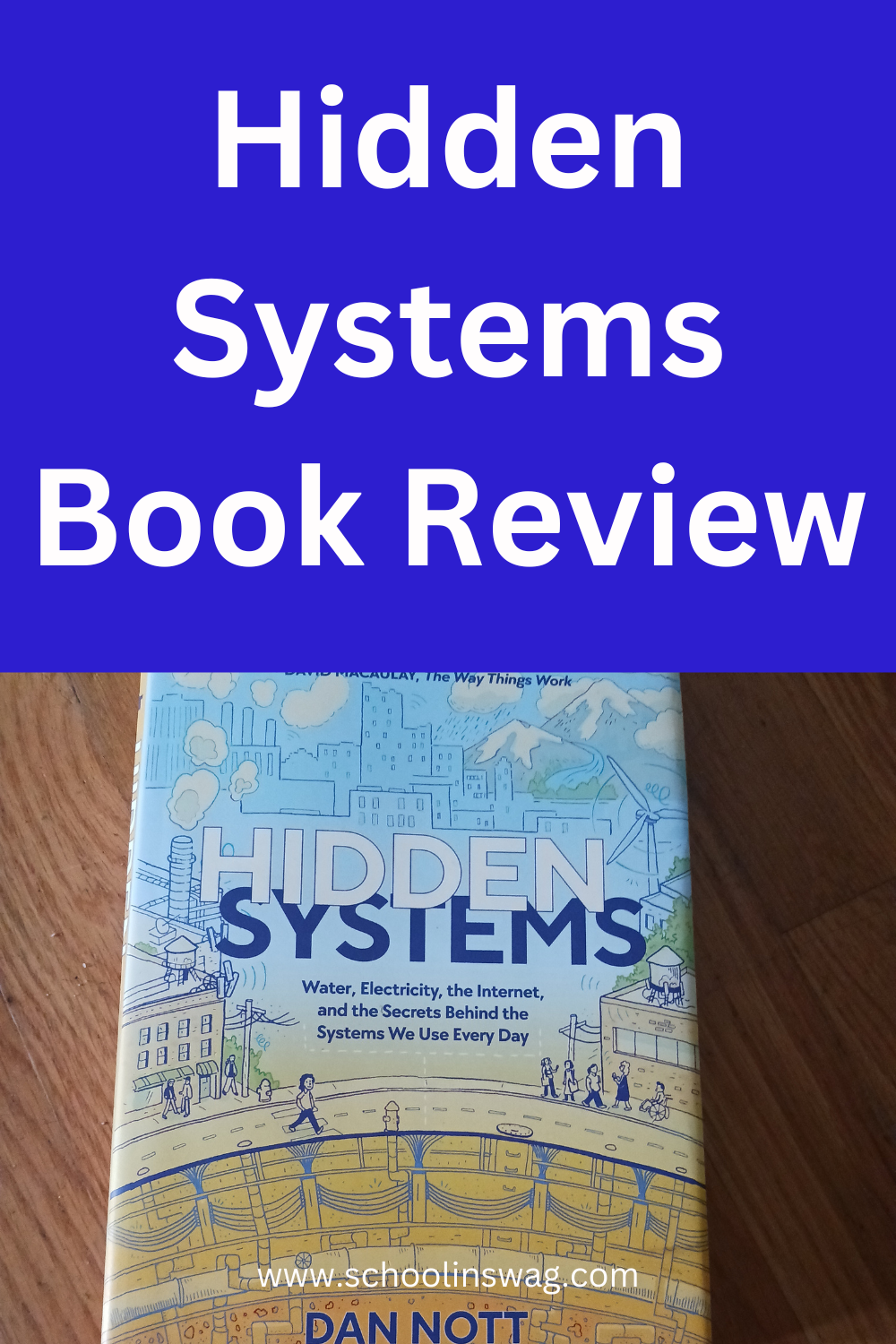
Timberdoodle allowed me to learn through a review of Hidden Systems, a graphic novel by Dan Nott that explains these systems. This delightfully illustrated graphic novel goes into great detail about the Internet, the power grid, and the water system.

I am dating myself, but I grew up in an age without the internet. I remember being in high school when e-mail became a “thing,” and I would drive to the local community college library to check my e-mail. When I went away to college, we had to either use the computers in the library or pay extra to get internet in our dorm rooms. However, it didn’t take very long before the internet became a household tool, and now it’s available on our phones and wirelessly in many places we shop and visit.

I know how to use the Internet, and both my husband and I run online businesses, but I can honestly say I never really understood how the Internet was set up or the physical structures that make it work.

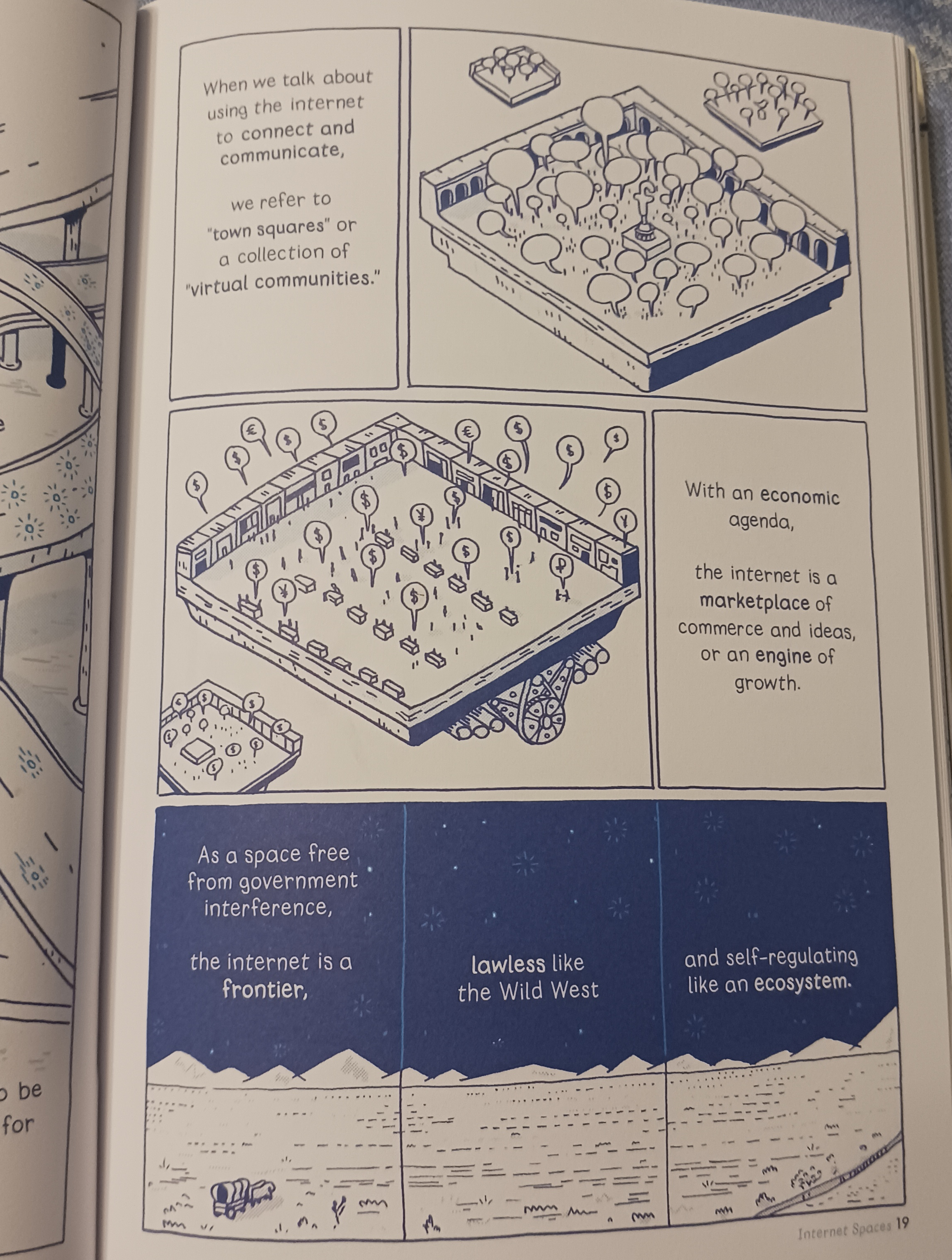
Hidden Systems effectively explains how the Internet is built using simple, everyday language and well-drawn illustrations.

The book goes on to talk about the electric system and the water systems in the same way. The water system starts with the Earth’s natural water cycle and system and goes on to talk about man-made systems. It discusses how the two are connected, how sometimes man-made systems can have unintended consequences for the natural systems, and how we must work together to have systems that provide needed resources without destroying other natural resources.

Who Can Use Hidden Systems?

Timberdoodle uses this book in the grade 12 kit. I think the book could be used for a variety of ages. Elementary students could learn valuable information from the graphics but are not necessarily ready for all of the content. The content at the end that discusses the use of resources and power discrepancies can create a great conversation and discussion with teens. There are many viewpoints on some of these topics, and while you may disagree with the author on all of his points, it is an excellent catalyst for discussion on the many sides of each issue.

Overall, this book contains a lot of great content on the different systems. I recommend the part about the various systems for any age, but the content on equity, Indigenous peoples, and such is best for middle grades and older.

This book could be used as an independent read and would be interesting to many students who enjoy graphic novels or are interested in how things work. It would also work great as a part of a science class or as a family read-aloud with discussions.

Hidden Systems is available from Timberdoodle as a stand-alone purchase or as part of their grade 12 kit. You can find out more on their website.