
What Are Hidden Systems?
Most people use the internet, electricity, and running water every day. Have you ever wondered exactly how they all work? We know that electricity comes through a power line, and pipes bring water into our homes. However, most people don’t understand how the systems work to make it happen.
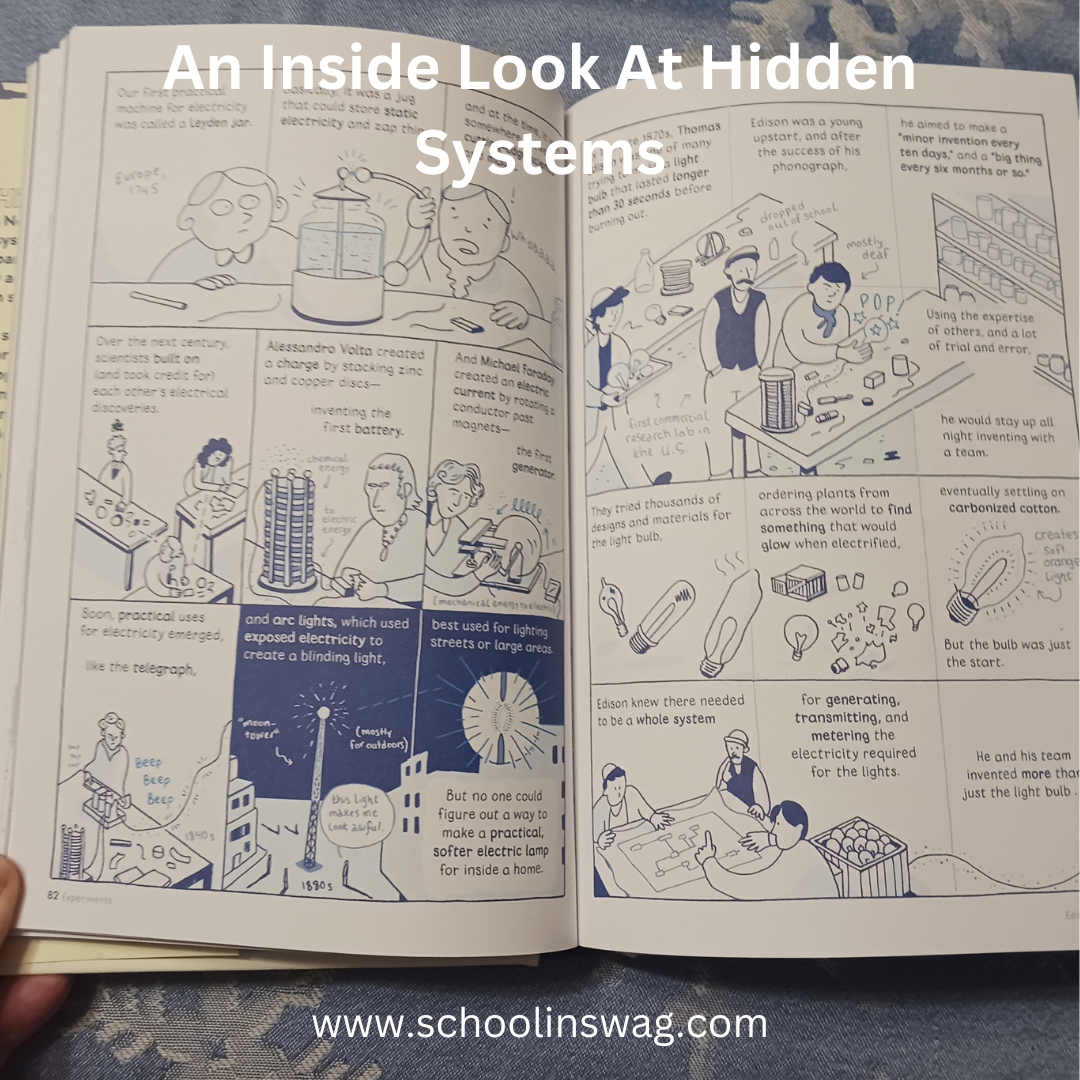
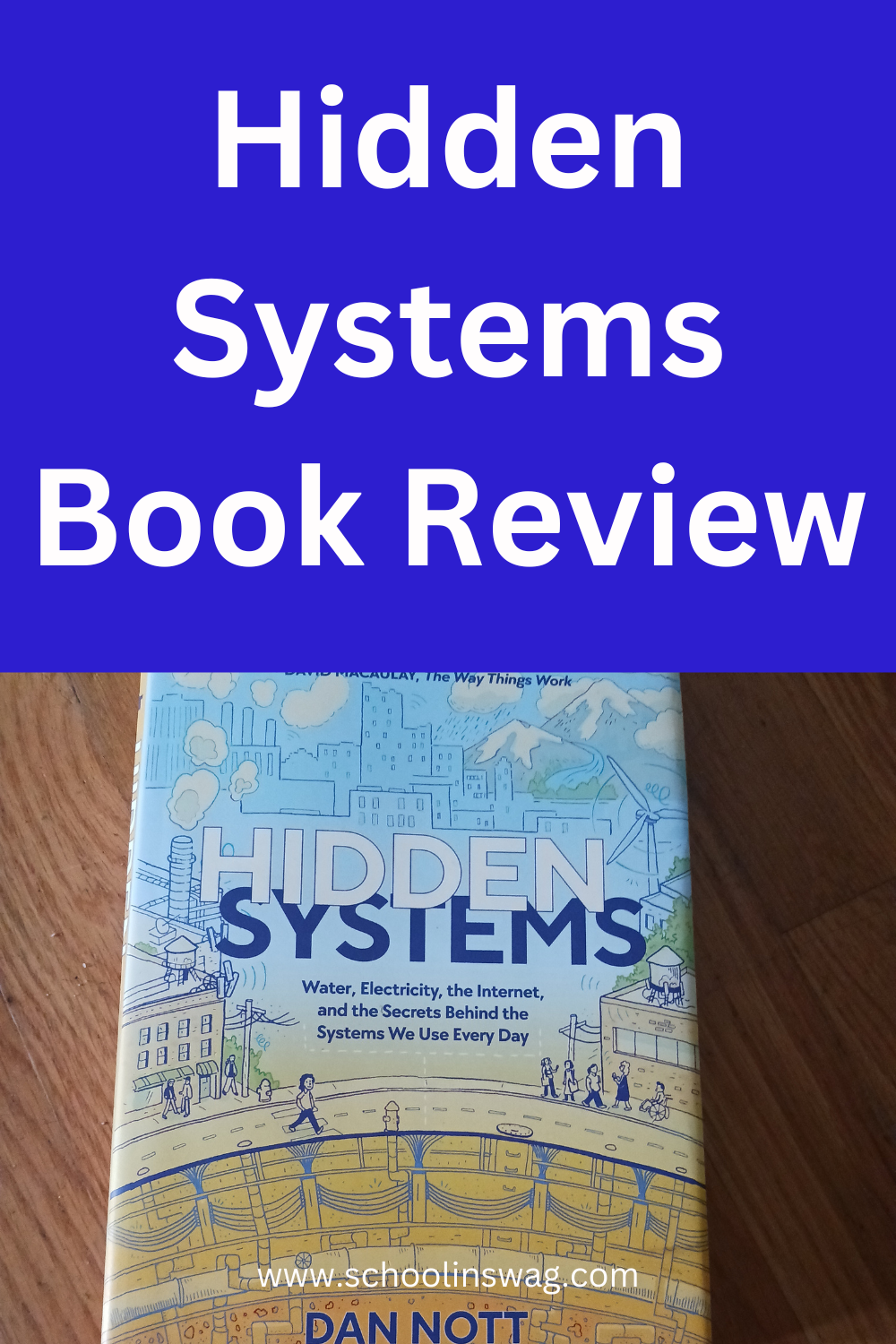
Timberdoodle allowed me to learn through a review of Hidden Systems, a graphic novel by Dan Nott that explains these systems. This delightfully illustrated graphic novel goes into great detail about the Internet, the power grid, and the water system.
I am dating myself, but I grew up in an age without the internet. I remember being in high school when e-mail became a “thing,” and I would drive to the local community college library to check my e-mail. When I went away to college, we had to either use the computers in the library or pay extra to get internet in our dorm rooms. However, it didn’t take very long before the internet became a household tool, and now it’s available on our phones and wirelessly in many places we shop and visit.
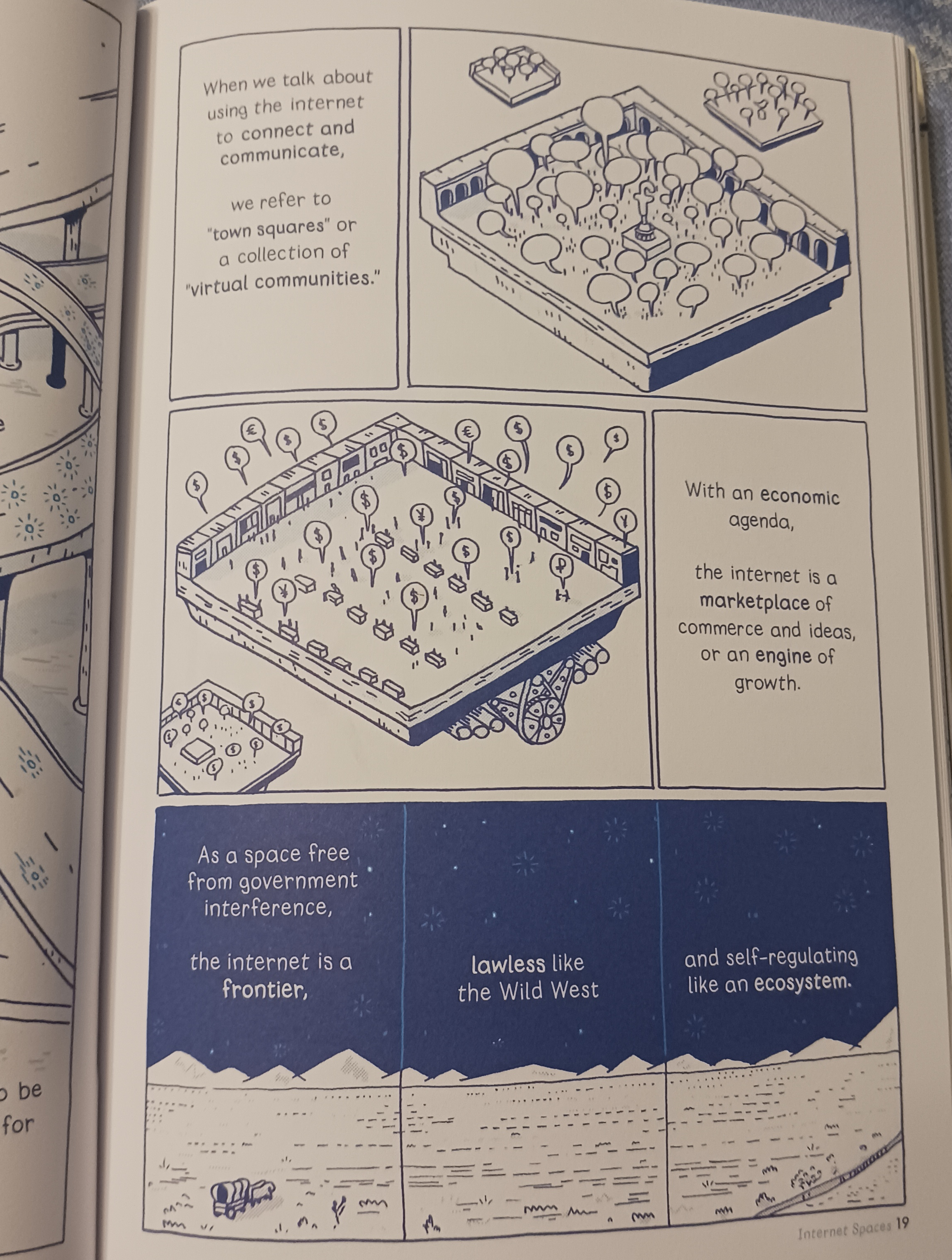
I know how to use the Internet, and both my husband and I run online businesses, but I can honestly say I never really understood how the Internet was set up or the physical structures that make it work.
Hidden Systems effectively explains how the Internet is built using simple, everyday language and well-drawn illustrations.
The book goes on to talk about the electric system and the water systems in the same way. The water system starts with the Earth’s natural water cycle and system and goes on to talk about man-made systems. It discusses how the two are connected, how sometimes man-made systems can have unintended consequences for the natural systems, and how we must work together to have systems that provide needed resources without destroying other natural resources.
Who Can Use Hidden Systems?
Timberdoodle uses this book in the grade 12 kit. I think the book could be used for a variety of ages. Elementary students could learn valuable information from the graphics but are not necessarily ready for all of the content. The content at the end that discusses the use of resources and power discrepancies can create a great conversation and discussion with teens. There are many viewpoints on some of these topics, and while you may disagree with the author on all of his points, it is an excellent catalyst for discussion on the many sides of each issue.
Overall, this book contains a lot of great content on the different systems. I recommend the part about the various systems for any age, but the content on equity, Indigenous peoples, and such is best for middle grades and older.
This book could be used as an independent read and would be interesting to many students who enjoy graphic novels or are interested in how things work. It would also work great as a part of a science class or as a family read-aloud with discussions.
Hidden Systems is available from Timberdoodle as a stand-alone purchase or as part of their grade 12 kit. You can find out more on their website.

 The Schoolin' Swag Blog