“Who What Why”: Slavery, The Underground Railroad, and Abolitionists

*This post contains affiliate links; see disclosure below*

About two years ago, I had the opportunity to introduce you to a new series of books that is both informative and enjoyable, The Who, What, Why series. The first set was about protestant church history; I am excited to share that there are three new books available in the series.

This set includes What Was the Underground Railroad, Who Were the Abolitionists, Why Did Slavery End?

In today’s world, books share many messages, and it can sometimes be hard to know which books to buy for your children. If you are like me, you want books that are fun and interesting. More importantly, you want books that share your Christian worldview. This series fits that bill perfectly.
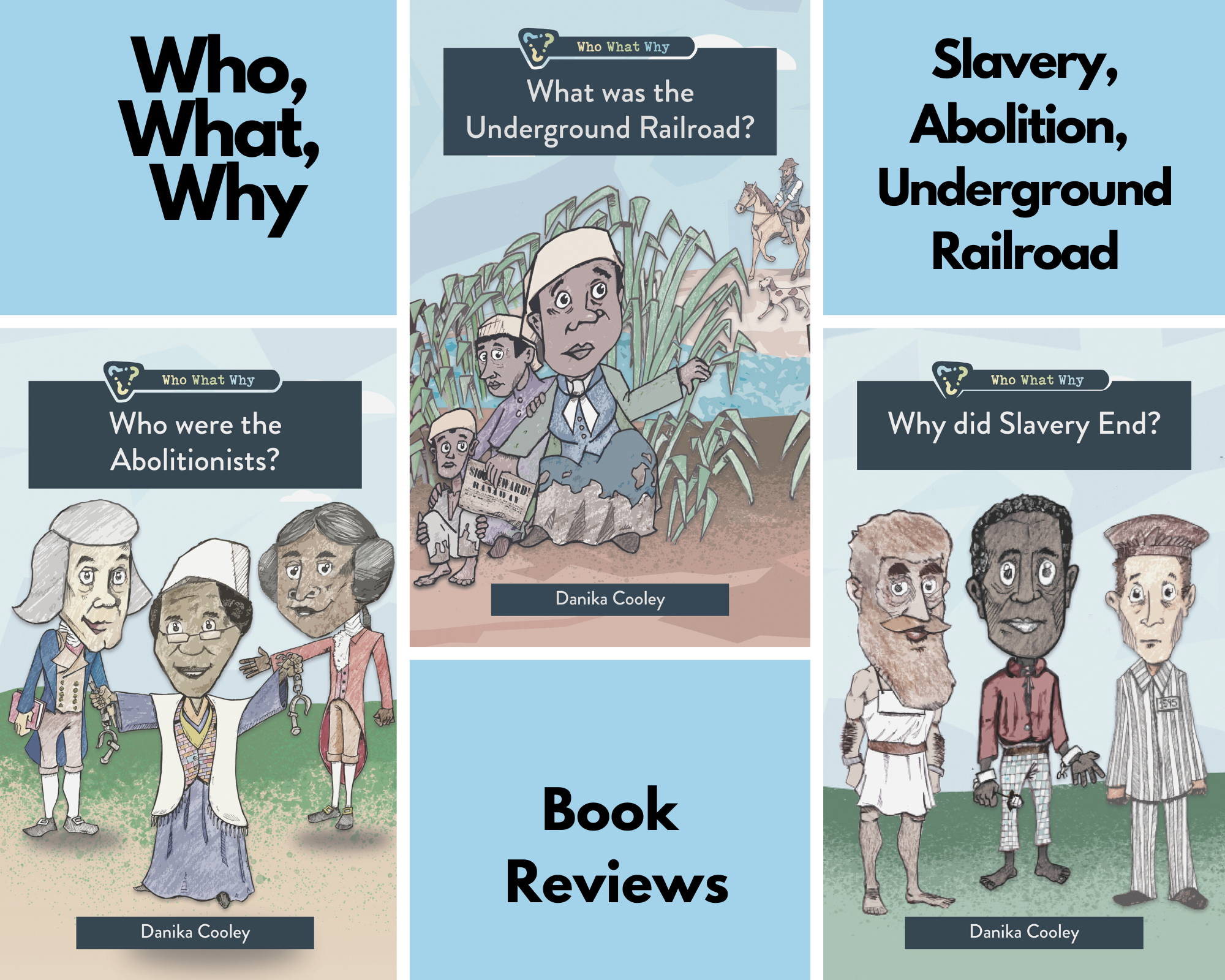
Who What Why Series

These books, like the others in the series, are brief chapter books geared toward students who are eight to eleven years old. The books are informative but engaging and sometimes humorous. I think that younger students could enjoy them and learn from them through a family read-aloud.

In addition, older students would find them to be very simple but still educational. I have been reading them aloud, specifically to my five and nine-year-old sons, but I think even my teenagers could benefit from them.

Each book contains illustrations that help the reader understand the book (and are often quite humorous), a timeline of events, and a works cited section so that you know where she derived the historical information.

Who Were the Abolitionists?

This book covers ten different abolitionists. Some of whom I was familiar with, but there were several whose stories I had never heard.

  • Granville Sharp
  • Phillis Wheatley
  • Olaudah Equiano
  • Thomas Clarkson
  • William Wilberforce
  • Zachary Macaulay
  • William Knibb
  • Soujourner Truth
  • Frederick Douglas

The book was interesting and engaging. It covered a very challenging topic in a way that wouldn’t be overwhelming to younger students.  The book did a great job telling the story of the abolitionists and slavery through a biblical lens. Each chapter is only about six to seven pages, so it makes for a very easy read-aloud.

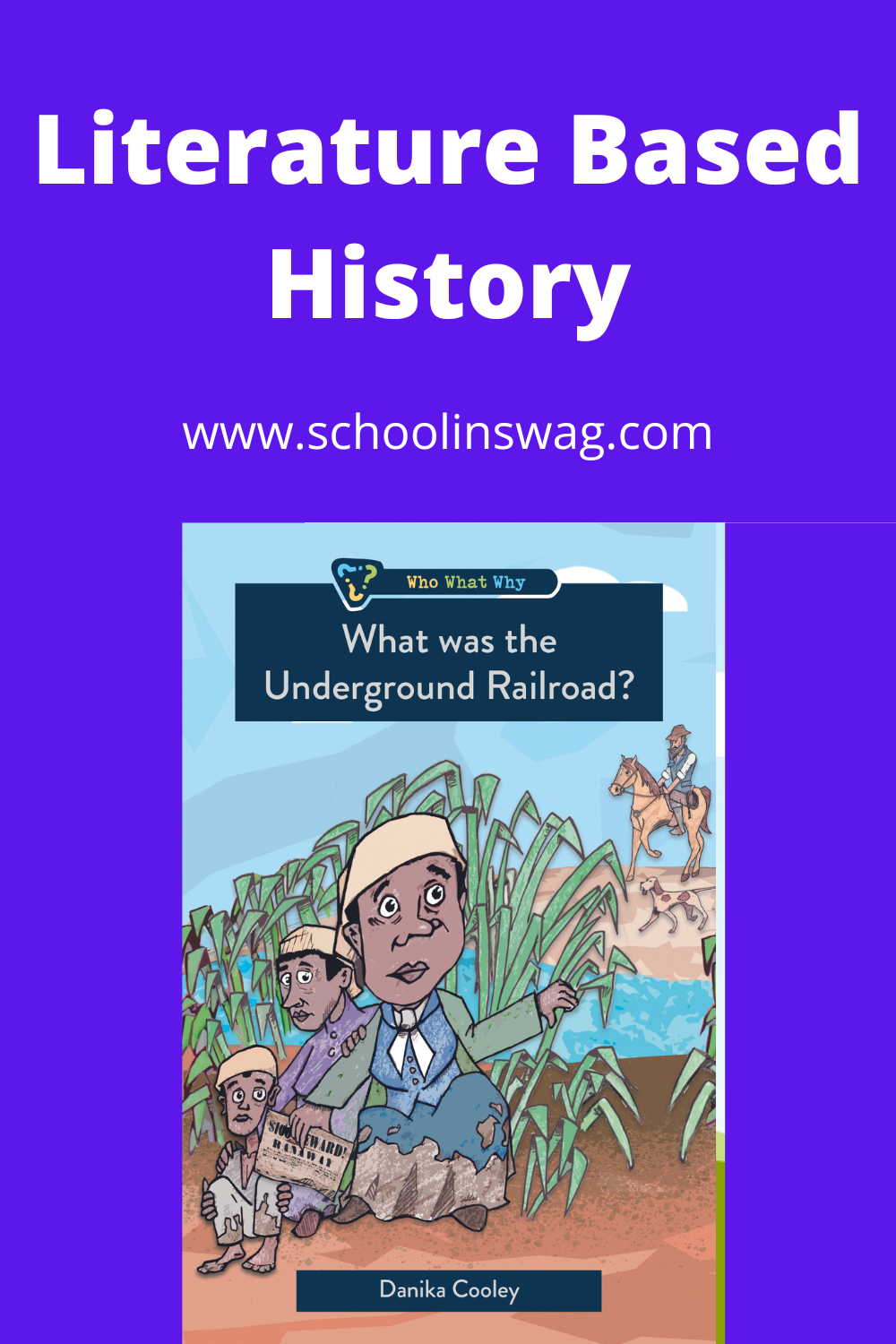
What Was the Underground Railroad?

This book is written in such a way as to make it easy to understand and engaging for children, but it covers a great deal of important historical information.

Each chapter is about nine or ten pages, and they work their way through the story of the Underground Railroad. I really appreciated the chapter that explained how we know about the Underground Railroad and how the stories were preserved.

In addition to the historical lessons on the Underground Railroad, it includes a section on what the Bible says about the evils of slavery and how we should treat one another. 
Why Did Slavery End?

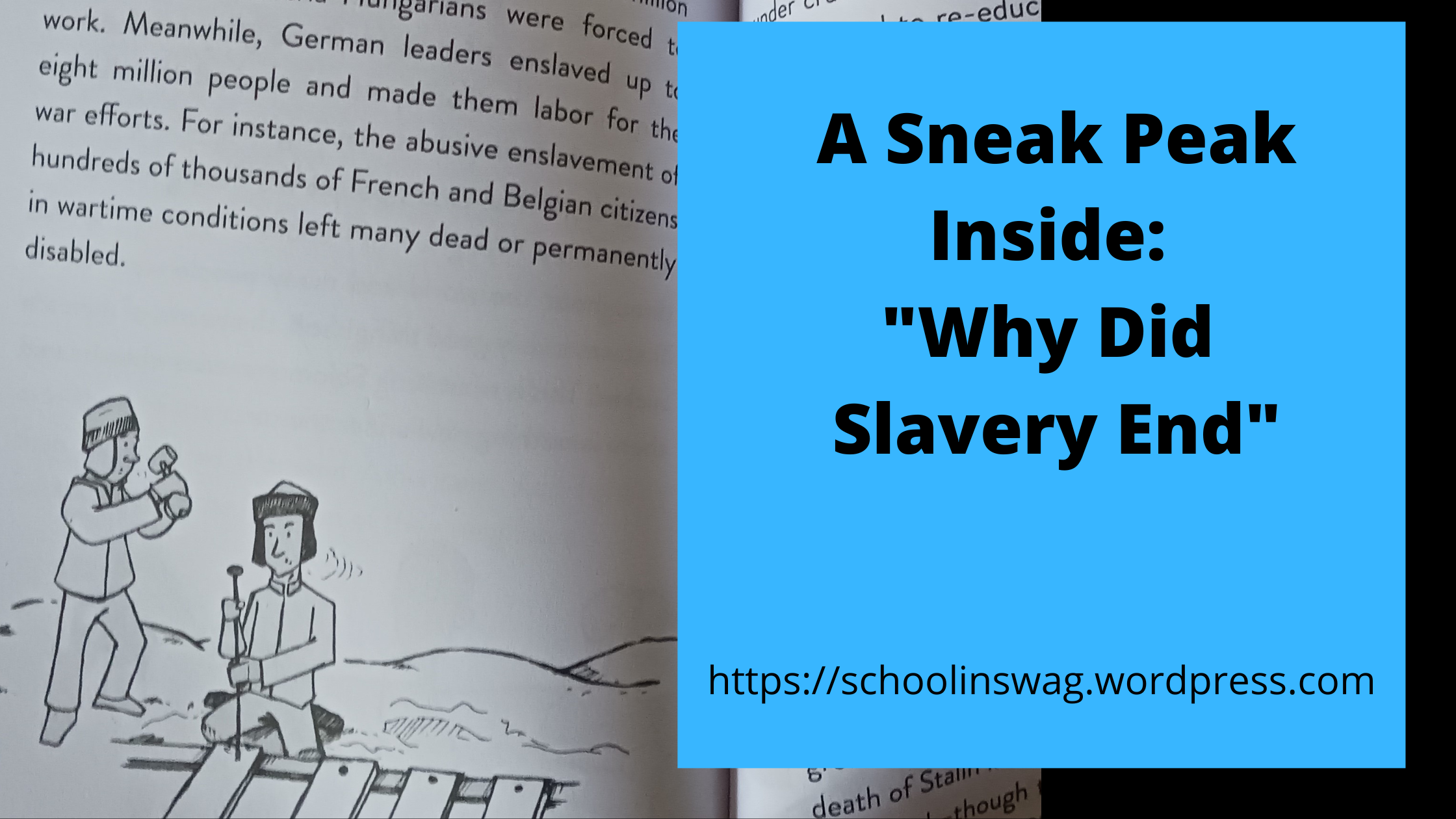
Unlike most books I have reason slavery, this book doesn’t just cover slavery in America, but slavery dating back to Biblical times and going through modern times.

I really appreciated how she covered slavery in other countries and times to help students understand more about the history of slavery. (While there is one statement about people in the Civil War dying for or against slavery that I feel does not clearly take into account the many different aspects, of which slavery was one, of the Civil War, overall, I think this book does a good job showing the varied history of slavery.)

It talks about the evil sinfulness of slavery and shows what the Bible says about how Christians should respond to slavery. 

Conclusions

The Who, What, Why series is a great addition to any home library. They can be used as read-alouds or independent reading. They are a great supplement to any history program that is covering slavery, but could also just be used as independent reading.

These books are available to purchase at Thinking Kids Press (individually or save money and buy them as a bundle) or on Amazon.

Which title most interests you? What other titles would you like to see added to the series?

Resource Library and Affiliate Disclosure

When you sign up for the Schoolin’ Swag free resource library, you will get a link and password to the library; we are adding to the library each month with new items. You will also get a bi-weekly newsletter email to keep you up to date on what we have going on.

Resource Library 

This post may contain affiliate or referral links, including Amazon affiliate links. As always, I will never recommend a product that I don’t believe in, and you will never be charged more for purchasing through our links. It does help pay for the costs associated with the blog.
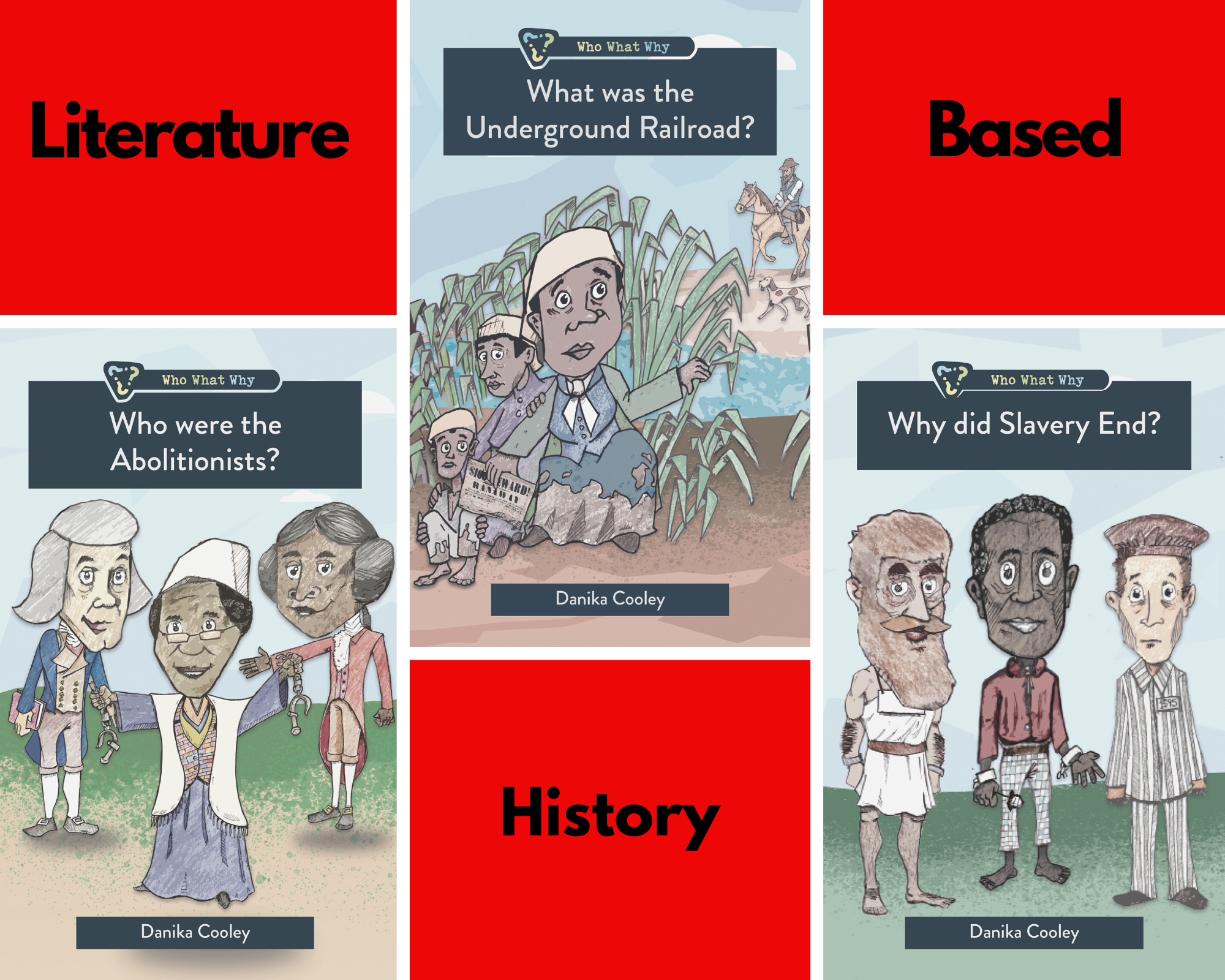
A Literature-Based Approach to History


History matters, but studying history doesn’t have to be boring. Your kids will love using a literature based approach to history.

One of my favorite memories from schooling my children was curling up on the couch, reading together. In fact, reading was the primary way we studied history from the time they were little until they made their way to college and to their own careers.

When I was going to school, history was learned through textbooks with lessons that seemed to have little connection to each other. I left college without truly understanding how movements, people, and ideas affected the course of global or local history. In fact, history seemed like a dark cloud of nebulous–and boring–information.

The truth is, history is anything but boring. It’s also incredibly important for our kids to understand how ideas affect the course of individuals, families, and nations.

Literature Based Approach to History

You can teach history to your children using a literature based approach. Your kids will love reading the stories of courageous people who took a stand for truth!

We used a variety of literature based resources to help our kids learn about history, such as:

  • Biographies
  • Narrative nonfiction
  • Historical fiction
  • Illustrated source documents, like journals and the Bill of Rights
  • Literature written during the historical period being studied

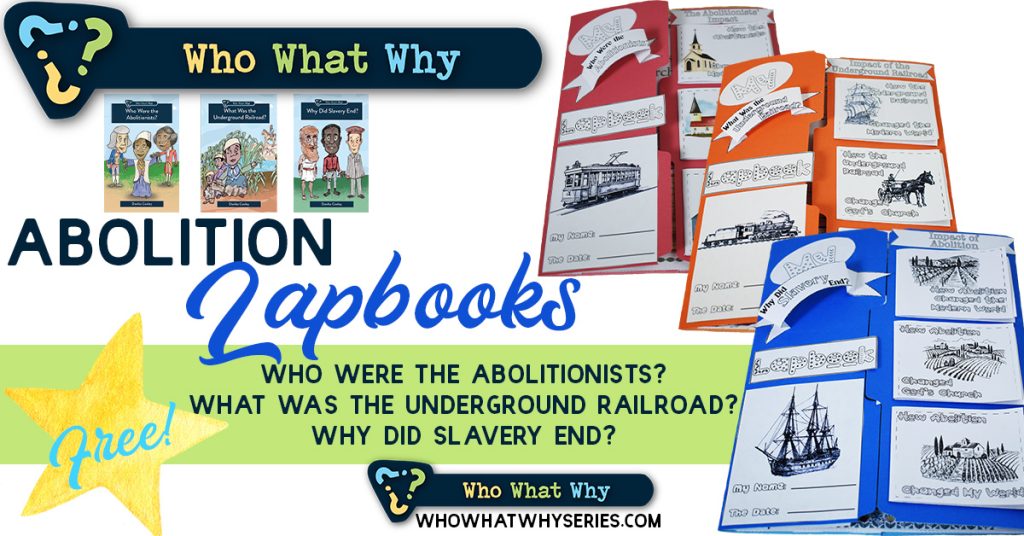
Our kids loved learning about historical events and movements from several perspectives. For instance, your child can learn about Abolition by reading stories of the lives of Christian abolitionists who fought for the freedom of others, learning how the Underground Railroad functioned, and reading an overview of how slavery ended and what God’s Word says about how we must treat each other. Add in a few crafts and some lapbooks or notebooking, and your family has a wonderful unit study on Abolition!


Who What Why | Abolition | Free Printable Lapbooks

Grab your FREE Abolition lapbooks. Your kids will learn about ten Christian abolitionists, the Underground Railroad, and Abolition!


Literature Based Homeschool

Literature based learning is such a wonderful tool. You can actually teach different aspects of most subjects through literature! It’s such a gift to our kids to educate them in a way that’s fun, engaging, and that excites their imaginations.

History and the Bible are subjects that benefit the most from a literature based homeschool approach. As you educate your kids, look for ways to help them examine a topic in several ways using different genres of literature. Not only will you help inspire a lifetime love of learning for your kids, you’ll be giving them a world-class education at the same time.


Danika Cooley

Danika Cooley’s Who What Why Christian history series is perfect for your 7-11 year olds. Your children will better understand the history of the Christian faith, the people who loved Jesus, and what the Bible says about really important issues! Danika is an award-winning children’s author and Bible curriculum developer. Her popular Bible Road Trip™ is used by tens of thousands of families.

Learn more about the Who What Why series and grab your free history lapbooks here.


==============================

Resource Library and Affiliate Disclosure

When you sign up for the Schoolin’ Swag free resource library, you will get a link and password to the library; we are adding to the library each month with new items. You will also get a bi-weekly newsletter email to keep you up to date on what we have going on.

Resource Library 

This post may contain affiliate or referral links, including Amazon affiliate links. As always, I will never recommend a product that I don’t believe in, and you will never be charged more for purchasing through our links. It does help pay for the costs associated with the blog.
IQ Weather Video Course Review

IQ Weather Overview

IQ Weather is a video-based weather program designed for fifth grade and higher. This in-depth study of weather covers far more than the generic basics of rain, sun, and snow. Timberdoodle provided me with the opportunity to review IQ Weather.

Lessons

Each Lesson is a 5-10 minute video followed by a computer-graded quiz. There is a PDF of quiz answers and explanations with each lesson. In addition, there are lesson Plans with before and after discussion questions, vocabulary, and additional resources on the topic. The additional resources allow you to click links to more information to improve student understanding and help students who want to further their studies. Finally, a Teacher Guide covers what will be covered in the lesson to help the teacher/parent prepare for the class.

The lessons could be done together with an adult as a guided study, but older students could also complete them independently.

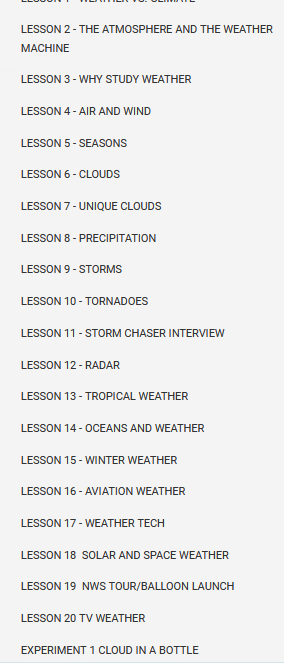
There are twenty lessons that include a variety of topics within the broader subject of weather. This includes learning about weather vs. climate, clouds, different types of weather (storms, tornados, tropical weather, etc.), and various weather technologies.

Experiments

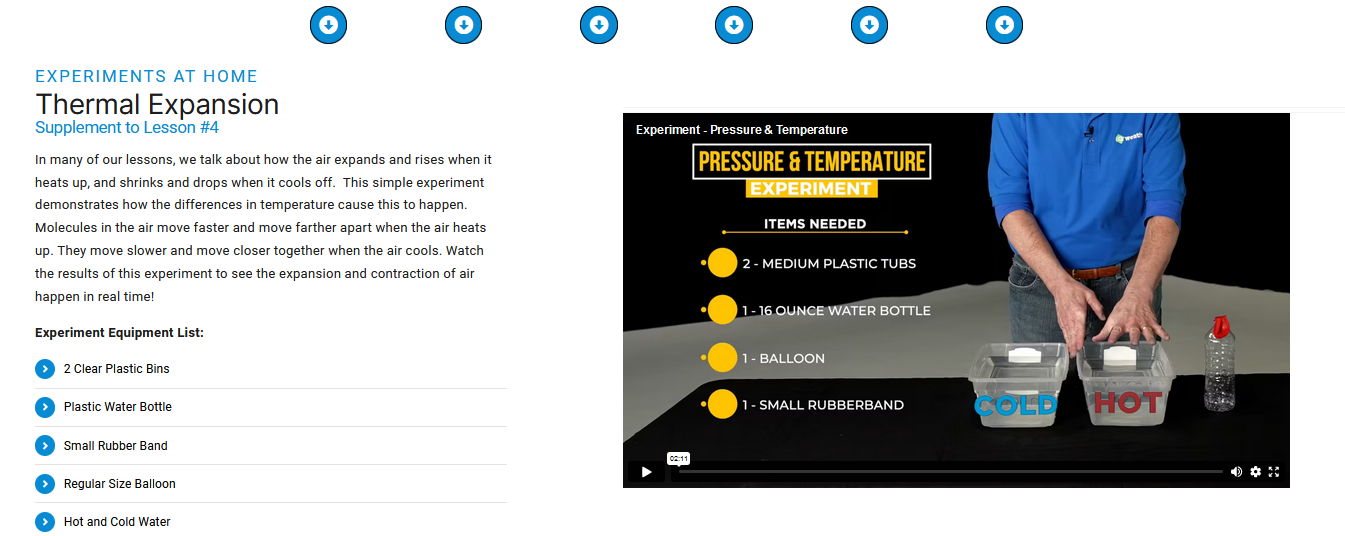
In addition to the lessons, eight experiments coordinate with some of the studies. The experiments include an explanation, a materials list, a video, and a quiz. Most of the experiments would be very simple to do at home, but a few are more complex.

If you could not do the experiment at home, the video shows the experiment being completed. It allows students to learn through that watching, though ideally, you would conduct at least some experiments.

For example, in one experiment, you simply needed a bucket of hot water, a bucket of cold water, an empty plastic bottle, a balloon, and a rubber band. Students could then see how different temperatures affected the air.

However, one of the more complex ones required liquid nitrogen and safety equipment. That was one we decided to just watch and learn through the video.

How We Used IQ Weather

While this program is recommended for 5th grade and above, I have a 4th grader and a kindergartener who wanted to learn more about the weather. I primarily used this for my 4th grader, but I allowed the kindergartener to watch the videos with him. (The program will only score one student on the quizzes, but the company says the whole family is welcome to use the rest of the content.)

My fourth grader learned a lot through the videos and discussion, though he still had trouble with some quizzes. I think the age range of fifth and above is reasonably accurate, but younger students can get a lot from the program if you don’t expect complete mastery.

Conclusions

We enjoyed the IQ Weather course from Timberdoodle. I believe that it would make a great standalone weather study, but you could also easily use it as a supplement if you were doing a different program and just wanted to go more in-depth with the weather.

If you do the experiments, discussion questions, extra readings, etc., it can take several hours per lesson. However, a lesson would only take about fifteen minutes if you chose just to do the videos and quizzes. So, it is very flexible based on your family’s needs.

Resource Library and Affiliate Disclosure

When you sign up for the Schoolin’ Swag free resource library, you will get a link and password to the library; we are adding to the library each month with new items. You will also get a bi-weekly newsletter email to keep you up to date on what we have going on.

Resource Library 

This post may contain affiliate or referral links, including Amazon affiliate links. As always, I will never recommend a product that I don’t believe in, and you will never be charged more for purchasing through our links. It does help pay for the costs associated with the blog.

10th Grade Curriculum Choices 2023-24

Each calendar year, I try to pick a focus word or phrase to help me guide my year. For 2023 my term was Make Space, and it came about primarily because I felt God encouraging me to make space in my daughter’s school schedule for her to pursue the gifts he has given her.

*Some links are affiliate links; see full disclosure below.*

My oldest is a senior this year (more on his schedule coming next week), and when my daughter started high school, I was mainly putting her on the same track as he was on. I was thinking if it was working, no need to change it.

Considering Each Student

However, I wasn’t considering the differences in their goals and passions. While they had a few different electives, I realized I needed to make even more changes in my daughter’s schedule to make time and space for her to pursue her music passion.

This meant dropping things like foreign languages to make space for more music electives. It also meant adding a business elective to help her prepare for running her own business (she wants to teach music lessons). Much to her disappointment, it did not mean dropping math.

I am sure we will still have some adjustments as we go along, but we looked at the course requirements for the associate’s degree in music that she wants to pursue, in addition to some certifications that she will be working towards. Then, we lined up a curriculum path that would help her gain the skills needed, take some of those courses early, and still have an excellent, well-rounded education that will allow her to change her mind later if things change.

As this is her sophomore year, she will be doing all homeschool courses and begin some dual enrollment classes next year.

Math

I learned my lesson the hard way with my oldest and Algebra 1, and now we use online math programs beginning with Algebra for their sake and mine. My daughter will be taking Algebra II with Thinkwell Math. It is my favorite upper-level math program because it is thorough and well done and offers online help classes for students struggling with a concept.

Reading

I am very excited about her reading program this year. We wanted to do some British Literature, but we will do a deep dive into Jane Austen instead of doing a survey class. I am using a variety of her novels and these great resources from You Are an Artist to combine literature with art.

I look forward to book discussions over tea and snacks (something my daughter and I enjoy). I am also excited about a few movie nights to compare and contrast the movie and the novel. It will be a great learning experience and provide fun memories and bonding with my daughter.

Science

We did science a little out of the typical order so my son and daughter could do chemistry together last year. This year, she will be doing biology, which is often ninth-grade science. She is excited about it because there should be less math included in science than last year! We use Journey Homeschool Academy for our high school science needs. I love the Christian worldview, the engaging videos, and the thorough classes. 

(If you want to know more about Journey, check out our full review here.)

Geography

We have a big cross-country trip planned for the spring, so it is the perfect time to do a course in geography. She has had some geography spread throughout her history courses, but I created this geography course to work on US geography specifically.

She started working through the course already and is enjoying it. It allows her to research and learn while also helping plan our trip.

Music

Of course, we must remember the music classes. She will officially get one music credit for Music 2 on her transcript this year. However, we have made some extra time for additional practices and performances.

She will be taking viola and piano lessons with Practice Monkeys (we have been using them since the fall of 2018, and I highly recommend them for music lessons).

She will perform on her viola at a local historical site’s Christmas tour, which will mean some extra practice.

In addition, she is currently playing the keyboard for our church’s youth group band. She is also working with our Worship Minister to incorporate her viola into some Sunday morning worship songs.

She was able to go to three different music camps this summer, and I think the extra practice and encouragement were great for her motivation. I am excited to see the progress that she will make this year.

Electives

Finally, she is taking three electives. First, she is taking her PE course, which means that for our homeschool, she will log hours doing various physical activities. She enjoys running, so that will make up many of her hours, but she also kayaks, hikes, bowls, and enjoys doing some of the workouts using our Fit2B membership for cardio and weight training.

Next, she is going to be doing a business elective. She had been taking some workshops through our local small business center and asked about turning them into a credit. So we have decided that we are going to track those workshops, as well as the time that she spends putting the ideas and information into practice for her soap-making business or helping with her brother’s farm, and count them towards a business elective.

Her third elective will be a poultry science elective. She participates in Poultry Judging and Avian Bowl through 4-H and, in addition to participating, helps to teach younger children. Her team is even going to the national competition this year. They learn so much about poultry and science in general through this program, and we are counting the hours participating in practices, contests, and teaching towards this elective.

Morning Time

In addition to her transcript courses, she will participate in our daily family morning time. During that time, we do our Bible study, current events with World Watch, Shakespeare, and some fine arts. I will share more specifically how we use that time in another post. Still, I think it is important to remember that not everything your high school student does has to be for their transcript, but it is also great when you can turn things you are already doing into high school courses.

Resource Library and Affiliate Disclosure

When you sign up for the Schoolin’ Swag free resource library, you will get a link and password to the library; we are adding to the library each month with new items. You will also get a bi-weekly newsletter email to keep you up to date on what we have going on.

Resource Library 

This post may contain affiliate or referral links, including Amazon affiliate links. As always, I will never recommend a product that I don’t believe in, and you will never be charged more for purchasing through our links. It does help pay for the costs associated with the blog.

Deals and Freebies

If you have not tried SchoolhouseTeachers.com, you don’t want to miss this sale!

4th Grade Curriculum Choices 2023-24

Living his best life!

*Some links are affiliate links; see full disclosure below*

I am genuinely excited about this year with my nine-year-old. We are moving into fourth grade and looking forward to a great year. He struggled early on with learning to read but turned a corner last year with his reading, which will make this school year much easier.

Reading:

We are starting where we left off in May with All About Reading Level 3, we should finish that before Christmas, and then we will roll straight into All About Reading Level 4. Since things have finally come together for him, he is moving faster and can get through more lessons each week.

He will also be reading some novels with me and doing some book clubs throughout the year for literature.

All About Reading

Spelling

We have been working on All About Spelling, and he will continue to work his way through that. There will be even more focus on that this year now that his reading is more comfortable. We found All About Spelling years ago when my oldest was a struggling speller, and it has been our family favorite ever since.

Writing

For writing, we will be using scripture copywork and nature journaling for practice. He will also be doing First Language Lessons to work on some grammar. Finally, I will sporadically begin working on different prompts, starting with themed paragraphs and working our way up. Due to his reading struggles, writing has not been a considerable focus in years past, so we are looking to expand on those skills this year.

Math

He will be continuing with Math for a Living Education this year. We both love the format; it worked very well for him. There is generally enough practice for him without it being too much busy work. If there are concepts where he struggles, we can add in some extra practice.

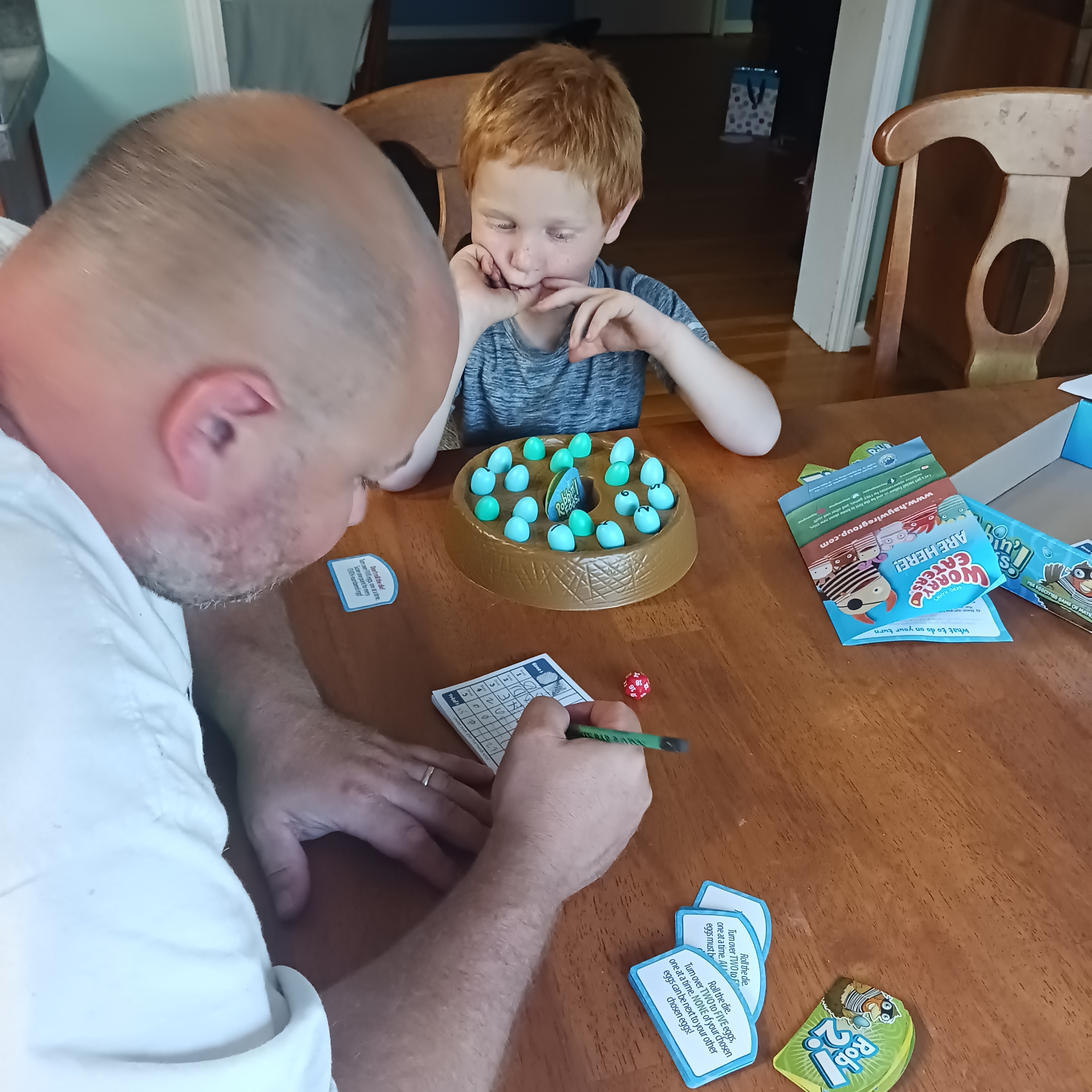
I also have a couple of math games, Robbin’ Eggs and Math Sprint, to use with him just to keep working on those skills in a fun way.

Science:

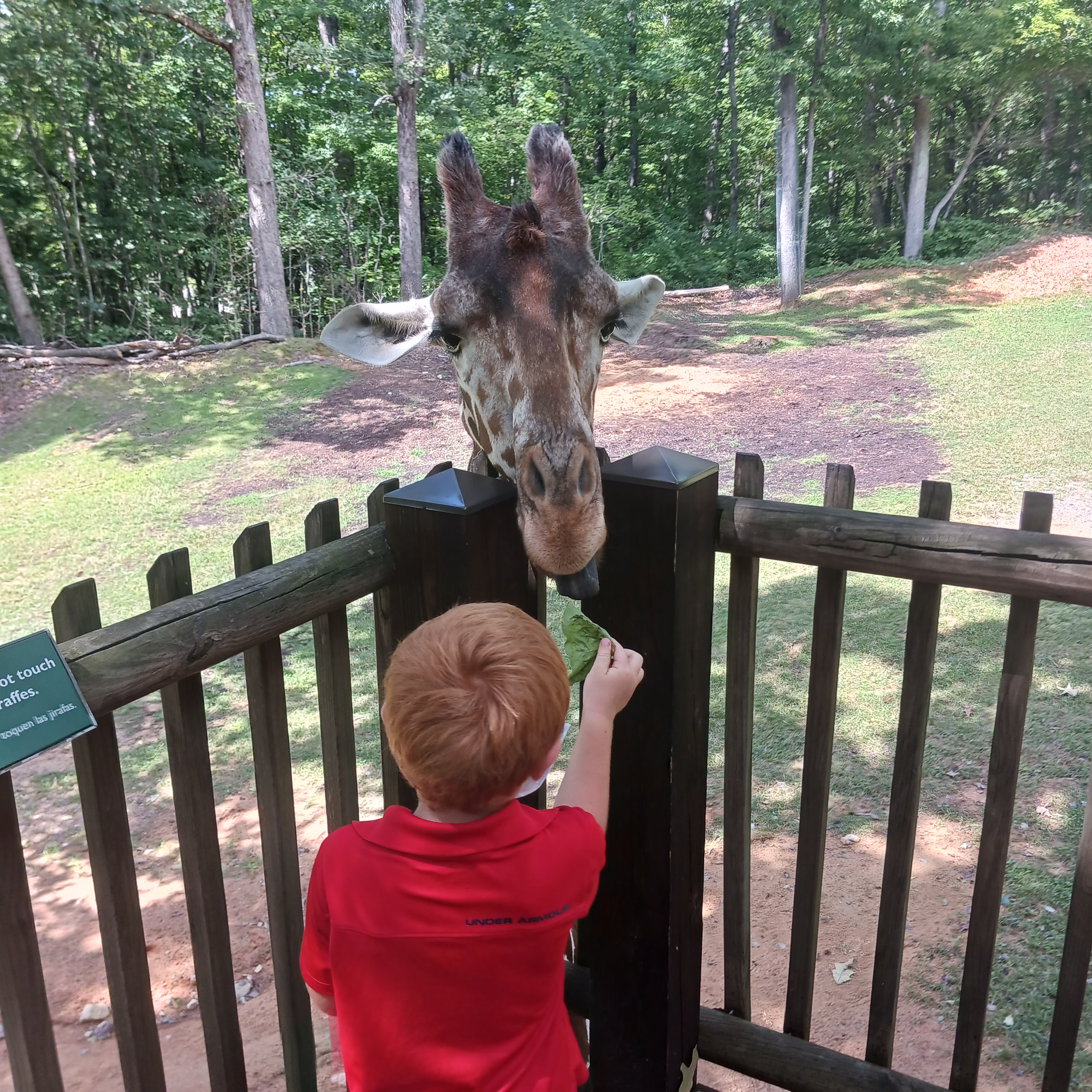
We have been working our way through the Apologia Elementary series, and he chose to do Apologia Land Animals this year. We are excited about doing it with his younger brother (kindergarten) and all of the fun field trips we can add in. We are planning a trip to the zoo and hoping to make it to a couple of other science museums/ animal sanctuaries that are close enough to visit.

We have a big trip coming up in the spring that will bring us to a variety of national parks, and I know many of them will also have displays and activities to help with our studies.

I shared last year how we did Apologia Swimming Creatures, and I will share a post in a couple of weeks with similar resources for Land Animals.

History:

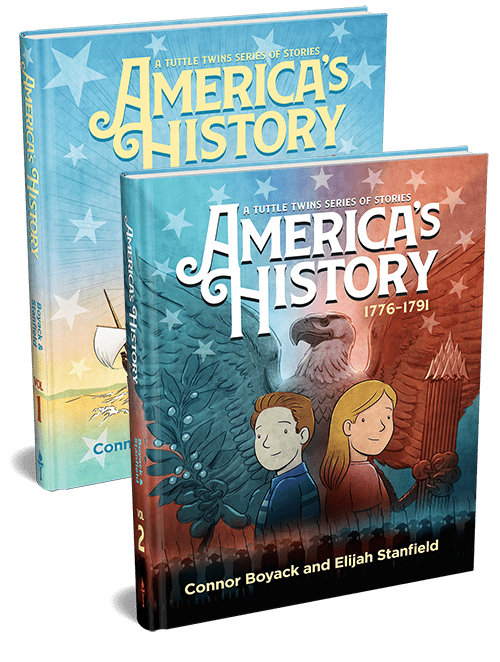
We are generally a Story of the World family for history, but we wanted to cover American History before our trip this year. So we are planning to use the new Tuttle Twins American History Volume One book. I have the book and the audio version to make it easier for both boys, especially once the new baby arrives.

TheTuttleTwins

We may also use Volume Two, depending on how fast we get through Volume One. Our whole family is very interested in history, so we sometimes get through more than would otherwise be expected.

Art/Music

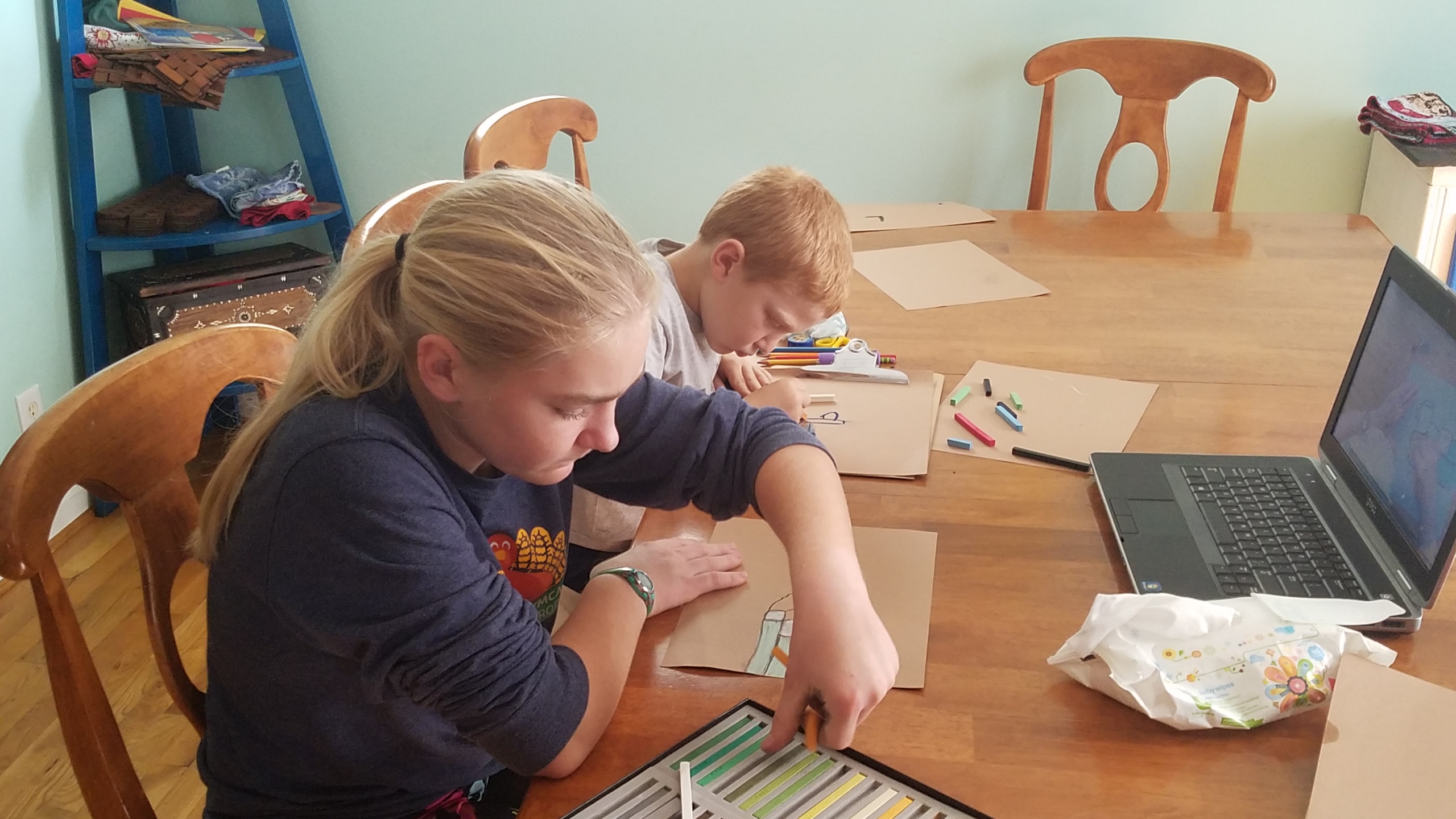
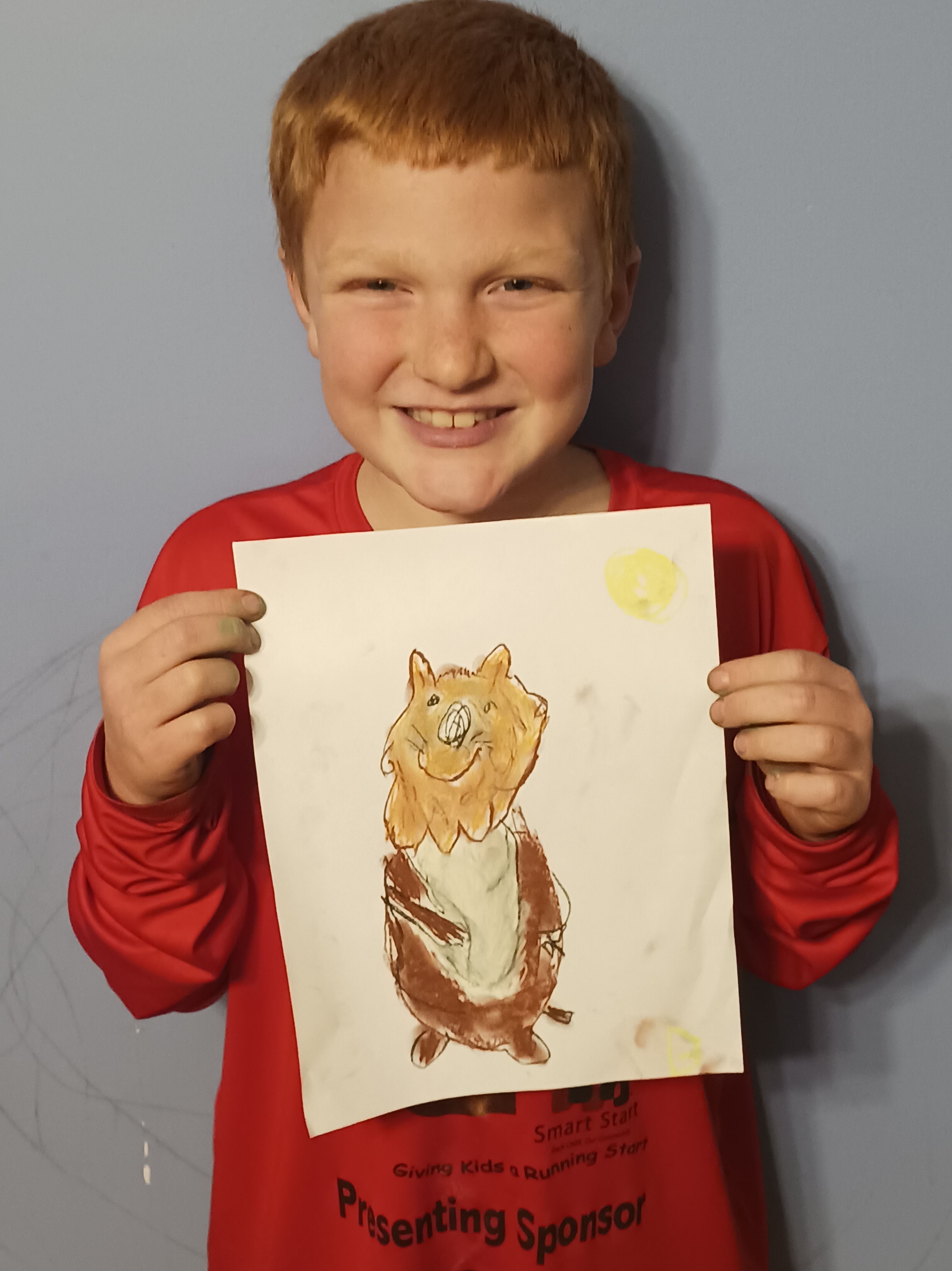
This son is the one I refer to as my little artist. He loves to draw, paint, and create. We will continue to use our membership with You Are An Artist chalk pastels for his online art lessons and provide him with lots of time and materials to be creative.

We also like to include books and information about famous artists to help him expand his understanding of art.

For music, he is taking violin lessons with Practice Monkeys. He was taking them last year and then decided to take a break over the summer. However, he asked last week to start again and seems to have a renewed zeal for them.

Morning Time:

Morning time is my favorite part of our school day. We do our daily family devotions, watch World Watch for current events, do fine arts studies, and read alouds of poetry and Tuttle Twins books. I will share an entire post with more details next week, but it is an excellent time of learning and growing together as a family.

Overall, I am very excited about this year with my fourth grader and looking forward to the maturity and progress I see in him.

Resource Library and Affiliate Disclosure

When you sign up for the Schoolin’ Swag free resource library, you will get a link and password to the library; we are adding to the library each month with new items. You will also get a bi-weekly newsletter email to keep you up to date on what we have going on.

Resource Library 

This post may contain affiliate or referral links, including Amazon affiliate links. As always, I will never recommend a product that I don’t believe in, and you will never be charged more for purchasing through our links. It does help pay for the costs associated with the blog.
Deals and Freebies

If you have not tried SchoolhouseTeachers.com, you don’t want to miss this sale!

Stepping Into Science Review

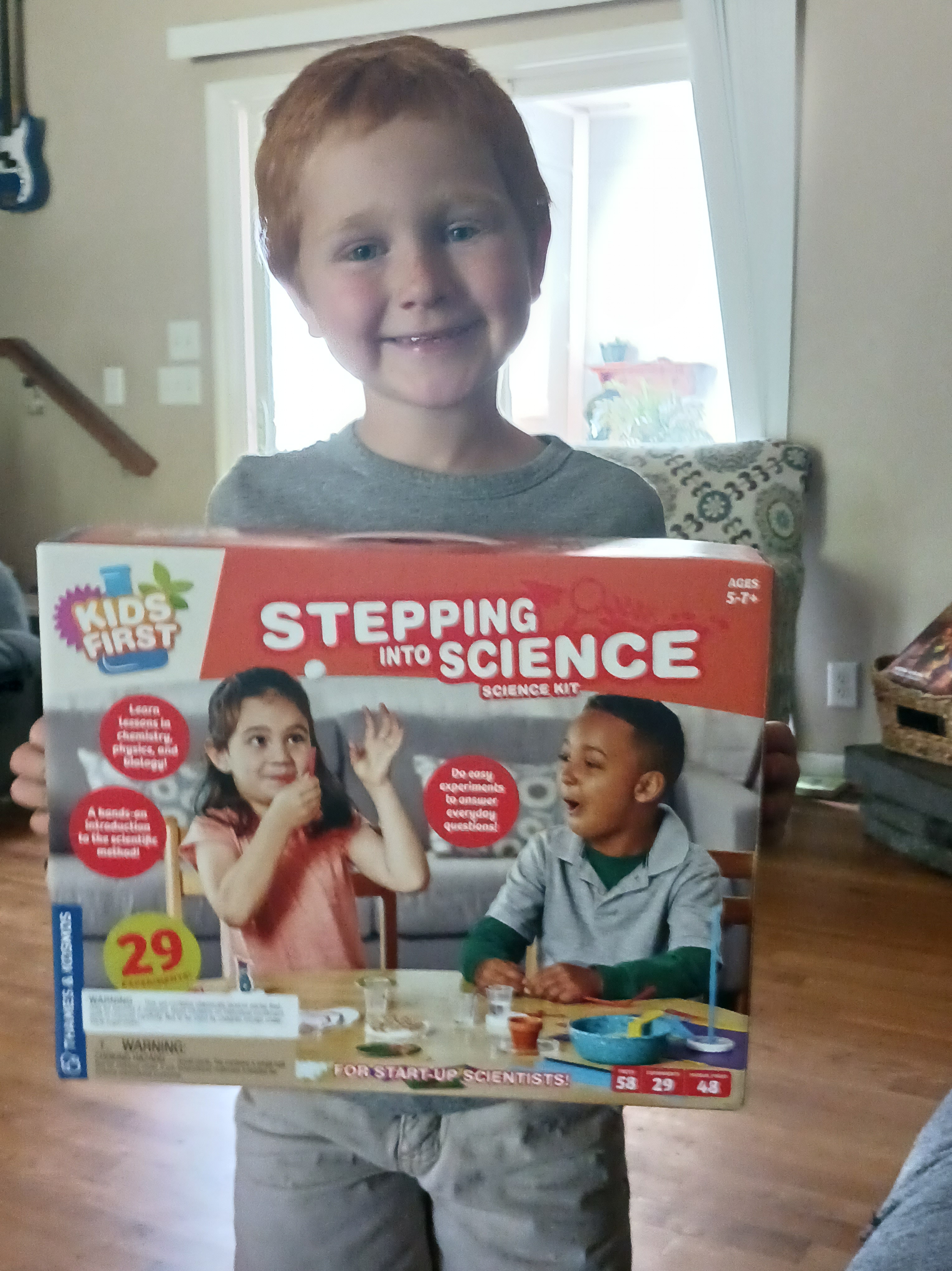
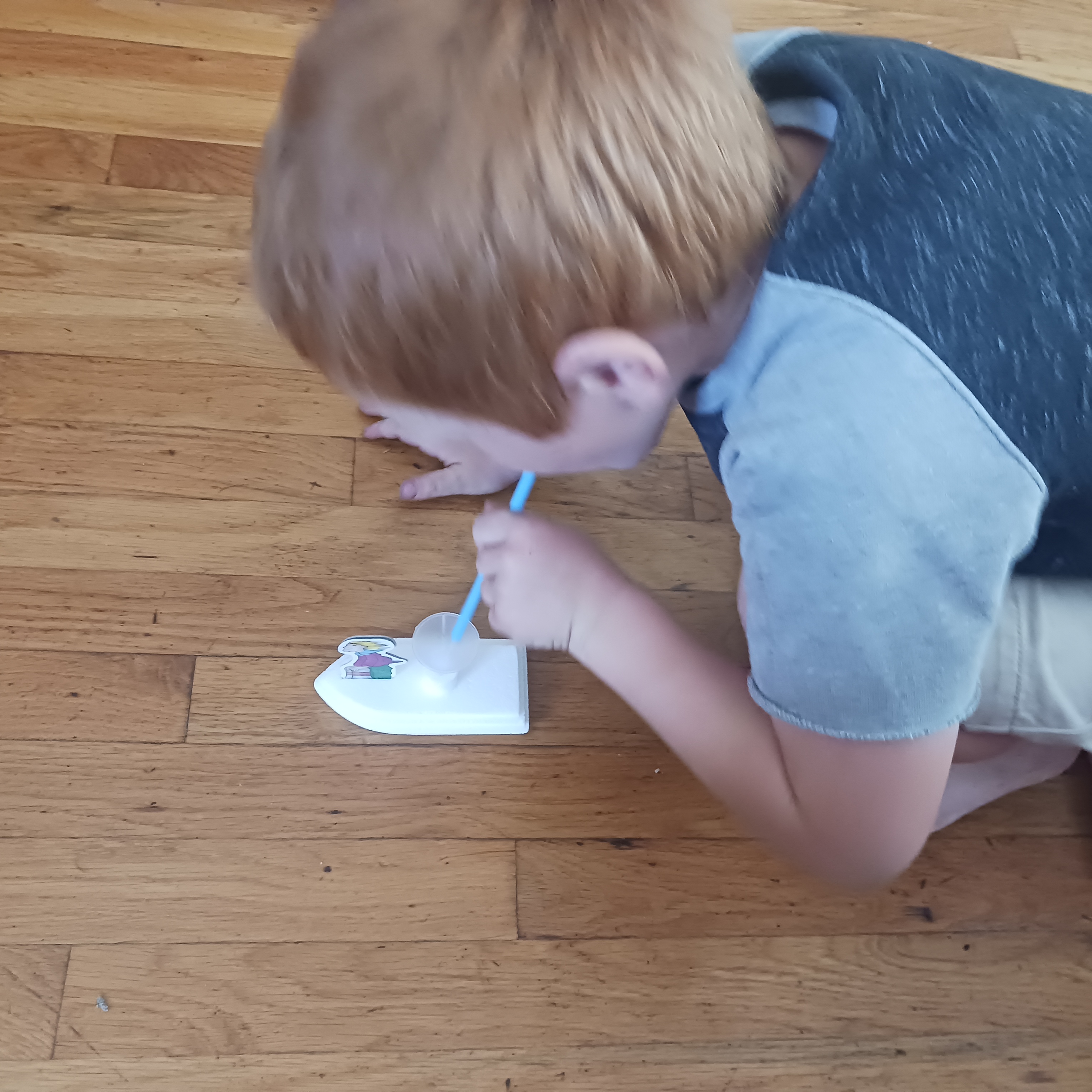
Over the summer, I have been reviewing the Stepping into Science Kit by Kids First from Timberdoodle. It was an excellent opportunity for me to do some fun, hands-on science activities with my five-year-old son when the weather was too hot for outdoor play.

What Is Stepping Into Science?

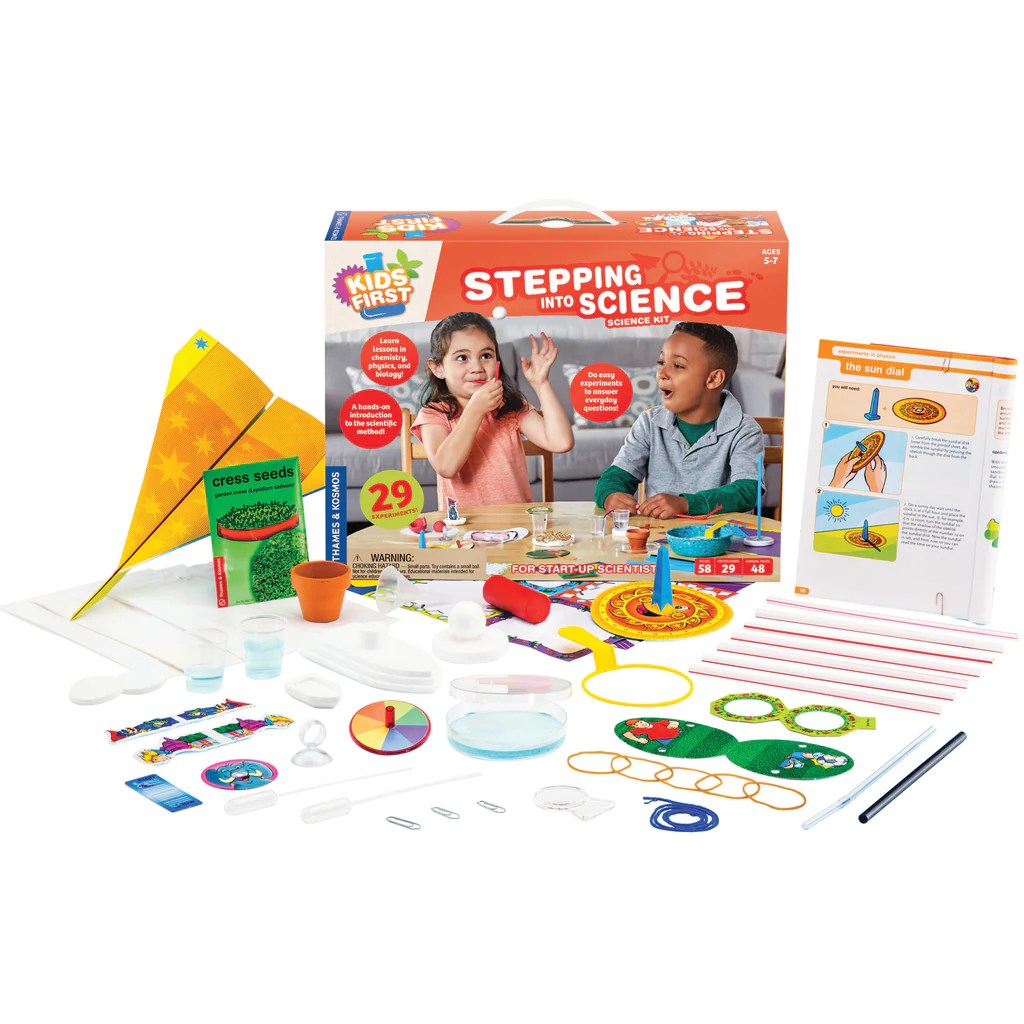
This kit is designed for students ages five to seven (though I think some of the experiments would be great for any elementary age). The kit includes directions and supplies for 29 different experiments. However, there were a few household supplies you are required to provide—for example, water, paper towels, a bowl, a mirror, etc. Most of the items were readily available, though we did have trouble one day with needing a piece of wool fabric.

My five-year-old is just entering kindergarten and cannot read, so we did them together, but a student who could read proficiently could have done many of the experiments independently. Some days my nine-year-old joined the fun, and a family or an individual child could use the kit.

Experiment Categories:

  • Experiments in Nature
  • Experiments in Physics
  • Experiments in Air
  • Experiments in Water
  • Experiments in Chemistry

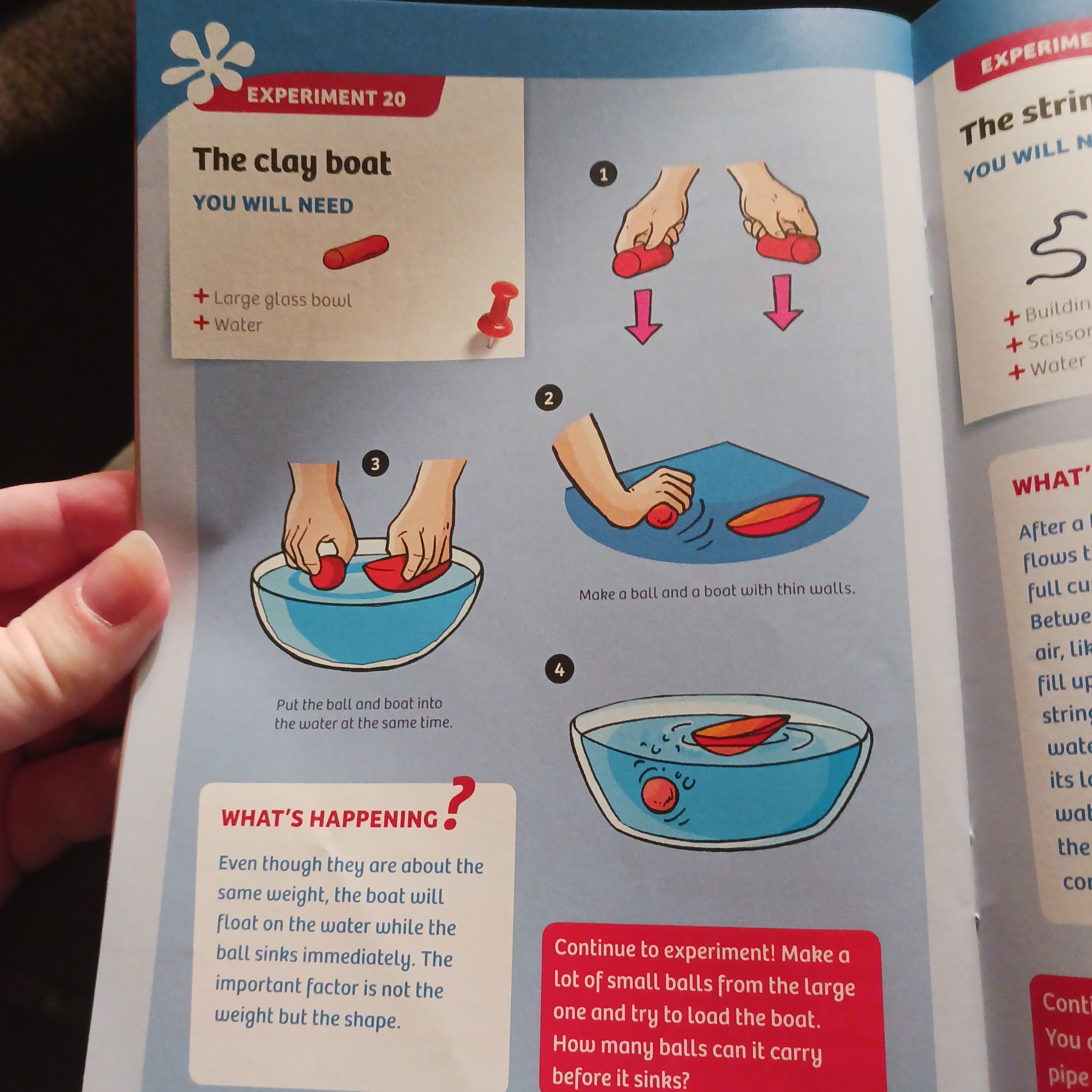
At the beginning of each experiment, a list of needed materials is divided by what the kit includes and what needs to come from home. The instructions have step-by-step pictures to help younger students and some written instructions to ensure the directions are clear.

Also, there are tips and ideas for continued experimentation at the end of each experiment.

How Did We Use Stepping Into Science?

You can complete the experiments in any order, so for our situation, I let my son look through them and pick out the ones he wanted to try each day.

Most of the experiments only took a few minutes, though some plant experiments needed to be done over a more extended period due to wait times. For example, a seed sprouting experiment took only a few minutes of active time but several days to see the results.

We have done many (though not all of the experiments), and overall they were easy to complete and worked well. We struggled with getting the hovercraft activity to work well, but I am unsure if that was a flaw in the experiment or an operator error.

What Did We Think?

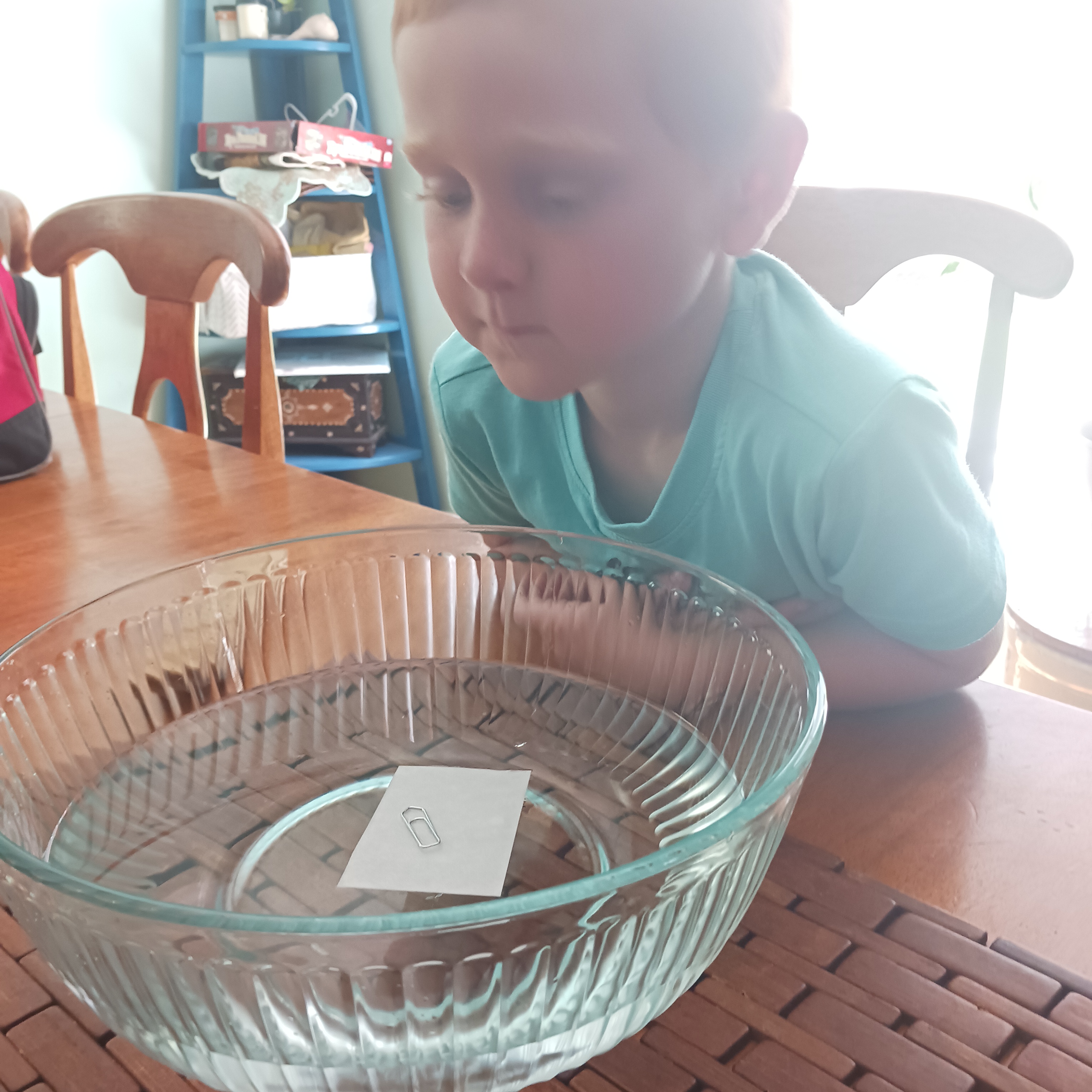
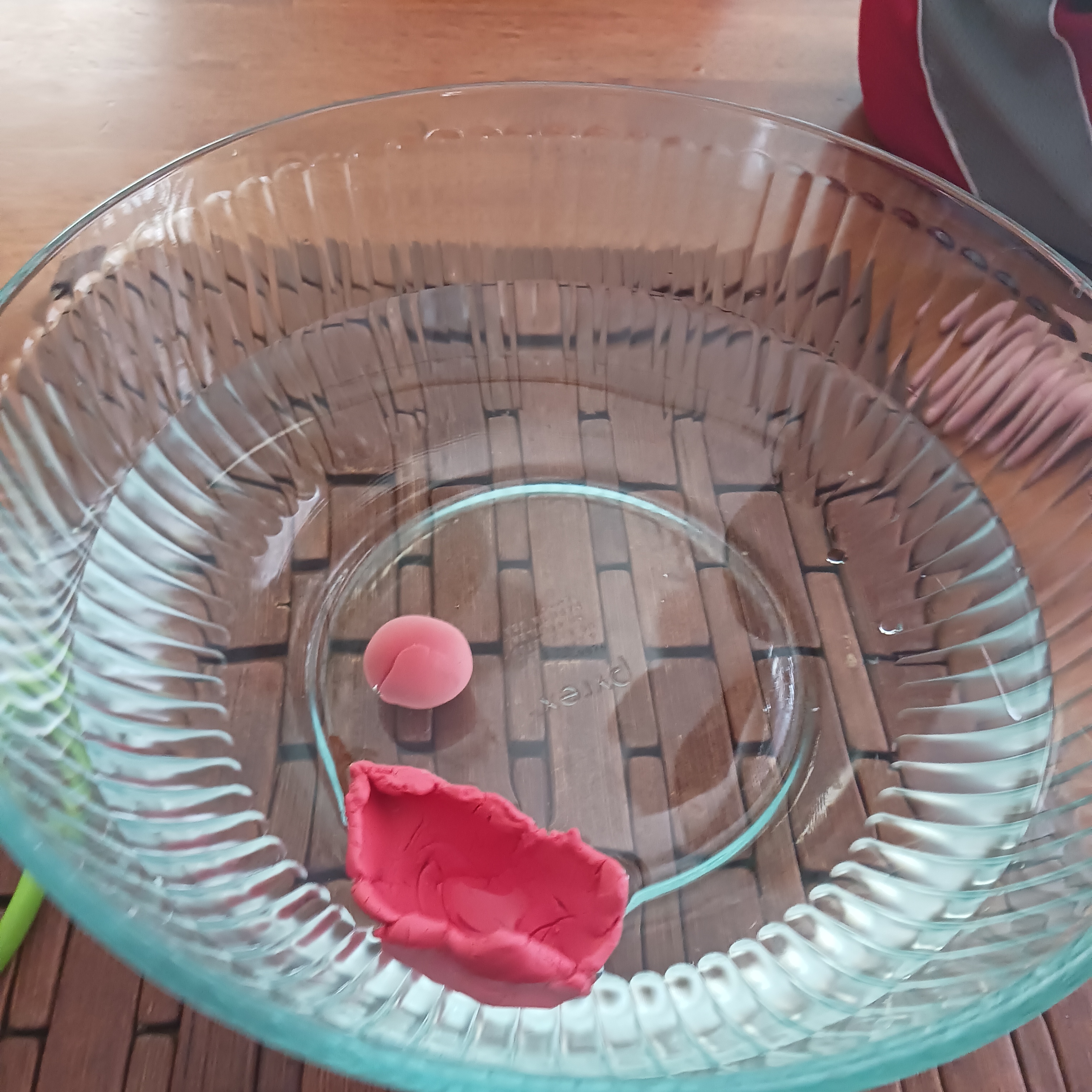
My son enjoyed all of them but was particularly fond of the water experiments. He learned how to use surface tension to float a paperclip and about buoyancy by making balls and boats out of clay to see which one floated.

While I recommend looking ahead to ensure you have any additional materials for the particular experiment, most of them are very open-and-go and easy to implement. 

There is a list of additional needed materials at the front of the manual in addition to the individual list for each experiment.

Conclusions

Overall, this is a great kit if you have a young elementary student and want an easy way to add some hands-on science experiments without a lot of prep work or extra time. It could be used as a standalone program if you want to wait on a more formal science curriculum or use the experiments to supplement your traditional science curriculum.

Be sure to go to the Timberdoodle website to learn more about this Stepping into Science kit and the other great products that they offer.

Kindergarten Choices 2023

It’s hard to believe that my fourth child will be in kindergarten this year, and I will be homeschooling kindergarten for the third time. (My oldest went to public school for kindergarten.) I will be using some of the same programs I have used in the past and changing them up for others.

It is important to evaluate curriculum options each year based on what worked and did not work in the past and on the individual student.

*This post contains affiliate links, see full disclosure below.*

Reading

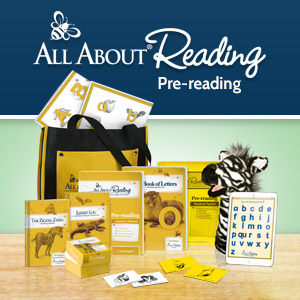
We found All About Learning Press years ago when we struggled with spelling, and it has been an excellent fit for all my children. My kindergartener will use All About Reading Pre-Reading level to learn all his letters and letter sounds this year. I love the phonetic approach and the fun touches included in this program.

All About Reading Pre-reading

We will be supplementing this with some great programs from Schoolhouse Teachers. They have a fantastic series with a short video for each letter to reinforce what we are learning in AAR. We are also getting some incredible coloring and letter tracing sheets from Schoolhouse Teachers.

Finally, lots and lots of read-alouds and audiobooks to keep the love of books and reading. I can not over-emphasize the importance of continuing to read to children even as they learn to read on their own.

Math

Math for a Living Education is a math series from Masterbooks. I have used this for several years, but this will be my first time using their kindergarten level. We love how they weave a story through the book to show real-life examples of math skills. I also find that there is enough practice without being overwhelming or feeling like busy work. (If you have a child that needs extra practice, they offer a separate book with additional reinforcement.)

In addition, we will be using some calendar math from Schoolhouse Teachers to reinforce essential math concepts as well as days of the week, months of the year, etc.

Science

My fourth grader is doing Apologia’s Land Animals this year, so my kindergartner will join the fun! I love Apologia for science because it is so easy to integrate with multiple ages. For my kindergartner, he will listen to the text and draw a picture of what he is learning. We will discuss it and then do the experiments together.  

I will also include some coloring pages for him to color while he listens to help him focus.

In addition, we will be doing nature study at least weekly (we often do it more when the weather is comfortable.) Sometimes our nature study is as simple as going outside and observing, but we also love to use our subscription to Homeschool Nature Study to take things a little further and help me find some great activities and ideas.

Finally, we have been working through a really fun Stepping into Science experiment kit from Timberdoodle! I will be posting a full review of the kit in a couple weeks, but have been enjoying it and plan to finish using the kit over the first few months of the school year.

History

Our family typically uses Story of the World for history, and then we take a break between cycles to do US History. However, because of a big trip our family has coming up in the spring that will take us to several national historic sites, we will go ahead and do US History this year.

We will use volume one of the new Tuttle Twins history series. I have both the hardback text and the audiobook so that when things are busy, I can have the boys listen to the audio while I work on other things (like making lunch or tending to the baby).

This will be a new program for us, but we have loved the other materials we have used from the Tuttle Twins and are excited to go through this book.

Geography

I do not always do geography in kindergarten, but because of our big family trip, my son has been asking many questions about maps and places and trying to understand those concepts better. So, we will go through the Kindergarten Evan-Moor Geography book together.

Then when we go on our trip, I will have him help me track our progress on a map.

Art/Music

Nana would probably cringe if she heard me say it, but I am not an artist, so I love having an art program that will help my children in my area of weakness. We have been using You Are An Artist Chalk Pastel lessons for several years with my older children, and we love them. My kindergartener has even done some lessons alongside his siblings. However, this year I will be more intentional about ensuring he gets a chance weekly to do one of their simpler lessons.

Music is another area where I like to call in help teaching, and we use Practice Monkeys for music lessons. We have been with them since 2018, and I cannot say enough good things. My kindergartner started his violin lessons with them last year and will continue those this year. They offer Zoom Suzuki violin, cello, guitar, and piano lessons at a super affordable rate for families.

Handwriting

I am still debating on handwriting, and my plans might change. However, I think our plan is to work through some good fine motor skills activities that work on letters for at least the first half of the year. I may then switch to handwriting without tears, or I may wait and do that in first grade, depending on how he handles everything.

Morning Time

In addition, we will do family Bible, Tuttle Twins, hymn study, fine arts, and World Watch during our morning time each day. In a few weeks, I will share a post about the resources we use for morning time and how we make it work for our family, but it is my favorite part of our homeschool day!

A Typical Day

This list might sound like a lot for a kindergarten student, but we do not do all the subjects daily. We will do morning time, math, and reading almost every day. In addition, we will do history or science and one other elective most days. Aside from his afternoon violin lessons, my son should be able to finish his school day before lunchtime most days.

I would love to know what your favorite resources are for kindergarten! Also, if you have any questions, please ask them in the comments.

Resource Library and Affiliate Disclosure

When you sign up for the Schoolin’ Swag free resource library, you will get a link and password to the library, we are adding to the library each month with new items. You will also get a bi-weekly newsletter email to keep you up to date on what we have going on.

Resource Library 

This post may contain affiliate or referral links, including Amazon affiliate links. As always, I will never recommend a product that I don’t believe in, and you will never be charged more for purchasing through our links. It does help pay for the costs associated with the blog.

Deals and Freebies

If you have not tried SchoolhouseTeachers.com, you don’t want to miss this sale!

Mid-Year Focus Phrase Review

The first half of 2023 has flown by; it is hard to believe it is already July. There have been ups and downs in our lives so far this year, and I wanted to take a few minutes to reflect on how things were going with our goals and what I might need to adjust to keep myself on track for the second half of the year.


My focus phrase for this year is “Making Space .” I wanted to make space in three main areas of our lives: homeschooling, family time, and my spiritual life. I have had some successes and areas I still need to work on.


Homeschool

In our homeschool, I think I did a good job of changing schedules to give my teens more time to pursue their passions, especially my daughter’s music. We were able to take some classes off of her plan that she would not need for graduation and make room for more music classes.


God also opened some doors for her to see the violin used in contemporary praise and worship, and then just a week or two later, she was given a chance to practice and worship with another group. She is doing several camps this summer to work on her music and is currently working with our worship pastor on incorporating her viola into our worship band. ( One day, I will write a whole post on how God worked this out because it was totally a God thing.)
My oldest son is enjoying the summer off coursework to focus on his business and hopefully get things set up for a better business/schoolwork balance in the fall. His is more complicated because he wants to take a full course load to help complete some college classes so that he can graduate in less time.


Family Time

Family time is an area where I am struggling. We added some activities that were super beneficial to the teens in their music and business endeavors, but I did not do a great job taking out other things to keep the balance.
We prioritized our morning time and family meals, but I feel like we are rushing from place to place and activity to activity, so I will sit down with my husband over the next couple of weeks to see what we can do to bring back that balance.


Spiritual Life


In addition to our family Bible time, I wanted to be more intentional about my personal Bible time. I have since started a Bible plan with several ladies from my church. We have been reading through the Bible in a year and keeping each other accountable through a texting thread.

Conclusions

Overall, I think we have done a great job making space in our homeschool, and I have made great strides in my personal spiritual life. However, as I look at the last six months, I know I need to do more to make space in our family life.

Your Turn


Reflecting on our progress is essential to continue making progress and course correcting as needed. I would love to know your goals for this year and how you are progressing. Do you regularly reflect on your progress?

Resource Library and Affiliate Disclosure

When you sign up for the Schoolin’ Swag free resource library, you will get a link and password to the library, we are adding to the library each month with new items. You will also get a bi-weekly newsletter email to keep you up to date on what we have going on.

Resource Library 

This post may contain affiliate or referral links, including Amazon affiliate links. As always, I will never recommend a product that I don’t believe in, and you will never be charged more for purchasing through our links. It does help pay for the costs associated with the blog.
Deals and Freebies

If you have not tried SchoolhouseTeachers.com, you don’t want to miss this sale!

Simple Summer Learning Ideas

Each summer looks different in our family, but I always need a break from our school schedule. Our schedule with two teens is a bit busier than usual this year. My teens love church camp and are spending several weeks attending as campers and helping as junior counselors, my son is in the busy season of his farming business, and my daughter also has several weeks of day camp for her music.

Some links in this post are affiliate links, see disclosure below.

I didn’t want to overfill my plate, but I did want to make sure to spend some time focused on my two younger boys as well. We are making a conscious effort to include plenty of time for homemade popsicles, read-alouds, and water play in our days. (Check out our summer bucket list post for more ideas on this.)

However, I also wanted to include some educational activities for them without making it feel like we were “doing school .” I found a lot of great free or inexpensive options for fun summer learning. These are great for various ages and can keep children growing and engaged while having a great summer.

Science Courses

Journey Homeschool Academy (our go-to choice for high school science) is offering several online science camps that are fun for the whole family. They send an email with a video once a week, so it is a small time commitment but a great way to engage together as a family.

Art Camp

We have been using art lessons from Nana over at ChalkPastel.com for years, and we love them. They have some fantastic ideas for using the lessons to create your own summer art camp. In our area, the days can get really hot, so by lunchtime, I am looking for activities that my children can do inside to get a break from the heat. Art lessons are the perfect solution. We try to do art throughout the year, but it is much easier to make extra time for it during the summer and encourage my children’s creativity. Their summer camp ideas are all included with their membership.

Summer Reading Programs

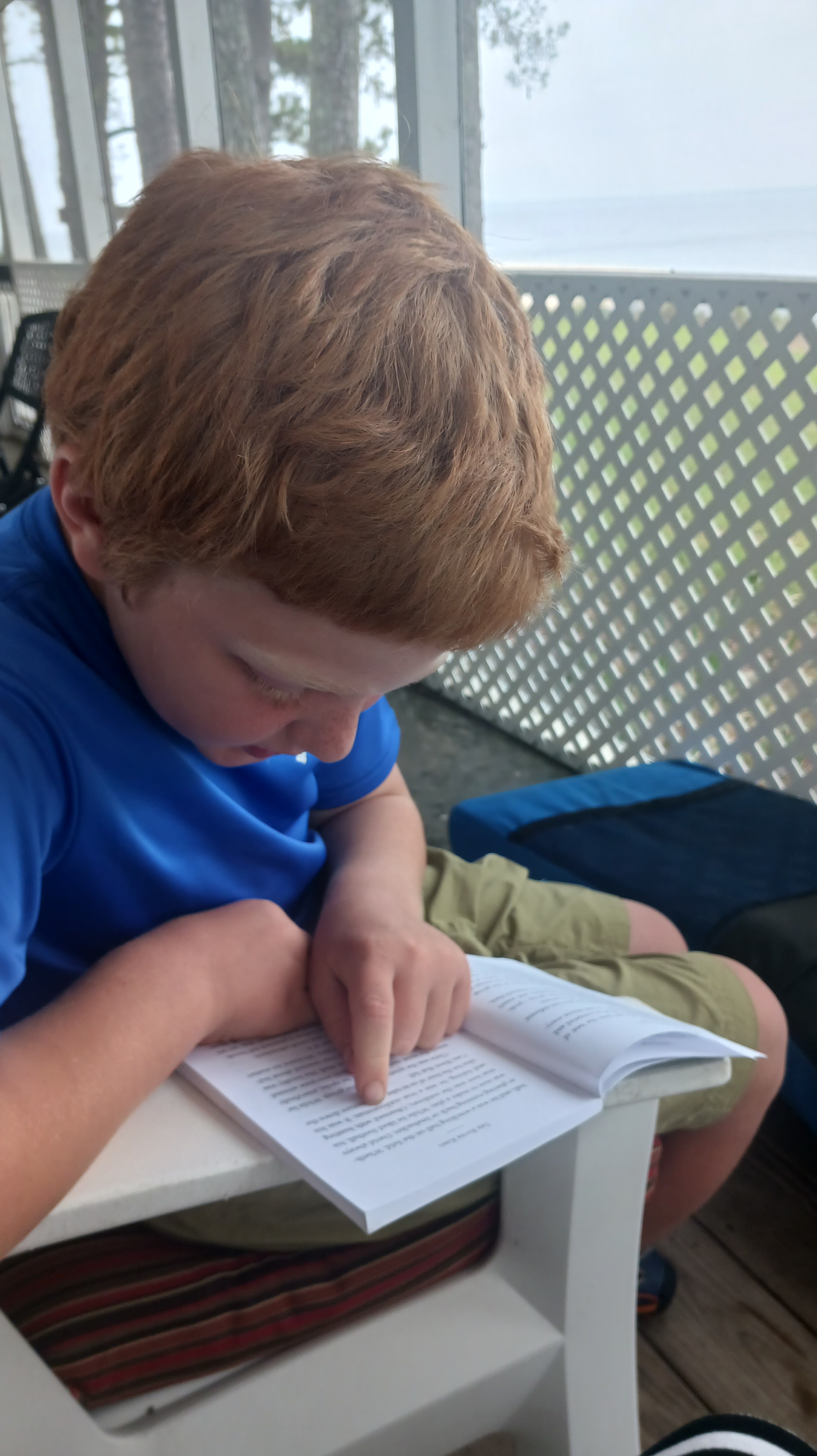
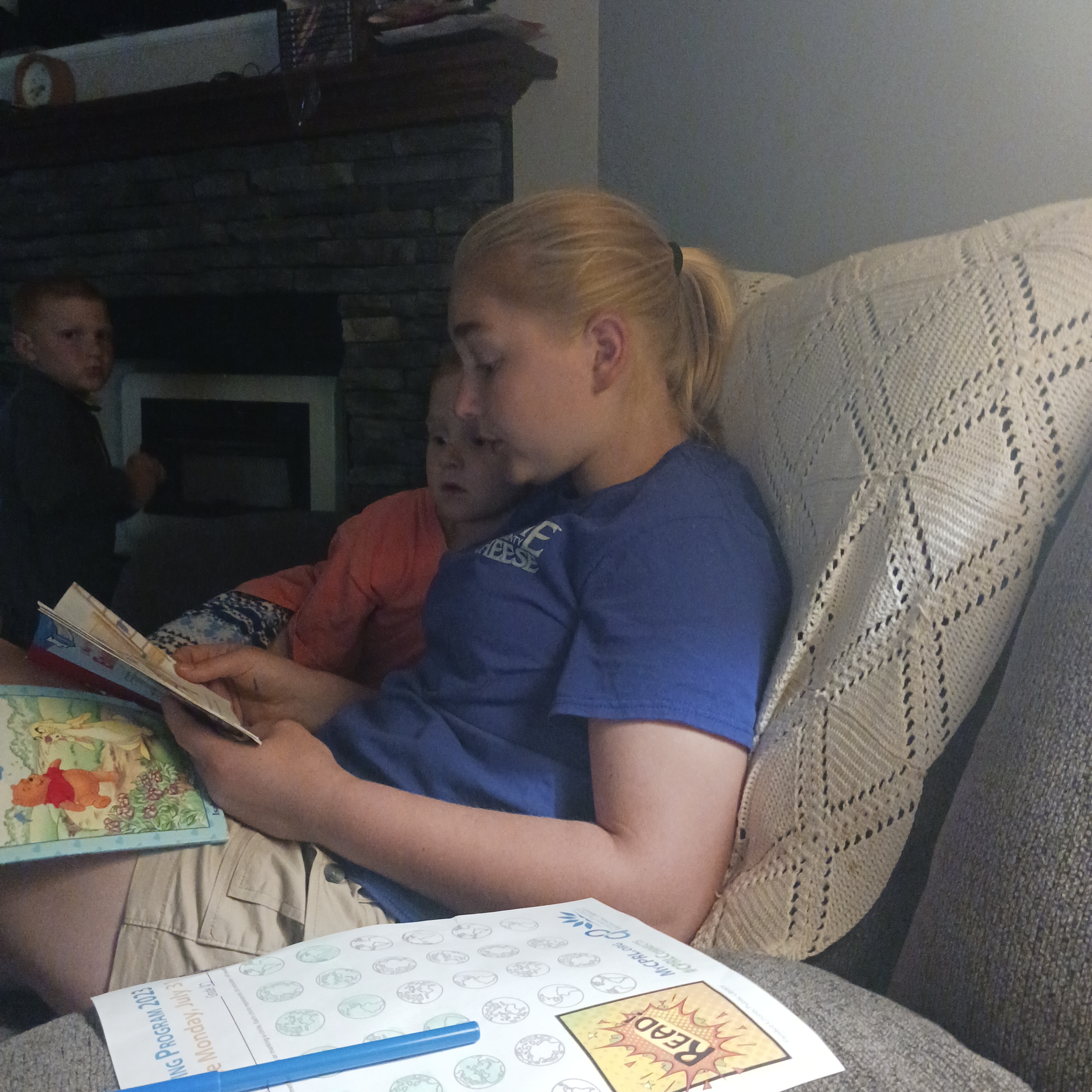
There are some excellent summer reading programs available. First, I highly recommend checking with your local library. Ours has some great summer activities and reading logs, the kids can fill out to earn prizes for their reading. Books a Million, Barnes and Nobles, and Book It all also offer summer reading programs that are free.

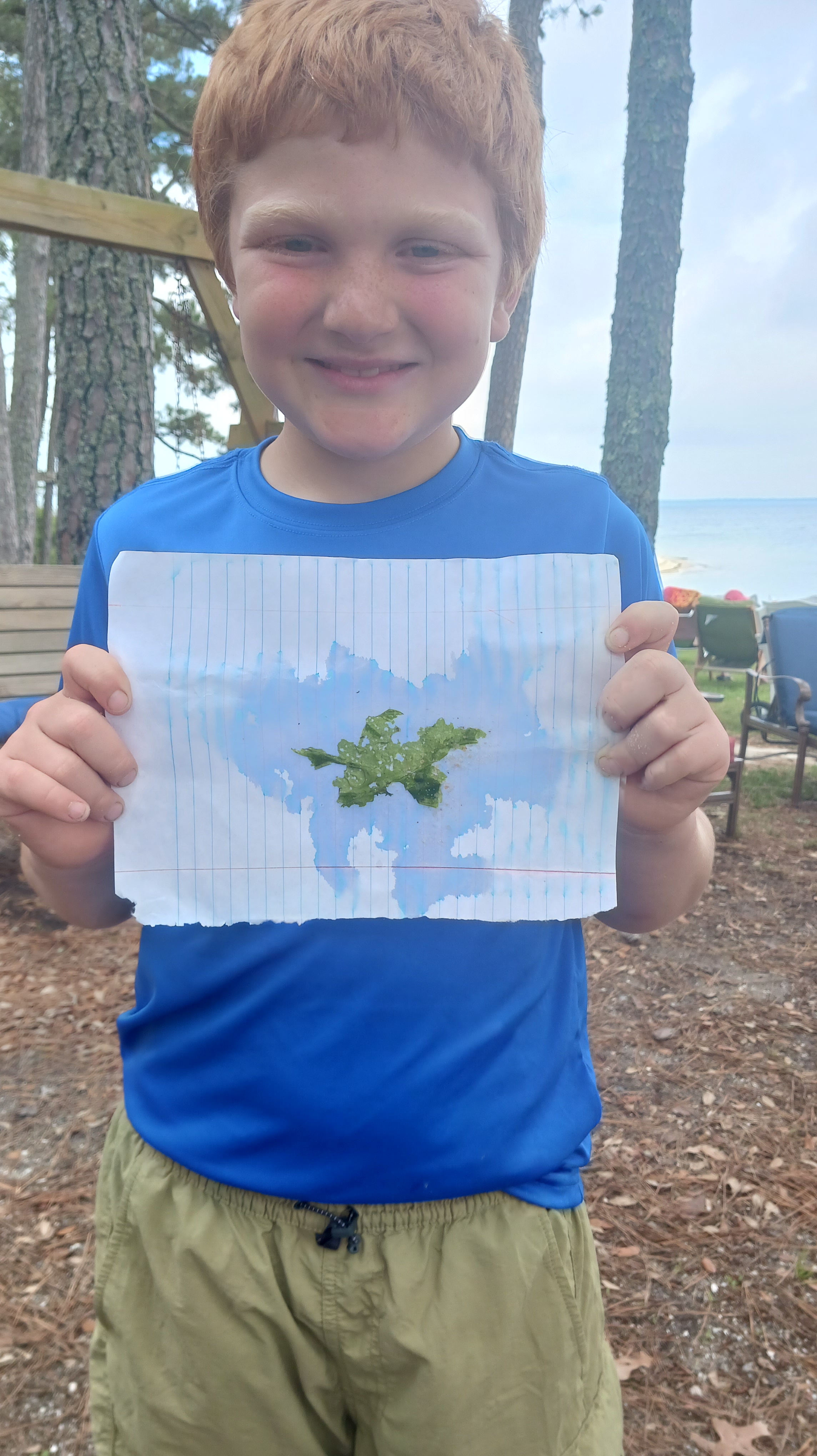
Studying Seaweed

Nature Study

While it does get hot here in the summer, and we often try to spend afternoons indoors, we enjoy spending lots of time outside exploring and playing together. Summer is a great time for nature study. There are so many plants blooming and fruiting, birds and animals are active and visible, and if you live close to water like we do, you can cool off at the river or lake while exploring. You can study nature simply by being outside, observing, and reading about what you see. However, if you’d like help or some fun ideas, my two favorite nature study resources are our Homeschool Nature Study membership and the Peterson First Guides.

Bowling

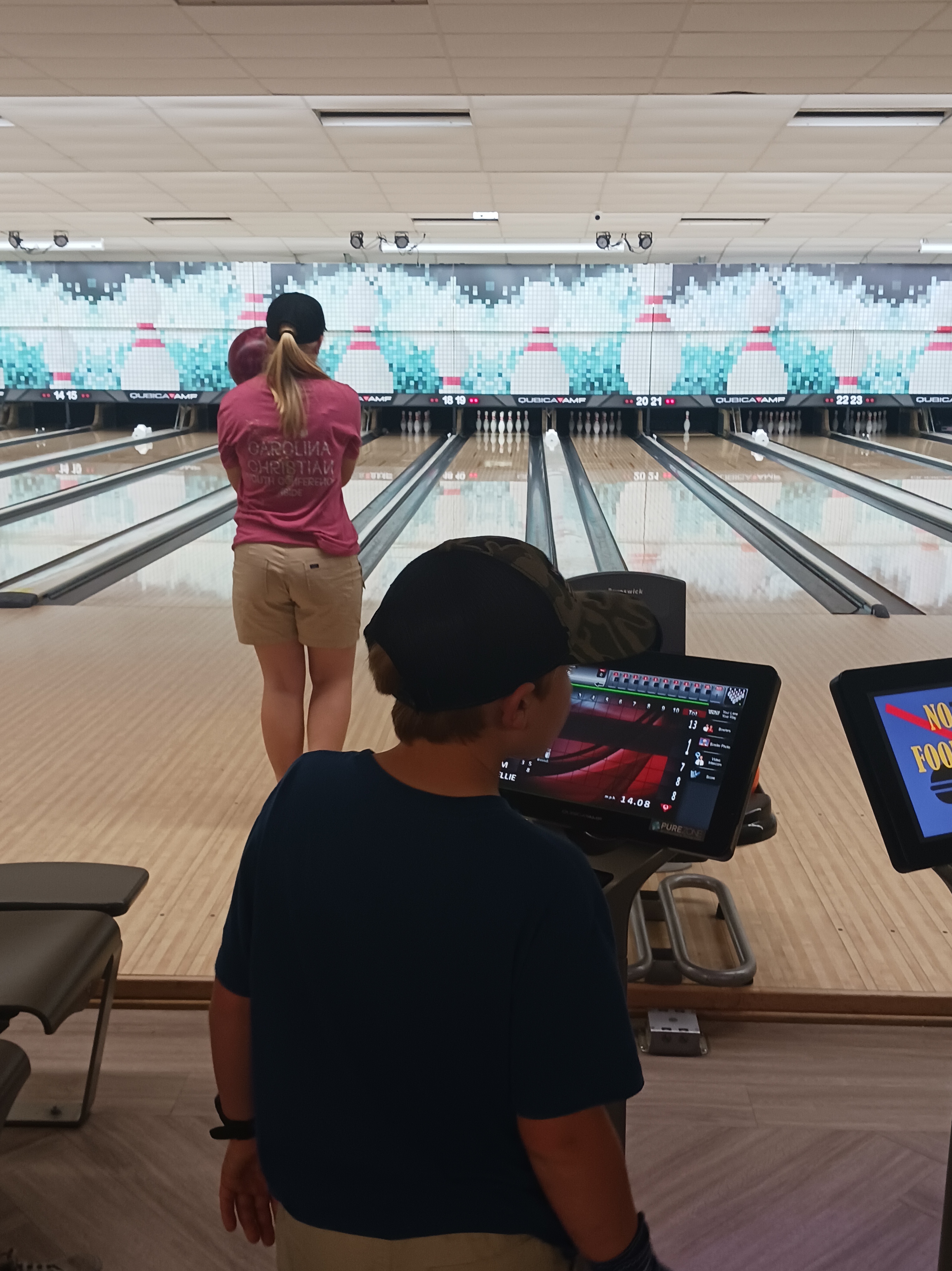
This one may not be educational in the traditional sense, but it is a great way to get in some physical activity in the air conditioning on those really hot or rainy days. This free summer bowling program is valid at hundreds of bowling alleys across the US. Our family loves it because it is so inexpensive (2 free games per day for the children, and adults can join at a very discounted rate to be able to bowl with them) and lots of fun.

Enjoy Your Summer

Finally, make sure to take time to relax and have fun. We love including educational activities throughout the summer, but there is value in downtime and play and fun. Do not feel you must plan and schedule every minute of the day or week. We include 2 or 3 things each week that are fun and educational and read most days. That allows for plenty of free time and creativity.

What fun and educational ideas do you have for this summer?

When you sign up for the Schoolin’ Swag free resource library you will get a link and password to the library, we are adding to the library each month with new items. You will also get a bi-weekly newsletter email to keep you up to date on what we have going on.

Resource Library 

This post may contain affiliate or referral links, including Amazon affiliate links. As always I will never recommend a product that I don’t believe in and you will never be charged more for purchasing through our links. It does help pay for the costs associated with the blog.
Have you signed up for #LifeSkillsNOW? This is such a fun and beneficial program.

  • Life skills help kids be confident, capable, and ready for anything.
  • Your kids and teens will build critical thinking and know deep down that they can do hard things.
  • Productive screen time instead of passive scrolling
  • The #LifeSkillsNow Screentime Promise: We promise to give your kids the shortest amount of (productive) screentime possible, and then OFF into the real world.
  • Expose your kids to topics you’ve never thought about (and might not know yourself).
  • Bridges the gap in traditional education with practical life skills, critical thinking, tech savvy habits, and understanding money

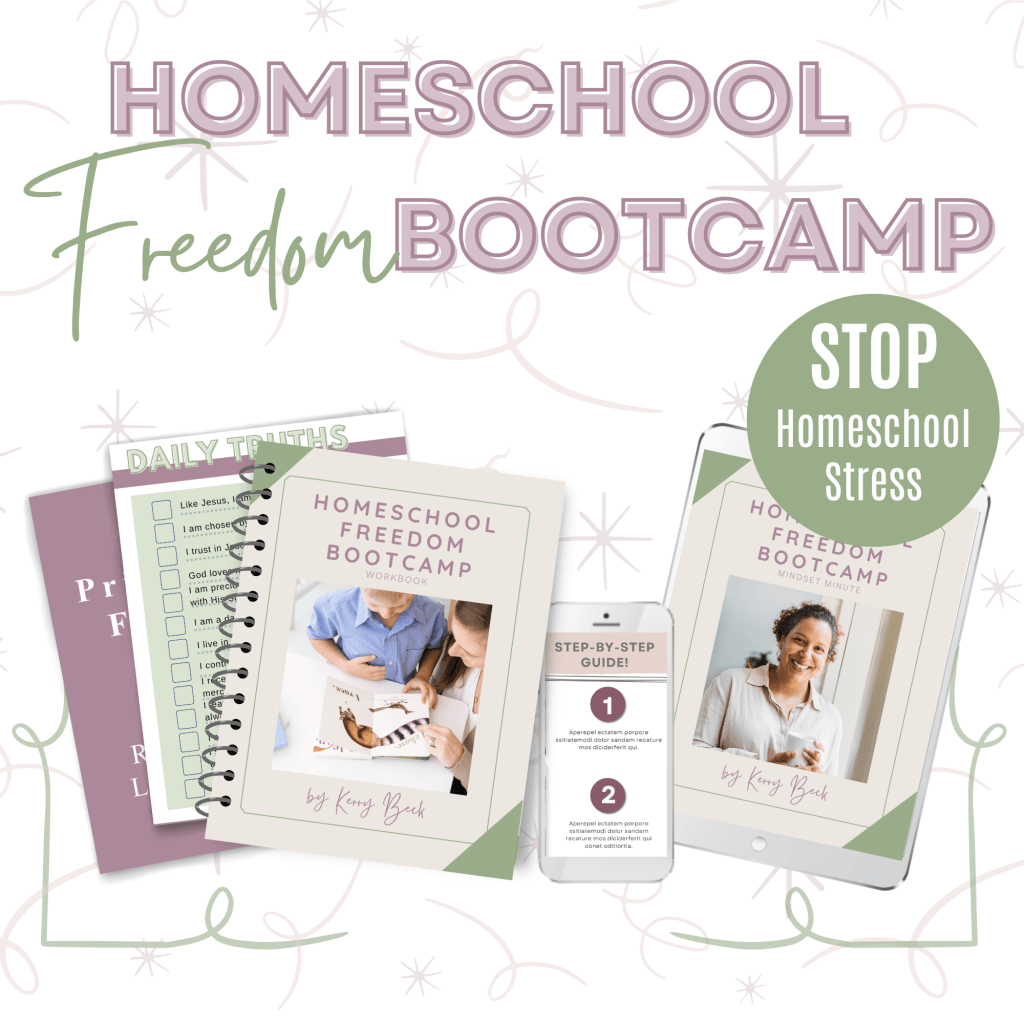
If your feeling a bit overwhelmed with homeschooling and all the decisions and options, check out this boot camp with Kerry Beck that is live next week!

Journey Homeschool Science has some great online summer camps coming up soon! They are a fun way to keep the learning going for the whole family.

Hope in the Arguing: Sibling Relationships

I have four children ranging in age from seventeen to five. I love them dearly and believe they are blessings from the Lord, but also, some days, I wonder if they will ever learn to get along. Often it feels like everyone is constantly arguing with each other.


“He took my toy.”


“He didn’t do his chores.”


“She was mean to me.”


“He won’t help me. “


“He is being annoying.”


Some days just listening to and trying to manage the arguing is exhausting. We talk about it, pray about it, do Bible studies about how to treat siblings, and discipline as needed. However, some days it feels like nothing we do is working.


It can be tempting to throw my hands up in defeat, and there are moments when I feel like a failure due to all of the arguing. I say all of this not to throw my children “under the bus,” so to speak, but to let you know that if it is happening in your home, you are not alone.

Hope and Encouragement


However, God has been gently and lovingly showing me that there really is hope in the arguing.
Over the last several months, God has been opening my eyes to the ways that my children love on their siblings. He has been showing me that they are still learning and growing, but that I should “not grow weary of doing good, for in due season we will reap, if we do not give up.” (Galatians 6:9)

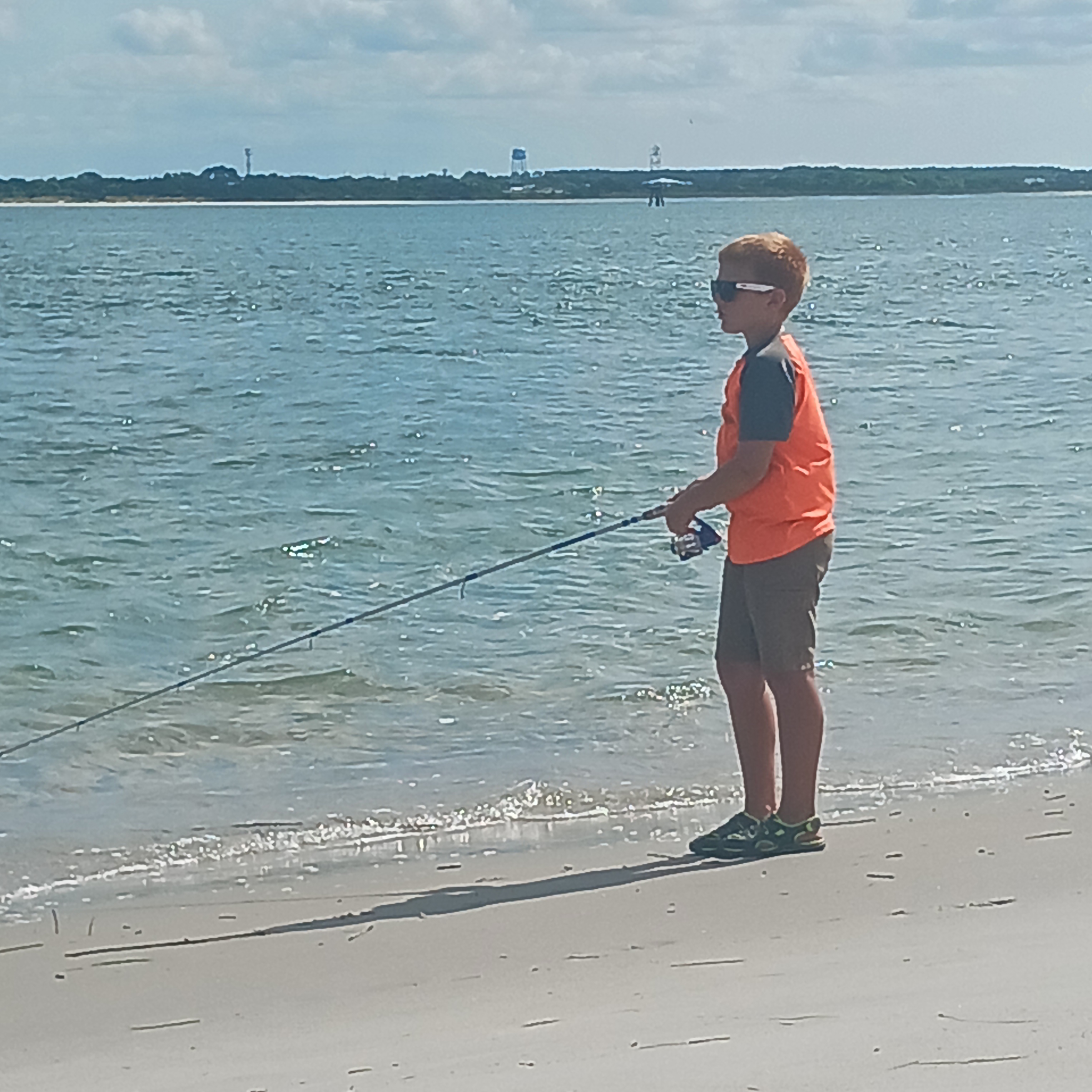
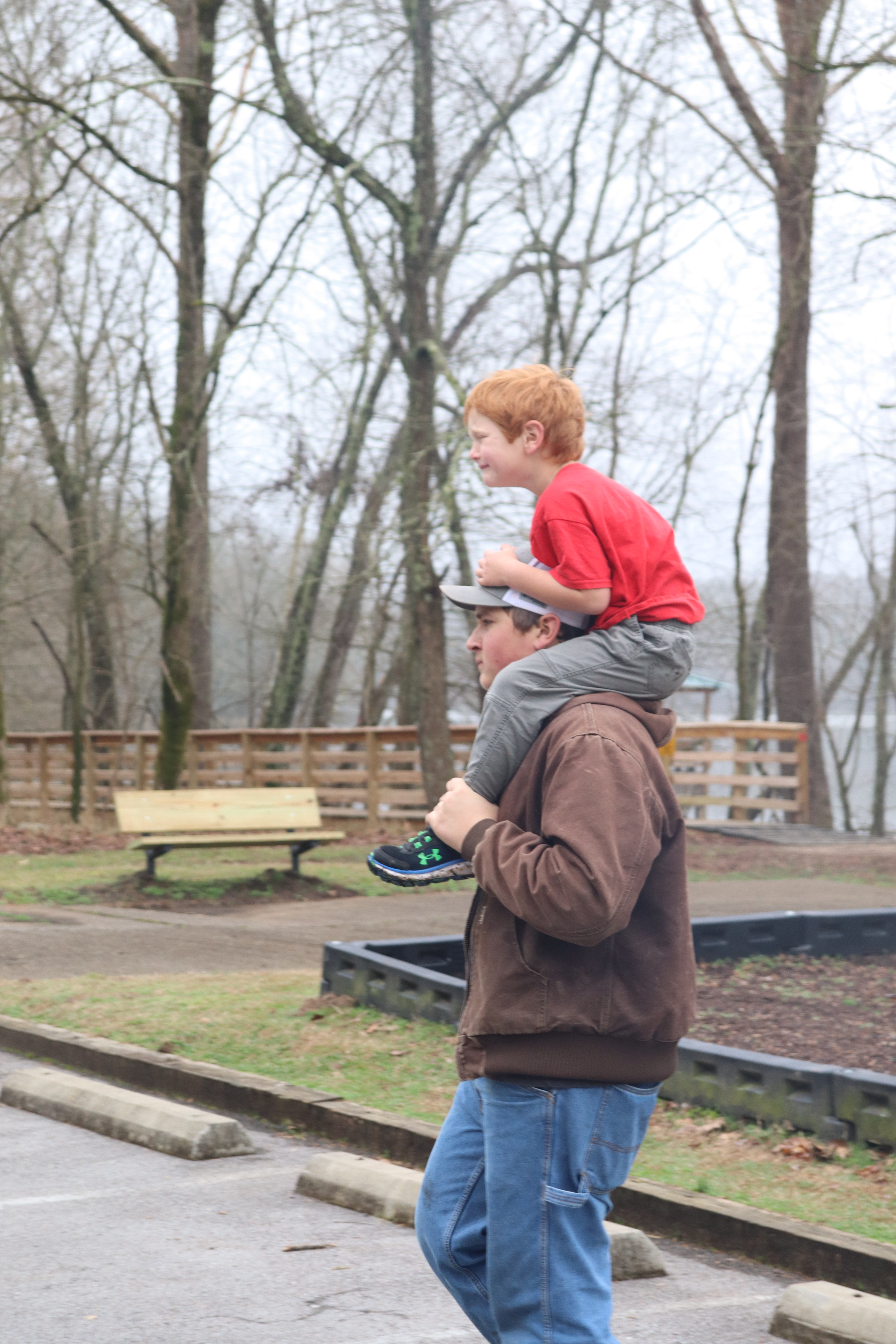
I have seen my seventeen-year-old help his little brothers build a turtle enclosure (without being asked by a parent), I have seen him take his little brother fishing, I have seen my daughter spend her own money to buy her older brother his favorite drink from the gas station just because she thought he might want something.

I have watched my nine-year-old spend his money to buy his siblings gifts on their birthdays. My five-year-old will draw pictures for his siblings and loves to spend time with them.
The arguing isn’t done (and while I trust and believe it will get better, it will probably never be over this side of heaven), but there is hope in the midst of it all. They are learning how to treat one another, control their emotions, and express their love.

Don’t Give Up


If you feel like the sibling arguments in your home are never-ending, if you feel like what you are doing is not having an impact, I want to give you hope and encouragement. Keep up the hard work of helping them learn to interact with others, and remember that they are growing and learning. It can be a slow process but look for the wins. Look for the times when they show love and grace to one another (even if they are arguing again five minutes later).

Resource Library and Affiliate Disclosure

When you sign up for the Schoolin’ Swag free resource library, you will get a link and password to the library, we are adding to the library each month with new items. You will also get a bi-weekly newsletter email to keep you up to date on what we have going on.

Resource Library 

This post may contain affiliate or referral links, including Amazon affiliate links. As always, I will never recommend a product that I don’t believe in, and you will never be charged more for purchasing through our links. It does help pay for the costs associated with the blog.