Play Smart Preschool Workbooks: A Timberdoodle Review


Children, especially young children, learn through play and many hands-on activities. Often, this involves being very active, but sometimes, you need your child to be able to work more quietly or contained. Timberdoodle recently sent me a set of Play Smart workbooks for preschool-age students to review.

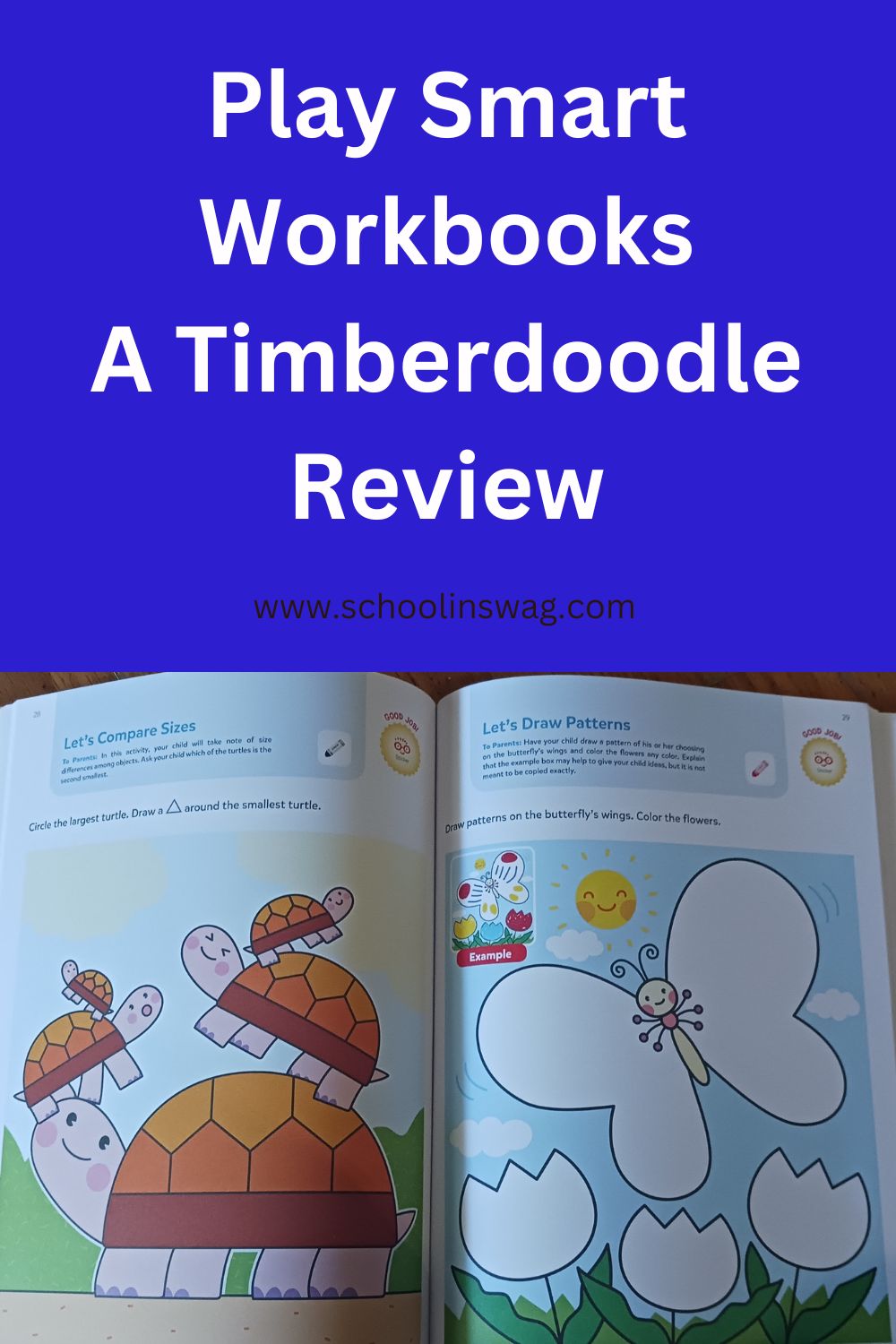
The Play Smart workbooks are a great combination of both hands-on learning and quiet play. The books are colorful and engaging, containing lots of stickers and activities.
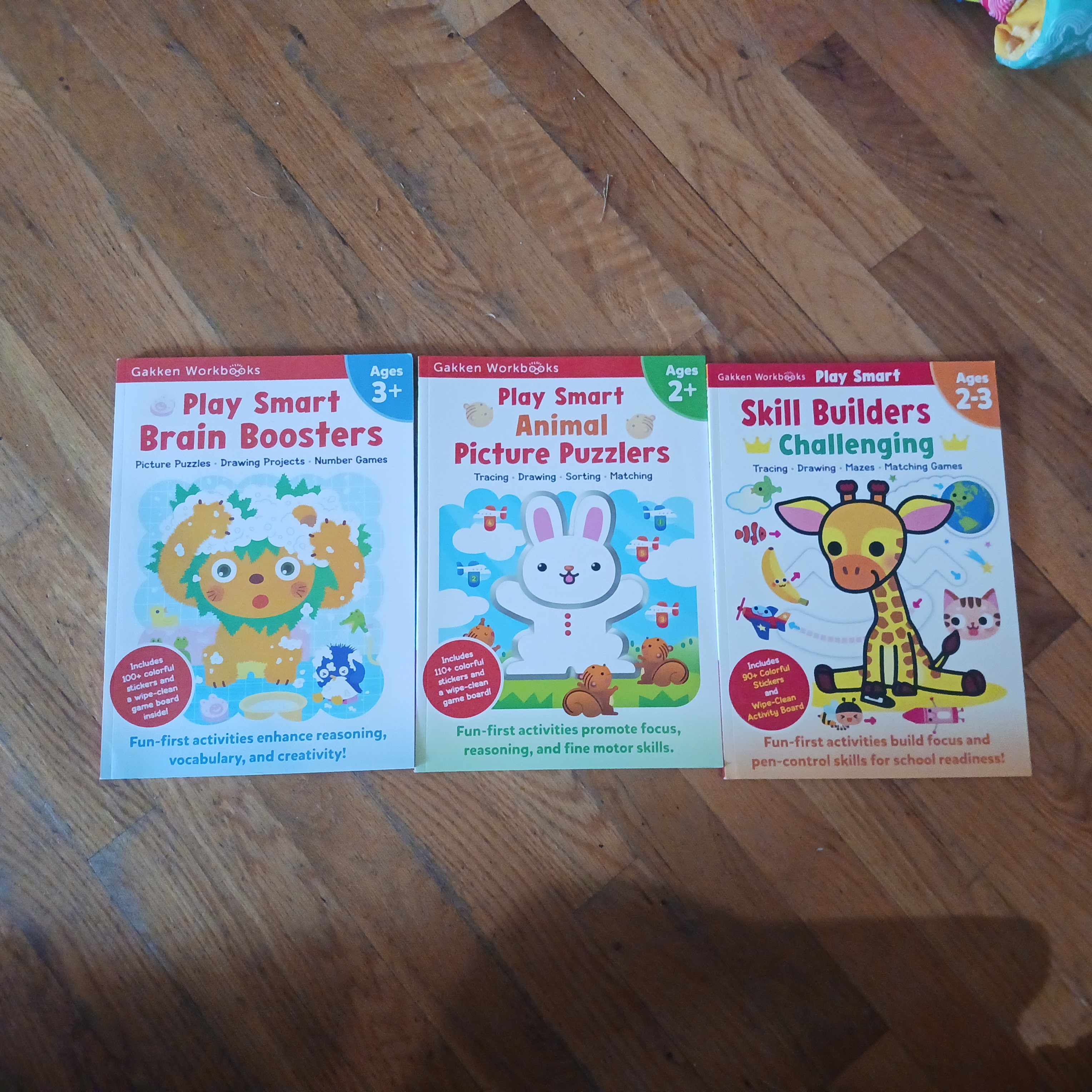
Play Smart Brain Boosters (3+)


This book contains over 60 pages of picture puzzles, drawing projects, and number games for children ages three and up. In addition, it includes over 100 stickers and a wipe-clean activity mat that allows children to draw different ears on two animal pictures, wipe it clean, and start again.
The activities range in type and style. There are activities with correct answers and others that are more creative. For example, in some activities, the child matches shapes to pictures. In another activity, the child begins with the basic shape drawn and creates a picture of whatever they wish to draw.
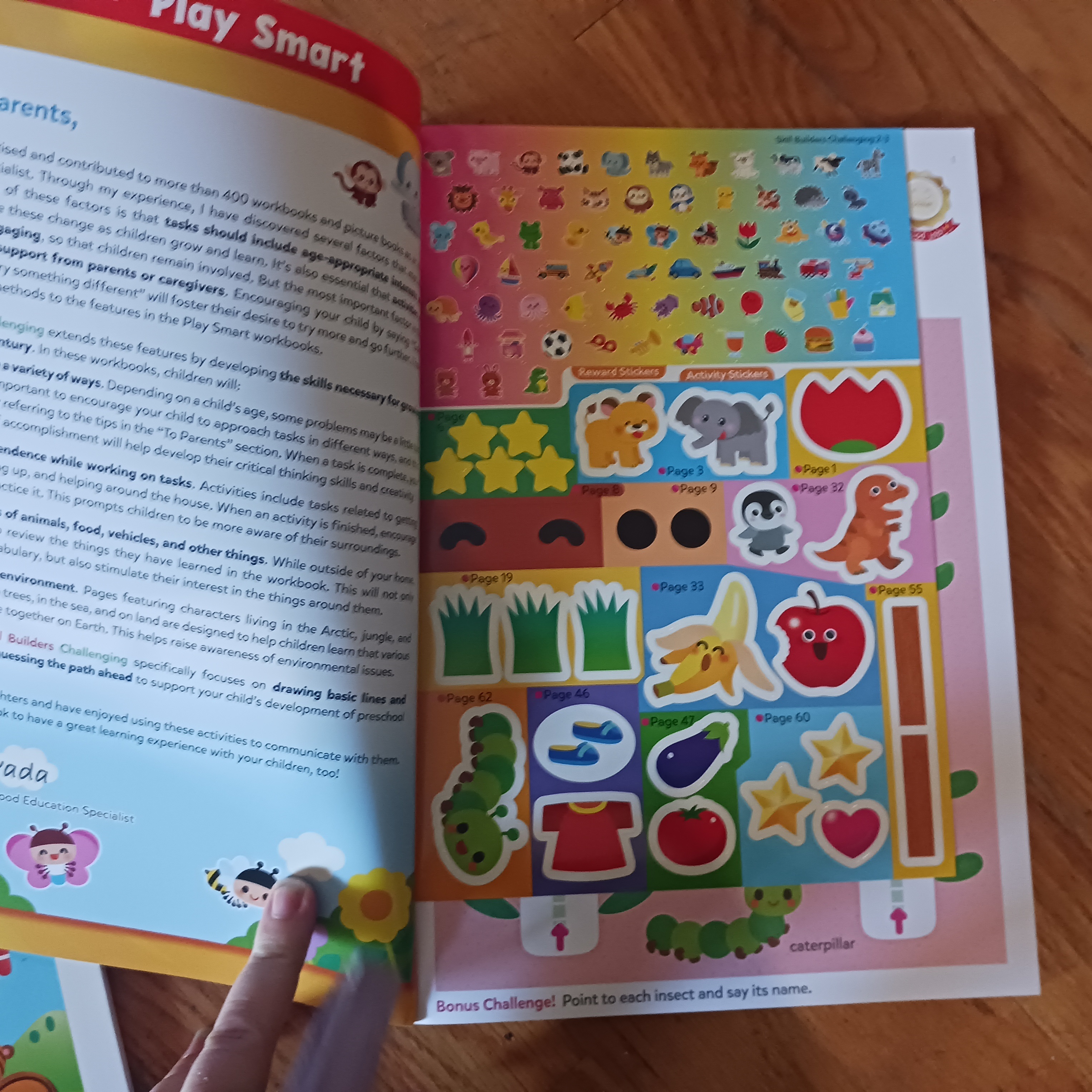
Play Smart Skill Builders Challenging (Ages 2-3)


The activities in this book are a bit simpler than those in the brain booster book. There are lots of mazes and different tracing activities. This book also contains over 90 stickers and a wipe-clean activity board maze. Each page is colorful and engaging, with pictures of various animals, flowers, and scenery. The child simply needs a crayon or pencil to complete each activity page.
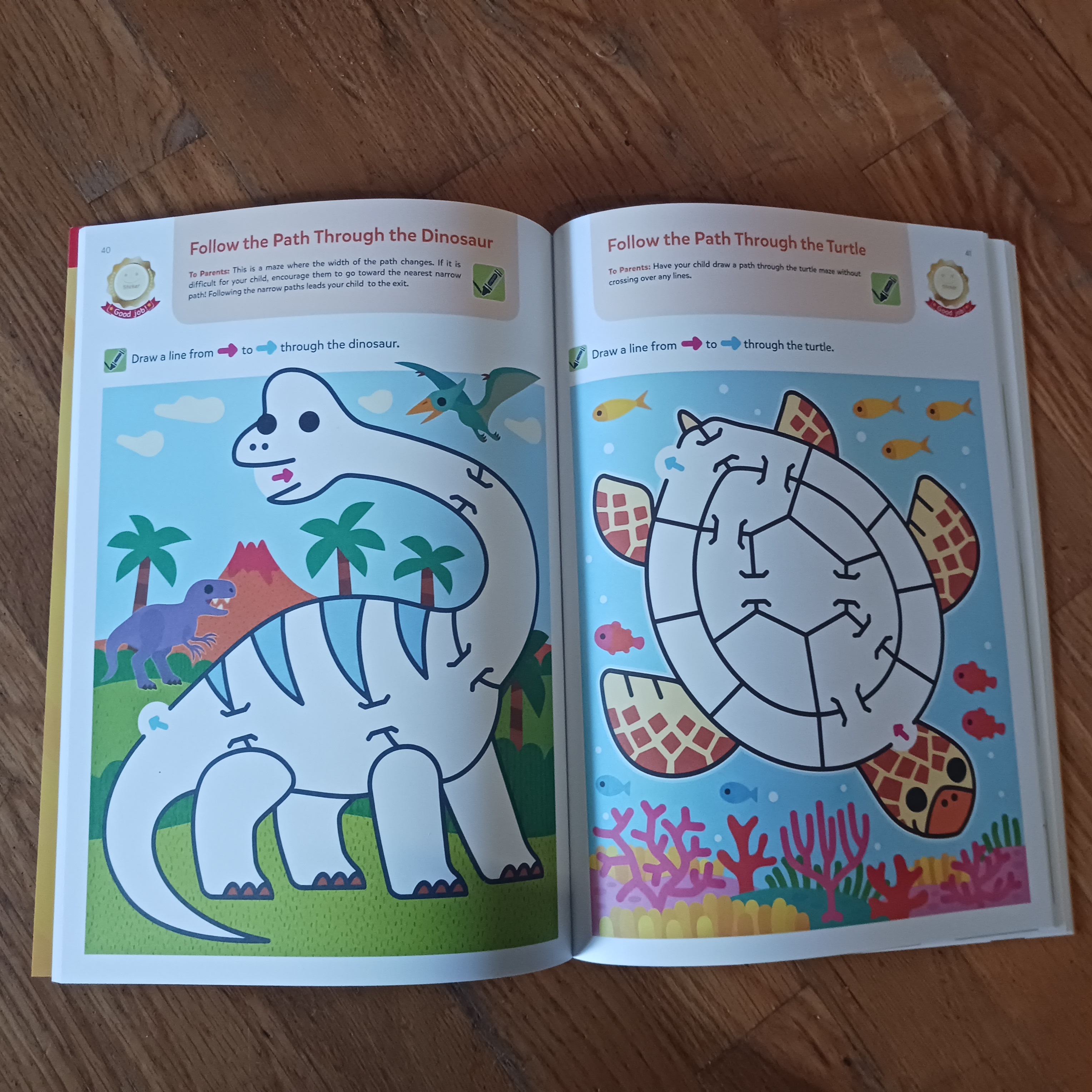

These would work well as a quiet activity for a parent and child to work on together. The activities promote fine motor skills, pattern recognition, and knowledge of colors and animals.


Play Smart Animal Picture Puzzlers (2+)
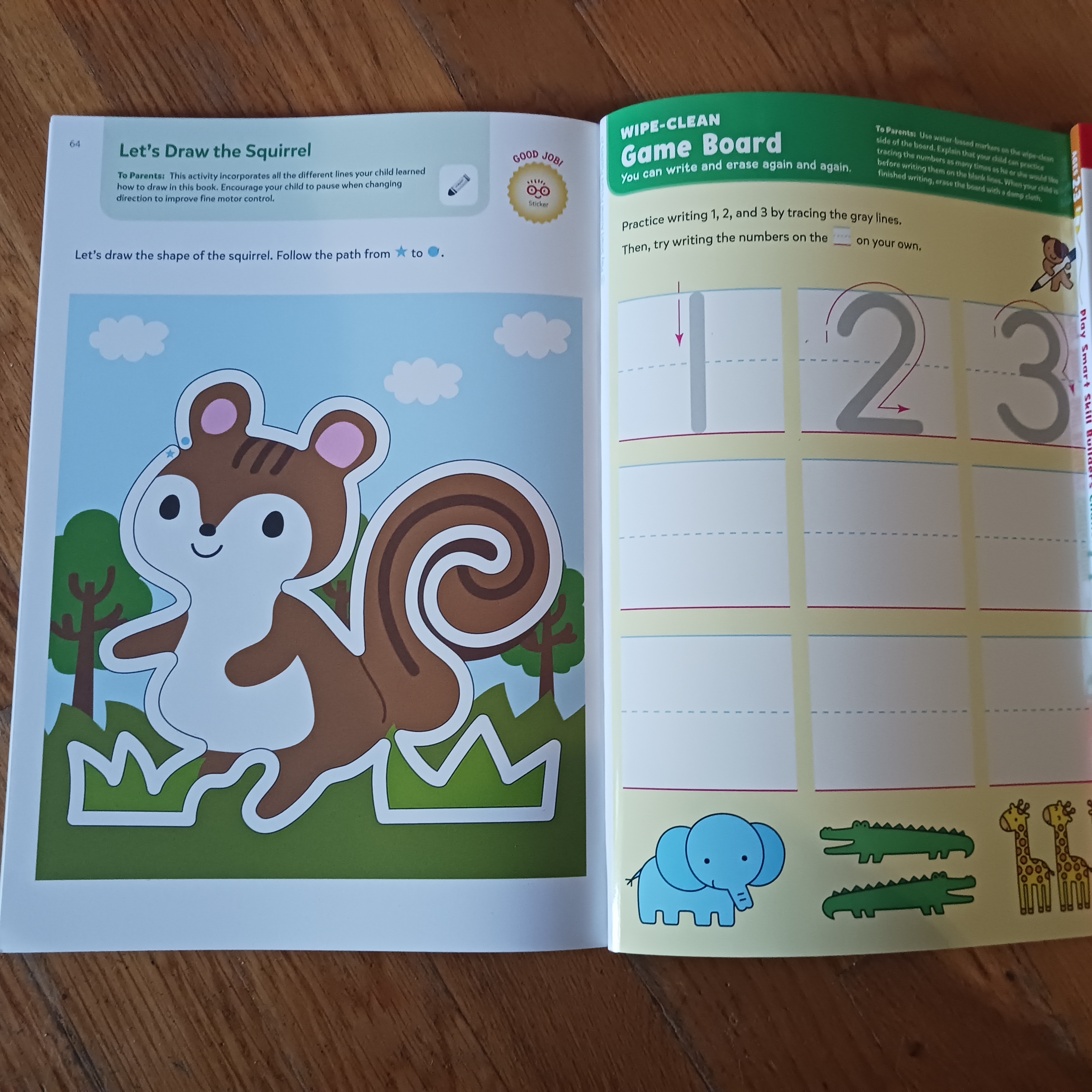

In this full-color workbook, children will work on tracing, drawing, sorting, and matching. They will trace lines in different pictures, including straight lines, curved lines, spirals, and loops. They will also work on counting and recognizing the numbers 1, 2, and 3.
In addition to the over 60 pages of single-use activities, there is a wipe-clean page at the end of the book that assists the student in learning how to write the numbers 1, 2, and 3.

Overall, these Play Smart Workbooks are a great quiet-time activity for preschool students. They promote fine motor skills, matching, patterns, and number recognition. They are bright and engaging and would work well for younger children to do with an adult. Older preschool students could work on activities independently for a few minutes. These are also perfect for those preschoolers who want to ‘do school’ like their older brothers and sisters.
You can learn more about it or purchase your set from Timberdoodle. They are also included in the Timberdoodle Preschool kit.

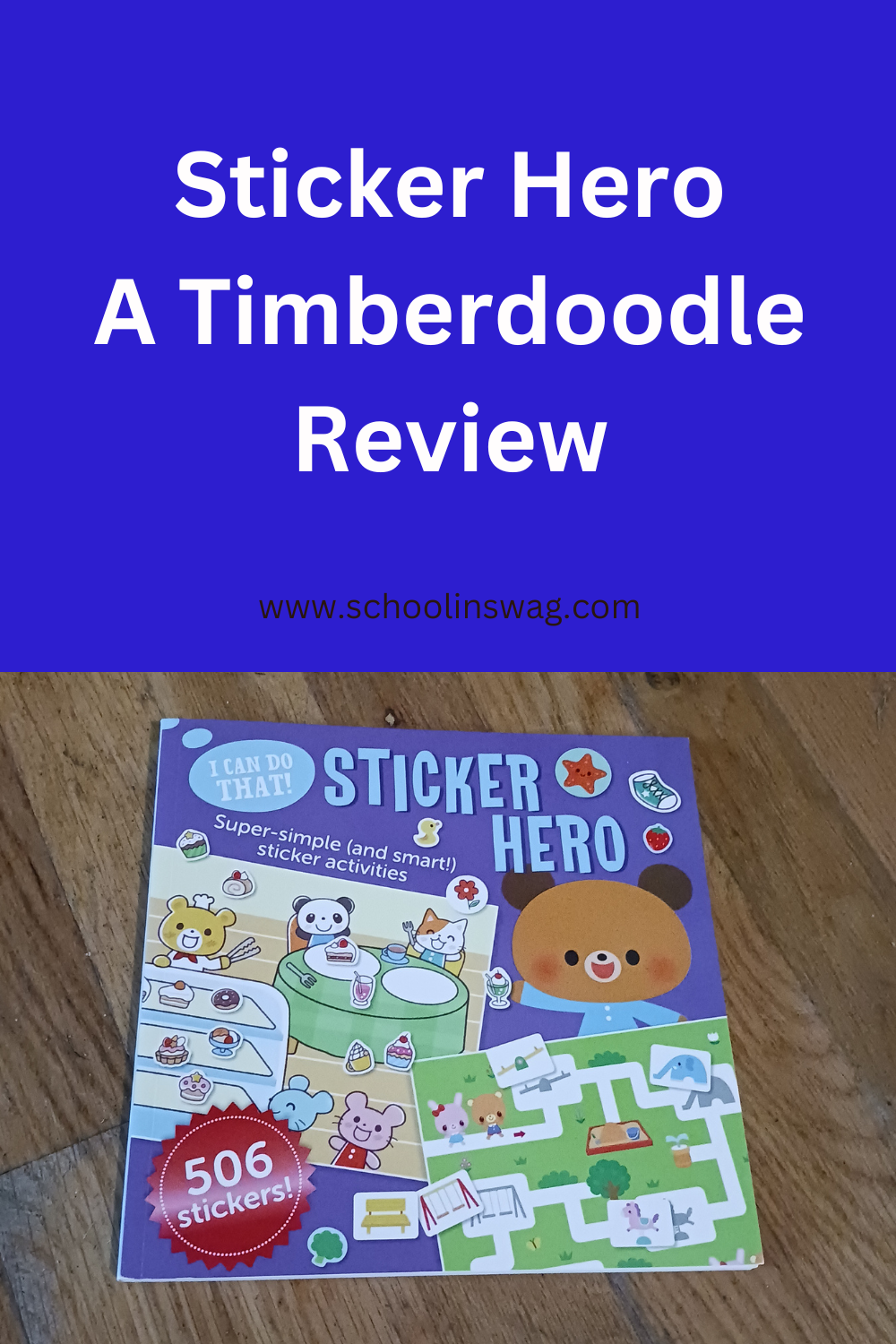
Sticker Hero: A Timberdoodle Review

Stickers are so much fun for children of all ages, whether just using random pretty stickers to decorate a paper or activities that use stickers.  Timberdoodle recently gave me the opportunity to review Sticker Hero, a fun sticker activity book.


What is Sticker Hero?

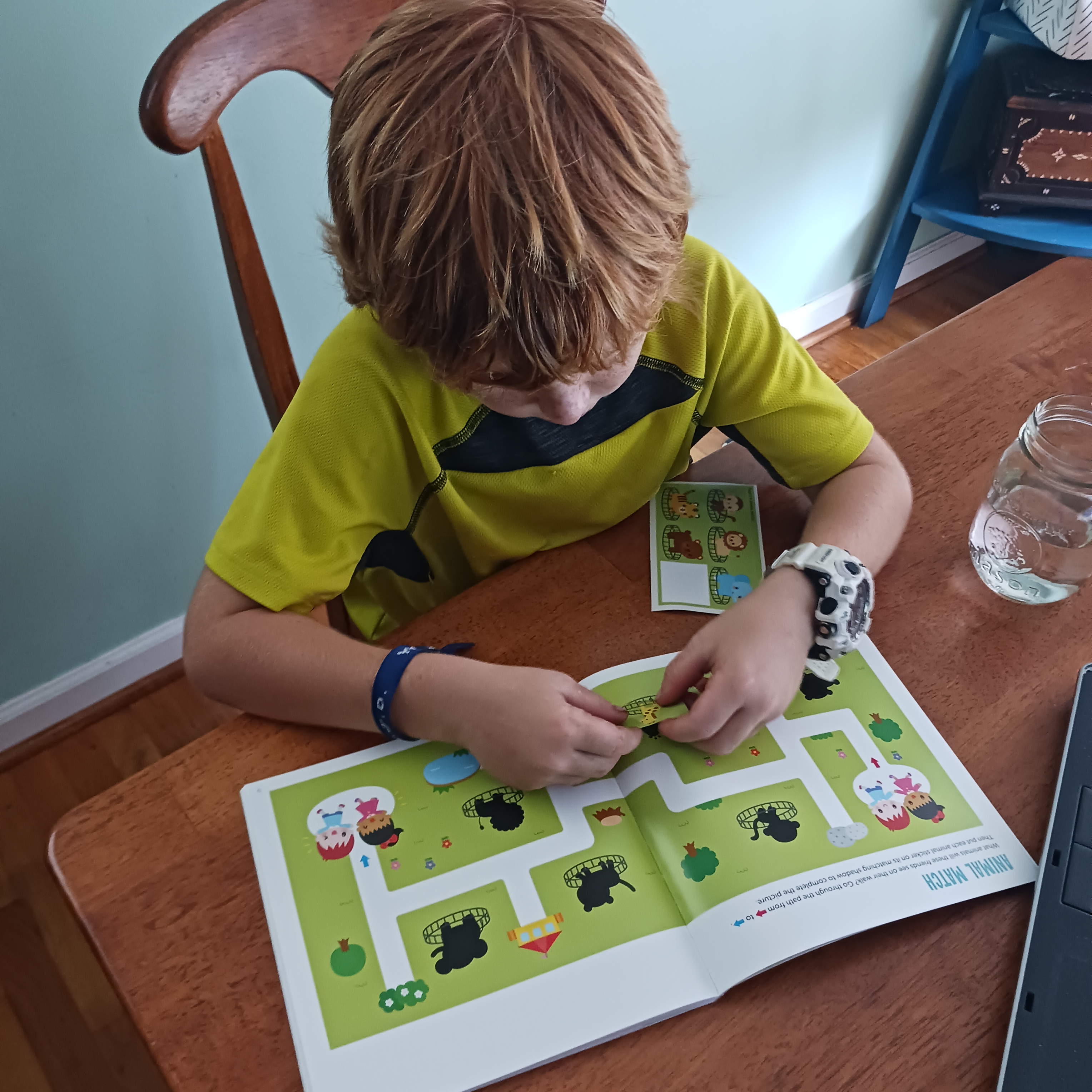
Designed for ages three and up, this activity book includes 506 stickers and 48 pages of sticker activities. The pages are bright, colorful, and made from thick paper to be more durable for little hands.


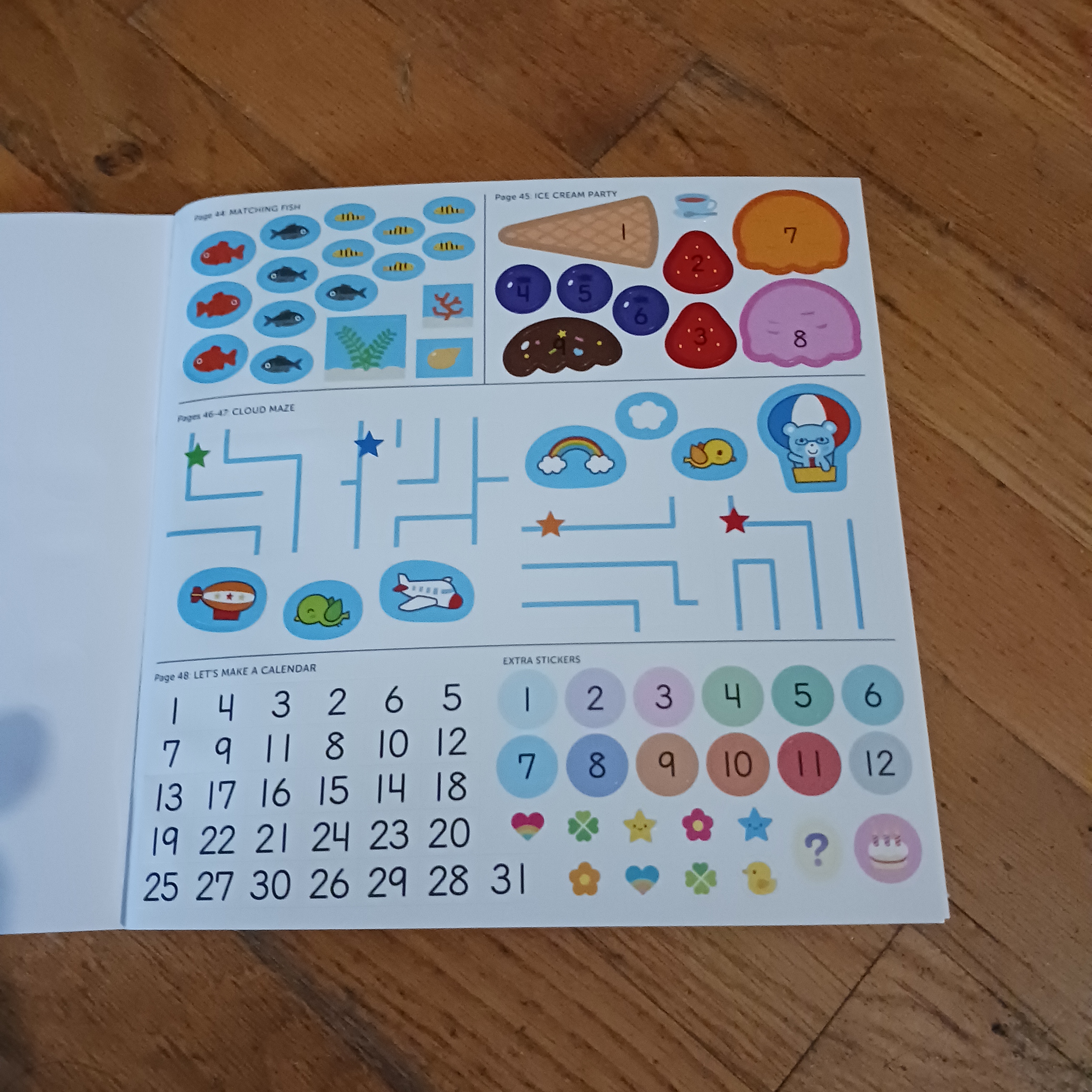
The activities include matching, counting, decorating, mazes, and more. The stickers for each activity are located in the back of the book and conveniently separated by activity. This allows you to either show the child the correct stickers or even take the correct ones from the back of the book to simplify the activity for younger children.


Working with stickers naturally enhances fine motor skills, but these activities also work on counting, sorting, matching, and observation skills. There are even activities to work on the alphabet.


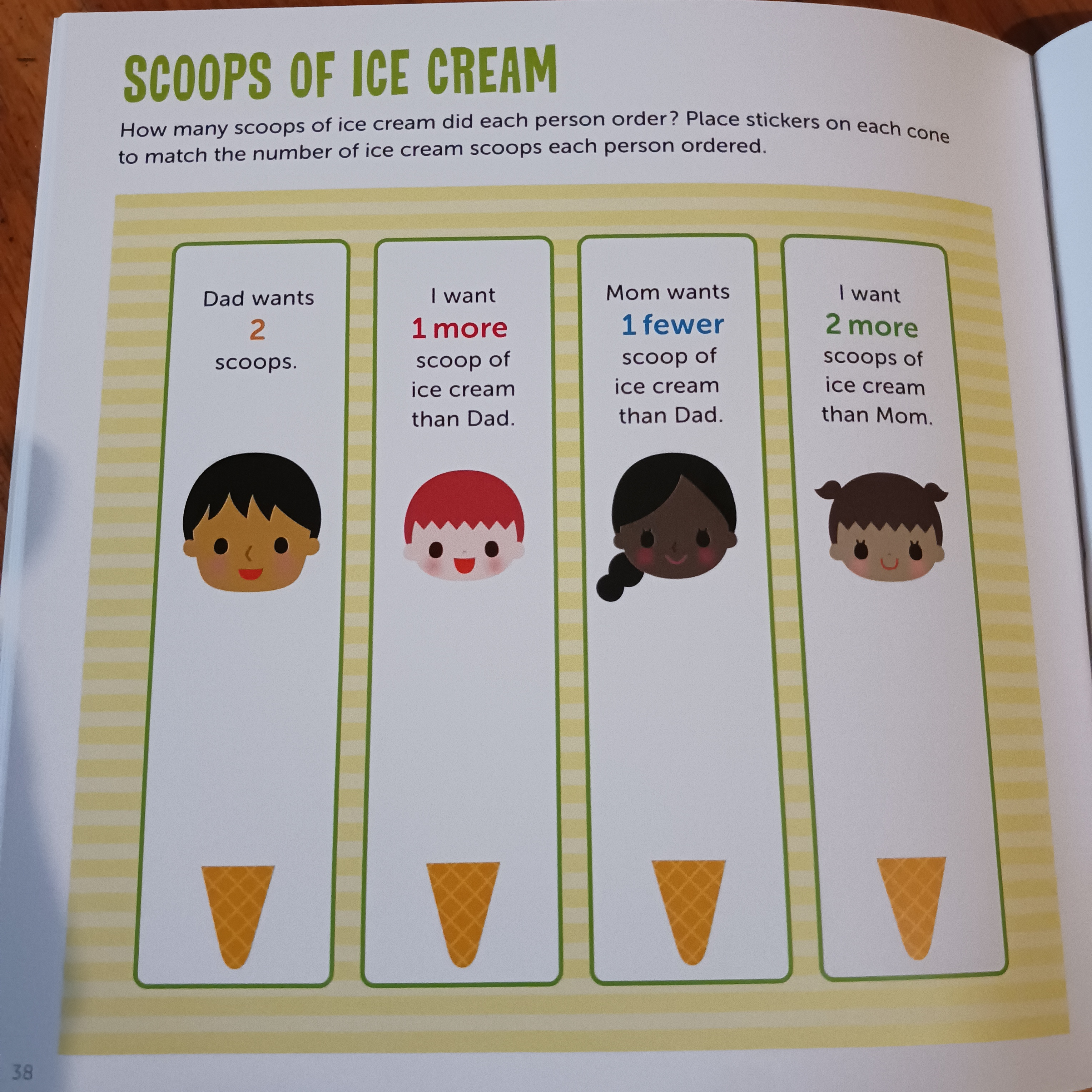
For example, the first activity has a bunch of colorful socks hanging on a clothesline, and the child has to find the matching sock stickers to put beside the one already on the page.  Another activity has them filling in the numbers on a clock, telephone, and remote. There is even a page with word problems, where a child has to work with the concepts of less than and more than to put on ice cream scoops.


Who Should Use Sticker Hero?


Children, especially preschoolers, need lots and lots of physical activity and movement. However, sometimes, you need them to sit quietly for a short time. This might be during learning time at home, sitting through a meeting, or waiting for an appointment. This book is small and convenient for taking on the go, but it is also great for your time at home.


The activities include a variety of levels, and depending on the child, they could be used from around age three to six (or older if a child has a delay or is still working on those skills).


The book could be just a fun quiet activity or it would be easy to incorporate into a homeschool day.

Where Can I Find Sticker Hero?

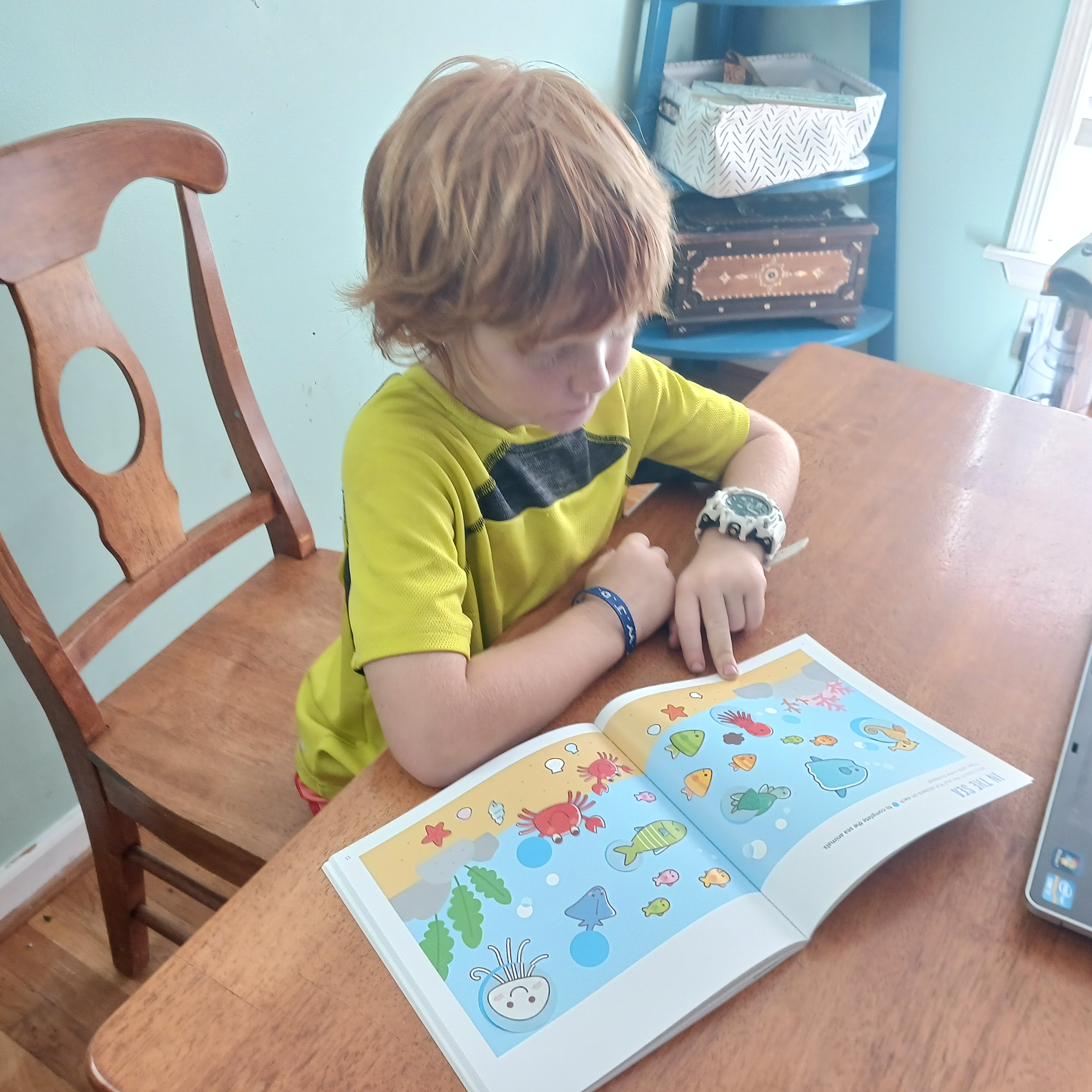
My son loved it and kept asking to do more pages. While some of them were very basic for him, he enjoyed each activity that he did.
You can see more and purchase your copy over at Timberdoodle. It is available independently or as a part of their Pre-K kit.

Thomas Nelson, Everybody Always for Kids (Review)

Thomas Nelson Publishing

Disclosure: I received this complimentary product through the Homeschool Review Crew.

If you have been reading this blog for very long, it is no secret that we love books and reading. My personal motto is “never too many books, only too few bookshelves.” So, when the opportunity came to review Everybody, Always for Kids by Bob Goff and Lindsey Goff Viducich I was happy to accept.

I was not familiar with the author but I was familiar with other books from Tommy Nelson Publishing and was excited to give this one a try. The book was recommended for ages 6-10 and I planned to use it with my seven year old son.

A New Book!

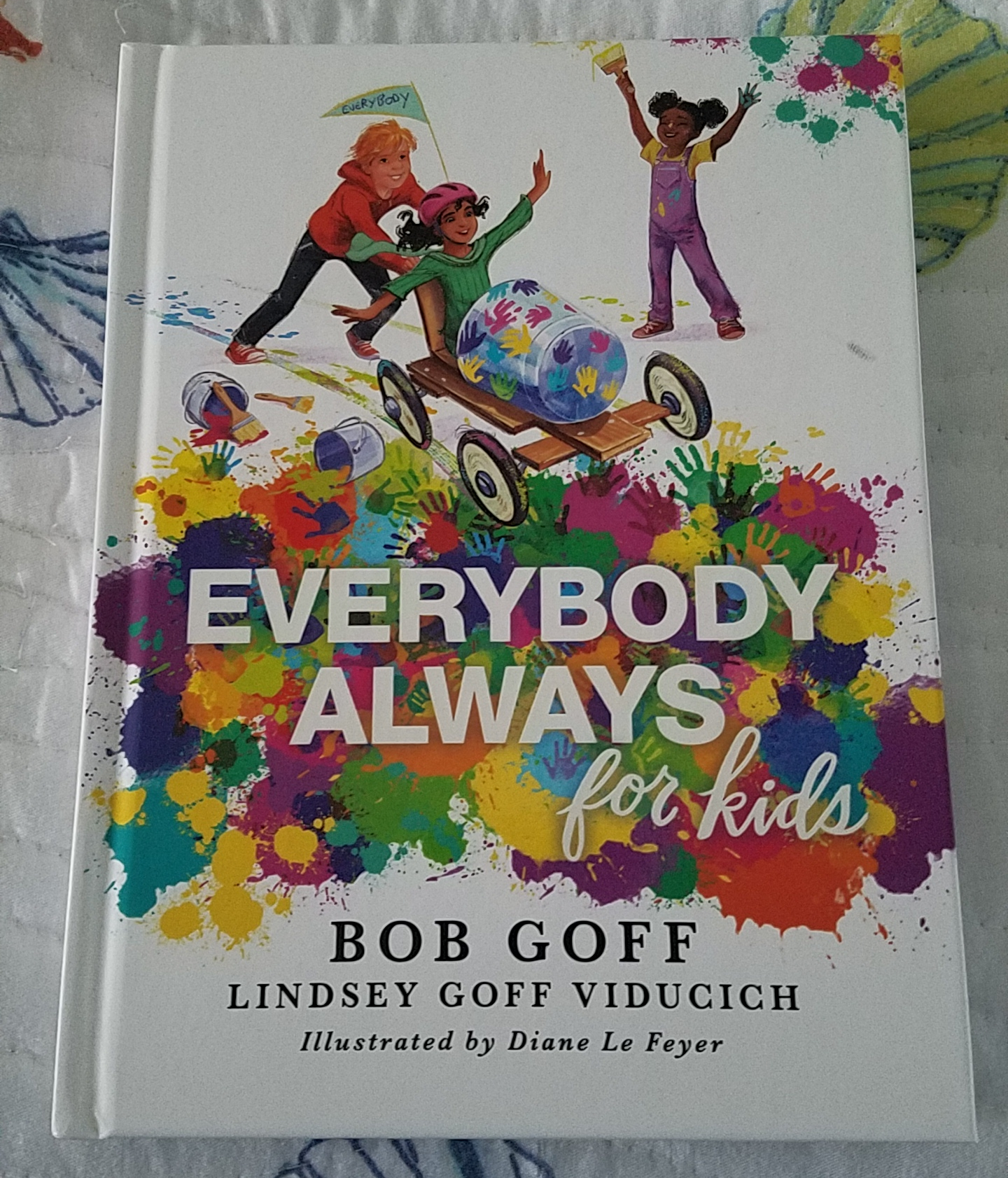
When the book arrived in the mail, I let my son open the package. He was immediately drawn to the bright colors of the cover art.  The book has a very cheerful cover that entices the reader.

While he was most drawn to the cover, I could not help but notice the sturdiness of the hard cover book. It seemed well made, with thick glossy pages and even a ribbon attached as a bookmark.

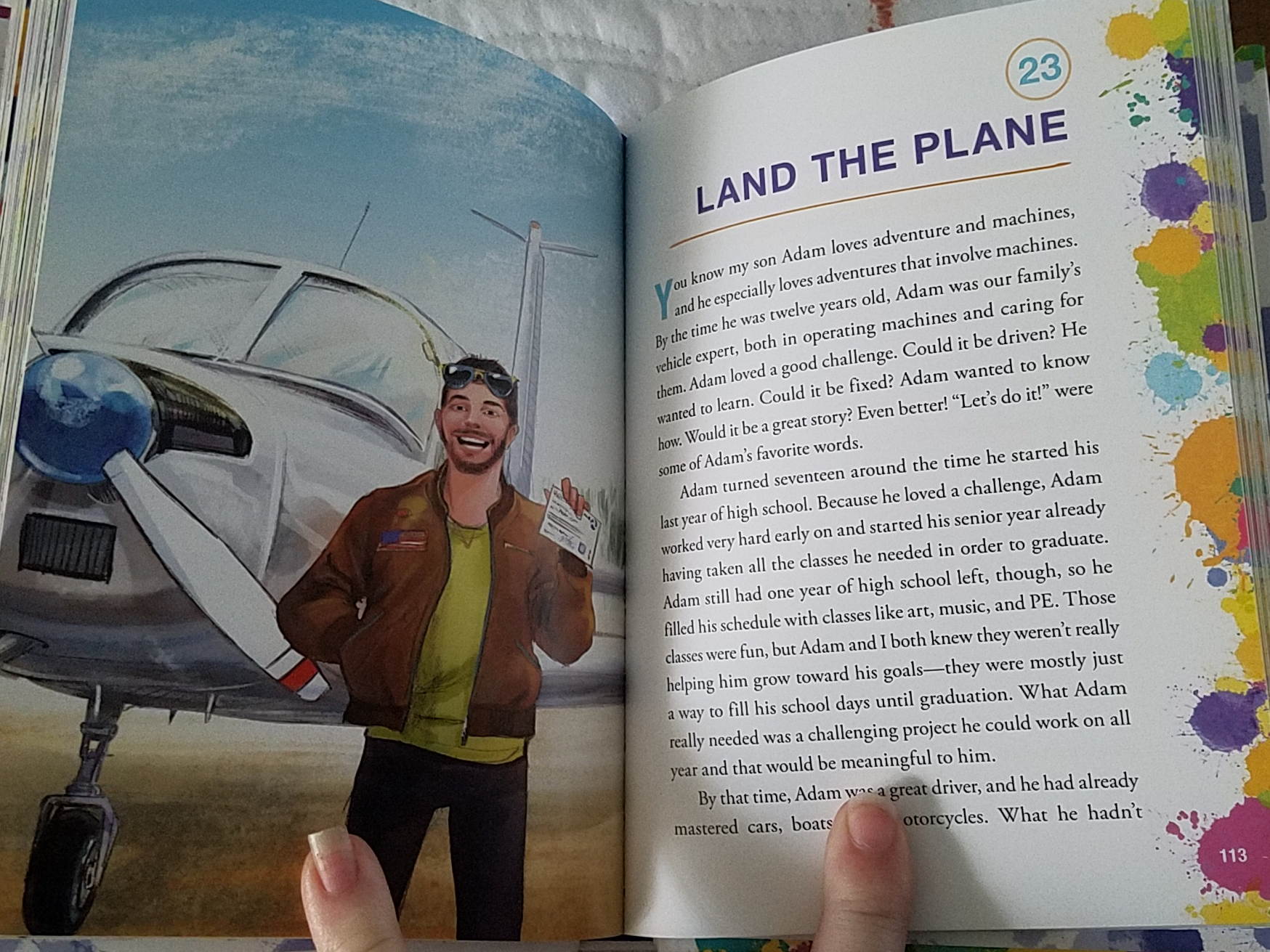
Rather than being one long story, the book is a collection of forty different stories. The goal of the book is to help children understand that they should love “everybody, always”.

Each story is an example of how the author was able to show love to someone through his actions.

How We Used the Book

While, I planned to use this primarily with my seven year old, my three year old would most often come join us while I read. He loves to curl up in the recliner with me reading.

I did not really think that he would understand most of it, but welcomed him joining us for reading. However, he quite surprised me when he started talking about the stories.

 In one of the earlier stories the author jokingly talks about swimming with sharks. After we finished that story, my three year old looked at me and said, “Mommy, we not swim with the sharks, they might eat us.”

I am quite sure that was not the point the author was trying to get across, it certainly proved to me that he was paying attention.

My seven year old loved the book and would ask me to read each night and try to get me to read two or three stories at a time, instead of the one that I promised.

 I appreciated the opportunity to talk with him about showing love and kindness to others in a variety of ways.

Bonus!

In addition to the book, we were given a five day lesson plan set with questions and hands-on ideas to go along with five of the stories from the book. These lesson plans included fun hands-on activities as well as discussion questions. They are available as a free bonus download on the website.

Thoughts and Conclusions

Overall, we really enjoyed Everybody, Always for Kids and felt like it was a great way to start conversations about different ways that we can show love to those around us. While I think the target age of 6-10 is probably the ideal age for this book, I do think that younger children can get something from the book and that it could still be a great jumping off point for conversations with older children.

Be sure to click on the graphic below and see what the other Review Crew families thought and how they used this book in their homes!

Everybody Always for Kids Reviews