Field Trip Friday: Congaree National Park

We have started a tradition in our family of taking a big trip instead of a gift for our children the year they graduate high school. We started really big with my oldest a couple of years ago by taking a seven-week, once-in-a-lifetime cross-country trip as a family.

My daughter knew that her trip this year could not be that long, but she got to choose the location and plan the adventures. She chose Florida and among other things, we fit in visits to three national parks!

(For this series, I will use the term National Park to mean any park site, including historic sites, monuments, etc.)

I shared a couple of weeks ago about Everglades and Biscayne; today I want to share a bit about our stop at Congaree National Park in South Carolina.

*Some of the links in my posts may be affiliate links see below for more information. *
Wait, I thought you said Florida?

If you are familiar with Congaree, you may be thinking that I said a trip to Florida, but Congaree is in South Carolina.

We had the opportunity to visit Congaree on our way south to Florida. We only had a few hours, but we enjoyed our time there.

Features of Congaree National Park

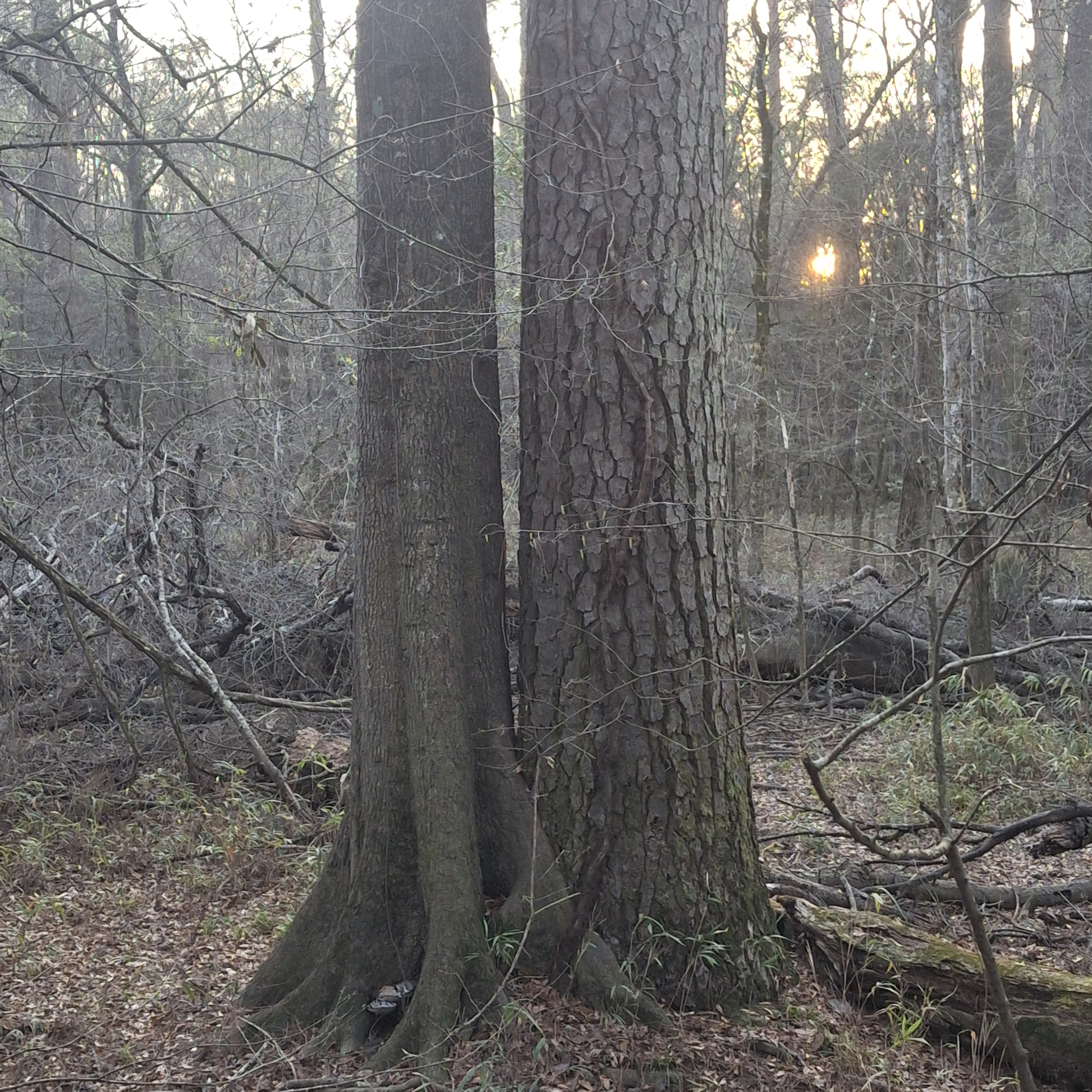
Congaree is a beautiful old growth bottomland hardwood forest, the largest expanse left in the southeastern United States. There is a ton of biodiversity in plants and animals to see as you explore this park.

First Stop: Harry Hampton Visitor Center

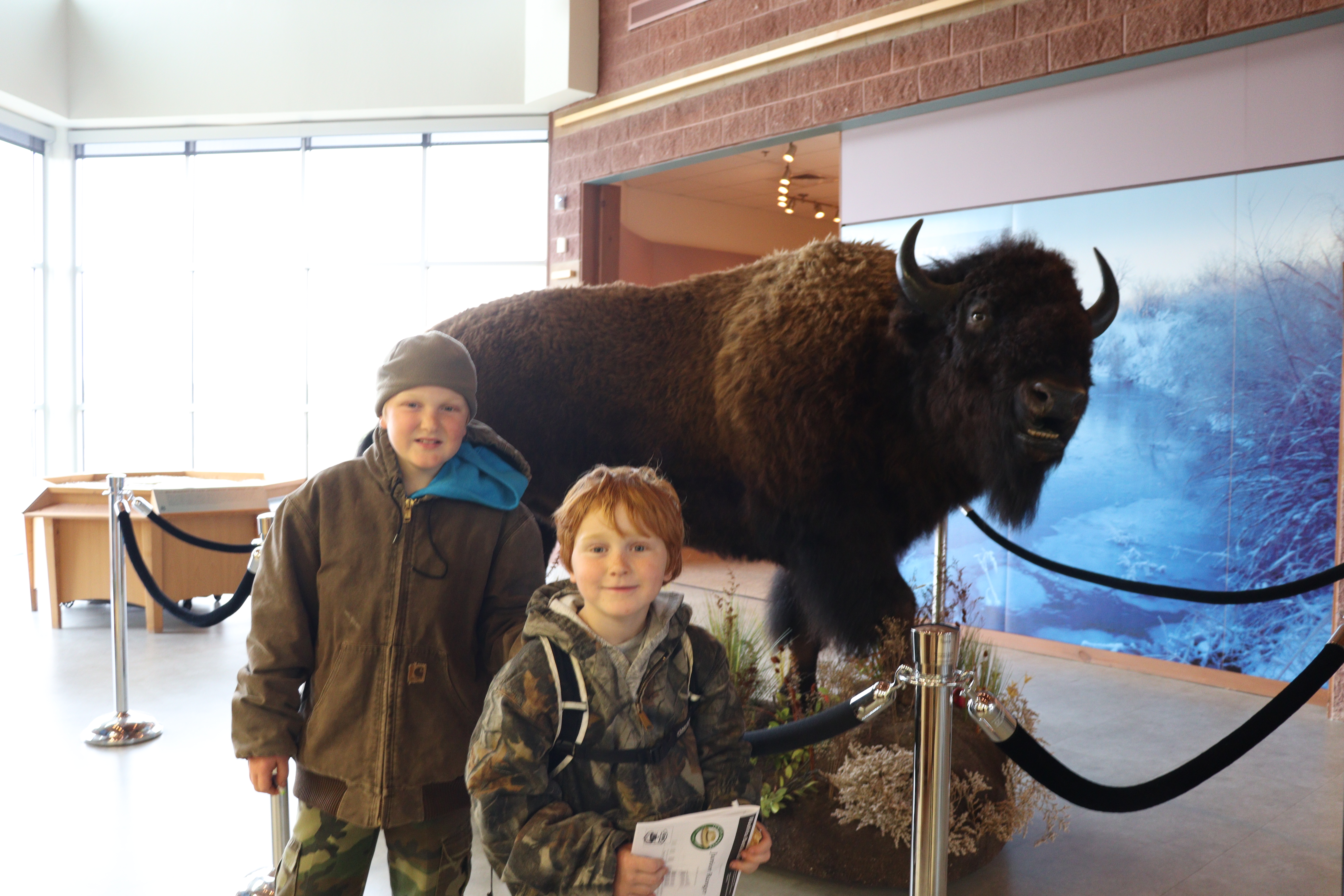
We arrived only a few minutes before the visitor center was closing, but we had time to go inside and take a quick look at the displays and information. Of course, we also had to take a minute and get our passports stamped!

There were displays about the various plants and animals found in Congaree National Park. Their favorite display was a model of one of the large bald cypress trees that are found there.
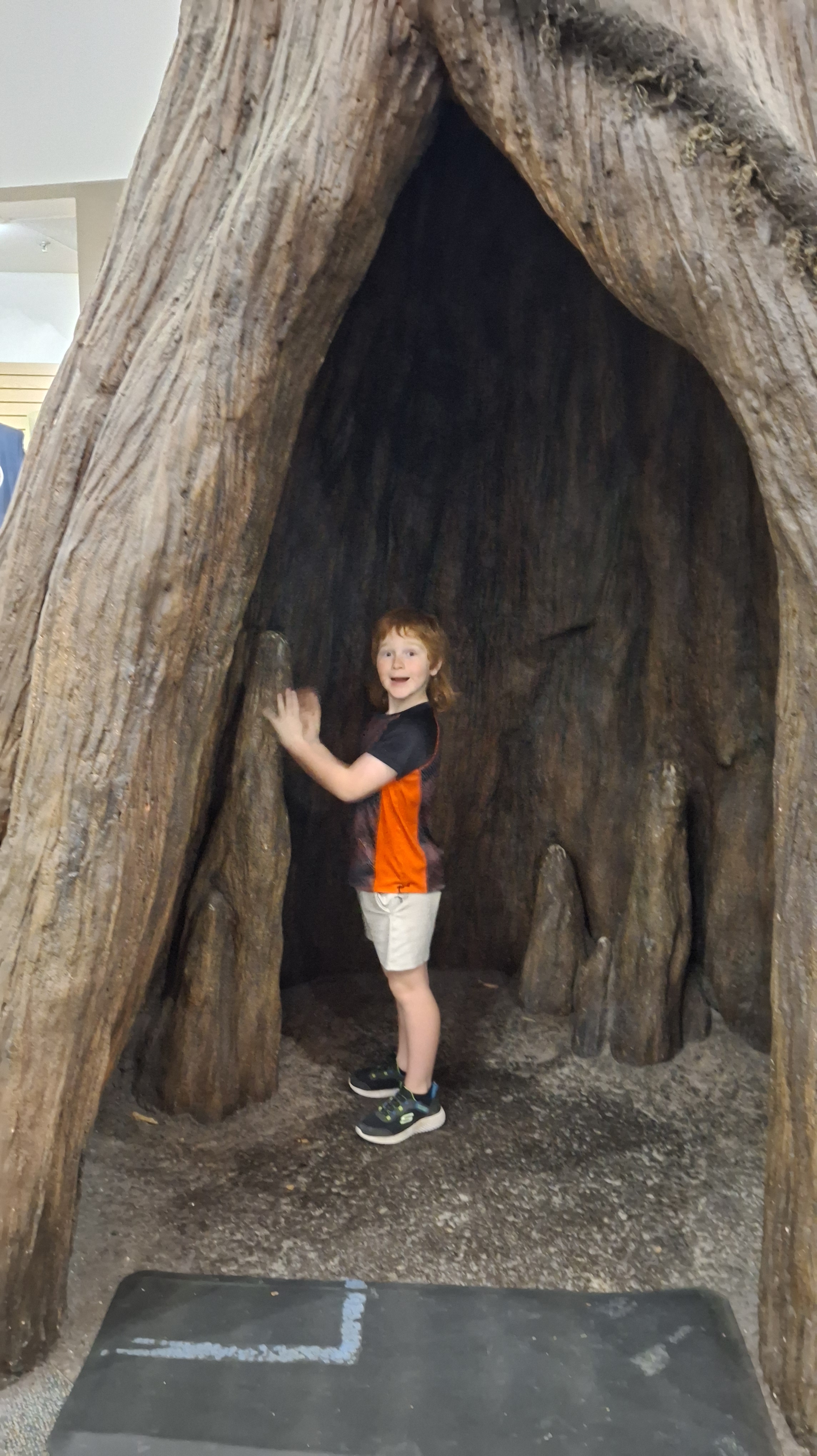
As with most National Parks, I recommend stopping at the visitor center first. The visitors center has a small educational display with information about the various plants and animals that live in the forest and rivers of Congaree.

In addition, this is where you can get your National Park Passport stamped and pick up any Junior Ranger books you need.

There are also restrooms, water fountains, and a gift shop available. (Of note, the main restrooms close at 5 with the visitor center, but there is a single restroom that remains open 24/7. )

Hiking in Congaree

Since we arrived later in the day, we were a little more limited in what we could explore before the sunset, but we still had the opportunity to take a great hike through the bottomlands and see some of the wonderful diversity this park has to offer.
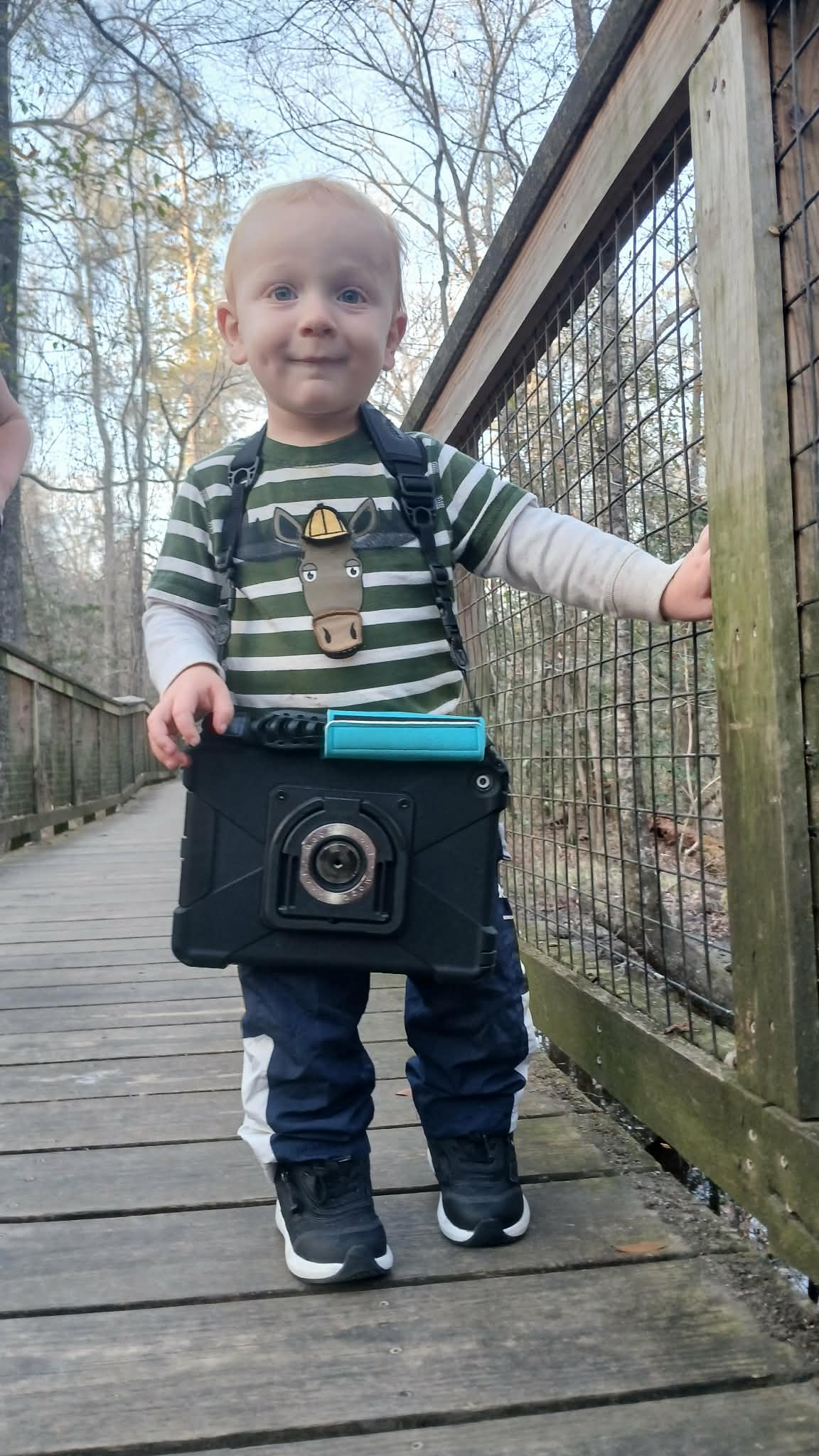
He loved using his AAC device to identify the animals we saw on the trail!

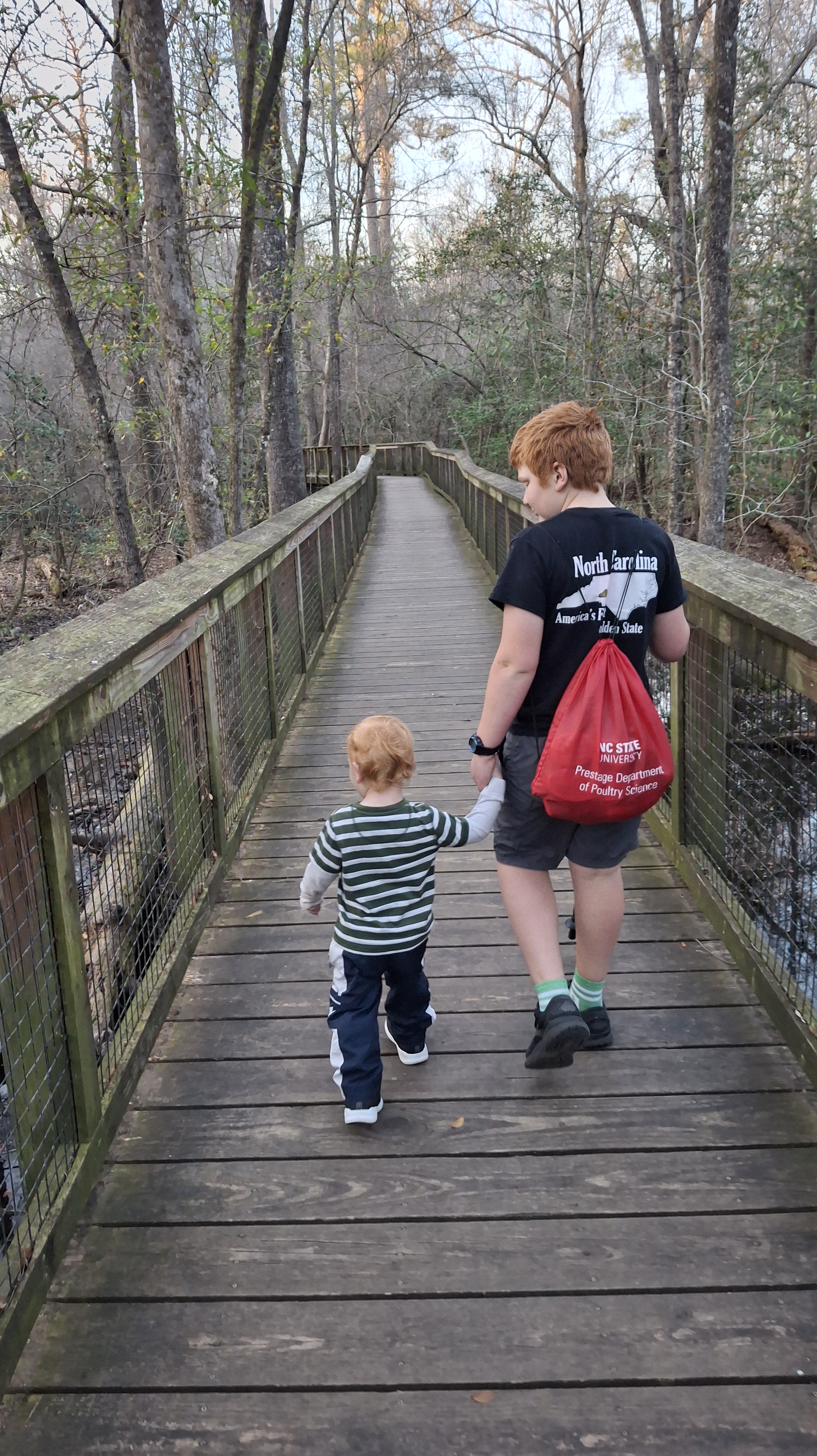
We hiked part of the boardwalk trail, which is an easy 2.6 mile trail that leaves from the visitors center and is wheelchair and stroller friendly (though a few spots would be more challenging).

As noted by its name, much of this trail was a boardwalk and it took us right into the bottomlands. We saw a variety of birds, turtles, and other animals. The bald cypress and tupelo trees make up much of the forest, but there are also pines and other trees.

Do note that the mosquitoes can be quite thick and you should be prepared with insect repellent before heading out.
Things to do in Congaree

We only had time for the short hike and a nice picnic dinner in the parking lot. (One of the many benefits of having a camper is bringing our kitchen where ever we go. ) However, the park offers many other trails, water ways for canoeing or kayaking, and fishing. My son was a bit disappointed he did not have time to fish, but we promised we would try to plan another trip to Congaree when we had more time.

Learning in Congaree

In addition to the obvious nature and science study of the trees, animals, and ecosytem, there is also history to learn from Congaree. Native Americans had settlements in the area long before European settelers, and then the first European settlement was an unsuccessful Spanish settlement.

There is also a rich history of the area being used as a place of escape for runaway slaves, who could hide in the swampy bottomlands.
If you get a chance to visit Congaree National Park, let me know how you like it.

Don’t forget to take your park passport and get it stamped! We have found that the passport is a great way for the children to collect souvenirs at each park, with no additional expense beyond the initial purchase.

Basic Information

Where:

100 National Park Road
Hopkins, SC 29061

Hours of Operation:

The park lands are open 24/7 year-round, but the Harry Hampton visitors center is open 9:00-5:00.

Costs: Free for entrance and use, fees for camping.

Homeschool Discount: If you have a fourth grader, you can get a free annual pass for your family to all the National Park sites, but that is not needed at this site.

Website: https://www.nps.gov/cong/index.htm

Food: There are a few snacks sold in the gift shop, but no restaurant on site. There are some picnic areas available.

Resource Library and Affiliate Disclosure

When you sign up for the Schoolin’ Swag free resource library you will get a link and password to the library, we are adding to the library each month with new items. You will also get a bi-weekly newsletter email to keep you up to date on what we have going on.

Resource Library 

This post may contain affiliate or referral links, including Amazon affiliate links. As always I will never recommend a product that I don’t believe in and you will never be charged more for purchasing through our links. It does help pay for the costs associated with the blog.

Deals and Freebies

Schoolhouse Teachers is now offering a lifetime option! They are a great place for a one stop shop curriculum or a way to have a lot of options to fill in different electives and courses into what you have already chosen.

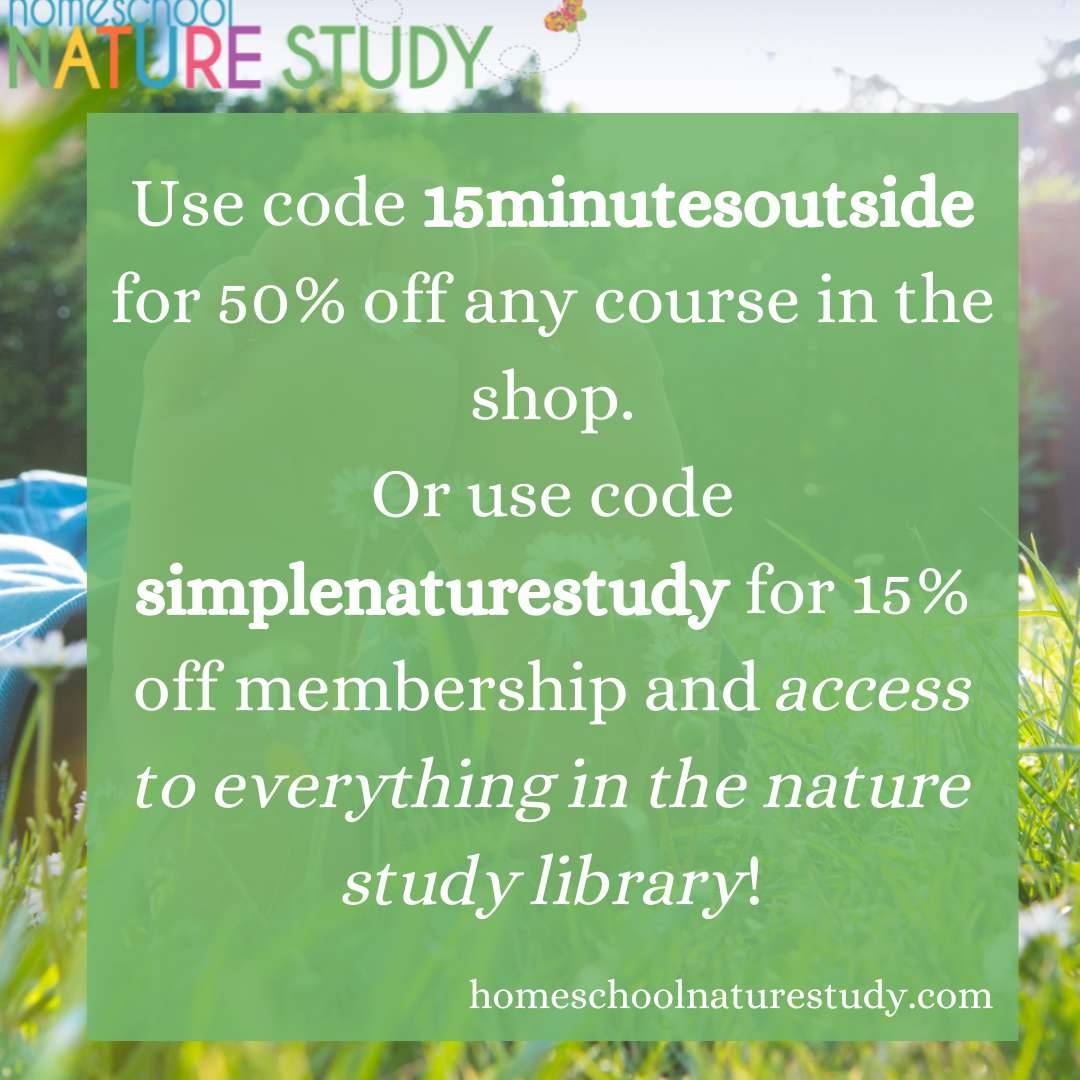
Nature Study Sale! Our favorite nature study resource (other than the national parks themselves) is on sale right now. t takes all the prep work out of our study and helps us to dig a little deeper. They are having a sale right now (and that doesn’t normally happen), so I wanted to share. Just click here and use the codes in the picture!
Tuttle Twins is offering a great sale right now on several different book sets and they have their brand new business course for elementary school!

Did you know next week is Shark Week? Check out this free family guide to turning Shark Week into science fun for the whole family.
Science and History in the National Parks

We recently went on a once-in-a-lifetime, bucket-list family vacation. We spent seven weeks going from the East Coast to the West Coast and back. While we did take math books for the elementary students, some type of reading for everyone (not curriculum, just reading material), and our morning routine, we did not take most of our formal schooling with us. However, the science and history learning that happened on this trip were probably worth more than a school year full of curriculum.


As we planned our trip, we mainly focused on national park sites. (For the purpose of this post, I am including parks, historic sites, monuments, etc.- basically any site run by the National Park Service, not just the ones designated as National Parks.) We also included some fun state parks in various locations.


Every Kid Outdoors

Aside from all of the wonderful educational opportunities and impressive hikes, the National Parks are generally reasonably priced to visit. However, even at reasonable prices, if you are going to multiple parks it can add up. That is where the Every Kid Outdoors program comes in to help. If you have a fourth grader (and yes homeschoolers are included) you can get a free pass that is good for a year and includes the whole family.
It is very simple to go online and register for a pass and then just turn in your form at any National Park site that sells passes or charges admission. This includes admission at any of the National Park Sites as well as National Forests. Do note that it does not include camping fees or tours that have an additional charge.


Junior Ranger Programs: Education and a Souvenir


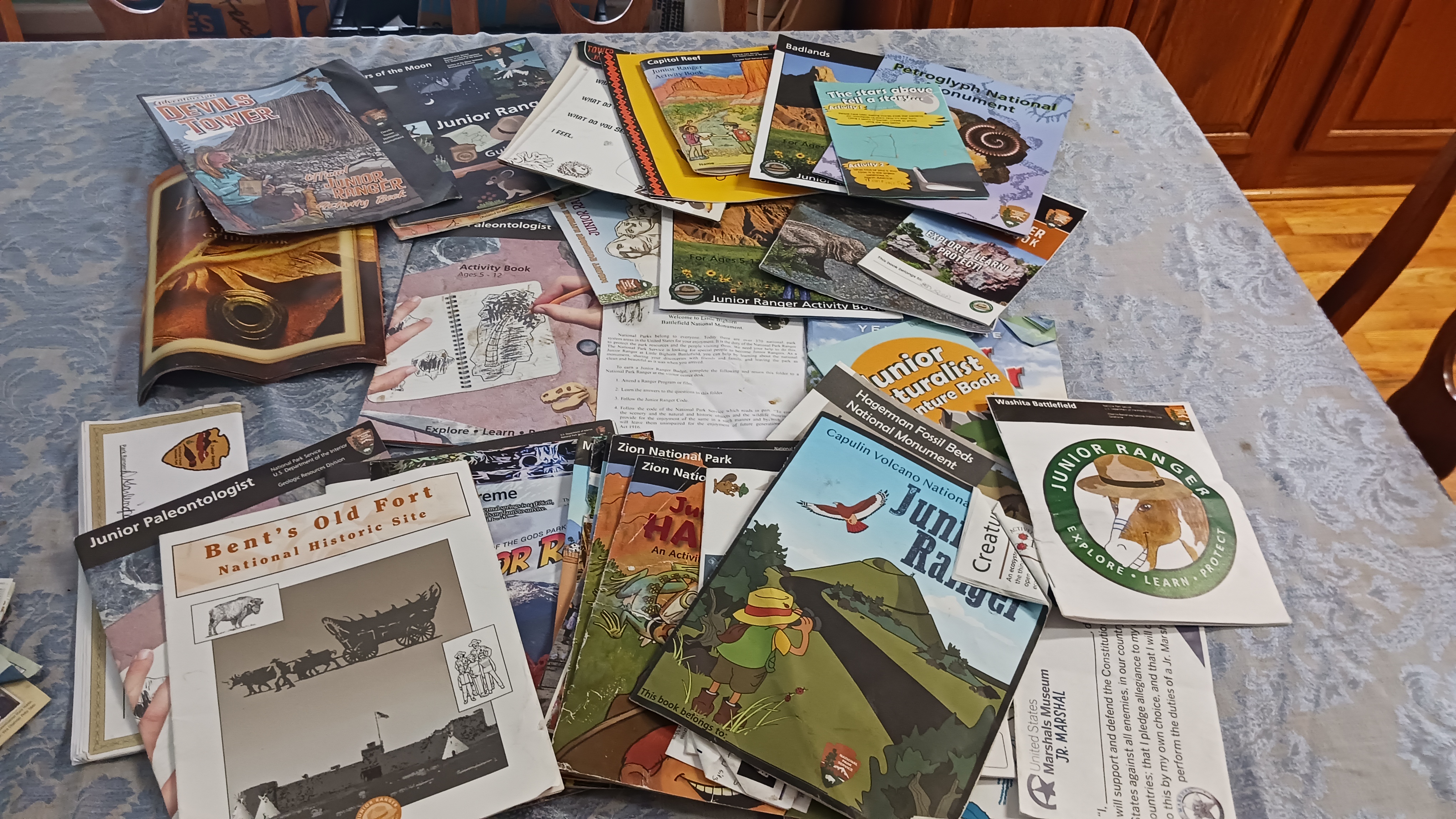
One of our favorite tools when visiting national park sites is the Junior Ranger Program.  Each, park has their own Junior Ranger booklet for students to complete and then they can earn a junior ranger badge. At almost all of the parks these booklets are free (in the many parks we have visited over the years we have had to pay a small fee for two of them).  While each book is different and some more elaborate than others, in general, each booklet has guidelines for students to complete a certain number of activities dependent upon their age level.


Some of the activities are workbook-style, such as word finds and crossword puzzles. Some use information in the visitors center to answer questions or do a scavenger hunt, and other activities might involve hiking or viewing other parts of the park.
These books help us guide the learning of our children and give them a built in free souvenir, which is a win-win.


In most instances you will complete the book on your visit to the park and the rangers will check it and issue the badge. However, at some of the smaller parks/historic sites we were not going to be there long enough for them to finish the book. Often, they would allow me to take possession of the badges and give them to the children once they had completed the requirements. This made for a great activity for them to work on while we were riding.

Passports: Keeping a Record


Eight or nine years ago, we took the three oldest children on a road trip to Washington, D.C.. While we were there, we purchased a national park passport. At the time it was on sale and we paid about $15. That is one of the best purchases we have ever made. At each site, there are stamps for the passport. The passport is divided by region and you just stamp your book in that region when you visit a park.

In the D.C. area, almost all of the monuments have their own stamp, so we got a lot of stamps on that trip, and my children (even the teens) have been excited about collecting stamps ever since. It gives them a fun way to keep a record of all of the places we have visited and when we visited because the stamps have the date on them.


This past Christmas, our sweet neighbors gifted the children with their own passports, so on our latest trip they were each able to stamp their own in addition to our family passport and begin their own record of travel. 

Benefits of Field Trips: Making It Real


I am a huge fan of reading, both independently and aloud. There are many, many benefits to reading about science and history and much is learned in that way. However, there is something extra special about taking a field trip to see actual historical locations or scientific features.


We can read about geysers and hot springs for months, but nothing compares to actually seeing one to help them understand and connect with what they are learning. My son can list facts galore about different animals (thank you Burgess Book of Animals), but seeing them in real life brings all that together with a much deeper understanding.


When students visit a historic site, they can really internalize that the events they read about were not part of a fictional story but real life and real people.


For example, I remember playing the Oregon Trail computer game as a child. While I knew it was based on real history, it really sank in once we went to one of the actual river crossings this spring and saw where those many men and women had forded the river.

National Parks Are Worth the Time


I highly encourage you to utilize the national park system in your homeschool. Whether you seek out sites that are related to your studies or simply find sites near your home or wherever you are traveling, the visit will be beneficial to your students.


The parks can stand alone in your learning or supplement the curriculum you are already studying and can be used at whatever frequency and timeline works for your family. If you have sites near you, you can visit them on multiple occasions to enjoy various programs and activities. There is something new to learn each time.


What are your favorite sites in the National Park system? Stay tuned for another post next week with some more specific ideas for using the parks as your curriculum.

Resource Library and Affiliate Disclosure

When you sign up for the Schoolin’ Swag free resource library you will get a link and password to the library, we are adding to the library each month with new items. You will also get a bi-weekly newsletter email to keep you up to date on what we have going on.

Resource Library 

This post may contain affiliate or referral links, including Amazon affiliate links. As always I will never recommend a product that I don’t believe in and you will never be charged more for purchasing through our links. It does help pay for the costs associated with the blog.

Deals and Freebies

If you have not tried SchoolhouseTeachers.com, you don’t want to miss this sale! (Use code UGLYBUG)

All About Learning is also offering their big summer sale!