Science and History in the National Parks

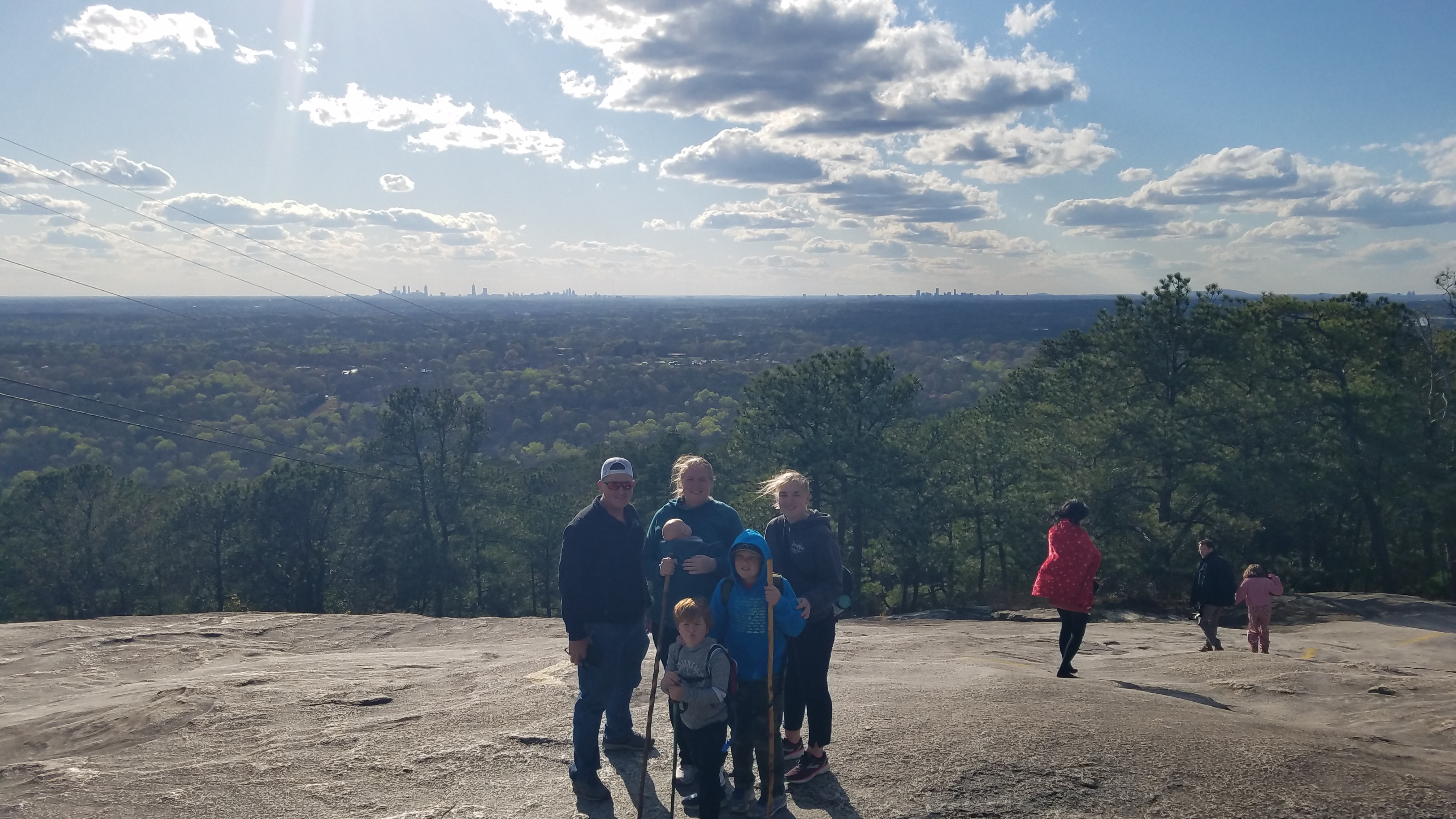
We recently went on a once-in-a-lifetime, bucket-list family vacation. We spent seven weeks going from the East Coast to the West Coast and back. While we did take math books for the elementary students, some type of reading for everyone (not curriculum, just reading material), and our morning routine, we did not take most of our formal schooling with us. However, the science and history learning that happened on this trip were probably worth more than a school year full of curriculum.


As we planned our trip, we mainly focused on national park sites. (For the purpose of this post, I am including parks, historic sites, monuments, etc.- basically any site run by the National Park Service, not just the ones designated as National Parks.) We also included some fun state parks in various locations.


Every Kid Outdoors

Aside from all of the wonderful educational opportunities and impressive hikes, the National Parks are generally reasonably priced to visit. However, even at reasonable prices, if you are going to multiple parks it can add up. That is where the Every Kid Outdoors program comes in to help. If you have a fourth grader (and yes homeschoolers are included) you can get a free pass that is good for a year and includes the whole family.
It is very simple to go online and register for a pass and then just turn in your form at any National Park site that sells passes or charges admission. This includes admission at any of the National Park Sites as well as National Forests. Do note that it does not include camping fees or tours that have an additional charge.


Junior Ranger Programs: Education and a Souvenir
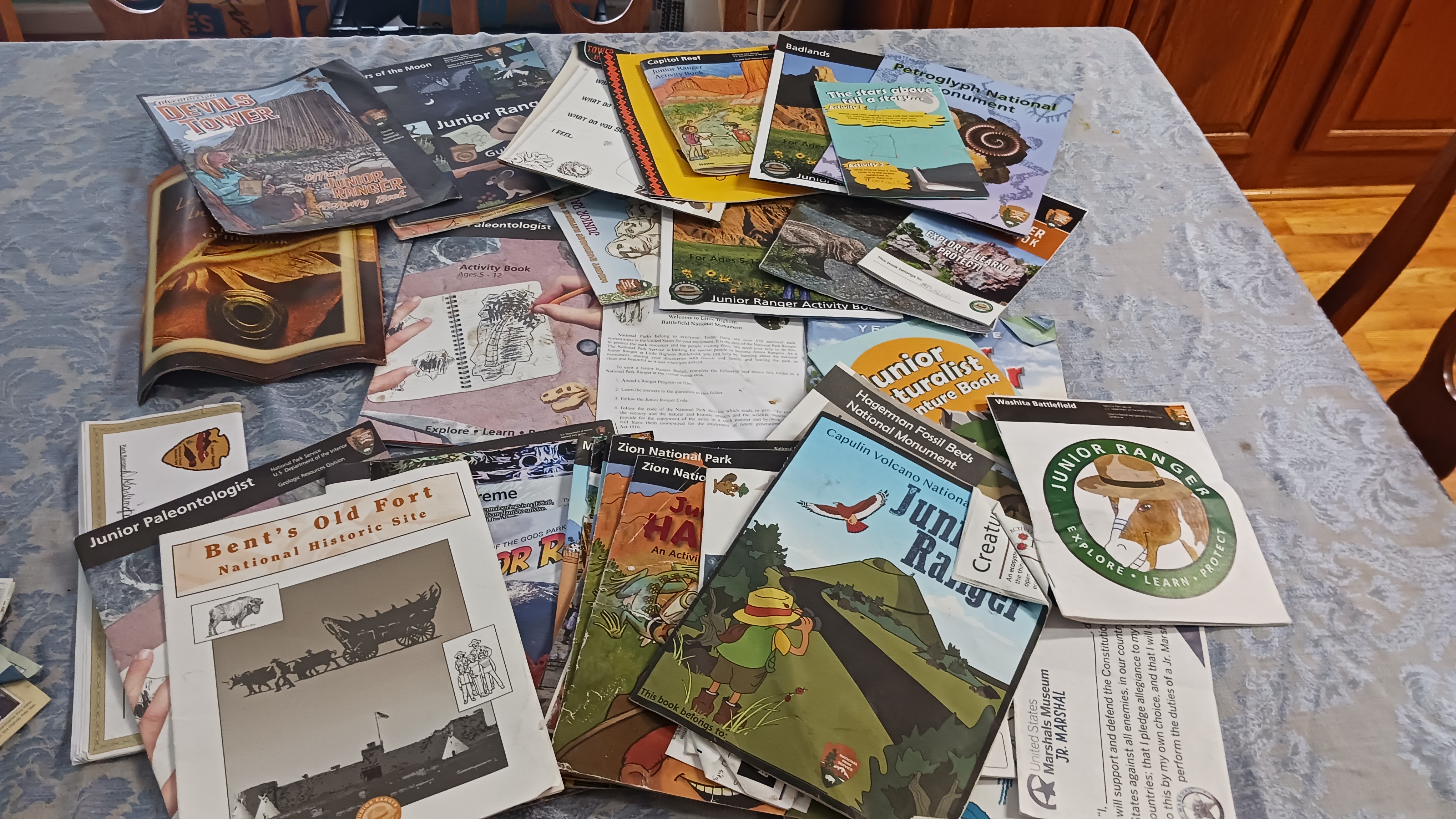

One of our favorite tools when visiting national park sites is the Junior Ranger Program.  Each, park has their own Junior Ranger booklet for students to complete and then they can earn a junior ranger badge. At almost all of the parks these booklets are free (in the many parks we have visited over the years we have had to pay a small fee for two of them).  While each book is different and some more elaborate than others, in general, each booklet has guidelines for students to complete a certain number of activities dependent upon their age level.


Some of the activities are workbook-style, such as word finds and crossword puzzles. Some use information in the visitors center to answer questions or do a scavenger hunt, and other activities might involve hiking or viewing other parts of the park.
These books help us guide the learning of our children and give them a built in free souvenir, which is a win-win.


In most instances you will complete the book on your visit to the park and the rangers will check it and issue the badge. However, at some of the smaller parks/historic sites we were not going to be there long enough for them to finish the book. Often, they would allow me to take possession of the badges and give them to the children once they had completed the requirements. This made for a great activity for them to work on while we were riding.

Passports: Keeping a Record


Eight or nine years ago, we took the three oldest children on a road trip to Washington, D.C.. While we were there, we purchased a national park passport. At the time it was on sale and we paid about $15. That is one of the best purchases we have ever made. At each site, there are stamps for the passport. The passport is divided by region and you just stamp your book in that region when you visit a park.

In the D.C. area, almost all of the monuments have their own stamp, so we got a lot of stamps on that trip, and my children (even the teens) have been excited about collecting stamps ever since. It gives them a fun way to keep a record of all of the places we have visited and when we visited because the stamps have the date on them.


This past Christmas, our sweet neighbors gifted the children with their own passports, so on our latest trip they were each able to stamp their own in addition to our family passport and begin their own record of travel. 

Benefits of Field Trips: Making It Real


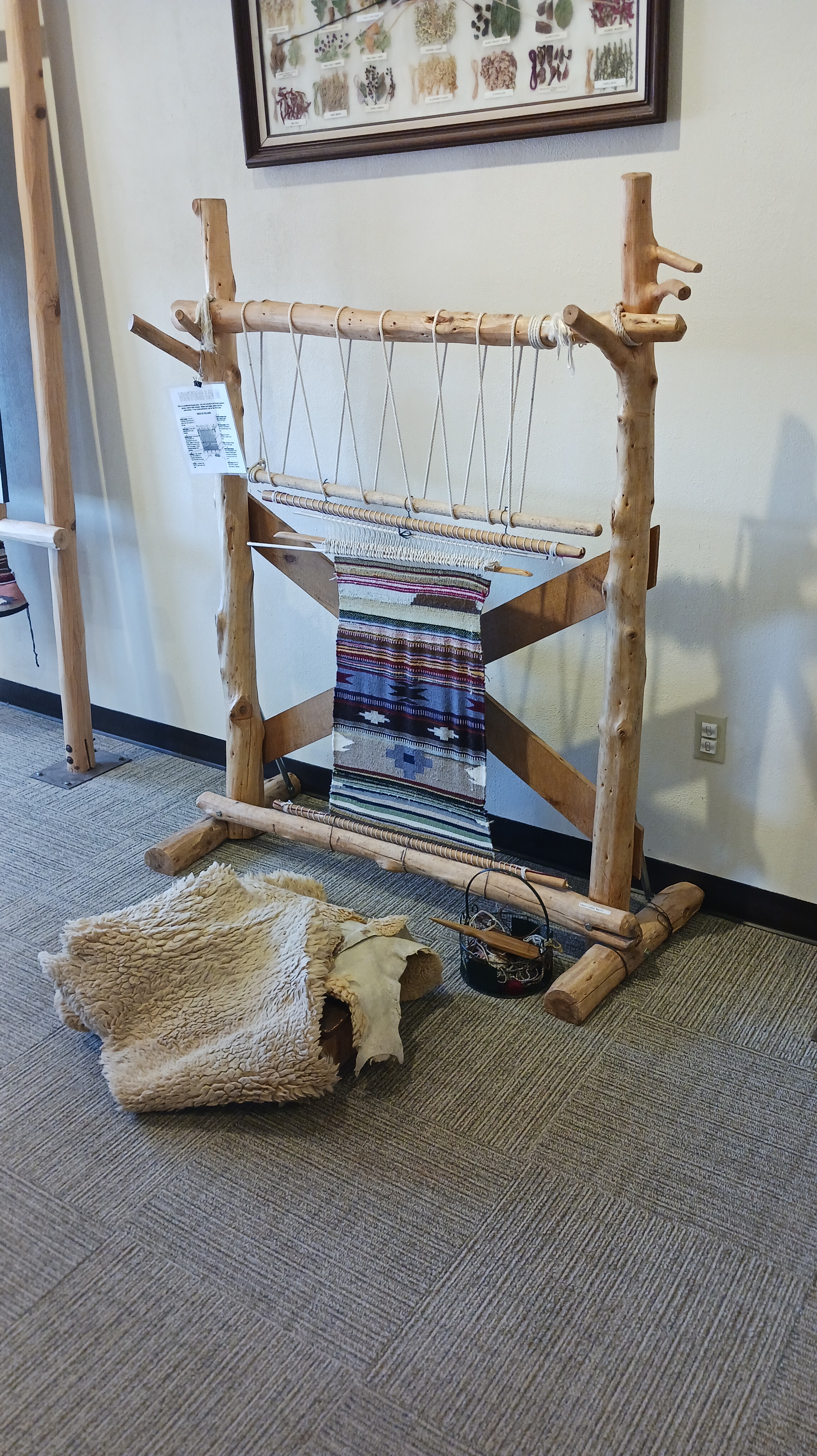
I am a huge fan of reading, both independently and aloud. There are many, many benefits to reading about science and history and much is learned in that way. However, there is something extra special about taking a field trip to see actual historical locations or scientific features.
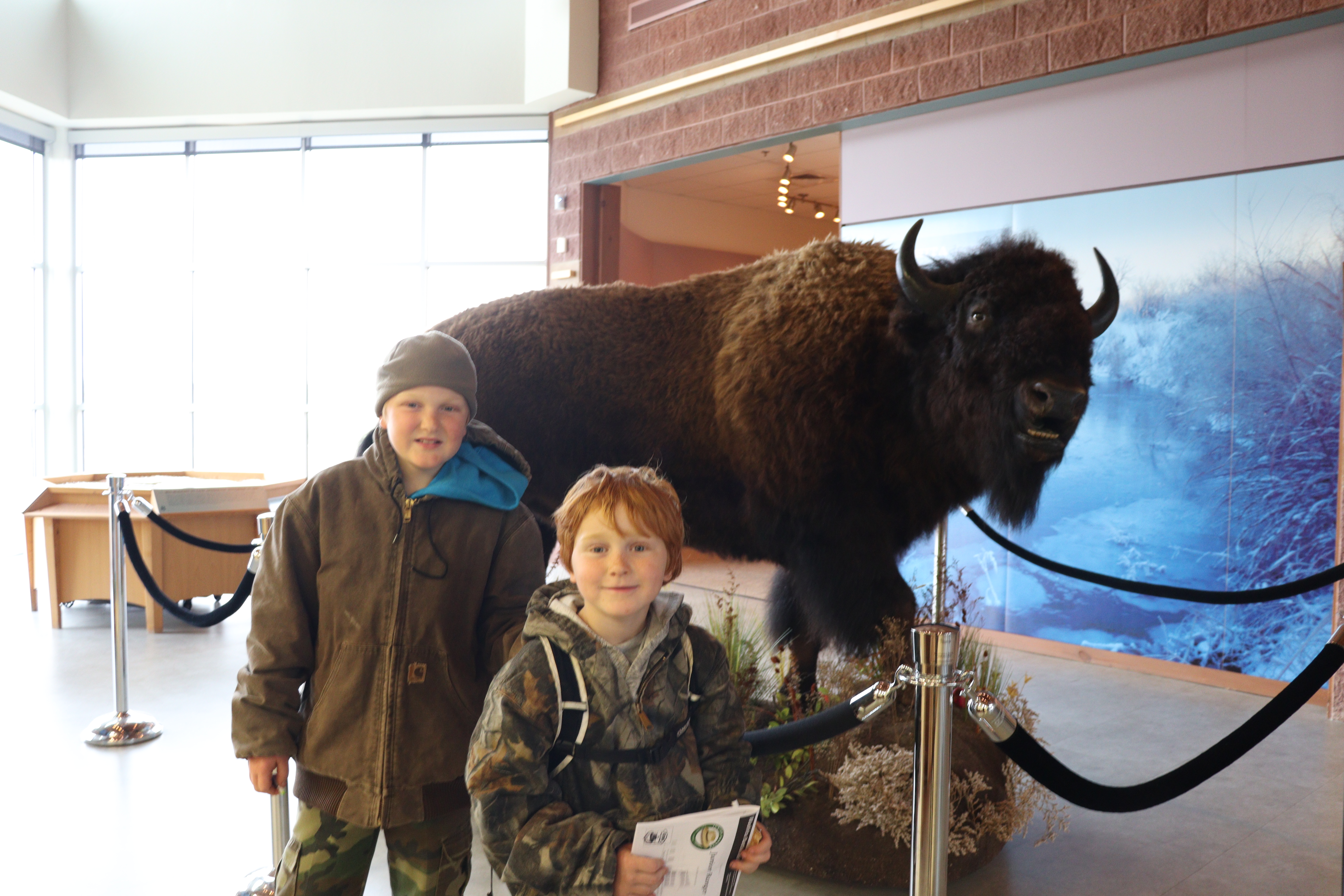

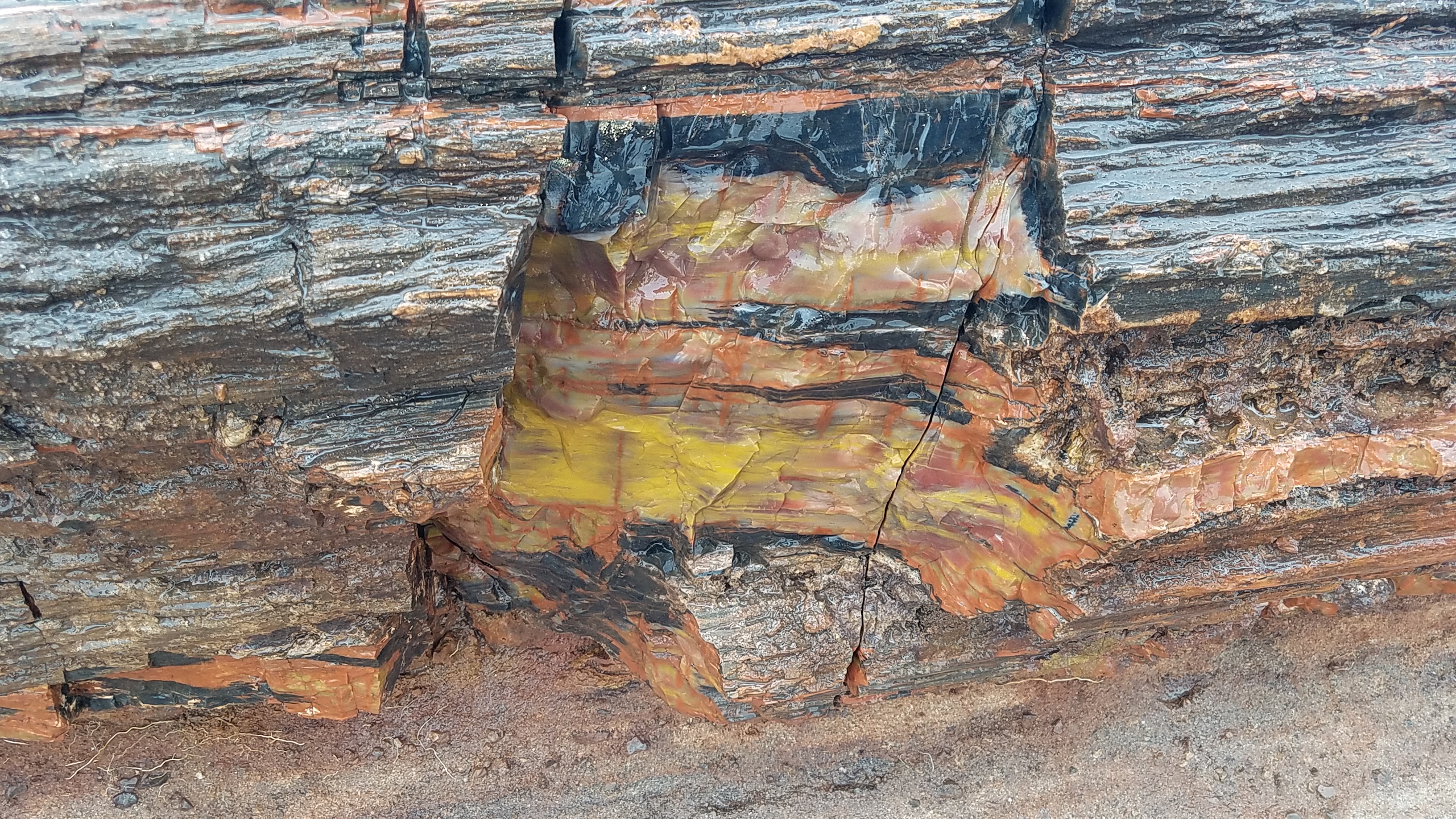
We can read about geysers and hot springs for months, but nothing compares to actually seeing one to help them understand and connect with what they are learning. My son can list facts galore about different animals (thank you Burgess Book of Animals), but seeing them in real life brings all that together with a much deeper understanding.


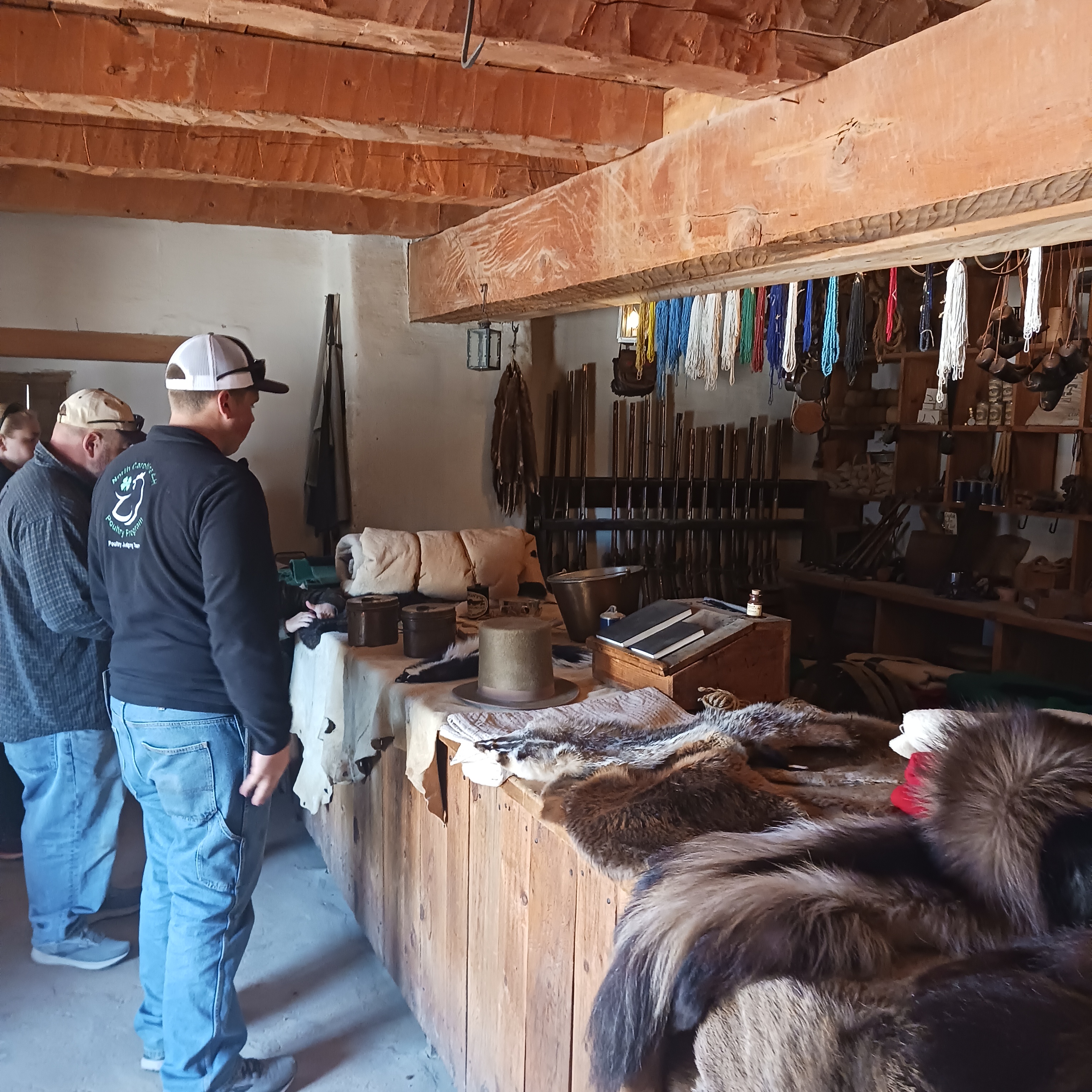
When students visit a historic site, they can really internalize that the events they read about were not part of a fictional story but real life and real people.


For example, I remember playing the Oregon Trail computer game as a child. While I knew it was based on real history, it really sank in once we went to one of the actual river crossings this spring and saw where those many men and women had forded the river.
National Parks Are Worth the Time


I highly encourage you to utilize the national park system in your homeschool. Whether you seek out sites that are related to your studies or simply find sites near your home or wherever you are traveling, the visit will be beneficial to your students.


The parks can stand alone in your learning or supplement the curriculum you are already studying and can be used at whatever frequency and timeline works for your family. If you have sites near you, you can visit them on multiple occasions to enjoy various programs and activities. There is something new to learn each time.


What are your favorite sites in the National Park system? Stay tuned for another post next week with some more specific ideas for using the parks as your curriculum.

Resource Library and Affiliate Disclosure

When you sign up for the Schoolin’ Swag free resource library you will get a link and password to the library, we are adding to the library each month with new items. You will also get a bi-weekly newsletter email to keep you up to date on what we have going on.

Resource Library 

This post may contain affiliate or referral links, including Amazon affiliate links. As always I will never recommend a product that I don’t believe in and you will never be charged more for purchasing through our links. It does help pay for the costs associated with the blog.

Deals and Freebies

If you have not tried SchoolhouseTeachers.com, you don’t want to miss this sale! (Use code UGLYBUG)

All About Learning is also offering their big summer sale!

Summer Reading 2024

I love summer reading. We read inside when it’s too hot to play outside and outside when we just want to enjoy the fresh air. We can read at home or while we are away, and there is not as much pressure to get on to the next thing (though that pressure is self-imposed and shouldn’t be there anyway).


While my children will read many books of their choosing throughout the summer, I wanted to share my plans for our summer reading.


Family Reading

As a family, I hope to get through at least two novels. First, we just got the second book in the Jack Zulu series in the mail this week and everyone from the teens to the six-year-old is excited. We have been waiting, not so patiently, for this book by SD Smith since we finished the first one over a year ago!


Next, we plan to read the first book in the Wingfeather Saga. This one has been on my list for a while, but we just hadn’t gotten around to it. Read Aloud Revival is using it in the summer of fairy tales, so that was just the push I needed to schedule it into our summer. We also plan to watch the show on Angel once we have finished reading it.


We are also listening to two different audiobook series: The Towers of Light series, which is full of fun adventures but also gospel truths to encourage our children when they inevitably face the darkness of this world. ( You can use code schoolinswag on their website to get a 10% discount.) We are also working our way through the National Park Mystery series, enjoying hearing about places we have visited and adding new parks to our bucket lists. My son is enjoying this series so much that he is also reading the paperback version of the one we are currently listening to.

Reading with My Teens


My sixteen-year-old and I are both going to be reading Once a Queen by Sarah Arthur. This suggestion also came from the Read Aloud Revival, as they are doing it as their Mama Book Club book, but I thought it would be a fun one for my daughter and me to share.


My oldest is graduating this summer (how time flies) and is mostly done with his schoolwork, but we realized he had not read the book The Jungle by Upton Sinclair. As he goes into a career in poultry and meat agriculture, we thought he should read it, so we have made that the last “requirement” for his graduation. His father and I have both read it and look forward to discussing it and some of the challenging themes within the book.

My Personal Reading


Finally, I am reading Habits for a Sacred Home by Jennifer Pepito. I normally read a great deal in the summer as I find it refreshing, but with an infant, my reading time is more limited, so I am starting with that book and Once a Queen. If I have more time, I may read 10 Habits of Happy Mothers and Gospeler by Willie Robertson.


I am hoping this list strikes a balance for us and allows us to have a plan without too much pressure. I would love to hear what you are reading (or listening to) this summer.

Check Out Our Summer Reading From Previous Years For More Ideas

Resource Library and Affiliate Disclosure

When you sign up for the Schoolin’ Swag free resource library you will get a link and password to the library, we are adding to the library each month with new items. You will also get a bi-weekly newsletter email to keep you up to date on what we have going on.

Resource Library 

This post may contain affiliate or referral links, including Amazon affiliate links. As always I will never recommend a product that I don’t believe in and you will never be charged more for purchasing through our links. It does help pay for the costs associated with the blog.

Deals and Freebies

If you have not tried SchoolhouseTeachers.com, you don’t want to miss this sale!

Breaking the Radio Silence

I love sharing new ideas, helpful hints, and curriculum reviews on the blog, but if you’ve been following along, you know it’s been pretty quiet around here lately. Life has been super busy, and I thought I would take a few minutes to get you all caught up. 

First, as many of you saw on social media, we were blessed with our fifth child, Daniel, in January. Like all of our children, he is a blessing, and we are grateful. However, between the normal needs of a newborn and recovery from an unexpected emergency C-section, I didn’t really get a lot of writing time.  

My focus word for 2024 was Savor. I tried to live that well by savoring all of the contact naps and snuggles of a new baby, and thanks to some help from my husband and teens, still get enough sleep to be functional.

Just as I was recovering from all that and getting into a bit of a routine with the baby, it was time to get ready for a grand family adventure. Six years ago, we started planning what our family calls “the big trip.” We wanted to take a camper and go from our home in North Carolina to California and back to see the country. 

We had done some planning over the years, but in the weeks leading up to the trip, we had to finalize plans, prepare to be out of the house for 6-7 weeks, prep food, pack, etc., all while still cuddling a sweet baby.

We left on our trip in mid-March and arrived back home yesterday. It was a fantastic adventure full of national park visits, fun, unexpected stops, and a few crazy times (like the day our van died). It was an excellent way to spend some family time during my oldest son’s senior year while learning so much history, science, and geography from all the parks. 

I will share more about the parks we visited, how we did school on the road without it feeling like school, and what we learned in our time on the road. 

We have had a busy but wonderful few months, but I have missed writing and sharing with everyone. I look forward to getting back into a routine and being more regular in my sharing while still taking time to savor and enjoy this time at home with my children, especially as my oldest wraps up his senior year. 

Resource Library and Affiliate Disclosure

When you sign up for the Schoolin’ Swag free resource library you will get a link and password to the library. You will also get a monthly newsletter email to keep you up to date on what we have going on.

Resource Library 

This post may contain affiliate or referral links, including Amazon affiliate links. As always I will never recommend a product that I don’t believe in and you will never be charged more for purchasing through our links. It does help pay for the costs associated with the blog.

Reasons to Teach Your Children About Creation


Most Christian kids know the story of Creation in the Bible. There’s more to learn! Here are 6 reasons to teach your kids all about Creation.

Do your kids know that God spent six days creating the universe, the earth, and every creature and plant on our planet?

God’s story of Creation in Scripture so important for our kids to learn. Most children hear the story of the days of Creation from the Bible a number of times–at Sunday School, at home, and through their homeschool Bible curriculum.

There’s more our kids need to know about Creation, though!

The doctrine of Creation is so important for our kids to learn and understand. In fact, if you look around, the doctrine of Creation is under attack from all angles in our culture.


Creation Bible Study for Kids | Free Printable Sample

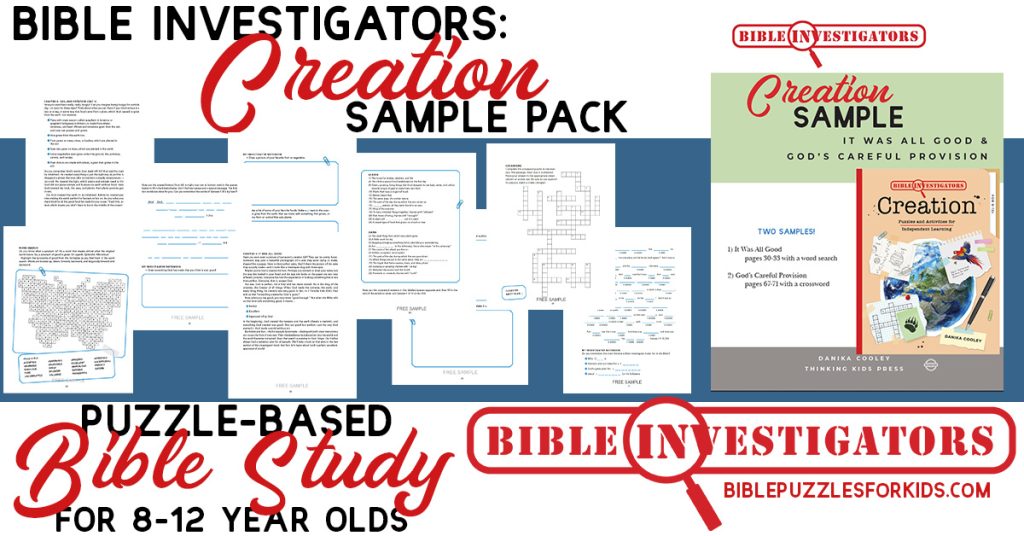
Get two FREE mini-lessons from Bible Investigators: Creation: “It Was All Good” – with a word search, and “God’s Careful Provision” – with a crossword.


6 Reasons to Teach Your Kids All About Creation

God tells us about Creation throughout Scripture. It was a fairly significant one-time event! And, he continues to create today–just look at your sweet kiddos for proof. The doctrine of Creation helps us understand what God has told us about Creation, using passages from all over the Bible. Check out six reasons your children really need to know all about Creation.

1) God made everything out of nothing in the beginning.

Scripture tells us that God made everything. Not only that, he made it from nothing. And, he made this world for its creatures, with habitats that fit the creatures he created. God made everything good–that means perfect! All of God’s works are wondrous, and they should inspire us to praise him.

2) God created everything–the universe, the earth, and the creatures–in just six days.

It’s an amazing thing that God brought forth everything by speaking it into existence. Not only that, he created a plethora of amazing creatures and placed them each in just the right environment. And, his Creation event was organized. Everything was ready here on earth before he made his creatures. Time, weather, tides, food–it was all here, creating the perfect home for his animals and people.

3) God made your child–intentionally, purposefully, and for his glory.

The Bible tells us that God gave your child life. He formed them wonderfully and individually. Everything about your child’s body and spirit are just as God intended. And, God made your child for a specific purpose–his glory. How great is that? Our kids need to know that about themselves.

4) Our great Creator God is triune, eternal, all-powerful, and uncreated.

We always learn more about who God is when we study the Bible. It’s important to know that our Creator is eternal–he was, he is, and he always will be. No one created God, he has always existed. And, God is all-powerful. He created time by speaking it into existence, and then he placed his creation in time. Our kids need to know, too, that God is triune. He is three Persons in one God, and each Person of the Trinity–God the Father, God the Son, and God the Holy Spirit–were involved in Creation.

5) God gave us good Creation gifts.

The Bible tells us that every good gift is from God–every single one. God blessed us, putting us in charge of his world, telling us to be fruitful and multiply, and giving us food. Then, he gave us good Creation gifts: a day of rest and worship, work, and marriage. Those Creation gifts are worth understanding and protecting!

6) God has a marvelous salvation plan!

Right after Creation, sin entered the world through Adam and Eve. Our sin separates us from our holy and just God. But, God loves us so much, he made a way for us to be reconciled to him. Jesus, God the Son, became fully human and fully man and took the punishment for the sin of all believers on the cross. To be saved, we must turn from our sin, believe in Jesus and confess belief. Our children need to know and understand the gospel, first, that they may be saved, and next, so they can share it with others.

See what I mean? The doctrine of Creation is really important for our kids to learn. That’s why I wrote Bible Investigators: Creation–so your kids can learn the doctrine of Creation through a fun, puzzle-based, six-unit package they’ll love! Your 8-12 year old children will work 90 exciting puzzles, learn 40 Bible passages, and commit to heart 30 truths about God’s Creation.


Danika Cooley

Danika Cooley’s Bible Investigators: Creation is the perfect puzzle-based Bible study for your 8-12 year olds. Your children will learn how to become effective Bible investigators using the inductive method, learn more about who God is and what the gospel means, and understand the doctrine of Creation! Danika is an award-winning children’s author and Bible curriculum developer. Her popular Bible Road Trip™ is used by tens of thousands of families.

Learn more about Bible Investigators: Creation and grab your free sample pack here.


Focus Word 2024: Savor

For several years now, I have participated in the trend of choosing a word or phrase to focus on for each New Year. I like the concept because it helps me stay focused without the pressures of goals and resolutions. Last year, it was Making Space, and while that is an ongoing work in progress for me, it helped me last year.

I thought about many different words for this year, but the one God kept laying on my heart was Savor. This will be a year of changes and growth for our family, and I need to focus on savoring the time and each stage as it comes.

Miriam Webster gives the following definitions of the verb savor:

a : to have experience of: taste 

b : to taste or smell with pleasure: relish 

c : to delight in: enjoy

Over the last few months, I’ve been experiencing part b of the definition often, as I enjoyed one or two bites of desserts or treats that I enjoyed. I experienced some gestational diabetes with this pregnancy that limited my intake of many treats. While it was a challenge at times, it did help me to savor the one or two bites I enjoyed better. However, I plan to focus more on part c of the definition in 2024.

While we do not know exactly what this New Year will bring, I have a high school senior who is slated to go off to college in the fall, and I am due with baby number five in about two weeks. We also have a big family trip planned in the spring, which should provide many opportunities to savor the memories (and hopefully not to stress out about what doesn’t go as planned.)

I can be a bit (or a lot) like the Biblical Martha, worried about so many things, making all my plans, and getting the details just right. While God designed me to be a planner, and it is a gift, if I let the planning stop me from enjoying what is in front of me, I miss out on the important things in life.

This year, I aim to ensure that I hold those plans in an open hand and savor what comes, even when it isn’t “picture perfect .”While we will still make plans and preparations for the future, I won’t let my worries about what comes next make me miss out on what is right in front of me.

Resource Library and Affiliate Disclosure

When you sign up for the Schoolin’ Swag free resource library you will get a link and password to the library, we are adding to the library each month with new items. You will also get a bi-weekly newsletter email to keep you up to date on what we have going on.

Resource Library 

This post may contain affiliate or referral links, including Amazon affiliate links. As always I will never recommend a product that I don’t believe in and you will never be charged more for purchasing through our links. It does help pay for the costs associated with the blog.

Deals and Freebies

If you have not tried SchoolhouseTeachers.com, you don’t want to miss this sale!
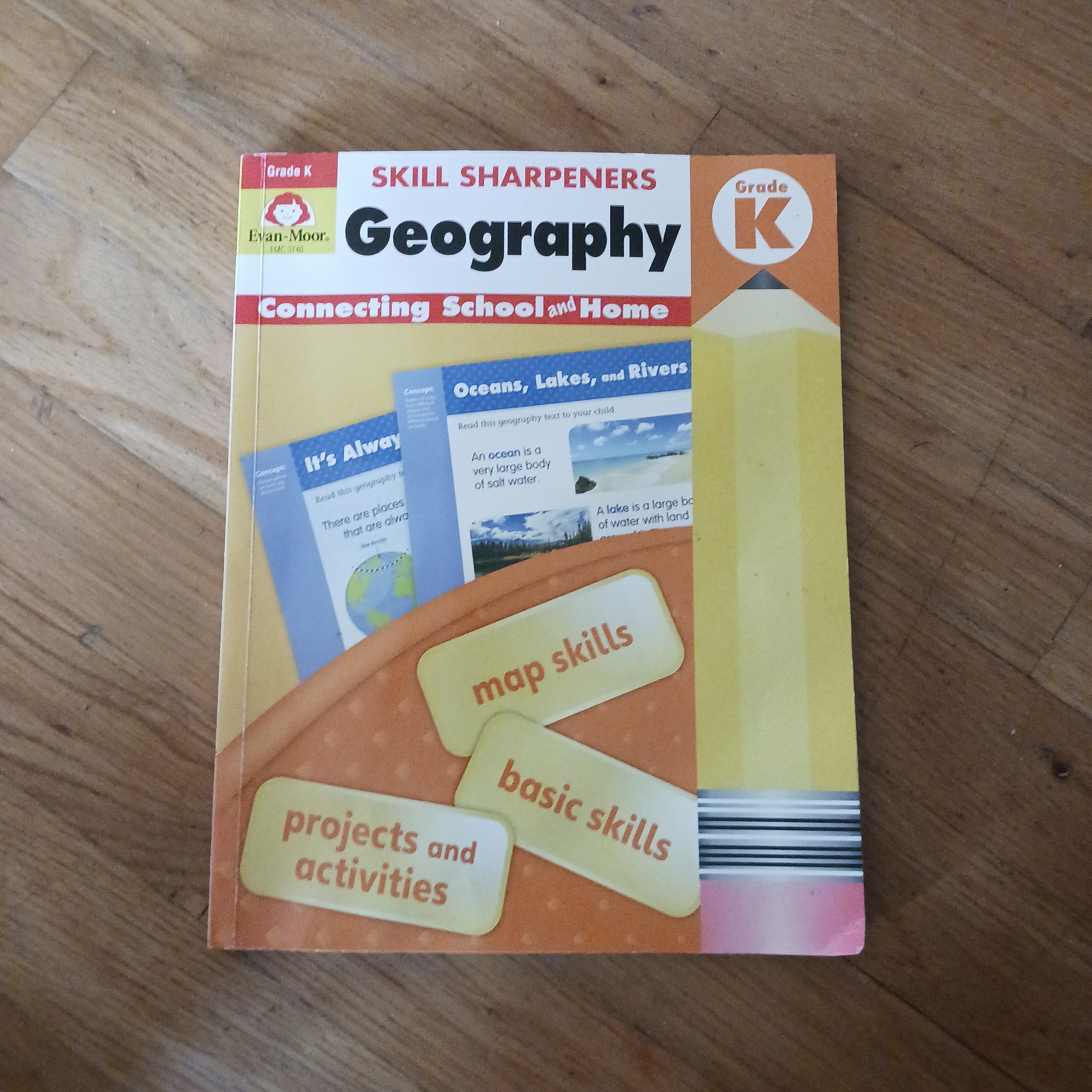
Evan-Moor Skill Sharpeners Geography Grade K

Geography is a hugely diverse subject that can be taught in many ways. Some years, our family includes geography with our history, and at other times, we do independent geography. We have a big family trip coming up in honor of my oldest son’s graduation. With that in mind, I wanted to give my kindergartner a good overall exposure to geography to prepare him for the trip. That made the opportunity to review Evan-Moor’s Skill Sharpeners Geography from Timberdoodle an easy choice.

What Is Skill Sharpeners Geography?

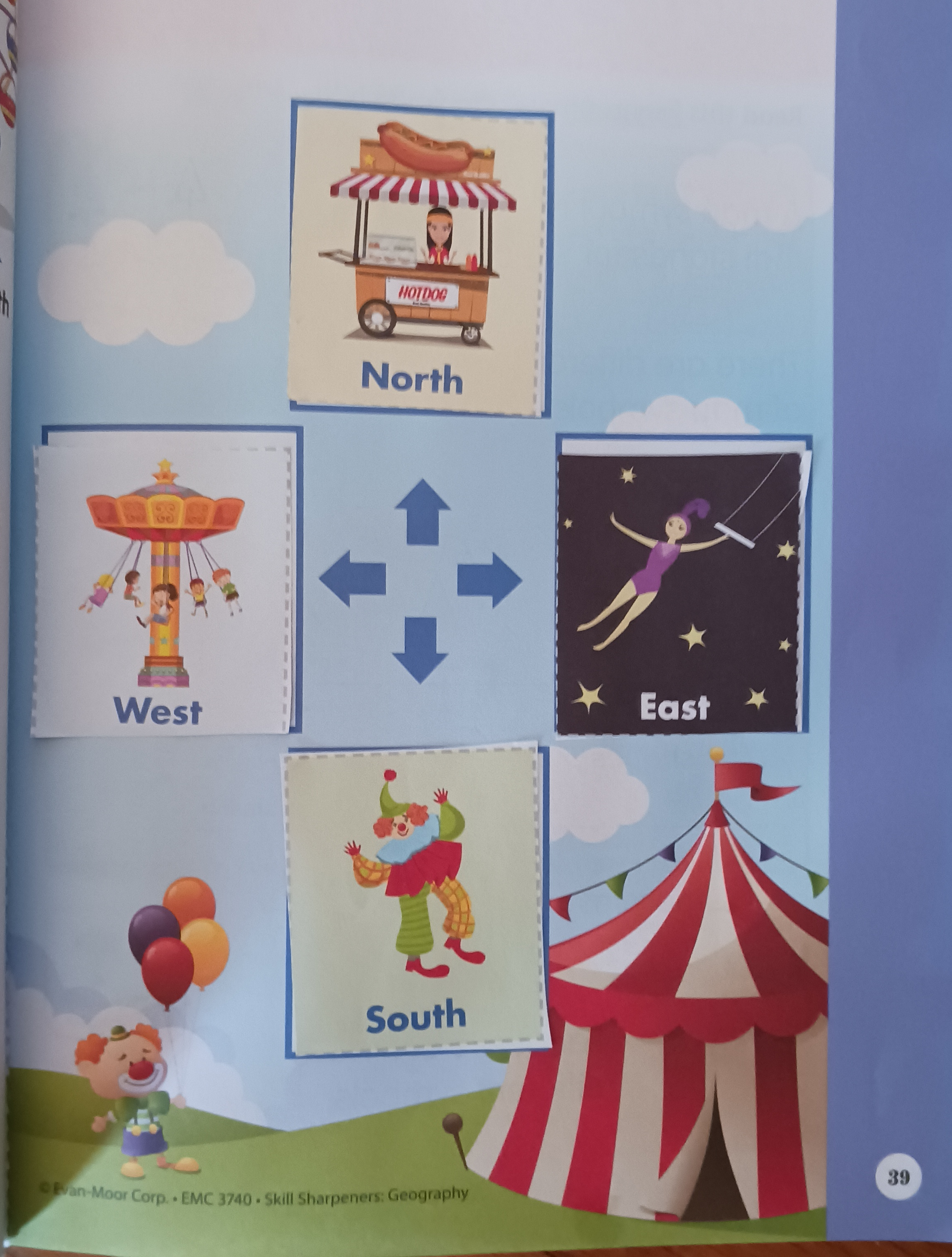
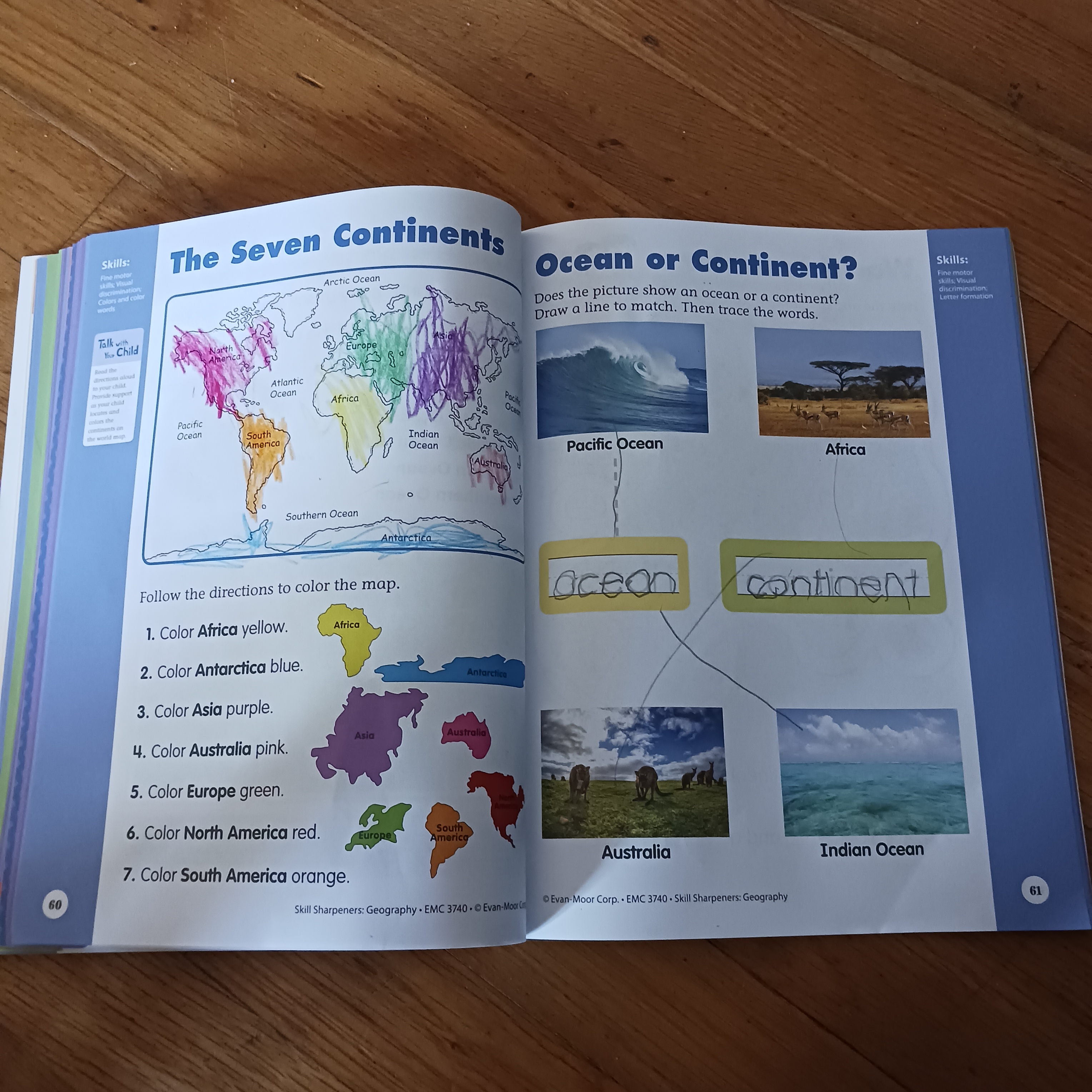
The Skill Sharpeners Geography Grade K book is a consumable text designed to introduce kindergarten students to various geography concepts, including map skills, landforms, bodies of water, the globe, and weather in our world.

The book contains four units: Map Skills, Looking at the World, Landforms and Bodies of Water, and Weather in Our World. In addition, those four units are separated into two to five lessons per section.

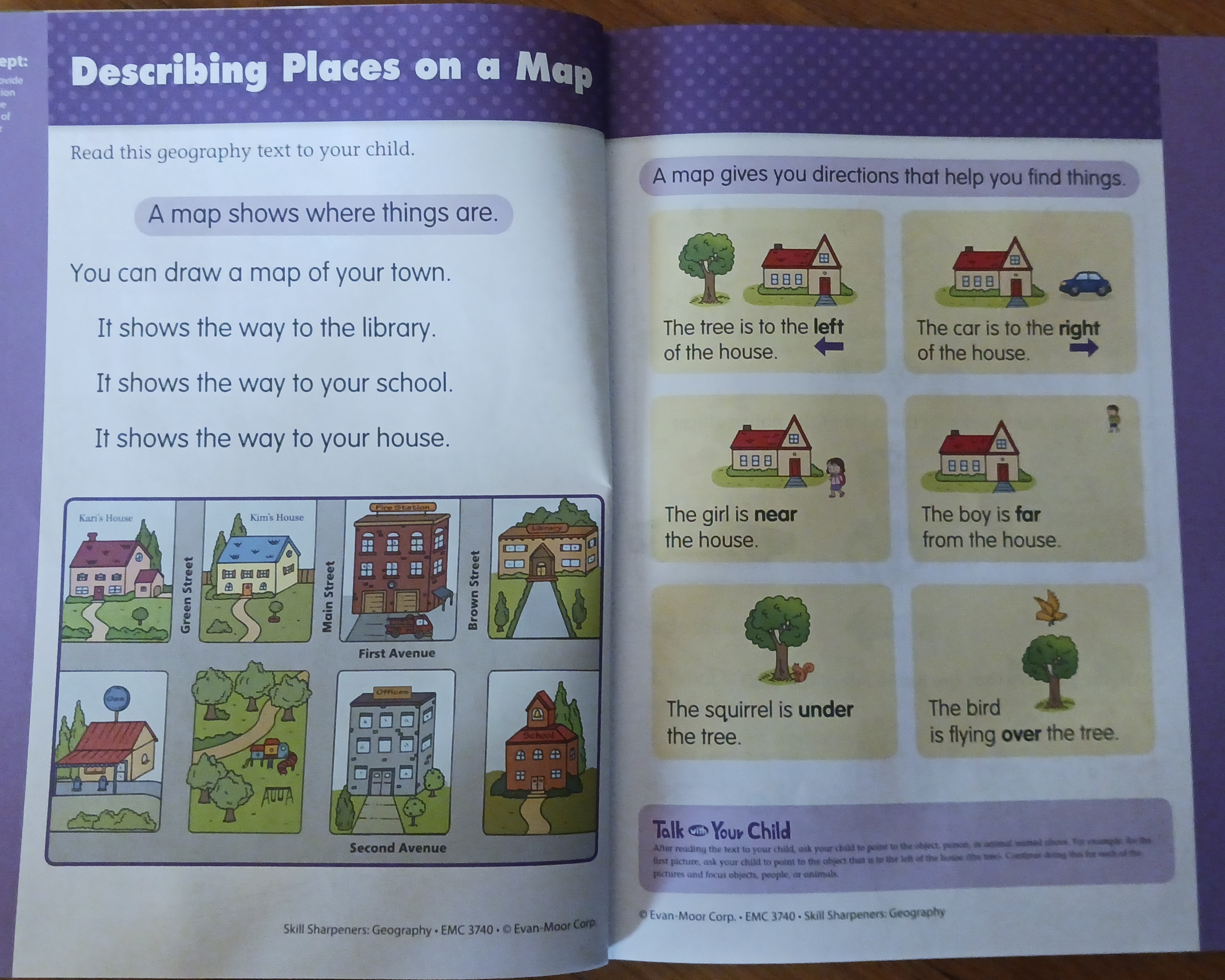
Each lesson includes a couple of pages of introductory geography texts to teach the concept to the student. There are also ideas for talking to your child about the covered concepts. Next are written practice activities and a hands-on activity. Finally, at the end of each section, there is a certificate of completion to celebrate their hard work.

The written work is designed with kindergarten students in mind, including activities like coloring, tracing, connecting similar objects, crossing out wrong answers, or circling correct pictures.

The book contains full-color pictures to help non-readers understand the concepts (though the parent will need to do some reading and explanations).

How We Used Skill Sharpeners Geography Grade K

There are a variety of ways to use this book. In our family, we chose to do one lesson each week. This makes the book last about fifteen weeks, perfect for completing it in one semester with a little wiggle room for busy weeks.

My son enjoyed doing all of one lesson in a day; it usually took him about thirty minutes to complete an entire lesson. However, you could spread the lesson out and do one activity per day. If you want the book to last for a whole school year, you could spread the lessons over two weeks and add additional reading or activities.

The hands-on activities were often cutting and pasting, which my son enjoyed, but were also very simple for me to facilitate. The only additional materials required were scissors and a glue stick.

There is also an answer key at the back of the book in case there are any questions about correct answers (though generally, at this level, the answers were self-explanatory).

What We Thought/Conclusions

Overall, we were delighted with this book. I felt like the concepts covered gave my son a general understanding of the fundamental physical geography concepts. This will make it easier for him to learn more as we travel because he will have the basic vocabulary and understanding already mastered.

My son enjoyed the book and looked forward to that part of our weekly school time. He loved the pictures, and the activities were engaging. I appreciated that it kept things simple so that it was not overwhelming.

I would recommend this book to any student in Kindergarten (or even first and second grades) who needs a basic understanding of physical geography concepts. The book is engaging and easy to implement. Go to the Timberdoodle website to learn more and purchase your copy. You can also check out the other levels offered for older students and to continue their geography studies.

Resource Library and Affiliate Disclosure

When you sign up for the Schoolin’ Swag free resource library you will get a link and password to the library, we are adding to the library each month with new items. You will also get a bi-weekly newsletter email to keep you up to date on what we have going on.

Resource Library 

This post may contain affiliate or referral links, including Amazon affiliate links. As always I will never recommend a product that I don’t believe in and you will never be charged more for purchasing through our links. It does help pay for the costs associated with the blog.

Vocal Gym Review

I am so excited to share this review of the Vocal Gym that I did with Timberdoodle.

My daughter loves music! She is a violist, plays the piano for our youth group praise band, and hopes to one day teach music lessons. I, on the other hand, can only play the radio. I love to listen to music, but I am no help to her in improving her music skills.

She has been looking for several years for ways to work on her singing voice, but I was not sure how to help her. The Vocal Gym was the perfect solution because it provided her with self-paced video-based instruction that she could do to improve her singing and help make her a more well-rounded musician.

What is The Vocal Gym?

The course has 12 sections that you go through, some opening ones to get you ready for what is going to happen in the middle sections, which are 1 for each of the seven dimensions, and then some closing ones that help you put everything together. 

  • Flexibility (pliability of the vocal folds)
  • Breathing (breathing management)
  • Intonation (pitch control)
  • Range (vocal balance (muscle coordination) from lowest to highest pitch)
  • Tone (quality of sound)
  • Articulation (diction)
  • Strength (Stability and stamina of the voice)

In each of the seven main sections, you have instructional videos on how to do exercises strengthening that dimension, and you have a video explaining what part of your body that dimension utilizes.

There is also a short, reasonably easy quiz and some detailed exercises. At the end of each of the seven main sections, you have the option of doing some activities like listening to a musical album and/or watching a musical, then answering questions or completing some activity that goes along with the section’s dimension.

Each section takes a couple of hours to complete if you do not include the additional activities. If you include the extra activities, that could add up to an additional three hours per section. This, along with documenting practice hours, allows students to get enough hours for a high school-level credit on their transcripts. 

My Daughter’s Thoughts on the Vocal Gym

“I enjoyed the course. Some of the things that I thought were nice are, on top of the built-in videos, they give optional that you can do to increase your skills and add more time, but they were not required, so if you are busy and/or you don’t want to do it you do not have to. I like the videos that they had. And the setup of the website is excellent. 

One thing that I wasn’t as big of a fan of was that they have a web that you would fill out to determine how well you are doing in certain areas, but they don’t have a great guide for you, so you have to do your best to guess how well you are doing.

 I like how they have broken things down into the seven dimensions of singing to focus on little parts of your voice and then go back at the end and put everything together.

 I recommend it for students and adults who want to learn more about singing and strengthen their voice. I recommend it for beginners and those who have been singing for a while. I think that everybody can gain from this course; the exercises are easy to personalize.” 

. 

A Parent’s Perspective on the Vocal Gym

If you were a “fly on the wall” in our home recently, you probably would have heard one child or another singing:

 “If I were a rich man

 Ya ba dibba dibba dibba dibba dibba dibba dum

 All day long, I’d biddy biddy bum.”

This is because, as a part of her work with the vocal Gym, my daughter had the option of watching Fiddler on the Roof. While my husband and I had heard of the musical, we had never watched it. The family watched it together, and the kids have been singing the songs ever since.

I loved that while it is helping her with her vocal skills, it is also helping her to learn more about musicals and a variety of genres of music in her extra activities.

I appreciated that it had the materials and support necessary to help my daughter with a skill that I could not help her learn.

Overall, if you have a student interested in vocal training, this is a great course. It is an easy-to-use, open-and-go program that can assist your child in improving their singing skills as well as learning about a variety of musicals and music genres.

Remember to visit Timberdoodle for more information and to purchase your subscription.

“Who What Why”: Slavery, The Underground Railroad, and Abolitionists

*This post contains affiliate links; see disclosure below*

About two years ago, I had the opportunity to introduce you to a new series of books that is both informative and enjoyable, The Who, What, Why series. The first set was about protestant church history; I am excited to share that there are three new books available in the series.

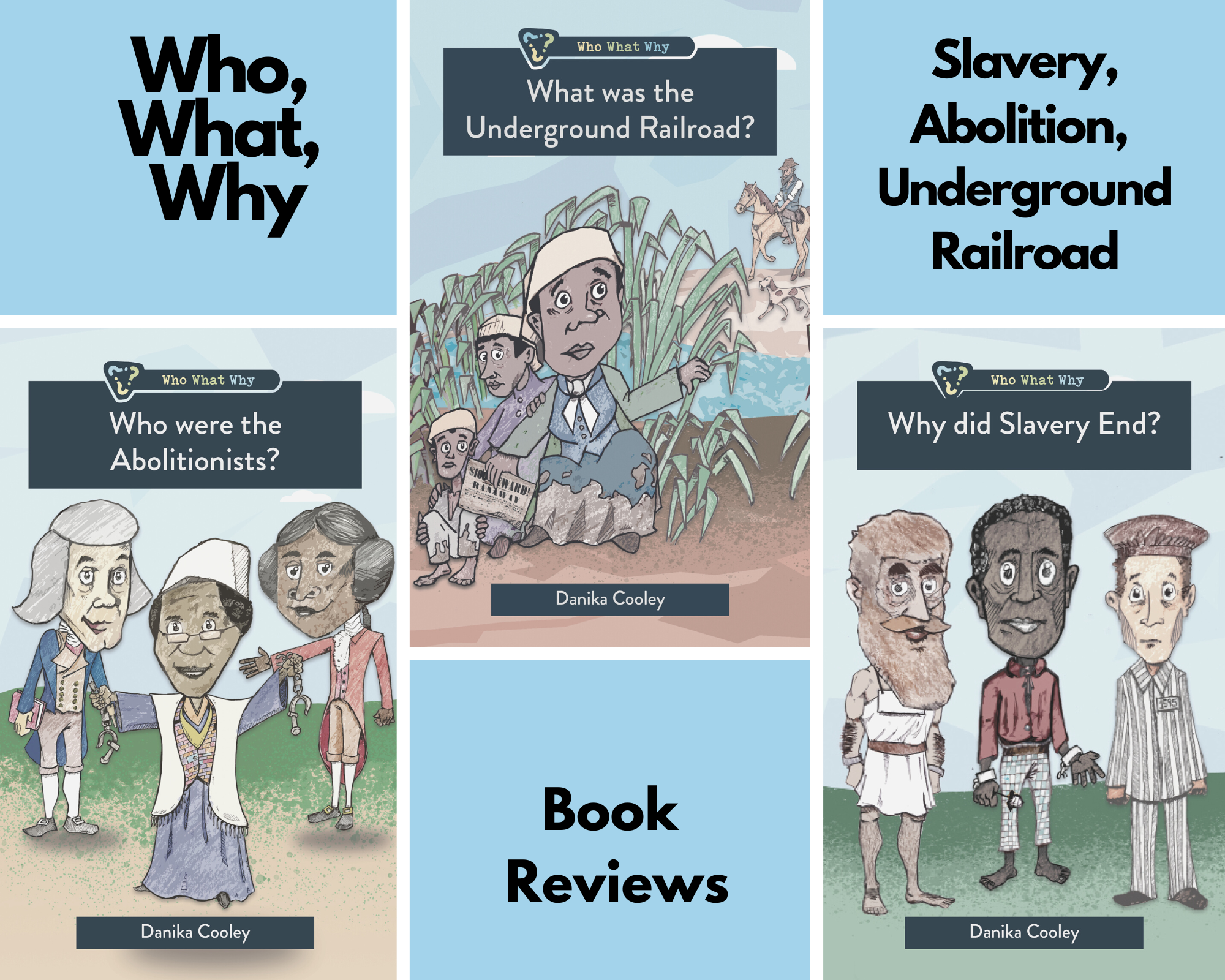
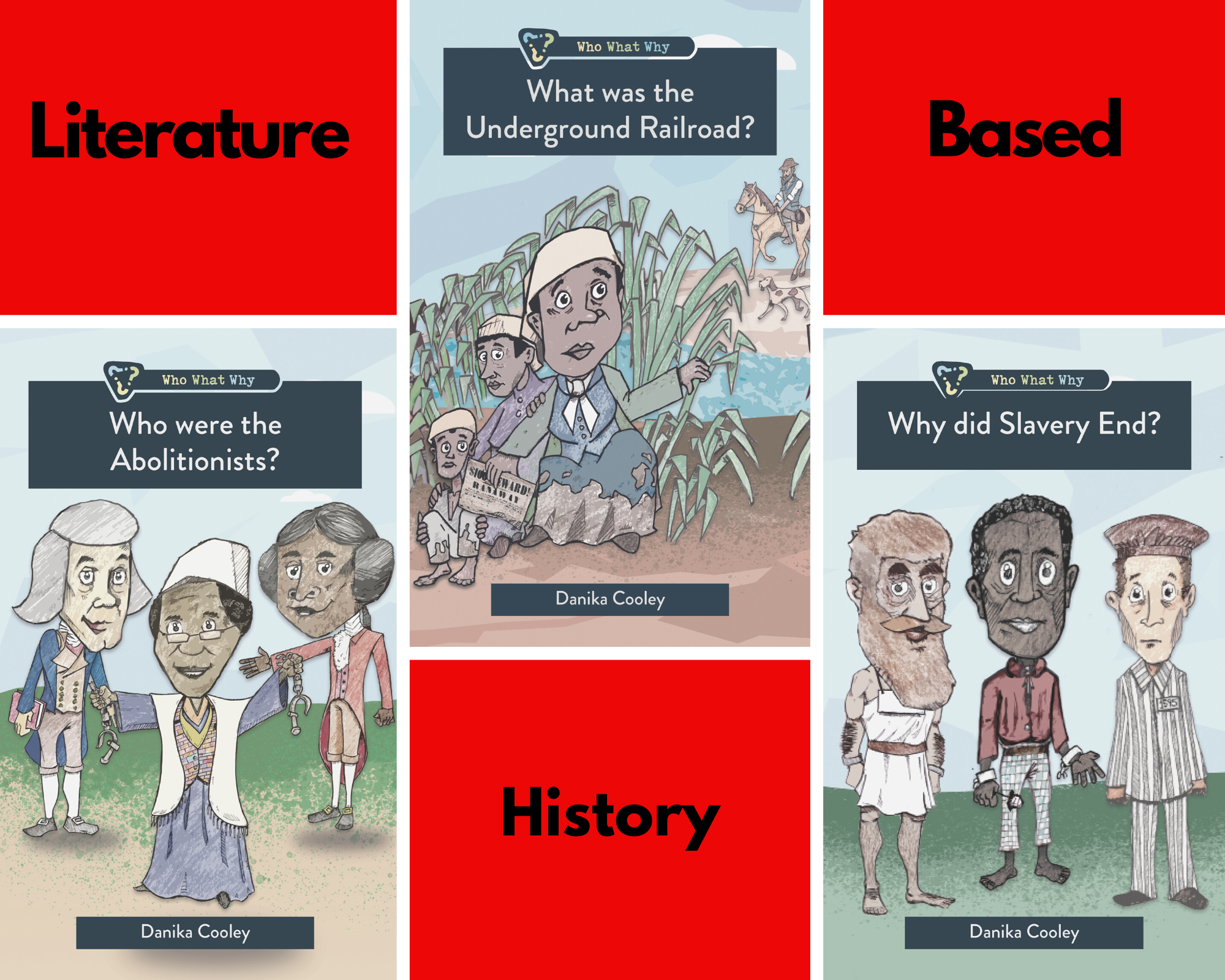
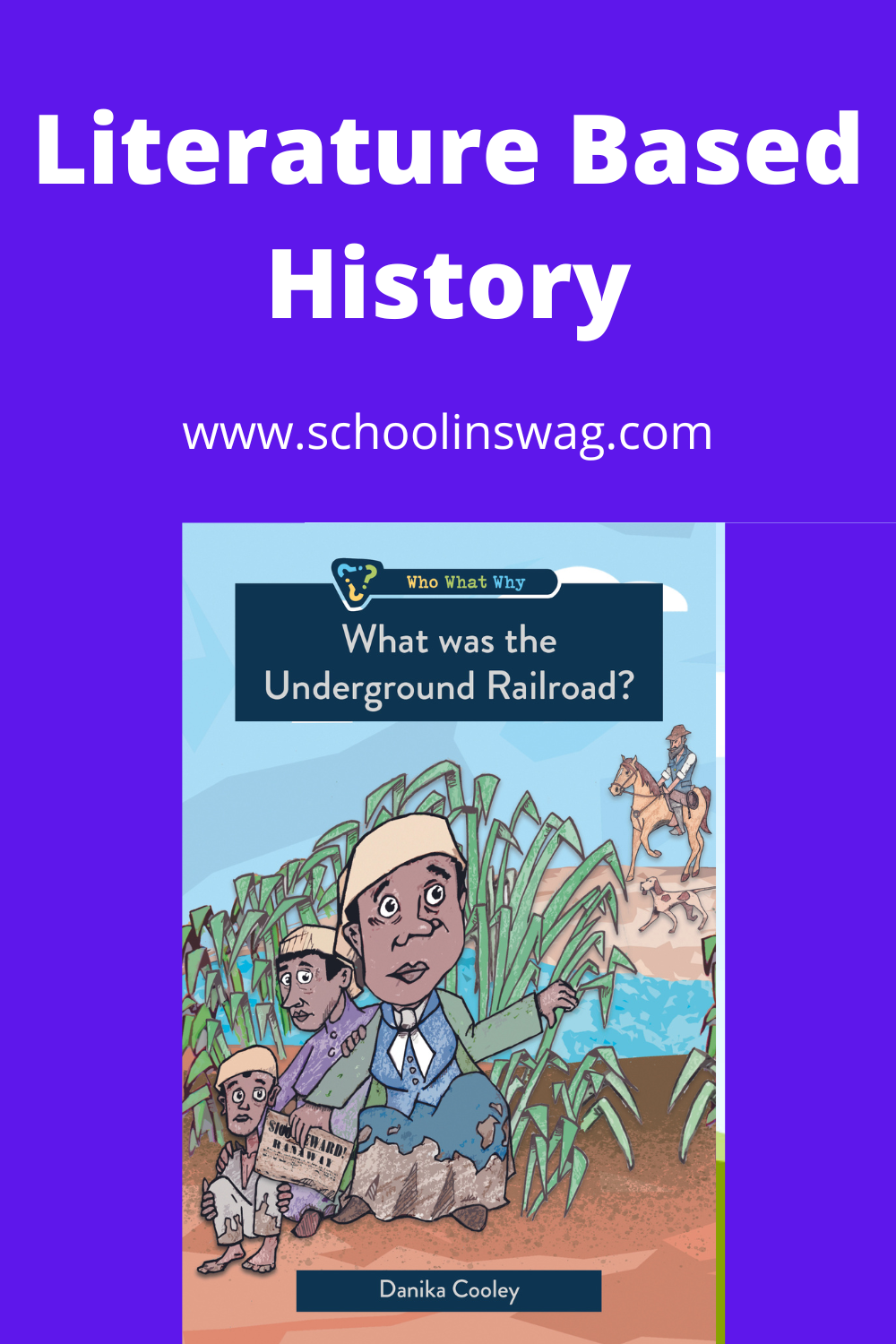
This set includes What Was the Underground Railroad, Who Were the Abolitionists, Why Did Slavery End?

In today’s world, books share many messages, and it can sometimes be hard to know which books to buy for your children. If you are like me, you want books that are fun and interesting. More importantly, you want books that share your Christian worldview. This series fits that bill perfectly.

Who What Why Series

These books, like the others in the series, are brief chapter books geared toward students who are eight to eleven years old. The books are informative but engaging and sometimes humorous. I think that younger students could enjoy them and learn from them through a family read-aloud.

In addition, older students would find them to be very simple but still educational. I have been reading them aloud, specifically to my five and nine-year-old sons, but I think even my teenagers could benefit from them.

Each book contains illustrations that help the reader understand the book (and are often quite humorous), a timeline of events, and a works cited section so that you know where she derived the historical information.

Who Were the Abolitionists?

This book covers ten different abolitionists. Some of whom I was familiar with, but there were several whose stories I had never heard.

  • Granville Sharp
  • Phillis Wheatley
  • Olaudah Equiano
  • Thomas Clarkson
  • William Wilberforce
  • Zachary Macaulay
  • William Knibb
  • Soujourner Truth
  • Frederick Douglas

The book was interesting and engaging. It covered a very challenging topic in a way that wouldn’t be overwhelming to younger students.  The book did a great job telling the story of the abolitionists and slavery through a biblical lens. Each chapter is only about six to seven pages, so it makes for a very easy read-aloud.

What Was the Underground Railroad?

This book is written in such a way as to make it easy to understand and engaging for children, but it covers a great deal of important historical information.

Each chapter is about nine or ten pages, and they work their way through the story of the Underground Railroad. I really appreciated the chapter that explained how we know about the Underground Railroad and how the stories were preserved.

In addition to the historical lessons on the Underground Railroad, it includes a section on what the Bible says about the evils of slavery and how we should treat one another. 

Why Did Slavery End?

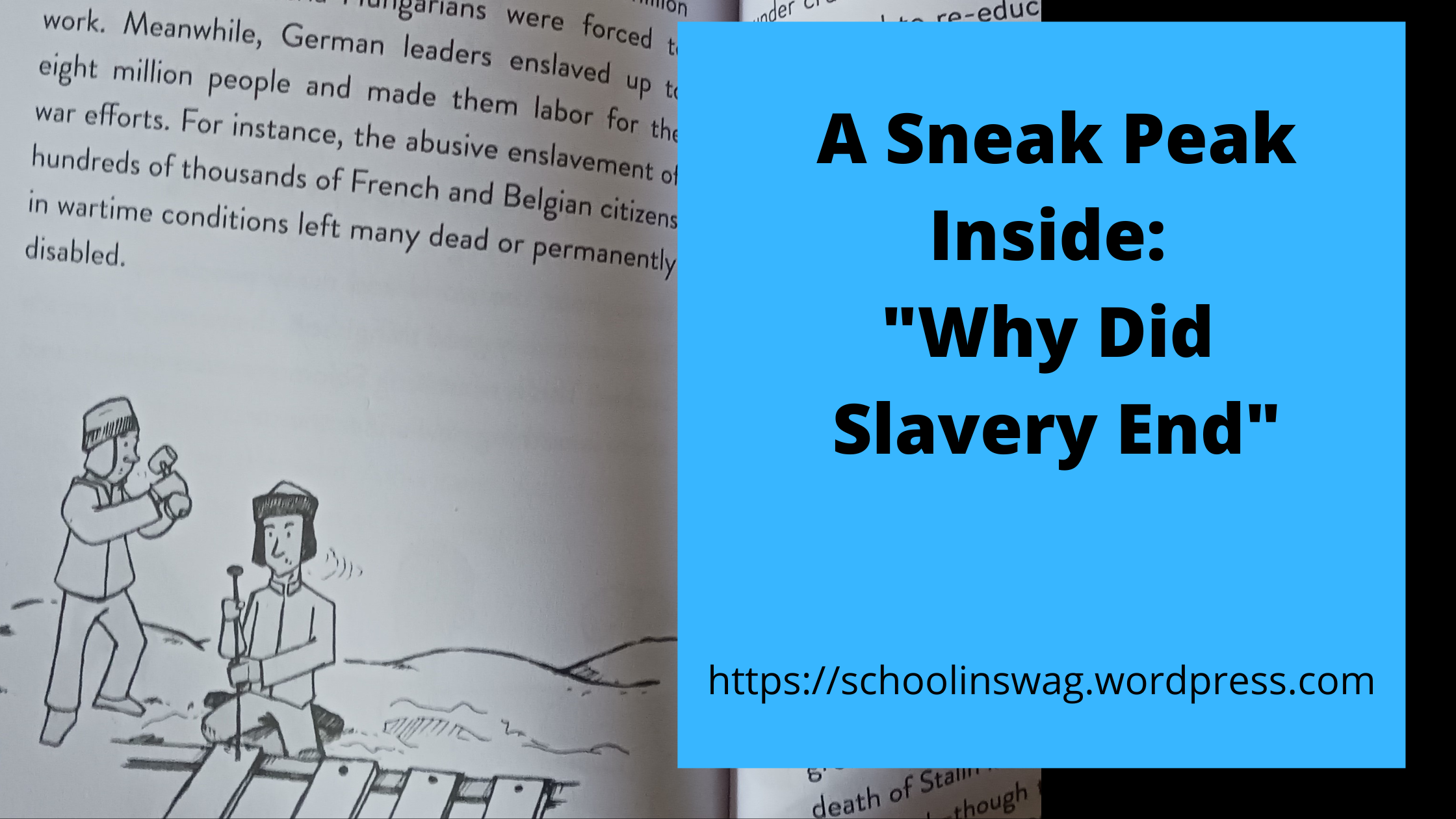
Unlike most books I have reason slavery, this book doesn’t just cover slavery in America, but slavery dating back to Biblical times and going through modern times.

I really appreciated how she covered slavery in other countries and times to help students understand more about the history of slavery. (While there is one statement about people in the Civil War dying for or against slavery that I feel does not clearly take into account the many different aspects, of which slavery was one, of the Civil War, overall, I think this book does a good job showing the varied history of slavery.)

It talks about the evil sinfulness of slavery and shows what the Bible says about how Christians should respond to slavery. 

Conclusions

The Who, What, Why series is a great addition to any home library. They can be used as read-alouds or independent reading. They are a great supplement to any history program that is covering slavery, but could also just be used as independent reading.

These books are available to purchase at Thinking Kids Press (individually or save money and buy them as a bundle) or on Amazon.

Which title most interests you? What other titles would you like to see added to the series?

Resource Library and Affiliate Disclosure

When you sign up for the Schoolin’ Swag free resource library, you will get a link and password to the library; we are adding to the library each month with new items. You will also get a bi-weekly newsletter email to keep you up to date on what we have going on.

Resource Library 

This post may contain affiliate or referral links, including Amazon affiliate links. As always, I will never recommend a product that I don’t believe in, and you will never be charged more for purchasing through our links. It does help pay for the costs associated with the blog.

A Literature-Based Approach to History


History matters, but studying history doesn’t have to be boring. Your kids will love using a literature based approach to history.

One of my favorite memories from schooling my children was curling up on the couch, reading together. In fact, reading was the primary way we studied history from the time they were little until they made their way to college and to their own careers.

When I was going to school, history was learned through textbooks with lessons that seemed to have little connection to each other. I left college without truly understanding how movements, people, and ideas affected the course of global or local history. In fact, history seemed like a dark cloud of nebulous–and boring–information.

The truth is, history is anything but boring. It’s also incredibly important for our kids to understand how ideas affect the course of individuals, families, and nations.

Literature Based Approach to History

You can teach history to your children using a literature based approach. Your kids will love reading the stories of courageous people who took a stand for truth!

We used a variety of literature based resources to help our kids learn about history, such as:

  • Biographies
  • Narrative nonfiction
  • Historical fiction
  • Illustrated source documents, like journals and the Bill of Rights
  • Literature written during the historical period being studied

Our kids loved learning about historical events and movements from several perspectives. For instance, your child can learn about Abolition by reading stories of the lives of Christian abolitionists who fought for the freedom of others, learning how the Underground Railroad functioned, and reading an overview of how slavery ended and what God’s Word says about how we must treat each other. Add in a few crafts and some lapbooks or notebooking, and your family has a wonderful unit study on Abolition!


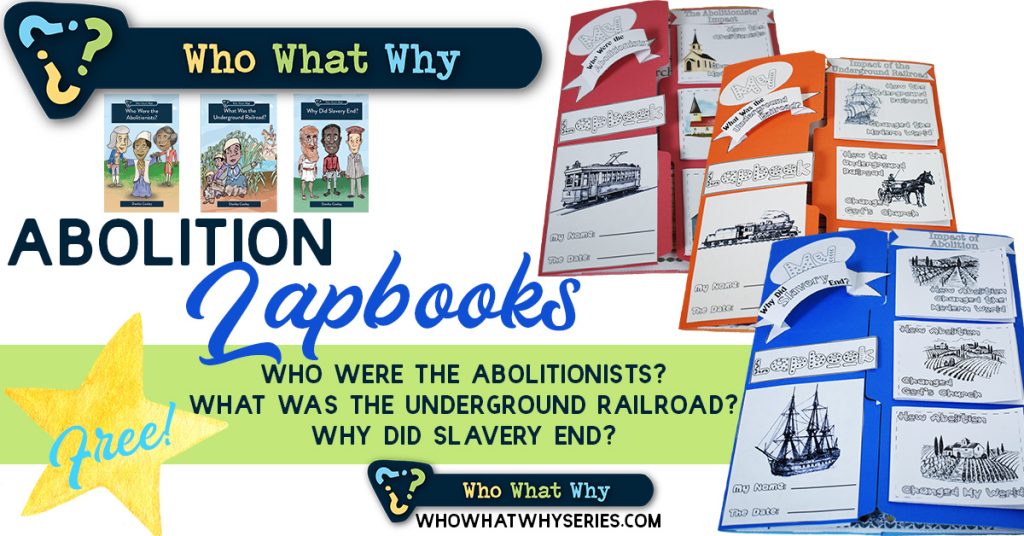
Who What Why | Abolition | Free Printable Lapbooks

Grab your FREE Abolition lapbooks. Your kids will learn about ten Christian abolitionists, the Underground Railroad, and Abolition!


Literature Based Homeschool

Literature based learning is such a wonderful tool. You can actually teach different aspects of most subjects through literature! It’s such a gift to our kids to educate them in a way that’s fun, engaging, and that excites their imaginations.

History and the Bible are subjects that benefit the most from a literature based homeschool approach. As you educate your kids, look for ways to help them examine a topic in several ways using different genres of literature. Not only will you help inspire a lifetime love of learning for your kids, you’ll be giving them a world-class education at the same time.


Danika Cooley

Danika Cooley’s Who What Why Christian history series is perfect for your 7-11 year olds. Your children will better understand the history of the Christian faith, the people who loved Jesus, and what the Bible says about really important issues! Danika is an award-winning children’s author and Bible curriculum developer. Her popular Bible Road Trip™ is used by tens of thousands of families.

Learn more about the Who What Why series and grab your free history lapbooks here.


==============================

Resource Library and Affiliate Disclosure

When you sign up for the Schoolin’ Swag free resource library, you will get a link and password to the library; we are adding to the library each month with new items. You will also get a bi-weekly newsletter email to keep you up to date on what we have going on.

Resource Library 

This post may contain affiliate or referral links, including Amazon affiliate links. As always, I will never recommend a product that I don’t believe in, and you will never be charged more for purchasing through our links. It does help pay for the costs associated with the blog.

IQ Weather Video Course Review

IQ Weather Overview

IQ Weather is a video-based weather program designed for fifth grade and higher. This in-depth study of weather covers far more than the generic basics of rain, sun, and snow. Timberdoodle provided me with the opportunity to review IQ Weather.

Lessons

Each Lesson is a 5-10 minute video followed by a computer-graded quiz. There is a PDF of quiz answers and explanations with each lesson. In addition, there are lesson Plans with before and after discussion questions, vocabulary, and additional resources on the topic. The additional resources allow you to click links to more information to improve student understanding and help students who want to further their studies. Finally, a Teacher Guide covers what will be covered in the lesson to help the teacher/parent prepare for the class.

The lessons could be done together with an adult as a guided study, but older students could also complete them independently.

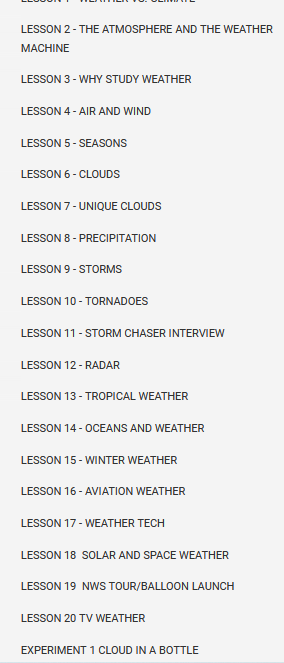
There are twenty lessons that include a variety of topics within the broader subject of weather. This includes learning about weather vs. climate, clouds, different types of weather (storms, tornados, tropical weather, etc.), and various weather technologies.

Experiments

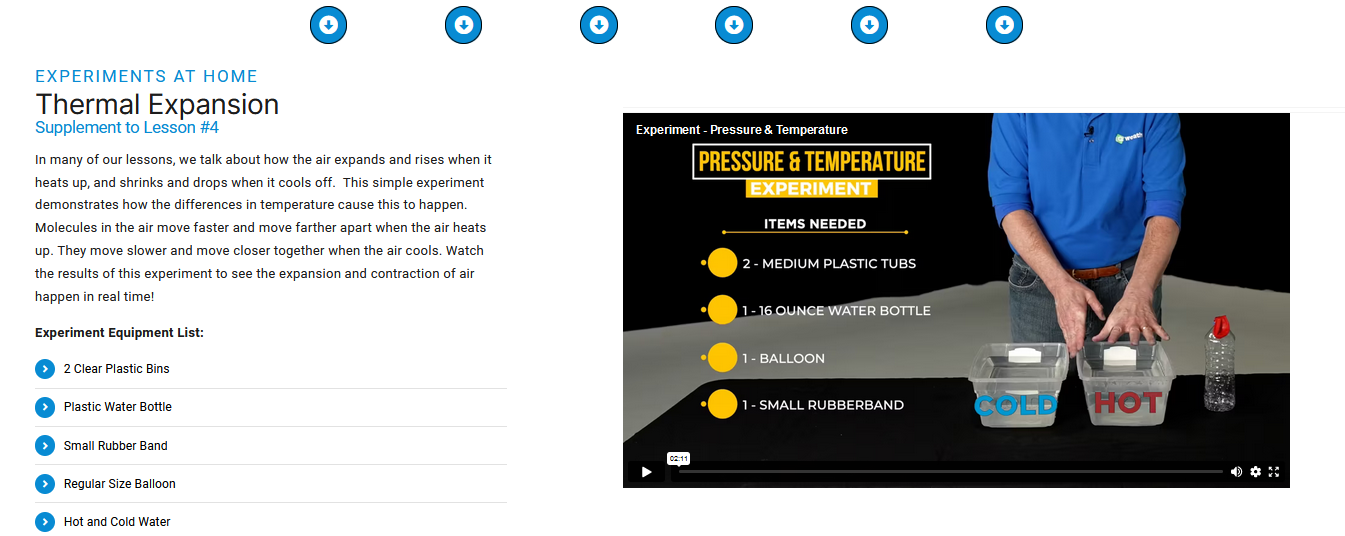
In addition to the lessons, eight experiments coordinate with some of the studies. The experiments include an explanation, a materials list, a video, and a quiz. Most of the experiments would be very simple to do at home, but a few are more complex.

If you could not do the experiment at home, the video shows the experiment being completed. It allows students to learn through that watching, though ideally, you would conduct at least some experiments.

For example, in one experiment, you simply needed a bucket of hot water, a bucket of cold water, an empty plastic bottle, a balloon, and a rubber band. Students could then see how different temperatures affected the air.

However, one of the more complex ones required liquid nitrogen and safety equipment. That was one we decided to just watch and learn through the video.

How We Used IQ Weather

While this program is recommended for 5th grade and above, I have a 4th grader and a kindergartener who wanted to learn more about the weather. I primarily used this for my 4th grader, but I allowed the kindergartener to watch the videos with him. (The program will only score one student on the quizzes, but the company says the whole family is welcome to use the rest of the content.)

My fourth grader learned a lot through the videos and discussion, though he still had trouble with some quizzes. I think the age range of fifth and above is reasonably accurate, but younger students can get a lot from the program if you don’t expect complete mastery.

Conclusions

We enjoyed the IQ Weather course from Timberdoodle. I believe that it would make a great standalone weather study, but you could also easily use it as a supplement if you were doing a different program and just wanted to go more in-depth with the weather.

If you do the experiments, discussion questions, extra readings, etc., it can take several hours per lesson. However, a lesson would only take about fifteen minutes if you chose just to do the videos and quizzes. So, it is very flexible based on your family’s needs.

Resource Library and Affiliate Disclosure

When you sign up for the Schoolin’ Swag free resource library, you will get a link and password to the library; we are adding to the library each month with new items. You will also get a bi-weekly newsletter email to keep you up to date on what we have going on.

Resource Library 

This post may contain affiliate or referral links, including Amazon affiliate links. As always, I will never recommend a product that I don’t believe in, and you will never be charged more for purchasing through our links. It does help pay for the costs associated with the blog.