Counting Sheep Without Falling Asleep: A Timberdoodle Review

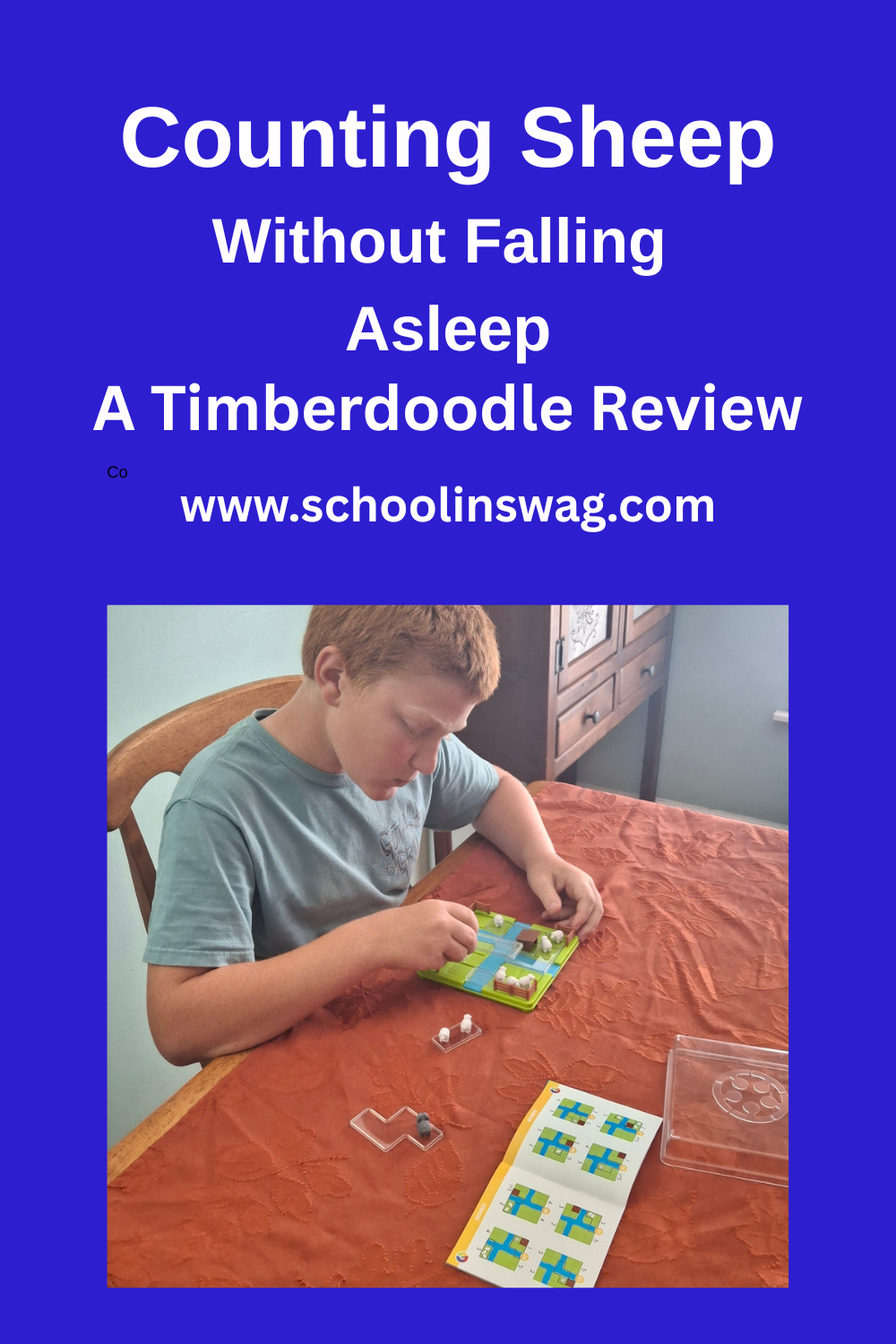
Sometimes the simplest activities are the best activities. Counting Sheep Without Falling Asleep from Timberdoodle is a simple logic game that includes a book of puzzle tasks, a small game board, and eight transparent puzzle pieces featuring sheep and a shed.

While the concept is simple, the game provides hours of fun and learning for a wide variety of ages.
What is Counting Sheep Without Falling Asleep

The game includes a small game board that is laid out with green squares for the grass and blue for the water. Then there are seven transparent puzzle pieces in different shapes, each with small white or gray sheep on it. Additionally, there is a small transparent piece with a shed on it.

The game board has a cover, so you can easily store the pieces. There is also a small book with 60 different challenges, divided into different levels of complexity. There are five levels, ordered and marked by color on the page, so even non-readers can easily find the right level.

Levels:

  • Starter
  • Junior
  • Expert
  • Master
  • Wizard

How Do You Play Counting Sheep Without Falling Asleep?

Counting Sheep Without Falling Asleep is simple and easy to understand. However, while the concept is simple, the varying levels of challenge mean that it can provide a fun mental challenge even for adults. It is a one-player game (which is really convenient when you have a child who is “bored” and needs something to do).

Simply pick a challenge of your choice, then make the puzzle pieces fit while avoiding sheep in the water and ensuring they fit as shown in the challenge. For example, the challenge might show you where a few pieces belong, and then you have to fit the rest without overlapping.

There is an answer key at the back of the challenge book in case you get stuck, or your child wants to check and make sure they are correct.
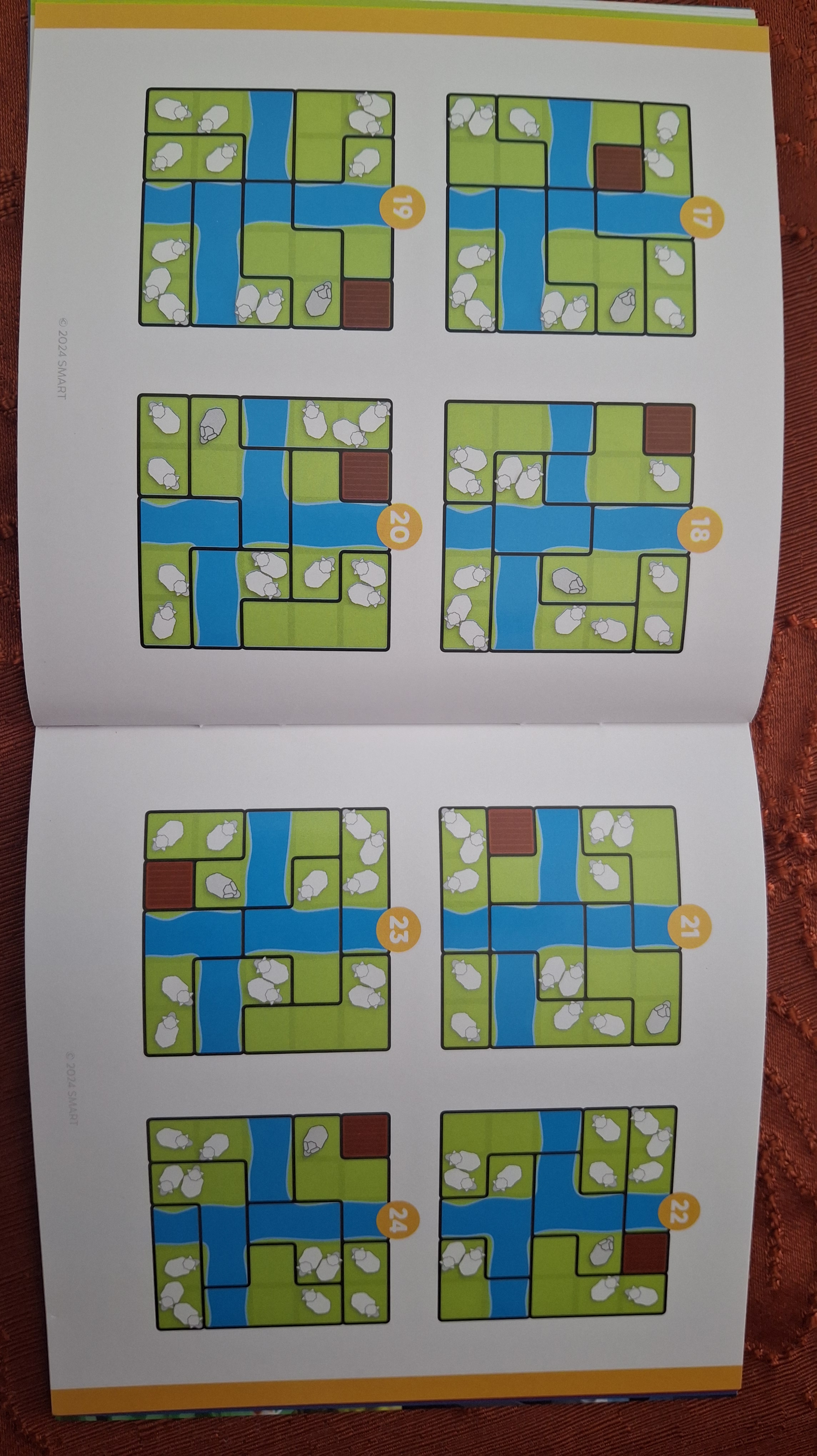
Sample Answer Key Page

Our Experience with Counting Sheep Without Falling Asleep

While the two-year-old thought the sheep were fun to play with, this game was best for my eight-year-old son and older. Even the beginning levels are a bit more challenging than some of the other similar-style games they have tried.

It worked really well for both my eight- and twelve-year-olds, and the adults enjoyed the challenge as well.

As a mom, I love how it doesn’t have to take hours to play, but they can play it for hours if they have the time. I also appreciated that the different levels meant everyone could work to their own abilities. I also really appreciated that the lidded game board made it easier to keep all of the pieces together.

While I love playing games with my children, the independent nature of this game means it works well when I’m cooking dinner or otherwise occupied. I think it would be great for them to play during school while I was working with a different child.

The game helps develop problem-solving, visual skills, and logic. My children did not see it as an educational game, but it was great work for their brains.
Who Would Enjoy Counting Sheep Without Falling Asleep?

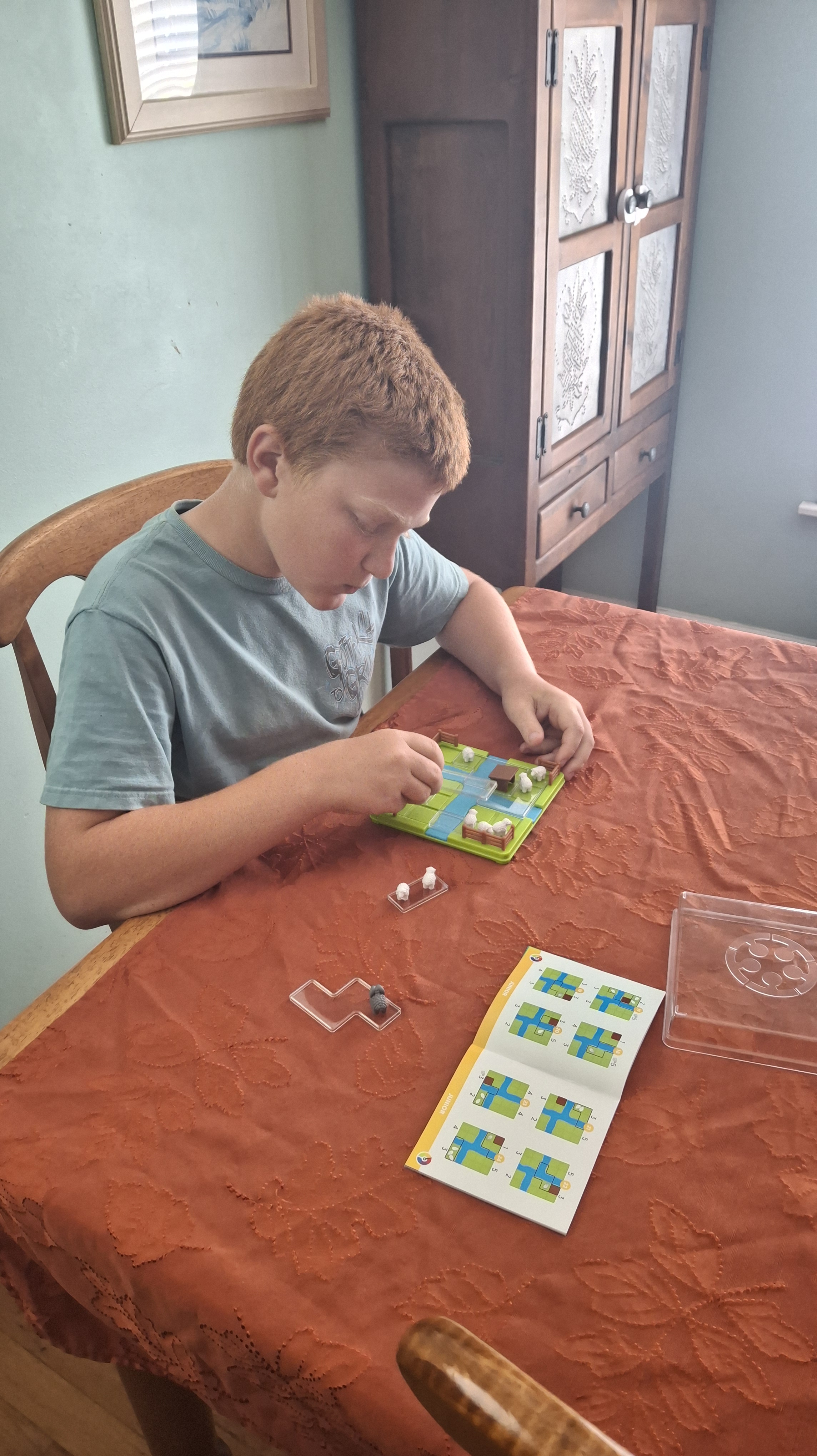
This is a game that many ages can enjoy, especially with the different level puzzles. It is recommended for ages 7+, and I think that is fairly accurate. A younger child could certainly try and might be able to do the easier challenges, but some of them are quite difficult.

It is a quiet and quick game, great for giving children something to do independently for a few minutes. The cover on the game board makes it very portable, and it could even be used in the car.

With all the different tasks, you could spend as few as five minutes playing or spend an hour or more doing multiple tasks.

Overall Thoughts

Counting Sheep Without Falling Asleep from Timberdoodle is a fun, easy game that helps build visual skills and logic without feeling like work. It can be played and enjoyed by a variety of ages. You can find out more and get your set at Timberdoodle.

FAQs

What ages is this game for?

Any age from elementary school through adulthood.

How Many Players?

This is a single-player game, though you can take turns if multiple people want to play.

History Lapbooks Kids Will Love


Teaching history doesn’t have to be dry or boring. Check out these free history lapbooks your kids will love!

Do you remember how you learned history in school when you were a kid? More than likely, it involved a list of wars, dates, and fill-in-the blank worksheets.

The good news is that homeschool history doesn’t need to be dull or boring. Instead, we can use literature to help our kids feel they’ve really entered the story of history. Historical fiction, biographies, and narrative nonfiction are all wonderful ways for our kids learn about the people and events that impacted history.

It’s even better new that we can teach history from a Christian perspective. While our children learn about the important events in history, they can also be learning character and theology. With books that highlight how individuals chose to live for Jesus, kids can learn how ordinary men and women can impact the world for the kingdom of God.

As our kids read great books about important history, we want to use the tool of narration. What is narration? It’s simply having our kids retell the story in their own words. Lapbooks and notebooking are wonderful tools to help our kids practice written narration. I particularly like using lapbooks with elementary-aged kids, because they’re fun to put together, and they give children a great visual keepsake of their learning journey.

History lapbooks develop 6 important skills:

  1. Handwriting | Practice makes perfect! As your children write in their lapbooks, the process of writing long-hand naturally helps develop handwriting.
  2. Reading and Listening Comprehension | Your children will begin to pay attention and deepen their understanding of the information they are hearing or reading, knowing they will be taking notes on it.
  3. Pre-writing | As they recall information, children identify what is important and organize their thoughts.
  4. Research | Lapbooks provide an excellent tool to do extra research on a subject, like the mini-Bible studies included in the Who What Why history lapbooks.
  5. Long-term Memory | Written narration helps cement what students have studied into their long-term memory.
  6. Cognitive Skills | Taking notes requires a higher thought process. At first, your children will need help to process and narrate what they’ve learned, but cognitive skills will soon become second-hand.

History lapbooks, paired with good books, help kids learn in a hands-on way they will remember for years to come!


Who What Why Series | Christian Biographies for KidsTeach your kids about Christian history with engaging narrative and fabulous drawings! The Who What Why series is perfect for 7-12 year olds.


History Lapbooks Kids Will Love

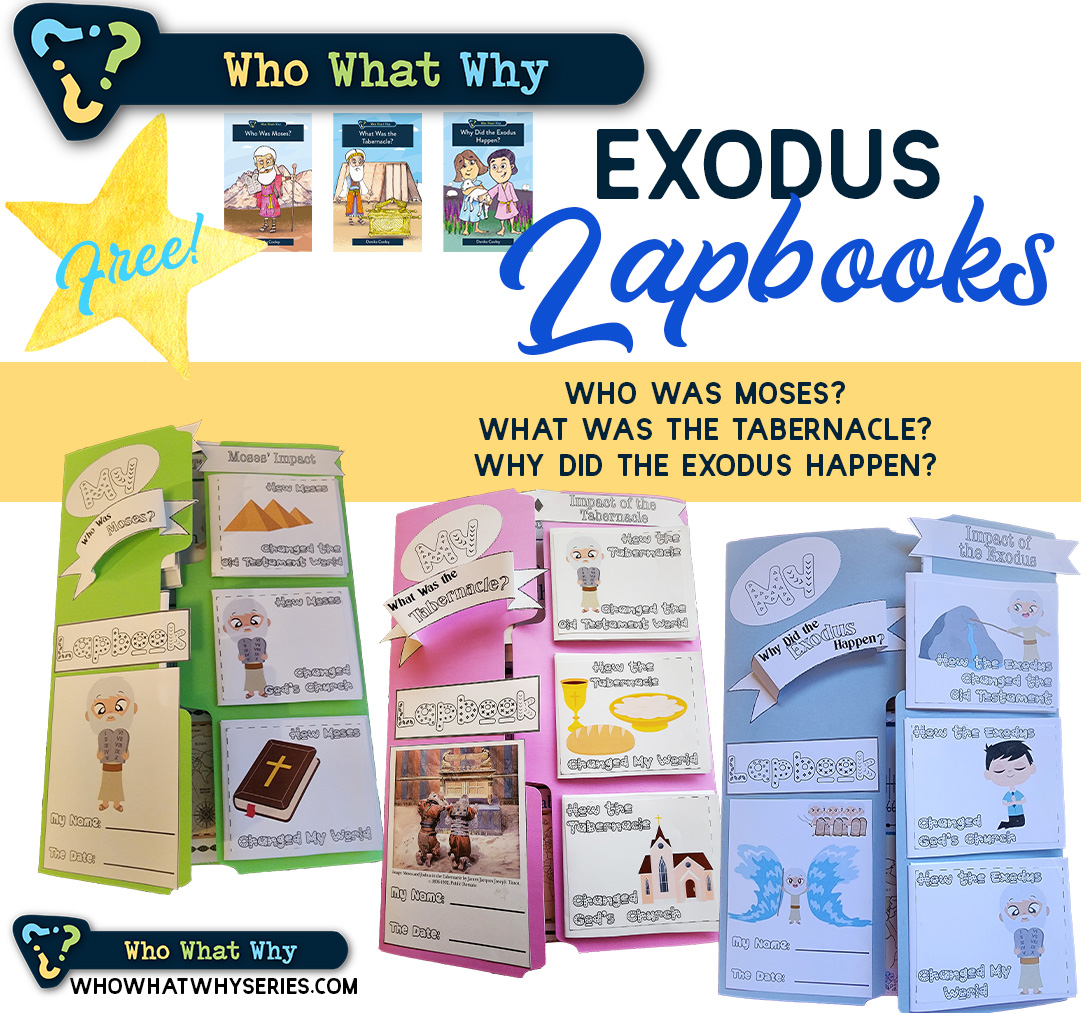
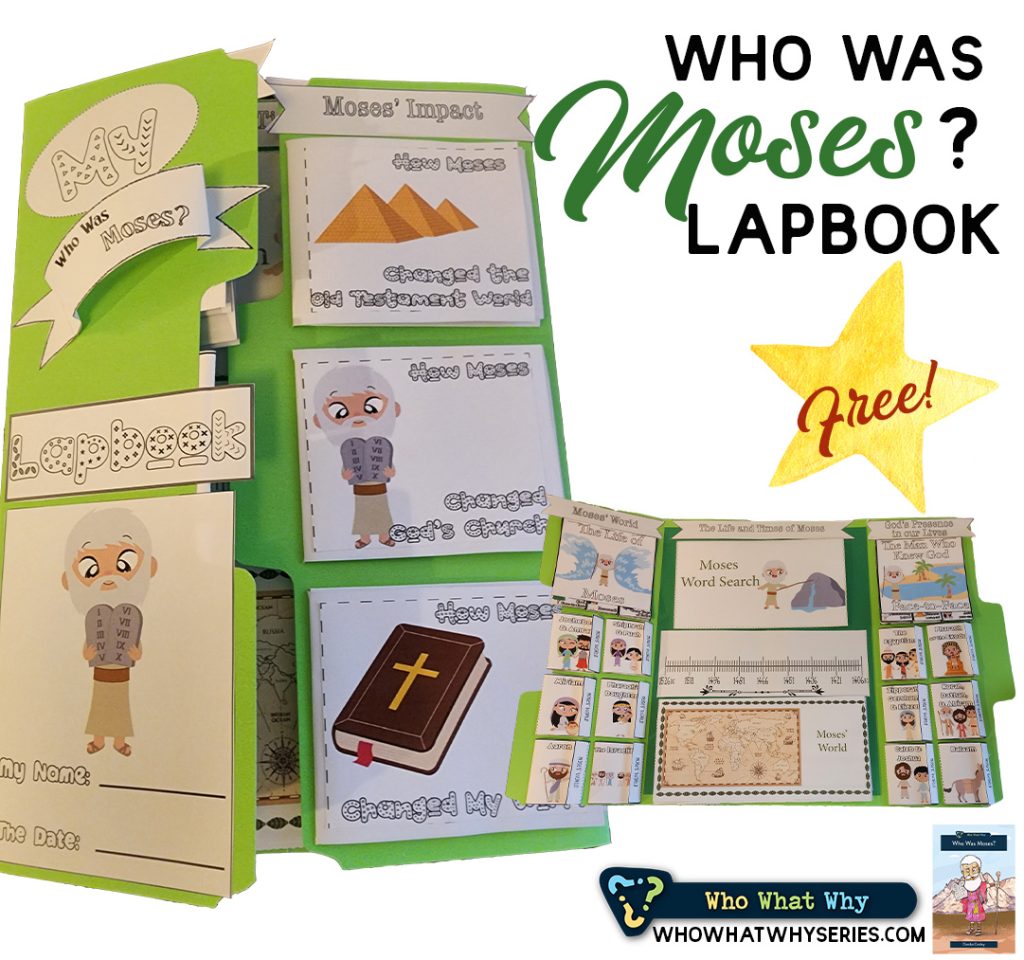
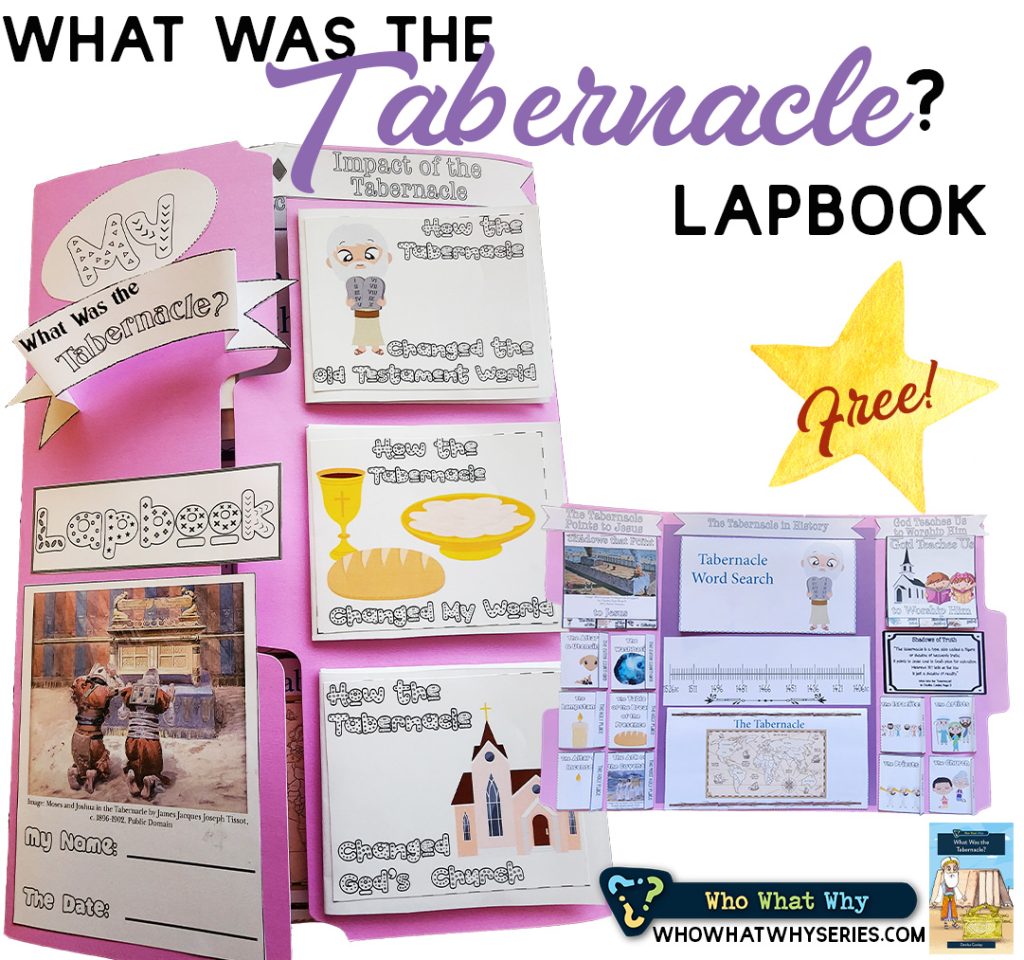
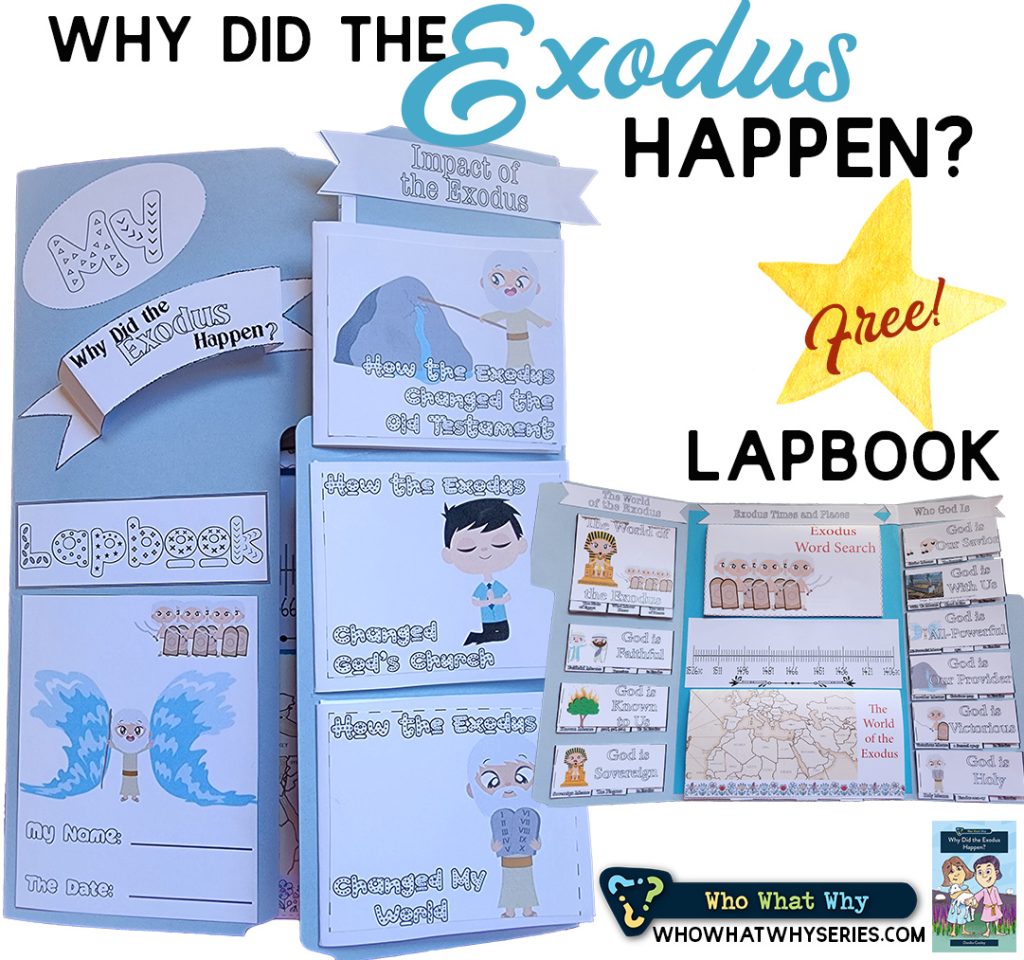
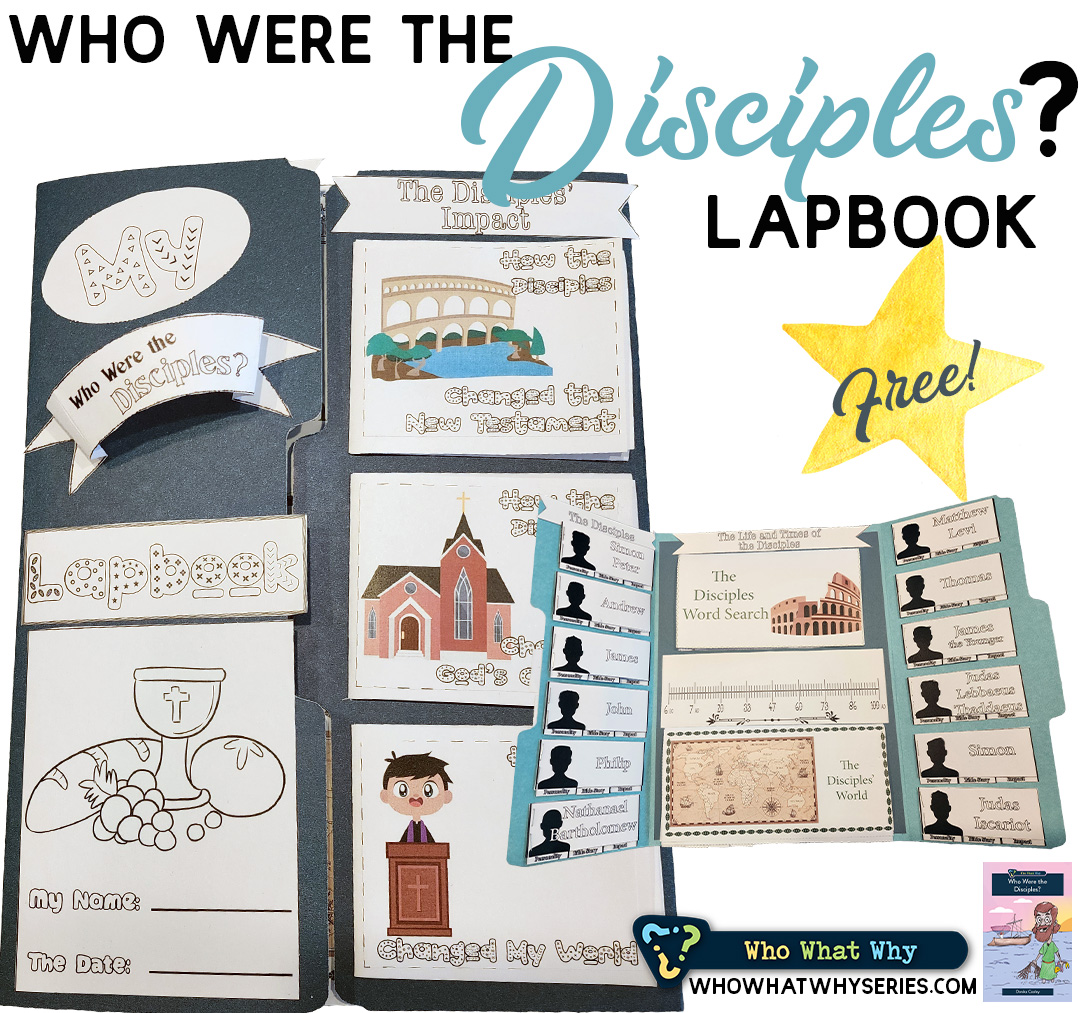
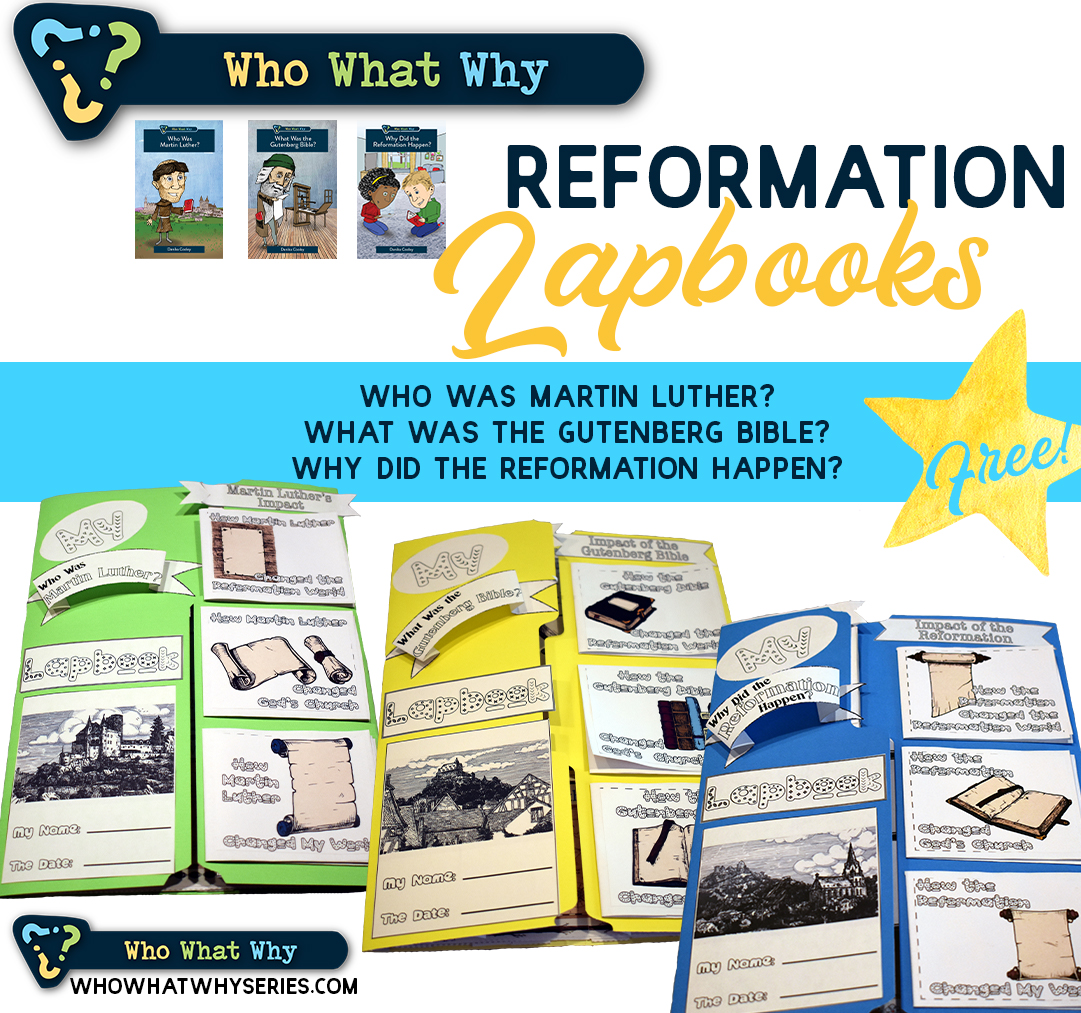
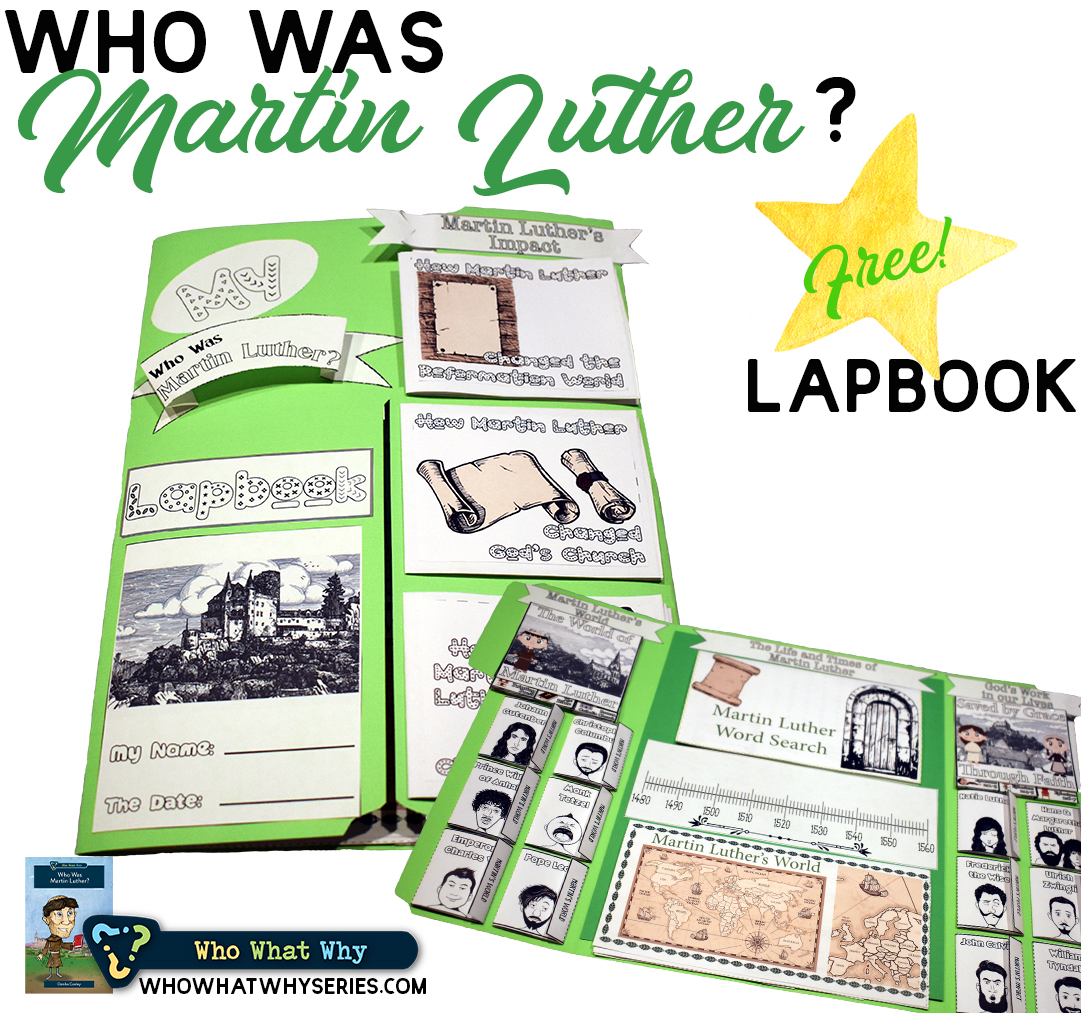
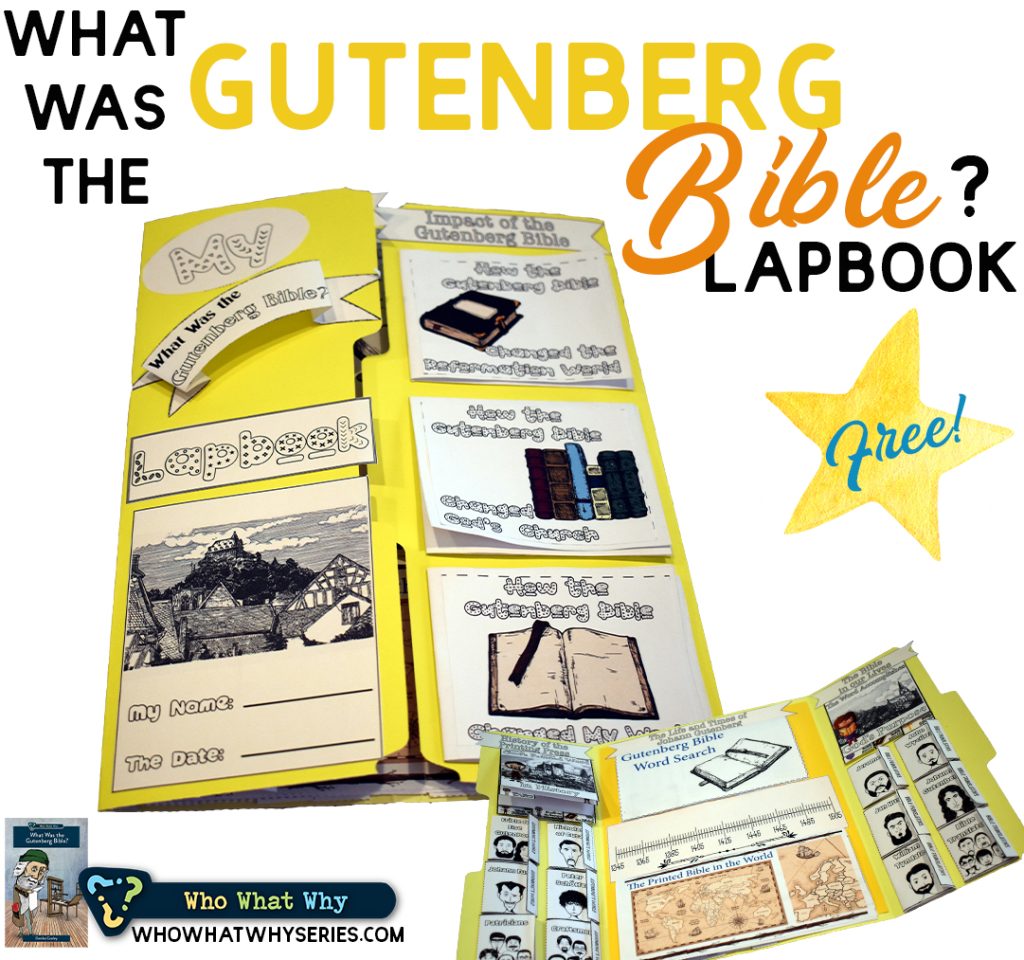
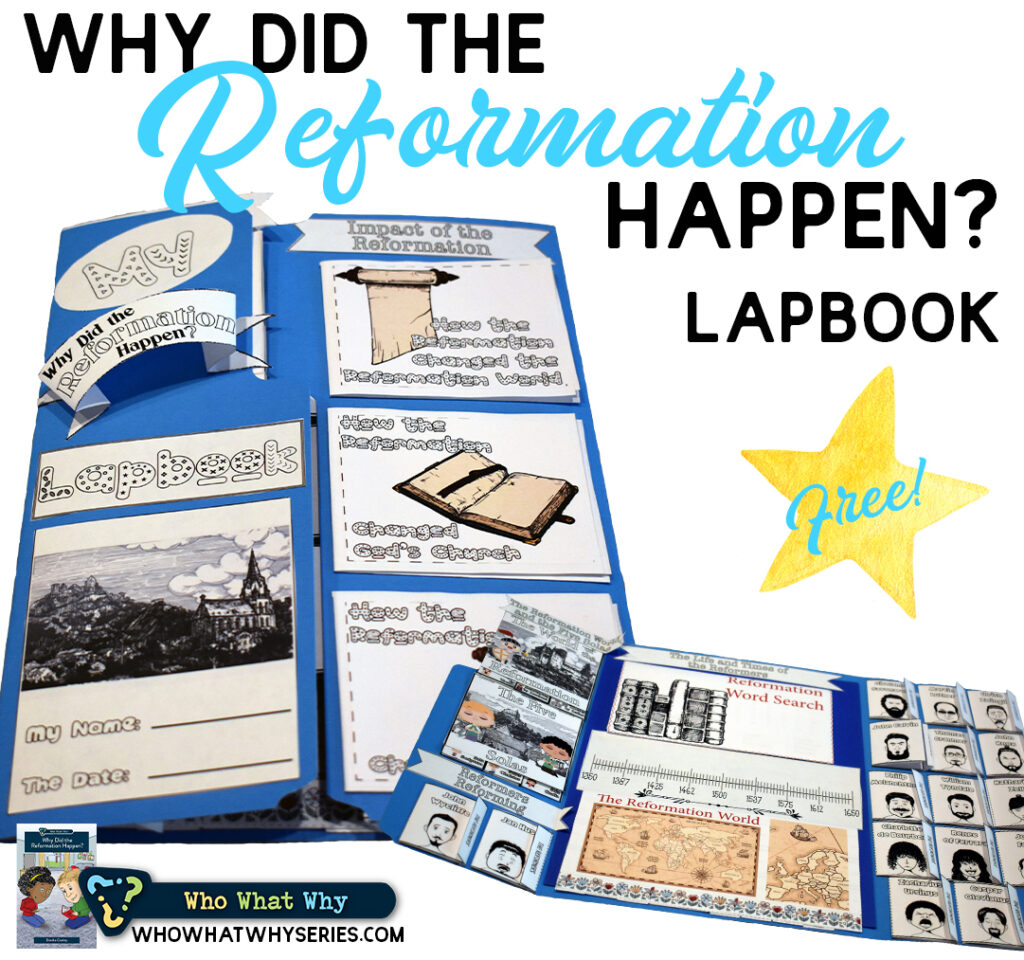
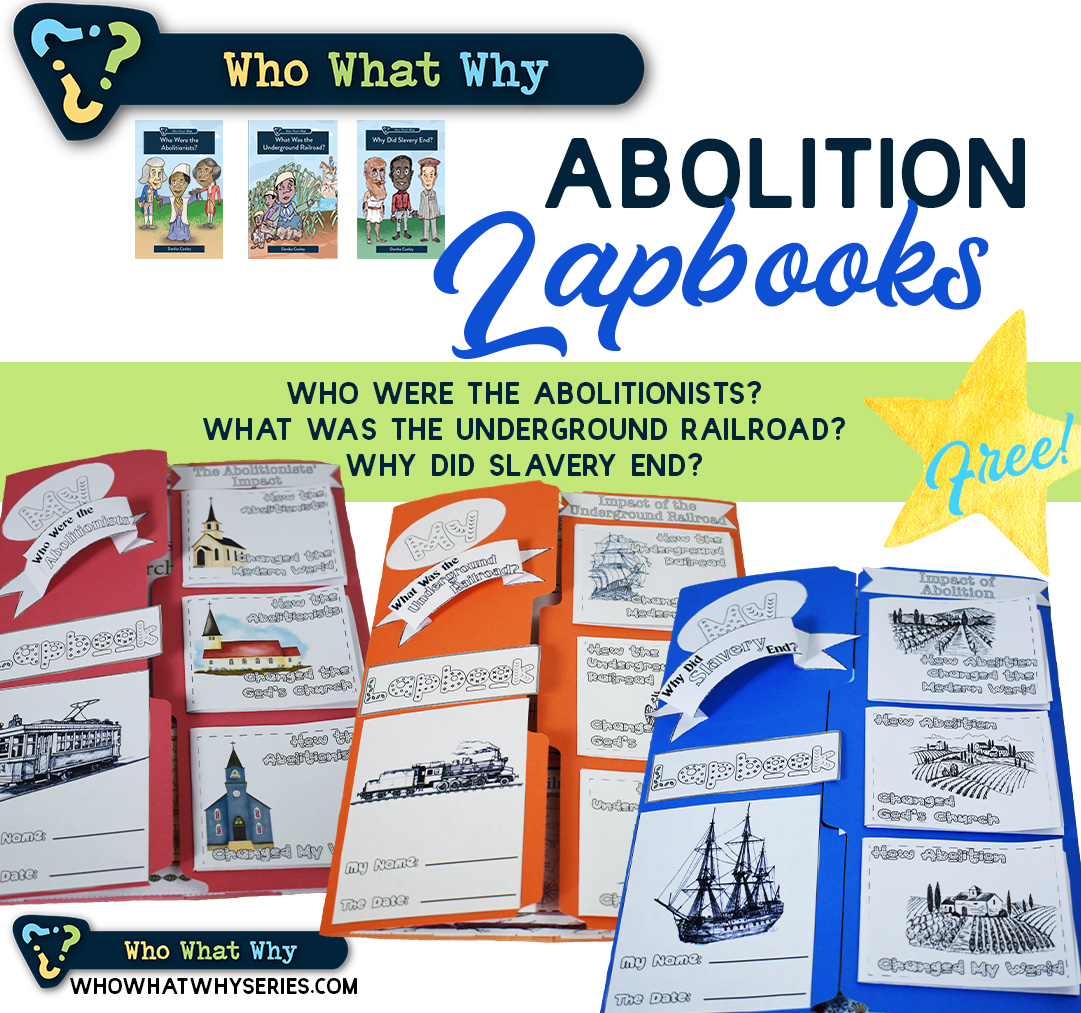
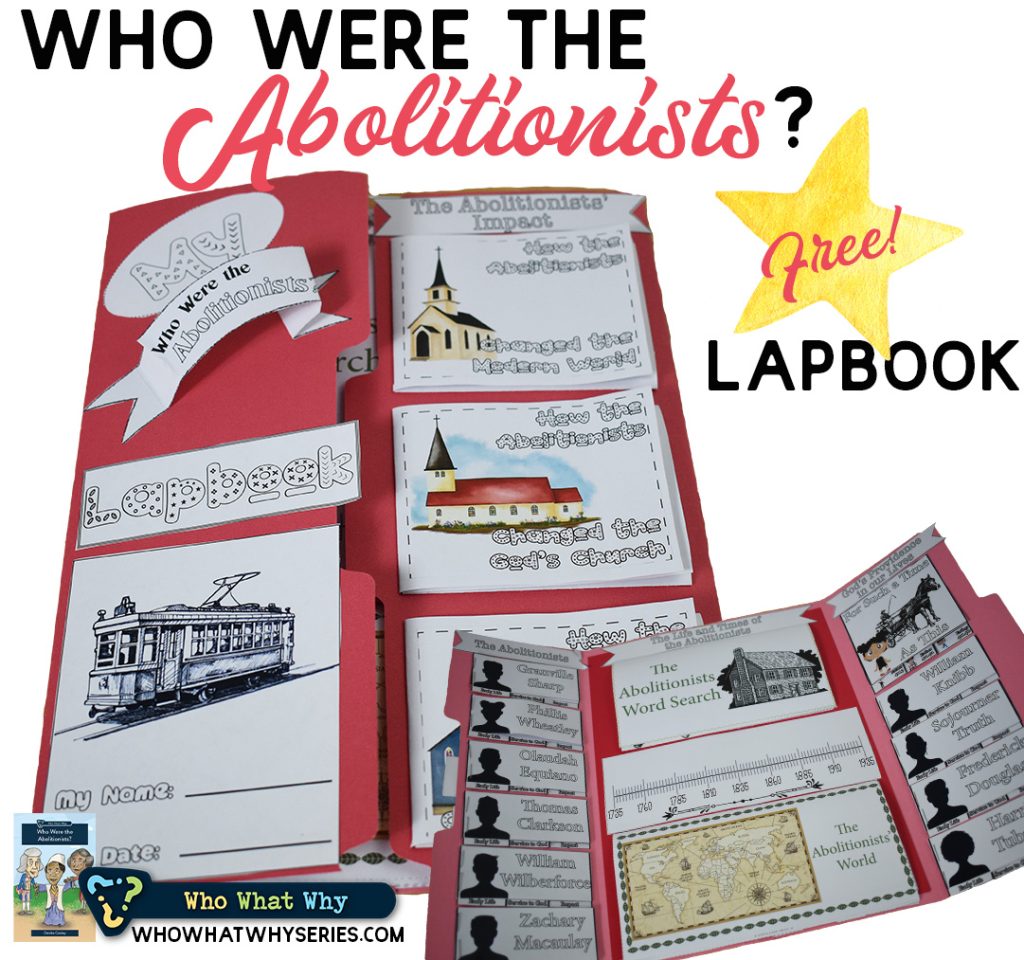
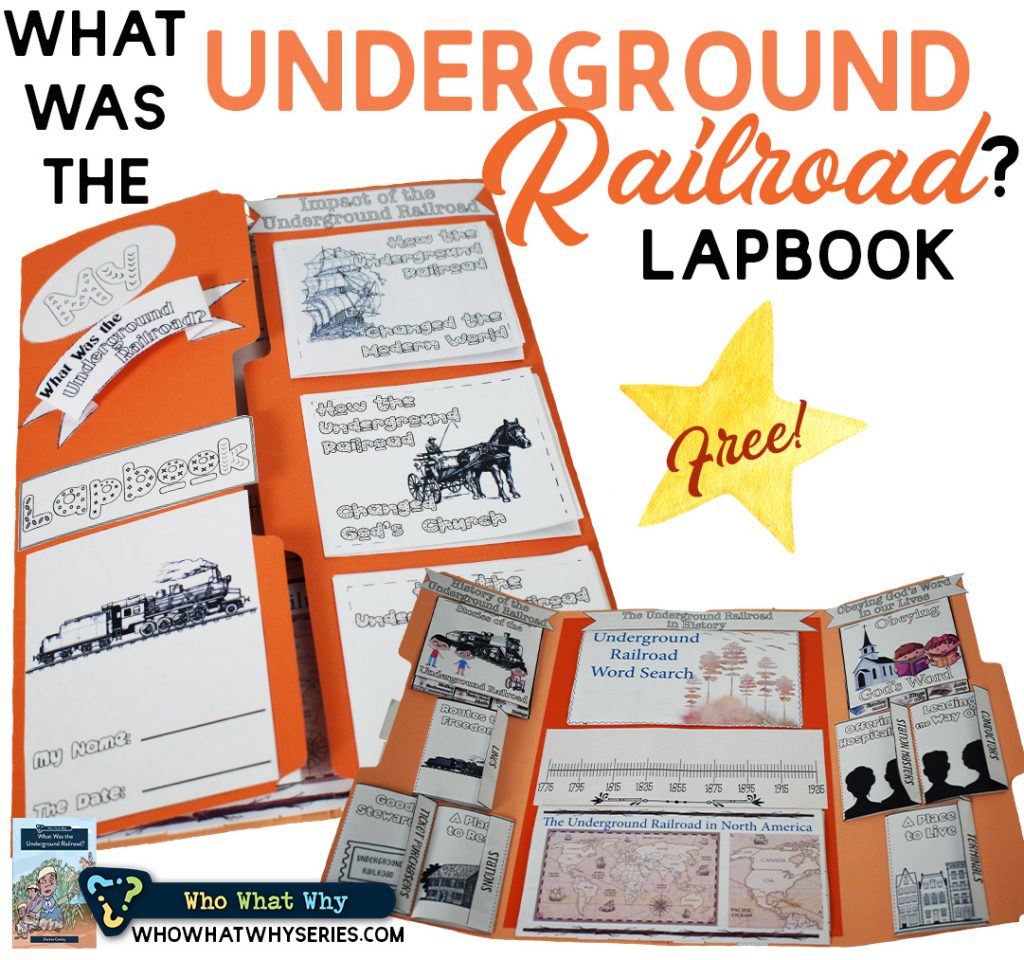
The Who What Why Christian history series of books has a series of free history lapbooks. They’re fun to make–and they allow your kids to keep track of important facts they learn about Christian history, the Bible, and theology.


Exodus LapbooksMoses LapbookTabernacle LapbookExodus LapbookWho What Why Resurrection Free Printable LapbooksJesus' Disciples | Kids' FREE Biography LapbookThe Meaning of the Cross of Jesus | FREE Bible LapbookWhy is the Resurrection Important? | FREE Theology LapbookWho What Why Series | Free Printable LapbooksMartin Luther History for Kids | Biography LapbookGutenberg Bible History LapbookProtestant Reformation for Kids | FREE LapbookAbolitionist Lapbooksabolitionists lapbookUGRR LapbookThe Bible Against Slavery | FREE Lapbook

  • Who What Why History Lapbooks | With the Who What Why lapbooks, your children will delve deeper into what they’ve learned, including:
    • The impact of each historical person and movement on history, on the Church, and on your child’s world.
    • The world throughout history. Your child will learn about what it was like to live during the time of each historical movement.
    • The people involved in each historical story.
    • Historical and theological vocabulary.
    • The timeline of each historical event.
    • The geography of each story.
    • Theology: Bible passages addressed in each story from history.

History lapbooks are a powerful tool to help your 7-12 year olds consider and remember what they’ve learned!


Danika Cooley is the author of Help Your Kids Learn and Love the Bible (Bethany House), and an award-winning children's author and Bible-curriculum developer. Weekly, she encourages tens of thousands of parents to intentionally raise biblically literate children and her Bible curriculum, Bible Road Trip™, is used across the globe.

Danika Cooley’s Who What Why Christian history series is perfect for your 7-12 year olds. Your children will better understand the history of the Christian faith, the people who loved Jesus, and what the Bible says about really important issues! Danika is an award-winning children’s author and Bible curriculum developer. Her popular Bible Road Trip™ is used by tens of thousands of families.

Learn more about the Who What Why series and grab your free history lapbooks here.