Sixth Grade Curriculum Choices (2025)

*Some links are affiliate links; see full disclosure below*

My eleven-year-old is going into sixth grade! How is he already old enough for church youth group and moving up to the Navigators group in our Trail Life troop?

He also enjoys fishing, hiking, and all things science. This is his first year running cross country for the local homeschool team. He would love to be able to skip math, but alas, I feel math is an integral part of his education.

Reading:

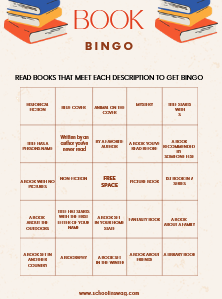
Since his reading is solid and he loves to read, we are going to do a fun and easy (for Mom) Book Bingo for his literature this year. The book bingo will give him a lot of autonomy in his reading, but also make sure he is getting in a variety of different books.
We are also continuing to use the Family Book Clubs from Read Aloud Revival, which are always fun and engaging.

Finally, don’t tell him that it’s actually school work, but he is participating in a local book club where they read a book each month and gather together to discuss it. Last month, they read Robin Hood, and this month, they are reading Sense and Sensibility.

Spelling

We have been working on All About Spelling, and he will continue to work his way through that. He really struggled with spelling, but over the last couple of years, he has shown tremendous progress, and we are excited to continue. We discovered All About Spelling years ago when my oldest child was struggling with spelling, and it has been our family’s favorite ever since.

Writing

For writing, we will be finishing Master Books Handwriting A to Zoo to review some handwriting skills. He will also be doing the next level in First Language Lessons to work on some grammar.

I printed out a huge selection of fun journaling prompts, and he chooses one each day to write about in his journal to work on his creative writing. He will also be entering some essays into several contests, including those sponsored by our junior historians and the state fair, to work on those skills. Those real-life applications have been so beneficial in encouraging my children to write solid essays.

Math

He will be finishing Math for a Living Education this year. We both love the format; it worked very well for him. There is generally enough practice for him without it being too much busy work. If there are concepts where he struggles, we can add in some extra practice.

Science:

I needed to be realistic this year about the amount of time and focus I have available for schoolwork, while also managing a toddler and multiple speech and physical therapy appointments each week. Of course, it is also important to me that my children get the solid education that they deserve.

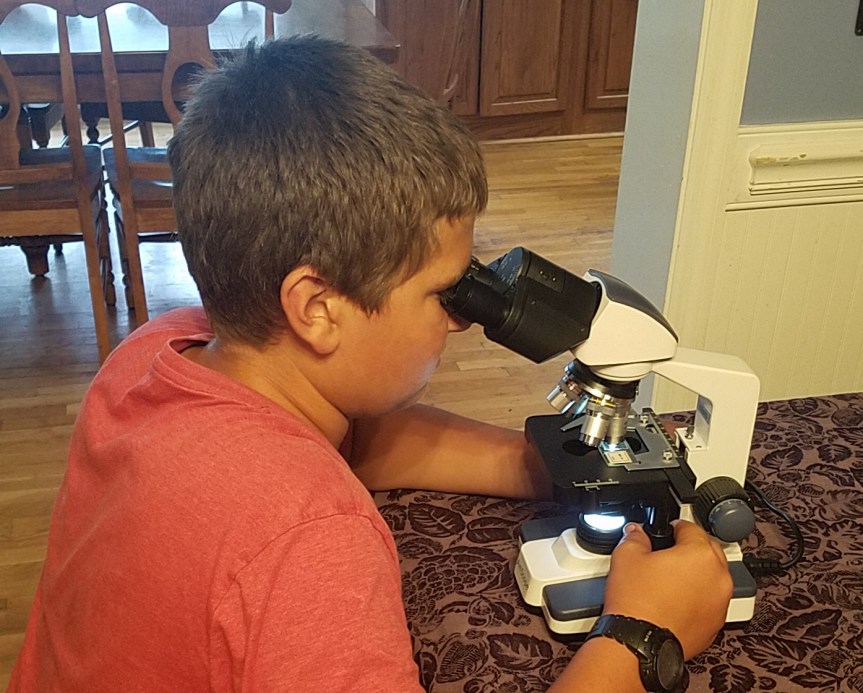
This is where Journey Homeschool Academy solved my problem. We are doing one of their elementary science courses (which is solid enough for a sixth grader) with both my second and sixth graders. The boys wanted to learn about Astronomy, and we are loving the Elementary Astronomy course so far.
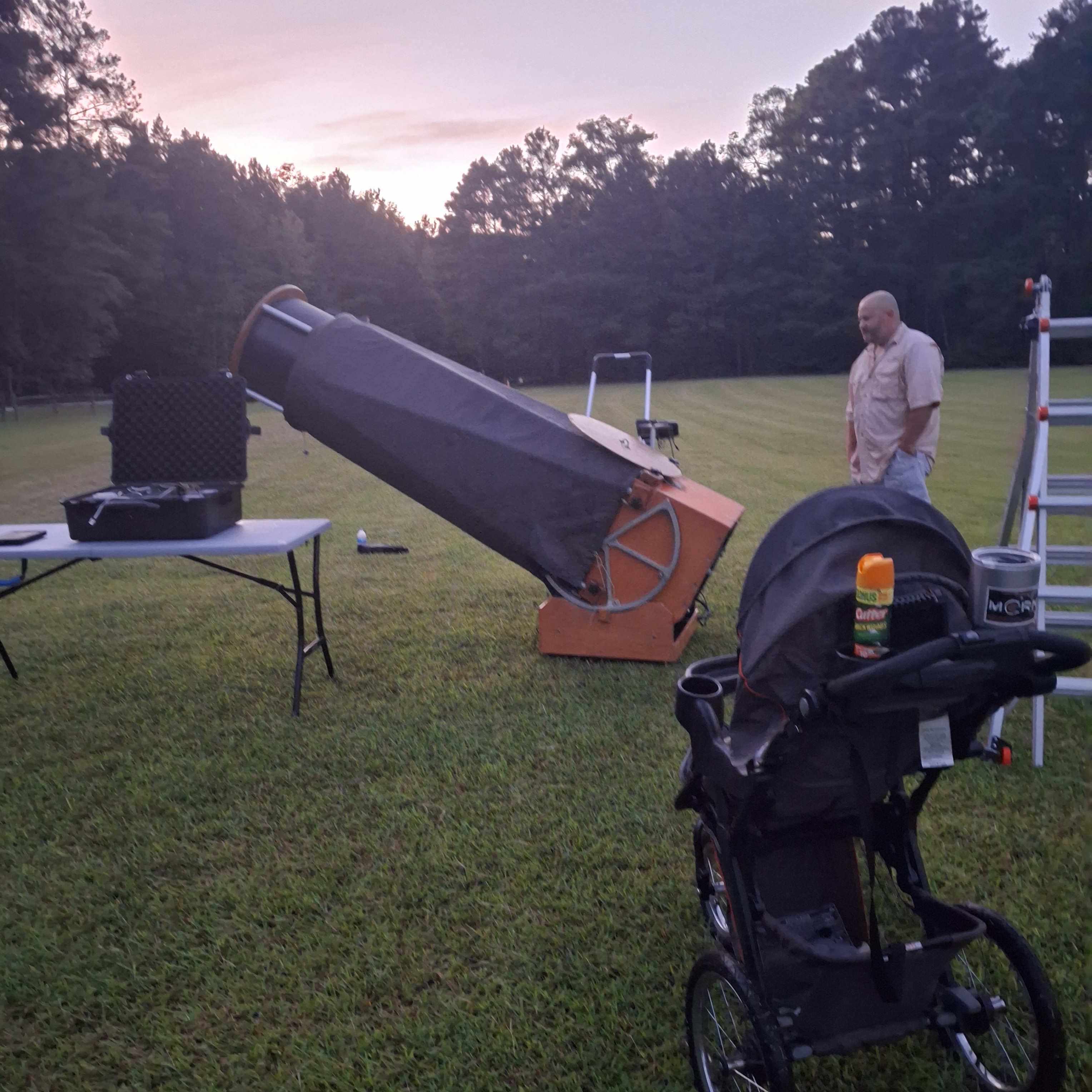
The video-based content makes it easy for them to do while I’m focused on the toddler, but then we can do the hands-on activities together. The course has solid science content with a Christian worldview that is also easy for me to implement. It has been a win for all of us.

Additionally, we will conduct a nature study at least once a week (we often do it more frequently when the weather is favorable). Sometimes our nature study is as simple as going outside and observing. Still, we also love to use our Homeschool Nature Study subscription to take things a little further and help me find some great activities and ideas.

History:

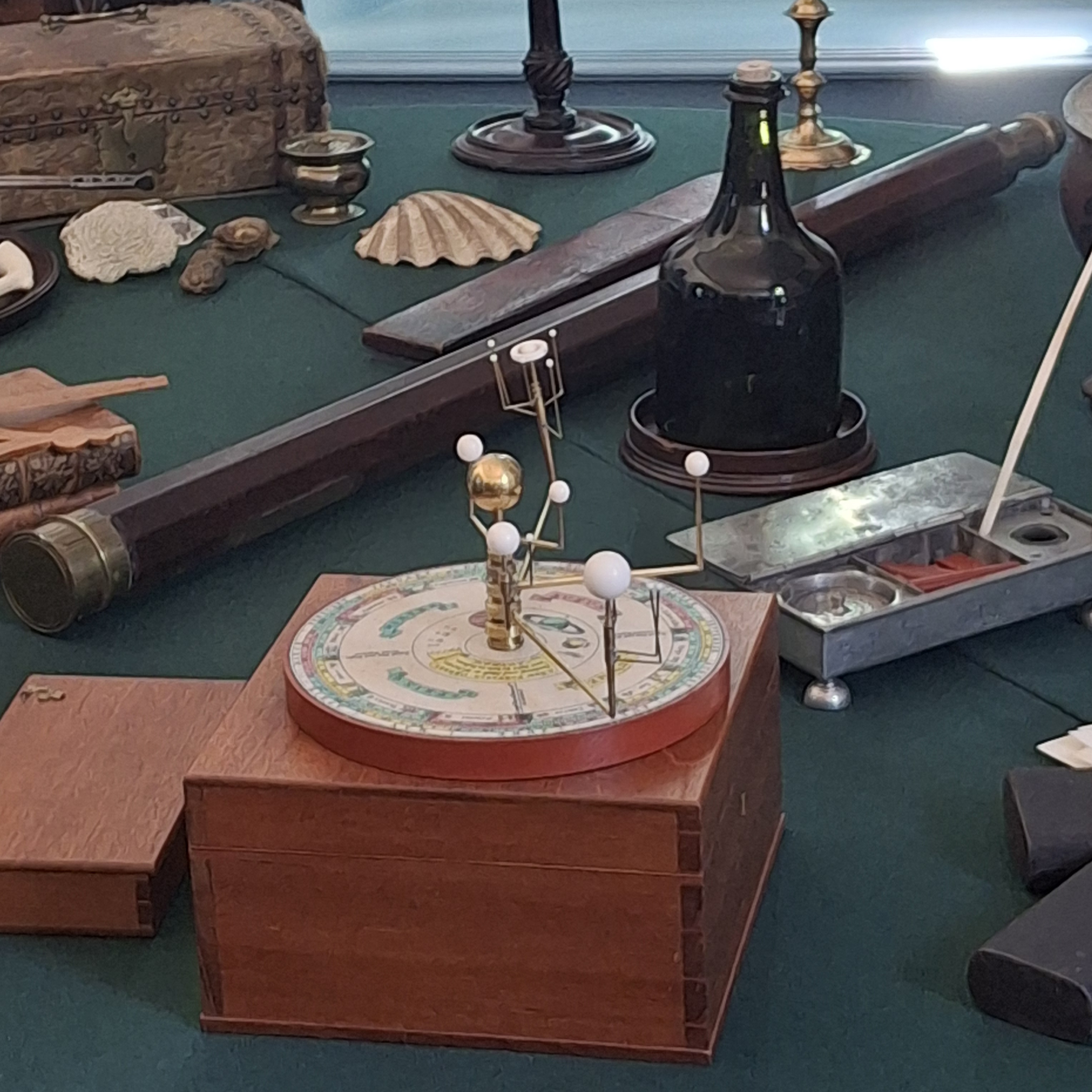
We are jumping back into Story of the World Volume 3 this year. We love all the hands-on activities and recipes included in the workbook, and we have the audio version of the text that allows us to listen while riding to appointments during our busy weeks.

Art

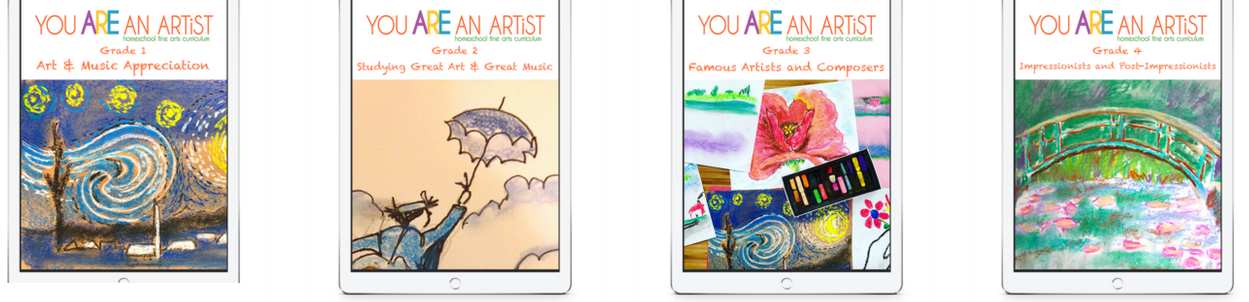
This son is the one I refer to as my little artist. He loves to draw, paint, and create. We will continue to use our membership with You Are An Artist chalk pastels for his online art lessons and provide him with lots of time and materials to be creative.
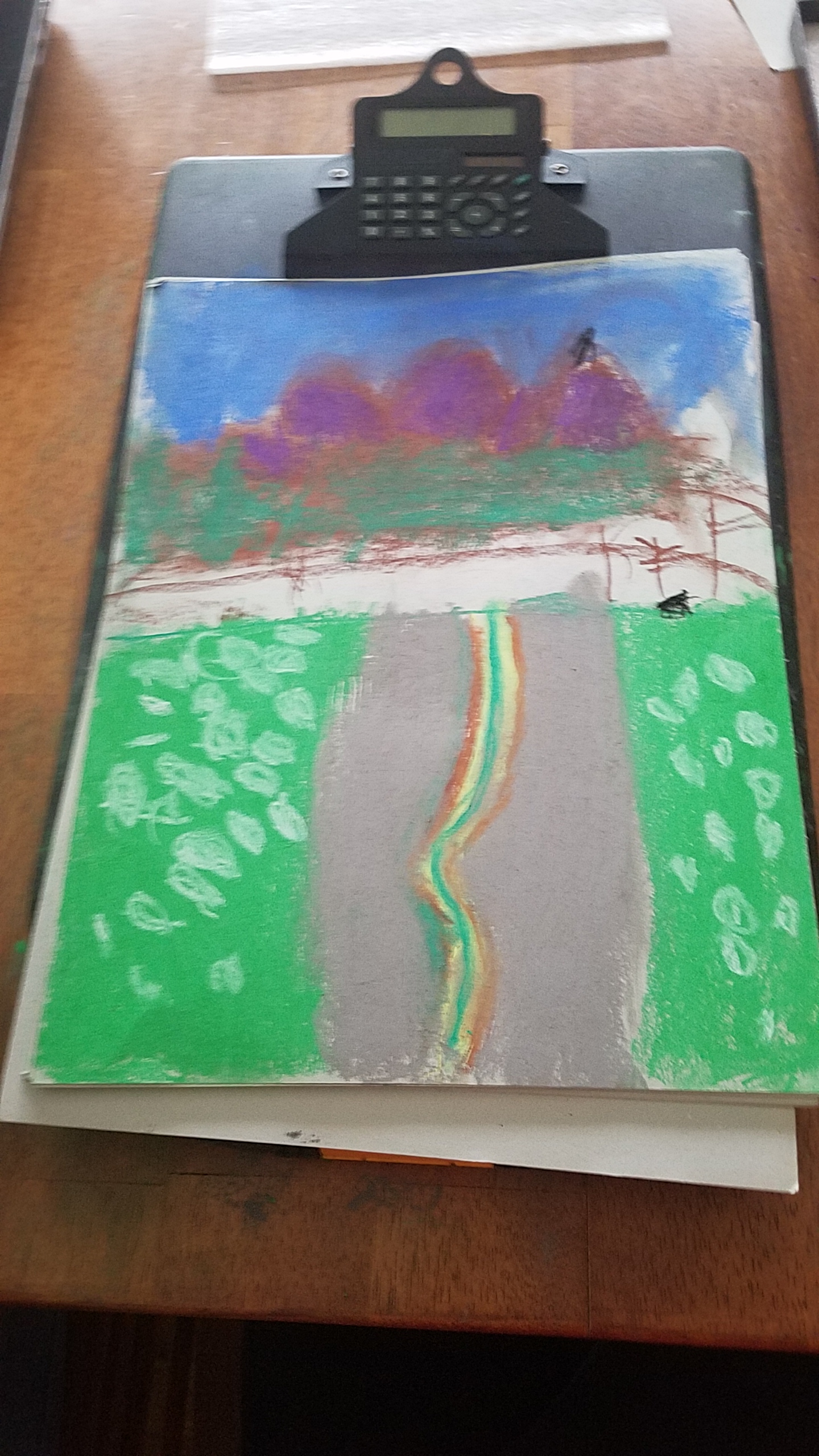
He also requested the opportunity to learn more about drawing, and so he is going to be trying some lessons from Timberdoodle’s Simply Draw.

Morning Time:

Morning time is my favorite part of our school day. We will do our daily Bible study and watch World Watch for current events each day. In addition, we plan to do a rotation of fine arts studies, poetry, Tuttle Twins books, and more. You can find out more about the resources we are using this year at Morning Time Plans 2025.
We have a toddler in the house and seven standing appointments each week, so I am holding all of our plans in an open hand and praying for the best. We will do what we can, when we can, and trust that God will fill in the gaps.

Resource Library and Affiliate Disclosure

When you sign up for the Schoolin’ Swag free resource library, you will receive a link and password to access the library. We add new items to the library each month. You will also receive a bi-weekly newsletter email to keep you up to date on our current posts.

Resource Library 

This post may contain affiliate or referral links, including Amazon affiliate links. As always, I will never recommend a product that I don’t believe in, and you will never be charged more for purchasing through our links. It does help pay for the costs associated with the blog.

Deals and Freebies

If you have not tried SchoolhouseTeachers.com, you don’t want to miss this sale!

Tuttle Twins is having a big curriculum sale! You can also get great deals on books and their Academy.

New subscribers can get 3 months of World Watch for FREE! This is a great deal.
My Unsolicited Thoughts About Journey Homeschool Academy’s Elementary Astronomy

I’ve been telling you how much I love Journey Homeschool Academy for high school science ever since my son tried out biology several years ago. He went on to college sciences and said that he was well prepared because of his experience with Journey Homeschool Academy.

High School Biology

*links are affiliate links, see full disclosure below*

First, I love that the lessons use a Christian worldview. As a busy mom of five, I appreciated that at the high school level, they were designed for my students to complete independently with video instruction, lab guides, and online tests. It was so simple for me to set them and get them started. Finally, I appreciated that it was approachable, engaging, and rigorous.

What’s New in Our Journey Homeschool Academy Experience?

I am excited to try out one of their elementary courses this year. I have generally done teacher-directed science in the elementary years (mostly with Apologia and the geology course I created). However, in this particular season of life, I really wanted a science that could get done even when I needed to have my attention focused on a busy toddler or when I needed to be shuttling the baby to physical therapy or other appointments. 

We will officially start Astronomy in September with our new school year. However, I have been checking out the video lessons and materials to get ready and to share more with you guys in case anyone else needs a helping hand with science this year.

The Basics of Elementary Astronomy with Journey Homeschool Academy

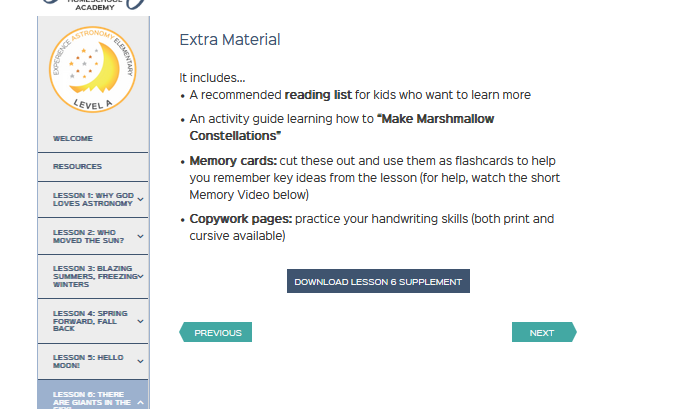
This elementary astronomy course has thirty lessons. Each lesson includes a video (around fifteen to twenty minutes long), a hands-on activity, memory cards (with a two to three-minute memory video), copy work, and suggested additional reading.

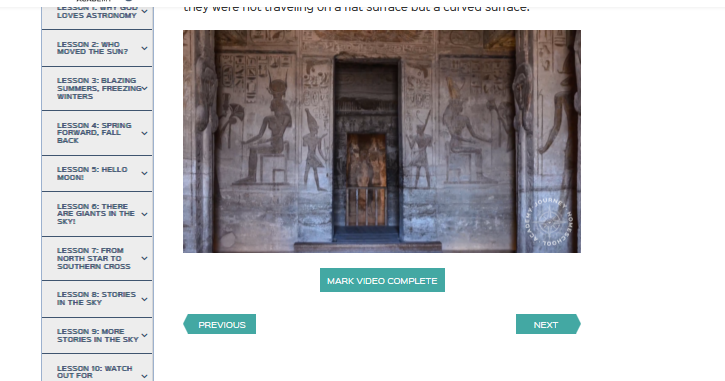
The videos cover the concept for the week and often share footage from a different location, like a virtual field trip. They are very reasonable in length and engaging, not just rote lectures.

A sample of the resources included in an elementary astronomy lesson.

The hands-on activities use primarily materials that would be found around most homes (especially homeschool homes, which tend to have a nice crafting collection). They are simple enough to complete but help reinforce the concept for the week.

The memory cards include a few of the most important facts from the week, and each week, a short two—to three-minute video discusses them.

There is copywork for each week in cursive or print form, and there is a quiz that you can use if you wish.

There is a lot of flexibility built into this curriculum, and you can use as many or as few of the resources as you choose and go at whatever pace you would like. Unlike the high school courses, you have lifetime access to this course.

Seven Things I love About Elementary Astronomy

  • I love that the video lessons are long enough to cover the material well but short enough to keep the attention of my active boys!
  • I love that they honor the Creator and give glory to God.
  • I love that it includes hands-on projects that are easy to complete.
  • I love that the course is only 30 weeks long, so we can easily complete it in a school year while still taking December off for Christmas schooling.
  • I can use it with multiple ages at one time.
  • It will give us another excuse to go outside and study God’s creation.
  • I love that I have lifetime access so we can go as slow or fast as we want, and I can use the course again in a few years with my youngest.

What Will I Add to Journey Homeschool Academy’s Elementary Astronomy?

This course easily stands on its own as a science course and would not need anything added. However, we love art in our house, and Nana over at You Are an Artist has some wonderful space-themed art lessons that will be the perfect complement to this course. You can purchase them separately as a course, or they are included in the art membership (which we love because we can choose whatever strikes our interest that day).

Overall, I am very excited about using elementary astronomy next year. It will simplify science instruction and help me ensure that it does not get pushed to the back burner. My children are excited about astronomy, a topic that I think the whole family can enjoy. Overall, I think the Journey Homeschool Academy elementary courses would be a great fit for families struggling to make time for science, wanting something easy to implement, or having a strong interest in astronomy.

Resource Library and Affiliate Disclosure

When you sign up for the Schoolin’ Swag free resource library you will get a link and password to the library, we are adding to the library each month with new items. You will also get a bi-weekly newsletter email to keep you up to date on what we have going on.

Resource Library 

This post may contain affiliate or referral links, including Amazon affiliate links. As always I will never recommend a product that I don’t believe in and you will never be charged more for purchasing through our links. It does help pay for the costs associated with the blog.

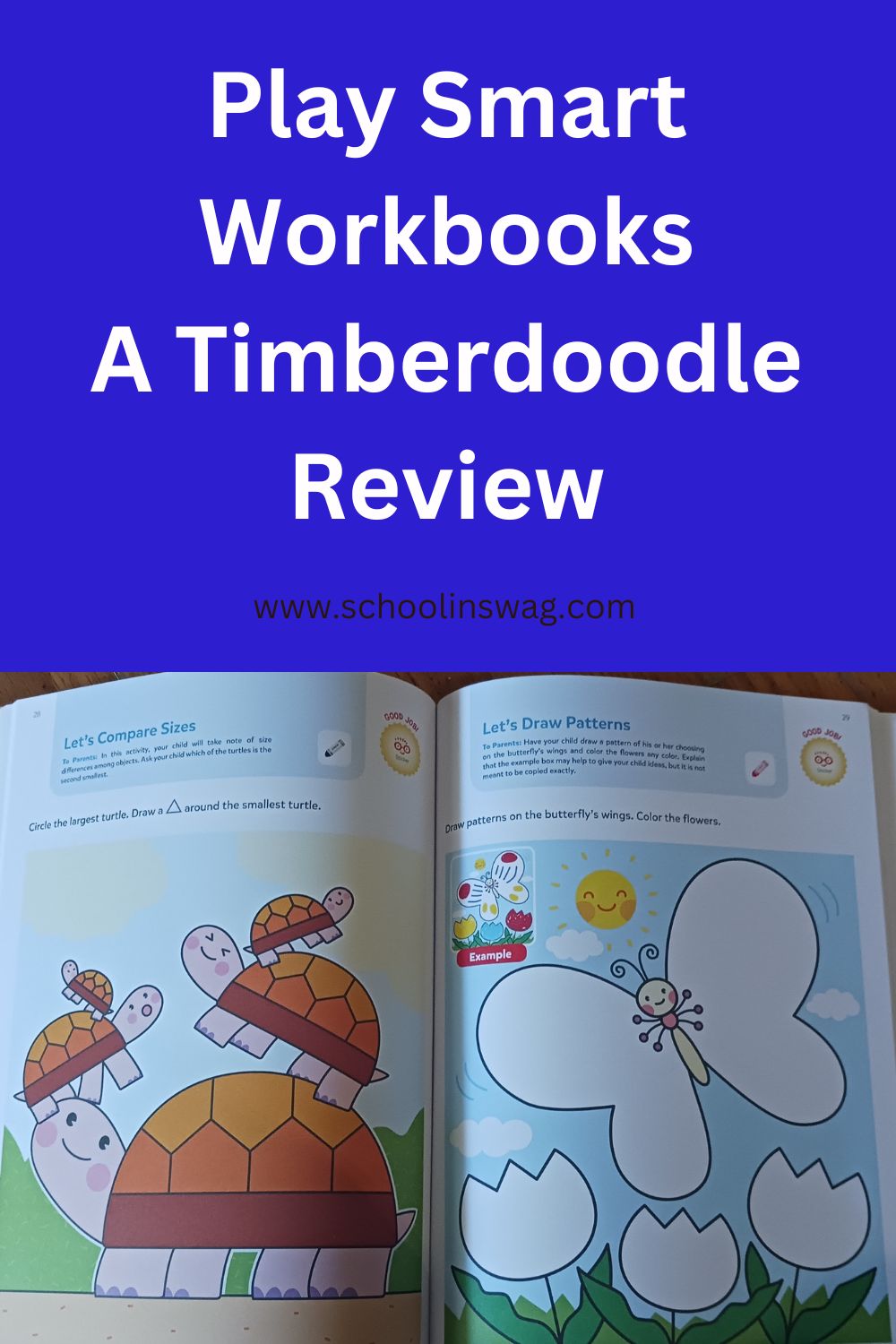
Play Smart Preschool Workbooks: A Timberdoodle Review


Children, especially young children, learn through play and many hands-on activities. Often, this involves being very active, but sometimes, you need your child to be able to work more quietly or contained. Timberdoodle recently sent me a set of Play Smart workbooks for preschool-age students to review.

The Play Smart workbooks are a great combination of both hands-on learning and quiet play. The books are colorful and engaging, containing lots of stickers and activities.

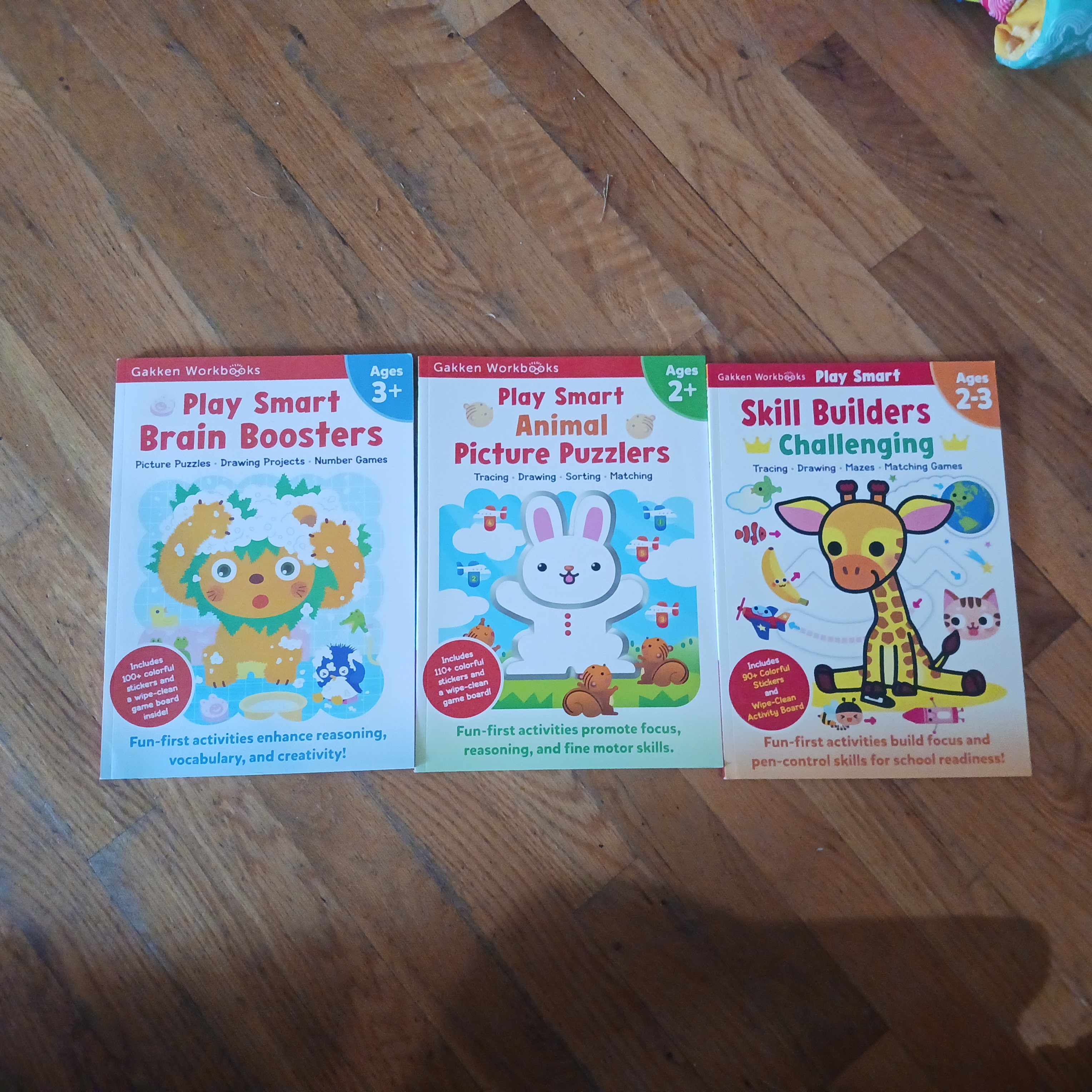
Play Smart Brain Boosters (3+)


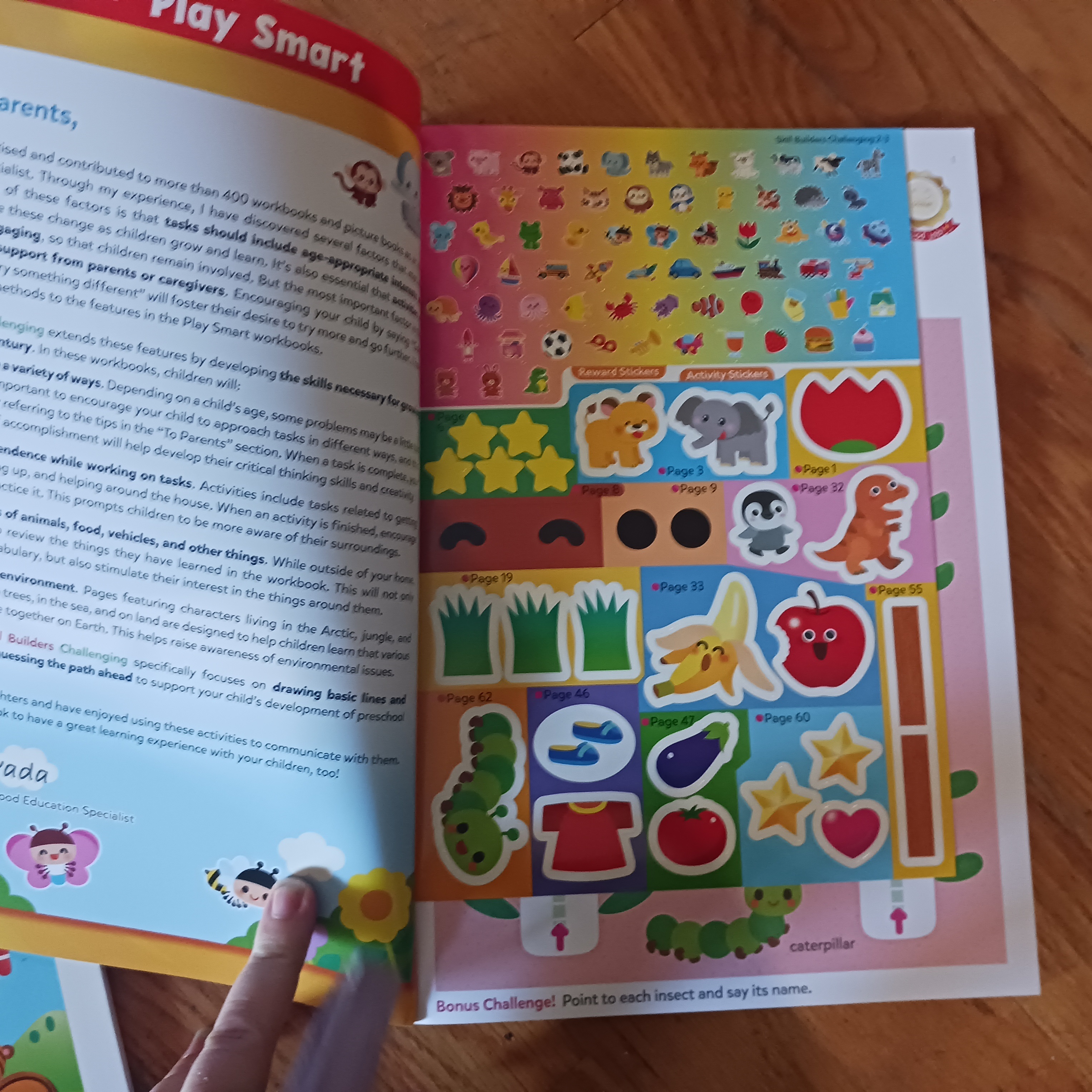
This book contains over 60 pages of picture puzzles, drawing projects, and number games for children ages three and up. In addition, it includes over 100 stickers and a wipe-clean activity mat that allows children to draw different ears on two animal pictures, wipe it clean, and start again.
The activities range in type and style. There are activities with correct answers and others that are more creative. For example, in some activities, the child matches shapes to pictures. In another activity, the child begins with the basic shape drawn and creates a picture of whatever they wish to draw.

Play Smart Skill Builders Challenging (Ages 2-3)


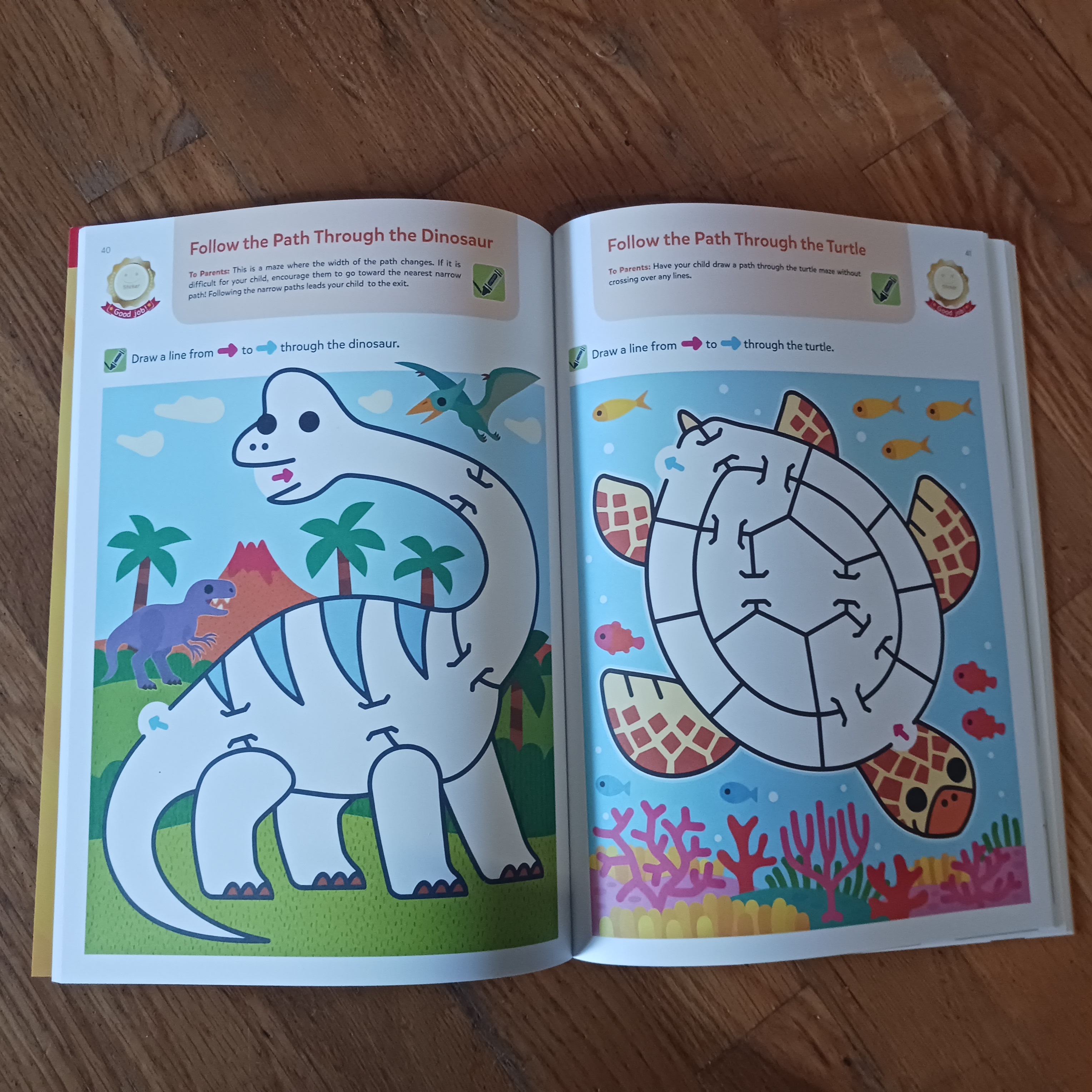
The activities in this book are a bit simpler than those in the brain booster book. There are lots of mazes and different tracing activities. This book also contains over 90 stickers and a wipe-clean activity board maze. Each page is colorful and engaging, with pictures of various animals, flowers, and scenery. The child simply needs a crayon or pencil to complete each activity page.


These would work well as a quiet activity for a parent and child to work on together. The activities promote fine motor skills, pattern recognition, and knowledge of colors and animals.


Play Smart Animal Picture Puzzlers (2+)


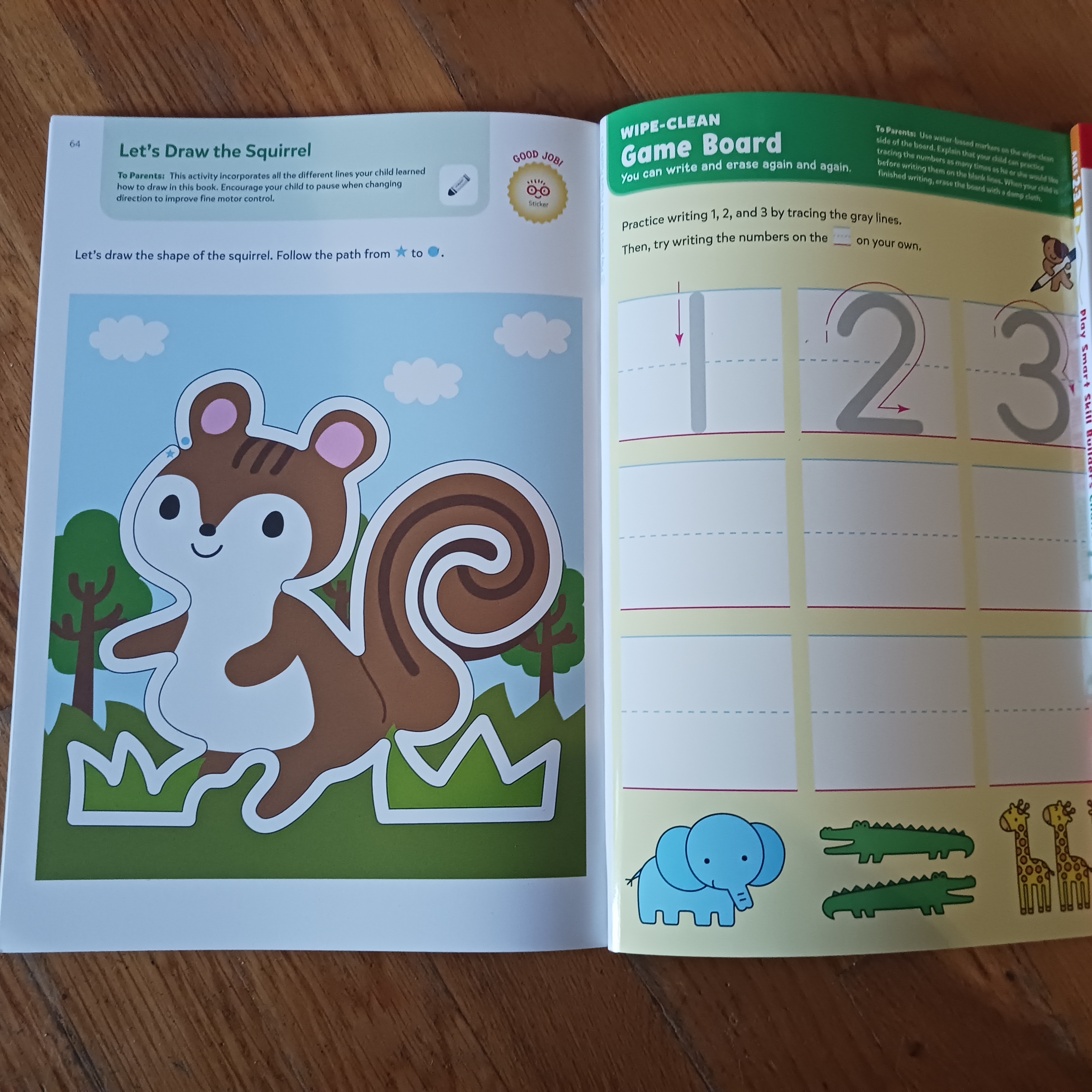
In this full-color workbook, children will work on tracing, drawing, sorting, and matching. They will trace lines in different pictures, including straight lines, curved lines, spirals, and loops. They will also work on counting and recognizing the numbers 1, 2, and 3.
In addition to the over 60 pages of single-use activities, there is a wipe-clean page at the end of the book that assists the student in learning how to write the numbers 1, 2, and 3.


Overall, these Play Smart Workbooks are a great quiet-time activity for preschool students. They promote fine motor skills, matching, patterns, and number recognition. They are bright and engaging and would work well for younger children to do with an adult. Older preschool students could work on activities independently for a few minutes. These are also perfect for those preschoolers who want to ‘do school’ like their older brothers and sisters.
You can learn more about it or purchase your set from Timberdoodle. They are also included in the Timberdoodle Preschool kit.

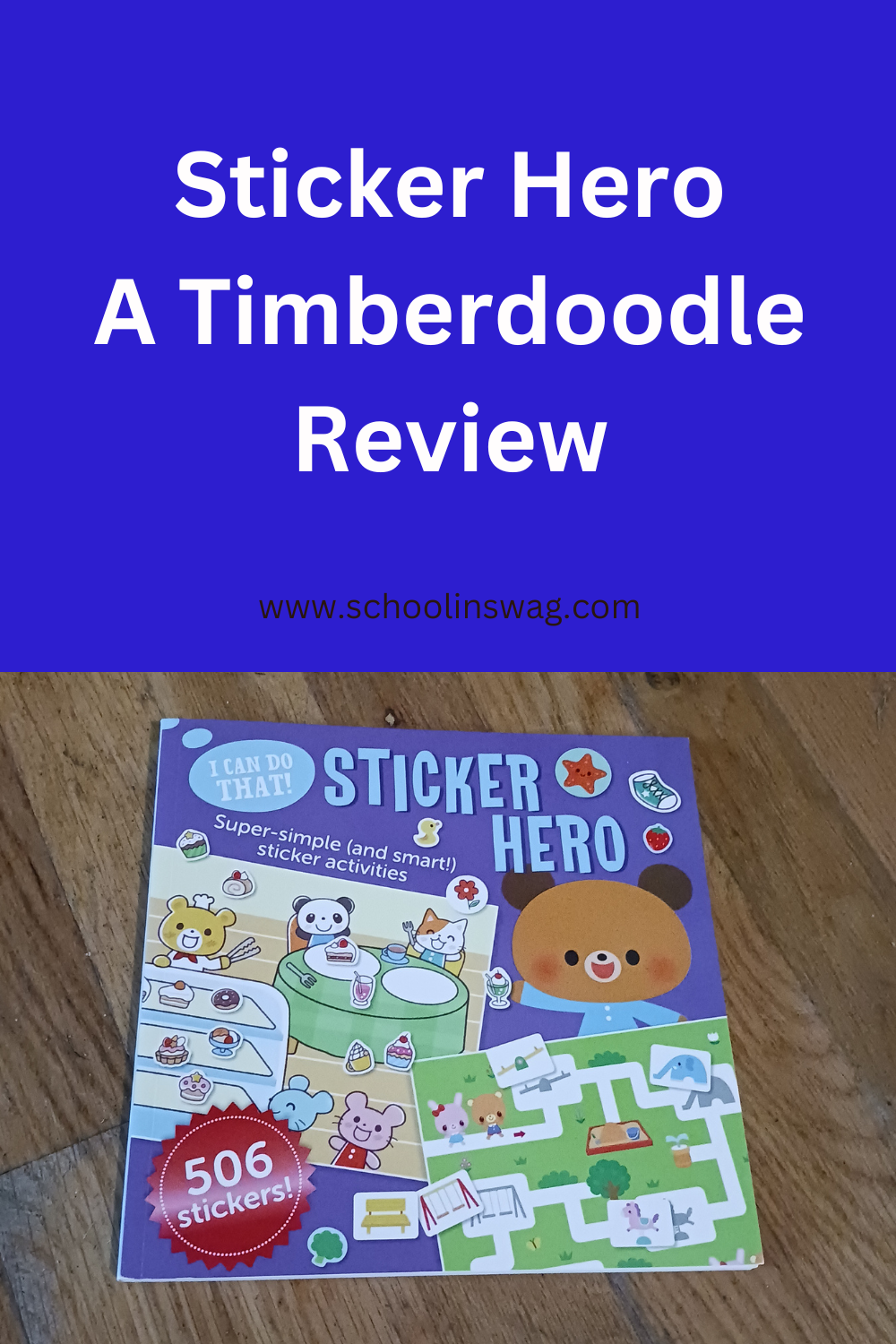
Sticker Hero: A Timberdoodle Review

Stickers are so much fun for children of all ages, whether just using random pretty stickers to decorate a paper or activities that use stickers.  Timberdoodle recently gave me the opportunity to review Sticker Hero, a fun sticker activity book.


What is Sticker Hero?

Designed for ages three and up, this activity book includes 506 stickers and 48 pages of sticker activities. The pages are bright, colorful, and made from thick paper to be more durable for little hands.


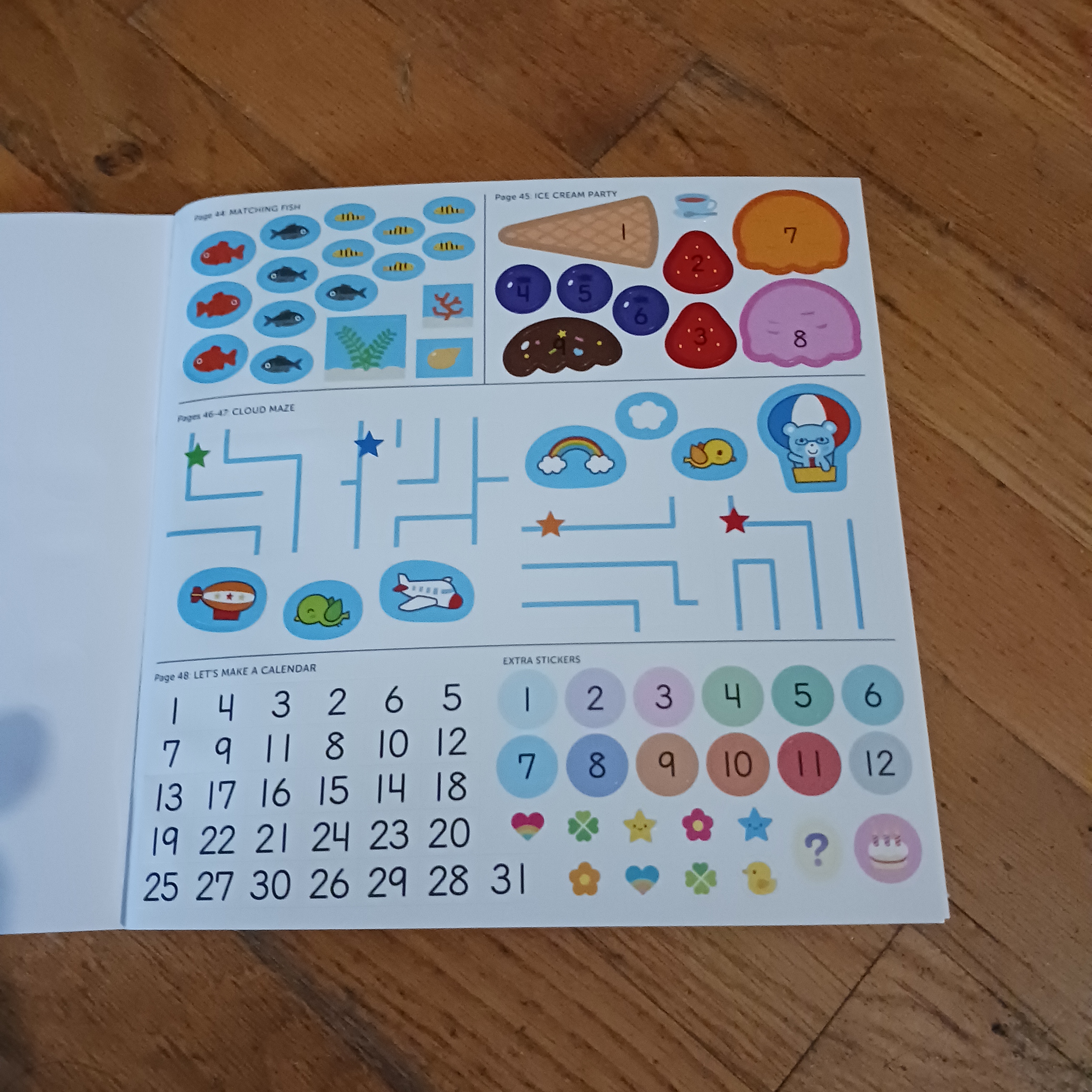
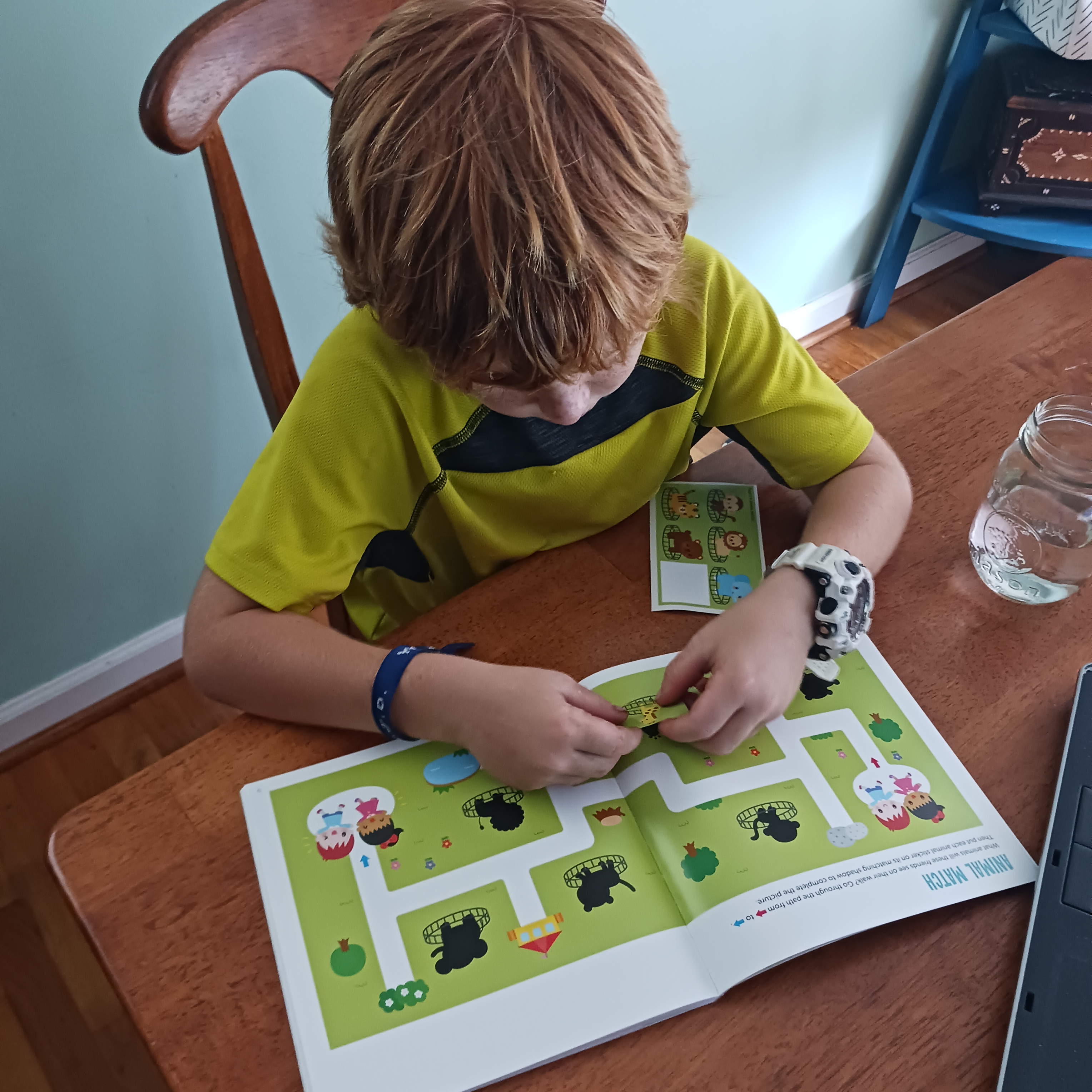
The activities include matching, counting, decorating, mazes, and more. The stickers for each activity are located in the back of the book and conveniently separated by activity. This allows you to either show the child the correct stickers or even take the correct ones from the back of the book to simplify the activity for younger children.


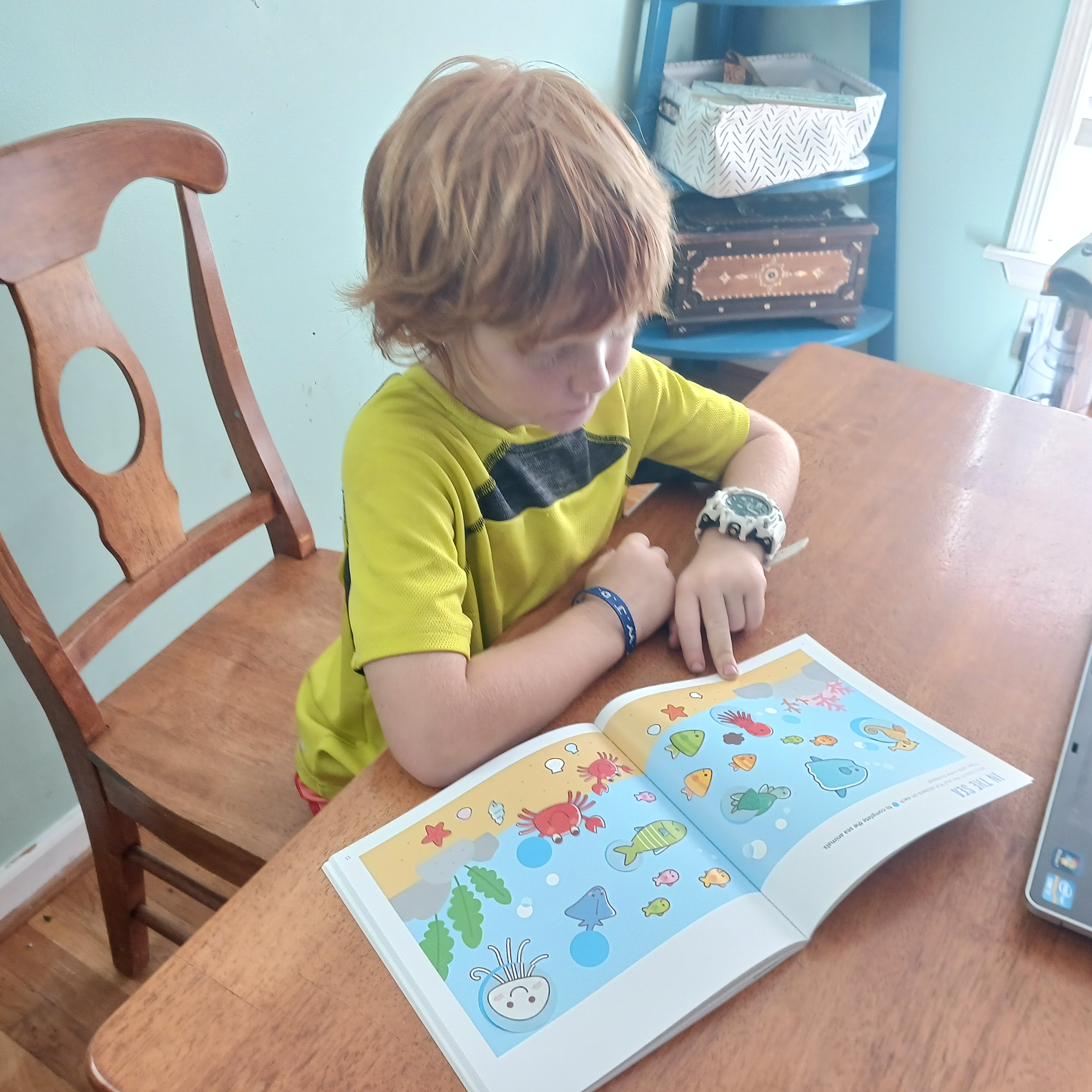
Working with stickers naturally enhances fine motor skills, but these activities also work on counting, sorting, matching, and observation skills. There are even activities to work on the alphabet.


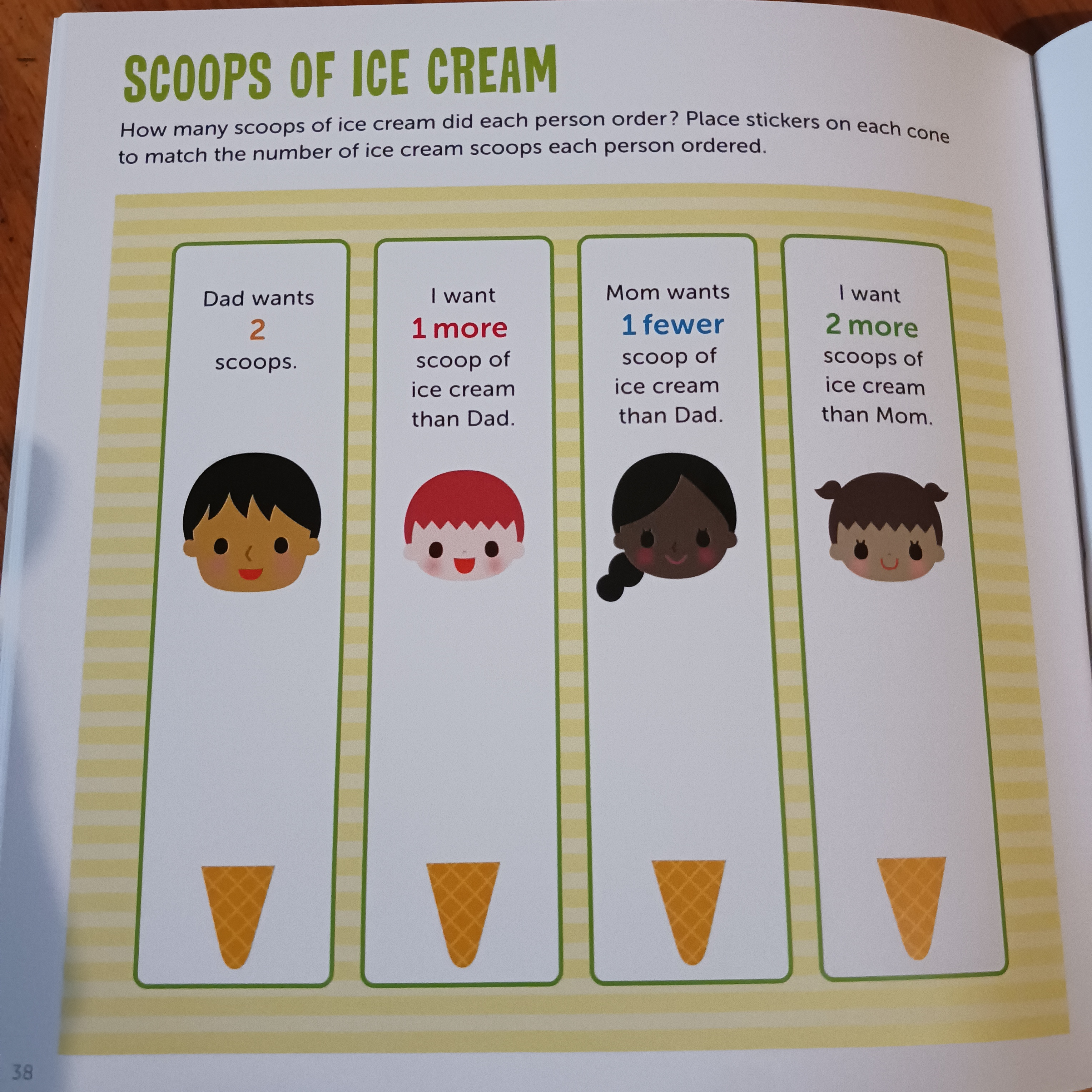
For example, the first activity has a bunch of colorful socks hanging on a clothesline, and the child has to find the matching sock stickers to put beside the one already on the page.  Another activity has them filling in the numbers on a clock, telephone, and remote. There is even a page with word problems, where a child has to work with the concepts of less than and more than to put on ice cream scoops.


Who Should Use Sticker Hero?


Children, especially preschoolers, need lots and lots of physical activity and movement. However, sometimes, you need them to sit quietly for a short time. This might be during learning time at home, sitting through a meeting, or waiting for an appointment. This book is small and convenient for taking on the go, but it is also great for your time at home.


The activities include a variety of levels, and depending on the child, they could be used from around age three to six (or older if a child has a delay or is still working on those skills).


The book could be just a fun quiet activity or it would be easy to incorporate into a homeschool day.

Where Can I Find Sticker Hero?

My son loved it and kept asking to do more pages. While some of them were very basic for him, he enjoyed each activity that he did.
You can see more and purchase your copy over at Timberdoodle. It is available independently or as a part of their Pre-K kit.

Gnome Sweet Gnome a Timberdoodle Review

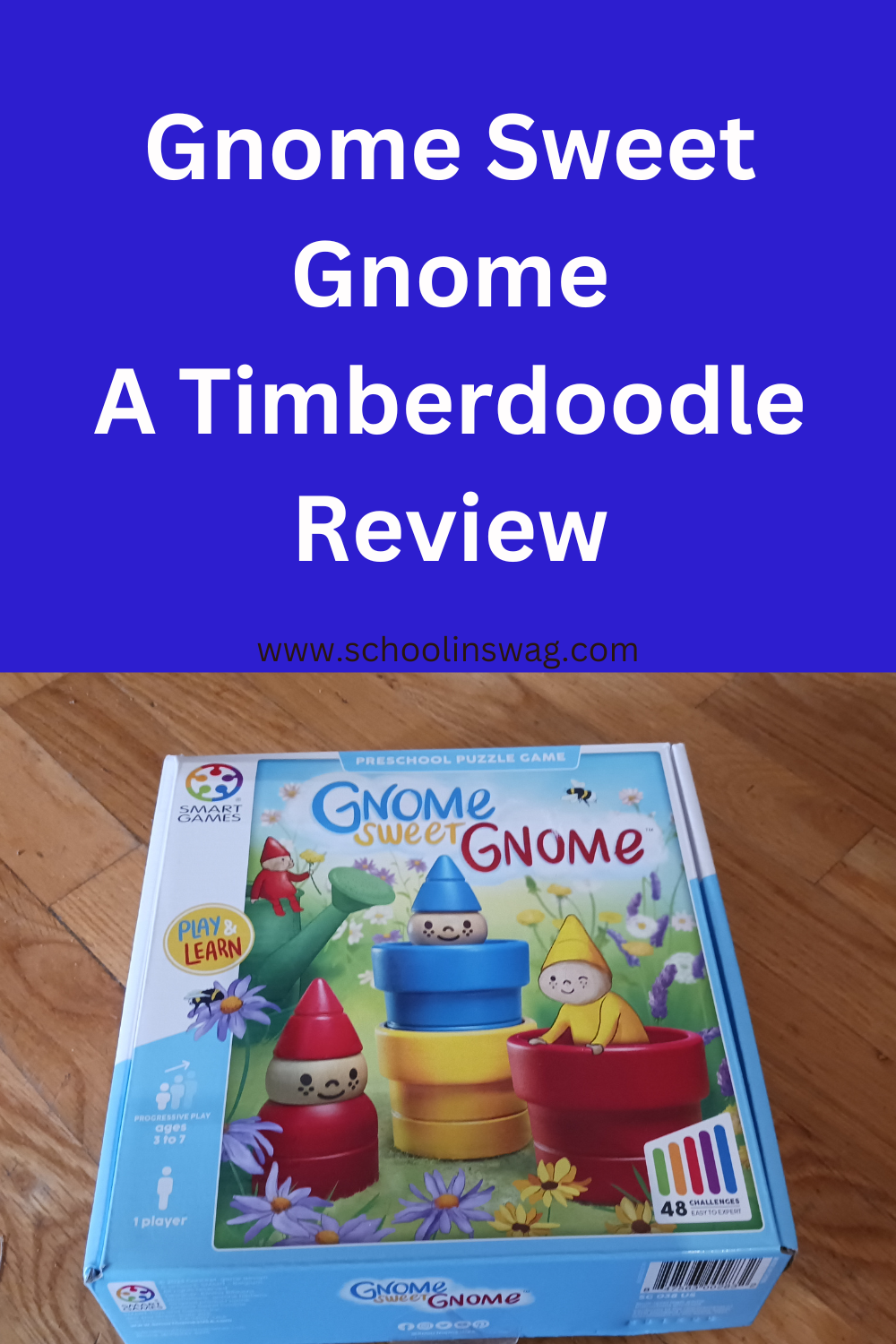
Children learn so much through play, and I love it when I find tools that can help guide that learning while still being fun and enjoyable for the child. I recently had the opportunity to review the game Gnome Sweet Gnome from Timberdoodle.

Gnome Sweet Gnome is a game that children can play independently. It has several different skill levels, making it great for developing skills. It works on fine motor skills, critical thinking, comparing sizes, and color recognition and is great for preschool through kindergarten or first grade.

What is Gnome Sweet Gnome?

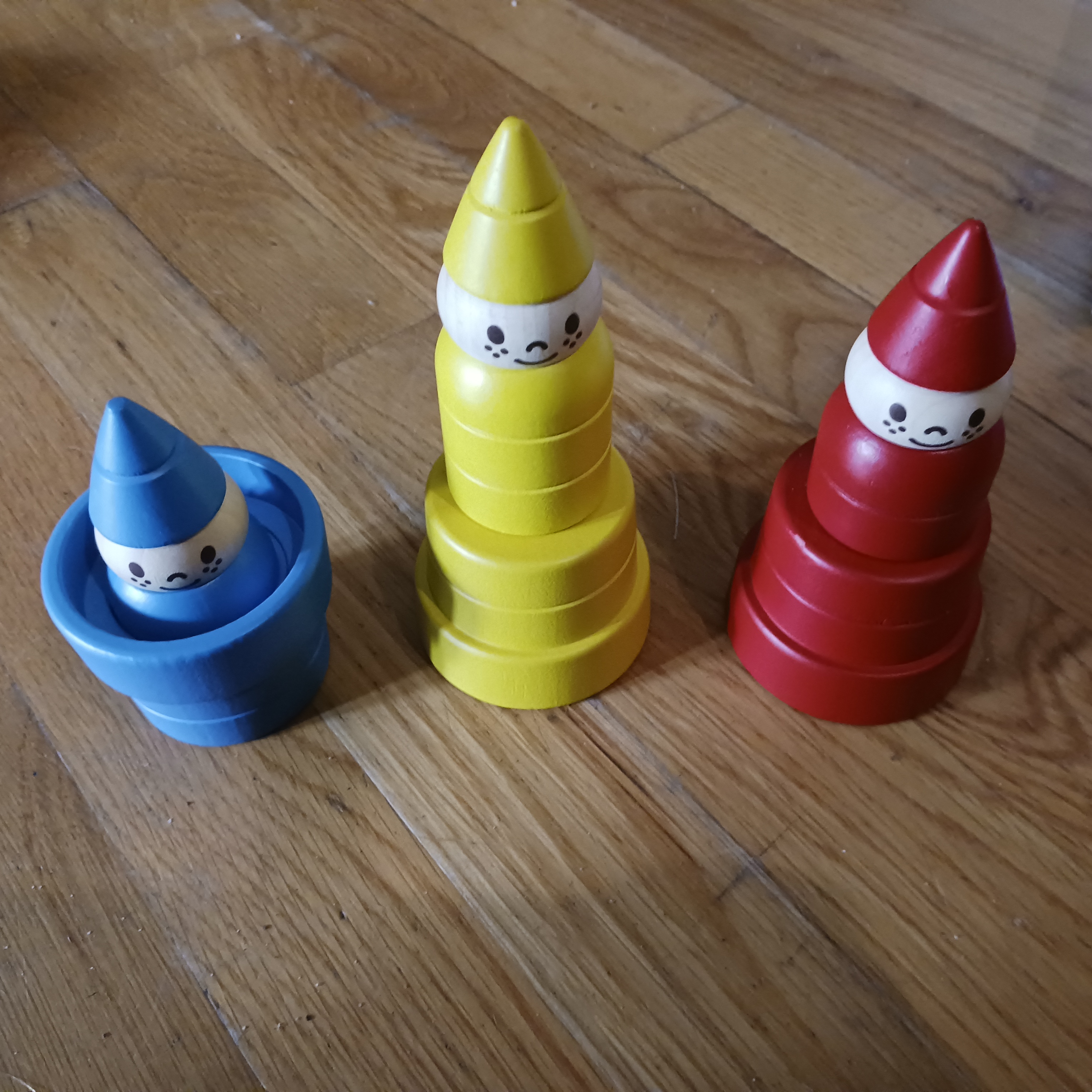
The game includes three different gnomes, each gnome is a different size and color. The Gnomes each come with a matching flower pot, each with a different depth. The different sizes and depths mean that when stacked in different combinations, you can see different amounts of the gnome. For example, if you put the smallest gnome in the deepest flower pot, you can only see the top of his hat.

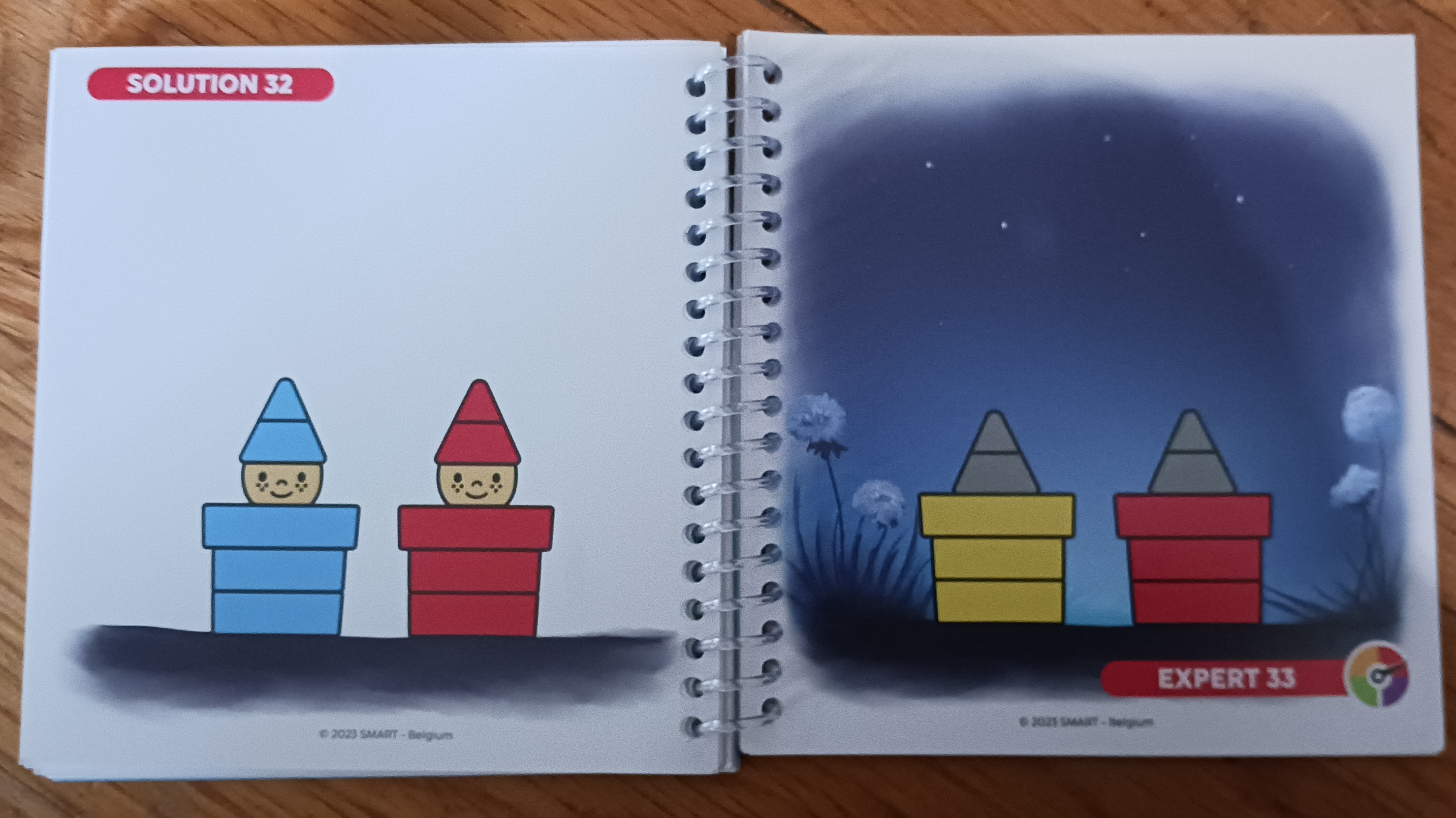
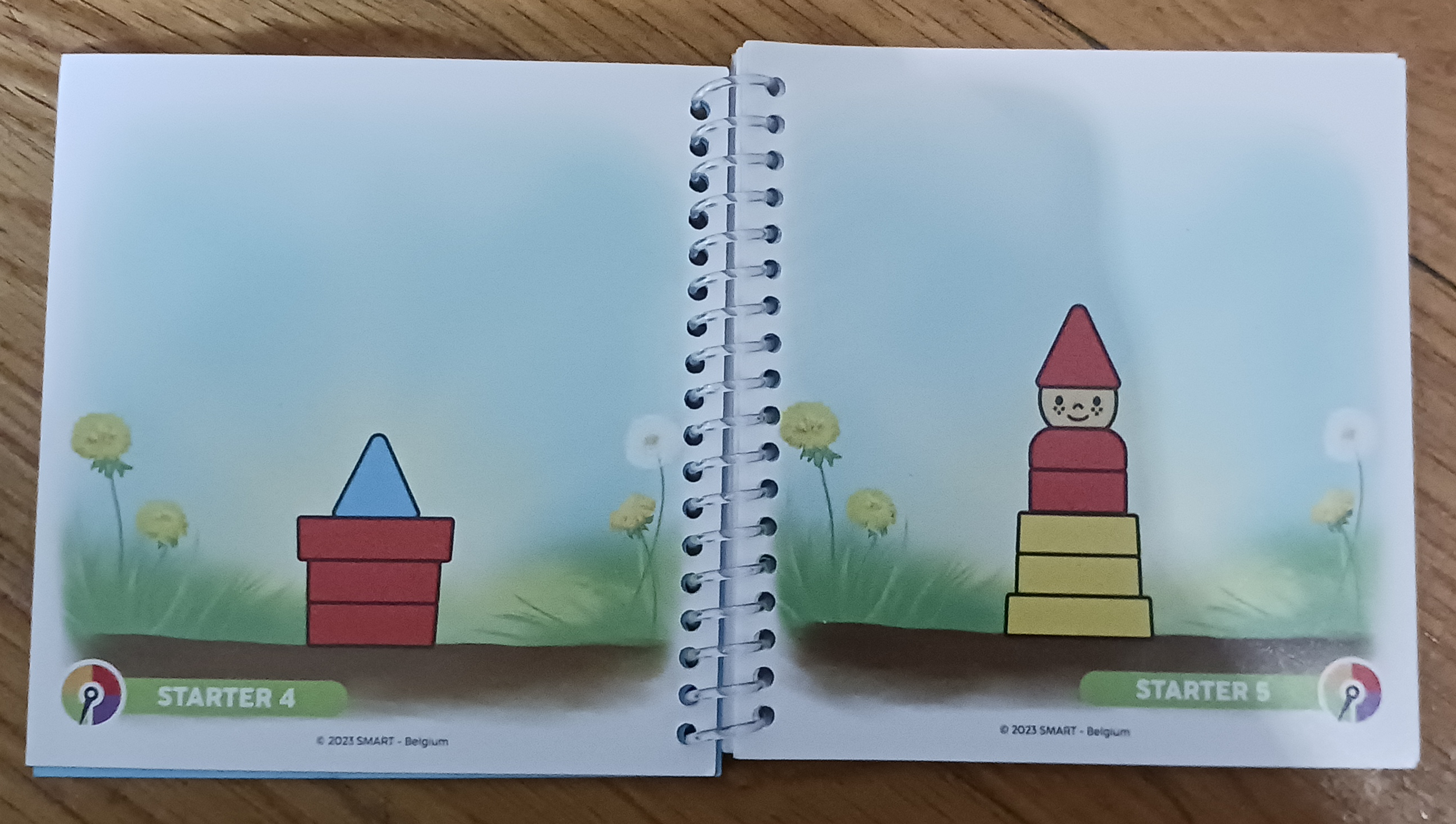
There are forty-eight challenges included with the game (each challenge is a different picture that the child needs to recreate). The challenges vary from easy to expert levels. I loved that the challenges were all enclosed in a spiral-bound book. That means no loose cards that are easy to misplace.

How Do We Play Gnome Sweet Gnome?

The beginning challenges use only a few pieces, and the challenge card shows the color for all of the pieces used. Then, they get a little more challenging by using more pieces but still showing all of the colors. On the final levels of difficulty, some or all of the colors are grayed. Other than the easiest level, all the challenges have a solution picture on the back of the page so the child can check their work.

This game can be completed independently, or a parent could work with the child to check their work and help them problem-solve. Depending on their attention span and ability level, children can work through anywhere from one challenge to the whole book. Younger children can start with the easier levels, and as they get more practice and confidence, they can move up to the more challenging options.

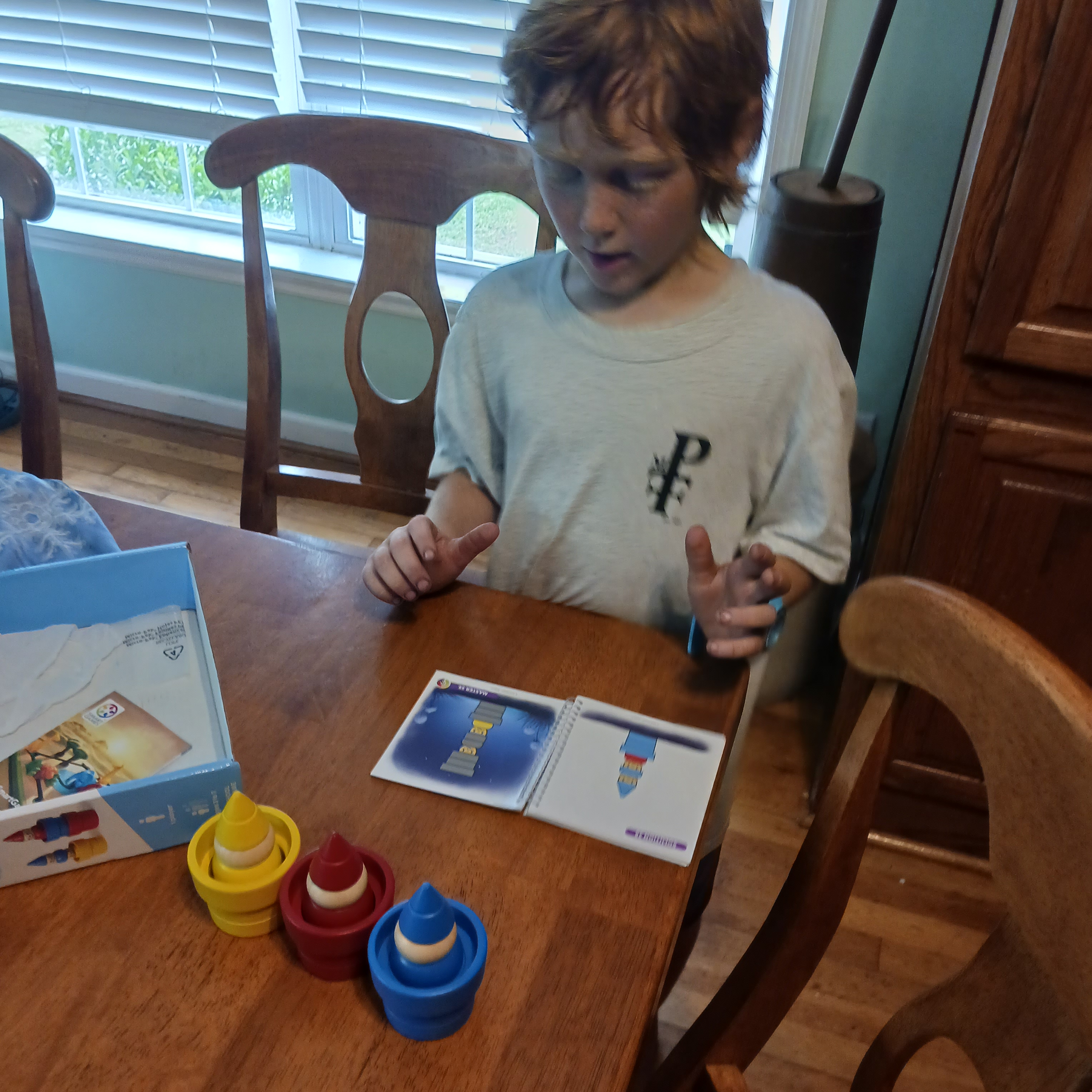
Overall, we really enjoyed this game. My six-year-old wanted to check it out and went through all the levels in one sitting. Even though he had completed them all, he still wanted to play again on other occasions, so it was not a one-and-done activity.

He loves playing Gnome Sweet Gnome!

This is also a great game to prepare students for the more challenging IQ Gears that we reviewed a few weeks ago for Timberdoodle. They work on similar skills at different levels.

Where Do I Find Gnome Sweet Gnome?

I highly recommend this game if you have a young child and want to work on fine motor skills (stacking), colors, or problem-solving. You can find out more and purchase Gnome Sweet Gnome at Timberdoodle. It is also included in their preschool kit.