Tuesday Tips: Do Not Underestimate the Value of Life Lessons in Your Homeschool

Academics are important, but they are not the most important skills we teach our children.

Some of you are nodding your heads, and others are ready to stop reading and call me crazy. No matter which side you are on, hear me out.

Academics are important, and in our home, we strive to make sure that our children have an education that will allow them to pursue whatever options God might be calling them to, which could include entering a four-year university.

However, academics are only third on my list of overarching goals for our homeschool.

  1. To teach my children about Jesus and help lead them to a saving relationship with Him.
  2. To give my children the skills they need to be independent and productive adults.
  3. To prepare them academically for whatever path God leads them to pursue.
Life Lessons in Your Homeschool

What Do You Mean Life Lessons?

In this context, when I say life lessons, I am speaking about learning life skills. This could include any number of skills. For example, cooking, cleaning, making phone calls, setting up appointments, and laundry.

In our home, it also includes our homestead tasks. My children learn to garden, care for their chickens, raise animals, and more. This teaches them skills needed to help provide for themselves and their families, responsibility, work ethic, and more.

Home and car maintenance and repair also fall under life lessons. Car maintenance might be as simple as teaching them to pump gas. I once had a dear friend who owned a car and made it to college without knowing how to pump her gas, which made things very challenging for her.

Life lessons can also include less tangible skills like visiting those who are grieving or sick and sending cards to people who are lonely or going through a tough time.

There have been times when we have been going through difficult family times, and we rarely opened our textbooks. When my grandfather was dying from cancer, and we spent as much time as possible with him, when our town flooded and we focused on hurricane relief work, and the weeks right after our youngest children were born. However, my children learned life lessons far more valuable than we find in textbooks in those times.
How Do You Teach Life Lessons in Your Homeschool?

Sometimes when I hear people talking about something else I need to teach my children, I start stressing about adding another curriculum or one more thing to our daily to-do list.

However, you do not necessarily have to plan life lessons in your homeschool, you certainly do not need a curriculum, and they will lighten your load over time.

Include your children in your day-to-day activities. Have them help you in the kitchen, fold clothes, start the laundry, gather the eggs, or whatever other chores are required. 

Over time, they will do the tasks more and more independently, which benefits them and your home because you do not have to do it all.

As you help those around you or deal with challenging situations, make sure to include them. This will look different for different children and different ages, but children learn so much through being involved.

Resources For Life Lessons in Your Homeschool

If you want a curriculum to help you be more intentional about life lessons in your homeschool, SchoolhouseTeachers.com (aff) has some great electives for home economics, money management, cooking, homesteading, and other life skills.

Do not underestimate the power of simply living life with your children and including them in daily tasks. They will learn skills that will benefit them throughout their lives.

Resource Library and Affiliate Disclosure

When you sign up for the Schoolin’ Swag free resource library you will get a link and password to the library, we are adding to the library each month with new items. You will also get a bi-weekly newsletter email to keep you up to date on what we have going on.

Resource Library 

This post may contain affiliate or referral links, including Amazon affiliate links. As always I will never recommend a product that I don’t believe in and you will never be charged more for purchasing through our links. It does help pay for the costs associated with the blog.
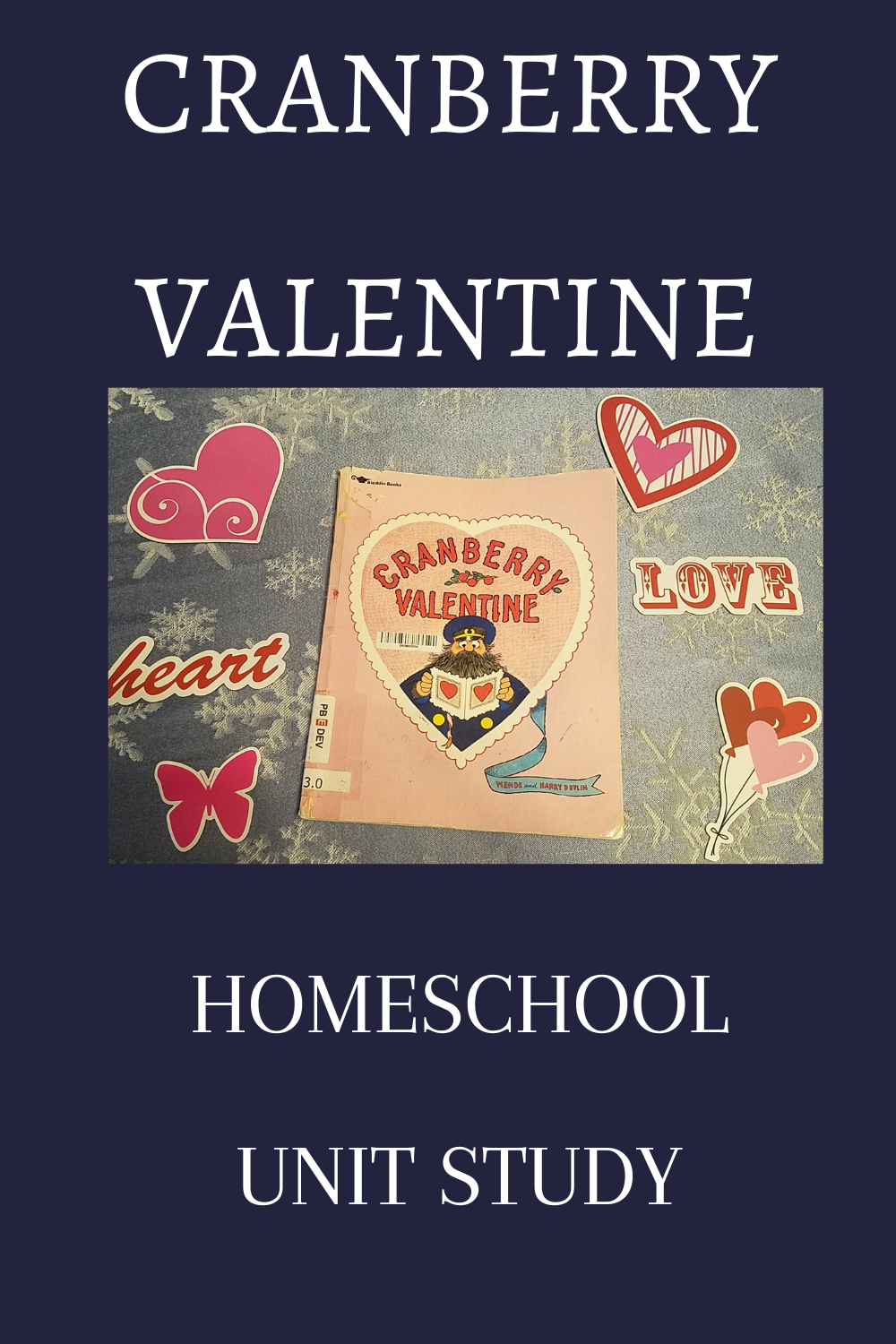
A Cranberry Valentine Homeschool Unit Study

*Some links are affiliate links, see disclosure below*

If you have been following this blog for very long, you probably already know that Valentine’s at our house means ice cream sundaes! My children start reminding me about this fun family tradition by mid-January.

In addition to ice cream sundaes, we love to read Cranberry Valentine. Cranberry Valentine is another book in one of our favorite series; you might be more familiar with Cranberry Thanksgiving.

Cranberry Valentine Homeschool Unit Study

A Cranberry Valentine Homeschool Unit Study

Cranberry Valentine is a fun story involving Mr. Whiskers, Maggie, Grandmother, and the ladies of Cranberryport. We enjoy it because it is a good reminder about the value of friendship and how we can use valentines to help us show our friends how much we appreciate them.

There is a fun recipe for Cranberry Upside Down Cake at the end of the book. You can make this to celebrate after you read the book, or make it ahead of time and enjoy it while you read the book aloud.

Hands-On Ideas for A Cranberry Valentine

Handmade Valentine cards are a great way to add a hands-on component to this study. Depending on the ages of your children, they can create them all on their own, you could cut out hearts for them, or maybe you could write on them, and they could decorate them with crayons and stickers.

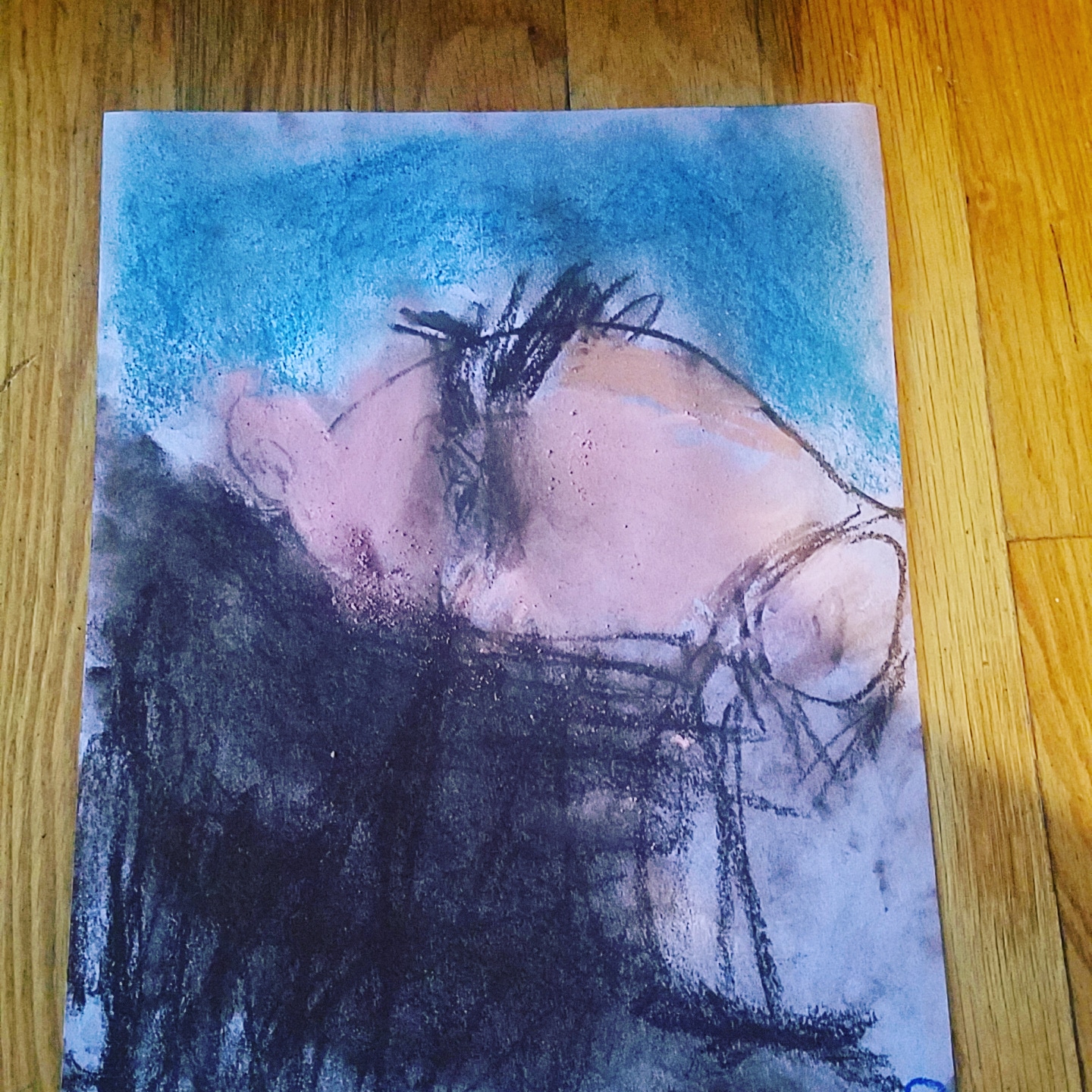
If you want a little more inspiration, you could check out the chalk pastel heart lesson from Nana at You ARE an Artist. It is simple enough for preschoolers and a great start for older children.

These are the perfect cheap and easy gifts for neighbors and friends. It shows them you care and will bring a smile to their faces.

If your children love Mr. Whiskers, you can also check out this Mr. Whiskers art tutorial.

Mr. Whiskers

Science Ideas for A Cranberry Valentine

You can tie science to your Cranberry Valentine study by learning more about this delicious fruit and how it is farmed. There are many resources online, but this blog has some great basic information, and this video is excellent for showing how cranberries are harvested.

If you want to do some science experiments, you can check out this list of 10 fun science experiments with cranberries.

Nature Study for A Cranberry Valentine

We love incorporating nature study into our units. If you have one locally, a cranberry bog would be a fantastic field trip. However, we live too far south for cranberries, so we will study them in our home.

You can grab a bag of fresh cranberries from the store and let your children study them. They can dissect them to see what they look like on the inside. Next, use a magnifying glass or microscope to look at the seeds and different parts of the cranberries.

Then they can draw and write about them in their nature journals. If you need help getting started with nature journaling, I recommend checking out Homeschool Nature Study. They have some great information and printable templates.  

Free Printables for Cranberry Valentine

For children old enough to write and spell, you can add a bit of word practice to your study. I have included a printable pack in the resource library with Cranberry Valentine printables. Your child can make words from the letters in cranberry and valentine.

There are also some fun writing prompts to go along with the book. It always amazes me how much more they enjoy writing about something fun.

Finally, if your children are fond of the If You Give a Mouse series… you can check out this fun Valentine’s Day movie that is free with Amazon Prime.

I hope your family enjoys Cranberry Valentine as much as our family does. We read it every year. I would love for you to share your ideas or experiences in the comments below.

Resource Library and Affiliate Disclosure

When you sign up for the Schoolin’ Swag free resource library you will get a link and password to the library, we are adding to the library each month with new items. You will also get a bi-weekly newsletter email to keep you up to date on what we have going on.

Resource Library 

This post may contain affiliate or referral links, including Amazon affiliate links. As always I will never recommend a product that I don’t believe in and you will never be charged more for purchasing through our links. It does help pay for the costs associated with the blog.
Deals and Freebies

If you have not tried SchoolhouseTeachers.com, you don’t want to miss this sale!

 Journey Homeschool Academy is offering sale if you need a new science program! We love their high school programs and plan to try their elementary astronomy next year.

This is a great resource for lots of amazing printable materials from pre-k to 12th grade and they are offering 40% of lifetime access.

Blessed Assurance Hymn Study

Hymn Study Introduction

“Blessed assurance, Jesus is mine!

 Oh, what a foretaste of glory divine!

 Heir of salvation, purchase of God,

 born of his Spirit, washed in his blood.”

Our family has been doing a Blessed Assurance hymn study this week. This is a beautiful hymn that I have known for many years. It is a lovely classic song found in many hymnals and some contemporary music compilations.

I love the part of the chorus that says, “This is my story, this is my song, praising my Savior all the day long.” It is such a reminder that we should be praising him throughout the day. Hymn studies are one way we try to keep our minds on praising the Lord.

Blessed Assurance Hymn Study

Blessed Assurance Background

Franny Crosby wrote Blessed Assurance in 1873 to accompany the tune created by Phoebe Knapp. Sometimes the hymn itself has an exciting story, but in this case, the hymn writer has her own rich story. Crosby is credited with over 8,000 hymns.

She was born with sight but became blind at only six weeks old. She went to a particular school for the blind and later taught at the same school. She was well educated and well known for her hymns and songwriting. She wrote Blessed Assurance almost immediately upon hearing the tune from Knapp.

Activity Ideas for Blessed Assurance Hymn Study

We always like to start our hymn study by listening to various versions of the hymn. It never ceases to be a blessing. We listen intentionally and sing together as we begin our study, but I also will play it at other times during our day as background music. For example, I might play the hymn while cleaning up the kitchen after breakfast. Listening frequently helps to create familiarity with the music.

Music Performance in Hymn Study

If you have musically inclined students, learning to play the hymn on a favorite instrument is a great way to internalize the song. My daughter enjoys learning hymns on her violin, but you could get started with something as simple as a recorder. 

Since many hymns are older and in the public domain, you can often find free or inexpensive sheet music online.

Take a few minutes and discuss the lyrics with your children. Talk about what they mean and how they might apply to their lives. You might talk about how the writer used rhyme to help the song flow if you have young children.

Printables for Blessed Assurance

Finally, you can download our free hymn study worksheet and copywork pages to accompany the hymn. These pages can help incorporate the hymn into your school day. To access your printables, sign-up for our free resource library at the end of this post.

Blessed Assurance Resources

Sheet Music

Contemporary Style Blessed Assurance: Jeremy Riddle

CeCe Winans and Choir (skip to 1:50 for the beginning of the song)

Alan Jackson Blessed Assurance (with guitar accompaniment)

Celtic Style Blessed Assurance

Carrie Underwood Blessed Assurance

Bluegrass Style Blessed Assurance

I hope this study and these resources are a blessing to your family! Be sure to check out all of our other hymn studies once you finish Blessed Assurance. We try to incorporate different ideas with each study, including nature study, art, and literature.

I would love for you to share your favorite version of Blessed Assurance in the comments. Also, let me know what hymns you would like to see next.

Resource Library and Affiliate Disclosure

When you sign up for the Schoolin’ Swag free resource library you will get a link and password to the library, we are adding to the library each month with new items. You will also get a bi-weekly newsletter email to keep you up to date on what we have going on.

Resource Library 

This post may contain affiliate or referral links, including Amazon affiliate links. As always I will never recommend a product that I don’t believe in and you will never be charged more for purchasing through our links. It does help pay for the costs associated with the blog.
Resources and Ideas for Apologia Swimming Creatures of the Fifth Day

*Some links are affiliate links; see disclosure below.*

Introduction

For the first time since we started homeschooling, I have three students doing three different science courses. We usually enjoy doing science together, but with a 10th grader doing high school level science, an 8th grader who needed a good general science, and a 2nd grader, we needed to do different courses.

We have always loved Apologia for elementary science. My son chose to do Apologia’s Swimming Creatures of the fifth day because he loves the beach. I knew that I had to keep it simple and make it somewhat independent to be realistic with my available time (we also have a three-year-old who sometimes limits my teaching time). 

Swimming Creatures of the Fifth Day Audiobook

My son is a beginning reader but has excellent auditory comprehension. So I looked for resources that would allow him not to be hindered by his reading skills.

First, we purchased the audio version of the text to go along with the hardback version. Audio has been a HUGE benefit for us this year. My son can listen to the chapter while I cook lunch or work with the three-year-old. He follows along in the book and stops to ask me questions as needed.

It has also made it possible for him to do science in the car while we travel or listen to the information again if he doesn’t remember something.

We usually use the notebooking journals when we do these courses, but we decided it would be too much with my son’s reading difficulties. So, I found some other resources that we could use to complement the text.

Other Swimming Creatures Resources

Chalk Pastel Art Lessons

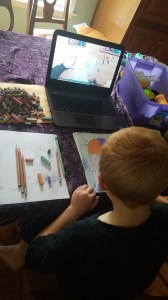
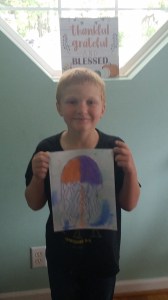
We always love Nana’s chalk pastel art lessons, and she has some excellent, easy-to-follow lessons that fit perfectly with Swimming Creatures.  These are fun for my son and help tie together what he is learning. We are particularly enjoying the seashore and sharks courses, but there are several other courses that have sea life. You can purchase individual courses or the You Are An Artist Clubhouse, which is our favorite because we have access to everything and he can pick and choose different projects each week.

Notebooking Pages

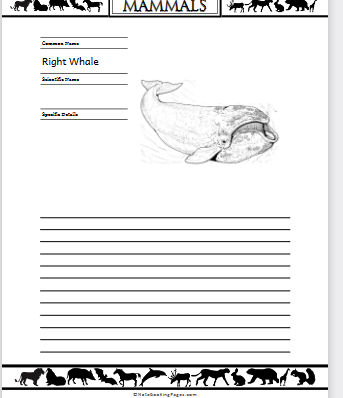
While my son isn’t doing a lot of writing yet, I want to help track what he is learning. I print out one or two notebooking pages per chapter, and he tells me what he knows about that topic. Then I scribe what he tells me onto the pages. We are keeping those in a three-ring binder so that he can look back and see all that he has learned. (There are a huge variety of different pages to choose from for each topic, depending on the child’s level.)

Food

We have to eat, and we love good food. Seafood is a family favorite and a fun way to incorporate a bit of hands-on learning into this study. It doesn’t work with every chapter, but we are trying to source some for any of the lessons that have seafood that we eat. Then we let him look at it and then cook it together. Fish, shrimp, clams, squid are just a few that we will be enjoying during the year. (If you don’t want to cook the seafood, you could go to a local restaurant and try different options.)

Field Trips

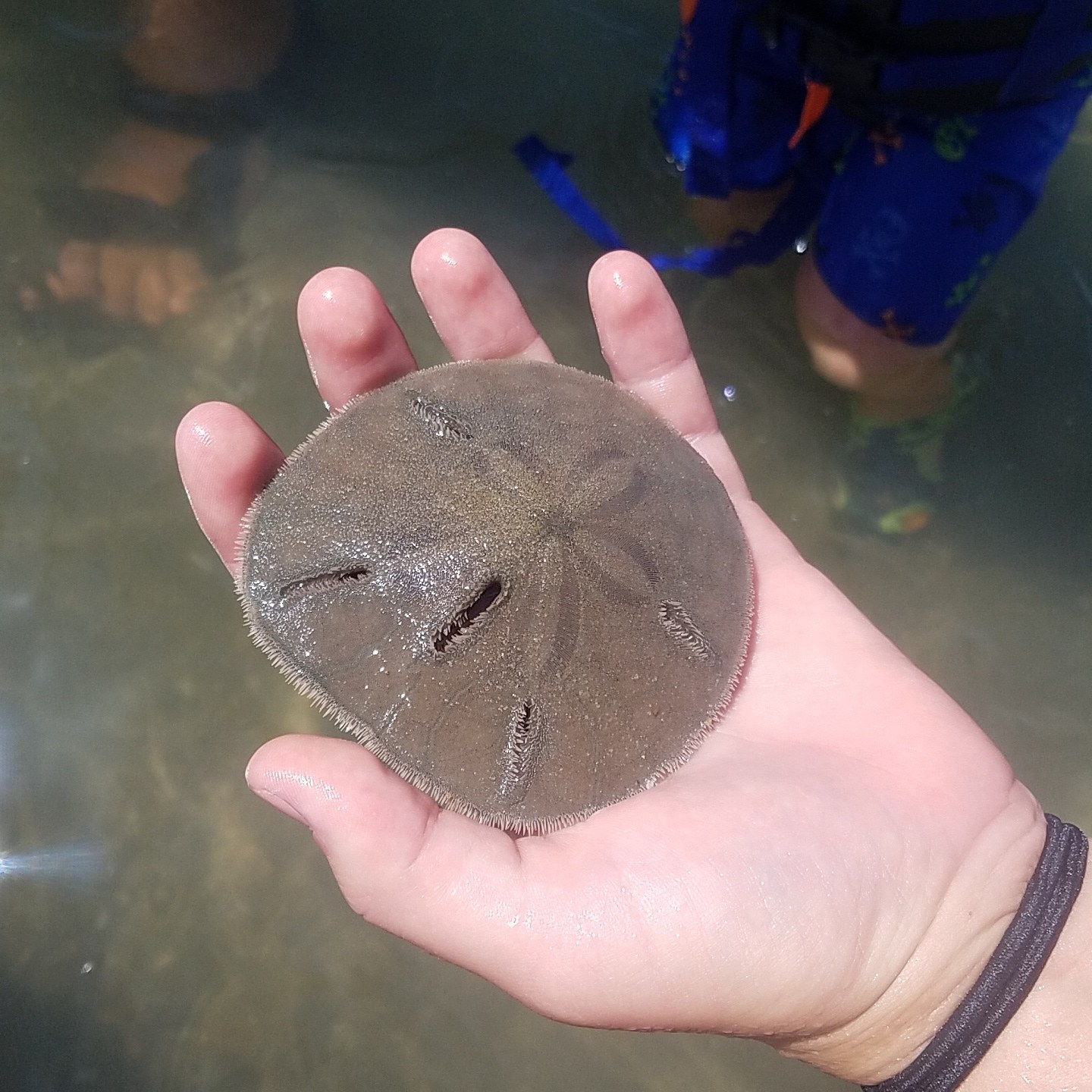
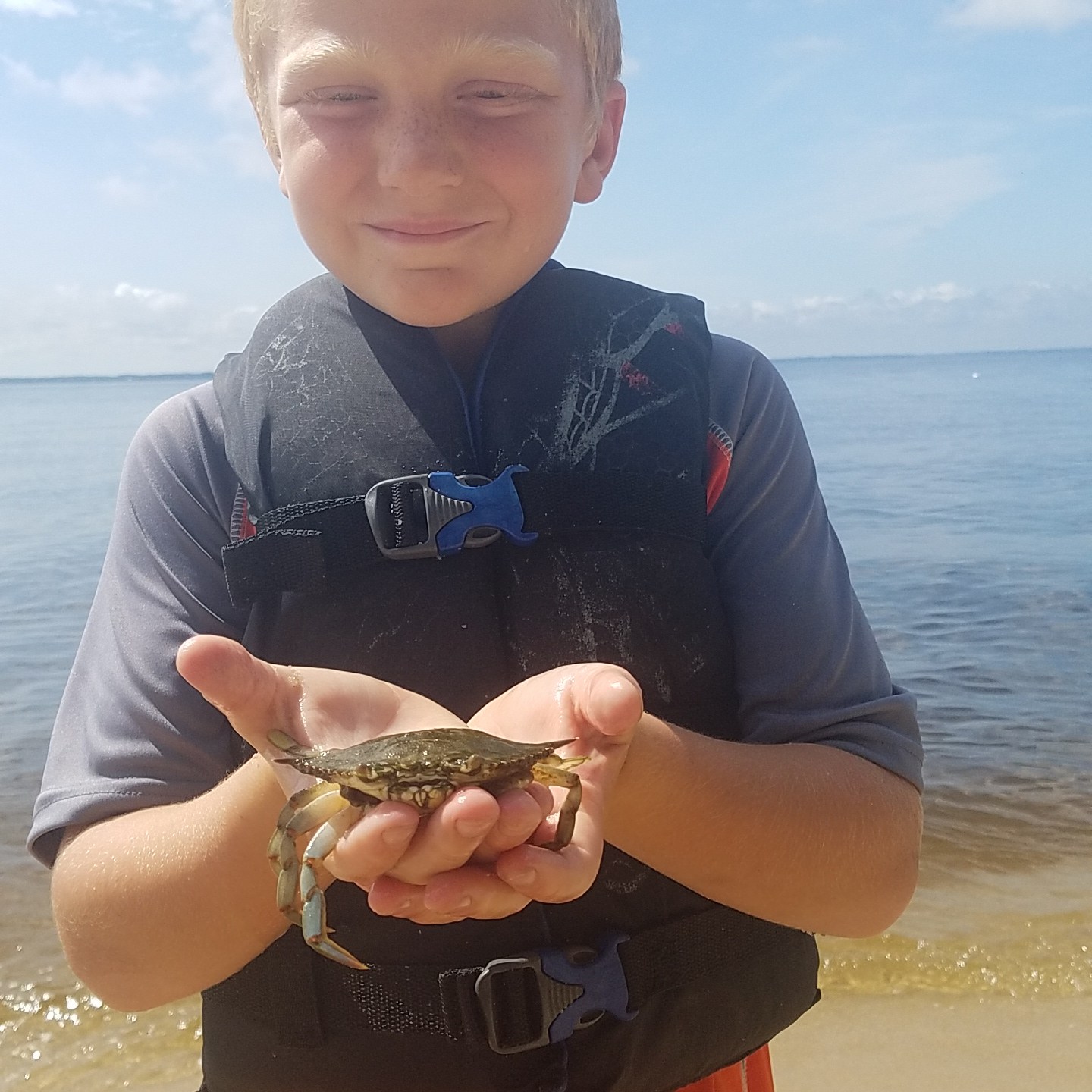
We are blessed to live on the east coast with many excellent field trip opportunities. Before we began our school year, we visited the ocean and a little place nicknamed ‘Sand Dollar Island.’ There we were able to find dozens of sand dollars, hermit crabs, and other treasures.

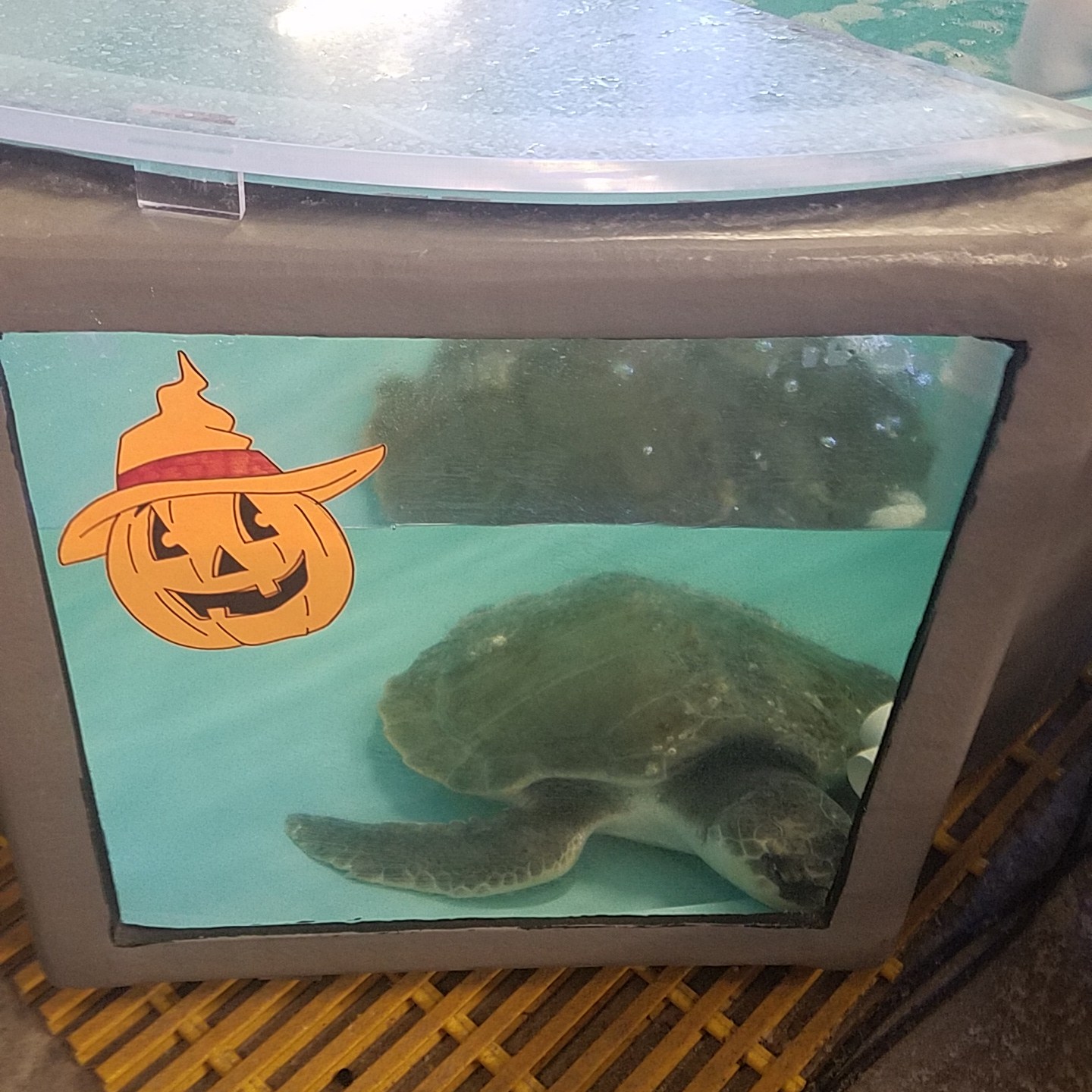
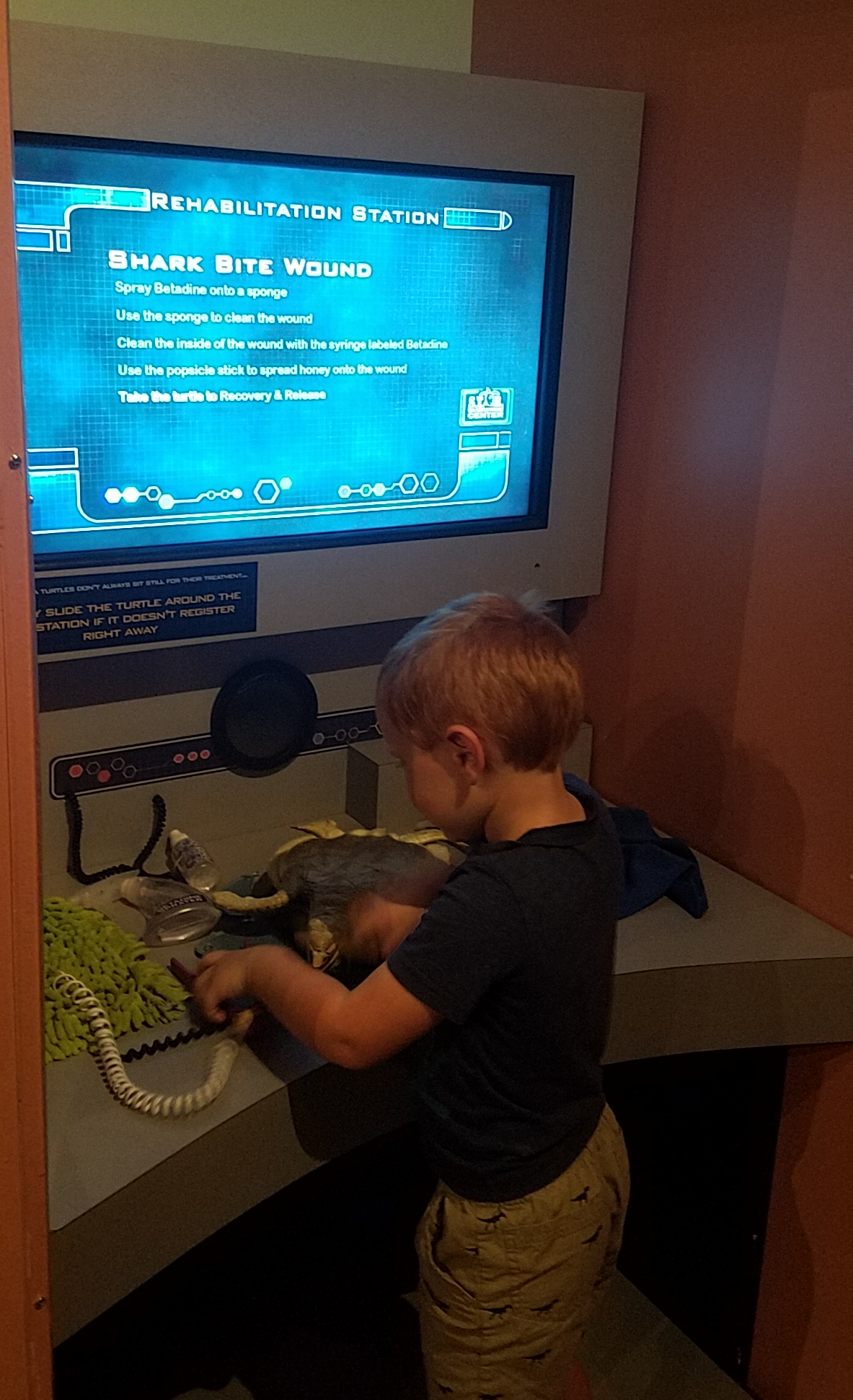
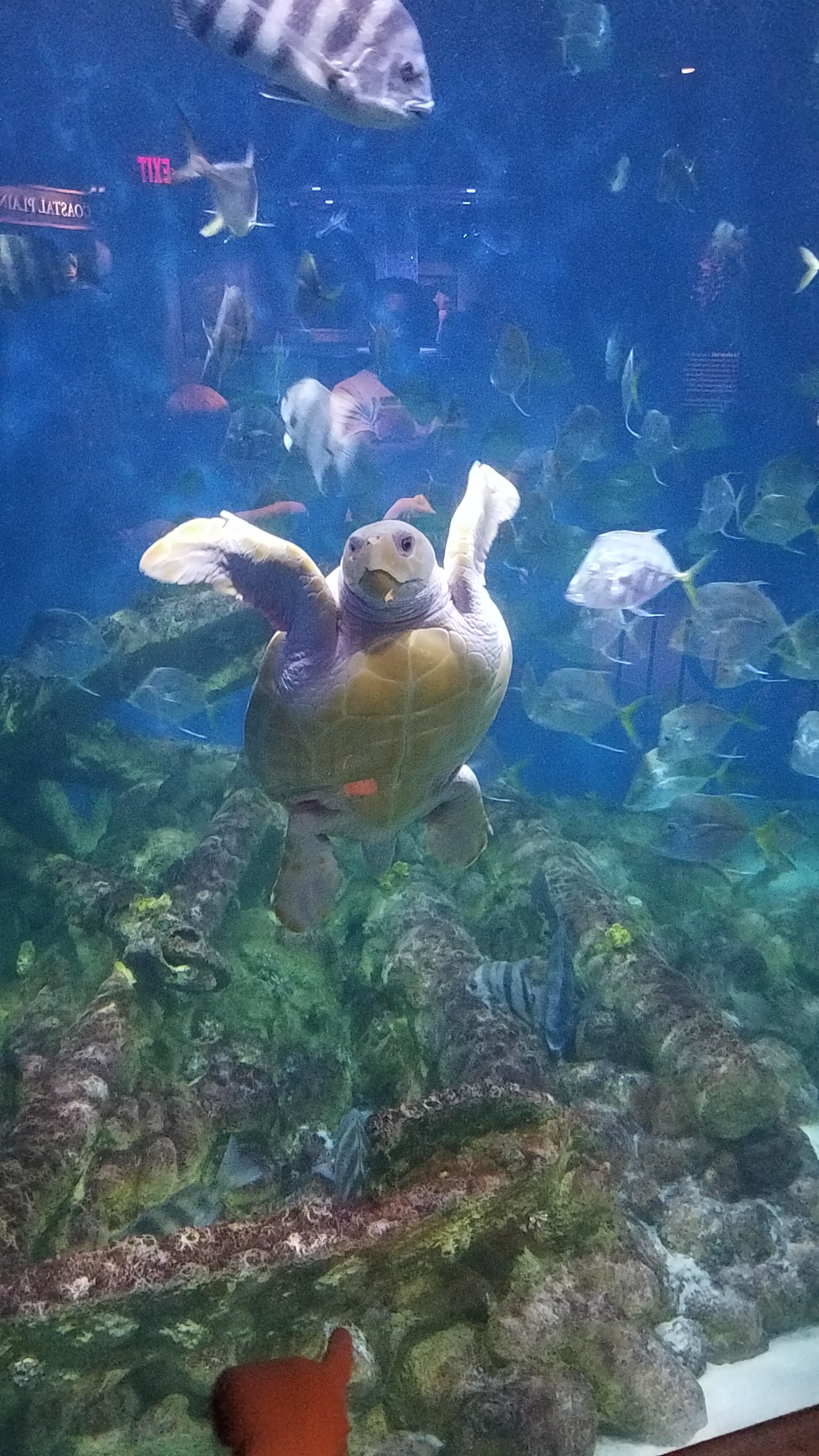
Then a few weeks ago, we went to one of the three semi-local aquariums. In addition to the typical aquarium features, this aquarium has a turtle rehabilitation center. That was the perfect timing to go along with the lesson on aquatic herps.  After seeing the real turtles, my son was able to go through a simulation where he pretended to render vet care to a plastic turtle. If you do not have a beach or aquarium near you, you could go to a local pet store or even a seafood market to get a close-up view of some of the many creatures discussed in this curriculum. In addition, many aquariums and wildlife centers have online resources, virtual field trips, and even live feeds that you can use to get a good view.

Suzanne Tate’s Nature Series

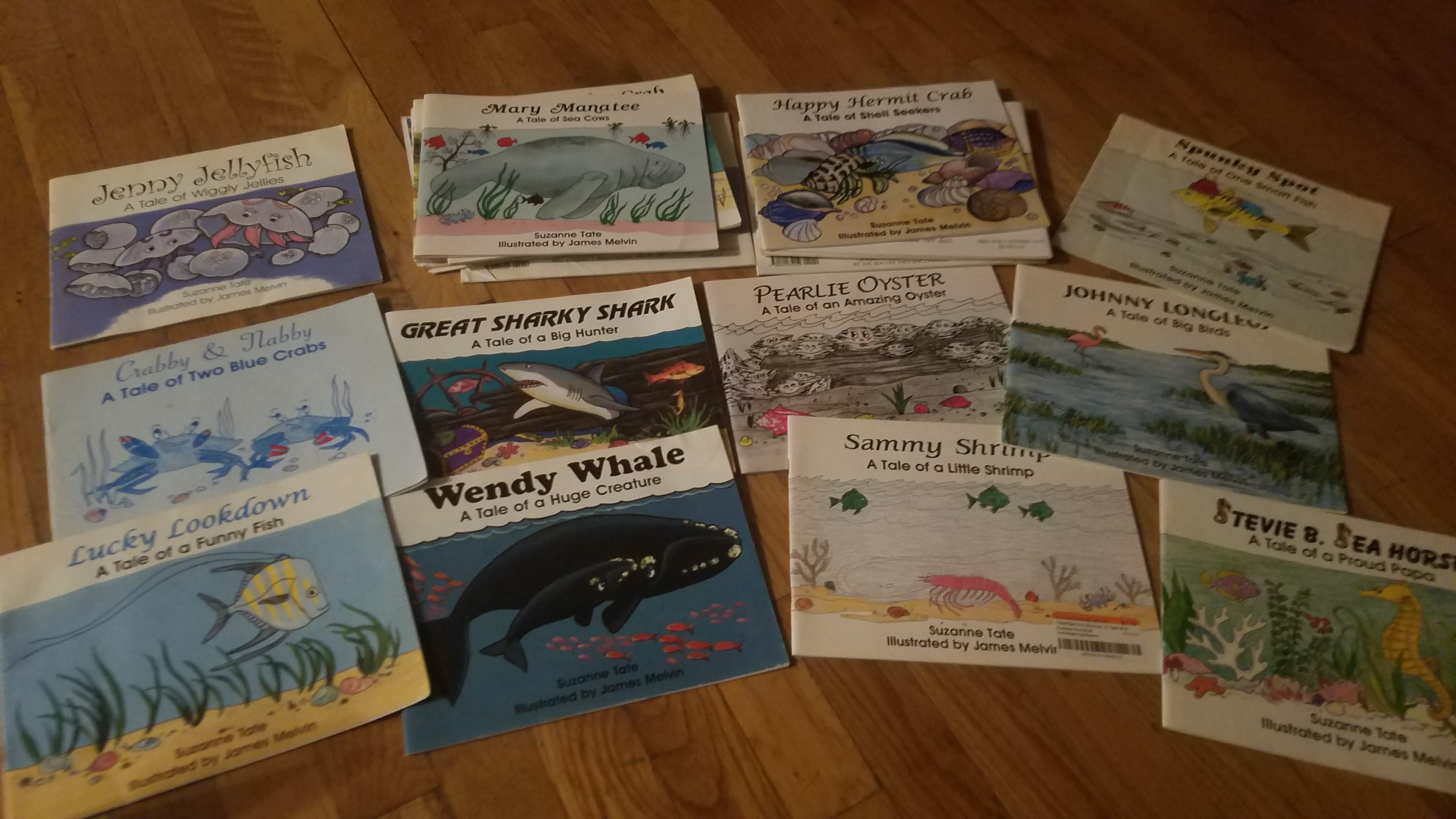
Suzanne Tate’s Nature Series books are a great addition to our studies. We have collected almost all of them over the years (and check for any we don’t have each time we go to a gift shop or store that carries them). They are fun picture books featuring different animals found in the water and around the seashore. You can find out more in my post on Danny and Daisy.

Library Books

Finally, do not underestimate a trip to the library for some picture books to go along with each chapter. I have been going online about a week before we get to a lesson and searching our library system for books about the topic. Then, I simply put them on hold and pick them up the next time we go to the library.

Conclusions

This year’s science may look slightly different for our family, but we thoroughly enjoy working through Swimming Creatures of the Fifth Day. It has been a perfect fit for my son, and with the modifications, we made he can work through most of it independently.  Then we can enjoy the experiments and read alouds together. This has also allowed my three-year-old to enjoy learning along with him.

We love Apologia for the biblical worldview, thorough coverage of the content, and the flexibility to use this program in a way that works best for our family! Swimming Creatures is a big hit because of how interested we all are in marine life and the ocean.  I would love to hear what other resources you enjoy for this program. Share ideas in the comments!

Resource Library and Affiliate Disclosure

When you sign up for the Schoolin’ Swag free resource library you will get a link and password to the library, we are adding to the library each month with new items. You will also get a bi-weekly newsletter email to keep you up to date on what we have going on.

Resource Library 

This post may contain affiliate or referral links, including Amazon affiliate links. As always I will never recommend a product that I don’t believe in and you will never be charged more for purchasing through our links. It does help pay for the costs associated with the blog.
Our 10th Grade Homeschool Curriculum (2021)

*Some links are affiliate links, see disclosure below*

My oldest will be in 10th grade this year. It feels almost unbelievable, as it feels like just a few years ago he was in first grade and we were starting our first year of homeschool.  Last year we learned a bit about what worked well for us and what did not for high school level courses.

As always, there are many great options, you just have to find the ones that are right for your family and your child’s strengths and goals.

Thinkwell Math

Math

First, we were blessed with the opportunity to review Thinkwell Math for geometry last year. This went really well for us and I loved that he could go to office hours to get help each week if needed. They also allowed for a flexible schedule so that we could take our breaks on our schedule.

We enjoyed the combination of support with flexibility and are signed up for Algebra II with them this year. I purchased the self-paced course and we will add in the office hours if we see that he needs the additional help.

I love that while I am available to answer questions, he can complete this course with very little input from me (it has been a few years since I have taken upper level math courses.)

Literature

We used Schoolhouse Teachers last year for literature after our original plan did not work well and plan to continue that for this year. Last year he took a course focused on Tolkien and this year he is doing a course that covers a variety of British Literature.  For literature, he will read and answer the questions that come with the course. We will then discuss the questions together.

History

He is going to take a Modern World History Course from Schoolhouse Teachers. We did ancient history last year and wanted to make sure he had a good foundation in modern history before we move on to US History and Government. This course is set up with readings, writing assignments, maps, and activities.

He will complete most of the assignments on his own and I will grade them. We will also have some discussions about what he is learning and add in a few documentaries.

Livestock Show 2021

Electives

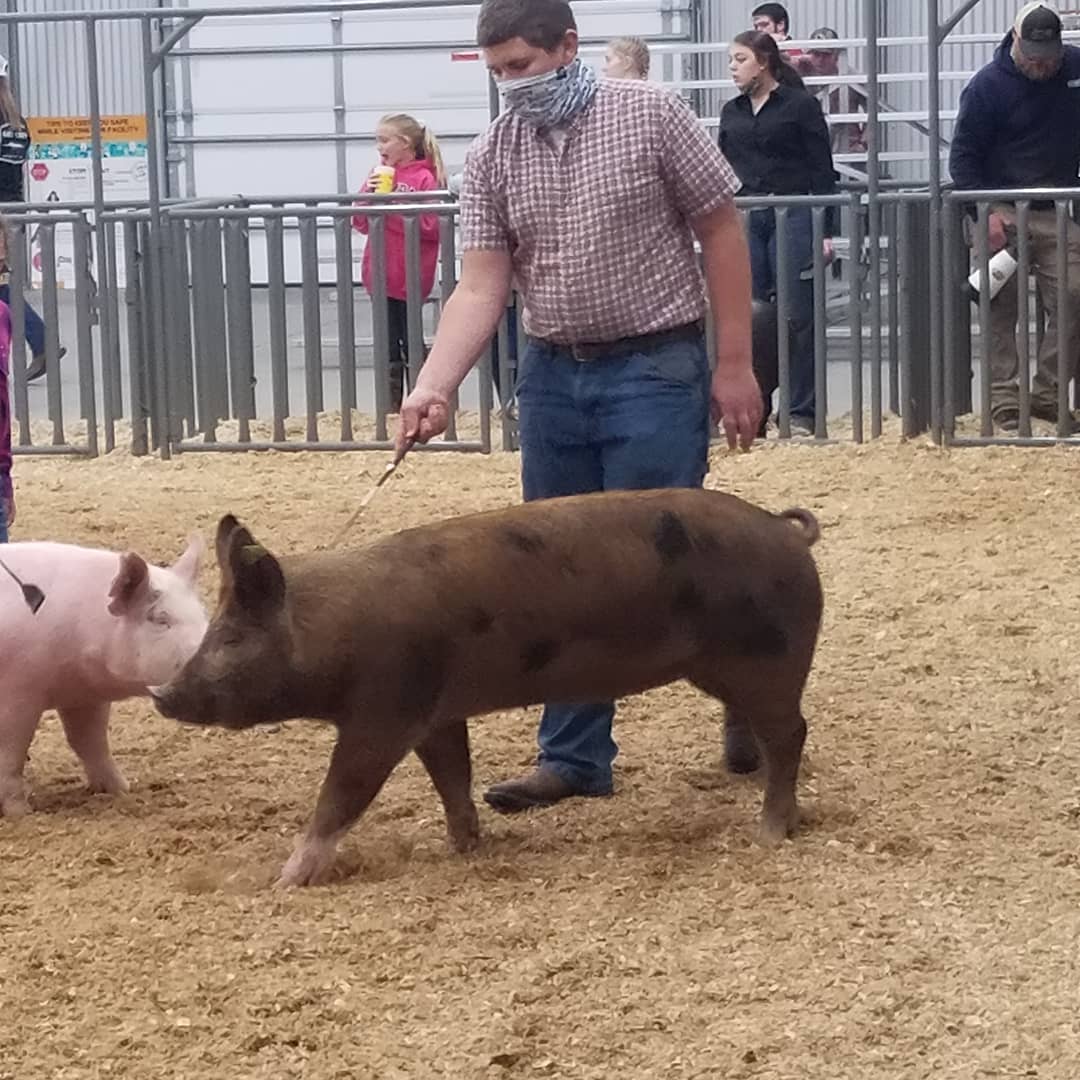
He wanted to take Horticulture and Animal Science for two of his electives. These courses tie in very well to the hobbies and extra-curricular activities he was already doing. They also fit well with his college goals. To facilitate this, I am using 4-H and FFA materials as a guide.

We will also be adding hands-on projects including raising animals for the livestock show, growing a garden, and doing a 4-H presentation about one of those topics.

In the spring, he will be taking Culinary Arts. We are still working on the exact syllabus for this course. However, I know that we plan to use some of the course work from the Home Economics course at Schoolhouse Teachers and some episodes of Good Eats with projects based around the different techniques that he learns.

Playing for the Youth Group Band

Music

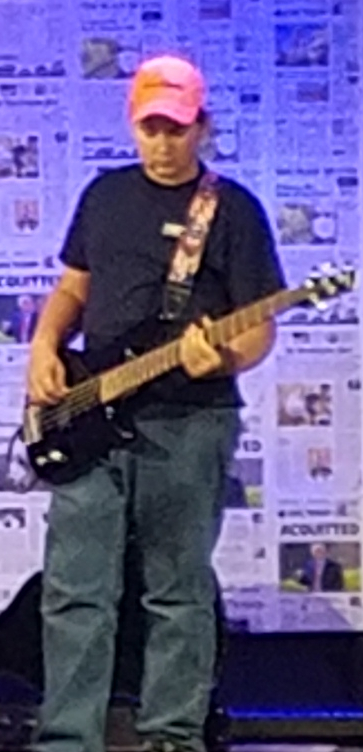
Last year he took Music Performance I and he really enjoys his music so we are doing Music Appreciation and Performance II this year. We plan to continue using Practice Monkeys for his guitar lessons. Last year he did guitar and violin but is planning to focus on guitar this year.

In addition, we will be using Schoolhouse Teachers Advanced Music Theory and  SQUILT Music Lessons for theory and music appreciation. He also has the opportunity to play with our youth group band which gives him the opportunity to perform for other people.

Biology Lab with Journey Homeschool

Science

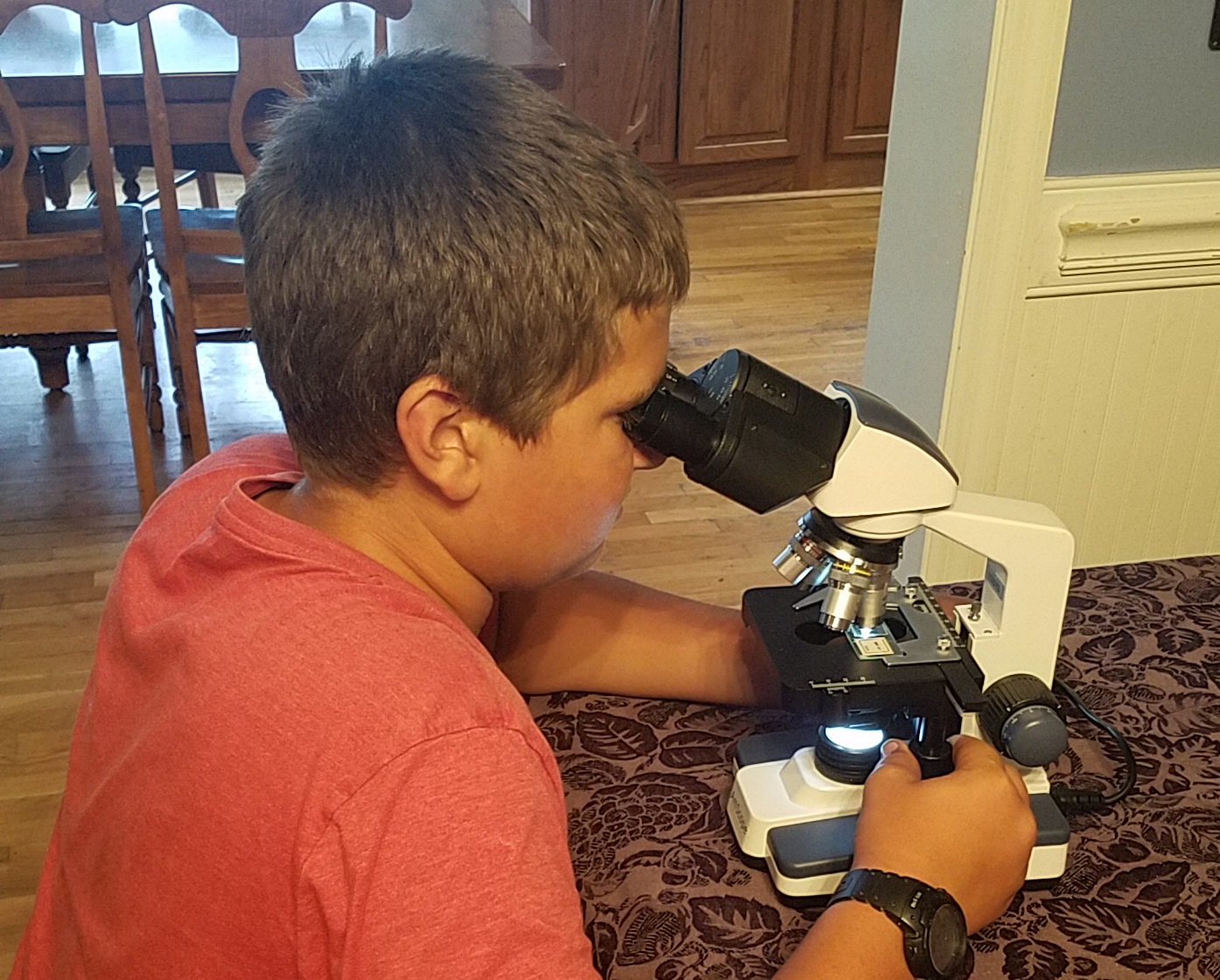
Last but not least is chemistry. Last year we reviewed the biology course from Journey Homeschool Academy. My son really enjoyed it, so we decided to try their new chemistry course this year. The videos were interested and easy to understand but also thorough.

There were tests that they graded and discussion questions and lab reports that I graded.  It was so simple and required very little time on my part, which was important with everything else we had going on.

They have elementary, middle, and high school level science courses. All of their courses are done from a Christian world view.  (If you are interested in Journey Homeschool Academy science courses their open enrollment ends at the end of August.)

Family Studies

He will be joining us for our Bible and hymn study time in the morning, but that will not count as a course. I still feel the family time is an important part of his development.

Overall, we are looking forward to a great year. Since my son wanted to be able to take a few extra days off this fall for hunting and fishing, he has already started some of his courses. We will stay flexible throughout the year as always and change if needed but I think we have a good plan for the year.

What courses or programs do you love for high school? Anything you are trying to find or need suggestions for?

Resource Library and Affiliate Disclosure

When you sign up for the Schoolin’ Swag free resource library you will get a link and password to the library, we are adding to the library each month with new items. You will also get a bi-weekly newsletter email to keep you up to date on what we have going on.

Resource Library 

This post may contain affiliate or referral links, including Amazon affiliate links. As always I will never recommend a product that I don’t believe in and you will never be charged more for purchasing through our links. It does help pay for the costs associated with the blog.
Deals and Freebies

If you have not tried SchoolhouseTeachers.com, you don’t want to miss this sale: Buy One Year Get Another Year Free!

Not Consumed is offering 15% off everything in their store! Great Bible studies, hymn studies, missionary curriculum and more. Use Code: 2NDCHANCE

Evan-Moor is having a 25% off sale one all of their resources!

Use this link to get 15% off at Thinkwell Math! It was a lifesaver for us for Geometry and I look forward to using them for Algebra II next year.

Journey Homeschool Academy is offering a FREE Virtual Open House August 24 at 9pm. This is a great way to find out more about this science program and see if it is a good fit for your family. Get signed-up today!

Bees, Bees, Bees Unit Study

*Some links are affiliate links, see disclosure below for more information*

What do you think of when you hear the word, “bees”? Does it make you scared? Do you think of honey? Do you think of cute little animals or scary stings?

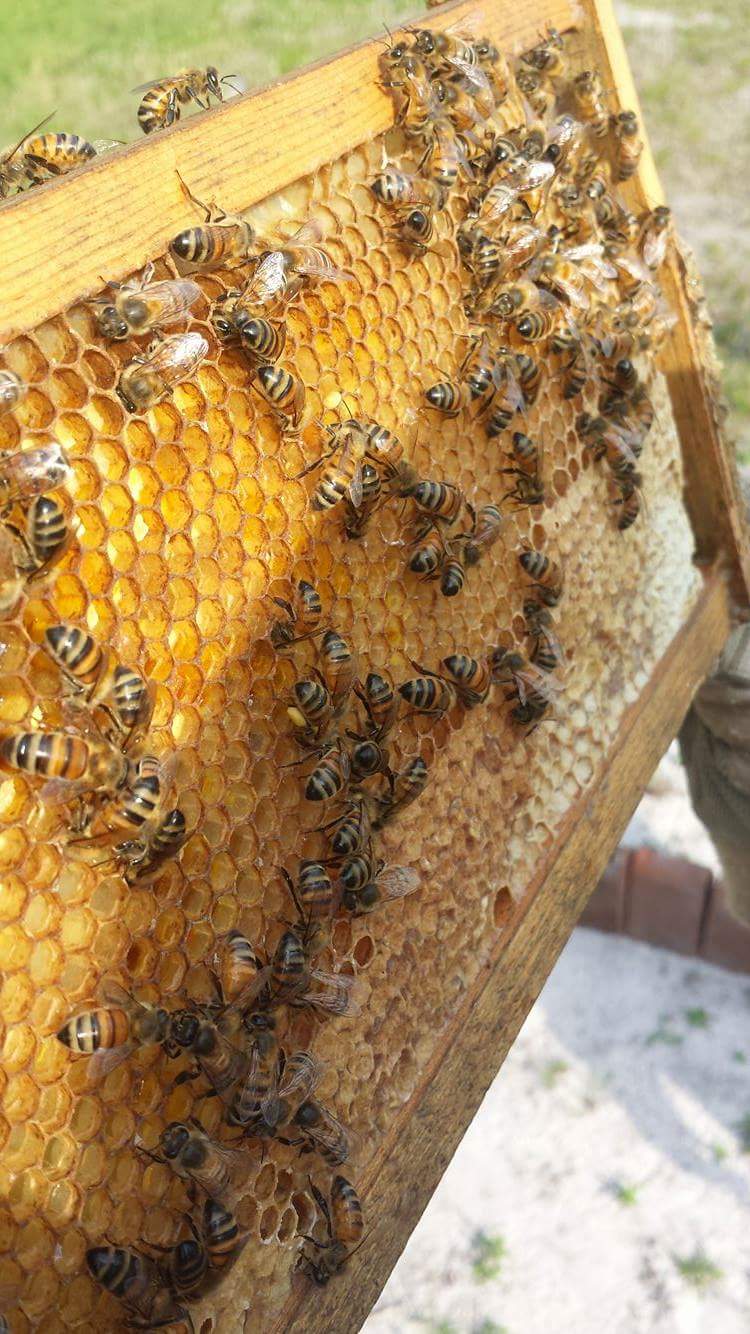
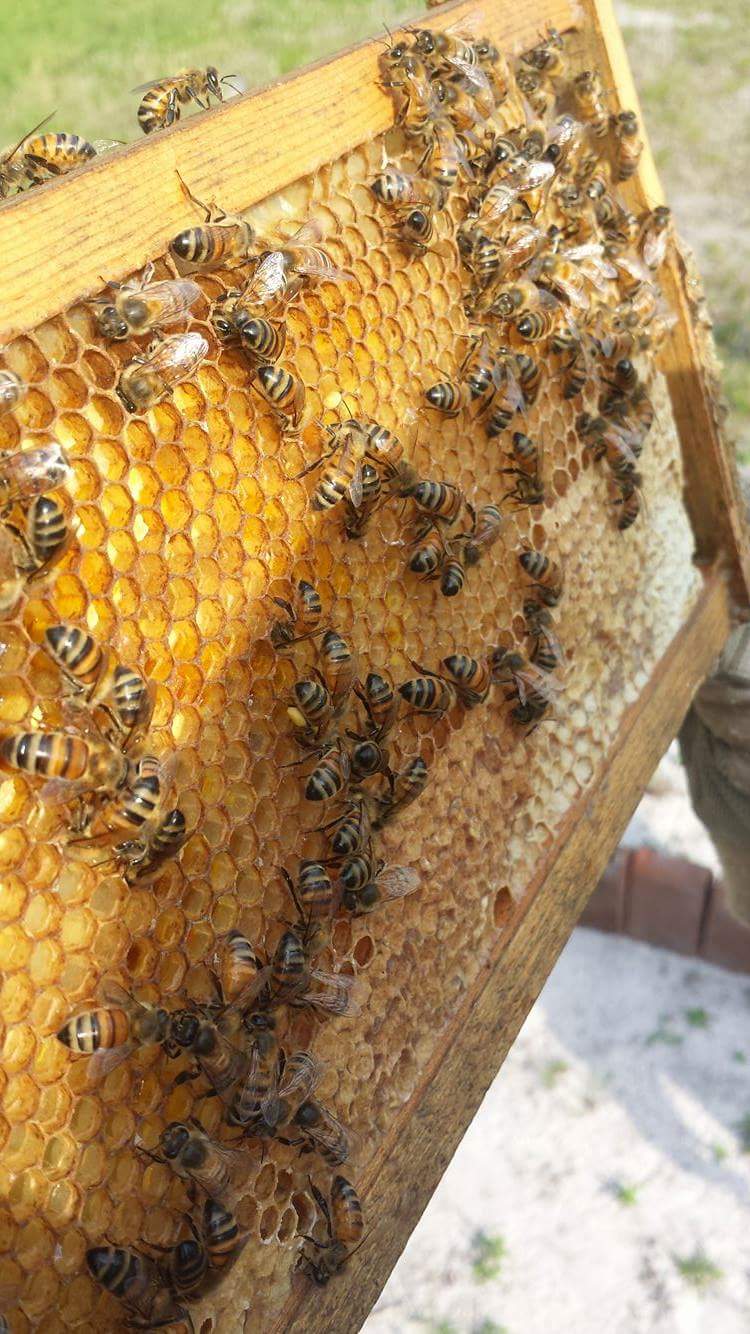
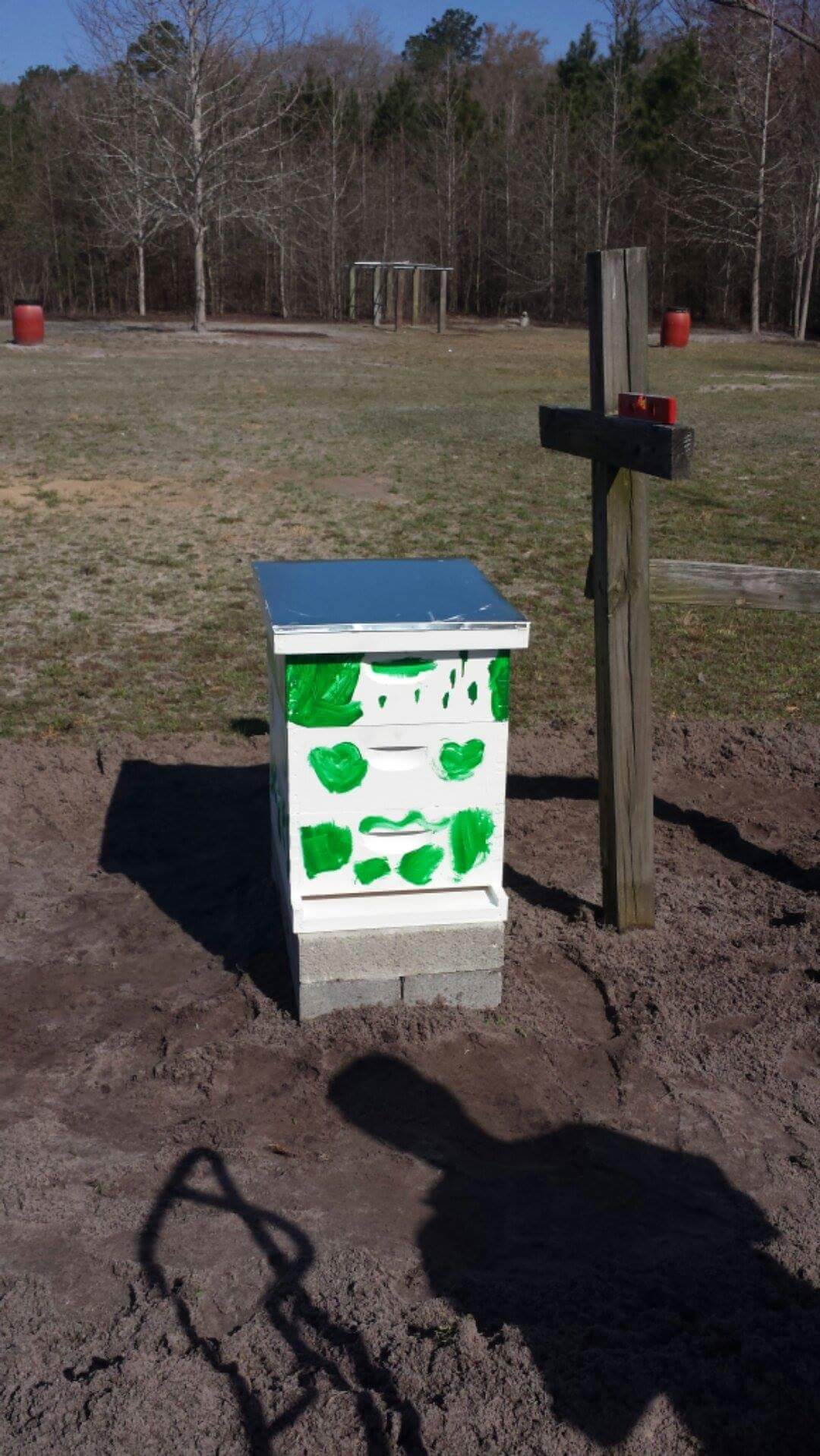
Bees tend to get mixed reactions from folks, but around our house we really like bees. While we do not currently have any beehives, we did keep beehives for several years. During that time I learned a lot about bees and came to appreciate them even more.

Did You Know…?

  • An average hive can hold around 50,000 bees
  • Almost 90% of wild plants and 75% of leading (non-grain) global crops depend on animal pollination.
  • Foragers must collect nectar from about 2 million flowers to make 1 pound of honey.
  • Honey Bees do a dance to tell other bees how to find food.

There is so much more to learn about bees. Even though we don’t always see them or think about them, they are so important in our daily lives. Today I wanted to share some resources that would make for a great family unit study on bees.

There are resources for young children all the way up through teens and adults. This could be a short summer study or even the basis for a full course. It could even be the beginnings a new hobby.

Research and Information

To get started I would suggest spending some time researching bees through some great websites or books. If you are working with younger children you could do this together or pick out the information you want to share with them. For older students, consider giving them the resources and allowing them to do their own research. They could write a paper, design a presentation, or learn the information and teach it to your younger children.  There are many great resources but a few that we like are NC Beekeepers, The American Beekeeping Federation, and Planet Bee.

Courses

If you are looking for even more laid out lessons about bees, there are some great ones included in the SchoolhouseTeachers.com subscription. They have a great section on bees in the All About Animals Lessons.

Another course on SchoolhouseTeachers.com that is great for bees is the God’s Beautiful Creatures course.

If you have teens that want to actually learn to be beekeepers, these online courses offered through North Carolina State University are a great resource. You may also be able to find in-person courses through your local cooperative extension office.

Hands-On Activities

Once you have some basic information it is time for some hands-on learning. There are so many different options with bees. If you have younger children, it could be as simple as making a bee craft. There are some great DIY craft options or you could buy a kit such as these fun Bee Sticker Crafts.

If you have older students that enjoy crafting, they might like this fun bee themed diamond painting kit.

In addition to crafts, we love to include art in our other studies. Nana over at You Are an Artist has an adorable lesson that includes honeybees on sunflowers. It would be a perfect tie-in to this study on bees.

Another great option for hands-on learning is building a bee habitat. You could do one of these wild bee houses of check out this book that turns into a beehive: Turn This Book Into a Beehive and Other Activities.

If you have older children that are very interested in bees they could visit with a beekeeper and possibly get a chance to help out with the hives.

You could also get hands-on by planting flowers and bushes that are good for bees in your yard. This is a great way to support the bees and hopefully get a chance to see them more frequently as they come to feed on the nectar from the flowers.

Food

Honey can be a fun and tasty way to incorporate food into your study of bees! I highly recommend trying to find some fresh local honey, but even a bottle of store bought honey will work. You can eat some plain or find lots of recipes at this honey site.

Older children could even learn about the health benefits of raw honey.

Books/Media

There are so many books about bees! You can find fun fictional books, beautiful picture books, informational books, and even detailed beekeeping books. You could even start with Winnie the Pooh and talk about his honey jar!

I have shared a few good ones to get you started and I am sure your local library would be happy to help you find a great selection for whatever age group you are teaching.

Bees are so much fun to learn about, so important to our food supply, and great for all ages. I hope you enjoy these resources. I would love to have you share your favorite bee books and resources in the comments!

Resource Library and Affiliate Disclosure

When you sign up for the Schoolin’ Swag free resource library you will get a link and password to the library, we are adding to the library each month with new items. You will also get a bi-weekly newsletter email to keep you up to date on what we have going on.

Resource Library 

This post may contain affiliate or referral links, including Amazon affiliate links. As always I will never recommend a product that I don’t believe in and you will never be charged more for purchasing through our links. It does help pay for the costs associated with the blog.

Deals and Freebies

If you have not tried SchoolhouseTeachers.com, you don’t want to miss this Bumble Bee sale! It is a great way to try out some of the fun courses about Bees or find some great summer electives. You can even get started on your planning for next year!

YWAM Heroes of History: Thomas Edison (Review)

Disclosure: I received this complimentary product through the Homeschool Review Crew

When the opportunity to review a book from the Heroes of History series by YWAM Publishing arose, the only question was which title we would choose. We love the YWAM Publishing biographies and were excited about the chance to review a new title!

We have used titles from these series as read-alouds, pleasure reading, and as part of literature study for my older students. There are so many great options.

YWAM Publishing

For this review, I decided to let my daughter choose the book and use it as part of her literature studies. After looking over the various titles, she chose to read the book about Thomas Edison.

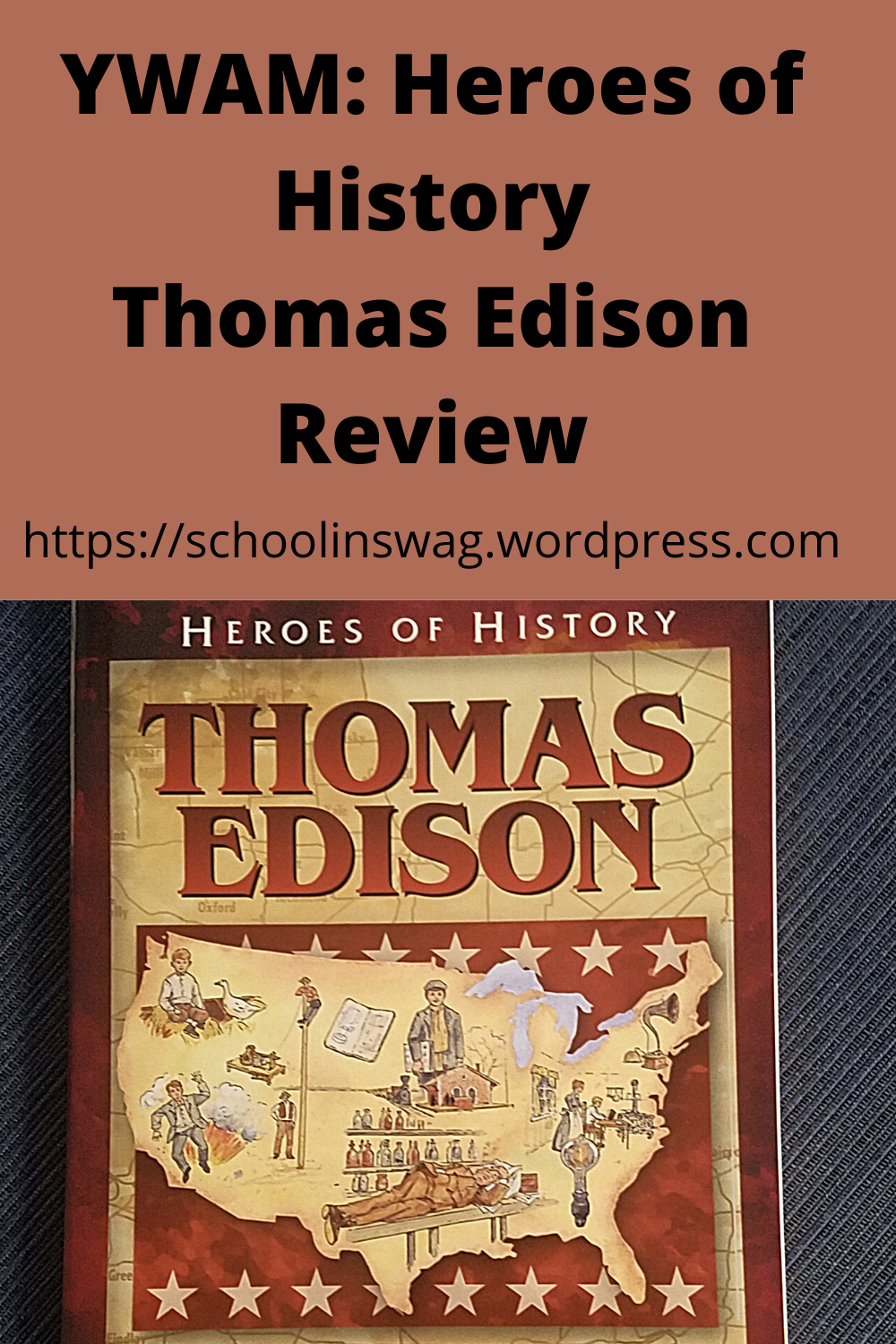
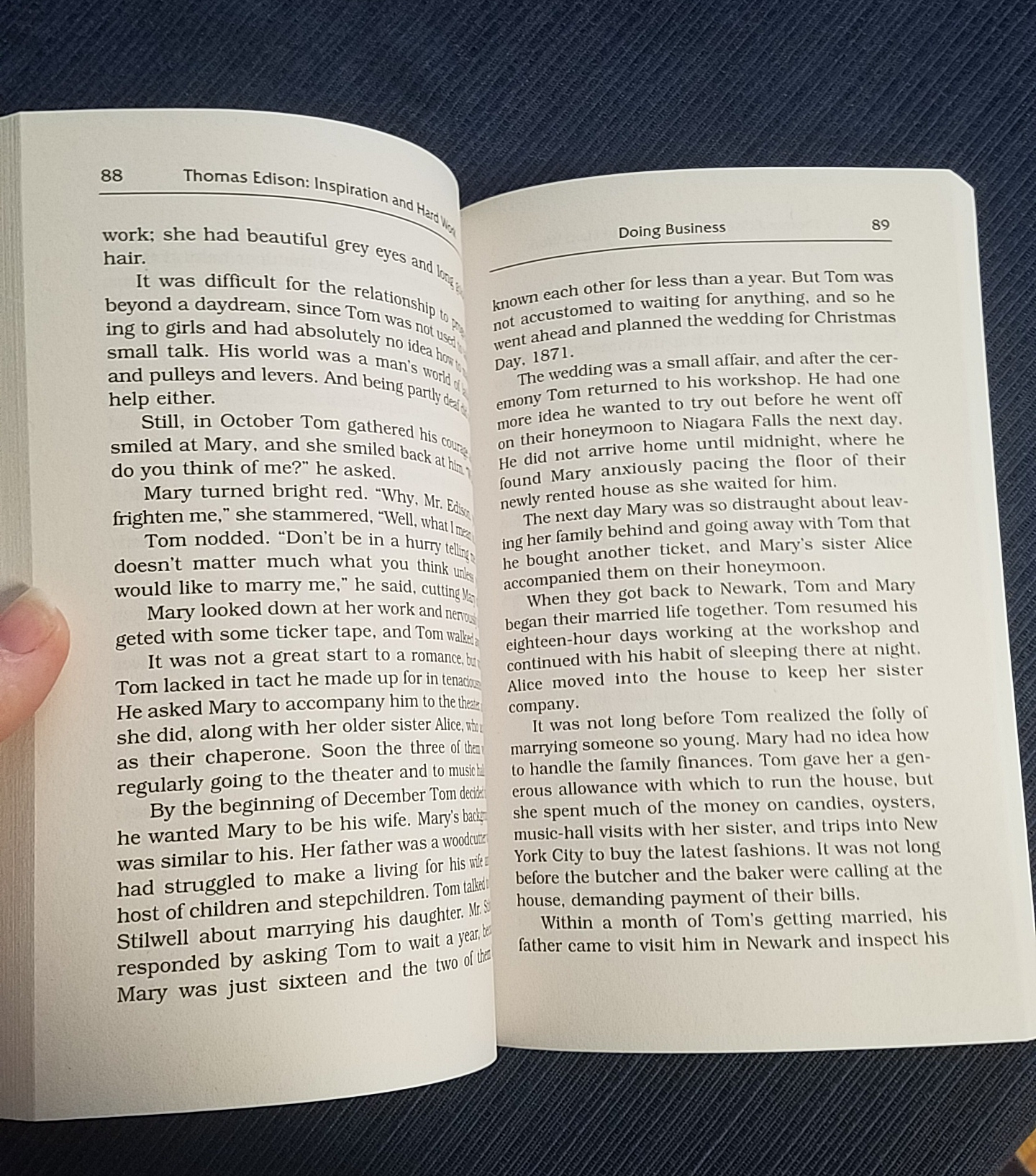
Thomas Edison: Inspiration and Hard Work was written by Janet and Geoff Benge. It is a paperback chapter book that is recommended for ages 10+. They are written from a Christian worldview.

We think they are ideal for upper elementary and middle grades. However, they are interesting enough to still make good pleasure reading for my high school student. They also work great for younger students as read alouds.

In addition to the paperback book, YWAM Publishing also graciously provided us with the coordinating unit study. The unit study is over 80 pages of ideas, projects, worksheets, and maps to use with the book.

The first section of the unit study is key quotes that go along with the study. Some are quotes by the Thomas Edison and others are quotes that relate to his work and character.

Next, there are ideas for building a display corner. This is an area in your home that your student can put things that are relevant to Thomas Edison. This might be maps of where he lived, pictures, models, diagrams, examples of his inventions. This can make a great visual to help students remember more from what they read.

Third, there are about six comprehension questions for each chapter of the book. You could have your student do all of the questions, but I chose to have my daughter answer just the ones that I selected.

Next is the part my children enjoy most, the activities! There are a variety of suggested activities to choose from in various categories ranging from hands-on projects to essays to audio/visual projects. There are also art and craft project options.

My daughter chose to complete the hands-on project of writing and sending a message in Morse code. She enjoyed writing it and hearing how it sounded. She also shared it with her brother.

The next section of the unit study is community links. These are suggested field trips or people that could be interviewed to increase your knowledge of either the person you read about or his field of expertise.

For example, some of the suggestions given in the Thomas Edison study were interviewing a draftsman to talk about blueprints or going to a power plant/power plant museum.

In the social studies section, there are mapping projects, vocabulary terms, geographical characteristics, and questions to ponder. My daughter did the mapping projects and I felt that it really helped her to understand where the events took place.

Finally, the unit study includes a culminating event and a books and resources section. The culminating event is a fun party style event to close out the end of the study and the books and resources section provides ideas for additional study.

My daughter said, “I enjoyed the way they talked about his life and his inventions and how they were made.” When asked about the unit study portion she said, “I really liked the link they gave for a program where you could type a message in and it would give you the Morse code translation.”

She recommends it for middle schoolers and anyone who was interested in history and inventions.  The only thing she would have changed was making the map larger for the geography activity because there were a lot of places to include on the small map.

Whether you want a fun read-aloud, a new pleasure book, or an in-depth unit study, I absolutely love these books. The unit studies are great because there are so many options, the books are very educational and they are written from a Christian worldview.

I love that it is so easy to pick and choose what components we want to complete to make it as short or in-depth of a unit study as we would like to do.

You can check out my reviews of Benjamin Franklin, Orville Wright, or Alan Shepard. Don’t forget to click on the graphic below to see which books other Crew Members reviewed and how they choose to use them in their homes.

YWAM Publishing

Figures in Motion: Famous Figures of Ancient Times (Review)

Disclosure: I received this complimentary product through the Homeschool Review Crew.

*some links are affiliate links, see disclosure below*

Figures in Motion

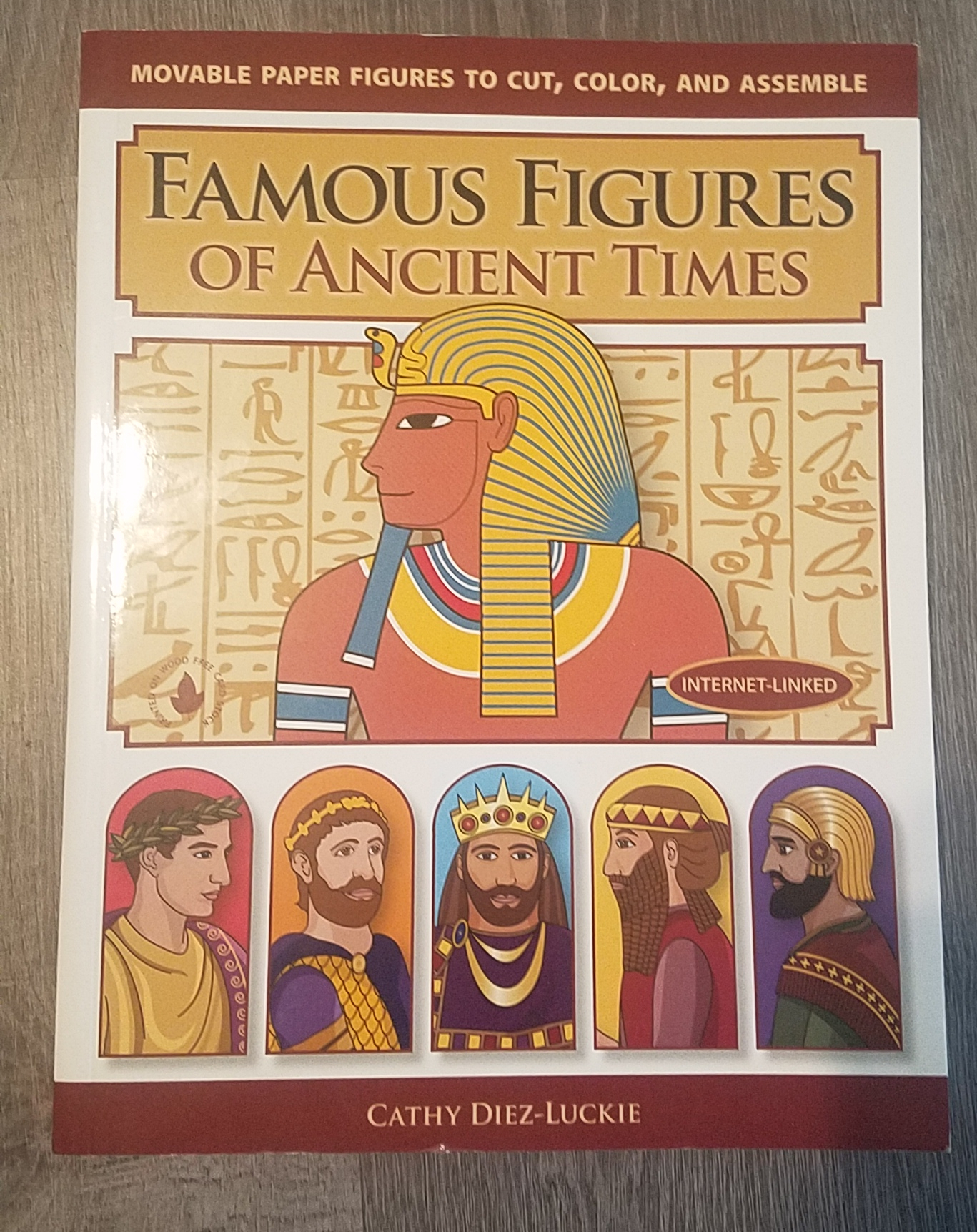
We love history in our home and always enjoy finding new ways to make history come to life and be more hands-on. When the opportunity to review Famous Figures of Ancient Times from Figures In Motion, I was happy to give it a try.

As I looked over the Figures In Motion website, I was excited to see that the Famous Figures of Ancient Times coordinated with Story of the World. We are currently using Story of the World, and so I was glad to be able to add the famous figures to our current history routine.

How it Works

My daughter, seventh-grade, and my son, first-grade, are currently going through ancient history together. I had them work together to complete the Famous Figures of Ancient Times. The book focused on 21 historical figures from ancient history.

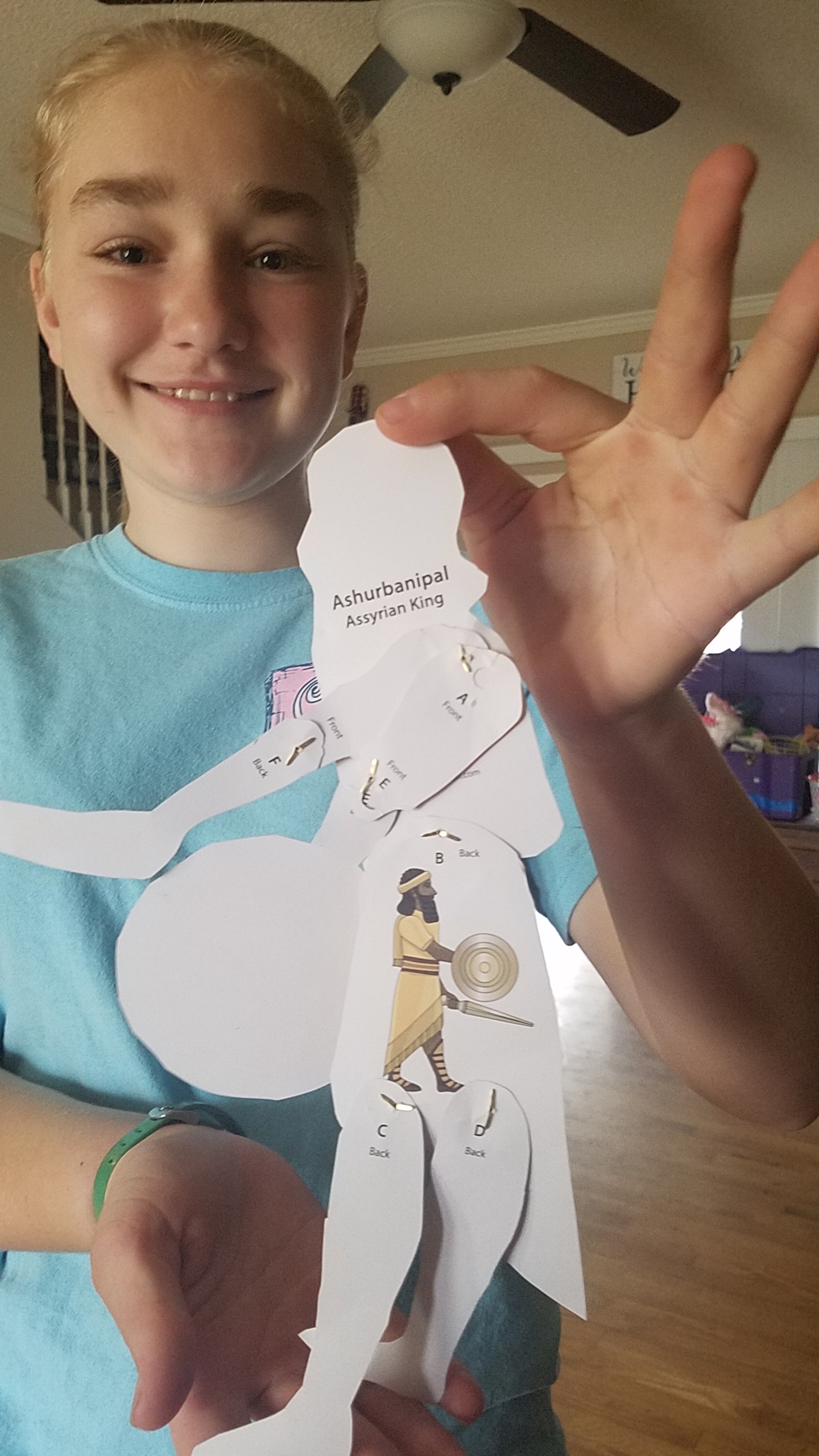
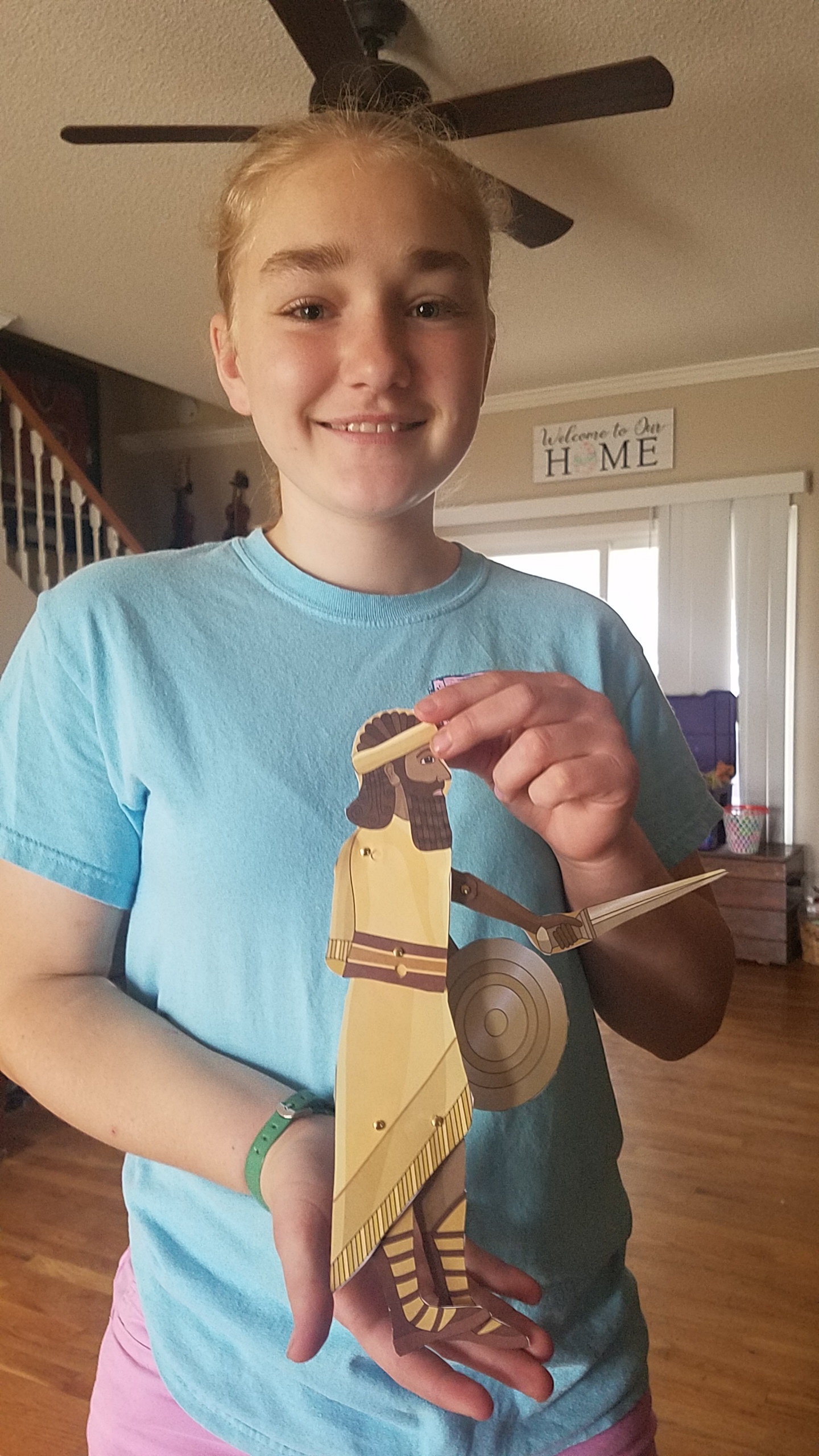
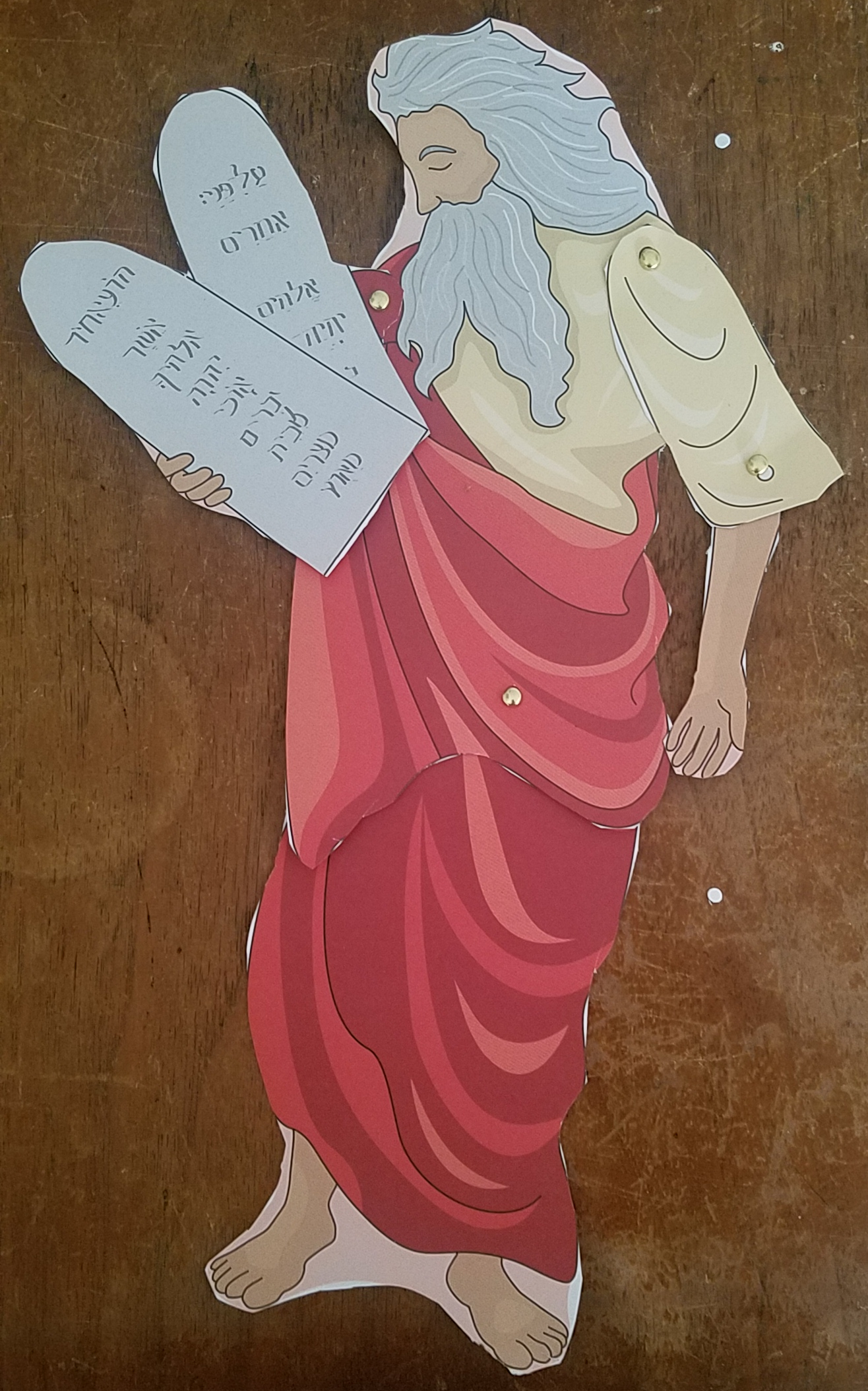
For each figure, there were two different paper dolls that could be cut out and put together, the first was full color, and the other was an outline that the students could color themselves.

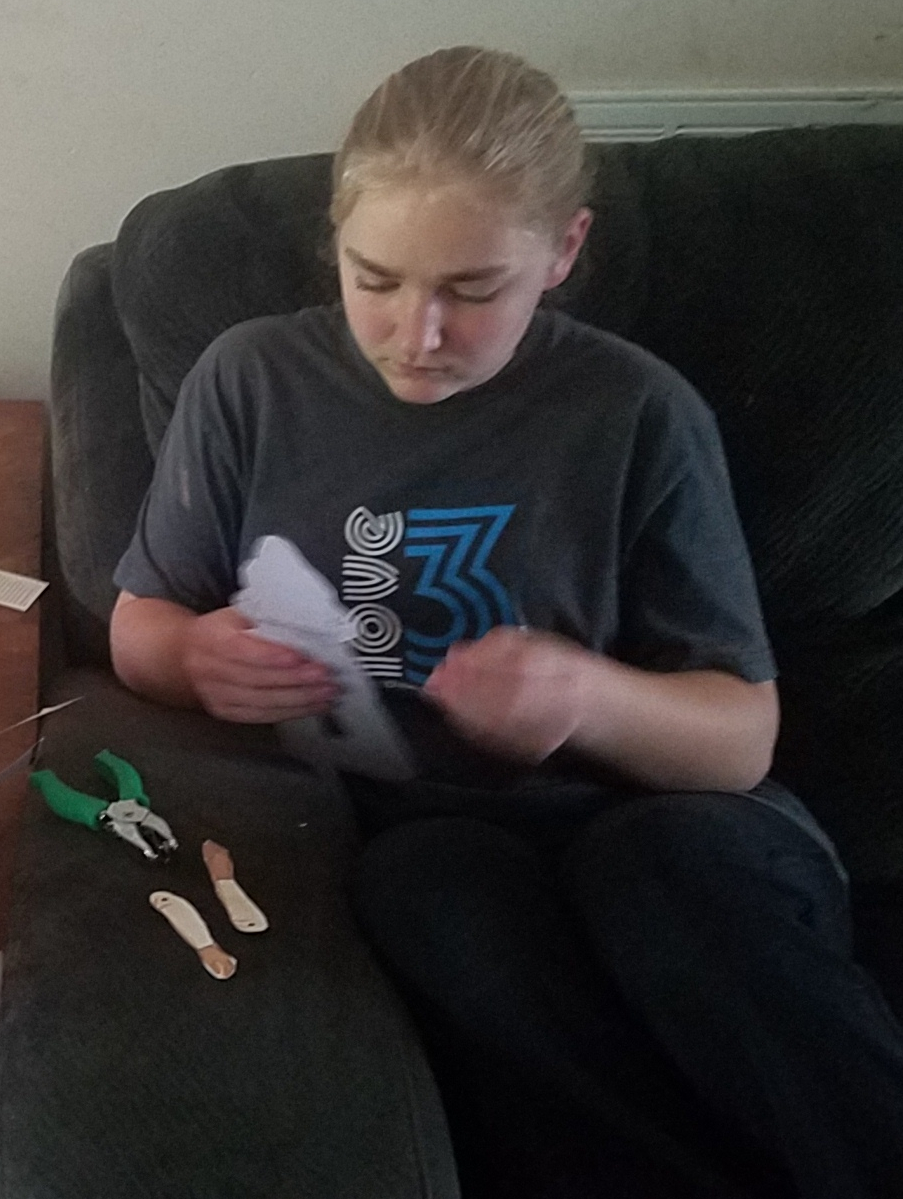
Once the components were cut out, the student put the dolls together using a hole-punch and metal brads. The hole punch and brads could be purchased from Figures In Motion if you do not have any. 

Since the dolls were put together, they were articulated (the legs and arms could move). This made them great fun for my first grader to play with and turn into puppets.

Creative Ideas

My son always wants to create puppets and make up stories to go along with them. With these, he could make the puppets and then use them to retell what he learned in his history lesson for the week.

You could also put them onto popsicle sticks if you wanted a puppet that you could maneuver in that way.

In addition to the paper figures, there were a couple of paragraphs of historical information about each person included in the book. There was also a suggested reading list of read-aloud books to cover those figures.

This would be a great way to expand on what you were learning or to make the book stand a bit more on its own and not as supplementary material.

Thoughts and Conclusions

Overall, we enjoyed these figures, and my son will continue to use them as we finish up our year in history. My daughter thought they were cute but a little too ‘young’ for her.

I think they would be great for elementary-age students, especially those who love puppets. Some middle school students may also enjoy them or enjoy creating with them.

We would not use this as a stand-alone history, but it paired very well with Story of the World as a low prep hands-on activity. The author also mentions that it aligns well with Sonlight Curriculum, Classical Conversations, and Mystery of History.

If you want to add a little hands-on learning to your history or have a child that loves puppets, check out Famous Figures of Ancient Times or one of the other books by Figures In Motion that covers a different time period. You can also find them on Amazon.

Also, be sure to click on the graphic below and see what the other Crew families thought about this product and which era in history they were covering.

Figures in Motion


Resource Library and Affiliate Disclosure

When you sign up for the Schoolin’ Swag free resource library, you will get a link and password to the library; we are adding to the library each month with new items. You will also get a bi-weekly newsletter email to keep you updated on what we have going on.

Resource Library 

This post may contain affiliate or referral links, including Amazon affiliate links. As always, I will never recommend a product that I don’t believe in, and you will never be charged more for purchasing through our links. It does help pay for the costs associated with the blog.
My Teaching Library Download Club (Review)

Disclaimer: I received a FREE copy of this product through the HOMESCHOOL REVIEW CREW in exchange for my honest review. I was not required to write a positive review nor was I compensated in any other way.

This post contains affiliate links, see below for more information.

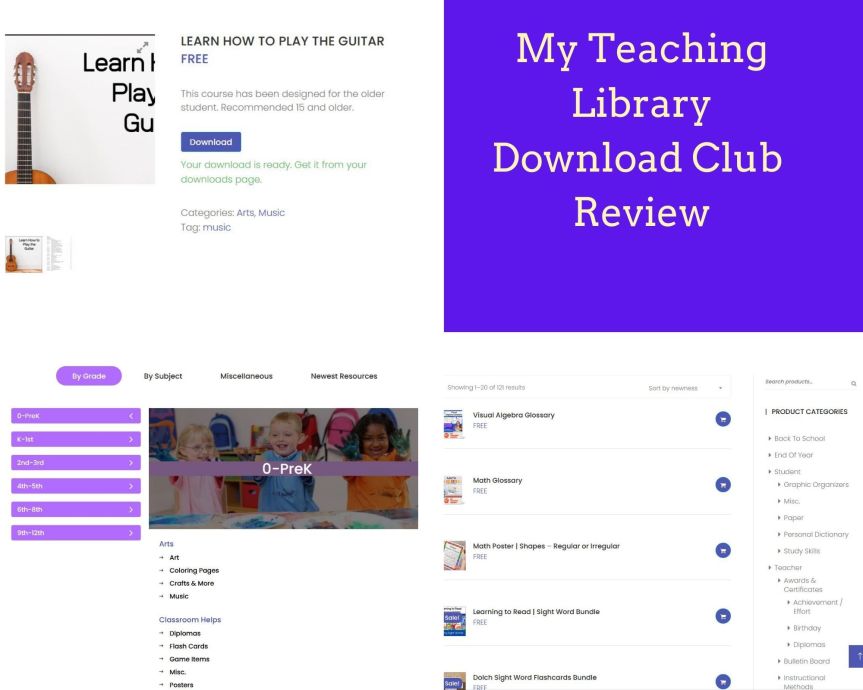
Our family has been spending some time checking out the My Teaching Library Download Club over the last month. The Download Club membership allowed us to use as many of the products on the site as we wanted during the time of our membership and we found lots of resources to try.

The site offers resources for pre-kindergarten through twelfth grade and even resources for organization and classroom management. The resources can be sorted by grade and topic and there are thousands to choose from. In addition to sorting activities by grade and subject, they also have monthly activities, seasonal activities, and special holiday activities. All of the resources are included in the membership or they can be purchased individually.

Most of the resources that we utilized were for my toddler and my first grader. As we were starting back to school and enjoying the slightly cooler weather (at least for a few days), I wanted to do some fall and pumpkin activities with them. There were quite a variety to choose from that included coloring pages, poetry, writing, science projects, and more. There were 39 different fall packs to choose from with activities for a variety of ages.

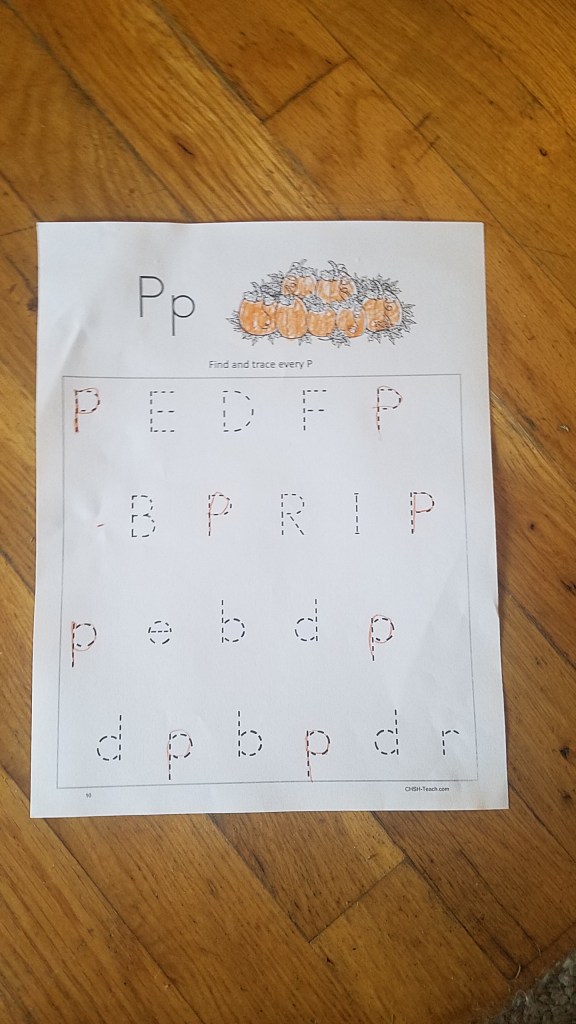
We started by using some of the pages from the P is for Pumpkin pack and the Funny Pumpkins unit. My son really enjoyed the letter finding and word making activities. We also liked the page with a pumpkin picture that my youngest could finish with dot markers. We have been reviewing upper and lower case letters and the pumpkin pages were a great way to incorporate pumpkins and fall into that review. There was even a fun short video that explains the life cycle of a pumpkin.

In science, my seventh grader and my first grader are studying anatomy. I had been hoping to find some pages that were a little easier for my first grader and was delighted to find some coloring pages that will work great as we go through the curriculum. There were also some great diagrams and pages that will help my seventh grader.

My oldest child is in ninth grade and taking a pretty full course load this year. I had not planned to use this program with him because I did not want to add anything to his load. However, I was surprised to find that there was a guitar tutorial included with the membership. This 62 page document takes you step by step through learning the guitar. He has just started lessons and I shared this with him to help him study and practice.

In addition, there were lots of great resources for organization including a transcript record, course of study records, activities log, desk toppers, calendars, and more. These would be great for homeschool, co-op, or a classroom teacher. There were also glossaries for various subjects, lined papers, templates, and even a college application guide.

Overall, we thought there were lots of great products included with this membership. We will use it as a supplement to our regular curriculum. I could also see it being very beneficial to someone who wanted to create their own curriculum or use student directed learning because you have access to so many different resources on such a variety of topics.  If you want to learn more, make sure to check out the My Teaching Library website and click on the graphic below to check out the other reviews.

My Teaching Library Download Club {My Teaching Library}

This post may contain affiliate or referral links, including Amazon affiliate links. As always I will never recommend a product that I don’t believe in and you will never be charged more for purchasing through our links. It does help pay for the costs associated with the blog.
Hymn Study: Amazing Grace

“Amazing Grace, how sweet the sound…..” Those words come so easily to mind anytime I hear the music or even sometimes just as I sit and think about how thankful I am for that sweet amazing grace in my own life.  Written by John Newton in 1779, Amazing Grace is one of the most popular hymns in America.


*Some of the links in my posts may be affiliate links see below for more information. *

1 Amazing grace (how sweet the sound)
that saved a wretch like me!
I once was lost, but now am found,
was blind, but now I see.
John Newton had a life that almost seems as if it was a work of fiction. He was pressed into the British Navy, sold to a slave ship, spent some time as a slave on a small island, and spent years working in the slave industry. He also survived a major storm on a ship and that is the night he called his turning point. The night he turned back to God. He had learned of God from his mother but he had not followed God since his mother died when he was a young child.
 
The story of his transformation from slave trader and party boy to preacher and hymn writer is fascinating and a beautiful testimony to God’s ‘Amazing Grace’. To me his life story helps to share how the words of the hymn are so much more than just words. God’s grace is available for each of us, not matter what we have done in the past.
 
My daughter learned to play Amazing Grace on her violin. Learning to play the hymn on whatever instrument your child plays can be a great way to really internalize the words and music. If your child does not already play an instrument, a simple and inexpensive way to start is a recorder.


As we learn about this song, I plan to spend some time discussing with my children about how we have seen God’s grace work and move in our lives and the lives of those around us. In a time when things are stressful and full of strife in the world, I think it is beneficial to remind ourselves of God’s goodness and provision in our lives.

In addition to our regular hymn study activities, I found this audio drama about the life of John Newton from Focus on the Family. We love their audio dramas and this one is included with Amazon Music (or available to purchase).

If you would like to add some art to your study this month, Nana is planning a wonderful art lesson to accompany this hymn. It will be available in the hymn study course with-in the You Are An Artist Clubhouse Membership. We always enjoy being able to add a bit of art to our study.


Hymn Study Resources:

Story Behind Amazing Grace

Amazing Grace Recorder Instructions

Printable Recorder Sheet Music

Amazing Grace: Aretha Franklin

Amazing Grace: Bagpipes and Mormon Tabernacle Choir

Amazing Grace: Elvis Presley

Amazing Grace: Harlem Gospel Choir

Amazing Grace: Andrea Bocelli

Amazing Grace: Bluegrass

Amazing Grace: Acapella

Download Your Freebies Below!

Hymn Study Fact Sheet

Resource Library and Affiliate Disclosure

When you sign up for the Schoolin’ Swag free resource library you will get a link and password to the library, we are adding to the library each month with new items. You will also get a bi-weekly newsletter email to keep you up to date on what we have going on.

Resource Library 

This post may contain affiliate or referral links, including Amazon affiliate links. As always I will never recommend a product that I don’t believe in and you will never be charged more for purchasing through our links. It does help pay for the costs associated with the blog.
Deals and Freebies

If you have not tried SchoolhouseTeachers.com, you don’t want to miss this sale!

IEW is offering some great free resources right now.

FREE Baby Yoda Art Lesson from Nana!

Illustrated Would You Rather Book (Free on Kindle)