Literature Study: Bingo Style

When I think about my goals for my children’s literature study, two things come to mind. I want them to be lifelong readers and read a wide variety of books. While there is a time and place for more formal literature study, we often take a more relaxed approach.

This year, for my sixth grader, we will be doing the quarterly family novel studies with Read Aloud Revival. Still, I wanted to make sure he was reading a variety of books independently in addition to those.

Reading at the campsite.

Instead of doing a formal literature study, I created a book bingo card for him to mark off as he does his independent reading. This will allow him a lot of autonomy in his reading, while ensuring that he is getting a wide variety of books.

Each block on the bingo card has a different description of a book; it may be the type of book, something about the title, a character trait, etc. Your student can pick any book that matches the description in the box and any box, but their goal is to get Bingo in whatever timeframe you set.
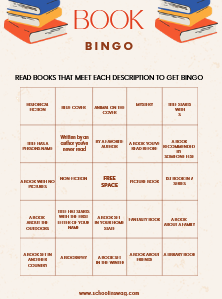
Once the child has read the book, you can have them journal about it, discuss it, or track it on a reading log.

Book discussions not only allow them to share about what they are learning (and you to analyze their understanding), but also create a chance for bonding and making memories.

This keeps reading from becoming a laborious chore, but still allows you to make sure they are reading a variety of books, and if necessary for your state records, have a record of it.

You can find my Book Bingo card in our Free Resources Library, and if you want a print and go reading log and journal, you can get one here.  This one has several different journal pages to choose from, some great logs, and even fun book quotes. Buy once and print as many times as desired for your household. (Take $3 off with code Bingo)

Resource Library and Affiliate Disclosure

When you sign up for the Schoolin’ Swag free resource library you will get a link and password to the library, we are adding to the library each month with new items. You will also get a bi-weekly newsletter email to keep you up to date on what we have going on.

Resource Library 

This post may contain affiliate or referral links, including Amazon affiliate links. As always I will never recommend a product that I don’t believe in and you will never be charged more for purchasing through our links. It does help pay for the costs associated with the blog.

Find Christ-centered homeschool curriculum at SchoolhouseTeachers.com and set their hearts on the right path.

Tuttle Twins is having their BIG Back to School sale. They have up to 70% off book bundles and major discounts on their academy classes (which now has World History offerings). We love their books and their American History curriculum.

History Lapbooks Kids Will Love


Teaching history doesn’t have to be dry or boring. Check out these free history lapbooks your kids will love!

Do you remember how you learned history in school when you were a kid? More than likely, it involved a list of wars, dates, and fill-in-the blank worksheets.

The good news is that homeschool history doesn’t need to be dull or boring. Instead, we can use literature to help our kids feel they’ve really entered the story of history. Historical fiction, biographies, and narrative nonfiction are all wonderful ways for our kids learn about the people and events that impacted history.

It’s even better new that we can teach history from a Christian perspective. While our children learn about the important events in history, they can also be learning character and theology. With books that highlight how individuals chose to live for Jesus, kids can learn how ordinary men and women can impact the world for the kingdom of God.

As our kids read great books about important history, we want to use the tool of narration. What is narration? It’s simply having our kids retell the story in their own words. Lapbooks and notebooking are wonderful tools to help our kids practice written narration. I particularly like using lapbooks with elementary-aged kids, because they’re fun to put together, and they give children a great visual keepsake of their learning journey.

History lapbooks develop 6 important skills:

  1. Handwriting | Practice makes perfect! As your children write in their lapbooks, the process of writing long-hand naturally helps develop handwriting.
  2. Reading and Listening Comprehension | Your children will begin to pay attention and deepen their understanding of the information they are hearing or reading, knowing they will be taking notes on it.
  3. Pre-writing | As they recall information, children identify what is important and organize their thoughts.
  4. Research | Lapbooks provide an excellent tool to do extra research on a subject, like the mini-Bible studies included in the Who What Why history lapbooks.
  5. Long-term Memory | Written narration helps cement what students have studied into their long-term memory.
  6. Cognitive Skills | Taking notes requires a higher thought process. At first, your children will need help to process and narrate what they’ve learned, but cognitive skills will soon become second-hand.

History lapbooks, paired with good books, help kids learn in a hands-on way they will remember for years to come!


Who What Why Series | Christian Biographies for KidsTeach your kids about Christian history with engaging narrative and fabulous drawings! The Who What Why series is perfect for 7-12 year olds.


History Lapbooks Kids Will Love

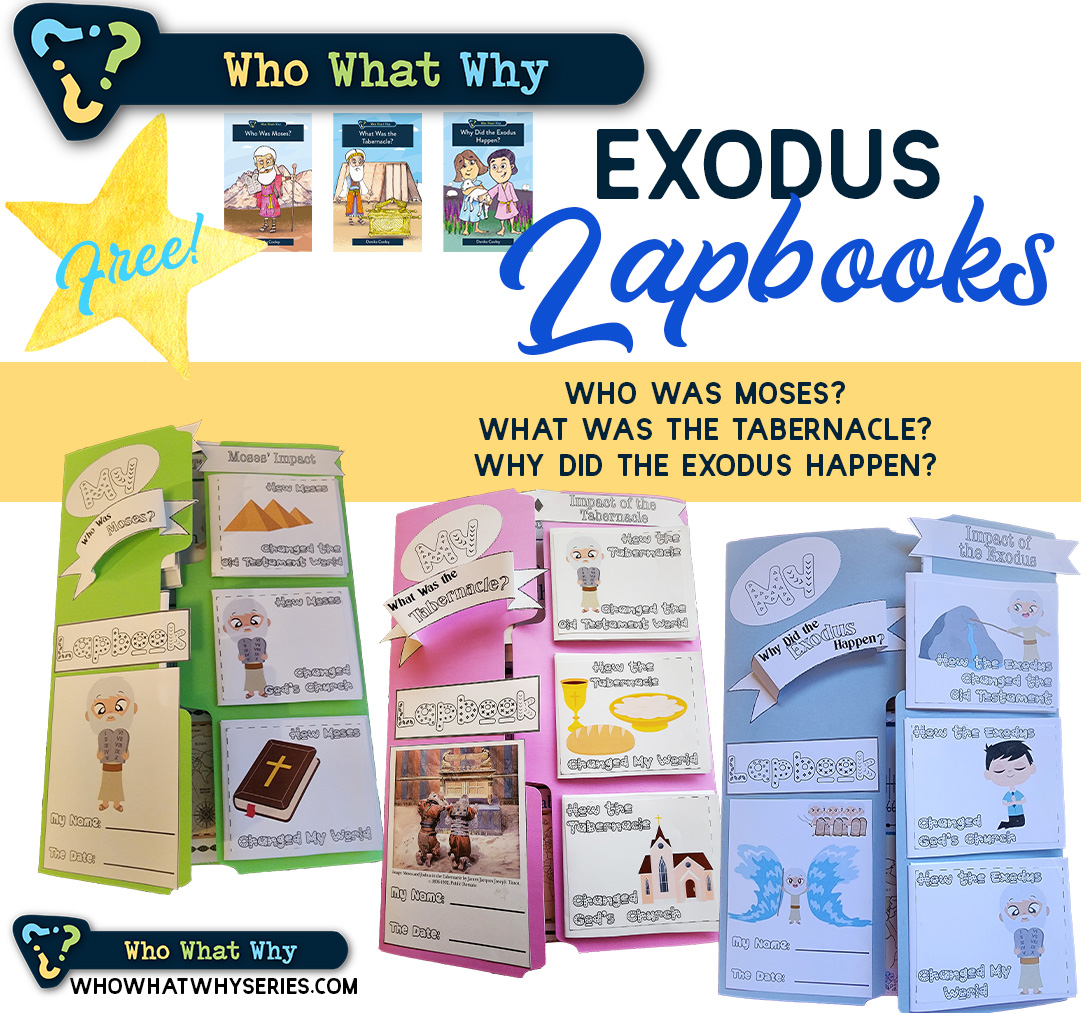
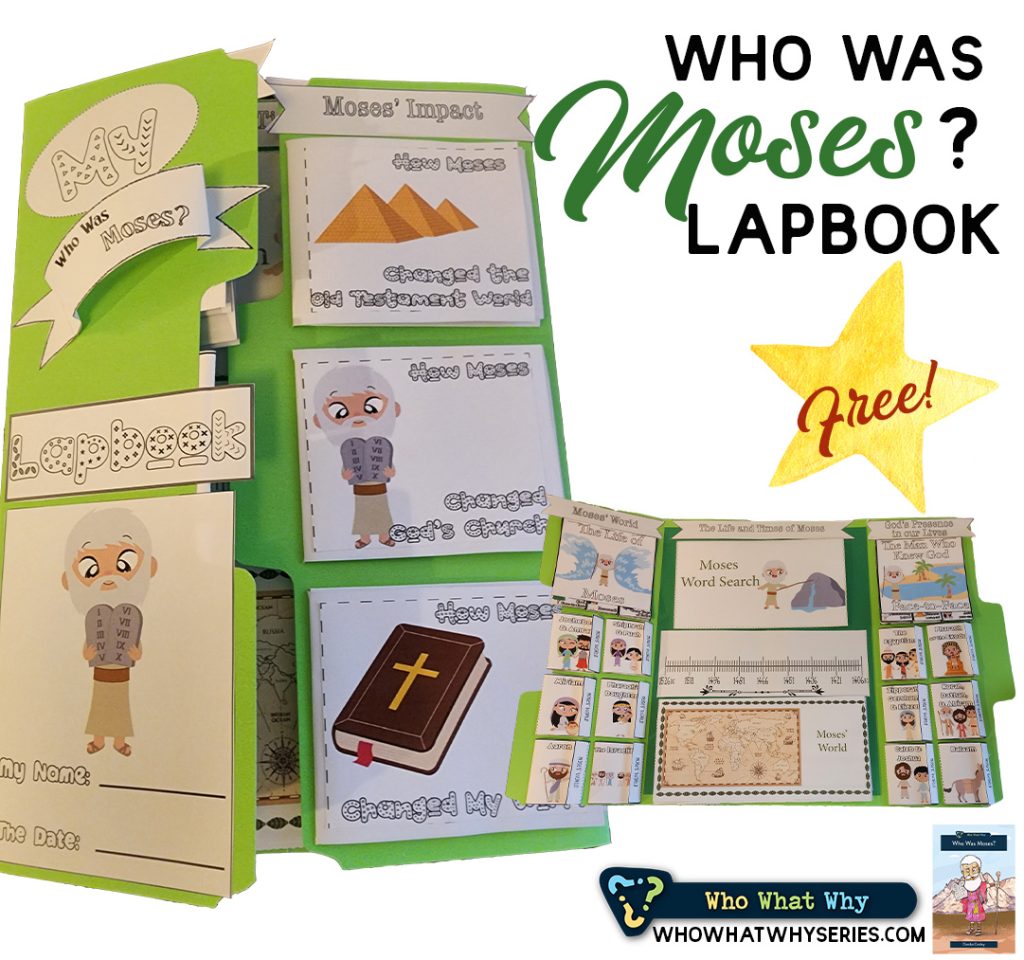
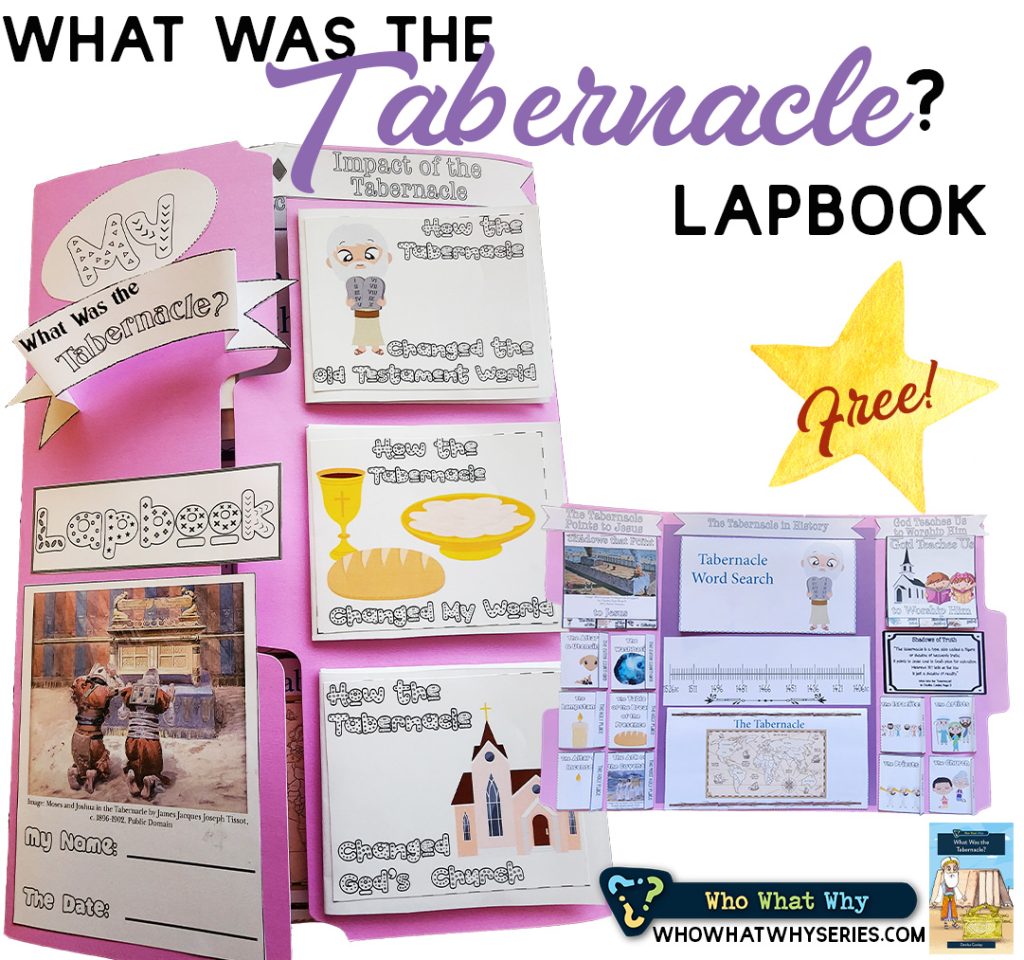
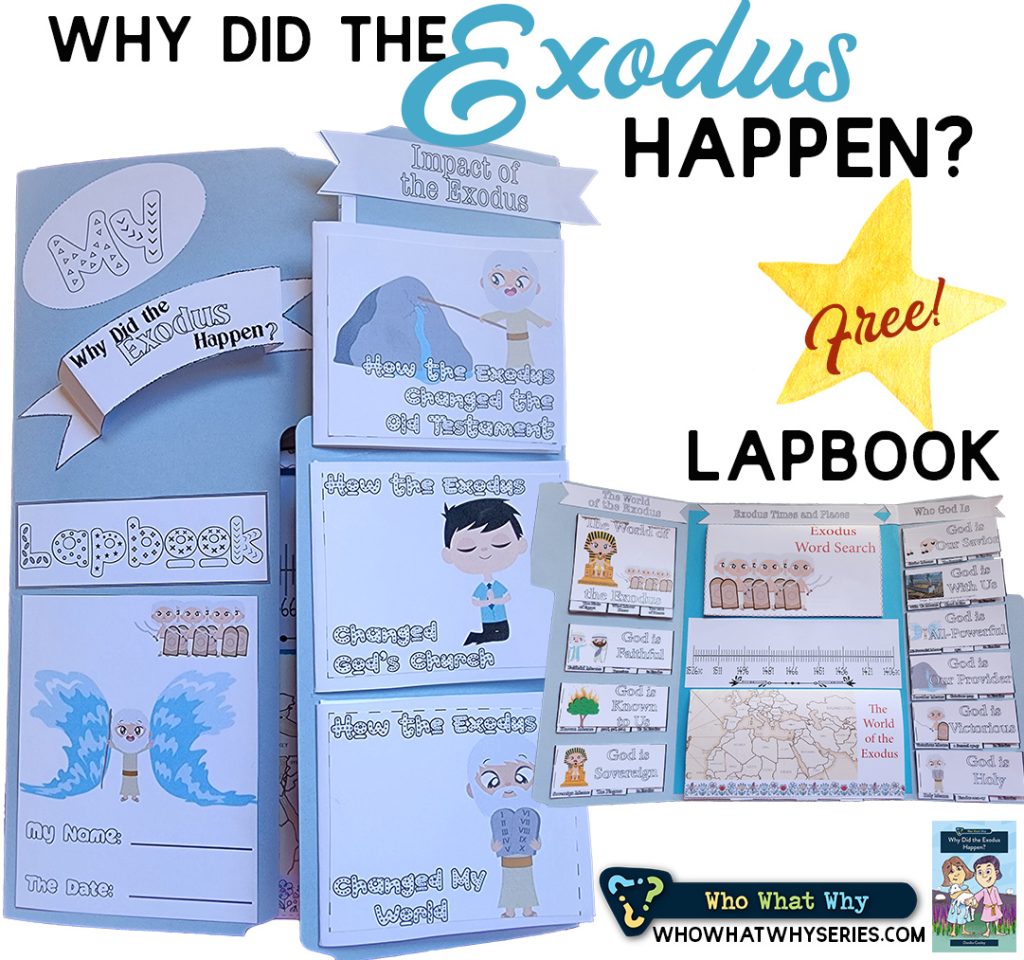
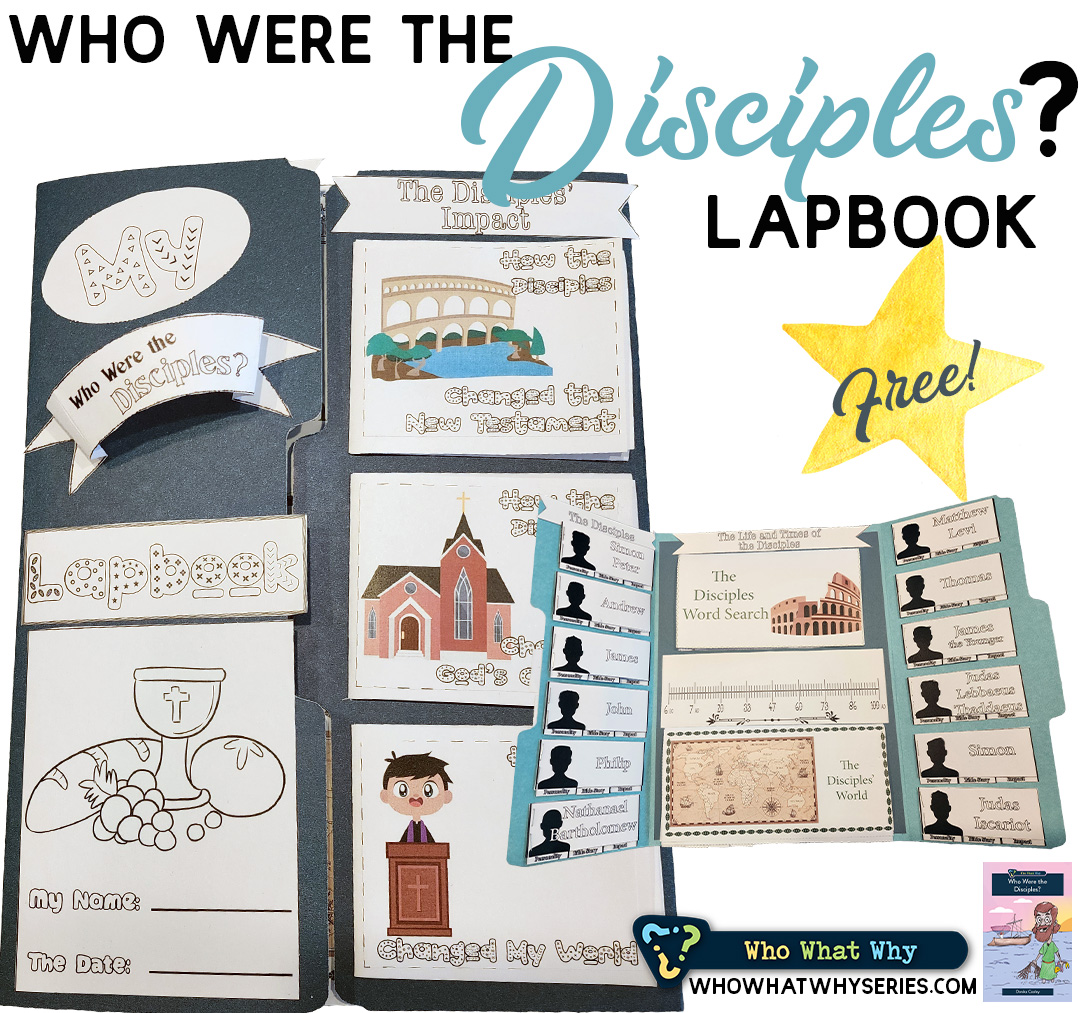
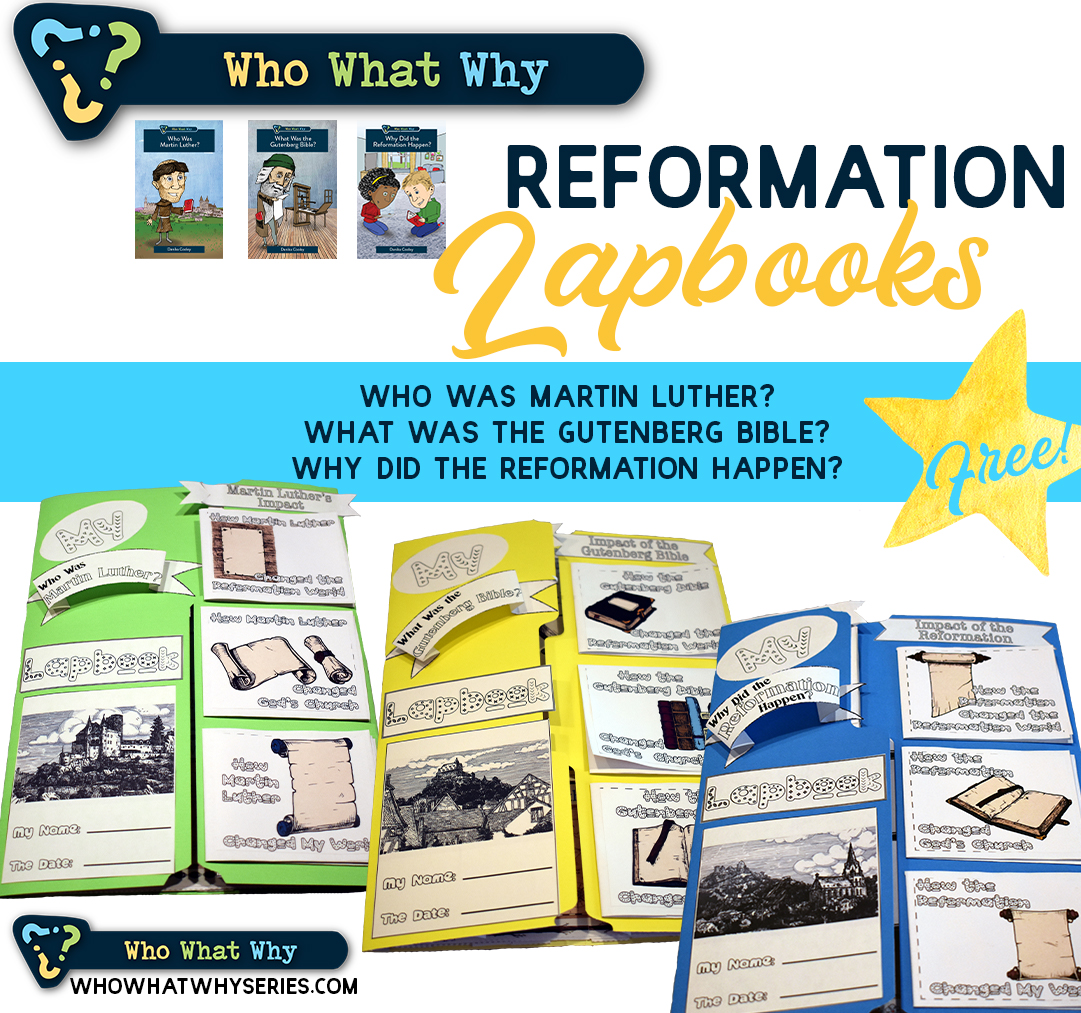
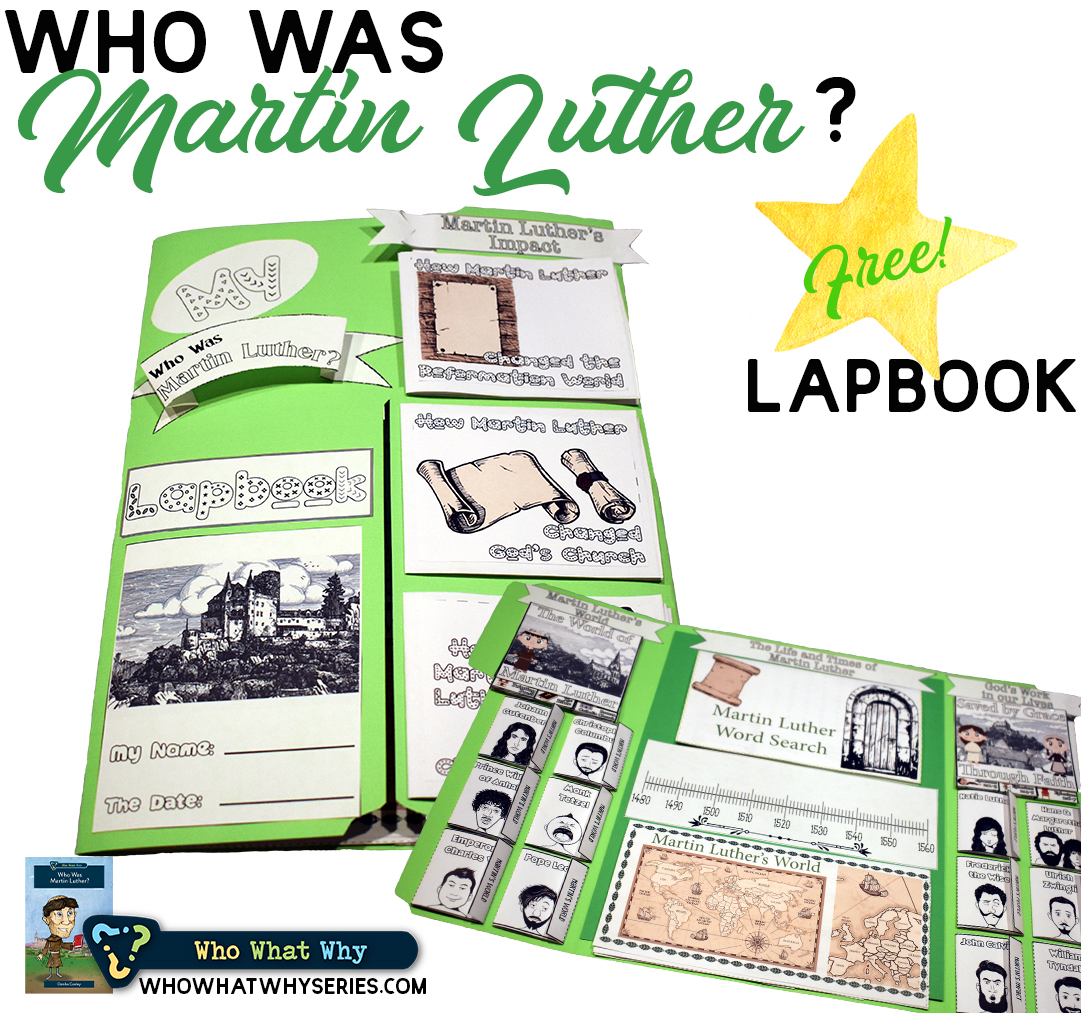
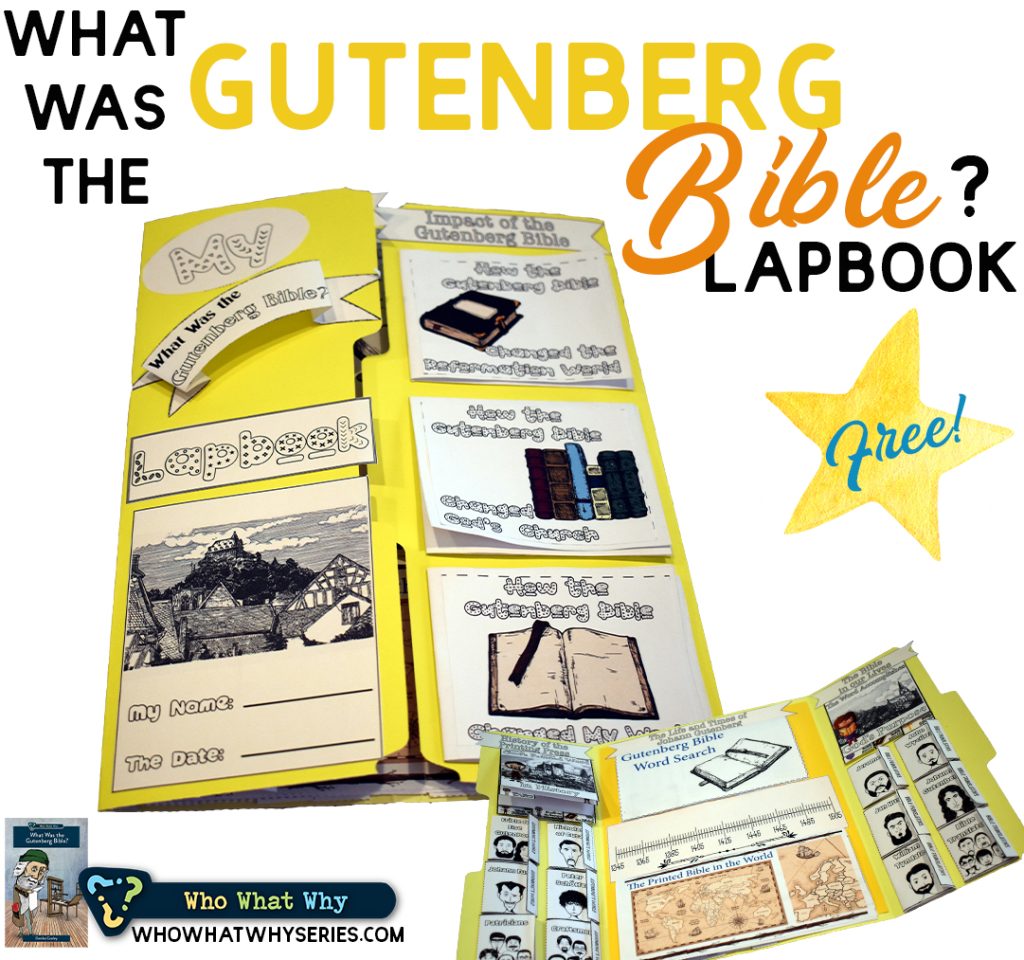
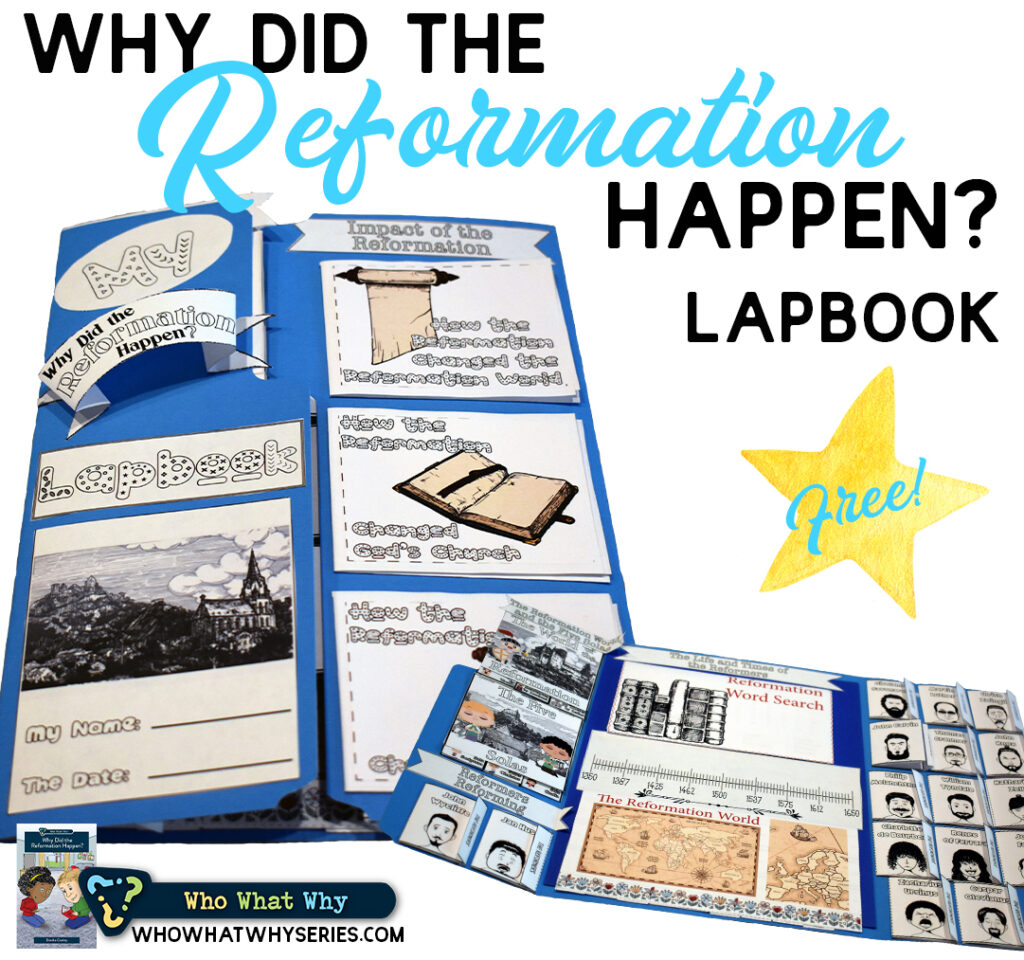
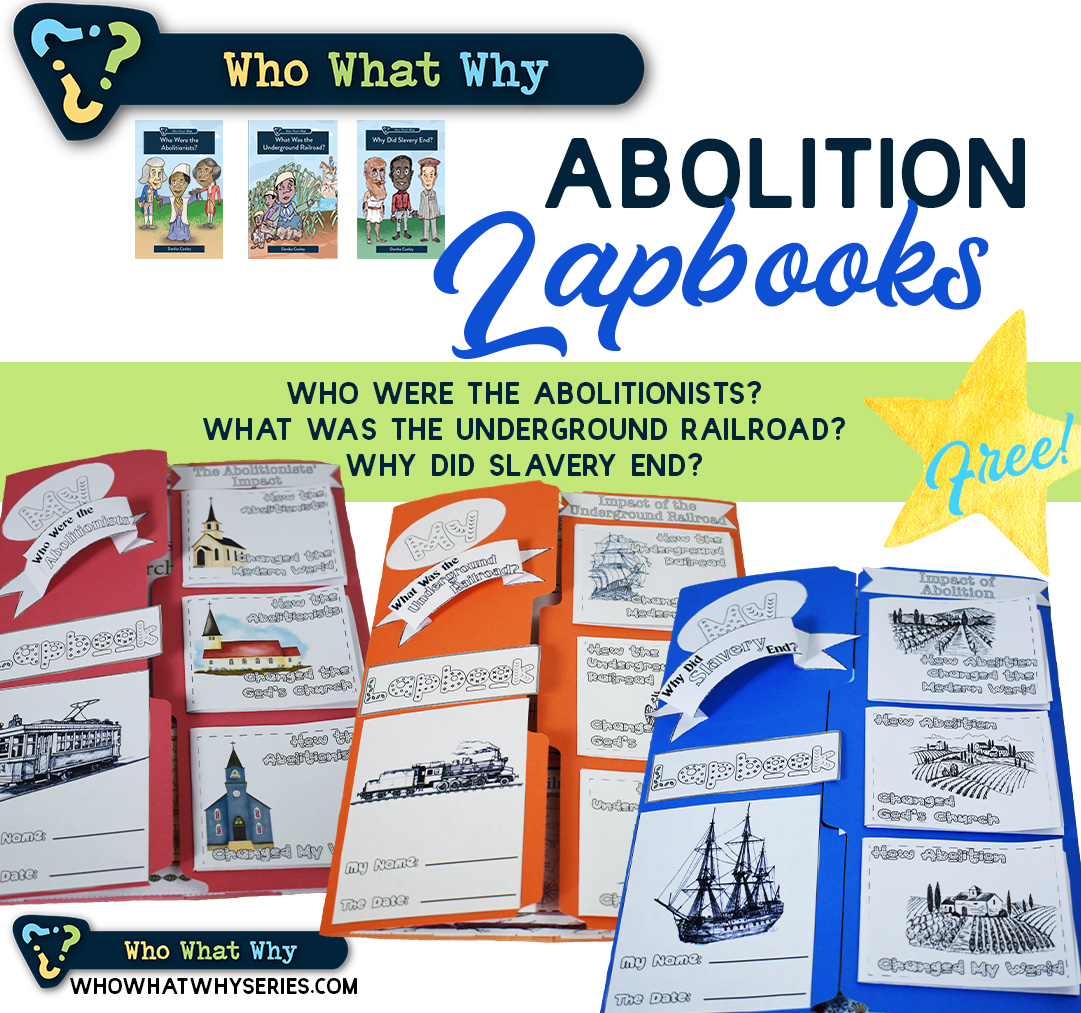
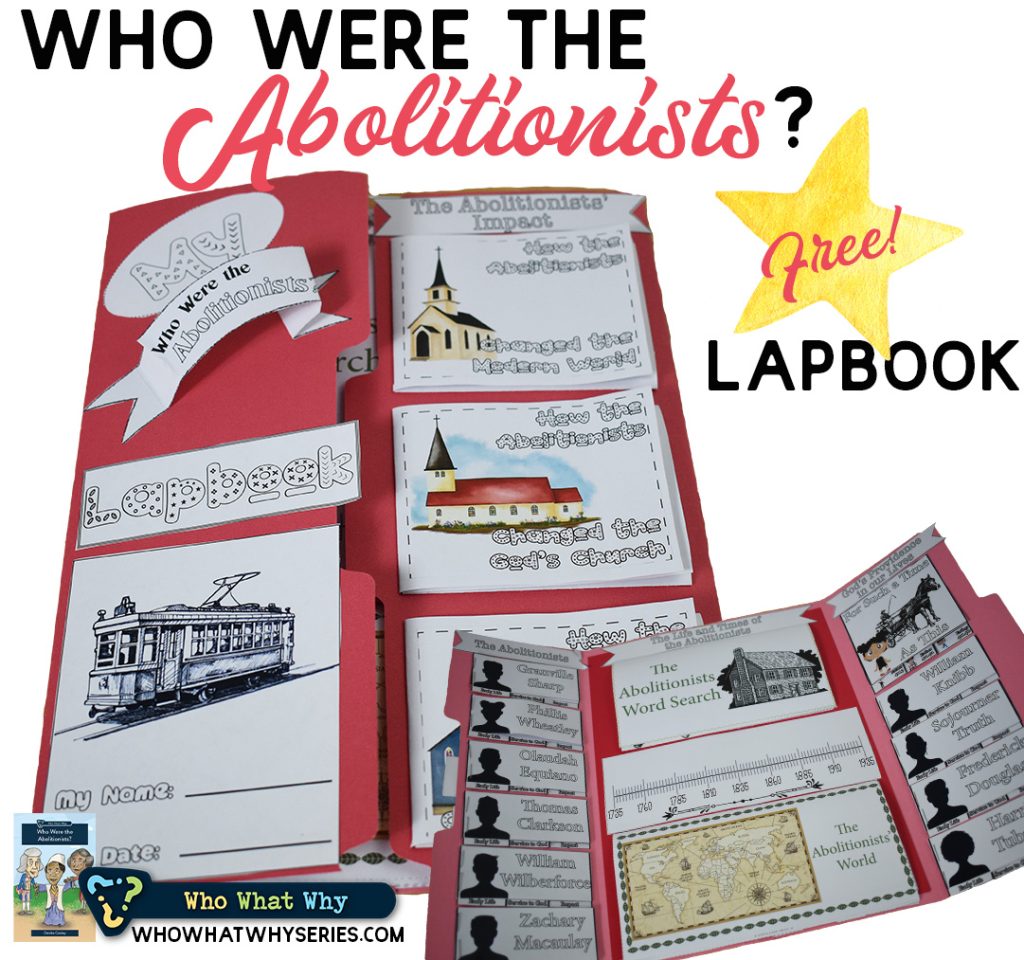
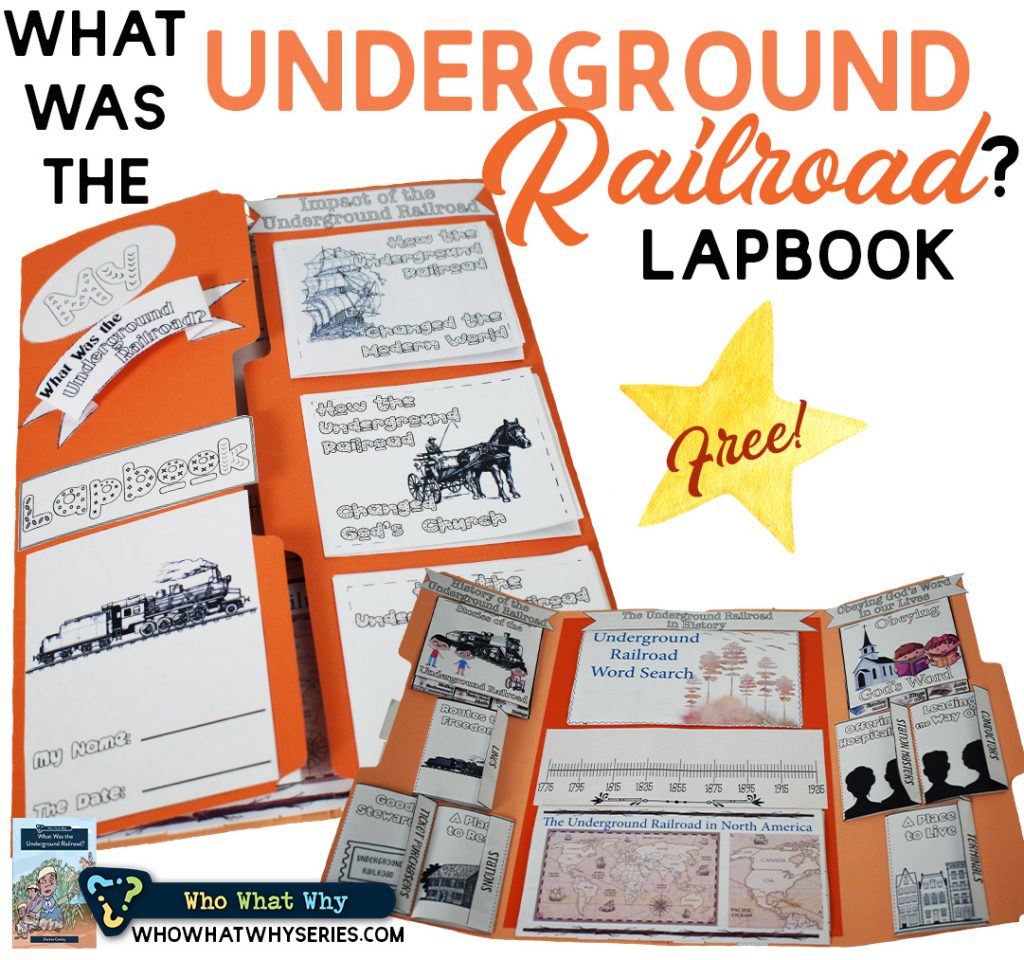
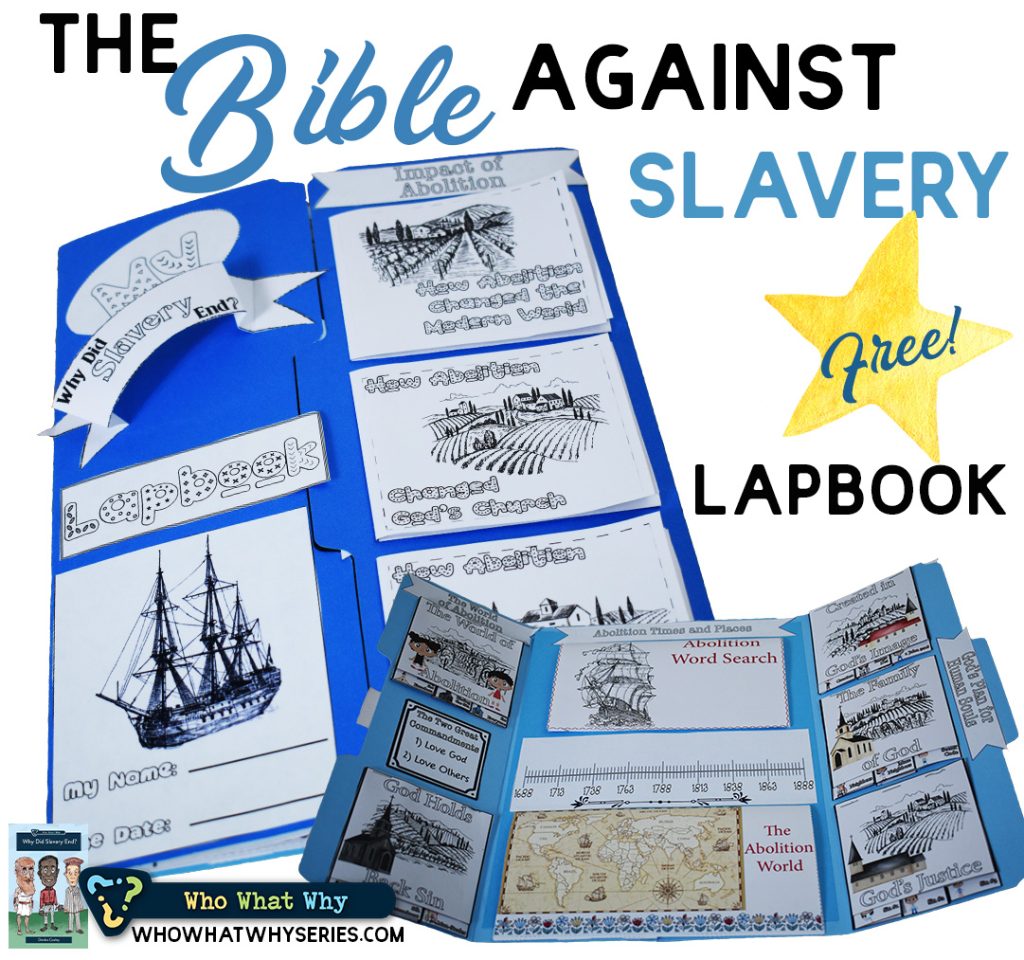
The Who What Why Christian history series of books has a series of free history lapbooks. They’re fun to make–and they allow your kids to keep track of important facts they learn about Christian history, the Bible, and theology.


Exodus LapbooksMoses LapbookTabernacle LapbookExodus LapbookWho What Why Resurrection Free Printable LapbooksJesus' Disciples | Kids' FREE Biography LapbookThe Meaning of the Cross of Jesus | FREE Bible LapbookWhy is the Resurrection Important? | FREE Theology LapbookWho What Why Series | Free Printable LapbooksMartin Luther History for Kids | Biography LapbookGutenberg Bible History LapbookProtestant Reformation for Kids | FREE LapbookAbolitionist Lapbooksabolitionists lapbookUGRR LapbookThe Bible Against Slavery | FREE Lapbook

  • Who What Why History Lapbooks | With the Who What Why lapbooks, your children will delve deeper into what they’ve learned, including:
    • The impact of each historical person and movement on history, on the Church, and on your child’s world.
    • The world throughout history. Your child will learn about what it was like to live during the time of each historical movement.
    • The people involved in each historical story.
    • Historical and theological vocabulary.
    • The timeline of each historical event.
    • The geography of each story.
    • Theology: Bible passages addressed in each story from history.

History lapbooks are a powerful tool to help your 7-12 year olds consider and remember what they’ve learned!


Danika Cooley is the author of Help Your Kids Learn and Love the Bible (Bethany House), and an award-winning children's author and Bible-curriculum developer. Weekly, she encourages tens of thousands of parents to intentionally raise biblically literate children and her Bible curriculum, Bible Road Trip™, is used across the globe.

Danika Cooley’s Who What Why Christian history series is perfect for your 7-12 year olds. Your children will better understand the history of the Christian faith, the people who loved Jesus, and what the Bible says about really important issues! Danika is an award-winning children’s author and Bible curriculum developer. Her popular Bible Road Trip™ is used by tens of thousands of families.

Learn more about the Who What Why series and grab your free history lapbooks here.


Hnefatafl or Viking Chess Timberdoodle Review

Our family owns a fairly impressive array of board games; we get at least one new game every year for Christmas, but we often pick up games throughout the year. Included in this collection are several chess boards. With this in mind, I was intrigued by the opportunity from Timberdoodle to review the game Hnefatafl, also known as Viking chess.

What is Hnefatafl?

When I first saw that the game was called Viking chess, I wondered if it was just chess with different pieces. I’ve seen a variety of themed chess games (for example, we own a Lord of the Rings chess game that uses figures from Lord of the Rings for the pieces) that are played just like chess but with different pieces.

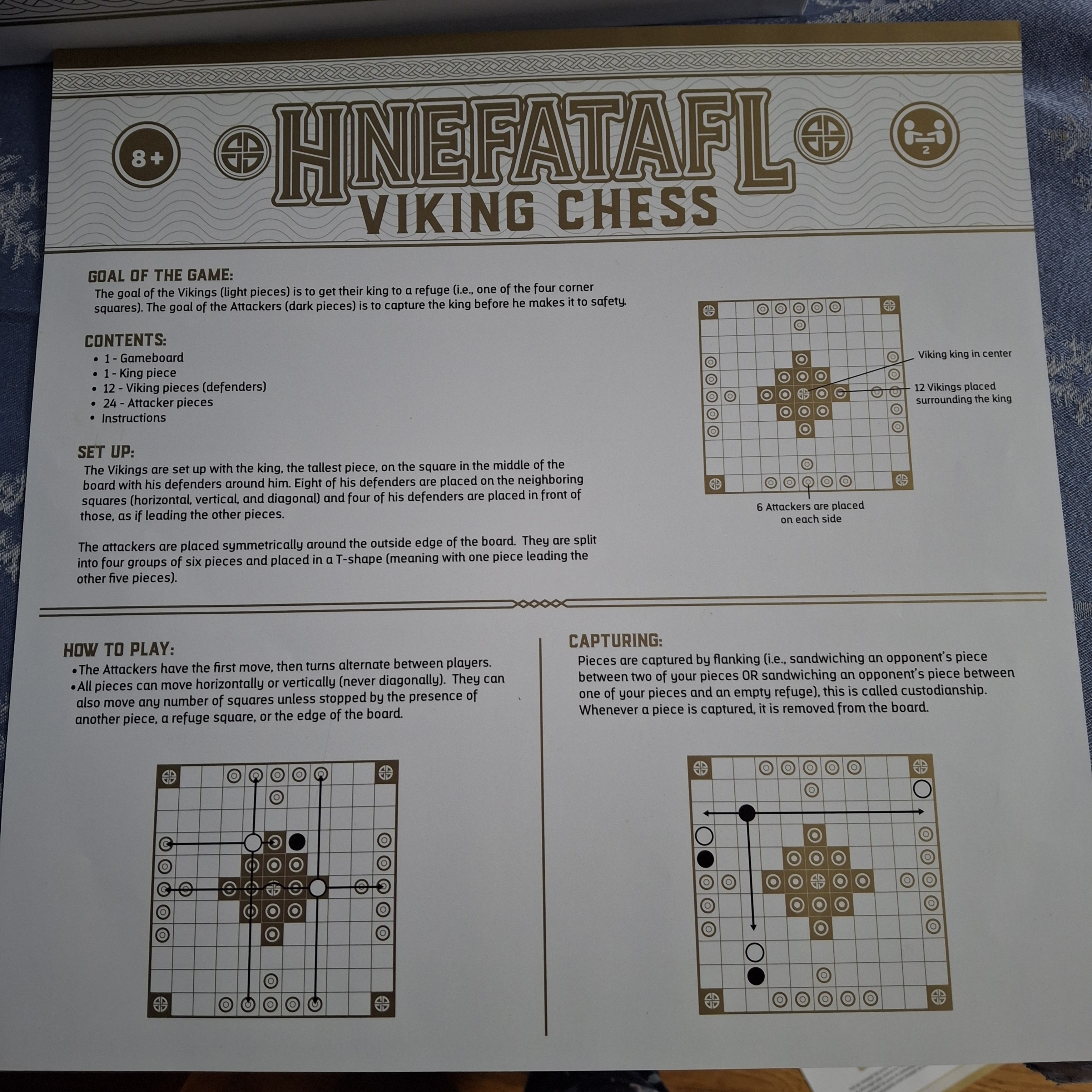
However, Hnefatafl is not chess. It is similar to chess in that it is a two-person strategy game in which you move pieces around on a checkered board. However, the board is set up differently, the game’s goals are different, and it has its own set of rules.

There are two distinct sides in Hnefatafl; there is the side of the king, and their goal is to get the king safely to any of the four corners of the board. The other side’s goal is to keep the king away from the corners and to capture the king by surrounding him.
Our Experience with Hnefatafl

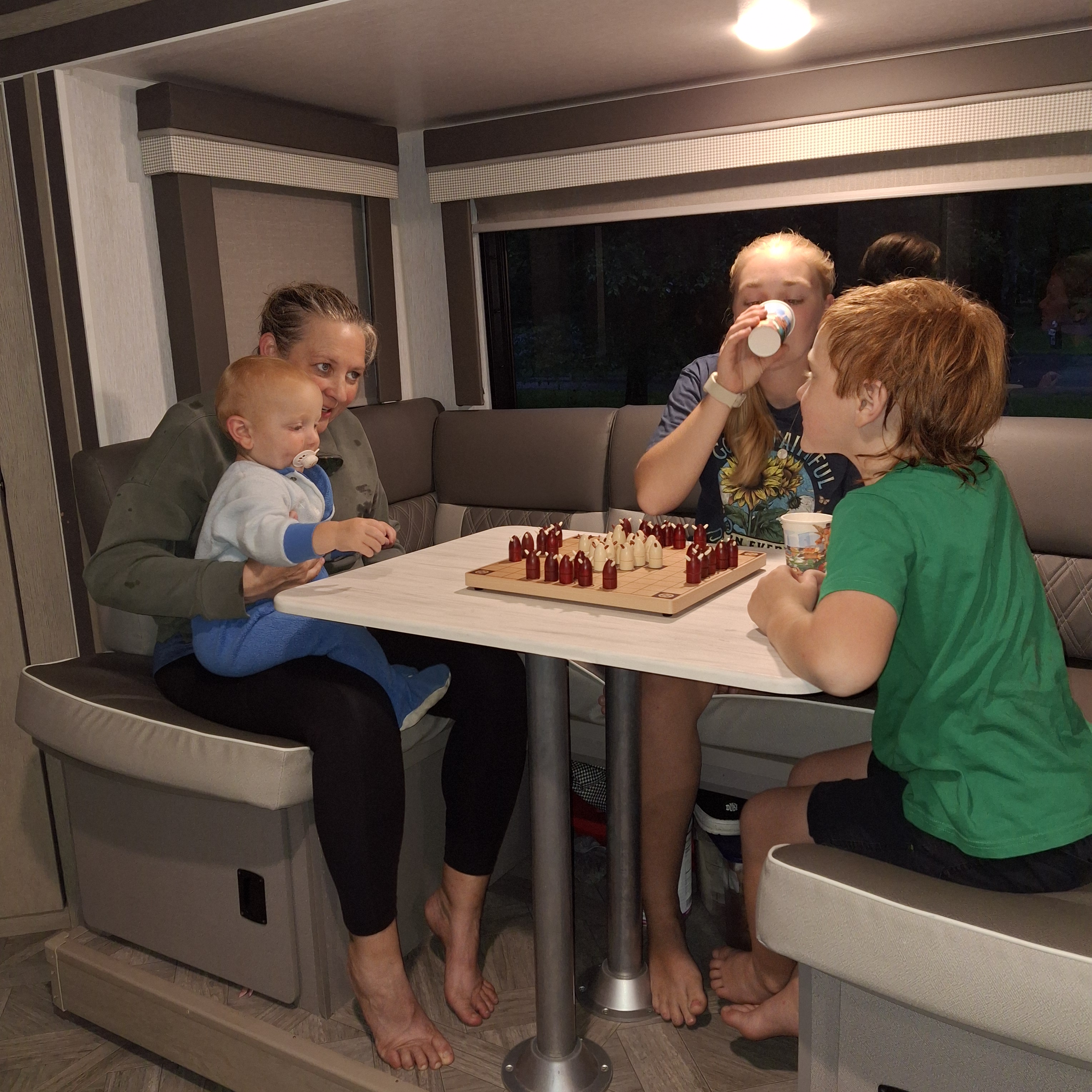
Our game arrived at our home a few days before we were to leave for a camping trip. Since we did not have time to try it out before we left, we packed it into the camper and brought it with us. I’m so glad we did because there were many rounds played on that trip (and continuing at home).
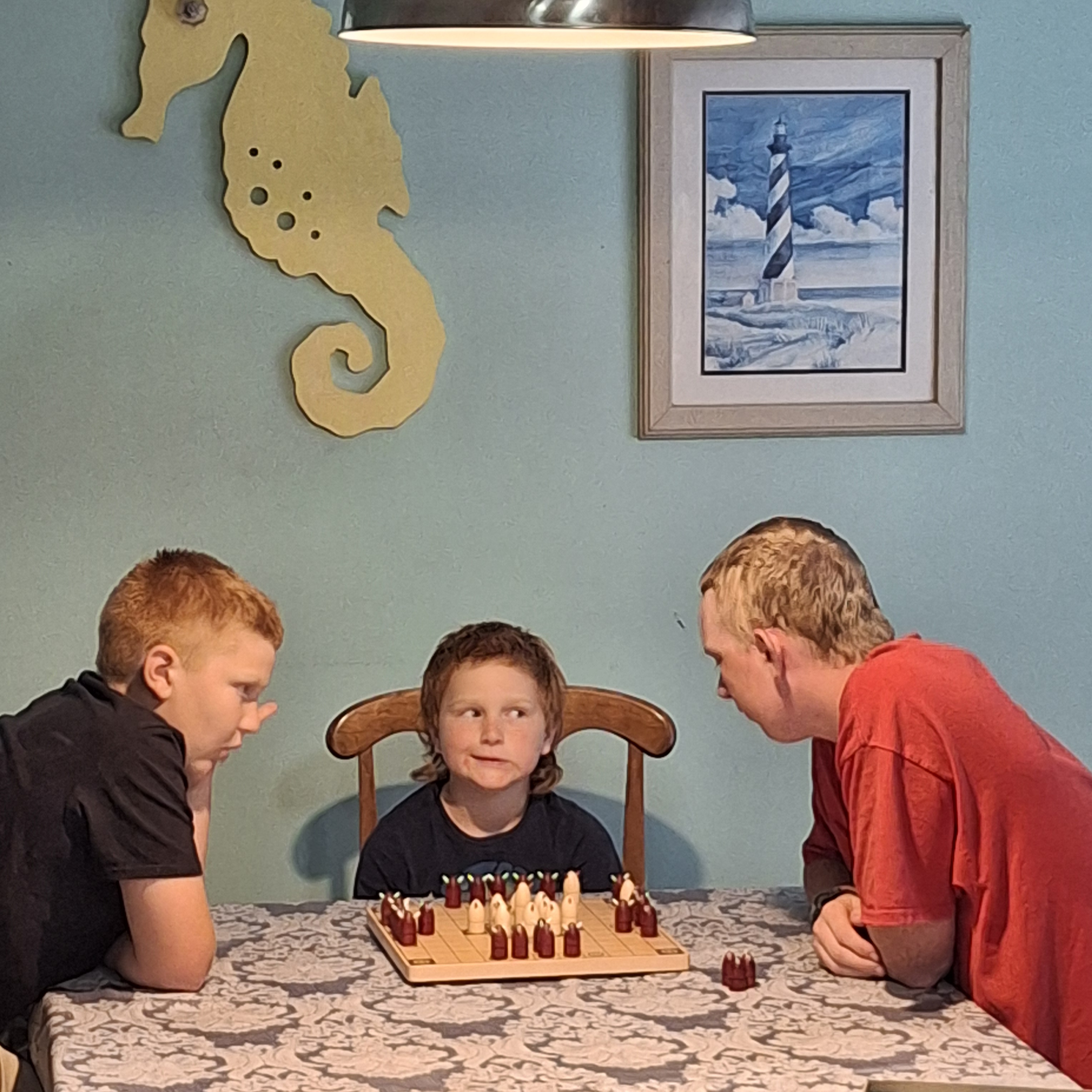
I was expecting it to be a big hit with my eleven-year-old, and he does enjoy it, but I was pleasantly surprised by how much my seven-year-old also enjoyed it. He was happy to challenge his siblings, dad, and even his cousins to rounds of the game.

Playing with family in the camper.

We found that defending the king seemed to be a bit easier side to play, so we made sure to let people take turns being on different sides.

My daughter was quickly reminded that despite the term “Viking chess,” it is not actual chess when she got so busy trying to take her brother’s pieces that she forgot to watch the king and lost in just a few moves.

Most of our rounds only took a few minutes to play, although they did become a little longer as everyone started to figure out more effective strategies. I was grateful that the rounds were short, as I find that games that go on and on tend to lead to drama in our home (I’m looking at you, Monopoly), and it’s also harder to find time to fit those into our days. However, this game works great for them to play while I finish fixing dinner or when they have a few minutes before the next activity.

After several weeks of learning to play, my seven-year-old son pulled it out while we had an extra teen in the house, and it turned out he had the game and had been playing for years. They loved getting to play with him and learn so extra strategy from someone who had been playing for awhile.

Learning More Strategies

Who Would Benefit from Hnefatafl?

While it will undoubtedly vary from child to child, children as young as five or six could learn to play Hnfatafl, and it is a game that adults can still enjoy.  The game helps work on attention to detail and strategy. It will make a great addition to your family’s game collection.

Overall, we may not be able to pronounce Hnefatafl correctly, but we can highly recommend it for children and adults who enjoy strategy games. We love that it’s great for a variety of ages, easy to learn, only takes two players, generally each round is not too long, and it helps develop skills like attention to detail and strategy.   You can find out more and order your set from Timberdoodle. It is also included in their fourth-grade curriculum kit.

Resource Library and Affiliate Disclosure

When you sign up for the Schoolin’ Swag free resource library you will get a link and password to the library, we are adding to the library each month with new items. You will also get a bi-weekly newsletter email to keep you up to date on what we have going on.

Resource Library 

This post may contain affiliate or referral links, including Amazon affiliate links. As always I will never recommend a product that I don’t believe in and you will never be charged more for purchasing through our links. It does help pay for the costs associated with the blog.

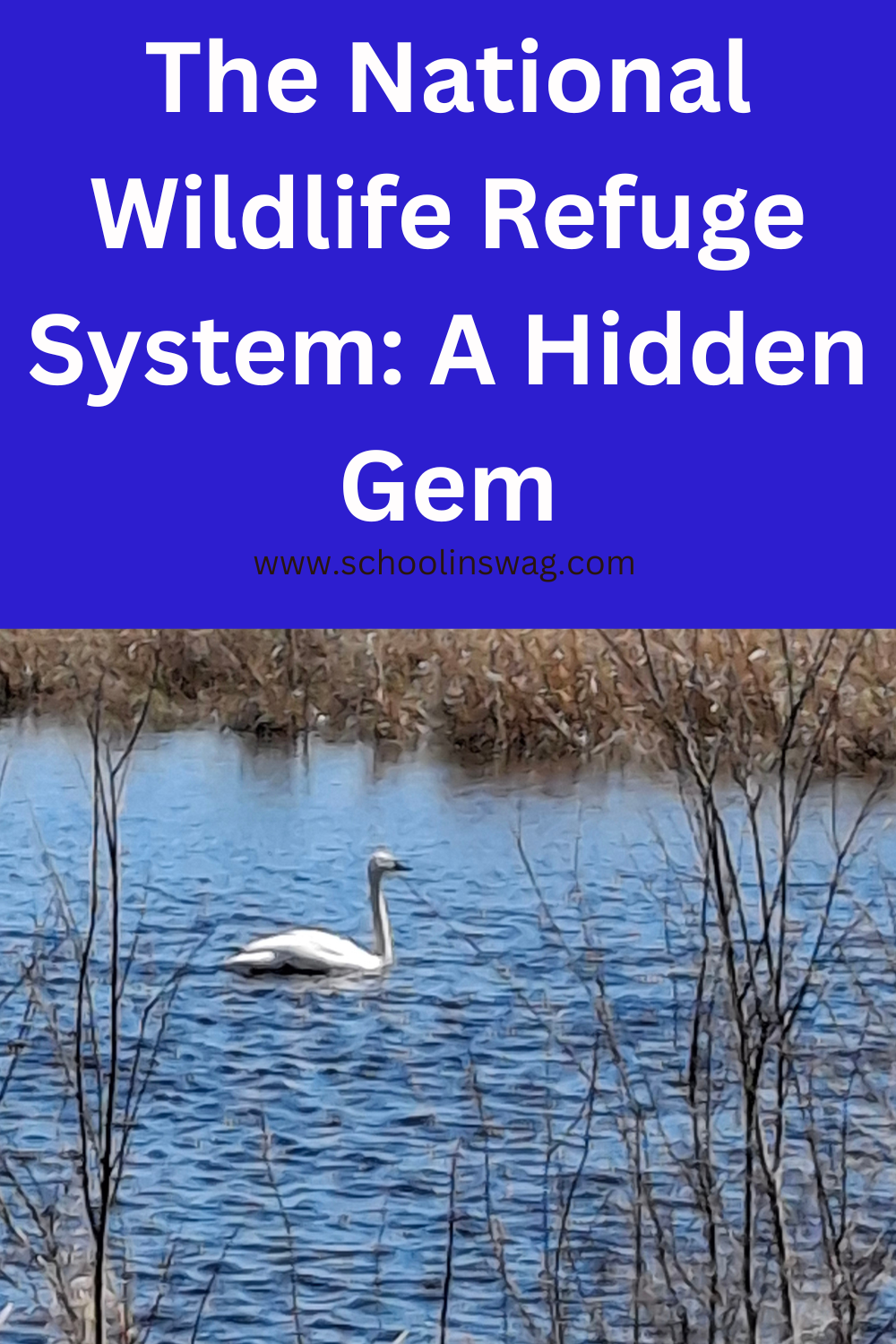
A Hidden Gem: National Wildlife Refuges

Most of us have heard many things about our National Parks and the other types of sites within that system, from the Big ones like the Grand Canyon and Yellowstone to the small ones like The Wright Brothers Memorial and Pipestone National Monument.

*Some links are affiliate links, see full disclosure below*


We love traveling to visit those sites, and my children naturally look for the National Park Service “arrowhead” signs as we travel.  However, we have discovered another resource that I consider a bit more of a hidden treasure: the National Wildlife Refuge System.

What is the National Wildlife Refuge System?


The U.S. Fish and Wildlife Service manages the National Wildlife Refuge System, which offers various educational opportunities at multiple locations.
Each site focuses on wildlife that is native to that area. Some sites focus on a single specific animal, while others focus on a variety of local species. Each site is unique, but most feature a visitor’s center that has educational displays, restrooms, water fountains, and often a small gift shop.

At the visitor center, you can find out more about what each site has to offer, get maps of the sites, and sometimes enjoy educational programming.  Many of the sites provide hiking or biking trails, and some also have areas that you can drive through and look for wildlife.

Our Experience with Wildlife Refuges


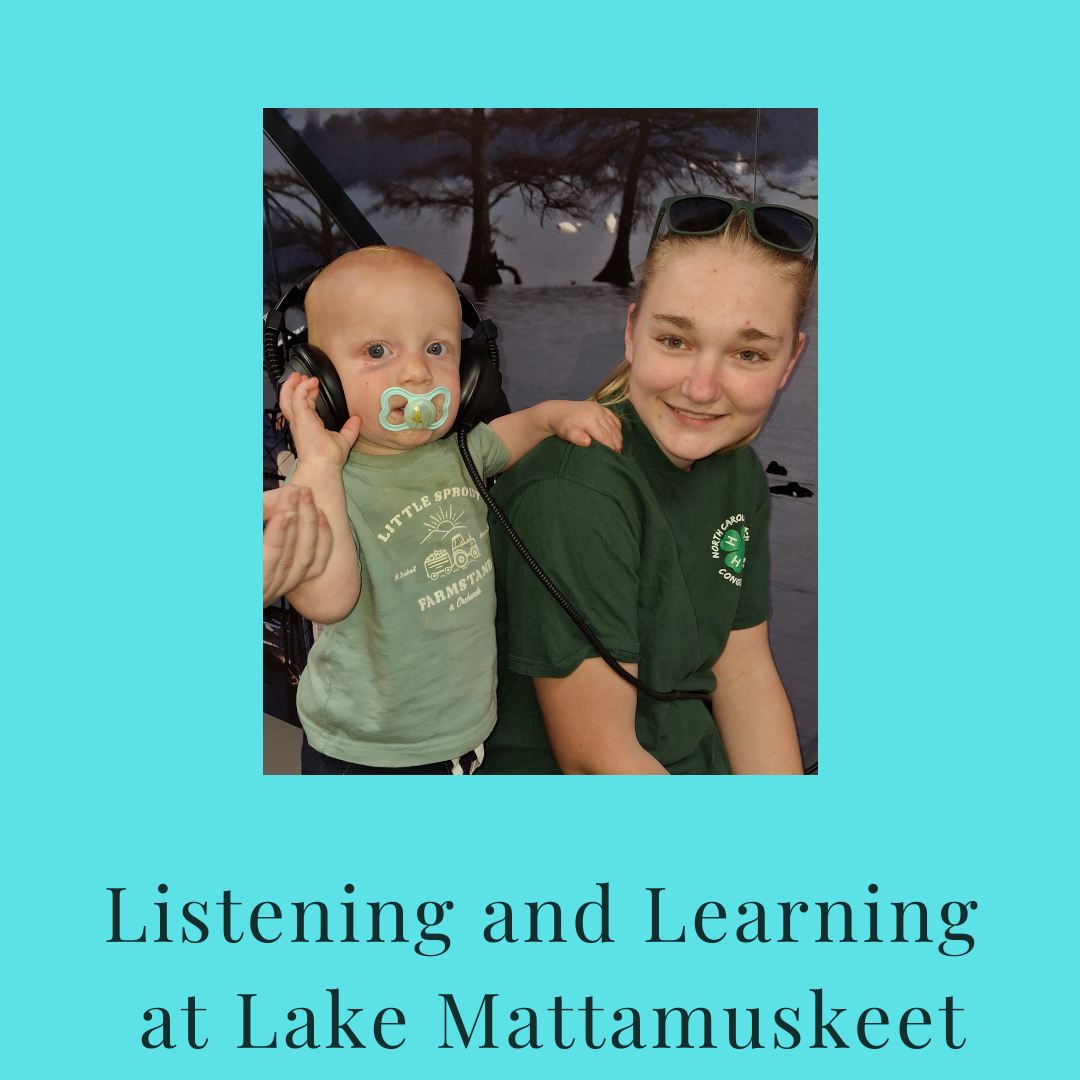
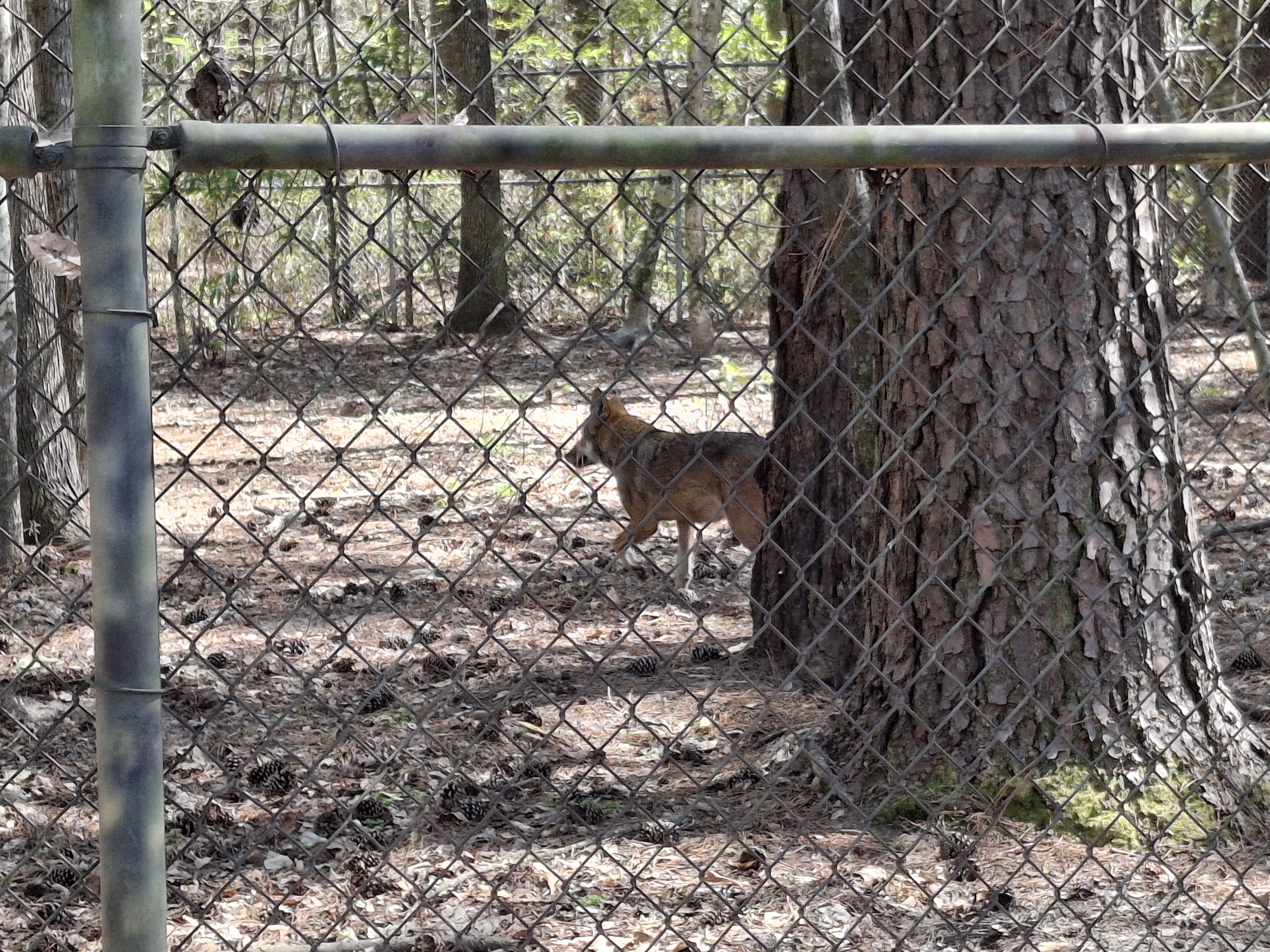
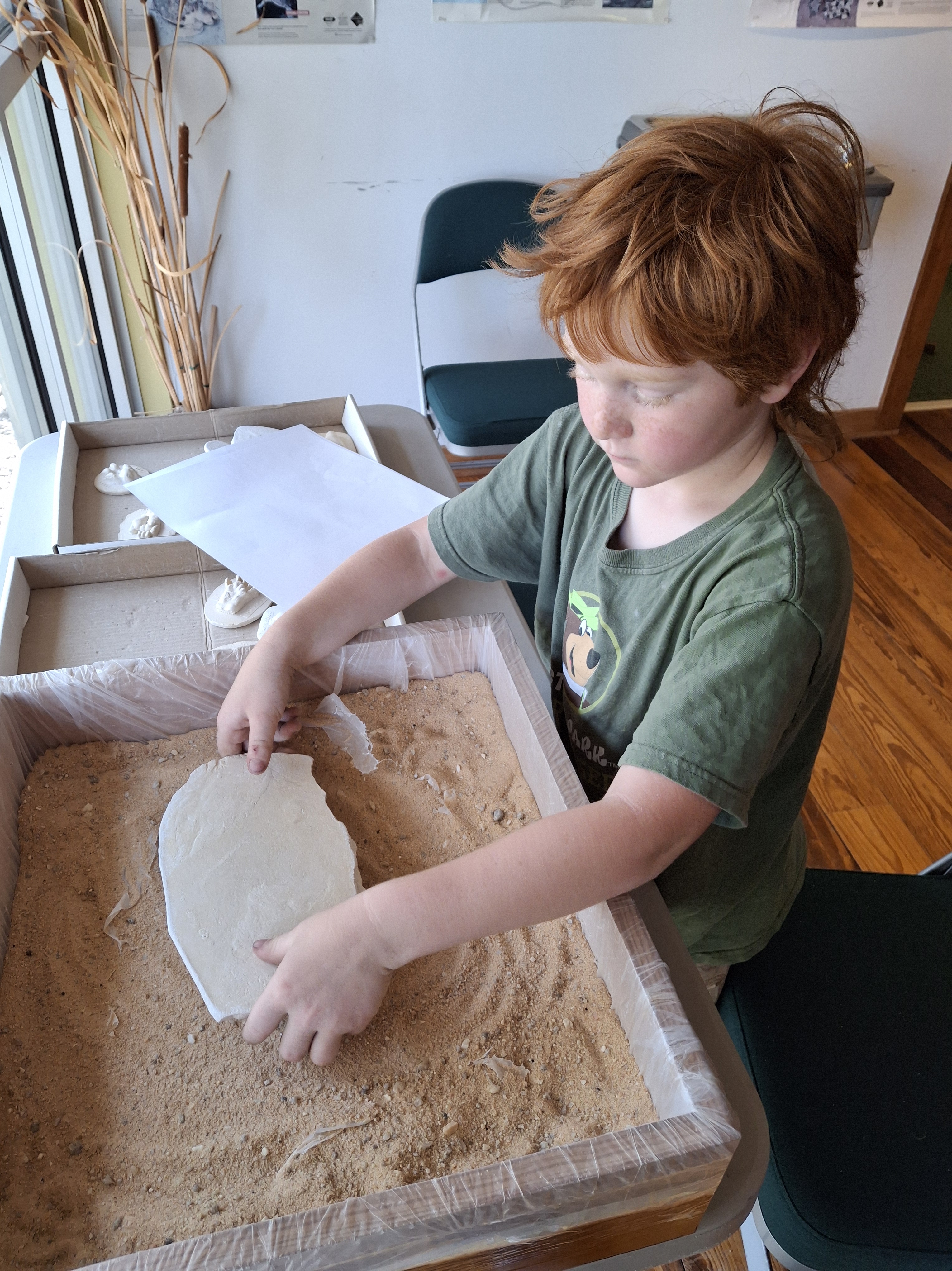
During our visits to various sites, we have seen a wide variety of birds, deer, alligators, bears, wolves, and many more. We recently visited a site and had the opportunity to learn more about red wolves, as well as observe a pair that were part of a rehabilitation program. The boys were also able to measure themselves against the wing span of various birds and create animal tracks using molds.

Making Animal Tracks


These refuges are generally free to visit, offering a fun and educational experience, providing time outside and some exercise (hiking the trails), and helping to create fun family memories. In my book, that makes it perfect for a homeschool field trip.

Helpful Hints For Planning Your Wildlife Refuge Field Trip

The most obvious way to incorporate these is a simple day trip to a local site. Those are great, but another idea is to find the sites that are along your route as you travel. They often make a great lunch and bathroom stop. They give everyone a chance to stretch their legs and learn a little something before continuing your journey.


If you decide to visit a wildlife refuge near you, you will want to obtain a refuge passport. It works much like the national park passports, with a stamp at each location. However, instead of generic pages by area, this one features a specific page for each site. You may also want to grab our field trip journal, available in paperback or digital so that your children can write about what they see and learn. (You can use code: SWAG25 to get 25% off the digital version.)


Do you have a site near you? What animals are you hoping to find?

Resource Library and Affiliate Disclosure

When you sign up for the Schoolin’ Swag free resource library you will get a link and password to the library, we are adding to the library each month with new items. You will also get a bi-weekly newsletter email to keep you up to date on what we have going on.

Resource Library 

This post may contain affiliate or referral links, including Amazon affiliate links. As always I will never recommend a product that I don’t believe in and you will never be charged more for purchasing through our links. It does help pay for the costs associated with the blog.

Have you signed up for #LifeSkillsNOW? This is such a fun and beneficial program!

  • Life skills help kids be confident, capable, and ready for anything.
  • Your kids and teens will build critical thinking and know deep down that they can do hard things.
  • Productive screen time instead of passive scrolling
  • The #LifeSkillsNow Screentime Promise: We promise to give your kids the shortest amount of (productive) screentime possible, and then OFF into the real world.
  • Expose your kids to topics you’ve never thought about (and might not know yourself).
  • Bridges the gap in traditional education with practical life skills, critical thinking, tech savvy habits, and understanding money

Journey Homeschool Science has some great online summer camps starting this month! They are a fun way to keep the learning going for the whole family.

What If You Could Give Them an Education That Truly Aligns with Your Values?Education shapes the worldview of your child. Did you know early learning forms lifelong ethical foundations? Use coupon code MAMABUG25 by June 20th, 2025, for a $44 Family Quarterly Membership (regular price: $89/Quarter). Find Christ-centered homeschool curriculum at SchoolhouseTeachers.com and set their hearts on the right path.

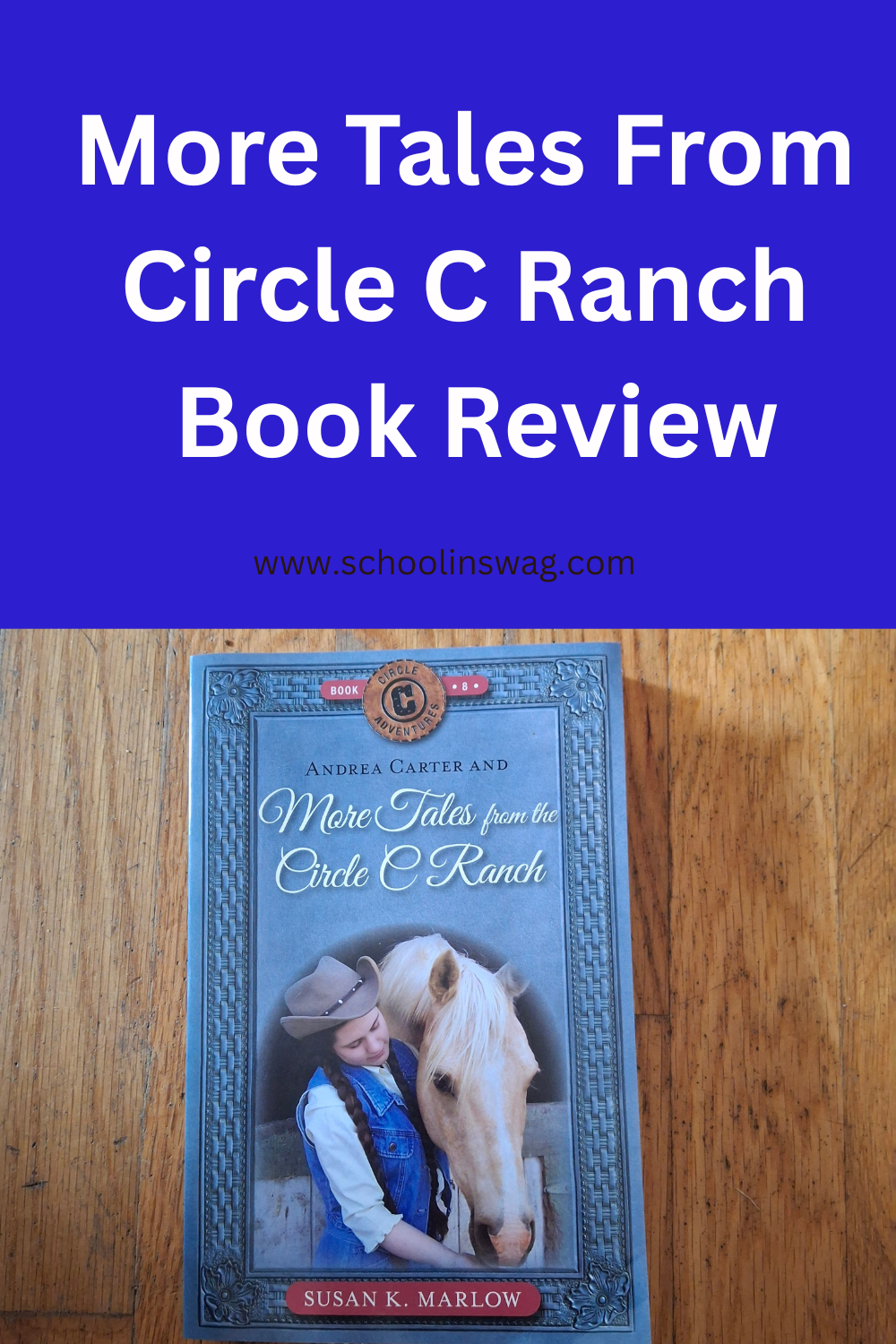
More Tales From Circle C: A Circle C Adventures Book Review

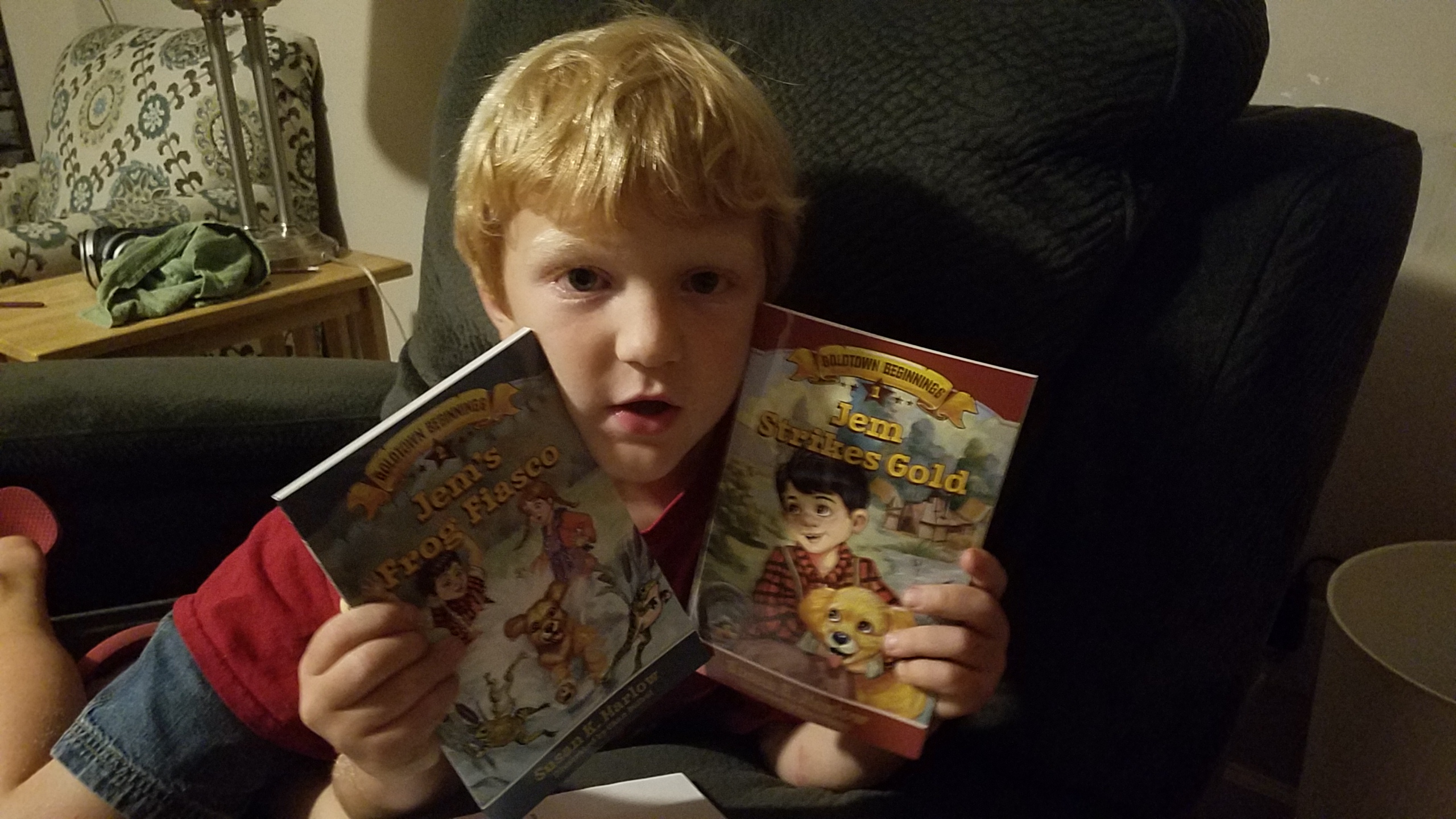
Several years ago, we were blessed with the chance to review Susan K. Marlow’s Goldtown Beginnings series. My children loved it, which led me to try even more of her books. She has some wonderful, wholesome series that our whole family has enjoyed.

*Some links are affiliate links, see disclosure below*

One of the things that is different about her books than many authors is that she often has several series for a character that follow them at different ages and are written for different-aged (or ability) readers.

The Circle C books follow Andrea Carter, a wonderful, horse-loving young lady. From the Beginnings series, where we meet young Andrea (Andi) at age 6, to the Stepping Stones books when Andi is 9, up next are the Circle C Adventure Books when she is twelve. There are also the Circle C Milestones books that feature her as a teenager.

Throwback to our first time with Goldtown

More Tales From The Circle C Ranch (Book 8)

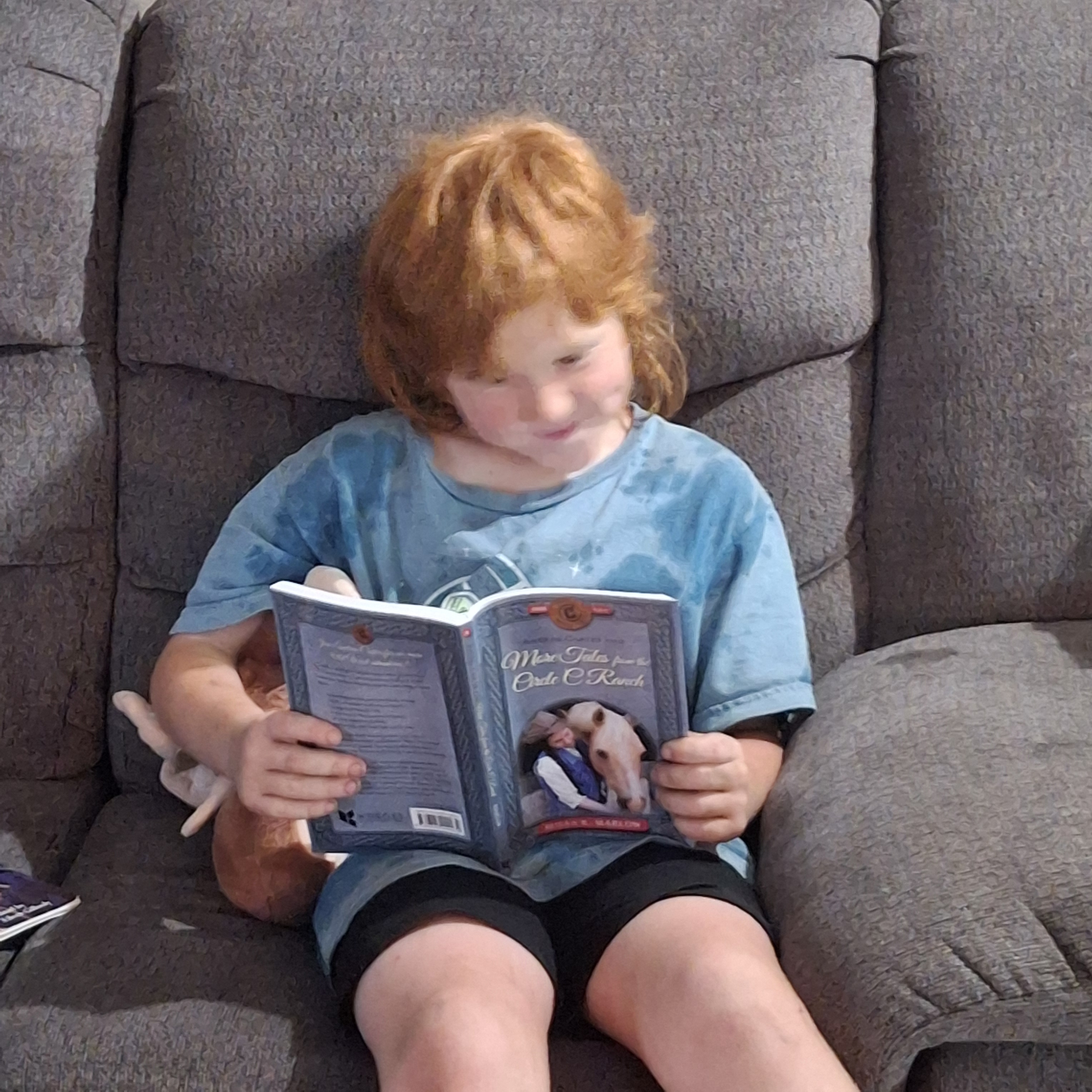
This review focuses on the newest book in the Circle C Adventures series, book 8, More Tales from the Circle C Ranch.

This book is a compilation of six short stories featuring Andi and her family and friends. The stories range from an unfortunate roping incident to a summer on the pond. The book is about 139 pages long, and each story is from twelve to almost forty pages long.

The stories are broken up into short chapters and their are a few black and white sketch style illustrations sprinkled throughout the book.

Throughout the stories, Andi has adventures and mishaps. You get to see her handle trouble and grow through the process. For readers who have read the other books in the series, we also get to visit a few “old friends” from previous books. 

More Tales from the Circle C Ranch takes place in 1880 and 1881. While they are not primarily history books, they introduce readers to various events and the lifestyles and cultures of the historical period.

This is a great way for students to make more connections with their history study and better understand the times. For example, in one of the stories, Andi’s friend’s brother had just gotten a bicycle. Bicycles were a new invention, and the girls did not even know what they were.

Who Should Read More Tales From the Circle C Ranch?

Overall, I highly recommend this book for independent reading for upper elementary and middle-grade students or as a family read-aloud for all ages. The short story style makes it easy to use as a read-aloud and could also benefit children who struggle to read or get frustrated with longer selections.

If you want to start at the beginning, you can try Circle C Beginnings for young readers, the very beginning, or the first book in the Circle C Adventures series.

Resource Library and Affiliate Disclosure

When you sign up for the Schoolin’ Swag free resource library you will get a link and password to the library, we are adding to the library each month with new items. You will also get a bi-weekly newsletter email to keep you up to date on what we have going on.

Resource Library 

This post may contain affiliate or referral links, including Amazon affiliate links. As always I will never recommend a product that I don’t believe in and you will never be charged more for purchasing through our links. It does help pay for the costs associated with the blog.

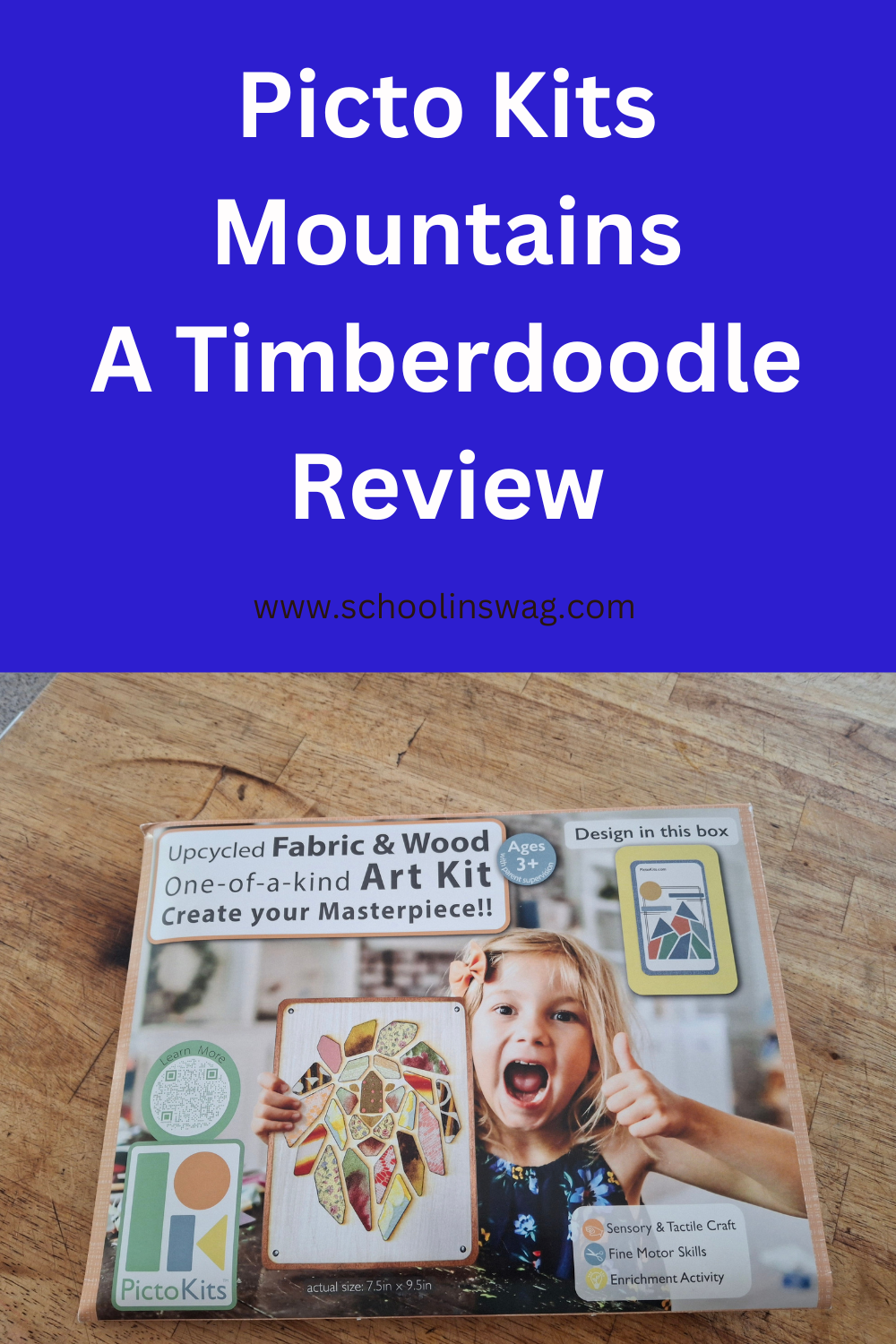
Picto Kits Mountains: A Timberdoodle Review

As a homeschooling mother of five, with one of my boys especially interested in art, I am always looking for fun new art projects. Art helps develop fine motor skills, creativity, and many other skills. Timberdoodle recently gave me the opportunity to review a product that was new to me: a Picto Kit.

What is a Picto Kit?

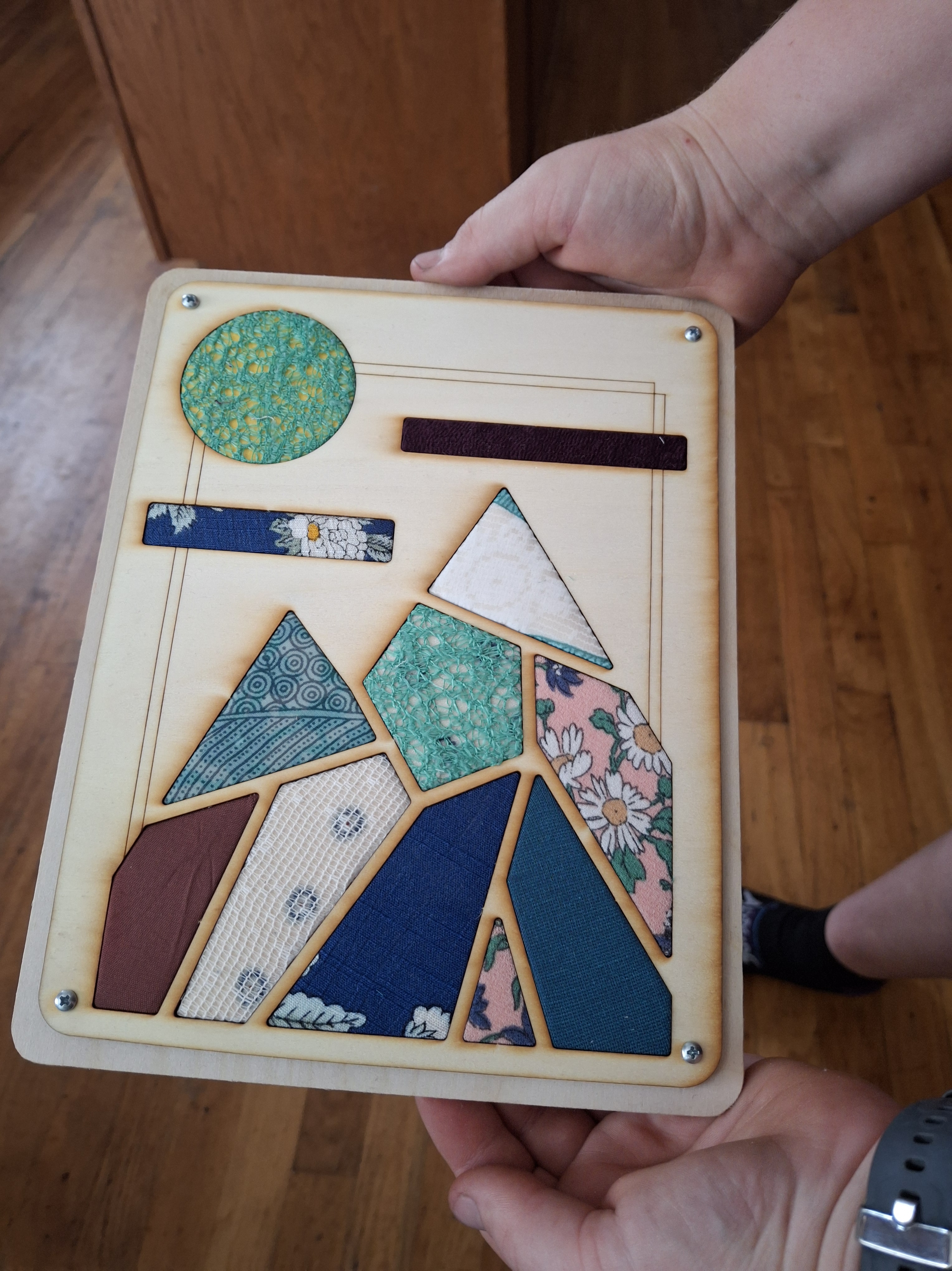
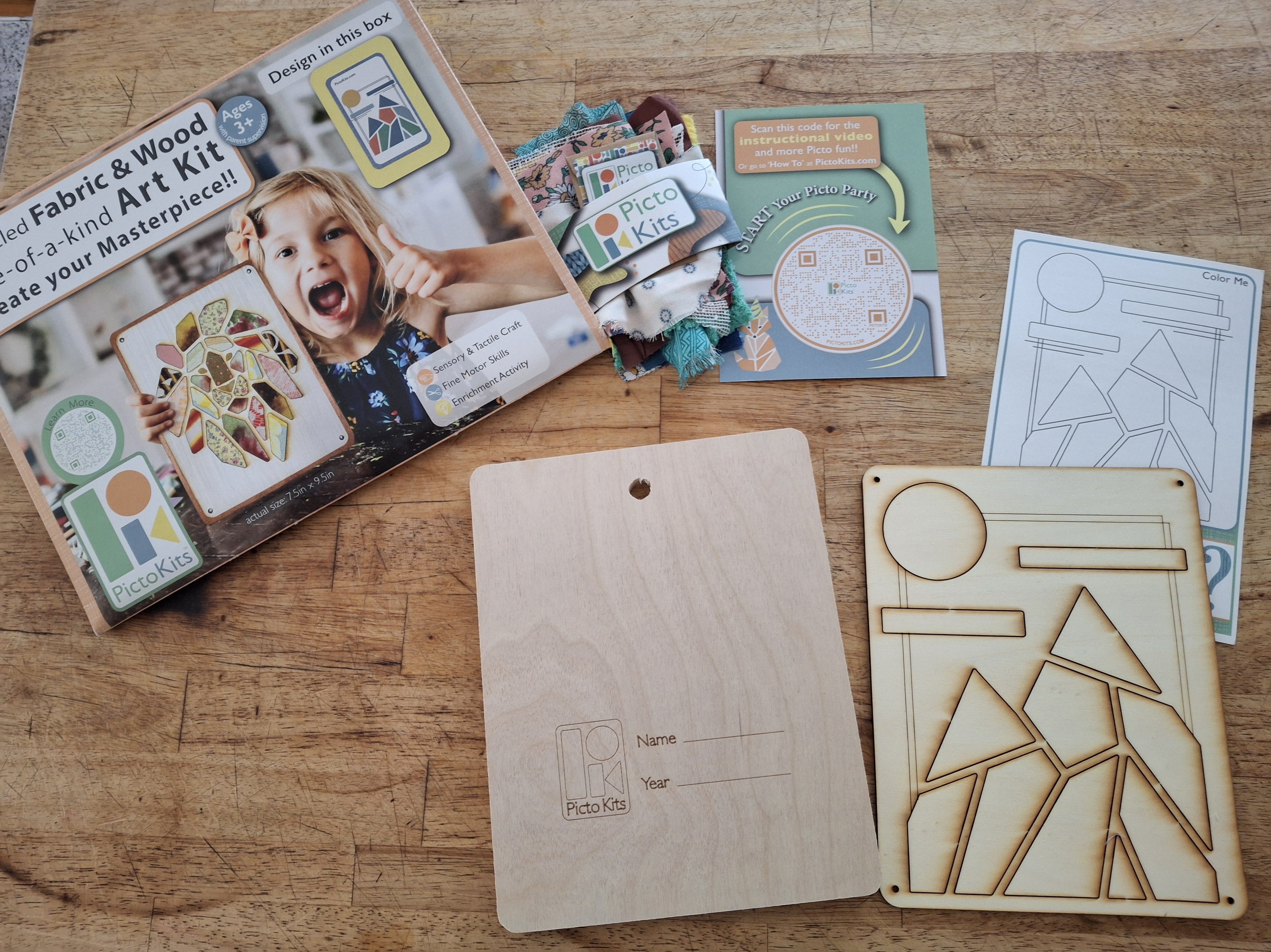
There are multiple designs within the Picto Kit line, but we reviewed the Mountains kit. These kits use wood and fabric to create a fun and beautiful work of art. The child gently removes precut shapes from the wood, chooses fabric from the variety included in the kit, and covers the wooden pieces with different colors and patterns of fabric. The kit comes with a wide variety of upcycled fabric scraps to choose from (or you could use your own).

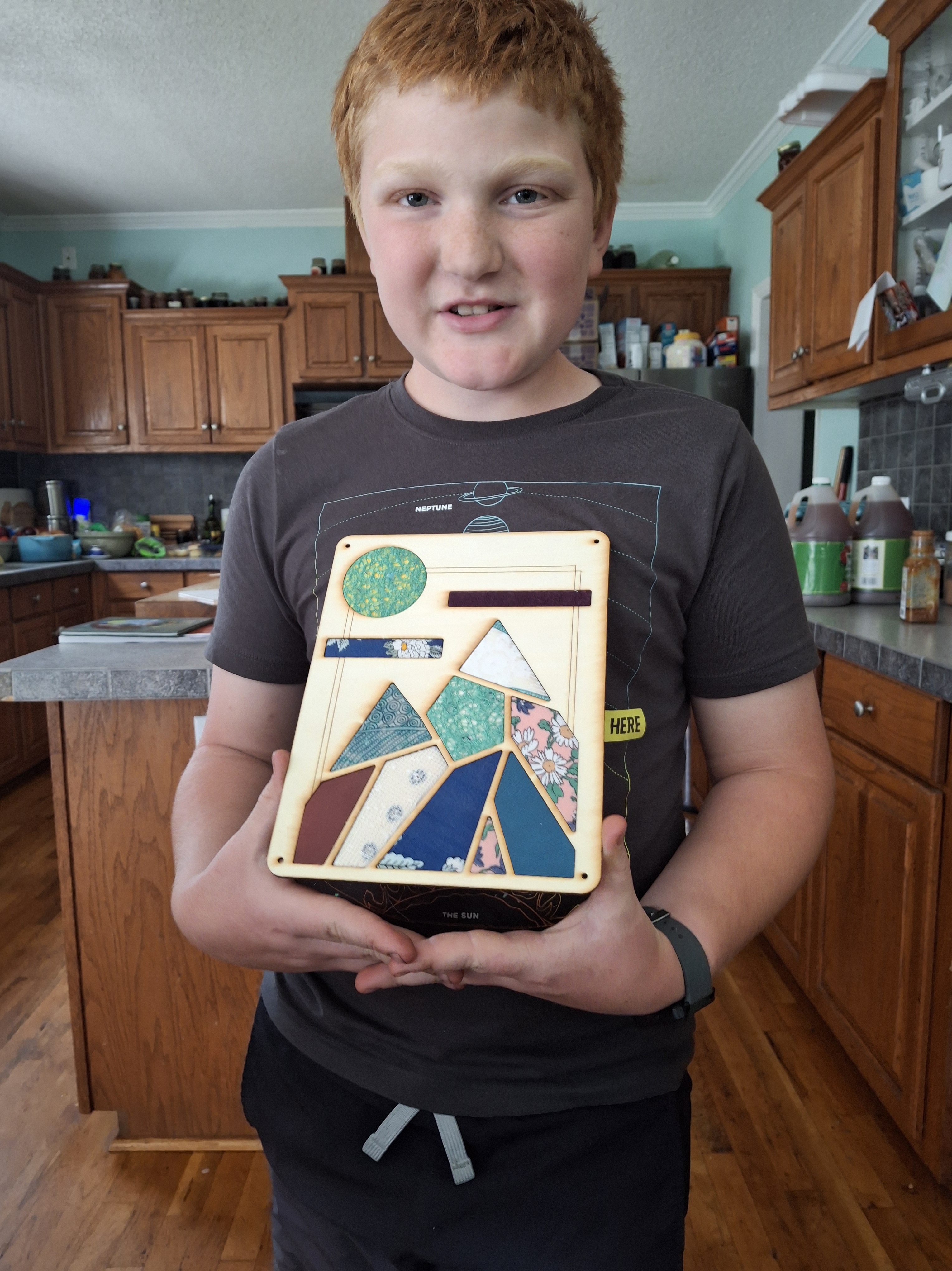
Once the wooden pieces returned to the frame, it is screwed onto the included block of wood using the included screws and the predrilled holes.  The overall size is 7.5 in x 9.5 in. The Mountains kit makes a beautiful picture of two mountains with clouds in the sky and a big round sun at the top.

A short video tutorial (about four minutes long) explaining how the kit works can be accessed through a QR code. The directions were simple enough that my eleven-year-old son was able to watch the video and complete the project independently.

Picto Kit Components

The kit includes all of the materials necessary to complete this project, but you will need a hammer, screwdriver, and scissors.

If your child wants to paint the wooden block, you must provide paint and brushes. My son chose not to paint his, and it still turned out beautifully.

From start to finish, the project only took him about thirty minutes to complete.

Five Things We Loved About Picto Kits

  1. You can unscrew the frame and trade out the fabric to make new designs as many times as you want, so it does not have to be a one-and-done project.
  2. The different fabrics and geometric shapes encourage creativity.
  3. Adding tools to art was a lot of fun for my son.
  4. It was simple enough for younger children but creative and fun enough for even adults to use.
  5. The wooden block and frame make the completed project very study.
The artist with his completed Mountains Picto Kit.

Who Should Use Picto Kits?

Overall, I think these are great projects for a variety of ages. They are beneficial as a part of your homeschool art studies or just as a fun project for your art-loving child. They would be a great summer project to sneak in some learning through play. The various colors and textures of the fabric, along with the fact that you can keep changing the fabrics, allow for a great deal of creativity and imagination.  

You can hang the wooden frame on the wall to show off your child’s work, have them re-do the picture as often as they like, or even gift their artwork to a friend or relative. The sturdy wood and beautiful fabric easily make an art project suitable for gifting.

Find out more about these kits, and check out all the different designs at Timberdoodle!

My Unsolicited Thoughts About Journey Homeschool Academy’s Elementary Astronomy

I’ve been telling you how much I love Journey Homeschool Academy for high school science ever since my son tried out biology several years ago. He went on to college sciences and said that he was well prepared because of his experience with Journey Homeschool Academy.

High School Biology

*links are affiliate links, see full disclosure below*

First, I love that the lessons use a Christian worldview. As a busy mom of five, I appreciated that at the high school level, they were designed for my students to complete independently with video instruction, lab guides, and online tests. It was so simple for me to set them and get them started. Finally, I appreciated that it was approachable, engaging, and rigorous.

What’s New in Our Journey Homeschool Academy Experience?

I am excited to try out one of their elementary courses this year. I have generally done teacher-directed science in the elementary years (mostly with Apologia and the geology course I created). However, in this particular season of life, I really wanted a science that could get done even when I needed to have my attention focused on a busy toddler or when I needed to be shuttling the baby to physical therapy or other appointments. 

We will officially start Astronomy in September with our new school year. However, I have been checking out the video lessons and materials to get ready and to share more with you guys in case anyone else needs a helping hand with science this year.

The Basics of Elementary Astronomy with Journey Homeschool Academy

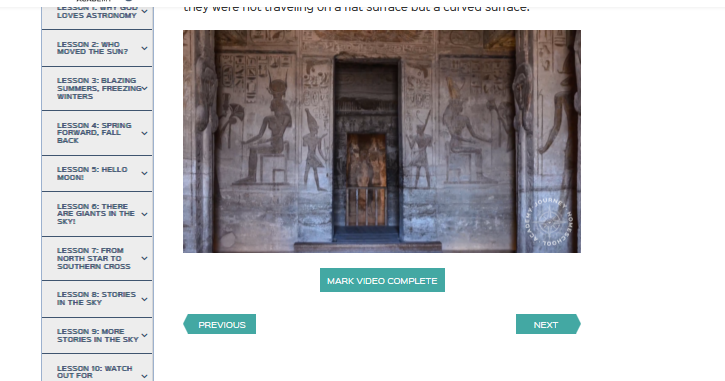
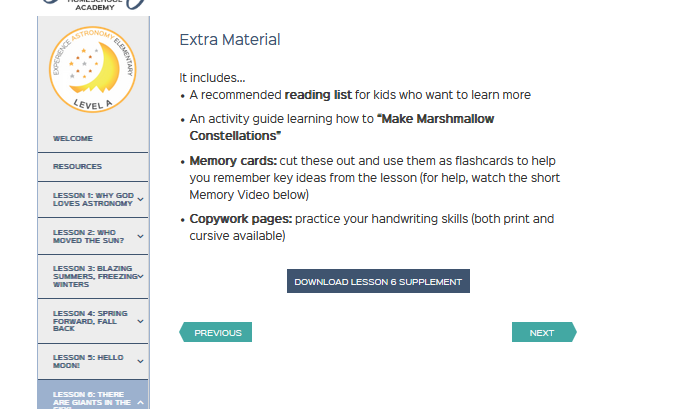
This elementary astronomy course has thirty lessons. Each lesson includes a video (around fifteen to twenty minutes long), a hands-on activity, memory cards (with a two to three-minute memory video), copy work, and suggested additional reading.

The videos cover the concept for the week and often share footage from a different location, like a virtual field trip. They are very reasonable in length and engaging, not just rote lectures.

A sample of the resources included in an elementary astronomy lesson.

The hands-on activities use primarily materials that would be found around most homes (especially homeschool homes, which tend to have a nice crafting collection). They are simple enough to complete but help reinforce the concept for the week.

The memory cards include a few of the most important facts from the week, and each week, a short two—to three-minute video discusses them.

There is copywork for each week in cursive or print form, and there is a quiz that you can use if you wish.

There is a lot of flexibility built into this curriculum, and you can use as many or as few of the resources as you choose and go at whatever pace you would like. Unlike the high school courses, you have lifetime access to this course.

Seven Things I love About Elementary Astronomy

  • I love that the video lessons are long enough to cover the material well but short enough to keep the attention of my active boys!
  • I love that they honor the Creator and give glory to God.
  • I love that it includes hands-on projects that are easy to complete.
  • I love that the course is only 30 weeks long, so we can easily complete it in a school year while still taking December off for Christmas schooling.
  • I can use it with multiple ages at one time.
  • It will give us another excuse to go outside and study God’s creation.
  • I love that I have lifetime access so we can go as slow or fast as we want, and I can use the course again in a few years with my youngest.

What Will I Add to Journey Homeschool Academy’s Elementary Astronomy?

This course easily stands on its own as a science course and would not need anything added. However, we love art in our house, and Nana over at You Are an Artist has some wonderful space-themed art lessons that will be the perfect complement to this course. You can purchase them separately as a course, or they are included in the art membership (which we love because we can choose whatever strikes our interest that day).

Overall, I am very excited about using elementary astronomy next year. It will simplify science instruction and help me ensure that it does not get pushed to the back burner. My children are excited about astronomy, a topic that I think the whole family can enjoy. Overall, I think the Journey Homeschool Academy elementary courses would be a great fit for families struggling to make time for science, wanting something easy to implement, or having a strong interest in astronomy.

Resource Library and Affiliate Disclosure

When you sign up for the Schoolin’ Swag free resource library you will get a link and password to the library, we are adding to the library each month with new items. You will also get a bi-weekly newsletter email to keep you up to date on what we have going on.

Resource Library 

This post may contain affiliate or referral links, including Amazon affiliate links. As always I will never recommend a product that I don’t believe in and you will never be charged more for purchasing through our links. It does help pay for the costs associated with the blog.

Field Trip Friday: Canyon de Chelly National Monument

When you think about big canyons, your first thought might be the Grand Canyon. However, many other beautiful canyons are worth the time to visit. Canyon de Chelly National Monument may not be as big as the Grand Canyon, but it is lovely and has a rich history.

(We have been taking advantage of my son’s Every Kid Outdoors Pass and visiting as many National Park sites as possible. For this post, I will use the term National Park to mean any park site, including historic sites, monuments, etc.)

*Some of the links in my posts may be affiliate links see below for more information. *

Our Suggested Itinerary

Start your tour of Canyon de Chelly at the visitor’s center. They are a great source of information about the history of the canyon and the native people who called it home. You can also pick up your Junior Ranger packets and get those passports stamped.

Then, head off along the road to view the canyon from any (or all) of the nine available overlooks. A tenth overlook is also available seasonally for a fee, but it was not open when we were there in the off-season.

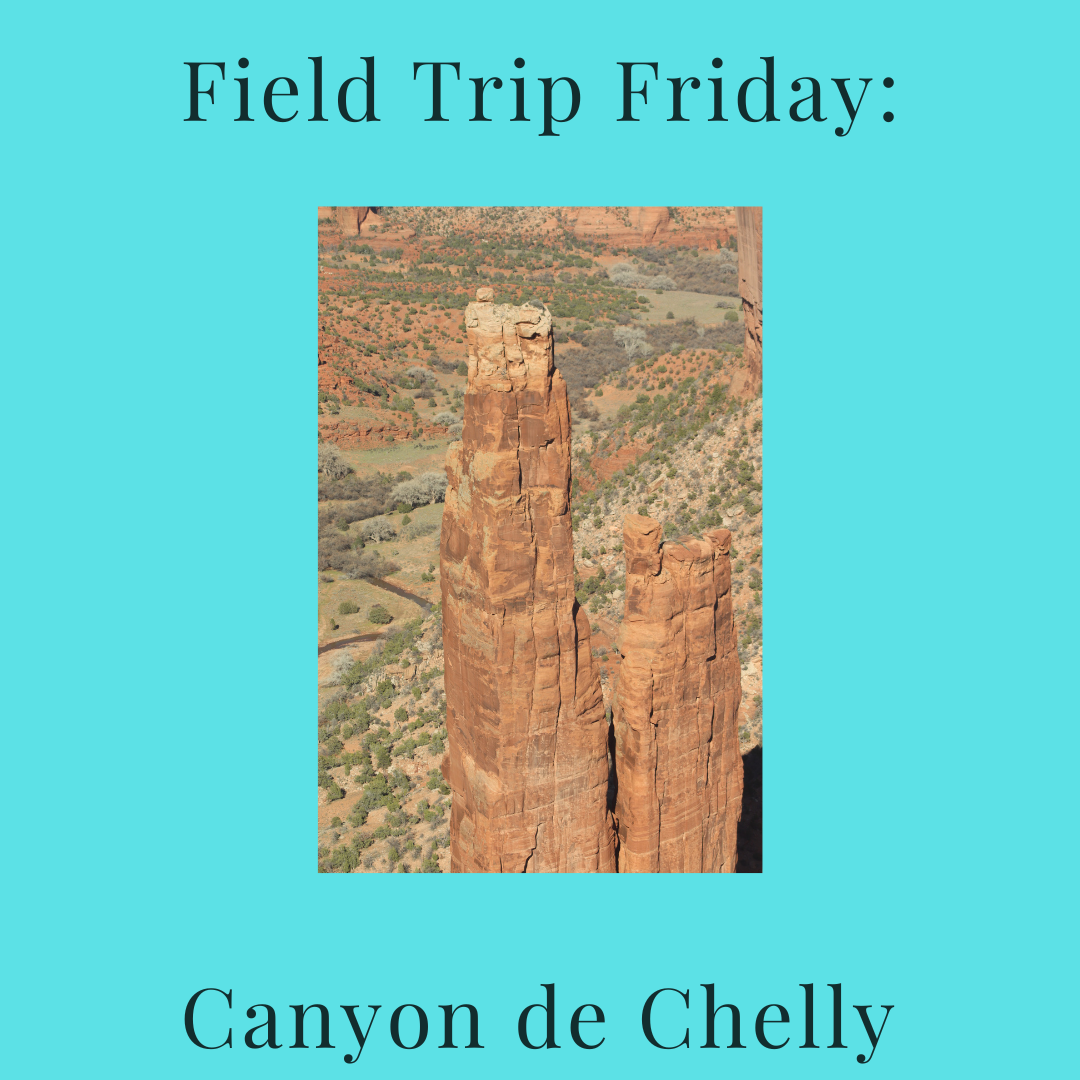
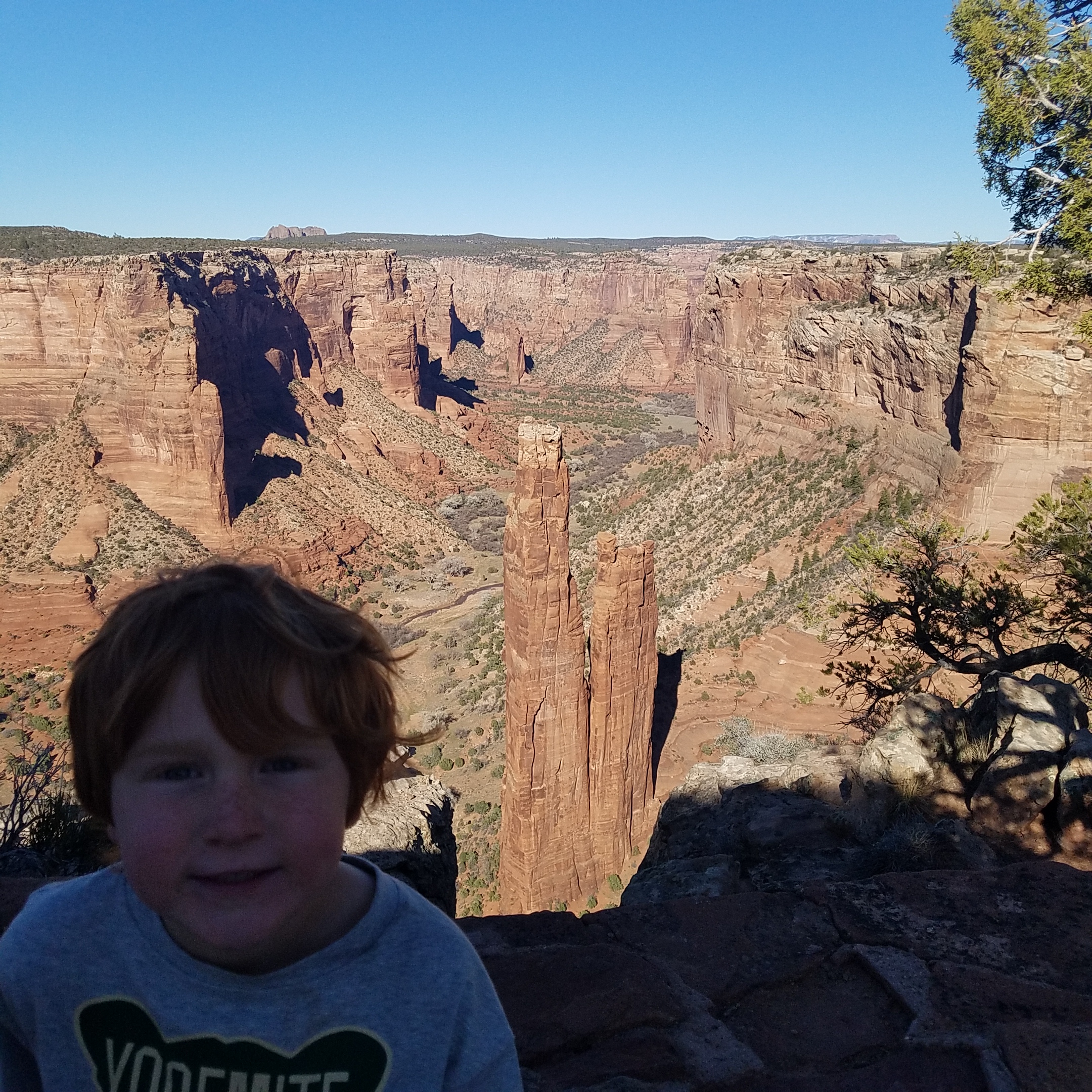
If you are limited on time and have to pick and choose which overlooks to visit, I recommend making sure Spider Rock is on the list. It is one of the more notable rock formations and was really neat to see.

We had limited time at the canyon (only about half a day and then overnight in the campground), so we did not get a chance to take a tour. However, if you had more time, I think that would have been a great way to see more of the canyon and learn more about the history of the people who lived there.

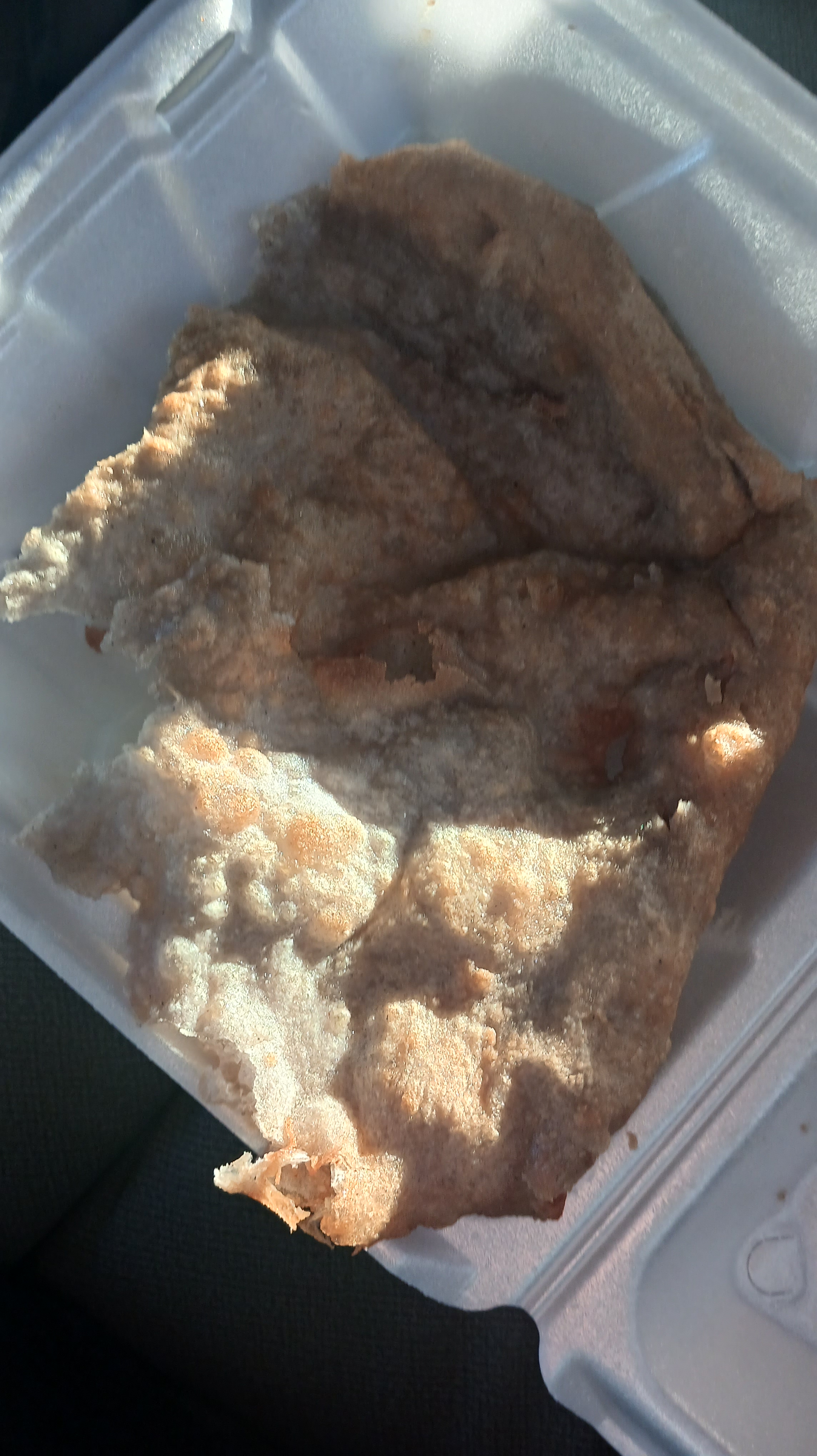
Fry Bread!

Once you have seen the canyon and completed your junior ranger books, stop by the visitor’s center to get your badges and check out the restaurant at the motel just behind the adjacent campground. They had some delicious fry bread.

History at Canyon de Chelly National Monument

This beautiful canyon was home to Native Americans for 5,000 years. As you stop at overlooks, you can see where they carved homes in the canyon walls. At the visitor’s center, there are exhibits that show various styles of homes used over time by the people of the area, as well as some other exhibits that share more about the people’s culture. The National Park Service runs the park in conjunction with the Navajo Nation.

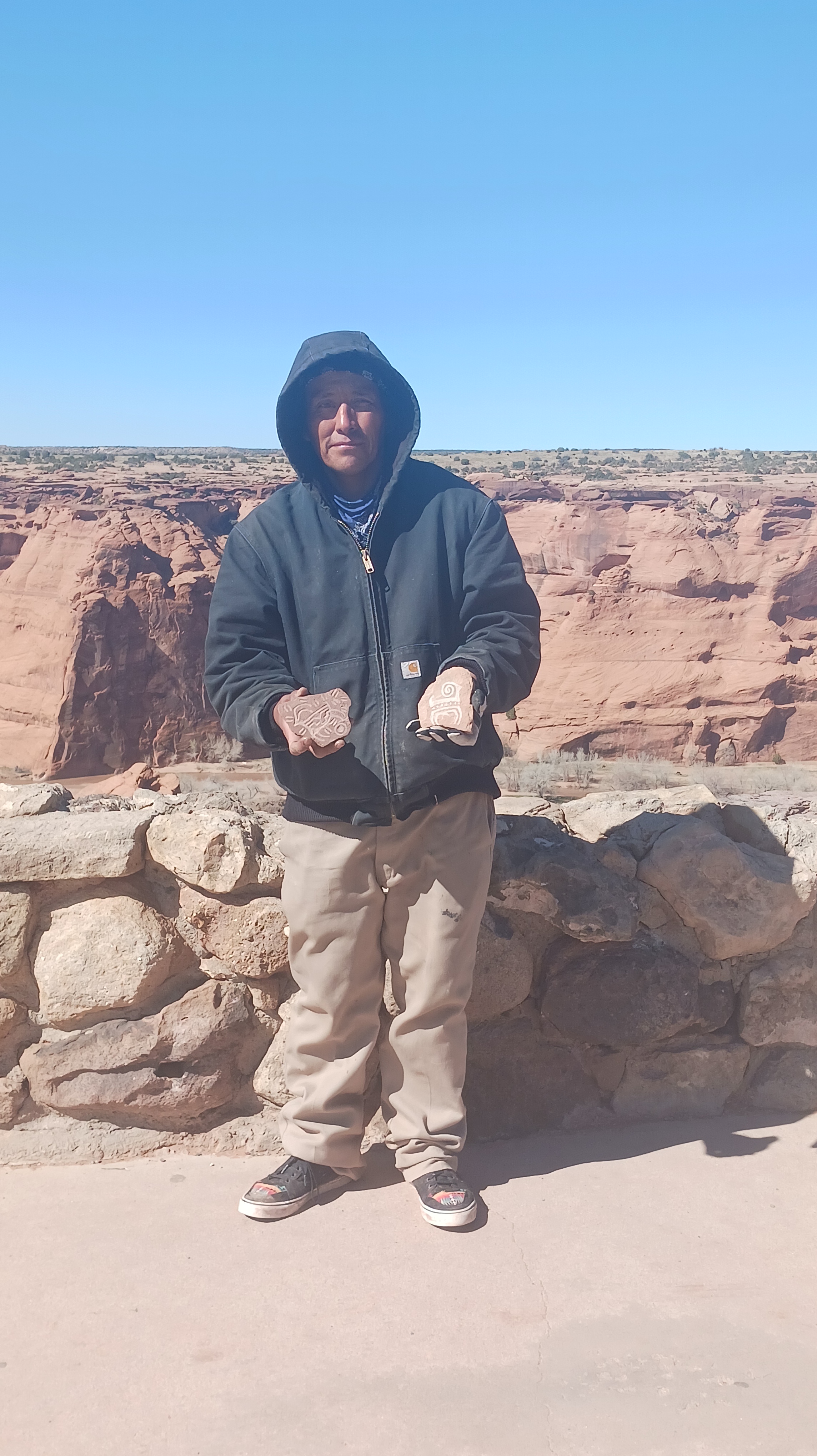
We bought some beautiful art from this local artisan at one of the overlooks.

If you get a chance to visit, let me know how you like it. Don’t forget to take your park passport and get it stamped! We have found that the passport is a great way for the children to get a souvenir at each park with no additional expense after the initial purchase.

Where:

Information Center: Chinle, AZ

Hours of Operation:

Information Center is open 8 am to 5 pm seven days a week (closed major holidays)

Costs: Free

Homeschool Discount: n/a

Website: https://www.nps.gov/cach/index.htm

Food: There is no food available on site, but there is a restaurant in walking distance of the visitor’s center and campground. (We did not eat a full meal at the restaurant but the fry bread was delicious.)  

Resource Library and Affiliate Disclosure

When you sign up for the Schoolin’ Swag free resource library you will get a link and password to the library, we are adding to the library each month with new items. You will also get a bi-weekly newsletter email to keep you up to date on what we have going on.

Resource Library 

This post may contain affiliate or referral links, including Amazon affiliate links. As always I will never recommend a product that I don’t believe in and you will never be charged more for purchasing through our links. It does help pay for the costs associated with the blog.

Deals and Freebies

Schoolhouse Teachers is now offering a lifetime option! They are a great place for a one stop shop curriculum or a way to have a lot of options to fill in different electives and courses into what you have already chosen.

For 3 days only—March 10–12— you can upgrade to a Lifetime Membership with SchoolhouseTeachers.com with code LIFE25!

$990 (Reg. $1,850) = One Payment for a Lifetime of Homeschooling!

Tuesday Tips:  Beating the Winter Blues

The beginning of a school year offers a lot of excitement and energy. There is new curriculum to explore, a desire to get back into a routine after a break, and often lots of field trips and opportunities.  Then comes the crazy of the holidays with extra crafts, fun events, and various opportunities.

*Links may be affiliate links, see disclosure below*

However, after the holidays comes the winter season. This can sometimes be the hardest time of year for homeschoolers. The newness has worn off, the weather is often less than ideal, there is less sunlight (which affects mood for many people), and it can feel like a long, hard road to spring.

While it can be a challenging season, there are a few simple ways to help improve attitudes (both yours and your students) and get the most out of homeschooling in the winter.

  1. Change Things Up

Add some type of fun extra into your homeschool day. For example, maybe this is when you finally get to those science experiments you have been putting off, or maybe you add in a handicraft that your children are interested in learning. Maybe now is the time to try out a STEM learning kit or an art subscription. Try to think about things that your children would be excited to do.

2. Bundle Up and Get Outside

One of the reasons winter is so hard for many people is the lack of sunshine and the monotony of the days. Someone once said that there is “no bad weather, only bad clothes.” While that is not always true, if we dress appropriately, we can easily get outside for an hour and get fresh air and sunshine to brighten up our day. Check out this post for more ideas on getting outside.

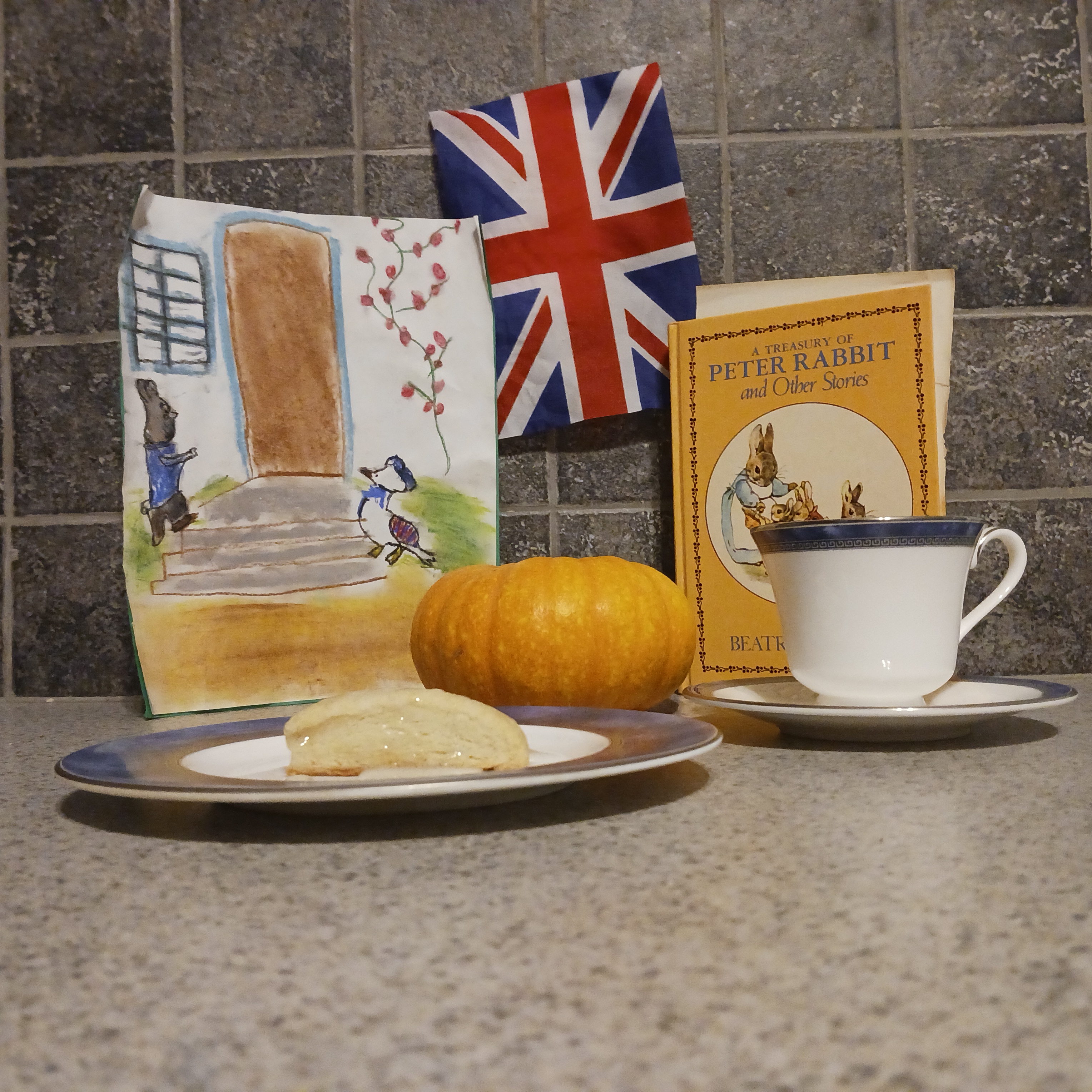
3. Tea Time

Another fun way to add excitement to your winter days is having a daily or weekly tea time. You can enjoy a read-aloud, some poetry, or just share a good conversation with a warm drink and a snack. This could be something homemade that you bake together, or it could be as simple as a package of store-bought cookies and some hot cocoa mix. Remember you can make memories with a box mix.

4. Lean Into the Slowness

While not always the case, winter is often a slower time of year. There are fewer field trips as people slow down and recover from the busyness of the holidays and wait for the warmer days of spring. This could make the days a bit monotonous, or we can lean into it and consider it a blessing. This gives us time to enjoy a long read-aloud on the couch with a warm drink, wrap up in a blanket, and watch a movie that coordinates with our studies.

Do you notice the winter homeschooling blues? How do you help overcome those days and enjoy your time in the winter? I would love to hear additional tips and tricks in the comments.

Resource Library and Affiliate Disclosure

When you sign up for the Schoolin’ Swag free resource library you will get a link and password to the library, we are adding to the library each month with new items. You will also get a bi-weekly newsletter email to keep you up to date on what we have going on.

Resource Library 

Tuesday Tips: How Meal Prepping Helps My Homeschool Day

Meal prepping may sound more like a homemaking than a homeschooling issue, but it can significantly benefit my homeschooling day.

When I plan ahead and have lunches that are quick to make, can be thrown into the crockpot that morning, or are made ahead of time and just warmed up, it benefits my homeschool.

My children are more focused in the morning, and we try to do the majority of our schooling before lunchtime. While everyone’s time schedule is different, we try to have chores, breakfast, etc., done by 9 a.m., and then we jump into our morning routine. Morning time is complete by ten, which leaves us approximately two hours before lunchtime.

For my elementary school children, two hours is sufficient to complete most of their daily schoolwork (we do music and art lessons in the afternoons). However, if I do not have a good lunch plan, I am cutting into those two hours, and we cannot finish everything.

We can finish after lunch, but that cuts into outside time, hobbies, house cleaning, my work schedule, etc. It is also harder for them to refocus and finish up after having the lunch break.

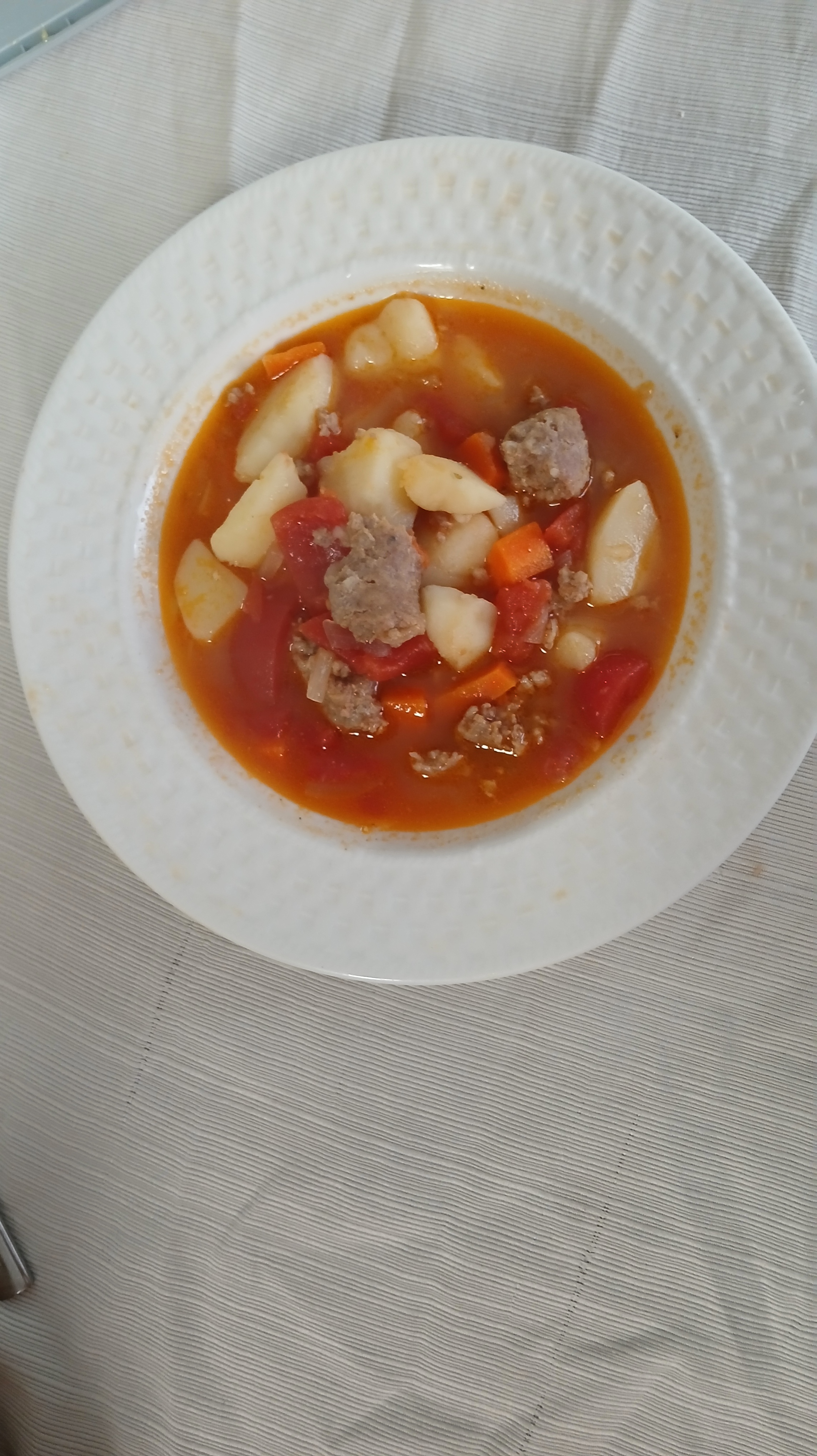
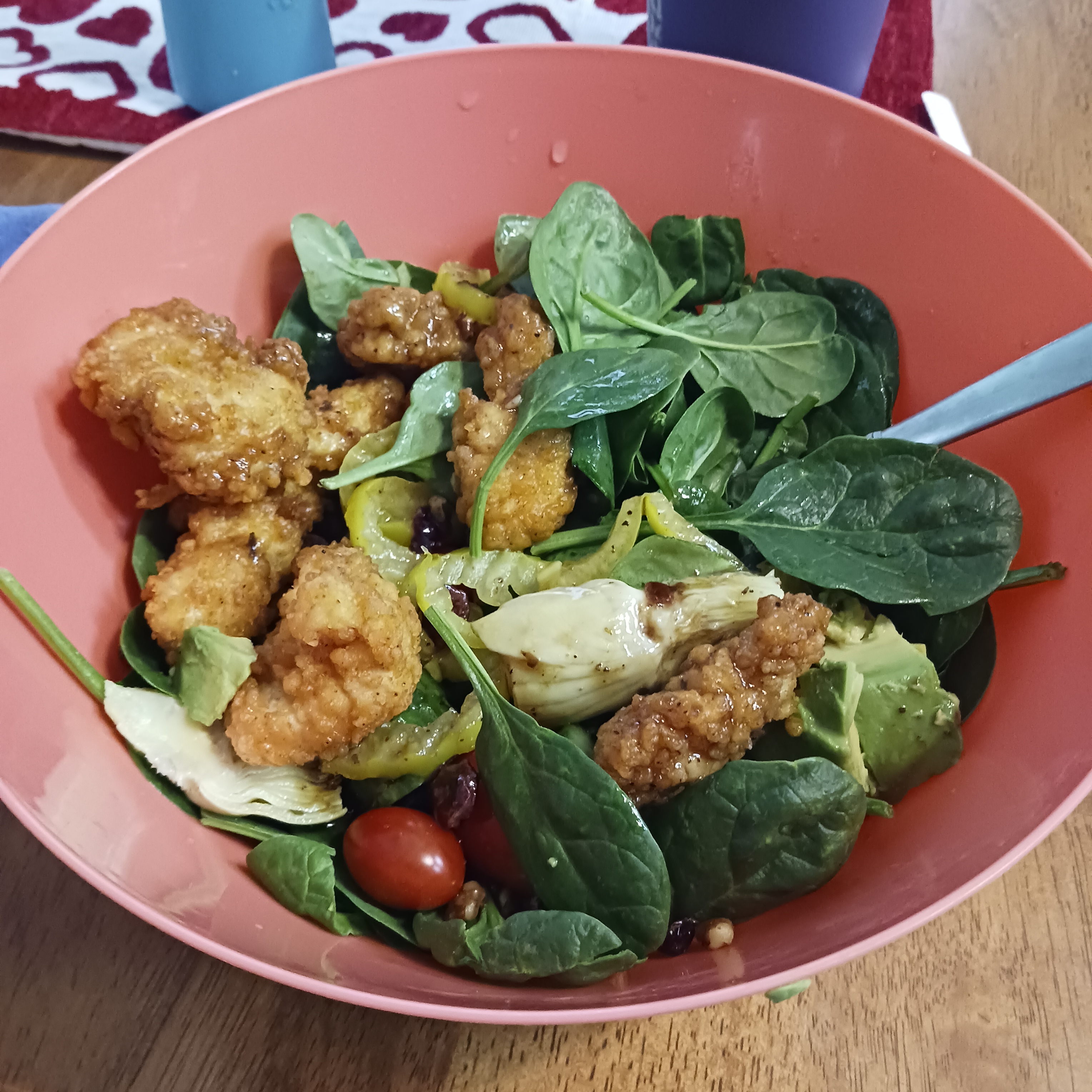
When I meal plan for lunches, I think about things that can be made in 10-15 minutes or can be prepped ahead of time. As an added bonus, I find that when I plan and prep for lunch ahead of time, it is far easier for me to make sure that we are eating well-balanced meals with plenty of protein and vegetables.

Some of our favorites:

  • Salads (chef, fried chicken, taco, etc.)
  • Soups
  • Calzones (prep a batch and freeze, then pop them in the over)
  • Chicken Salad
  • Pasta Salad
  • Nachos
  • Quesadillas with fruit and side salads
  • Loaded Baked Potatoes (cook the potatoes in the crock pot or instant pot)
  • Pasta with veggie and meat sauce (sauce in the crock pot and boil noodles for lunch)

I would love to hear more about your favorite quick and easy lunches and how you set things up to make your homeschool days more efficient.

Resource Library and Affiliate Disclosure

When you sign up for the Schoolin’ Swag free resource library you will get a link and password to the library, we are adding to the library each month with new items. You will also get a bi-weekly newsletter email to keep you up to date on what we have going on.

Resource Library 

This post may contain affiliate or referral links, including Amazon affiliate links. As always I will never recommend a product that I don’t believe in and you will never be charged more for purchasing through our links. It does help pay for the costs associated with the blog.

Check out this upcoming Summit! You can attend for FREE or upgrade to the VIP Access to have it for a life time.