IQ Circle: A Timberdoodle Review

Having already tried (and loved) IQ Gears and IQ 6 Pro, I was happy to review IQ Circle from Timberdoodle. These independent player games challenge the brain and are lots of fun!

What is IQ Circle?

IQ Circle is a logic game that involves puzzle pieces that are connected spheres of different sizes and colors and a circular game board with spaces of different sizes and dividers at different intervals.

The puzzle book also includes 120 puzzles of varying challenge levels.

How Do You Play IQ Circle?

To begin playing, you open the book and choose which puzzle challenge you would like to complete. There are five levels, and I suggest starting with the starter level until you get a feel for how the game works.

Levels:

  • Starter
  • Junior
  • Expert
  • Master
  • Wizard

You will use the puzzle book to find a challenge, then fit all the spherical puzzle pieces onto the board without any going over a divider. The concept is simple, but the challenges really work the brain.

One thing to note that we did not realize at first, but quickly learned when the first puzzle was not working out for us, is that the dividers on the board do not come in equal intervals, and it is critical to line them up with the puzzle book to make it all fit.

The colored sections show you where those pieces go, and then you have to figure out the rest.

Our Experience with IQ Circle

My twelve-year-old son got to try this one out first.  He opened it and immediately started on the first puzzle, but soon realized the pieces shown didn’t fit correctly.

After taking a few minutes to read the directions more carefully and look at the board more closely, he realized the board wasn’t lined up correctly. Even though it is a circle, position matters for these puzzles.

Once he figured that out, he worked through several puzzles in the starter level and then moved up to junior and expert. He had a great time with it and continues to work on the puzzles, but he is not quite ready to move up to Expert and Wizard.

As an adult, I really enjoyed this game as well. While it works the problem-solving and strategy part of my brain, it is also relaxing to think through the solutions.

“IQ Circle was really fun and it helped me work on my problem solving abilities.” Benjamin, age 12

The game helps develop flexible thinking, problem-solving, visual skills, and logic. It was a fun challenge, and we plan to add it to our Friday game time rotations. My son has also asked about bringing it on long car rides, and I think it will be a great option.

Who Would Enjoy IQ Circle?

This game is for many ages, especially with the different-level puzzles. It is recommended for ages 14+, but I think middle schoolers could also enjoy it, especially the easier levels.  The puzzles are more challenging than some of the other IQ games.

It would also be great for adults looking for a break from life or work stress and a way to keep their brains active.

With all the different tasks, you could spend as little as five minutes playing or spend an hour or more doing multiple tasks.

This compact carrying case makes it perfect for playing on the go!

Overall Thoughts

IQ Circle from Timberdoodle is a fun, easy-to-understand game that challenges the brain and builds focus, strategy, and logic skills without feeling like work.  It is small and compact, easy to store and use on the go. It requires minimal setup: open it, choose a puzzle, and start playing.

I could see this being great for long car rides, something for busy hands to work on during a read-aloud or during periods of waiting.  Also great for a break between school subjects or as something independent to do while waiting for assistance with other subjects. You can find out more and get your game at Timberdoodle.

FAQs

What ages is this game for?

The company recommends ages 14+, and I would say it’s for anyone from middle school through adulthood.

How Many Players?

This is a single-player game, though you can take turns if multiple people want to play.

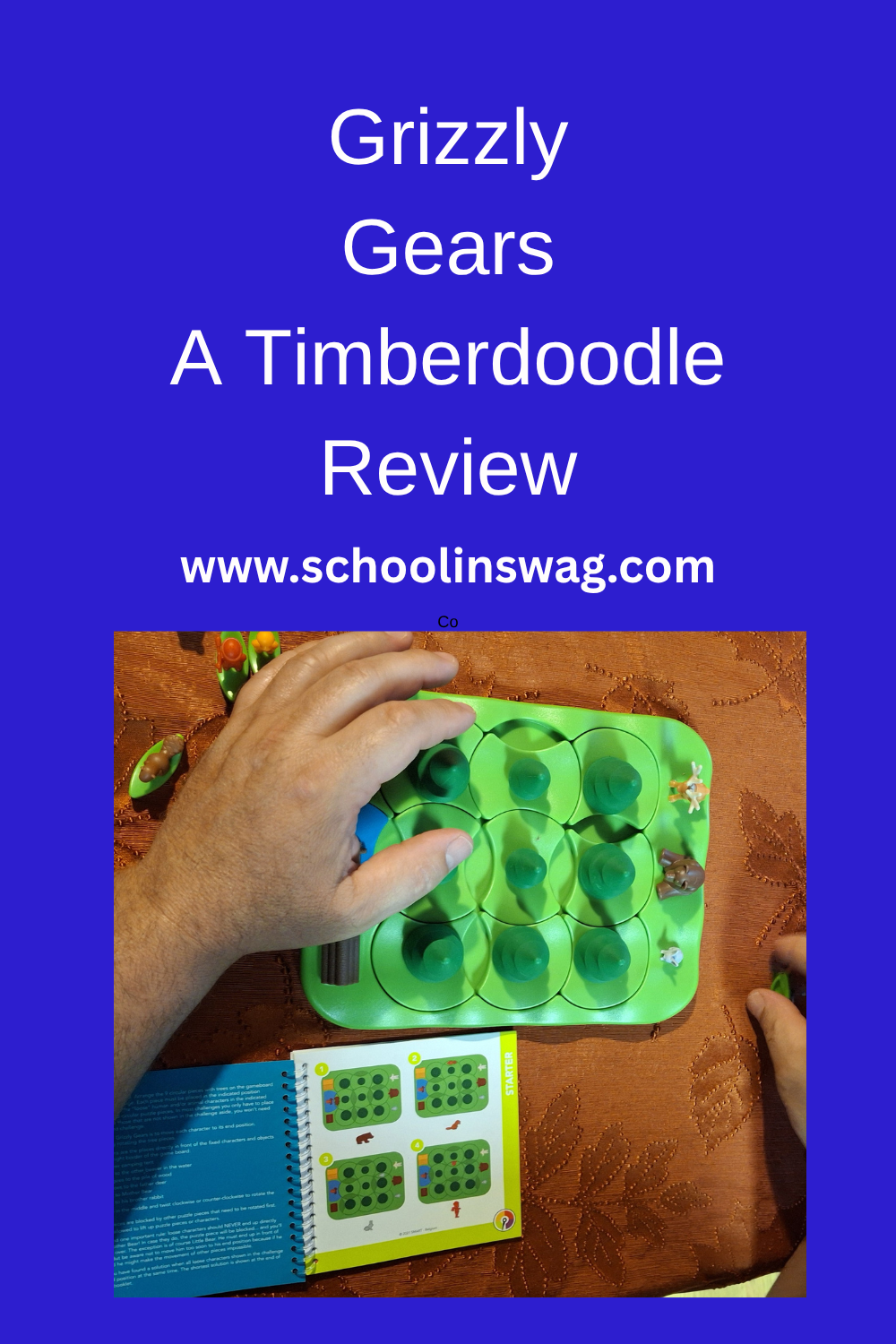
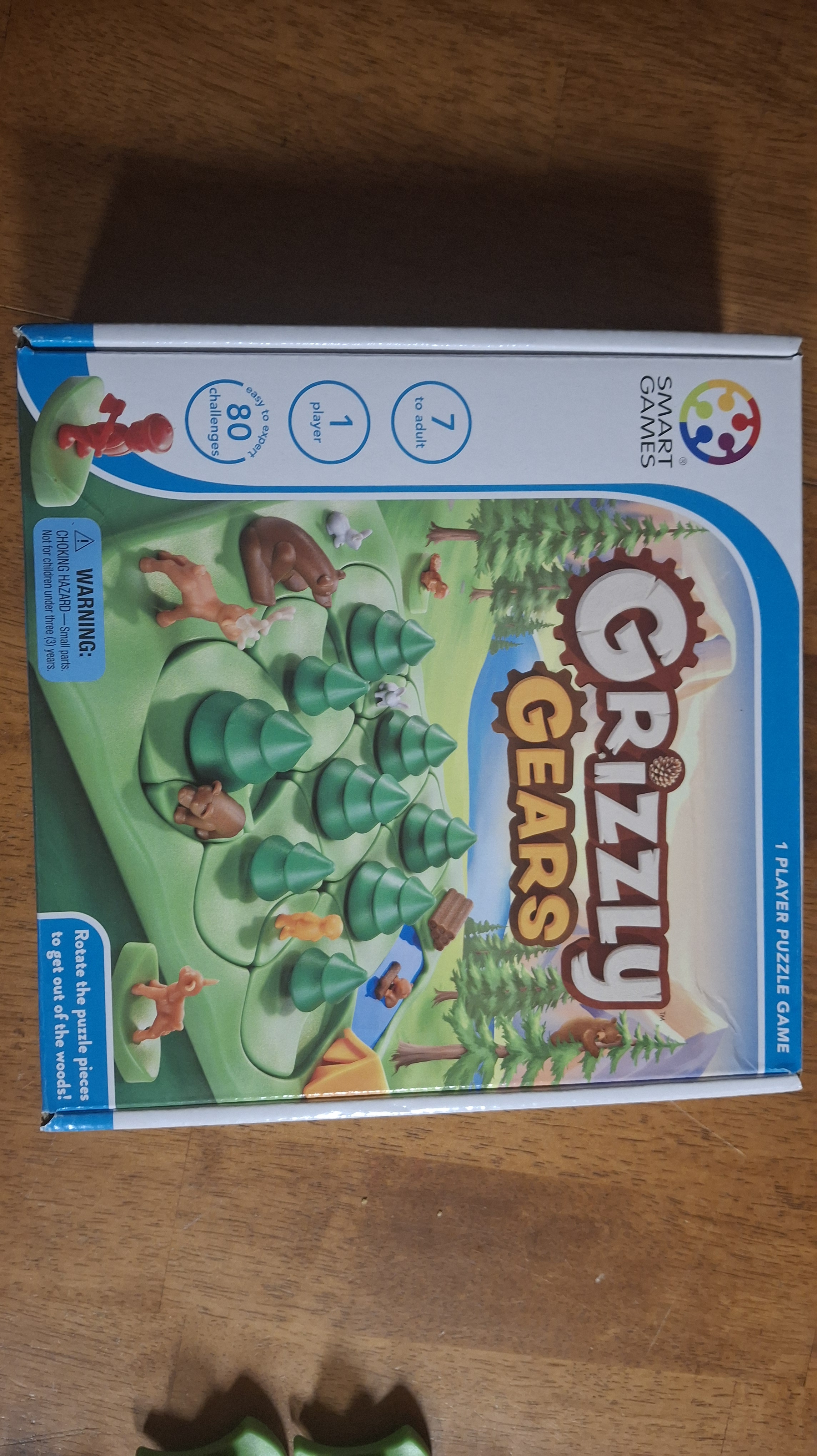
Grizzly Gears: A Timberdoodle Game Review

Can you get the little bear to his mom, the girl to her tent, or the rabbit to the other rabbit? What about a combination of multiple figures needing to be moved to the right spot? Grizzly Gears has a challenge for everyone!

What is Grizzly Gears?

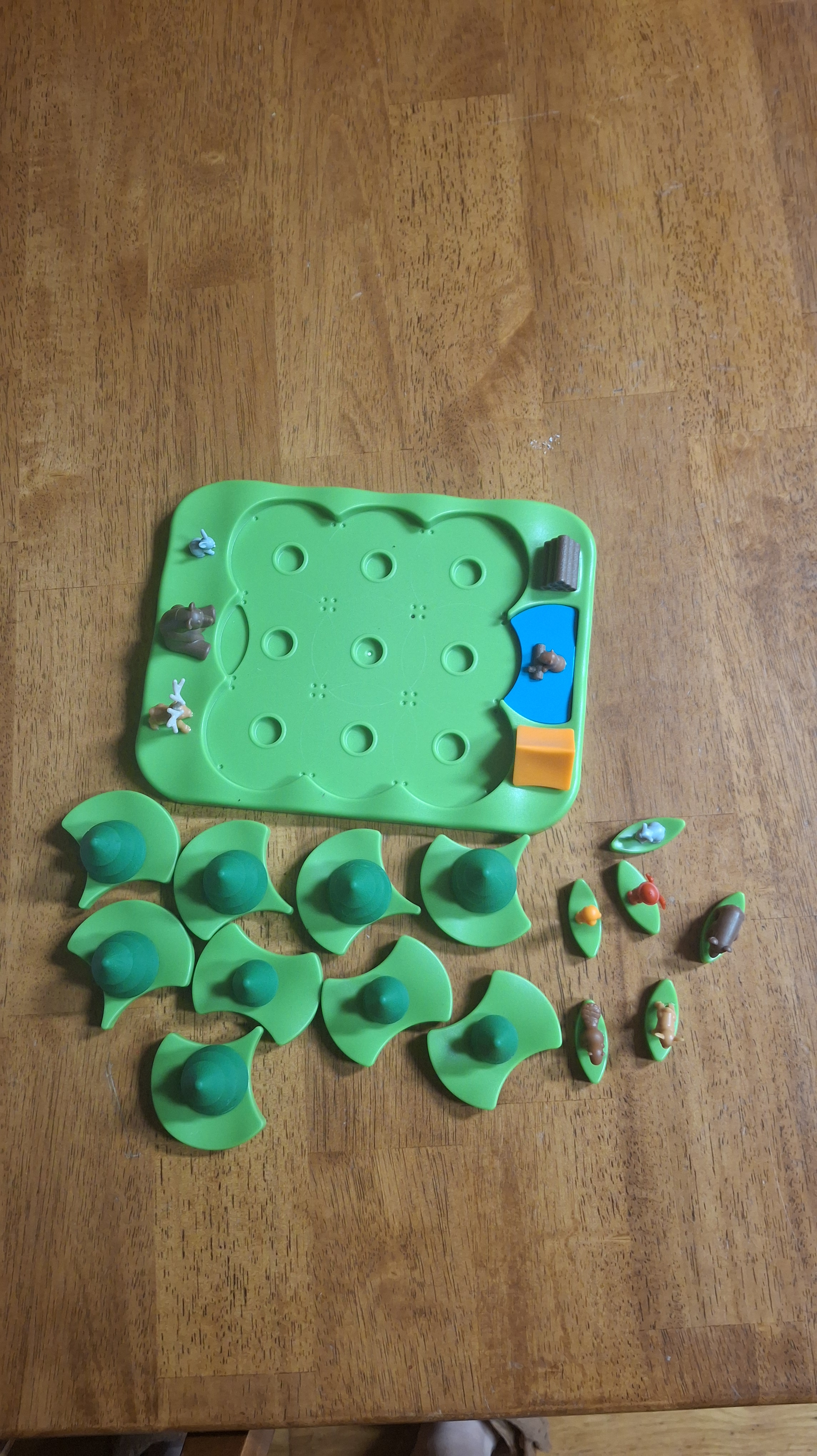
The game includes a small game board that holds multiple tree pieces, has several figures (bear, tent, wood pile, etc) in fixed positions on the board, and six loose pieces that coordinate with the ones in fixed positions.

For example, Mama Bear is in a fixed position on the board, and there is a baby bear piece; the tent is in a fixed position, and there is a little girl piece that coordinates with it.

The set also includes a puzzle book with instructions, 80 different challenges, and an answer key.

The goal of the game is to get the pieces that are at play in each puzzle challenge to the right spots.

How Do You Play Grizzly Gears?

To begin playing, you open the book and choose which puzzle challenge you would like to complete. There are different levels, and I suggest starting out with the starter level, at least until you get a feel for how the game works.

Levels:

  • Starter
  • Junior
  • Expert
  • Master

Next, you set up the board based on the challenge that you chose. Each challenge includes a picture showing which trees go in which positions and which loose pieces are included. Then you have to get the loose pieces to their correct spots.

To get them to the correct spots, you have to twist the trees, which work like gears and move the other trees and the loose pieces. You have to find the right combination of moves to get all the pieces where they need to be. 

In the easier challenges, you are only moving one loose piece, but later challenges include more pieces.

There is an answer key in the back of the challenge book in case you get stuck; it shows how to solve the problem in the fewest moves.

Our Experience with Grizzly Gears

We broke out this game for the first time during a game night where my husband and I helped our three youngest boys (ages 12, 8, and 2) play different independent games.

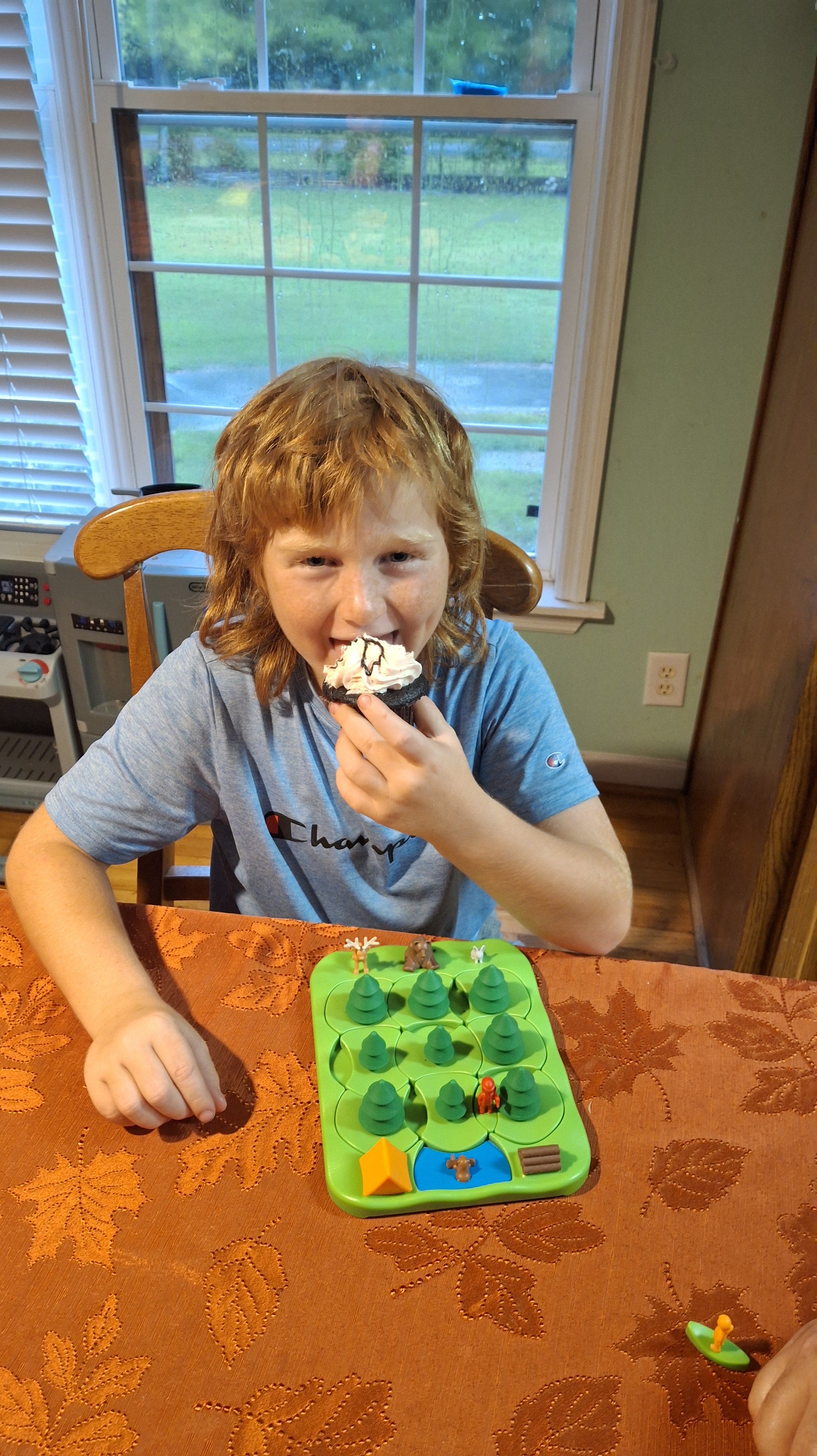
My eight-year-old was the first one to try it out, and once he got the hang of it, he loved it. I highly recommend having an adult help explain the game and set it up the first time, as it can be a little confusing at first. However, once you get a feel for how it works, students can do it independently.  

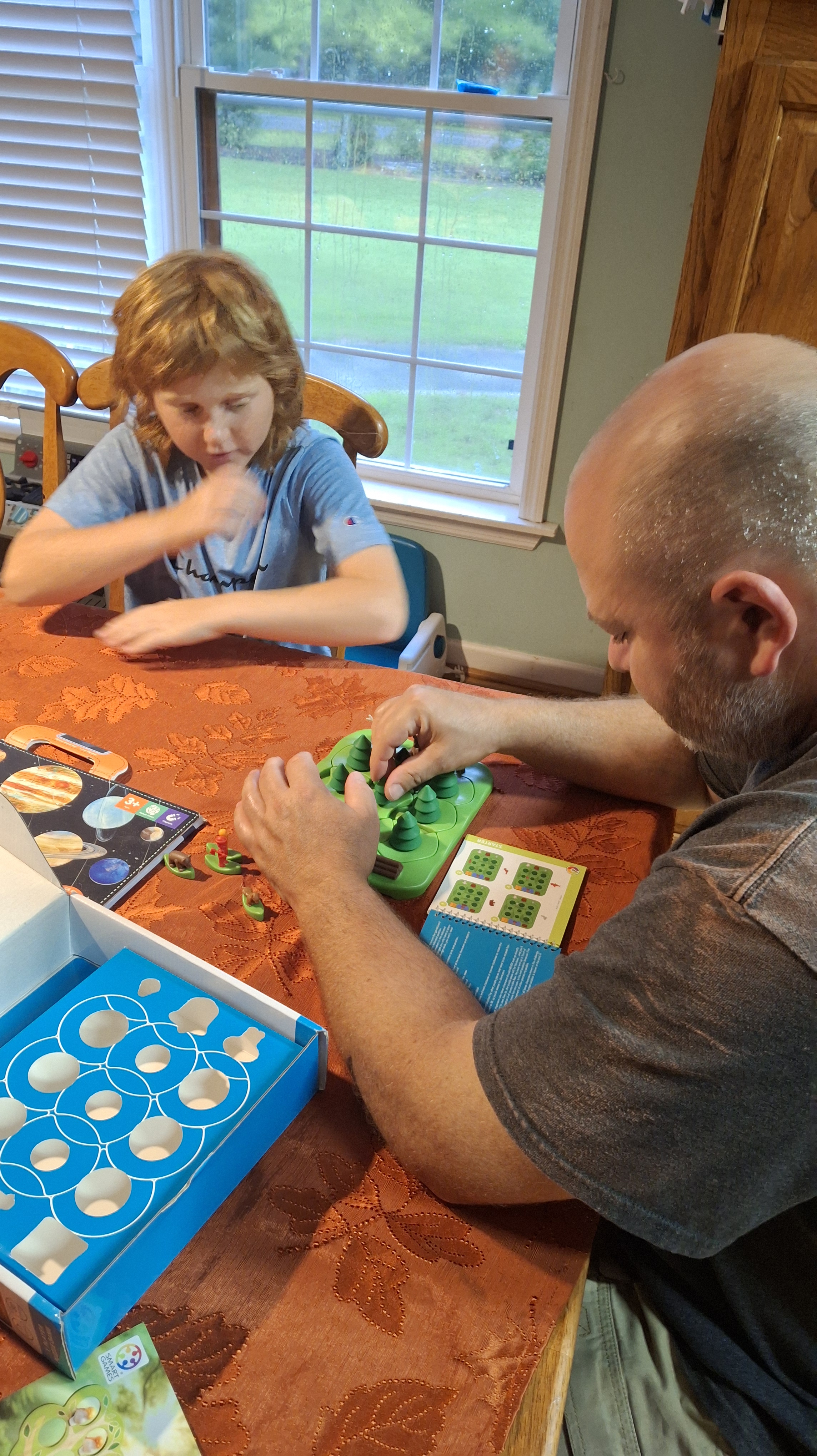
My son worked with his dad on several of the challenges, and it was a great way for them to spend quality time together and for his dad to help him work through the problem-solving aspects. He even got to enjoy a cupcake while he worked, so it was a fun and memorable time.

Game nights are the best nights!

Once he got the hang of a few of the easier levels, he was excited to move up to the next level and try moving more than one piece.

My twelve-year-old also took a turn and found it fun. While the two-year-old did not understand the game (understandably), he had a lot of fun turning the gears and helping out his eight-year-old brother one evening while I was cooking dinner.

The game helps develop problem-solving, visual skills, and logic. My children didn’t see it as an educational game, but it was great brain work. We plan to add it to our Friday game time rotations.

Who Would Enjoy Grizzly Gears?

This is a game many ages can enjoy, especially with the different-level puzzles. It is recommended for ages 7+, and I think that is fairly accurate. A younger child could certainly try and might be able to do the easier challenges, but some of them are quite difficult.

It is a quiet and quick game, great for giving children something to do independently for a few minutes. With all the different tasks, you could spend as few as five minutes playing or spend an hour or more doing multiple tasks.

Add it to your game night rotation, use it as a quiet activity between school subjects, use it as an independent activity while you cook dinner, or use it any time you want a fun, brain-stimulating activity.

Overall Thoughts

Grizzly Gears from Timberdoodle is a fun, easy game for building visual skills, strategy, and logic without it feeling like work. It is a quick, low-stress, low-prep game that people of all ages can play and enjoy. The various levels allow students to be challenged without it being too hard or frustrating. You can find out more and get your game at Timberdoodle.

FAQs

What ages is this game for?

The company recommends ages 7+, and I would say any age from elementary school through adulthood.

How Many Players?

This is a single-player game, though you can take turns if multiple people want to play.

Does the game require reading?

Other than someone reading the instructions, this game does not require reading.
Fischertechnik Junior Max: A Timberdoodle Review

We love building toys of any kind in our house; my boys will build with wooden planks, Legos, magnetic tiles, and more. However, Fischertechnik Junior Max from Timberdoodle is more than a building toy; it is a chance to learn basic engineering concepts through play.

What is Fischertechnik Junior Max?

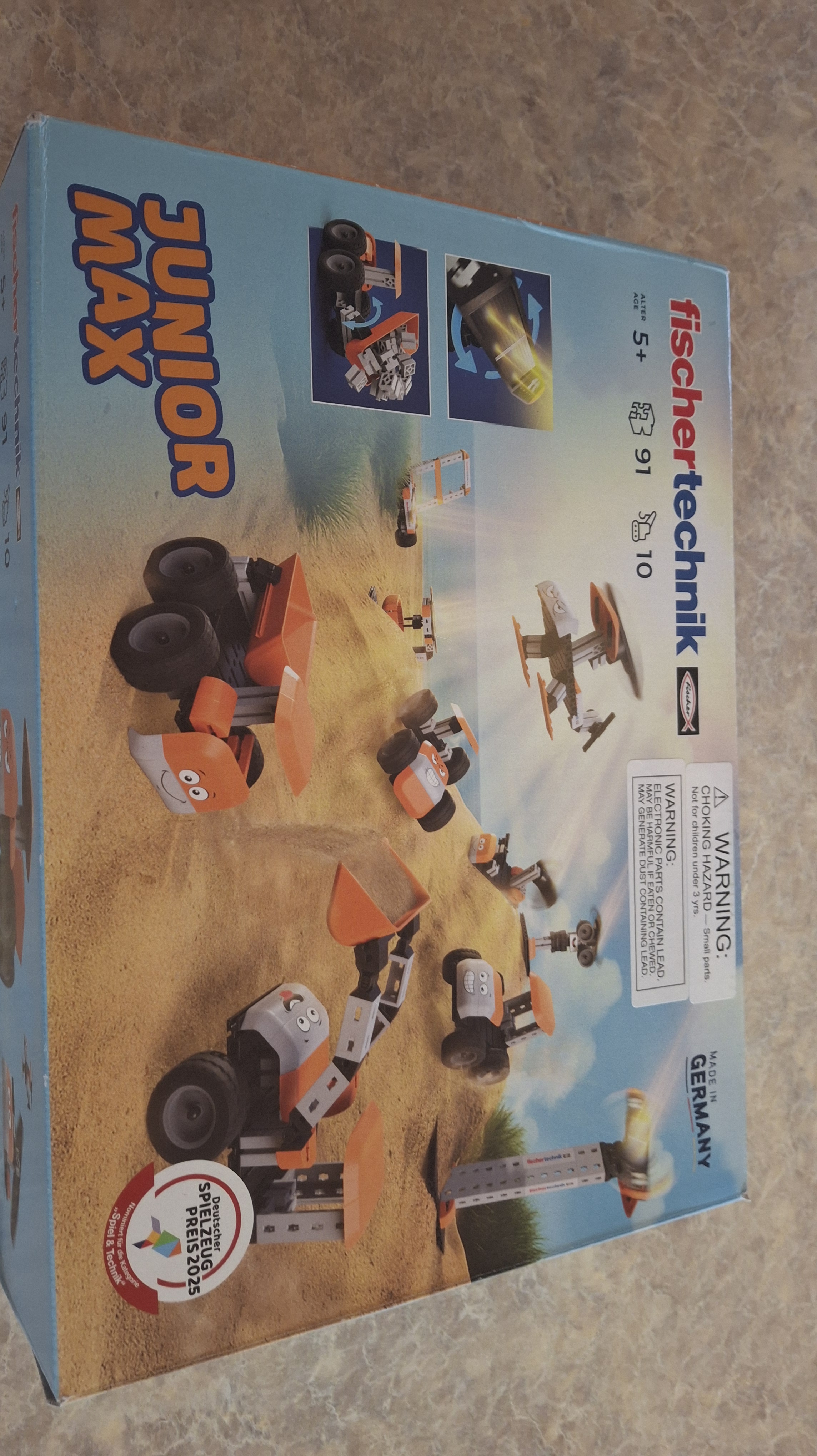
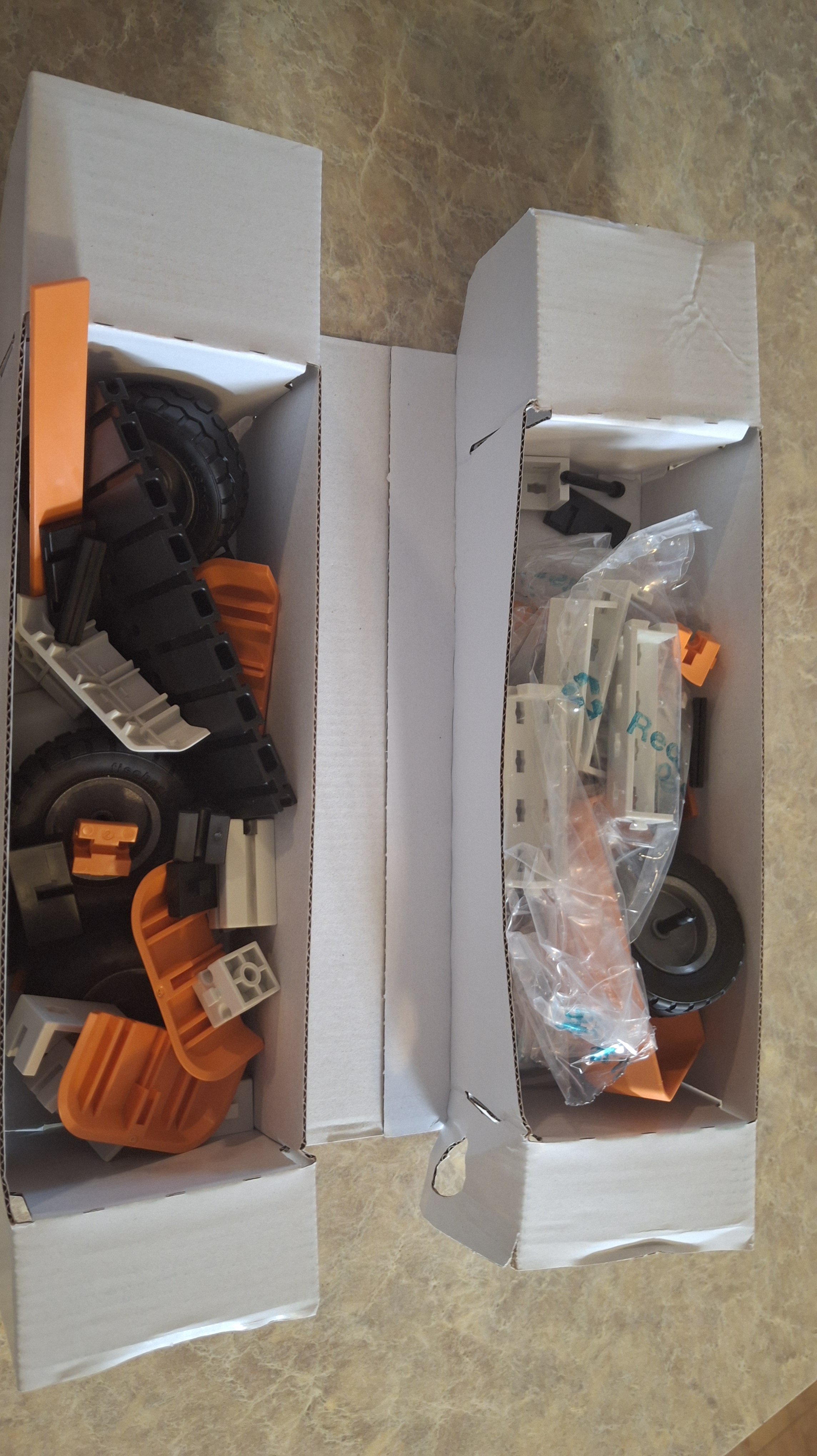
This fun, hands-on building kit lets children use the same components to build multiple projects. More than just blocks that click together, these pieces slide in and connect in different ways and include wheels that turn, etc.

The kit includes about 90 components that can be put together in a variety of ways. Students can use the included manual to make 8 different models.

How Do You Use Fischertechnik Junior Max?

Students begin by following the step-by-step instructions to build whichever model they choose. They can build the models in any order that they choose. Once they have tried some or all of those, students can use their imagination and come up with their own projects to build.

The pieces slide into place and stay securely. The wheels move and move the components, just like in real simple machines.

Our Experience with Fischertechnik Junior Max

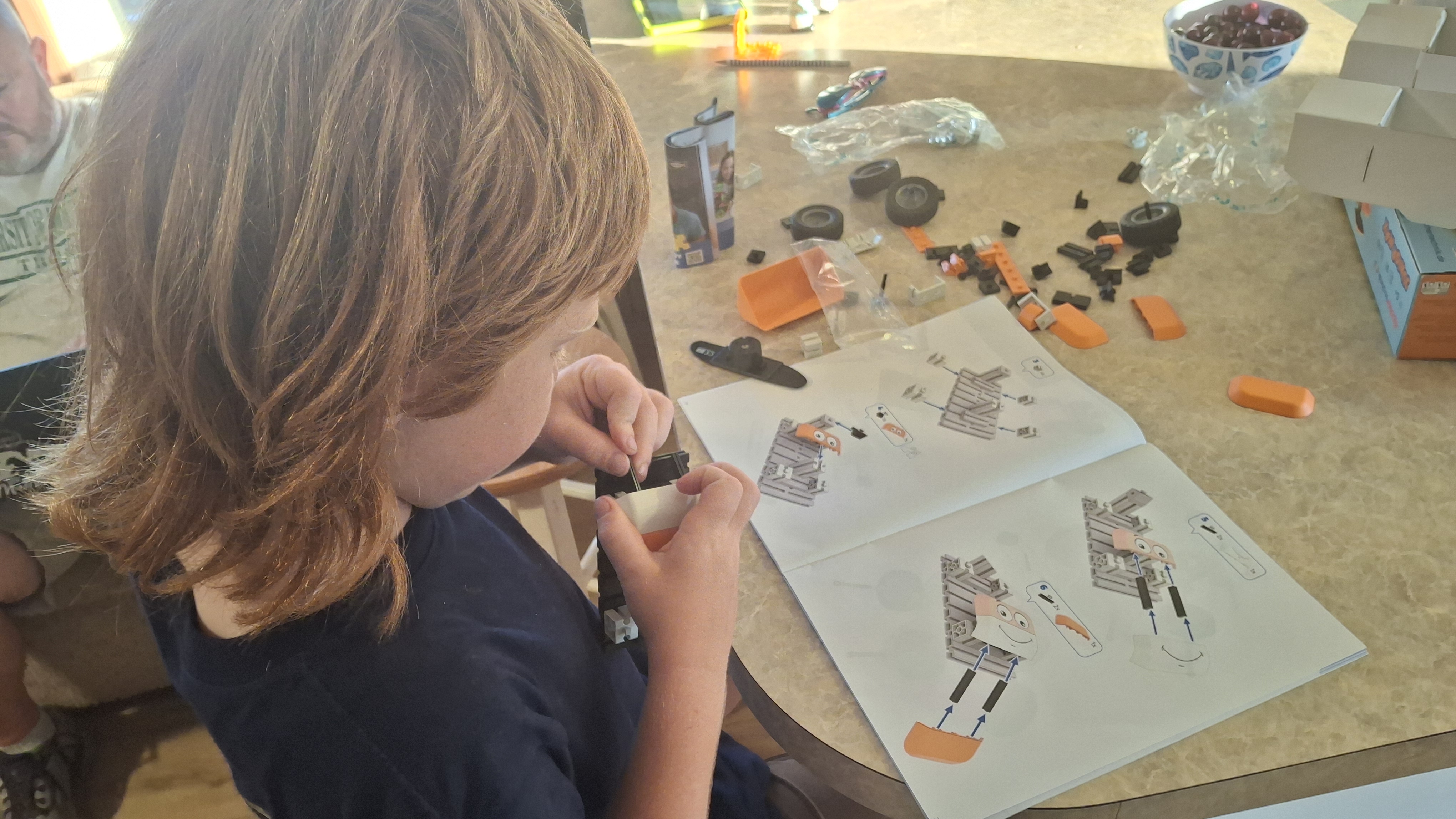
My eight-year-old was excited to try these. He loves building, machines, and anything hands-on.  We looked over the instructions together, but then he completed the projects independently.

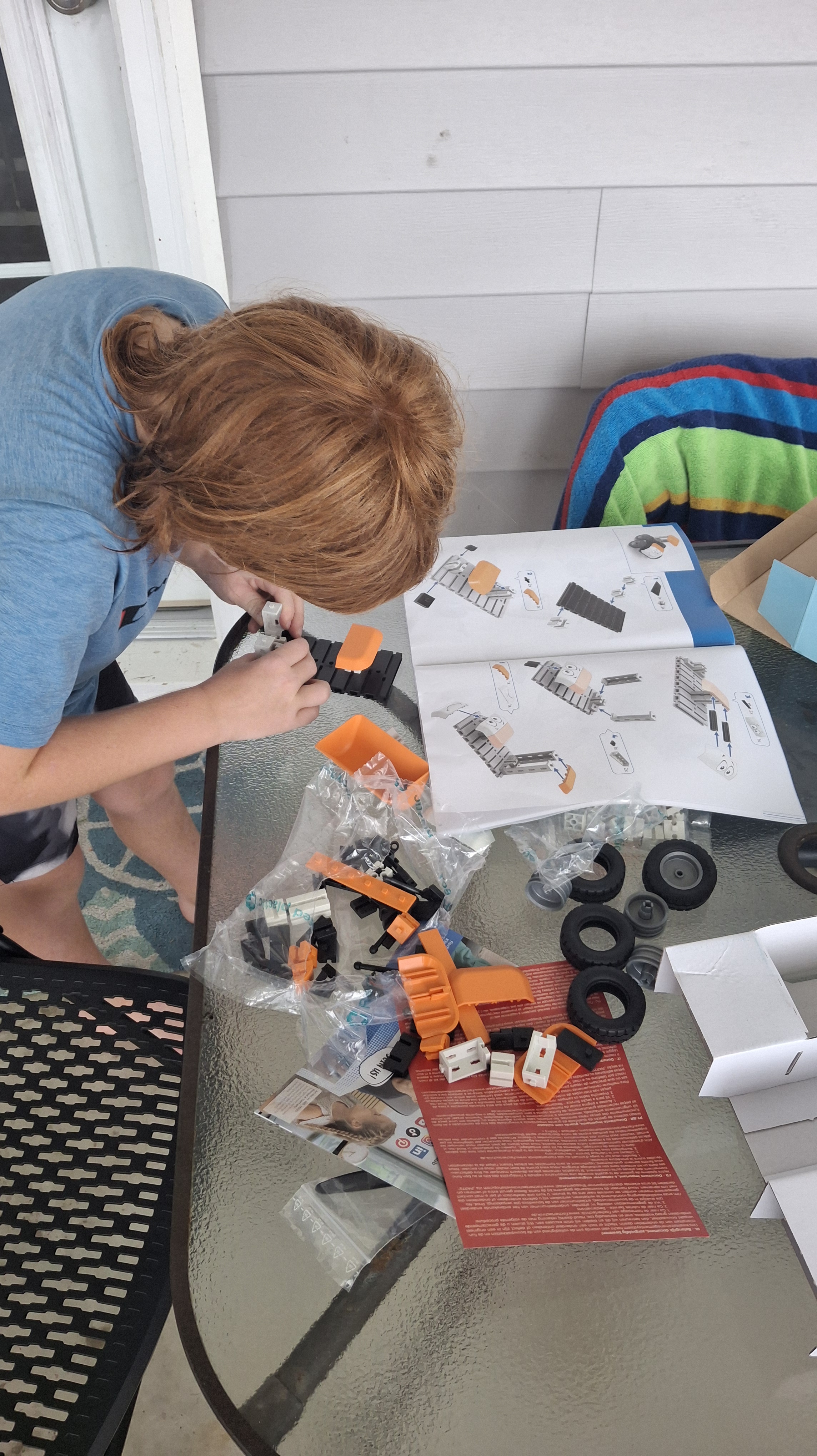
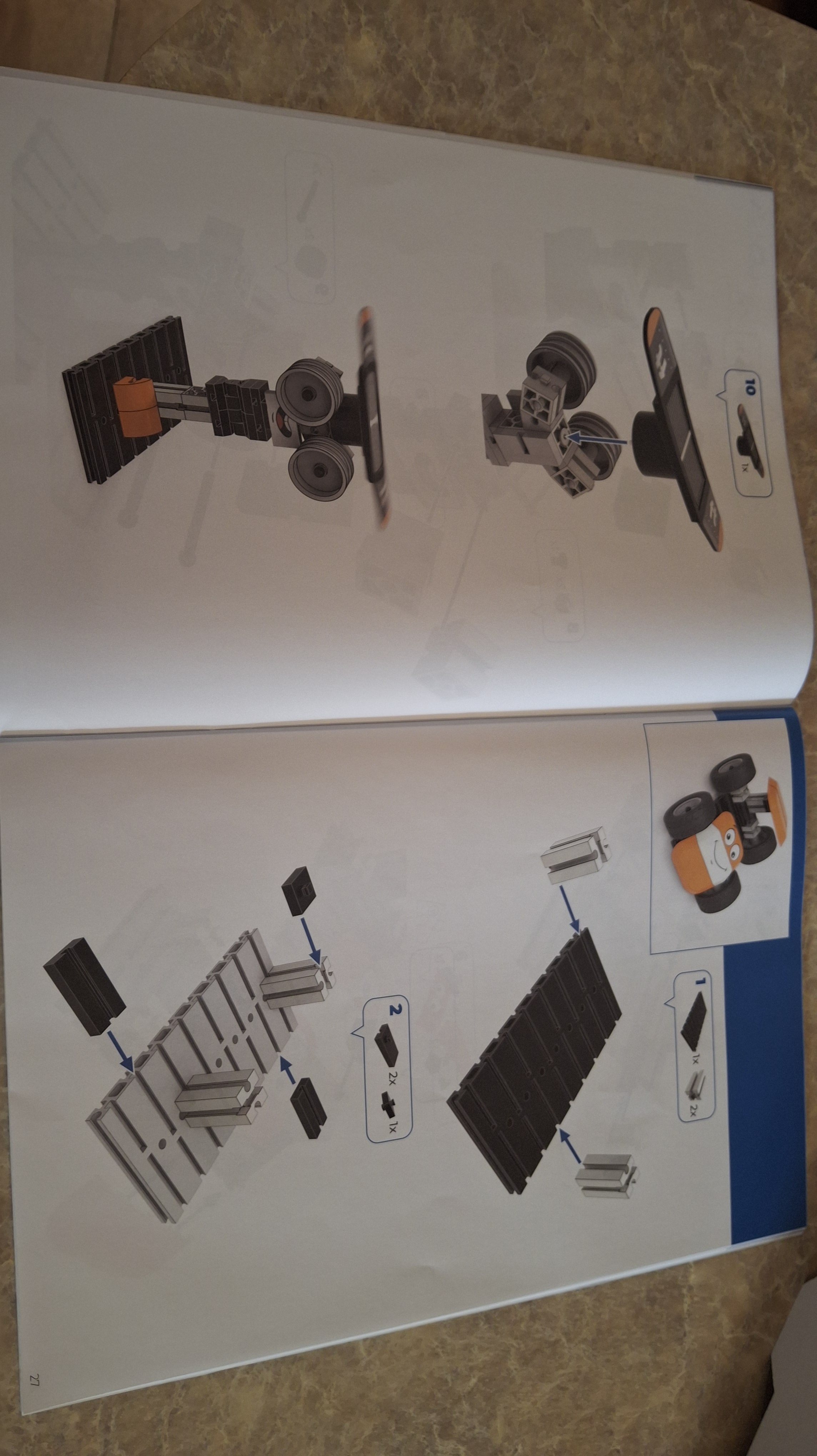
We loved that the projects could be completed in just a few minutes, and the instructions were fairly easy to follow. They use colored instructions that gray out the pieces you’ve already put together, making it easier for the student to see each new step. This also allows even non-readers to work on the projects independently.

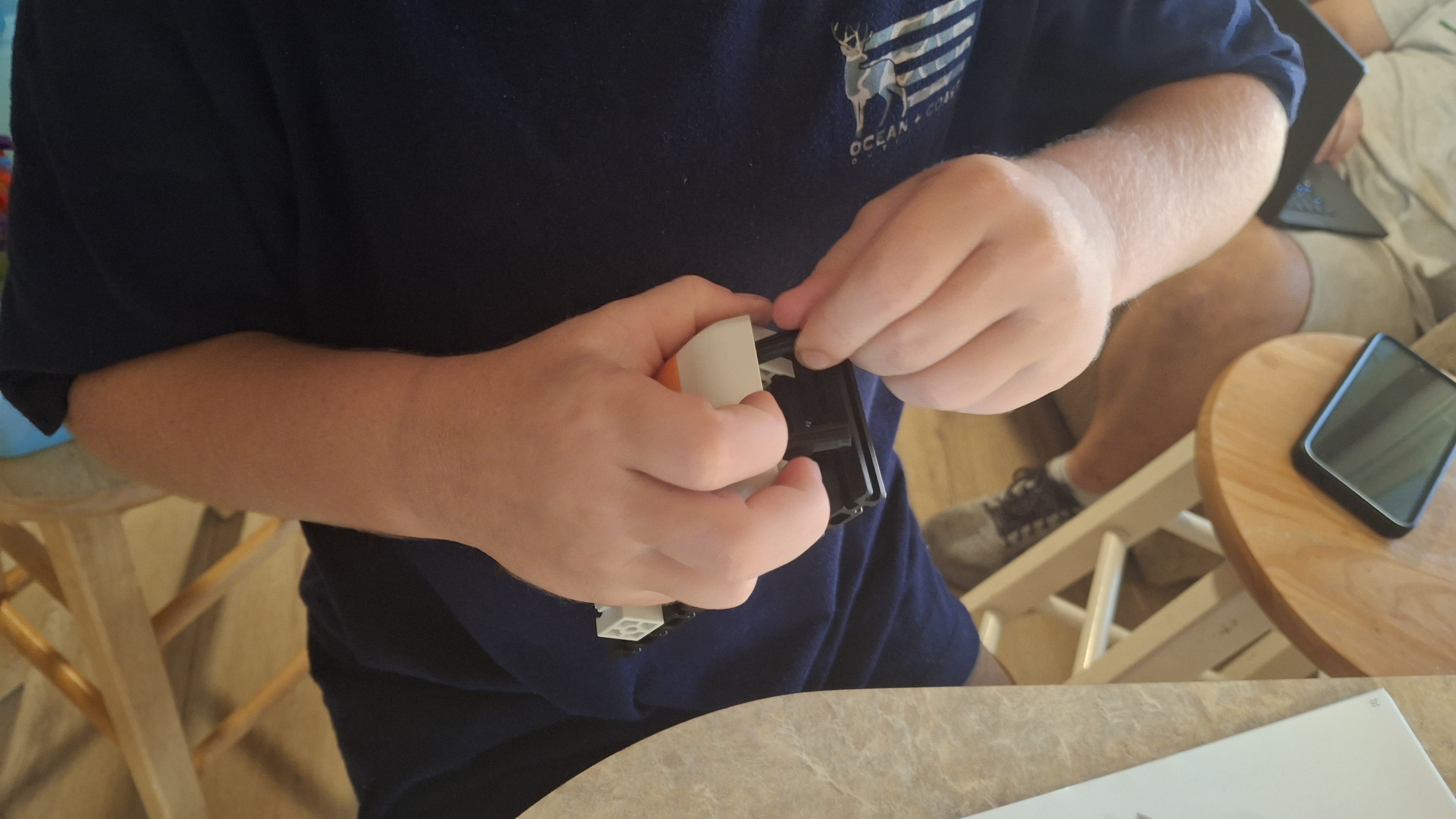
The components fit together easily and were not too challenging for young hands; the sliding mechanisms made things fit securely without a lot of pressure or strength required.

Once he had done a few projects, he was excited to play with the different components and put them together to make his own creations. My two-year-old enjoyed playing with the “machines” that his brother created, but he is too young to really build anything with the kit.

Who Would Enjoy Fischertechnik Junior Max?

I recommend this kit for children ages 5-8, or possibly as young as four with adult assistance. It is especially great for those who enjoy building things or are interested in different machines and equipment. They can build the projects and then play with the machines they have built. Unlike many other kits, the wheels actually turn and the parts move, which makes them more fun for play after the build.

The parts were easy for small hands to work with.

Overall Thoughts

We really enjoyed this kit. The age range is fairly narrow (they do have other, more complex kits for older students), but it is a perfect introduction for younger students. It encourages creativity, imagination, and fine motor skills. You can find out more and get your set at Timberdoodle, where you can also see other Fischertechnik sets.

Note how the color contrast and graying help students see which steps need to be completed.

FAQs

What ages is this set for?

Recommended for ages 5+. I would recommend it for ages 5-8, possibly 4 with assistance.  

What skills does this set teach?

Problem-solving, fine motor skills, spatial awareness, and basic engineering concepts

Does the set require reading?

No, the instructions are illustration based and can be followed by non-readers.

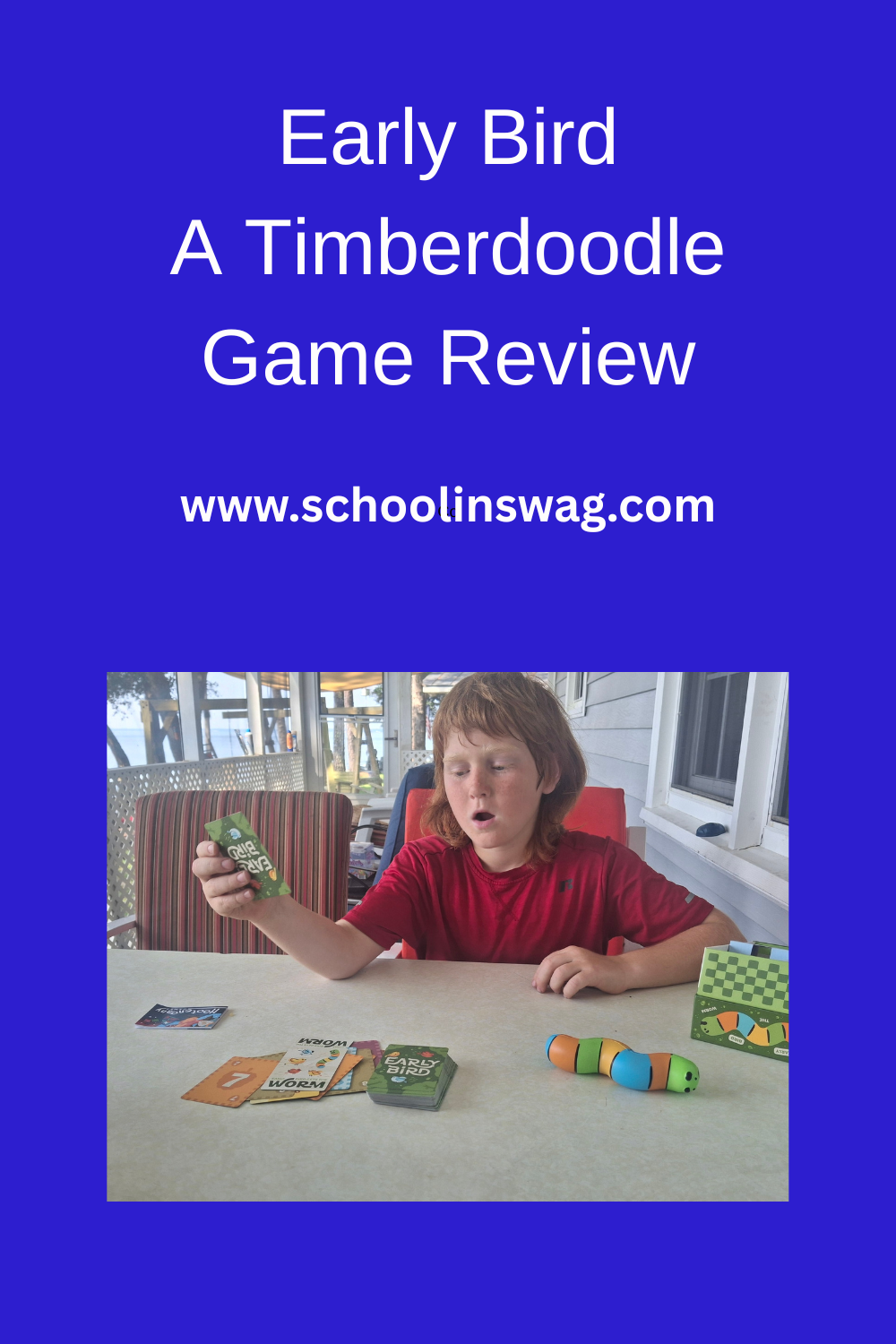
Early Bird: A Timberdoodle Game Review

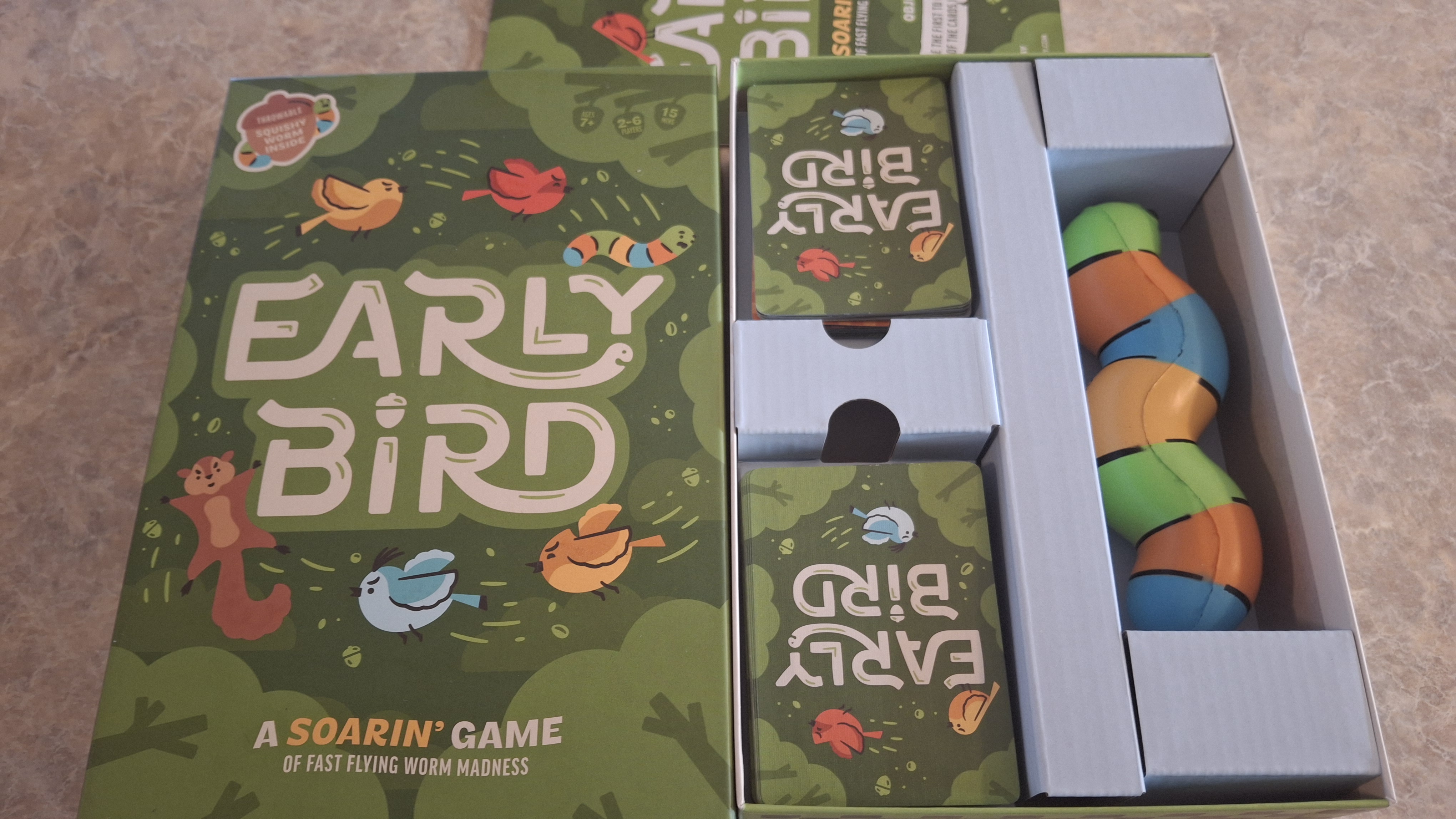
Early Bird from Timberdoodle is a fun, fast-paced game that involves a deck of specialized cards and a squishy worm.

While the concept is simple, the game provides hours of fun and learning for a wide variety of ages.

What is Early Bird?

 The box says it is a “soarin’ game of fast flying worm madness.” This game reminds me of a mix of UNO and Dutch Blitz, with some fun, silly challenges added to the mix.

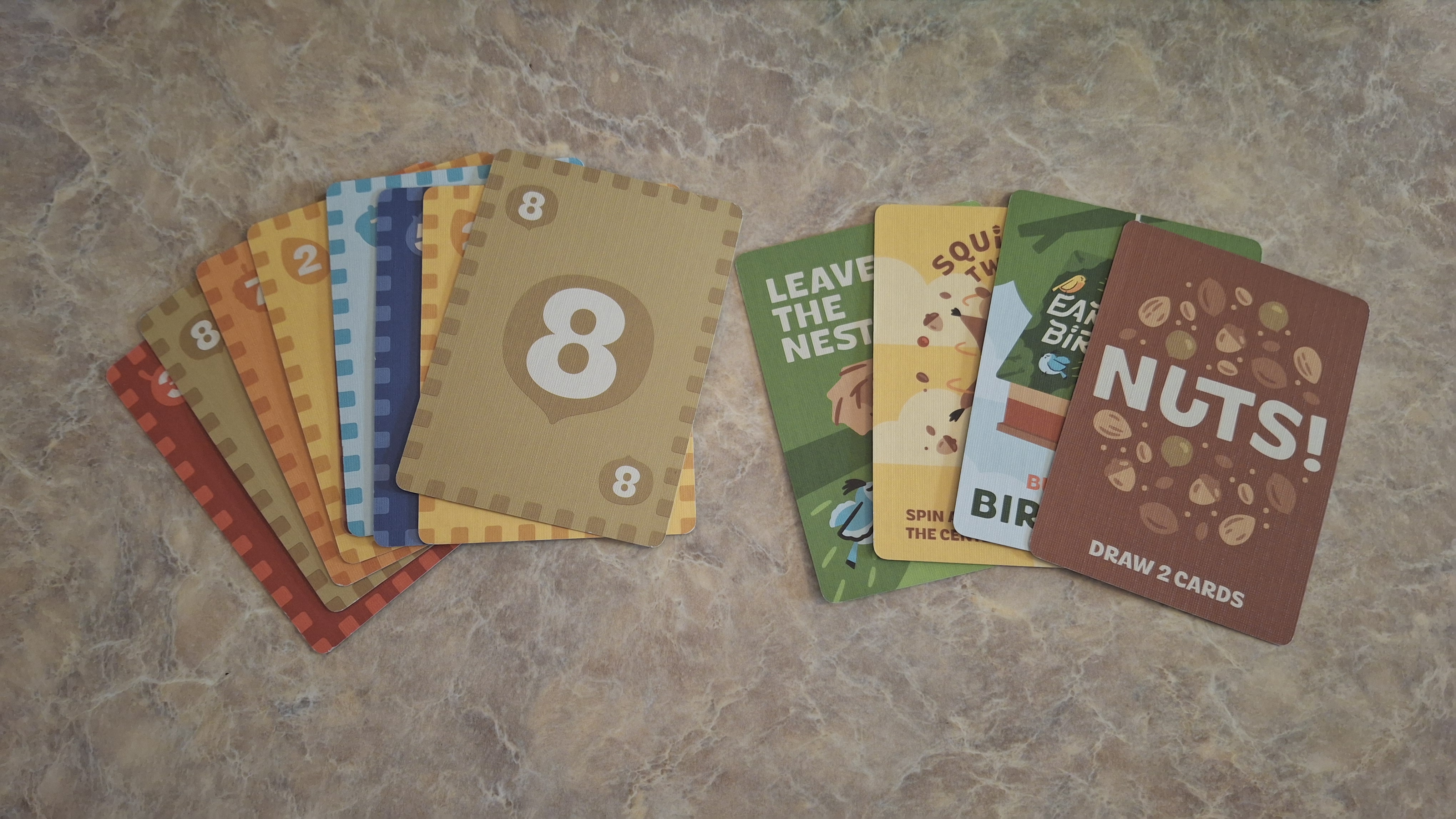
It is a game where you have to discard your cards by adding them to a pile in numerical order. The order can go up or down at the discretion of the person who called the play. It is a game of speed and strategy.

How Do You Play Early Bird?

Each player is given 7 cards; the cards are a mix of numerical cards 1-8 and special challenge cards.  The person who does the best impression of a worm gets to start the game by discarding one card and determining the direction of play (up or down).

Unlike many card games, you do not take turns; anyone can lay down the next card as long as it is in order, and the goal is to be out of cards first.

Just when you think you have a plan, someone throws a challenge card into the mix and changes everything up!

There are funny challenge cards in the mix, and they can be played at any time. Some have you chasing the foam worm, spinning in a circle, or building a birdhouse from cards.

Each round takes as little as five minutes, and the game recommends playing 5 rounds to determine the winner. However, you can easily do more or less depending on your time constraints.

Our Experience with Early Bird

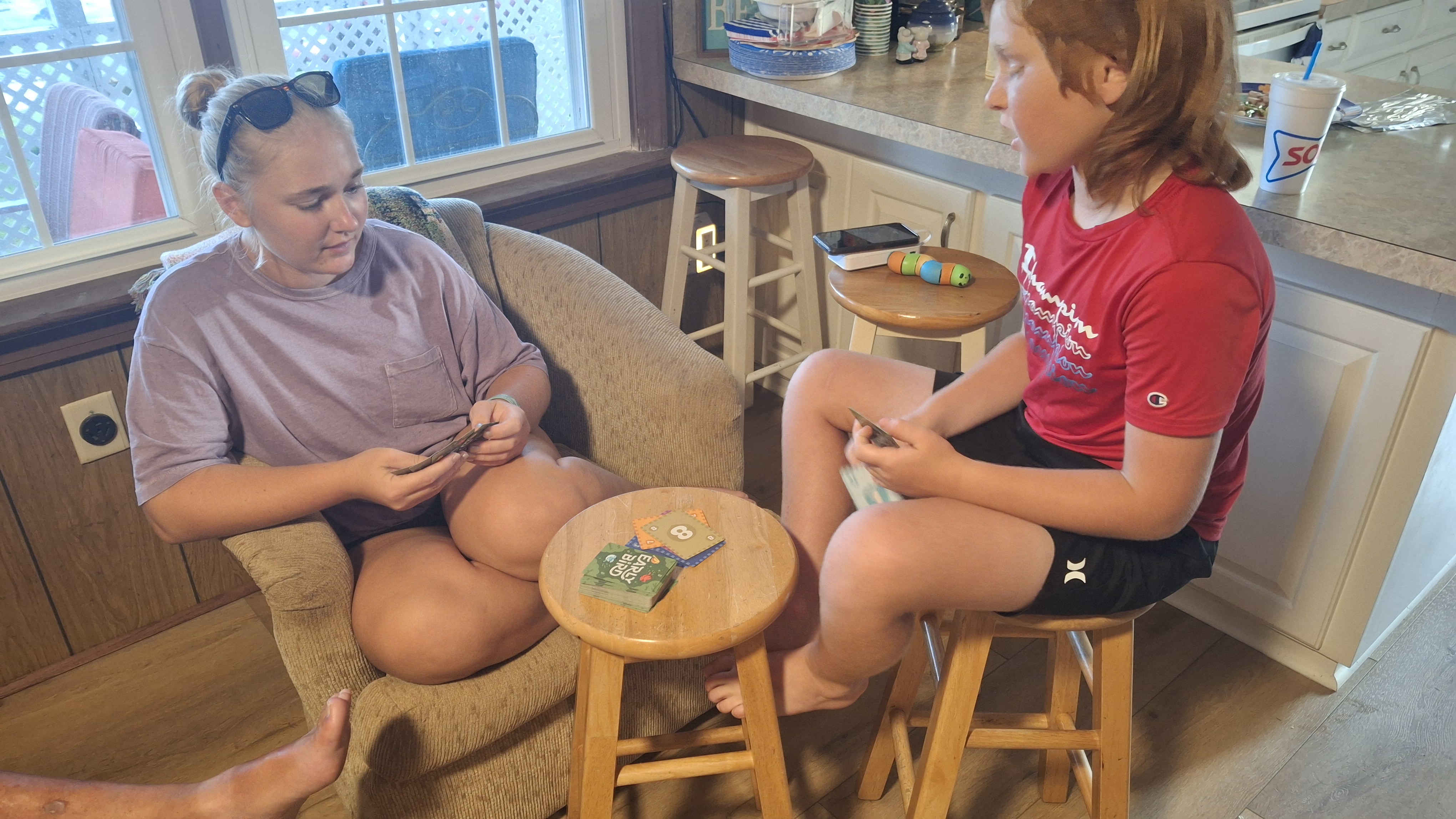
Our first experience with Early Bird was my husband, my eight-year-old, and me. While getting out of my chair for some of the challenges was not overly appealing (I mean, who doesn’t relish the opportunity to stay seated for a few minutes in a busy day), the game was honestly a lot of fun.

We were figuring it all out during the first round, and then the rounds went quickly and smoothly. My son loved it and appreciated that during one challenge when you had to stand up and spin around, he always won because the adults were not nearly as motivated.

He loves having a game his sister will play with him!

My son loved it so much that he started begging other family members to play, and my twelve-year-old son and eighteen-year-old daughter enjoyed it as well.

More than playing, I enjoyed watching them all spend time together laughing and enjoying a good game.

“It is a fun fast pace game for the whole family. Super easy to learn and lots of fun to play.” Elizabeth, age 18

Who Would Enjoy Early Bird?

This game is great for anyone old enough to recognize their numbers and count them in order. I think it would work well for helping younger students improve their number recognition as well.

Due to the active nature of several of the challenges, participants do need to be able to physically move around to retrieve the worm, switch seats, or spin around. However, if you have someone with physical limitations, you can adapt the challenges.

Aside from physical limitations or children who are still getting comfortable with their numbers, the nature of the game creates an even playing field across ages and skill levels, which helps make a family game feel more “fair” for younger children when playing with adults or teens.

Overall Thoughts

Our family enjoyed this fast-paced game. The speed and ease of play are a bonus, and the challenges add a lot of laughter and surprise. We think it is a great family game for multiple ages.

While this might not be a school-time staple, I do think it is great for a family game night, a rainy afternoon, or a nice break between chores.

You can find out more and purchase your copy of the game at Timberdoodle.

FAQs

What ages is this game for?

Recommended for ages 7+; any child who can count and recognizes numbers could play.

How Many Players?

2-6 Players

Does the game require reading?

While someone needs to initially be able to read the instructions, the game can easily be played by players who are not yet reading.
Adding Games to Our Homeschool Routine

We have used some educational games off and on throughout my years of homeschooling, but I often wished we had more time to incorporate them. We typically either used them as evening family activities here and there, or we intentionally included one on a day when it fit well with whatever else we were studying. I also said we would play them more when we had “extra” time.
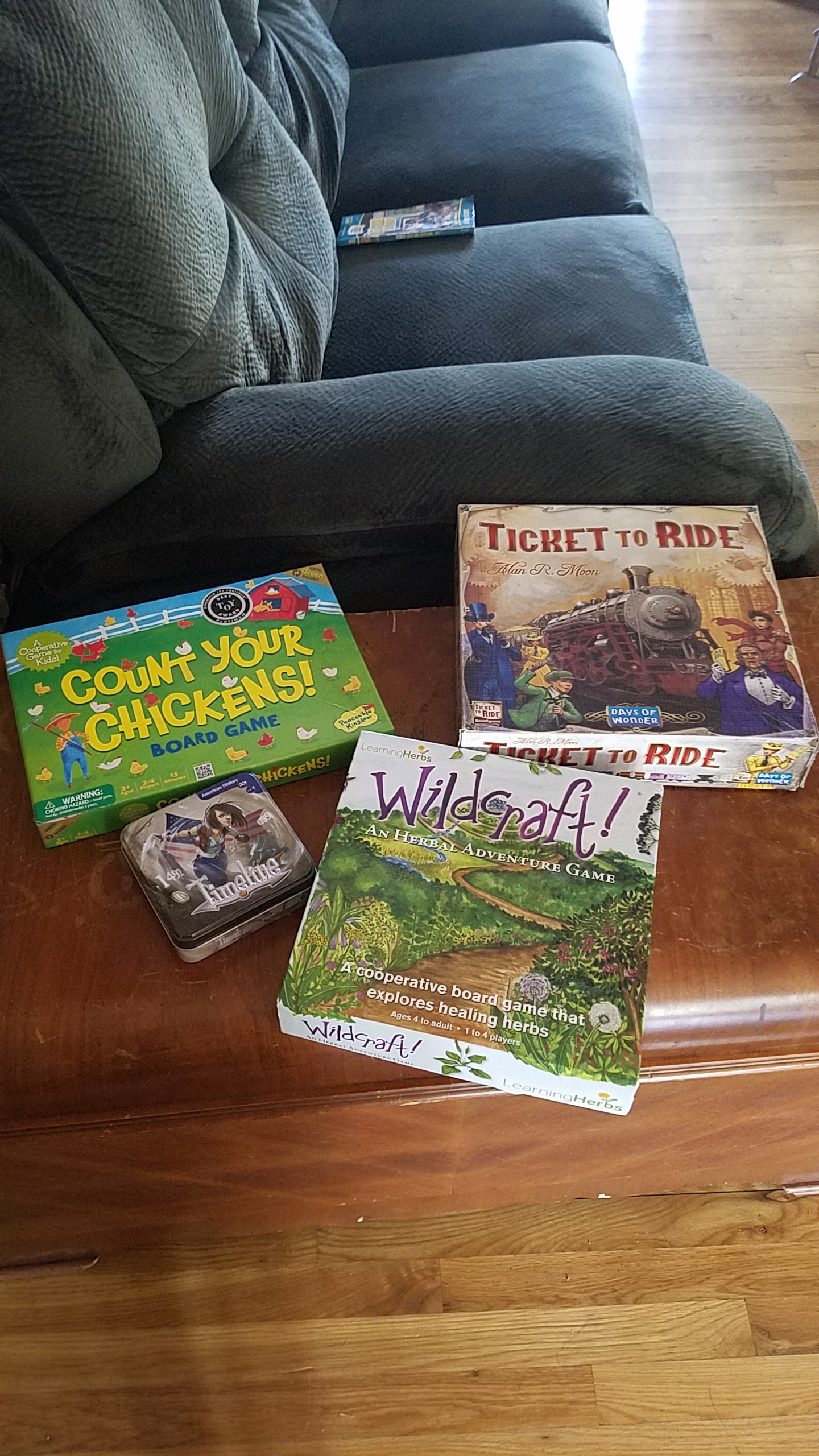
The truth is there is no “extra” time; there is always something that can fill that time, and if I do not schedule it, it most likely will not happen.

Scheduling Game Time in Our Homeschool

When talking about events, schedules, and such, I often tell people that if it is not in my Google Calendar, then it is not happening. I rely on that calendar to keep me on track. With our homeschooling day, I could say if it is not in my planner, then it is not happening.
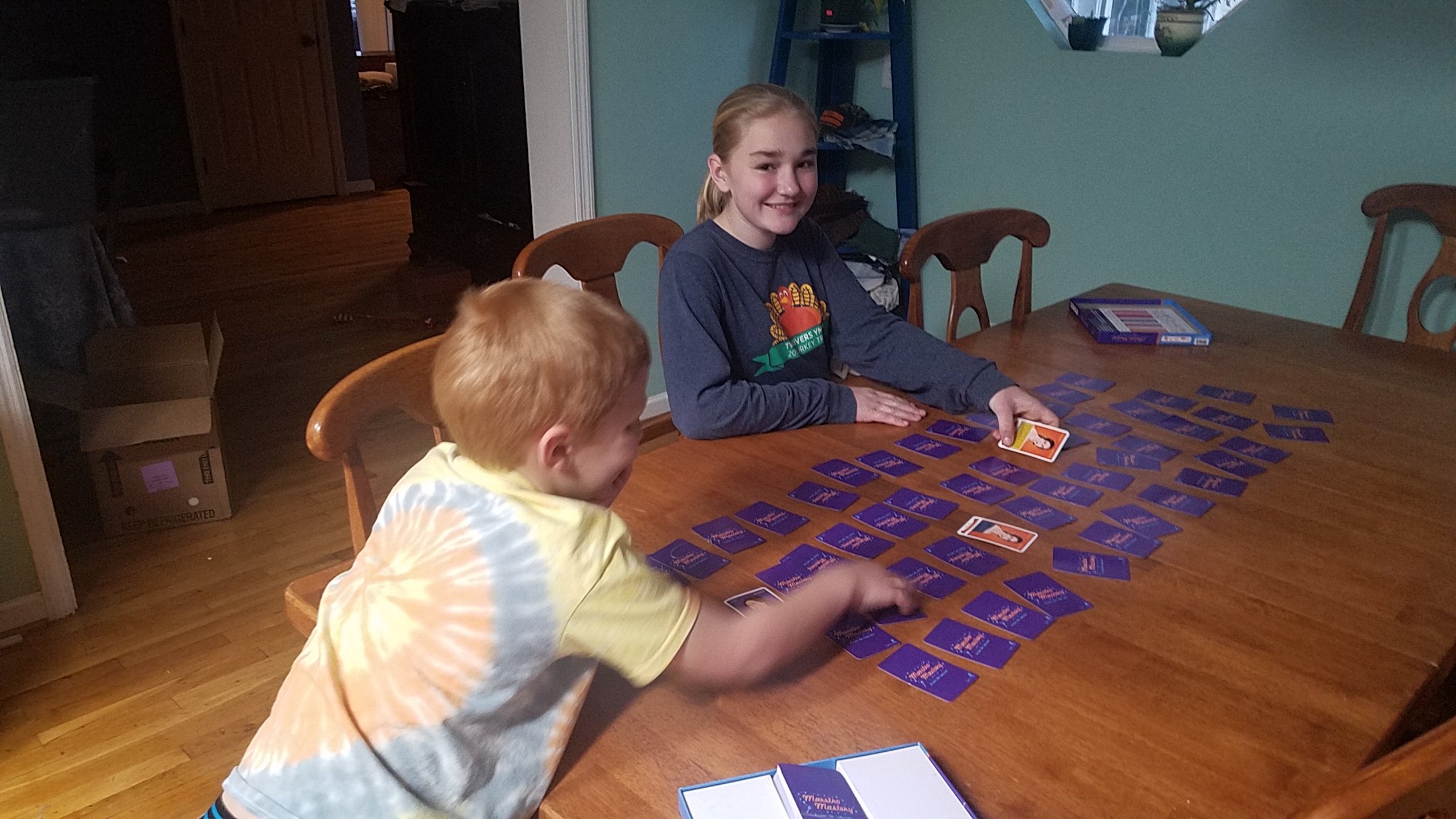
Thus, this year, I am intentionally including educational games into our homeschool plan. For morning time this year, I am including our two “staple” subjects (World Watch and Bible) as well as one additional subject for each day of the week.

On Fridays, game time will be that extra subject for our morning time. So, each Friday we will set aside at least 30 minutes to play an educational game together. I believe this intentionality will help ensure that we actually get game time most weeks.

I also believe the game time will add something fun that the boys can look forward to during the school week.

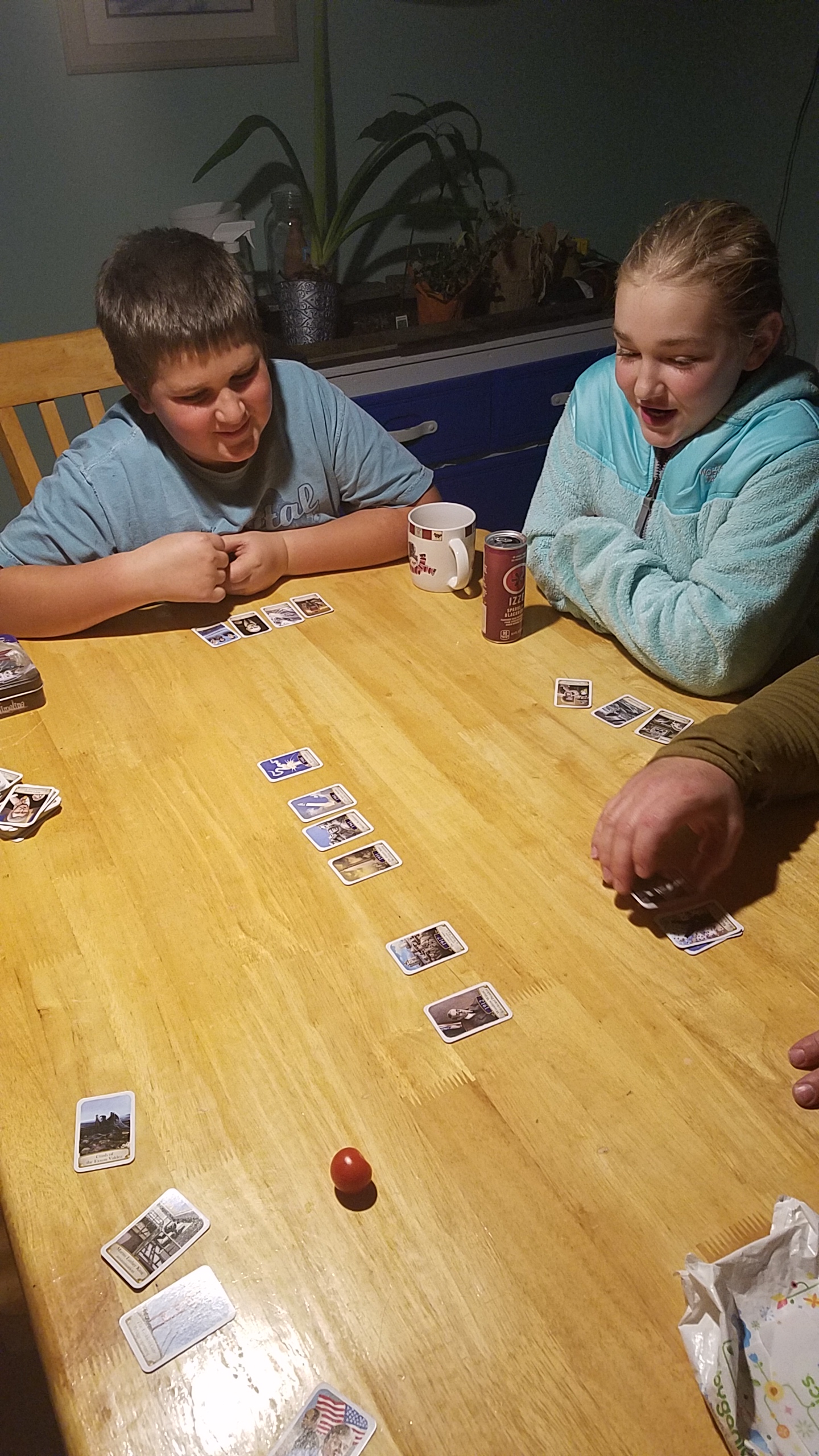
A Fun History Game

What Do You Mean by Educational Games?

A wide variety of educational games are available. Some of them are very specifically educational, such as the Math Sprint Game or the history game, “Get Your Kicks on Route 66”.

Other games are less specific in their educational goals but are still valuable educational tools. For example, there are many logic games (like the ones from Fun Squared Games) that help students build logic skills that help them across many subject areas. Other games might build memory skills, fine motor skills, or imagination.

Whether it is a specific content area or general brain building, all of these games provide valuable tools for your child’s education.

Some of our Favorite Educational Games

Wildcraft

Card Games for Math Skills

Ticket to Ride

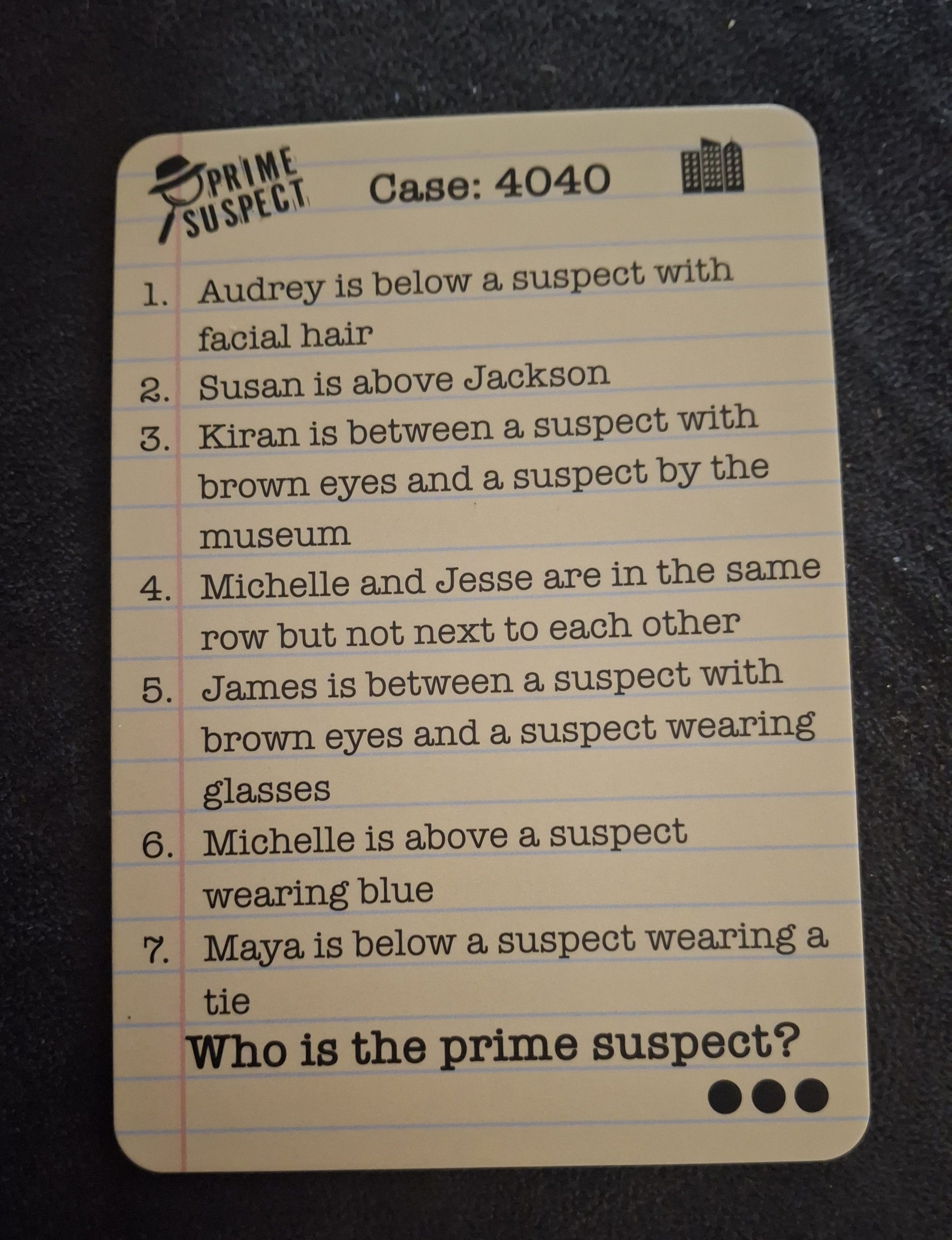
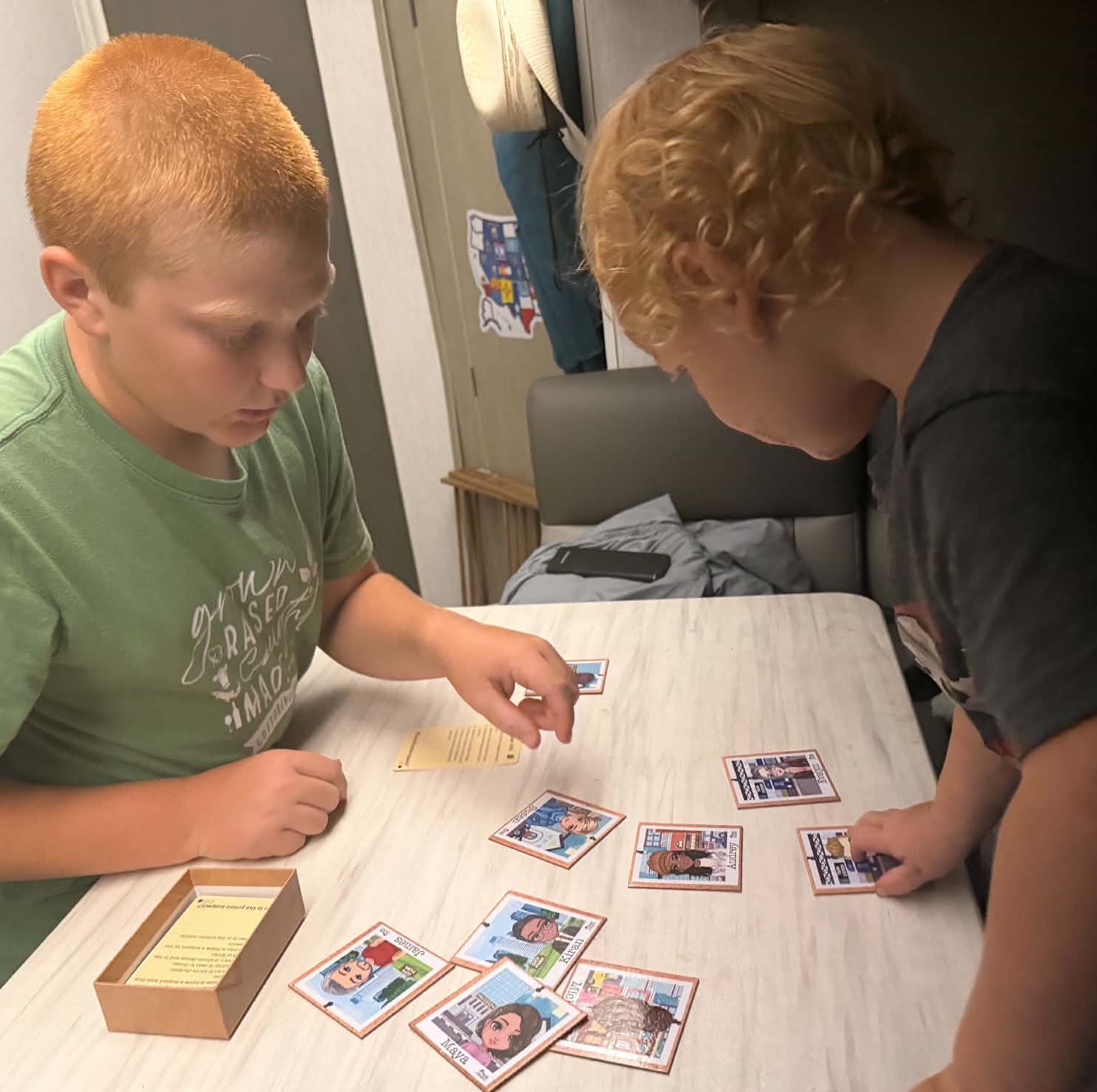
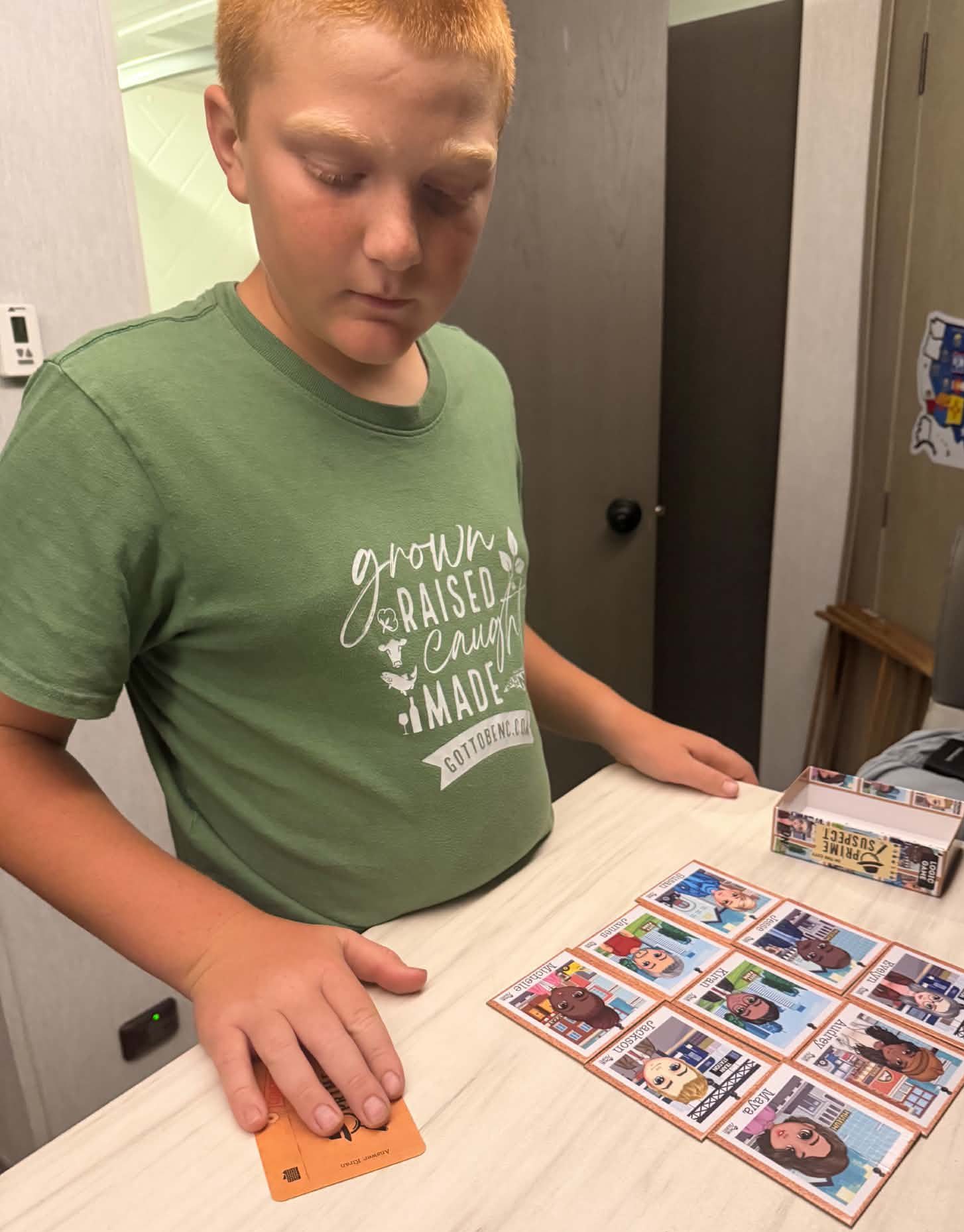
Prime Suspect

Bao’s Cloudland

Trekking the National Parks

Oregon Trail Card Game

Battleship

Go to our educational game page to check out more game reviews and ideas.

Other Ways to Incorporate Games in Your Schedule

Friday morning might not work for your schedule, but there are lots of different ways you could add them in.

A few examples:

  • One afternoon after your regular subjects
  • Plan a time for them after so many days of successfully completing a goal.
  • Set aside a whole day for them once a month or once a quarter.
  • Use the shorter ones as a break between subjects.
  • Have some children play games while you get one-on-one time with a different child and then rotate.

FAQs

What do educational games teach?

There are so many different options; you can use games for logic, counting, spatial awareness, math, history, science, and more.

What ages can use educational games in your homeschool?

Games can benefit all ages, even high schoolers.

Resource Library and Affiliate Disclosure

When you sign up for the Schoolin’ Swag free resource library, you will get a link and password to the library. We add new items to the library each month. You will also get a monthly newsletter email to keep you up to date on what we have going on and occasional extra newsletters about special events or deals.

Resource Library 

This post may contain affiliate or referral links, including Amazon affiliate links. As always I will never recommend a product that I don’t believe in and you will never be charged more for purchasing through our links. It does help pay for the costs associated with the blog.

Deals and Freebies

Schoolhouse Teachers is now offering a lifetime option! They are a great place for a one stop shop curriculum or a way to have a lot of options to fill in different electives and courses into what you have already chosen.

Bao’s Cloudland: A Timberdoodle Review

Sometimes the simplest activities are the best activities. Bao’s Cloudland from Timberdoodle is a simple logic game that involves one book of puzzle tasks and  12 wooden animals.

While the concept is simple, it provided hours of fun and learning for a wide variety of ages in our home.

What is Bao’s Cloudland?

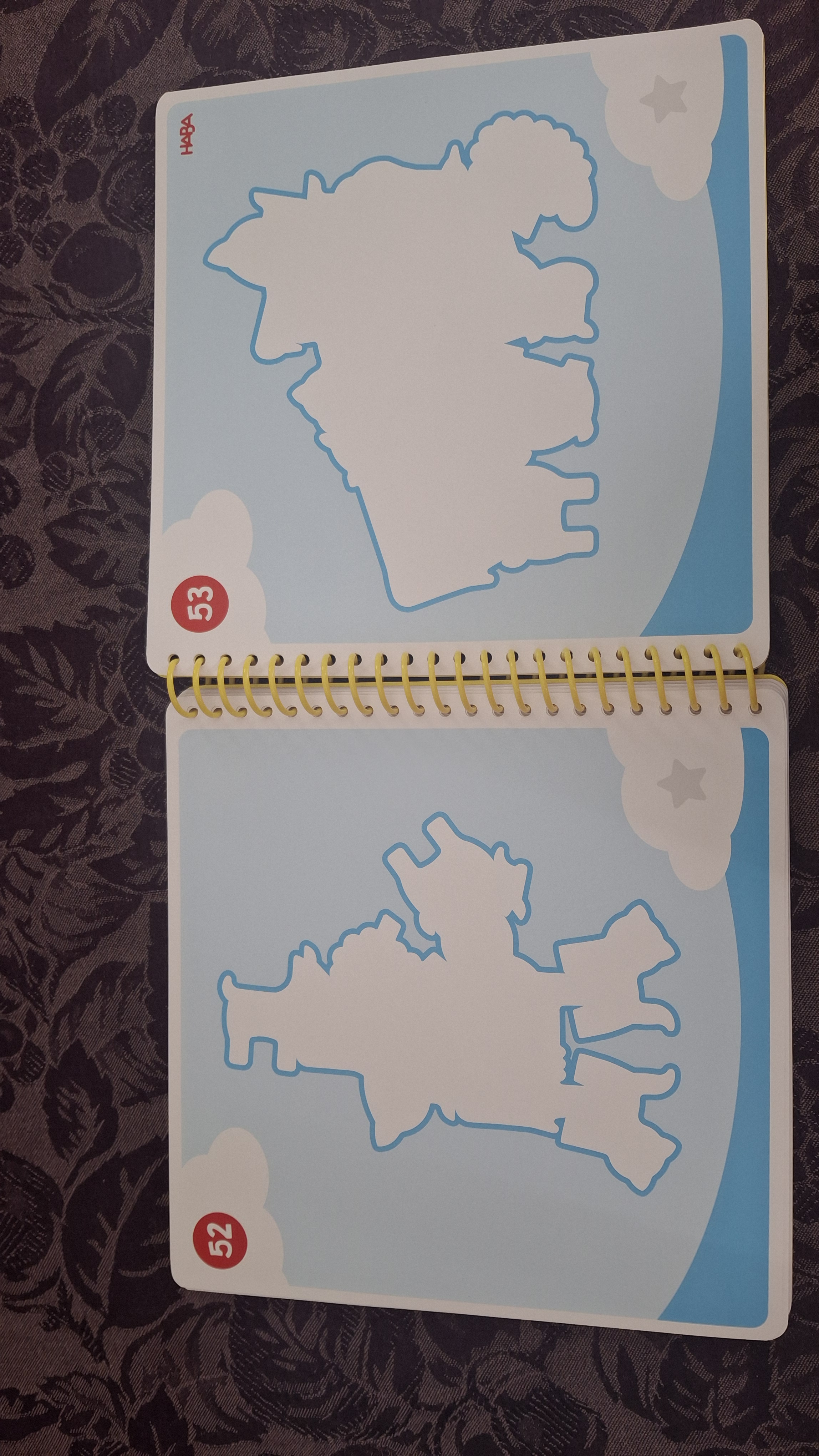
The game includes 12 colorful wooden figures, two of each kind: sheep, cow, cat, goat, geese, and pig. There is also a spiral-bound book with 60 different puzzle tasks, divided into different levels of complexity. These levels are ordered and marked by the color on the page, so it is easy for even non-readers to find the right level.

How Do You Play Bao’s Cloudland?

Bao’s Cloudland is simple and easy to understand. It is a one-player game (which is really convenient when you have a child who is “bored” and needs something to do). You simply pick the puzzle task of your choice, and then try to fill in the outline on the page with the correct animals to complete the puzzle.

There is a separate answer key book in case you get stuck, or your child wants to check and make sure that they are correct.

Our Experience with Bao’s Cloudland

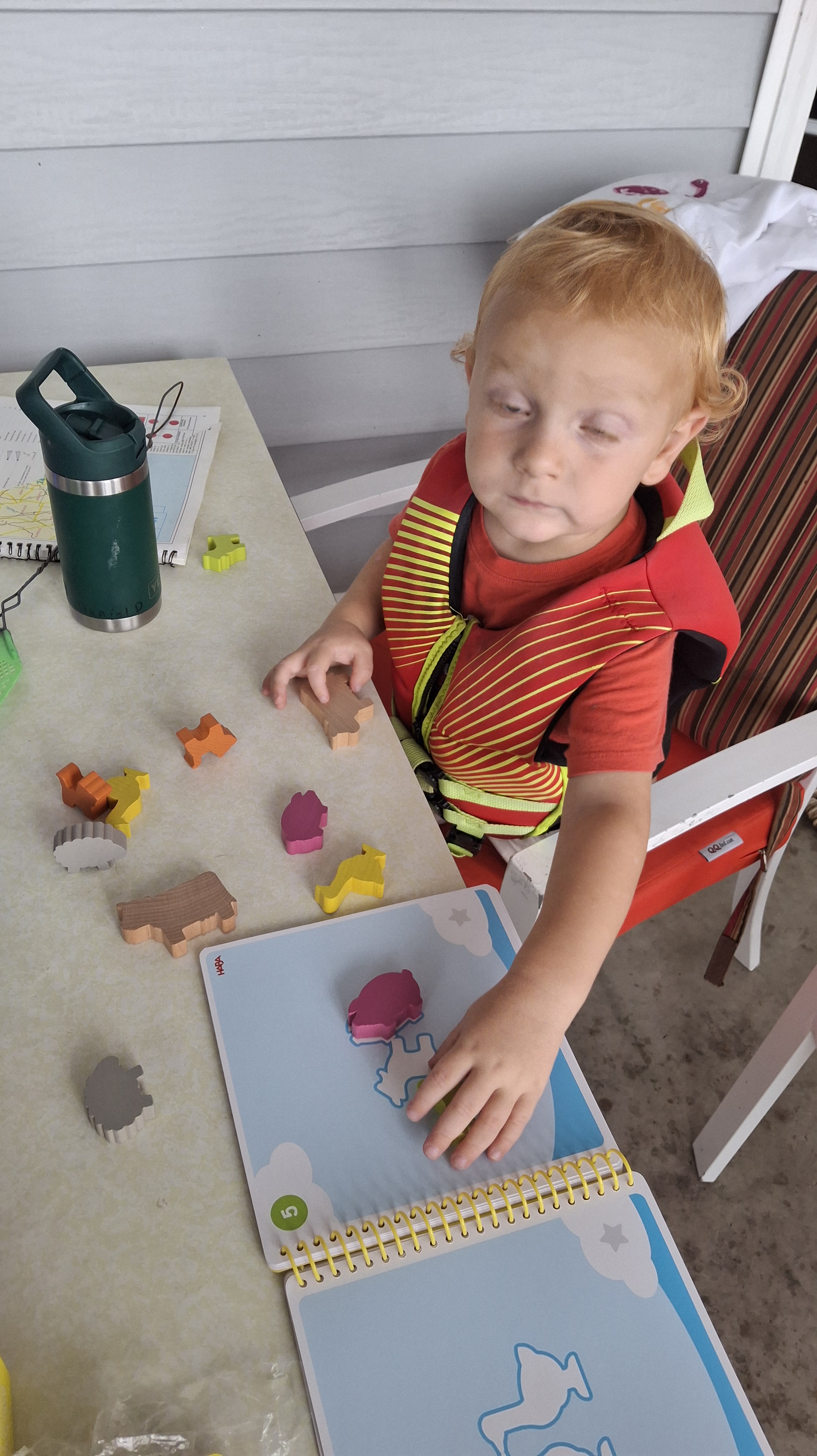
When we requested Bao’s Cloudland, I had my eight- and twelve-year-old sons in mind. However, I also have a two-year-old who loves animals and wanted to play with it as well. All three of them enjoyed the game.

I was expecting the two-year-old to just play with the wooden animals, but he was actually able to complete several of the easiest puzzles successfully. He could do a few independently, and for some of the others, he could pick out the right animals but needed help getting them positioned correctly within the outline.

The older boys could work in any of the levels, and while they quickly realized the easiest level was a bit too easy, they enjoyed the other two levels. I even took a few turns with them and found it to be an enjoyable way to stretch my mind.

We were actually on vacation at the river when we first tried the game, and even there they were happy to play while they took a break from the sun or in the evenings after dinner.

They were working on strategy, visual skills, and logic. However, they did not see it as an educational game, but it was great work for their brains.

Who Would Enjoy Bao’s Cloudland?

Honestly, I think this is a game that all ages can enjoy, especially with the different level puzzles. It is recommended for ages 3+, but as we saw with my toddler, even some two-year-olds could enjoy it. Often, when a game is rated for ages that young, we think it wouldn’t be of interest to older children or adults, but I think the whole family could enjoy this game.

It is a quiet and quick game, great for giving children something to do independently for a few minutes. With all the different tasks, you could spend as few as five minutes playing or spend an hour or more doing multiple tasks.

Overall Thoughts

Bao’s Cloudland from Timberdoodle is a fun and easy game to work on visual skills and logic without it feeling like work. It can be played and enjoyed by the whole family. You can find out more and get your copy at Timberdoodle.

FAQs

What ages is this game for?

Any age from toddler to adult.

How Many Players?

This is a single-player game, though you can take turns if multiple people want to play.

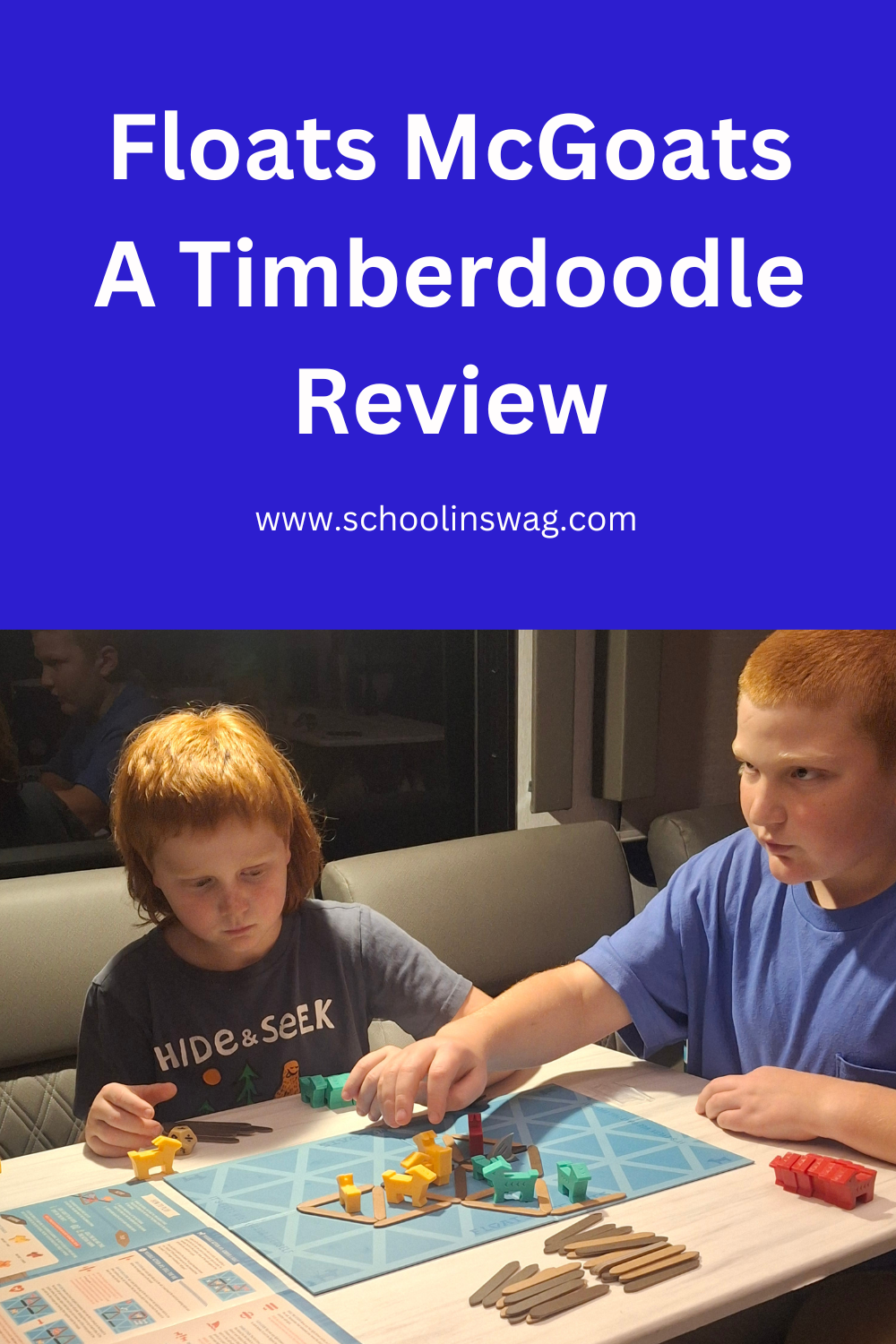
Floats McGoats: A Timberdoodle Family Friendly Strategy Game Review

With children ranging in age from 2 to 19, it can be challenging to find games everyone can enjoy.  The age range for Floats McGoats from Timberdoodle was pretty wide, and so I was excited to give it a try.

What is Floats McGoats?

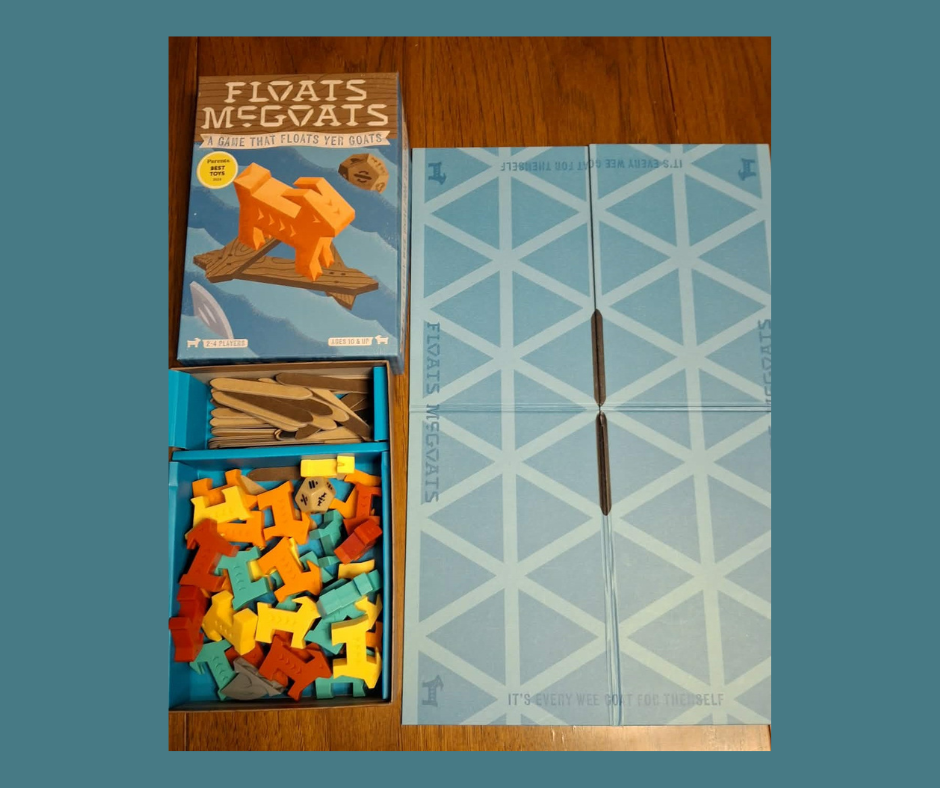
The backstory: A boat full of goats has capsized, and you must save your goats by getting them safely on a raft. Each player (2-4 players) has both adult and baby goats in a specific color. Players add boards to the raft to secure their goats. Each goat has to be surrounded on all three sides. During their turns, players roll the dice to determine if they are moving boards on the board, moving goats, adding new goats, or adding new boards.

Players have to use strategy to get enough of their goats onto the board and safely secure them on the raft. There is some luck involved in the dice roll, but the winner is often determined through strategy and logic.

Our Experiences with Floats McGoats

The boys were automatically excited to try it just because of the “funny name”.  It took me a few minutes to read the instructions to understand what needed to happen, and then I explained it to my seven-year-old and my eleven-year-old. Within the first few minutes of play, they had the hang of the game and were enjoying themselves.

We took the game in our camper on a recent trip, and they played multiple rounds each day. Throughout the weekend, they played with my husband, my eighteen-year-old daughter, my nineteen-year-old son, and myself. While the two-year-old cannot really play Floats McGoats (though he did enjoy trying to steal the goats while everyone else played), everyone else enjoyed the game.

What We Loved:

  • A Game For Multiple Ages
  • Quick Rounds
  • Teaches Logic and Strategy
  • Fun and Educational

Our Recommendations

Overall, Floats McGoats was a great game. With busy lives and active boys, games that last for hours really do not work for our family. However, each round of this game took us only 10 to 15 minutes, which was awesome. If you have more time, you can play multiple rounds, and as players learn more, strategy games may take a little bit longer.

The recommended age was 10+, but my seven-year-old had no problems learning how to play. With a little parental support at the beginning, I think most elementary school students could learn to play, and it is also enjoyable for teens and adults.

Some educational games feel like education made into a game. However, Floats McGoats feels like a game that happens to be educational. My boys never realized they were learning strategy and logic.

I would recommend it to any family looking for a fun game to enjoy together, or to parents who want a way to encourage their children to work on logic and strategy.  Visit Timberdodle to find out more and purchase your game.

Hnefatafl or Viking Chess Timberdoodle Review

Our family owns a fairly impressive array of board games; we get at least one new game every year for Christmas, but we often pick up games throughout the year. Included in this collection are several chess boards. With this in mind, I was intrigued by the opportunity from Timberdoodle to review the game Hnefatafl, also known as Viking chess.

What is Hnefatafl?

When I first saw that the game was called Viking chess, I wondered if it was just chess with different pieces. I’ve seen a variety of themed chess games (for example, we own a Lord of the Rings chess game that uses figures from Lord of the Rings for the pieces) that are played just like chess but with different pieces.

However, Hnefatafl is not chess. It is similar to chess in that it is a two-person strategy game in which you move pieces around on a checkered board. However, the board is set up differently, the game’s goals are different, and it has its own set of rules.

There are two distinct sides in Hnefatafl; there is the side of the king, and their goal is to get the king safely to any of the four corners of the board. The other side’s goal is to keep the king away from the corners and to capture the king by surrounding him.

Our Experience with Hnefatafl

Our game arrived at our home a few days before we were to leave for a camping trip. Since we did not have time to try it out before we left, we packed it into the camper and brought it with us. I’m so glad we did because there were many rounds played on that trip (and continuing at home).

I was expecting it to be a big hit with my eleven-year-old, and he does enjoy it, but I was pleasantly surprised by how much my seven-year-old also enjoyed it. He was happy to challenge his siblings, dad, and even his cousins to rounds of the game.

Playing with family in the camper.

We found that defending the king seemed to be a bit easier side to play, so we made sure to let people take turns being on different sides.

My daughter was quickly reminded that despite the term “Viking chess,” it is not actual chess when she got so busy trying to take her brother’s pieces that she forgot to watch the king and lost in just a few moves.

Most of our rounds only took a few minutes to play, although they did become a little longer as everyone started to figure out more effective strategies. I was grateful that the rounds were short, as I find that games that go on and on tend to lead to drama in our home (I’m looking at you, Monopoly), and it’s also harder to find time to fit those into our days. However, this game works great for them to play while I finish fixing dinner or when they have a few minutes before the next activity.

After several weeks of learning to play, my seven-year-old son pulled it out while we had an extra teen in the house, and it turned out he had the game and had been playing for years. They loved getting to play with him and learn so extra strategy from someone who had been playing for awhile.

Learning More Strategies

Who Would Benefit from Hnefatafl?

While it will undoubtedly vary from child to child, children as young as five or six could learn to play Hnfatafl, and it is a game that adults can still enjoy.  The game helps work on attention to detail and strategy. It will make a great addition to your family’s game collection.

Overall, we may not be able to pronounce Hnefatafl correctly, but we can highly recommend it for children and adults who enjoy strategy games. We love that it’s great for a variety of ages, easy to learn, only takes two players, generally each round is not too long, and it helps develop skills like attention to detail and strategy.   You can find out more and order your set from Timberdoodle. It is also included in their fourth-grade curriculum kit.

Resource Library and Affiliate Disclosure

When you sign up for the Schoolin’ Swag free resource library you will get a link and password to the library, we are adding to the library each month with new items. You will also get a bi-weekly newsletter email to keep you up to date on what we have going on.

Resource Library 

This post may contain affiliate or referral links, including Amazon affiliate links. As always I will never recommend a product that I don’t believe in and you will never be charged more for purchasing through our links. It does help pay for the costs associated with the blog.