
We have used some educational games off and on throughout my years of homeschooling, but I often wished we had more time to incorporate them. We typically either used them as evening family activities here and there, or we intentionally included one on a day when it fit well with whatever else we were studying. I also said we would play them more when we had “extra” time.
The truth is there is no “extra” time; there is always something that can fill that time, and if I do not schedule it, it most likely will not happen.

Scheduling Game Time in Our Homeschool
When talking about events, schedules, and such, I often tell people that if it is not in my Google Calendar, then it is not happening. I rely on that calendar to keep me on track. With our homeschooling day, I could say if it is not in my planner, then it is not happening.
Thus, this year, I am intentionally including educational games into our homeschool plan. For morning time this year, I am including our two “staple” subjects (World Watch and Bible) as well as one additional subject for each day of the week.
On Fridays, game time will be that extra subject for our morning time. So, each Friday we will set aside at least 30 minutes to play an educational game together. I believe this intentionality will help ensure that we actually get game time most weeks.
I also believe the game time will add something fun that the boys can look forward to during the school week.
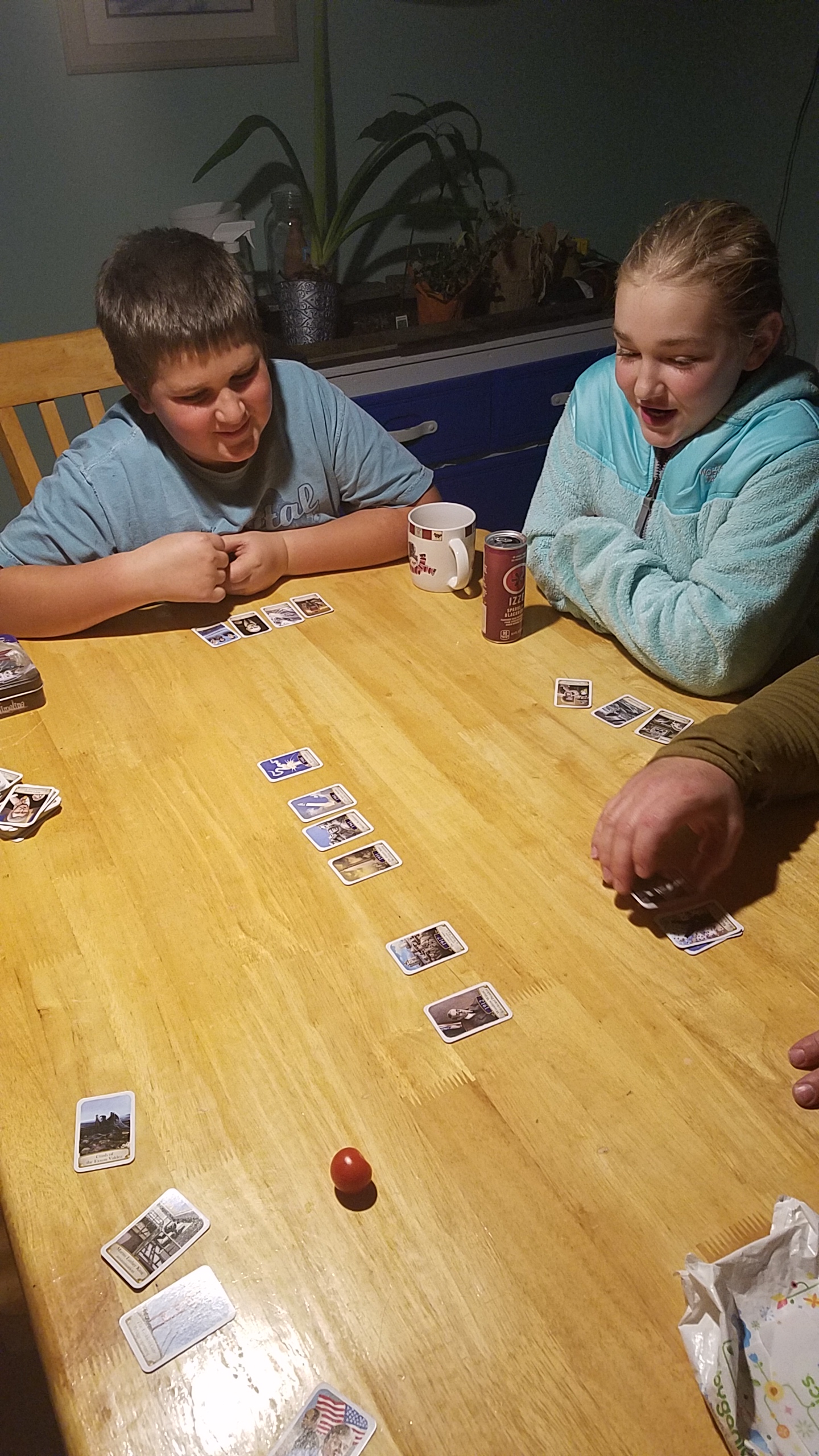
What Do You Mean by Educational Games?
A wide variety of educational games are available. Some of them are very specifically educational, such as the Math Sprint Game or the history game, “Get Your Kicks on Route 66”.
Other games are less specific in their educational goals but are still valuable educational tools. For example, there are many logic games (like the ones from Fun Squared Games) that help students build logic skills that help them across many subject areas. Other games might build memory skills, fine motor skills, or imagination.
Whether it is a specific content area or general brain building, all of these games provide valuable tools for your child’s education.
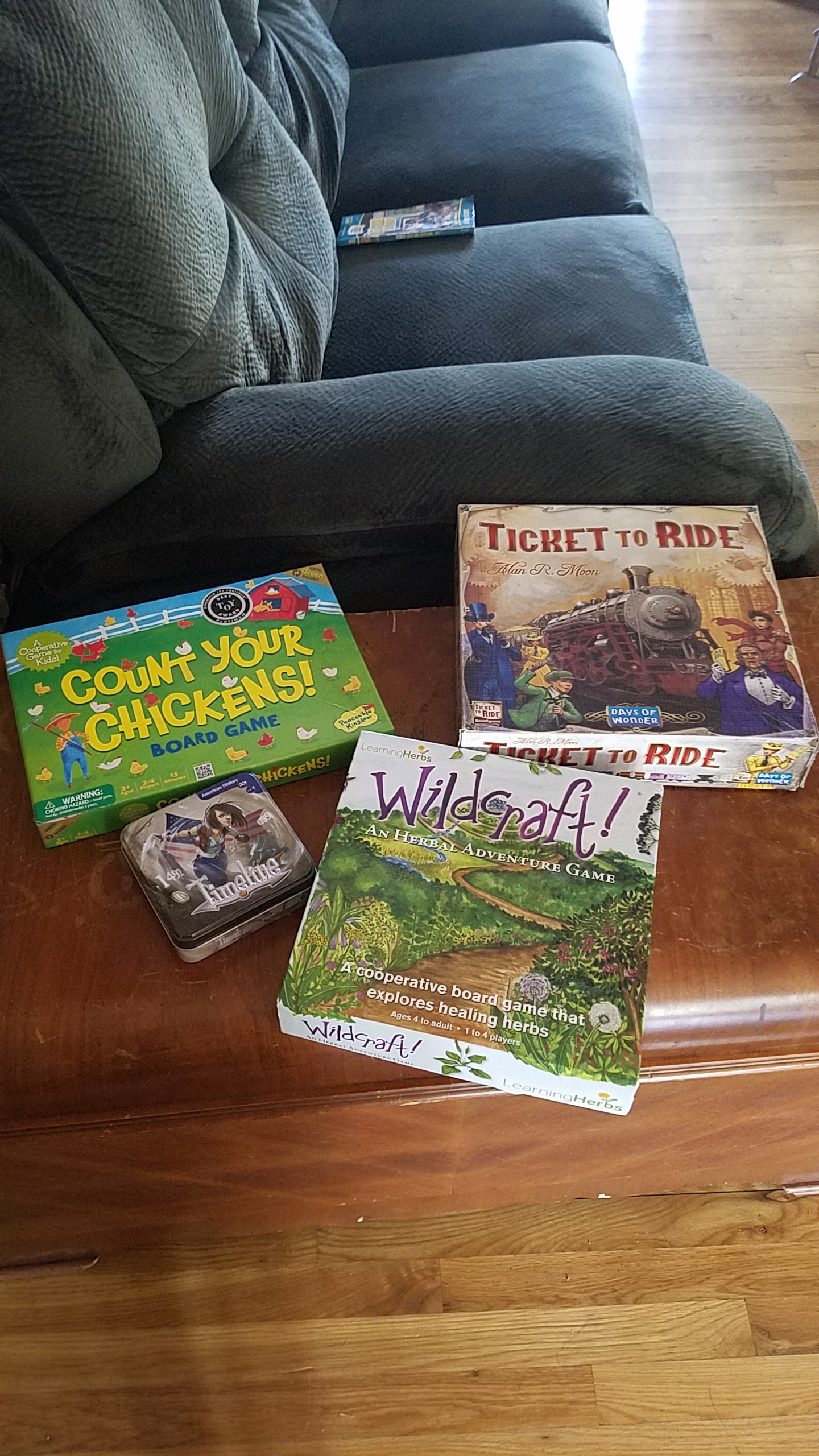
Some of our Favorite Educational Games
Go to our educational game page to check out more game reviews and ideas.
Other Ways to Incorporate Games in Your Schedule
Friday morning might not work for your schedule, but there are lots of different ways you could add them in.
A few examples:
- One afternoon after your regular subjects
- Plan a time for them after so many days of successfully completing a goal.
- Set aside a whole day for them once a month or once a quarter.
- Use the shorter ones as a break between subjects.
- Have some children play games while you get one-on-one time with a different child and then rotate.
FAQs
What do educational games teach?
There are so many different options; you can use games for logic, counting, spatial awareness, math, history, science, and more.
What ages can use educational games in your homeschool?
Games can benefit all ages, even high schoolers.
Resource Library and Affiliate Disclosure
When you sign up for the Schoolin’ Swag free resource library, you will get a link and password to the library. We add new items to the library each month. You will also get a monthly newsletter email to keep you up to date on what we have going on and occasional extra newsletters about special events or deals.
This post may contain affiliate or referral links, including Amazon affiliate links. As always I will never recommend a product that I don’t believe in and you will never be charged more for purchasing through our links. It does help pay for the costs associated with the blog.
Deals and Freebies
Schoolhouse Teachers is now offering a lifetime option! They are a great place for a one stop shop curriculum or a way to have a lot of options to fill in different electives and courses into what you have already chosen.


