Fischertechnik Junior Max: A Timberdoodle Review

We love building toys of any kind in our house; my boys will build with wooden planks, Legos, magnetic tiles, and more. However, Fischertechnik Junior Max from Timberdoodle is more than a building toy; it is a chance to learn basic engineering concepts through play.

What is Fischertechnik Junior Max?

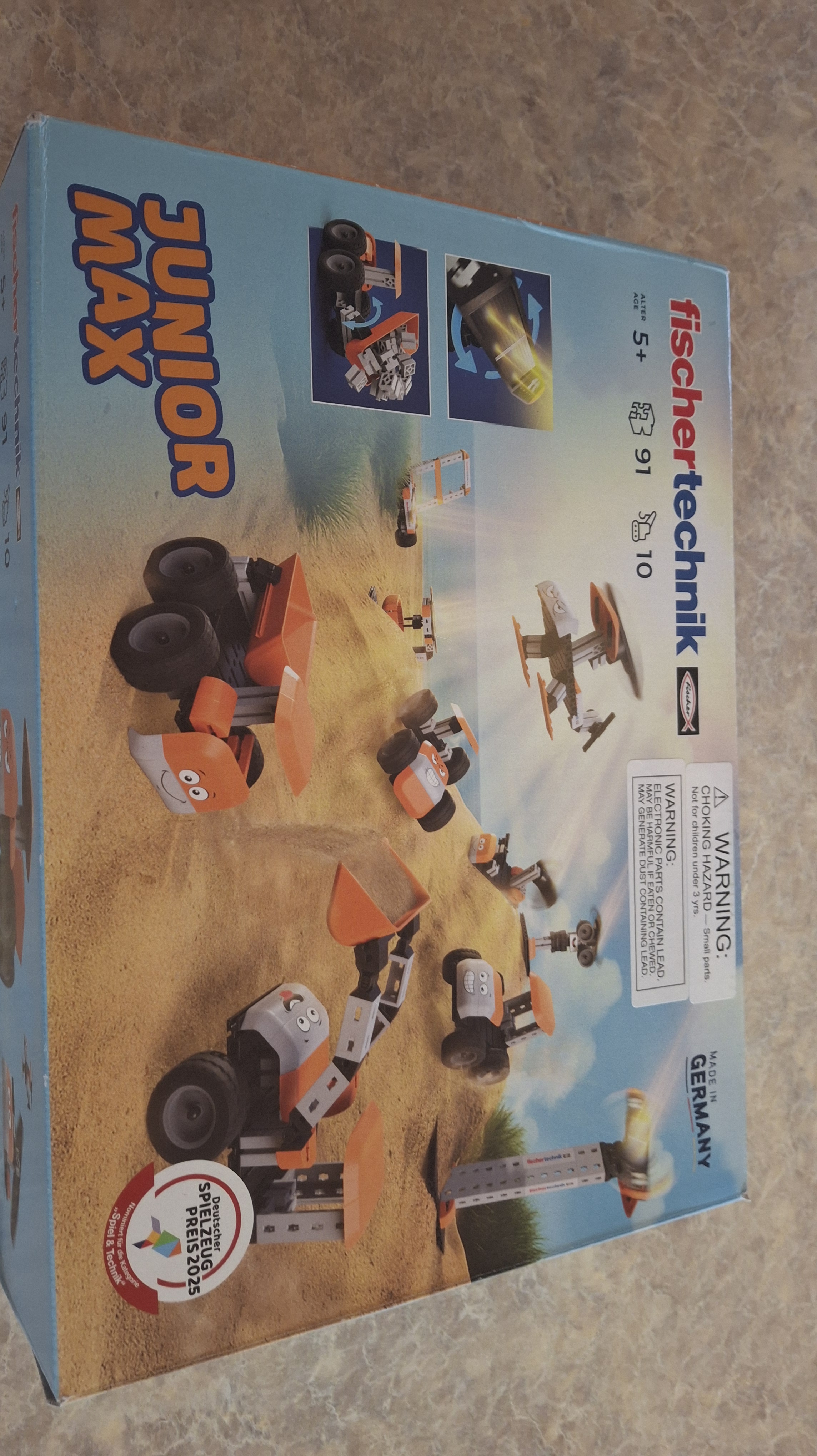
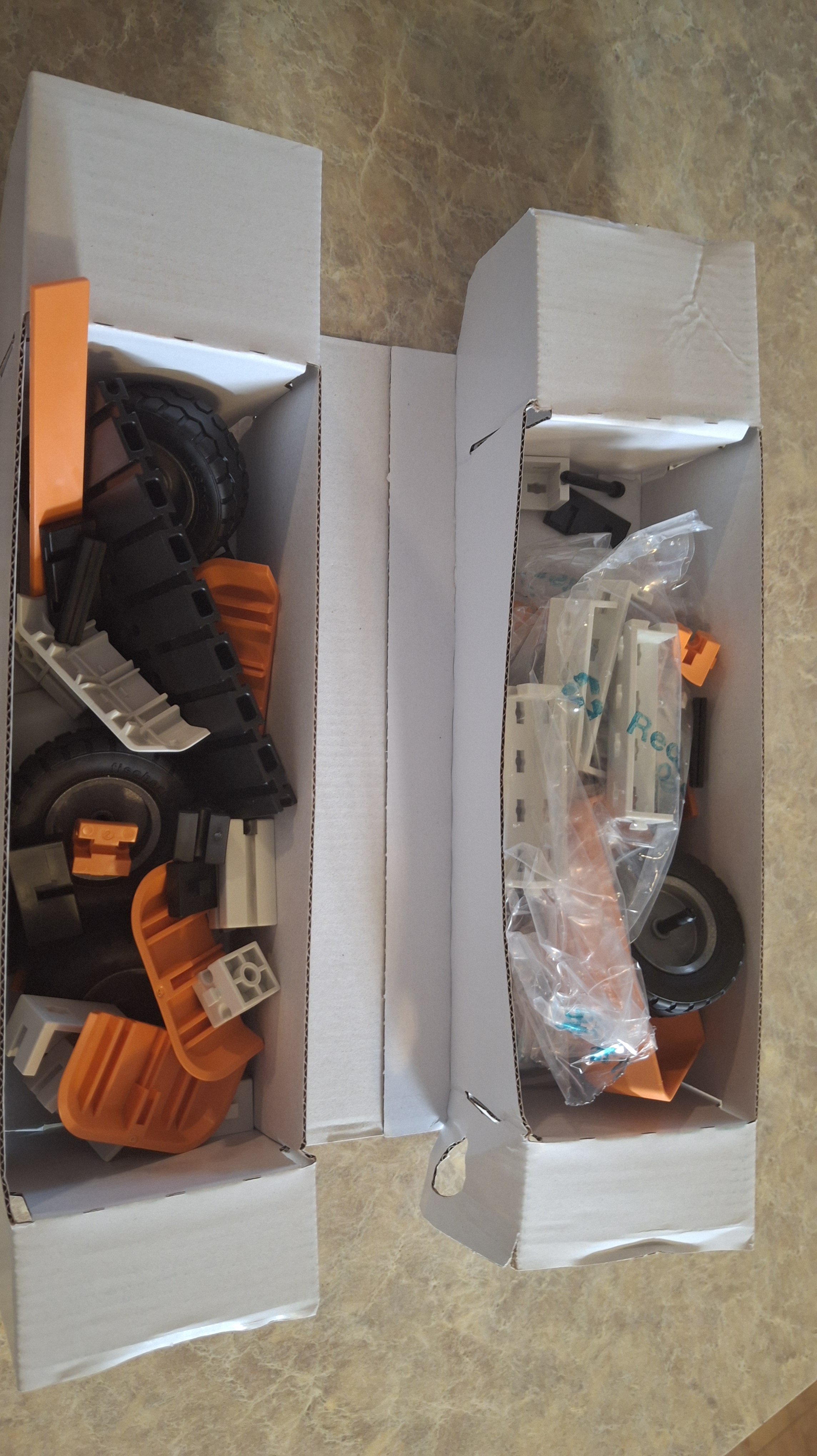
This fun, hands-on building kit lets children use the same components to build multiple projects. More than just blocks that click together, these pieces slide in and connect in different ways and include wheels that turn, etc.

The kit includes about 90 components that can be put together in a variety of ways. Students can use the included manual to make 8 different models.

How Do You Use Fischertechnik Junior Max?

Students begin by following the step-by-step instructions to build whichever model they choose. They can build the models in any order that they choose. Once they have tried some or all of those, students can use their imagination and come up with their own projects to build.

The pieces slide into place and stay securely. The wheels move and move the components, just like in real simple machines.
Our Experience with Fischertechnik Junior Max

My eight-year-old was excited to try these. He loves building, machines, and anything hands-on.  We looked over the instructions together, but then he completed the projects independently.
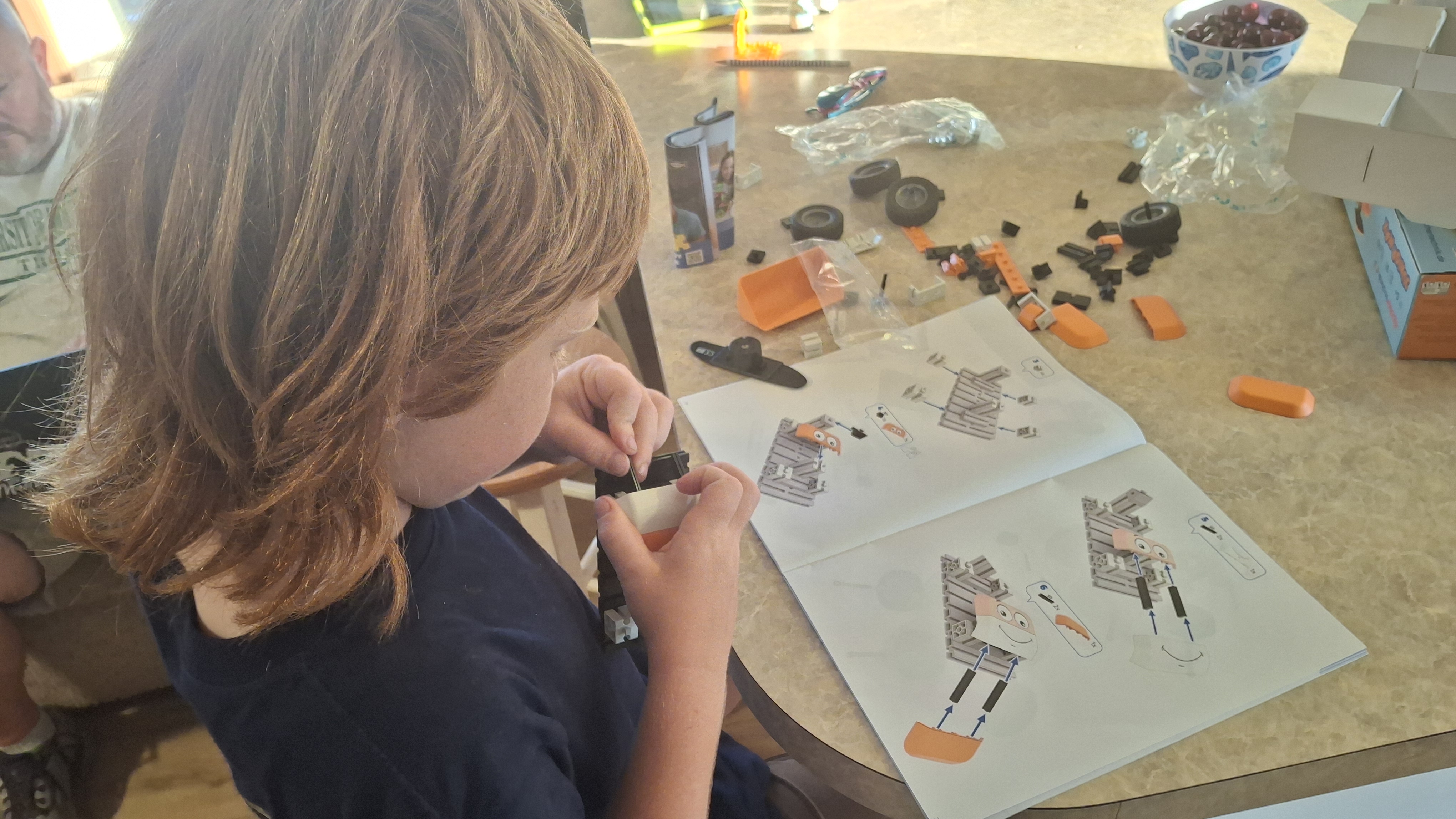
We loved that the projects could be completed in just a few minutes, and the instructions were fairly easy to follow. They use colored instructions that gray out the pieces you’ve already put together, making it easier for the student to see each new step. This also allows even non-readers to work on the projects independently.
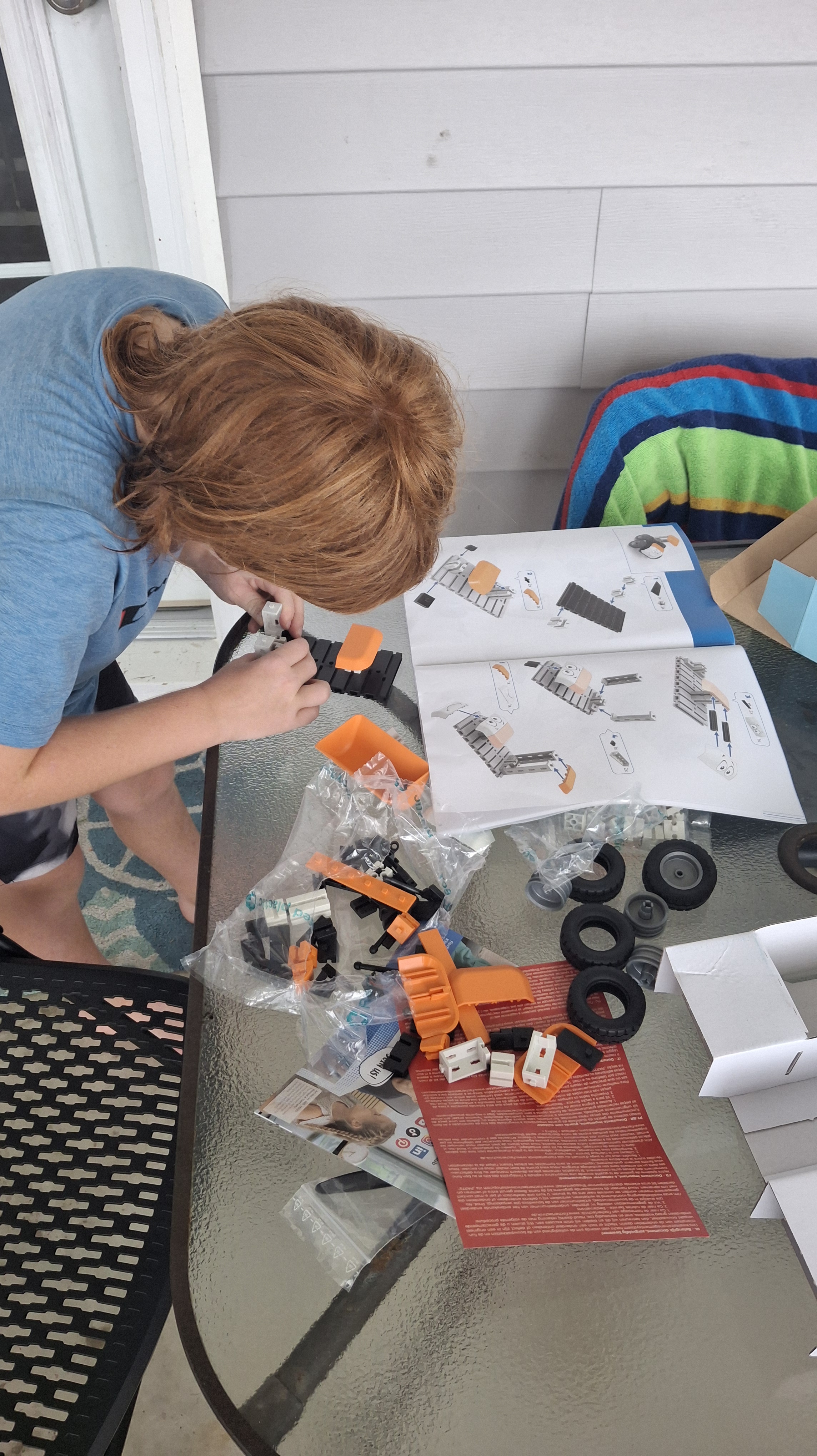
The components fit together easily and were not too challenging for young hands; the sliding mechanisms made things fit securely without a lot of pressure or strength required.

Once he had done a few projects, he was excited to play with the different components and put them together to make his own creations. My two-year-old enjoyed playing with the “machines” that his brother created, but he is too young to really build anything with the kit.

Who Would Enjoy Fischertechnik Junior Max?

I recommend this kit for children ages 5-8, or possibly as young as four with adult assistance. It is especially great for those who enjoy building things or are interested in different machines and equipment. They can build the projects and then play with the machines they have built. Unlike many other kits, the wheels actually turn and the parts move, which makes them more fun for play after the build.
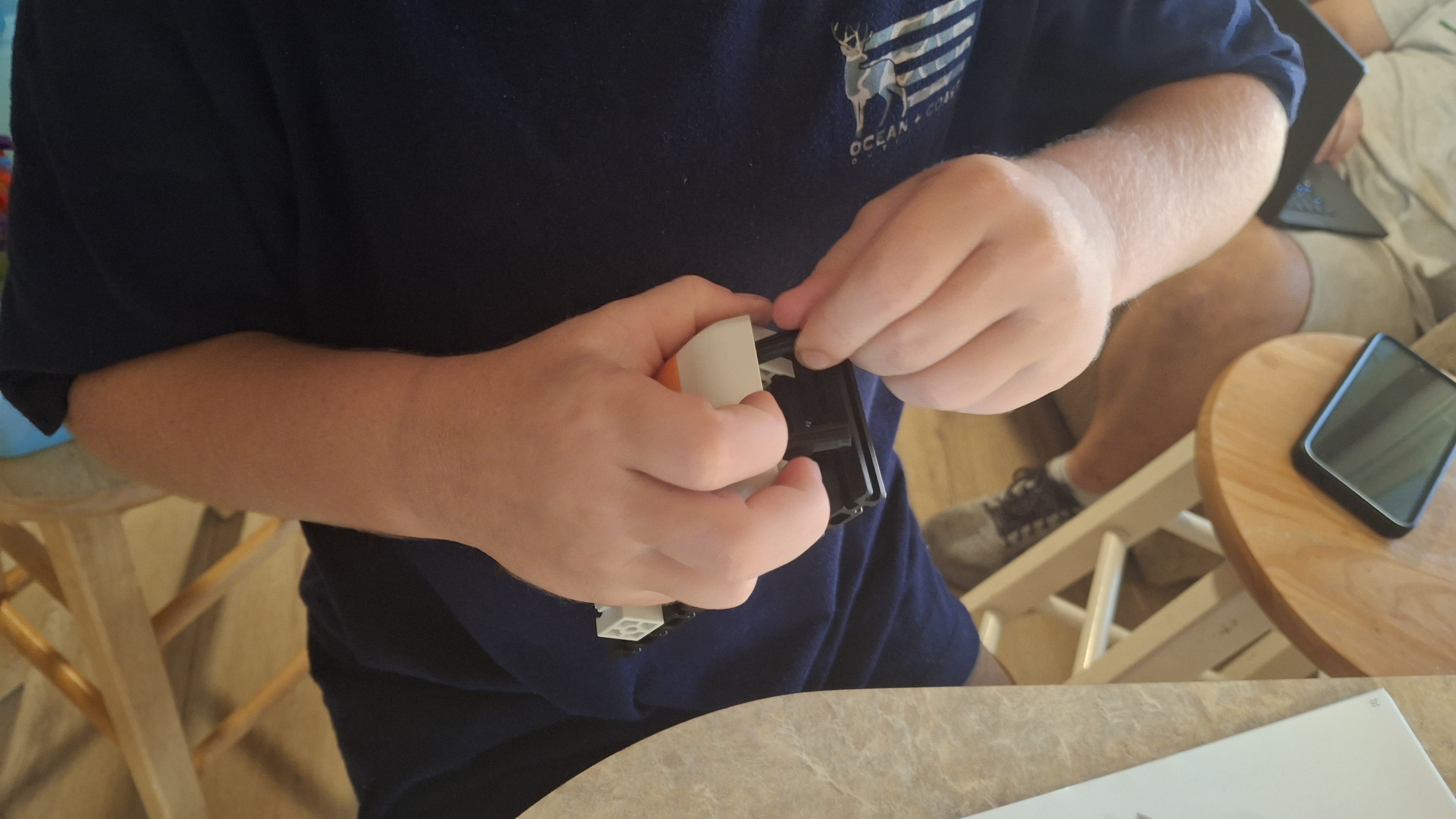
The parts were easy for small hands to work with.

Overall Thoughts

We really enjoyed this kit. The age range is fairly narrow (they do have other, more complex kits for older students), but it is a perfect introduction for younger students. It encourages creativity, imagination, and fine motor skills. You can find out more and get your set at Timberdoodle, where you can also see other Fischertechnik sets.
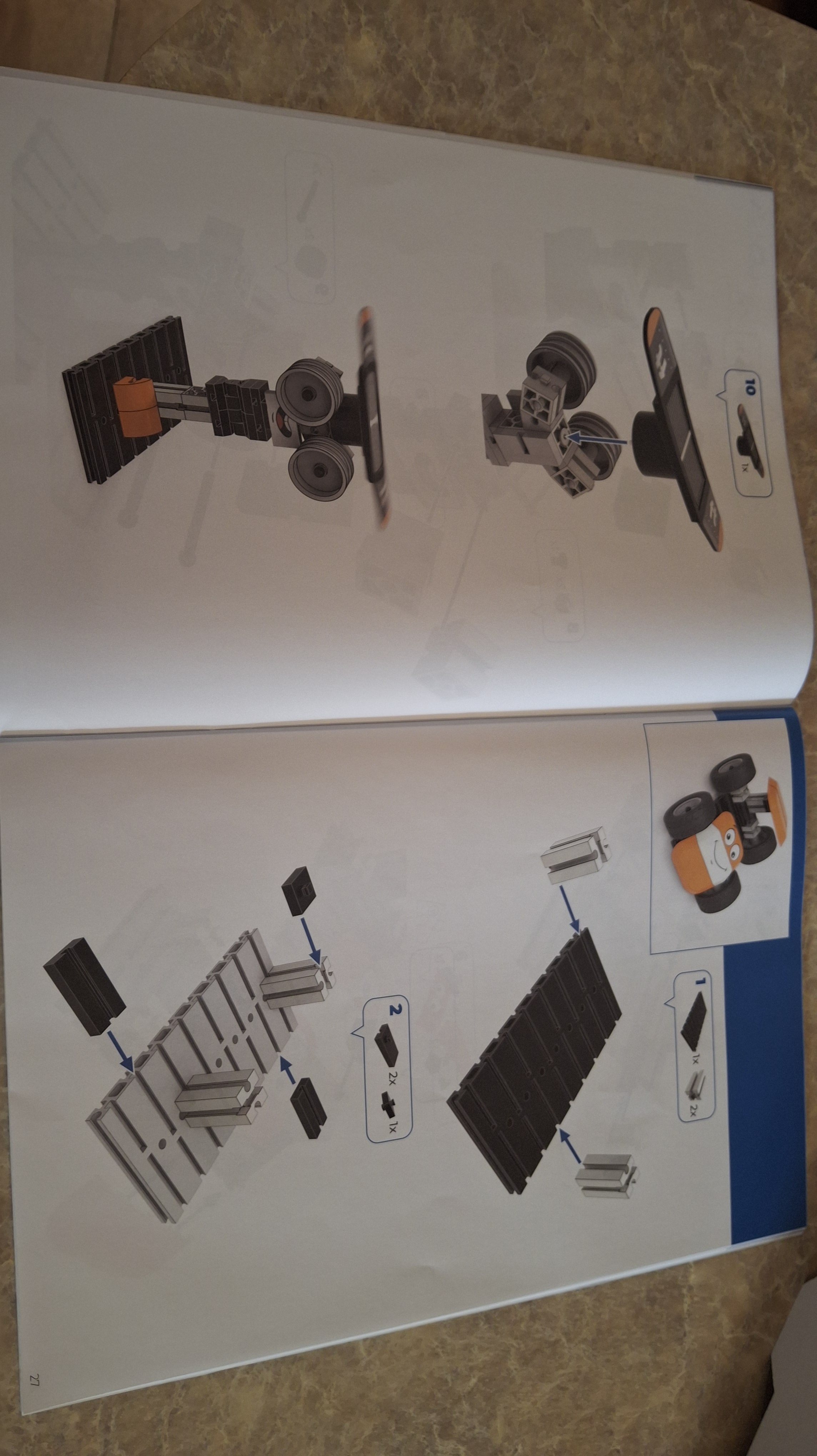
Note how the color contrast and graying help students see which steps need to be completed.

FAQs

What ages is this set for?

Recommended for ages 5+. I would recommend it for ages 5-8, possibly 4 with assistance.  

What skills does this set teach?

Problem-solving, fine motor skills, spatial awareness, and basic engineering concepts

Does the set require reading?

No, the instructions are illustration based and can be followed by non-readers.

Early Bird: A Timberdoodle Game Review

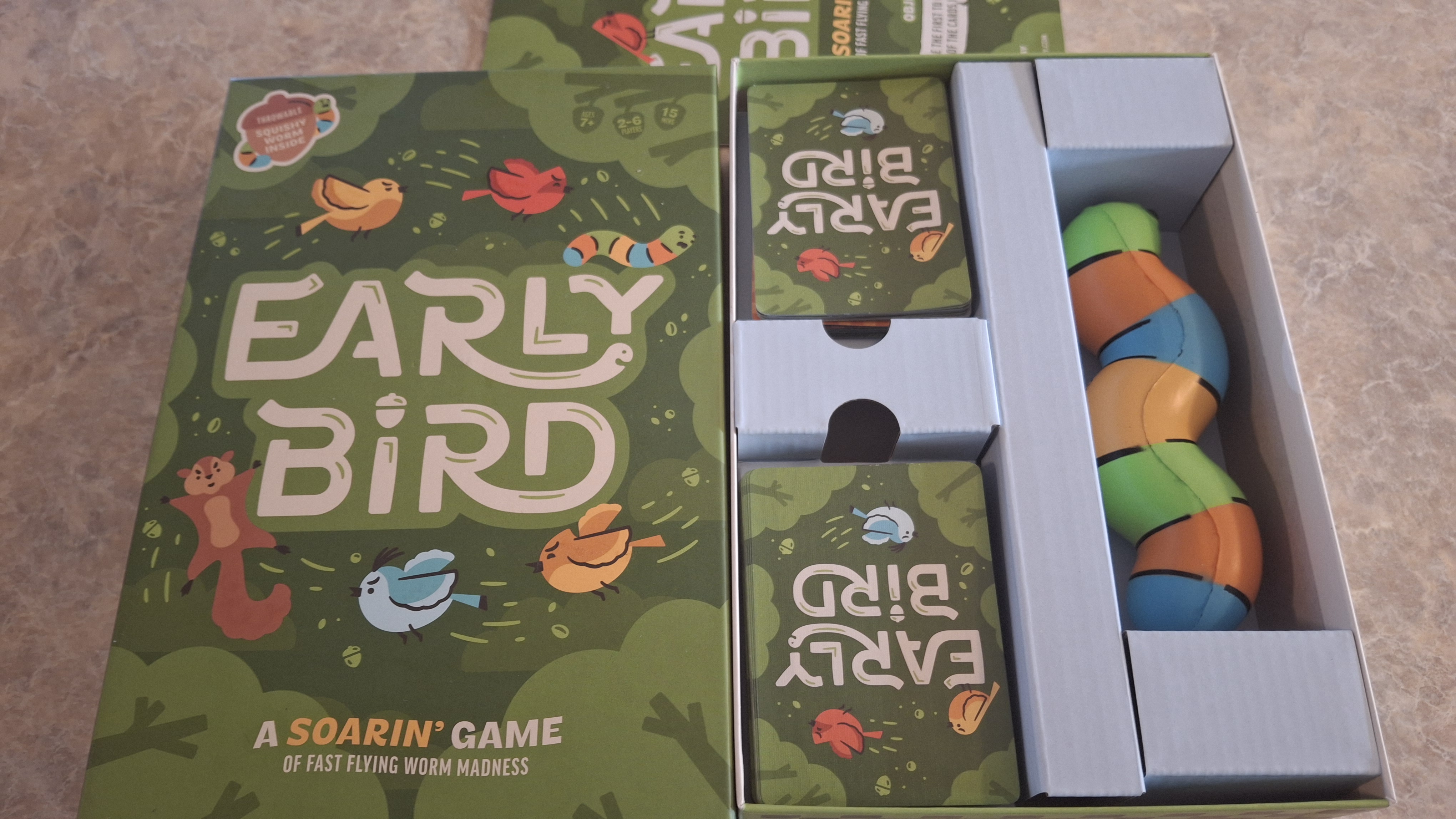
Early Bird from Timberdoodle is a fun, fast-paced game that involves a deck of specialized cards and a squishy worm.

While the concept is simple, the game provides hours of fun and learning for a wide variety of ages.

What is Early Bird?

 The box says it is a “soarin’ game of fast flying worm madness.” This game reminds me of a mix of UNO and Dutch Blitz, with some fun, silly challenges added to the mix.

It is a game where you have to discard your cards by adding them to a pile in numerical order. The order can go up or down at the discretion of the person who called the play. It is a game of speed and strategy.

How Do You Play Early Bird?

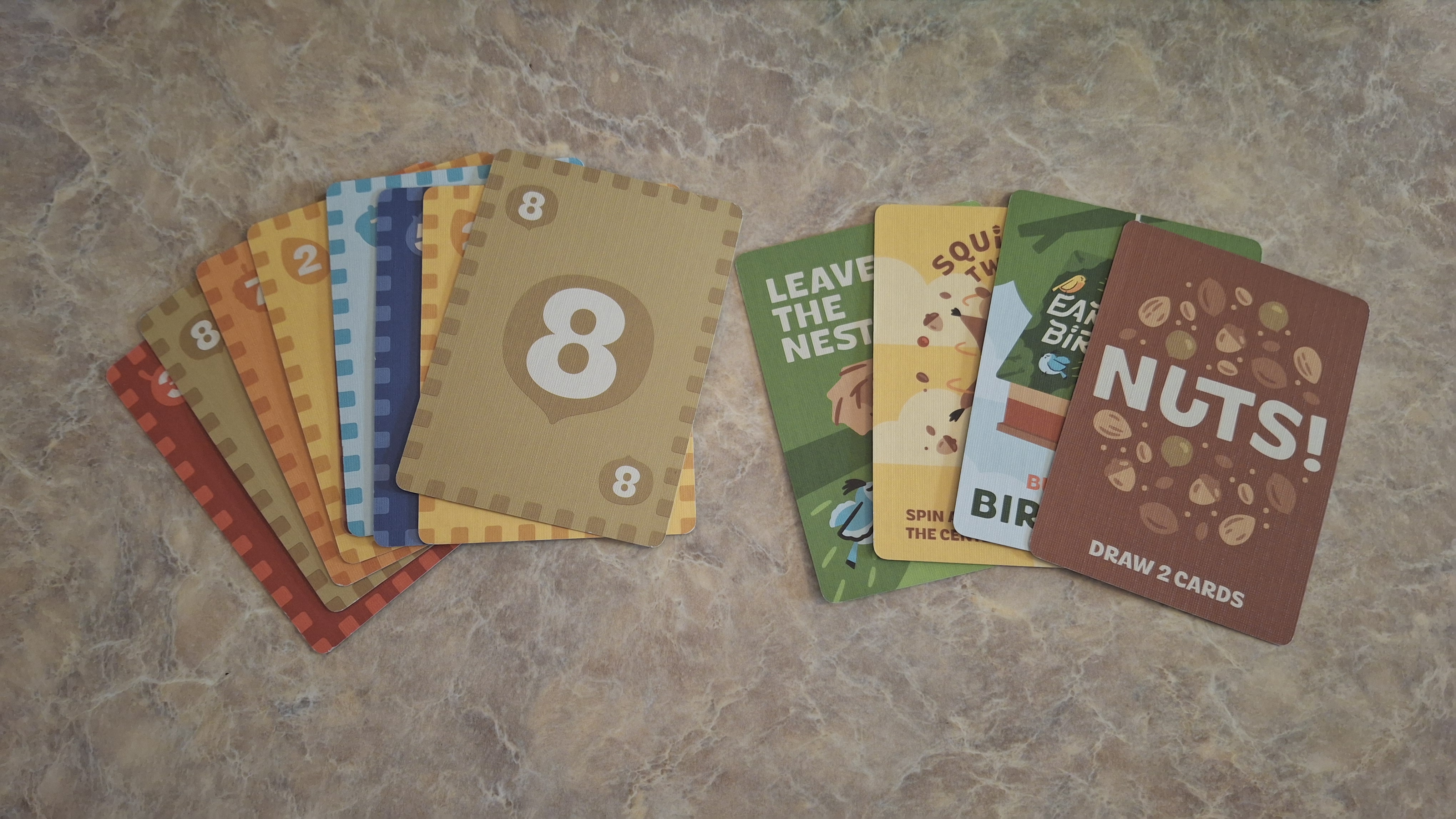
Each player is given 7 cards; the cards are a mix of numerical cards 1-8 and special challenge cards.  The person who does the best impression of a worm gets to start the game by discarding one card and determining the direction of play (up or down).

Unlike many card games, you do not take turns; anyone can lay down the next card as long as it is in order, and the goal is to be out of cards first.

Just when you think you have a plan, someone throws a challenge card into the mix and changes everything up!

There are funny challenge cards in the mix, and they can be played at any time. Some have you chasing the foam worm, spinning in a circle, or building a birdhouse from cards.

Each round takes as little as five minutes, and the game recommends playing 5 rounds to determine the winner. However, you can easily do more or less depending on your time constraints.

Our Experience with Early Bird

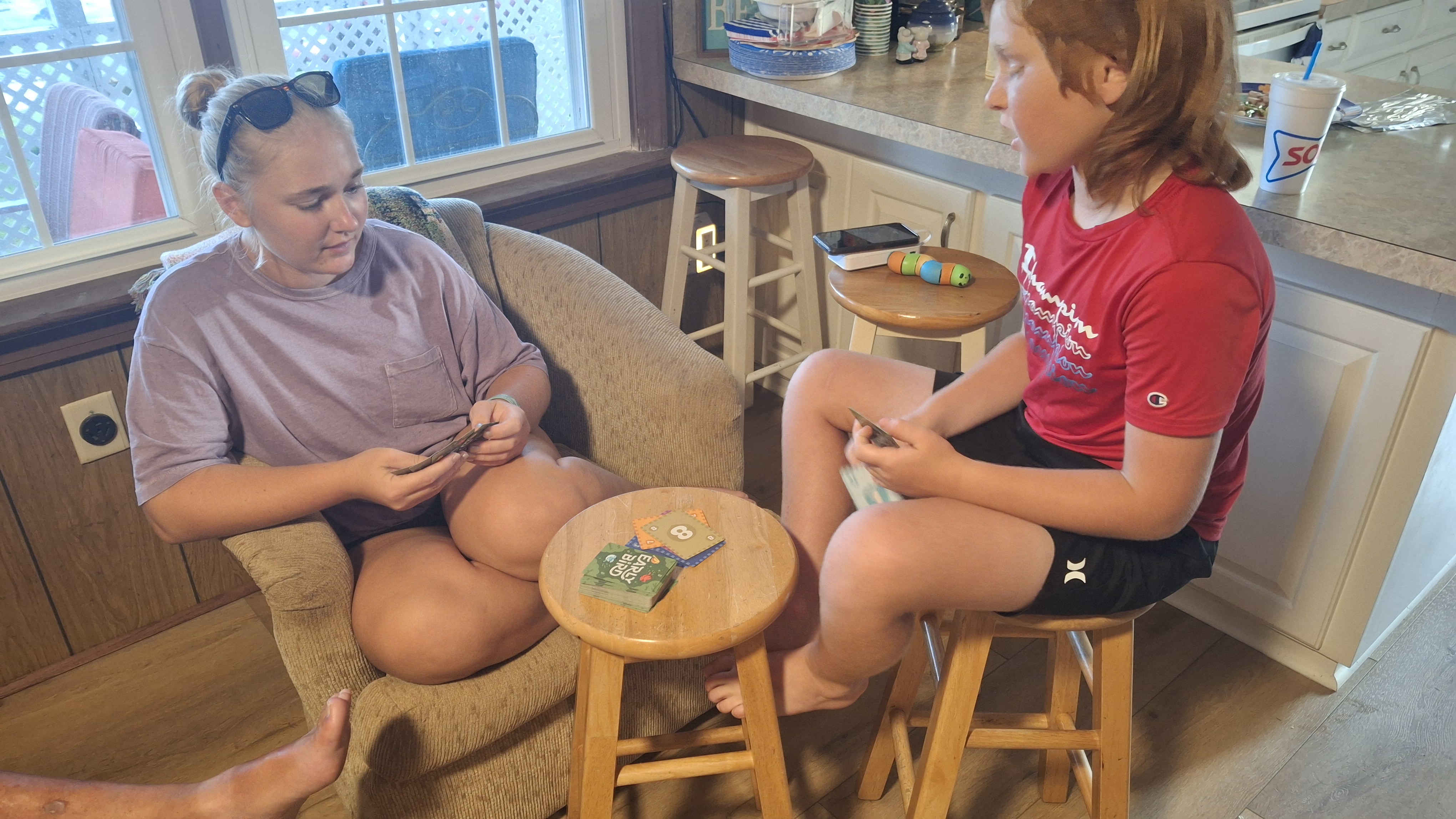
Our first experience with Early Bird was my husband, my eight-year-old, and me. While getting out of my chair for some of the challenges was not overly appealing (I mean, who doesn’t relish the opportunity to stay seated for a few minutes in a busy day), the game was honestly a lot of fun.

We were figuring it all out during the first round, and then the rounds went quickly and smoothly. My son loved it and appreciated that during one challenge when you had to stand up and spin around, he always won because the adults were not nearly as motivated.

He loves having a game his sister will play with him!

My son loved it so much that he started begging other family members to play, and my twelve-year-old son and eighteen-year-old daughter enjoyed it as well.

More than playing, I enjoyed watching them all spend time together laughing and enjoying a good game.

“It is a fun fast pace game for the whole family. Super easy to learn and lots of fun to play.” Elizabeth, age 18

Who Would Enjoy Early Bird?

This game is great for anyone old enough to recognize their numbers and count them in order. I think it would work well for helping younger students improve their number recognition as well.

Due to the active nature of several of the challenges, participants do need to be able to physically move around to retrieve the worm, switch seats, or spin around. However, if you have someone with physical limitations, you can adapt the challenges.

Aside from physical limitations or children who are still getting comfortable with their numbers, the nature of the game creates an even playing field across ages and skill levels, which helps make a family game feel more “fair” for younger children when playing with adults or teens.

Overall Thoughts

Our family enjoyed this fast-paced game. The speed and ease of play are a bonus, and the challenges add a lot of laughter and surprise. We think it is a great family game for multiple ages.

While this might not be a school-time staple, I do think it is great for a family game night, a rainy afternoon, or a nice break between chores.

You can find out more and purchase your copy of the game at Timberdoodle.

FAQs

What ages is this game for?

Recommended for ages 7+; any child who can count and recognizes numbers could play.

How Many Players?

2-6 Players

Does the game require reading?

While someone needs to initially be able to read the instructions, the game can easily be played by players who are not yet reading.