Sticker Hero: A Timberdoodle Review

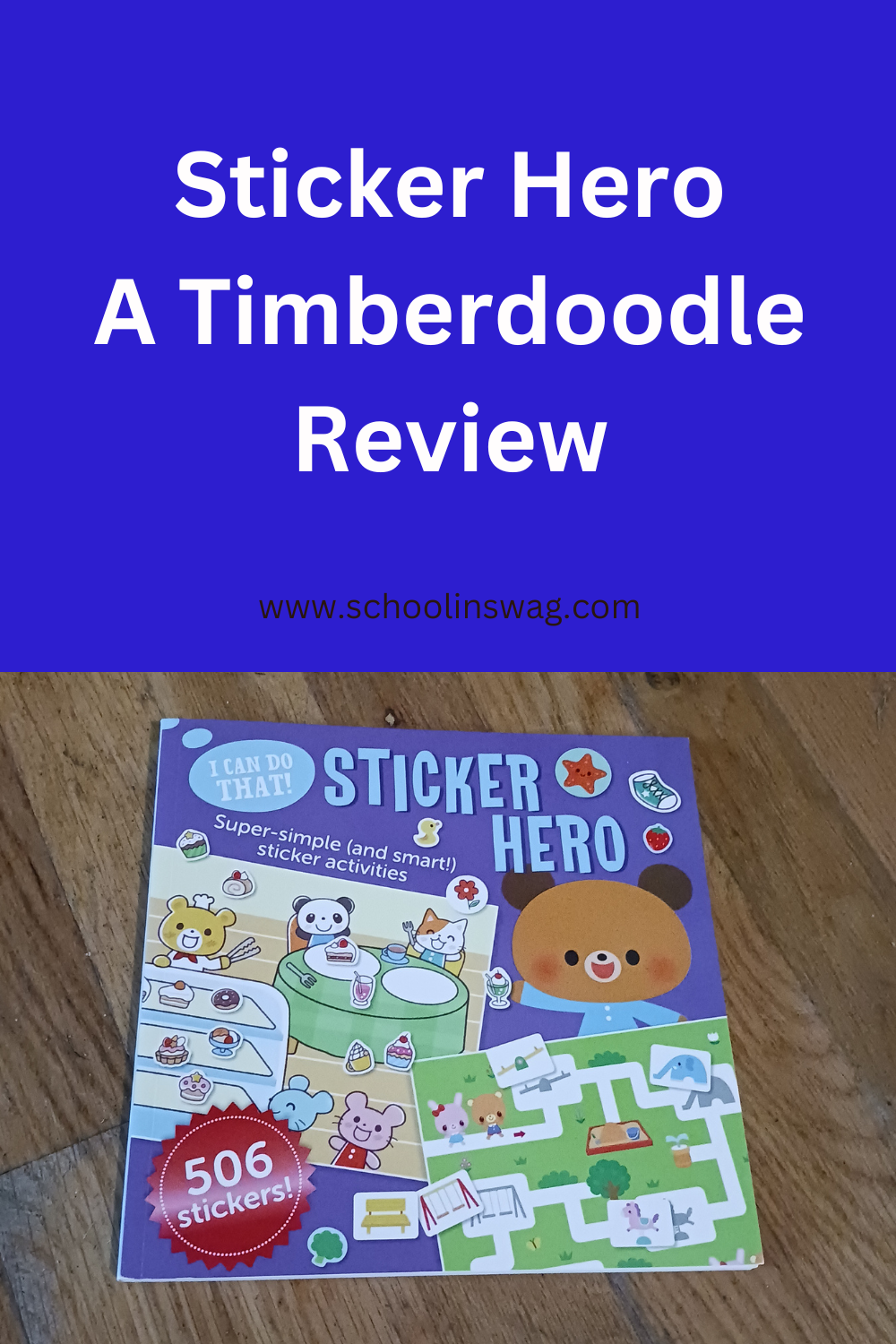
Stickers are so much fun for children of all ages, whether just using random pretty stickers to decorate a paper or activities that use stickers.  Timberdoodle recently gave me the opportunity to review Sticker Hero, a fun sticker activity book.


What is Sticker Hero?

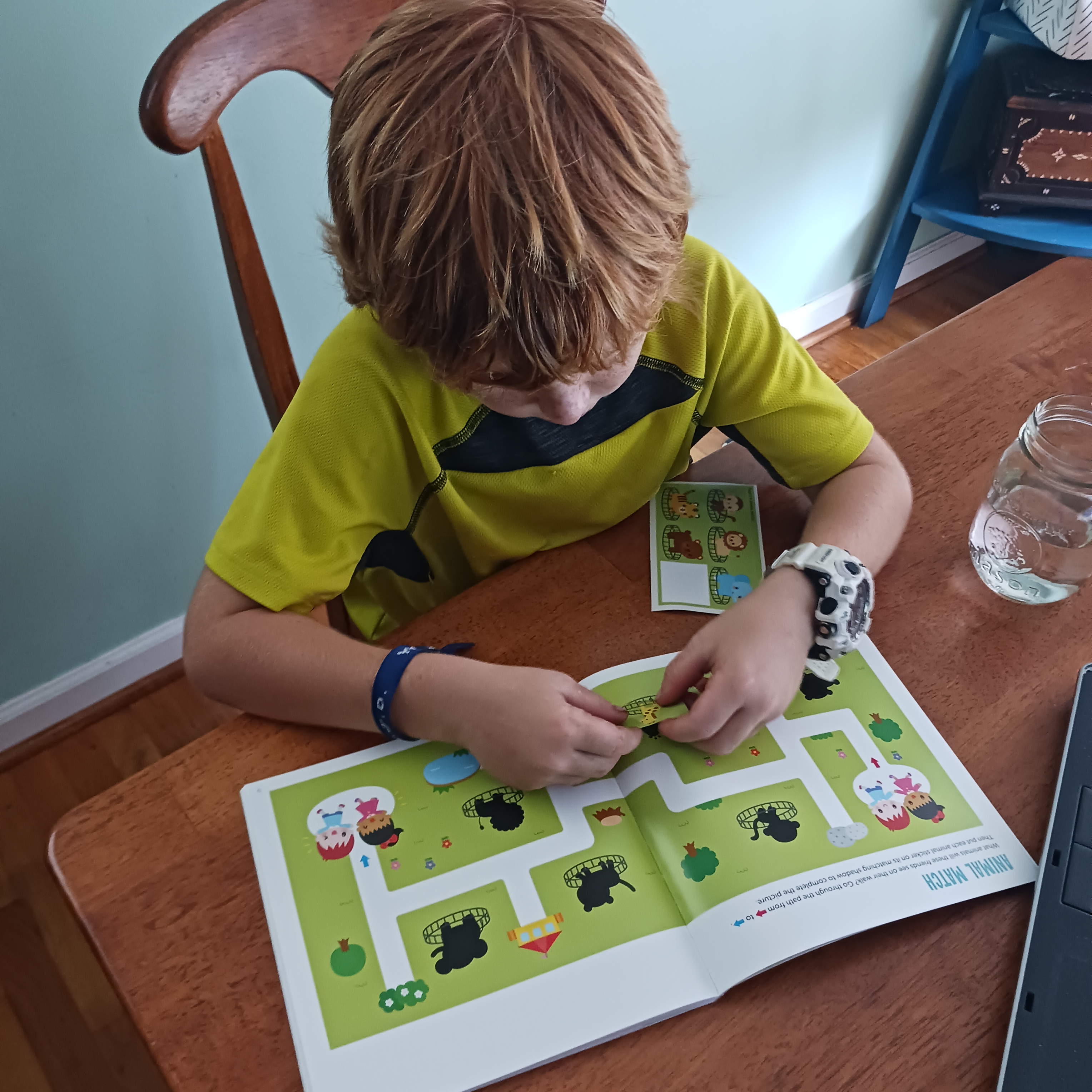
Designed for ages three and up, this activity book includes 506 stickers and 48 pages of sticker activities. The pages are bright, colorful, and made from thick paper to be more durable for little hands.


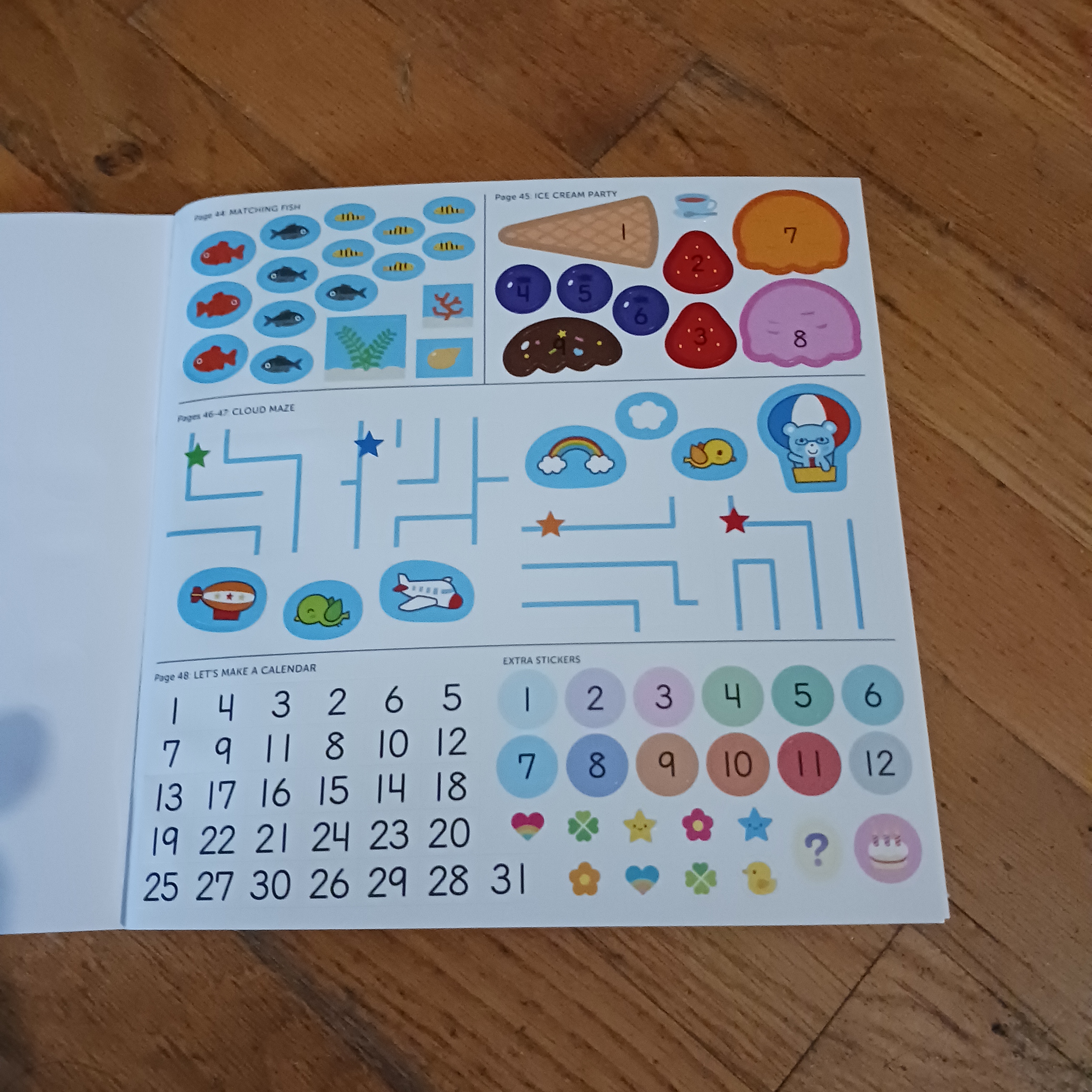
The activities include matching, counting, decorating, mazes, and more. The stickers for each activity are located in the back of the book and conveniently separated by activity. This allows you to either show the child the correct stickers or even take the correct ones from the back of the book to simplify the activity for younger children.


Working with stickers naturally enhances fine motor skills, but these activities also work on counting, sorting, matching, and observation skills. There are even activities to work on the alphabet.


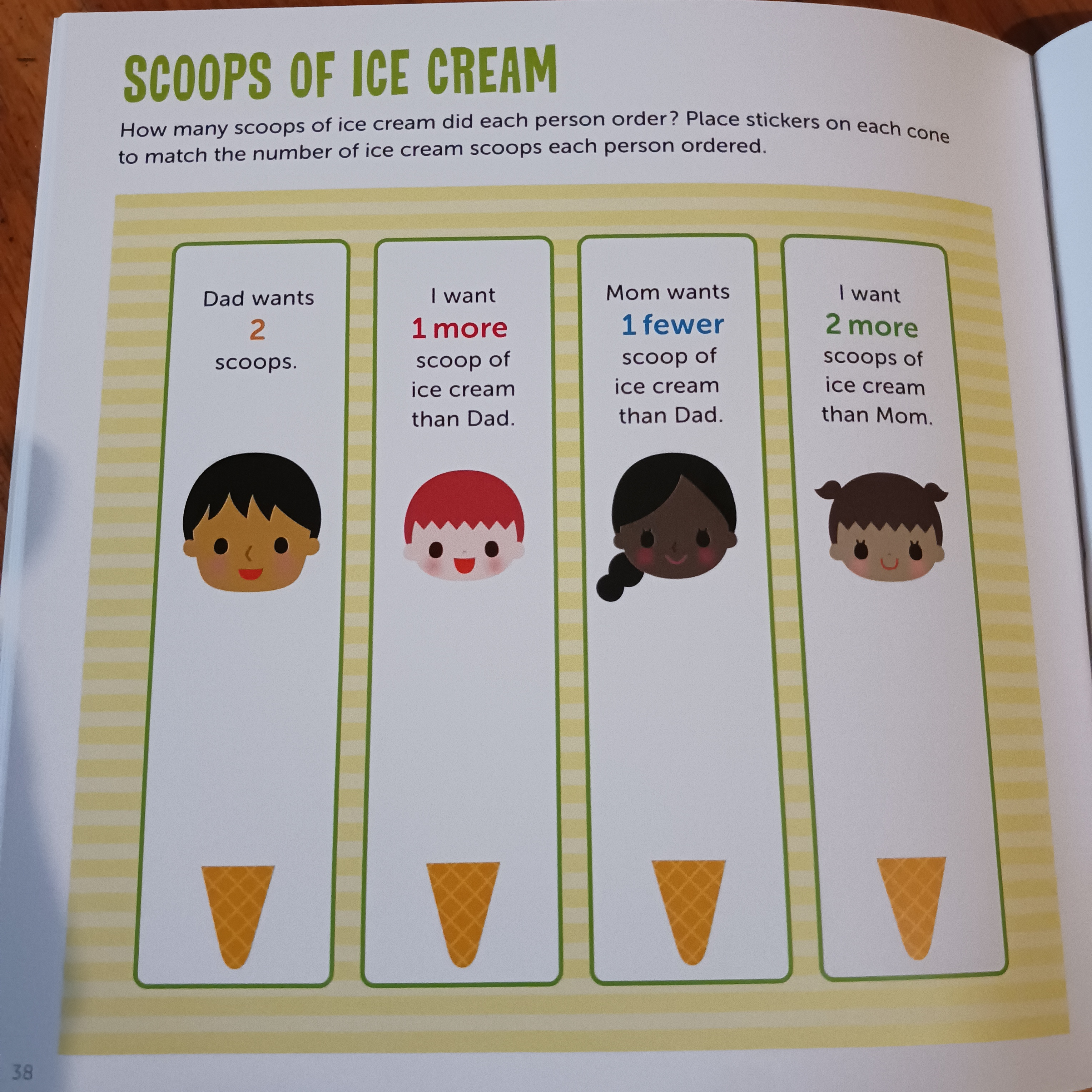
For example, the first activity has a bunch of colorful socks hanging on a clothesline, and the child has to find the matching sock stickers to put beside the one already on the page.  Another activity has them filling in the numbers on a clock, telephone, and remote. There is even a page with word problems, where a child has to work with the concepts of less than and more than to put on ice cream scoops.


Who Should Use Sticker Hero?


Children, especially preschoolers, need lots and lots of physical activity and movement. However, sometimes, you need them to sit quietly for a short time. This might be during learning time at home, sitting through a meeting, or waiting for an appointment. This book is small and convenient for taking on the go, but it is also great for your time at home.


The activities include a variety of levels, and depending on the child, they could be used from around age three to six (or older if a child has a delay or is still working on those skills).


The book could be just a fun quiet activity or it would be easy to incorporate into a homeschool day.

Where Can I Find Sticker Hero?

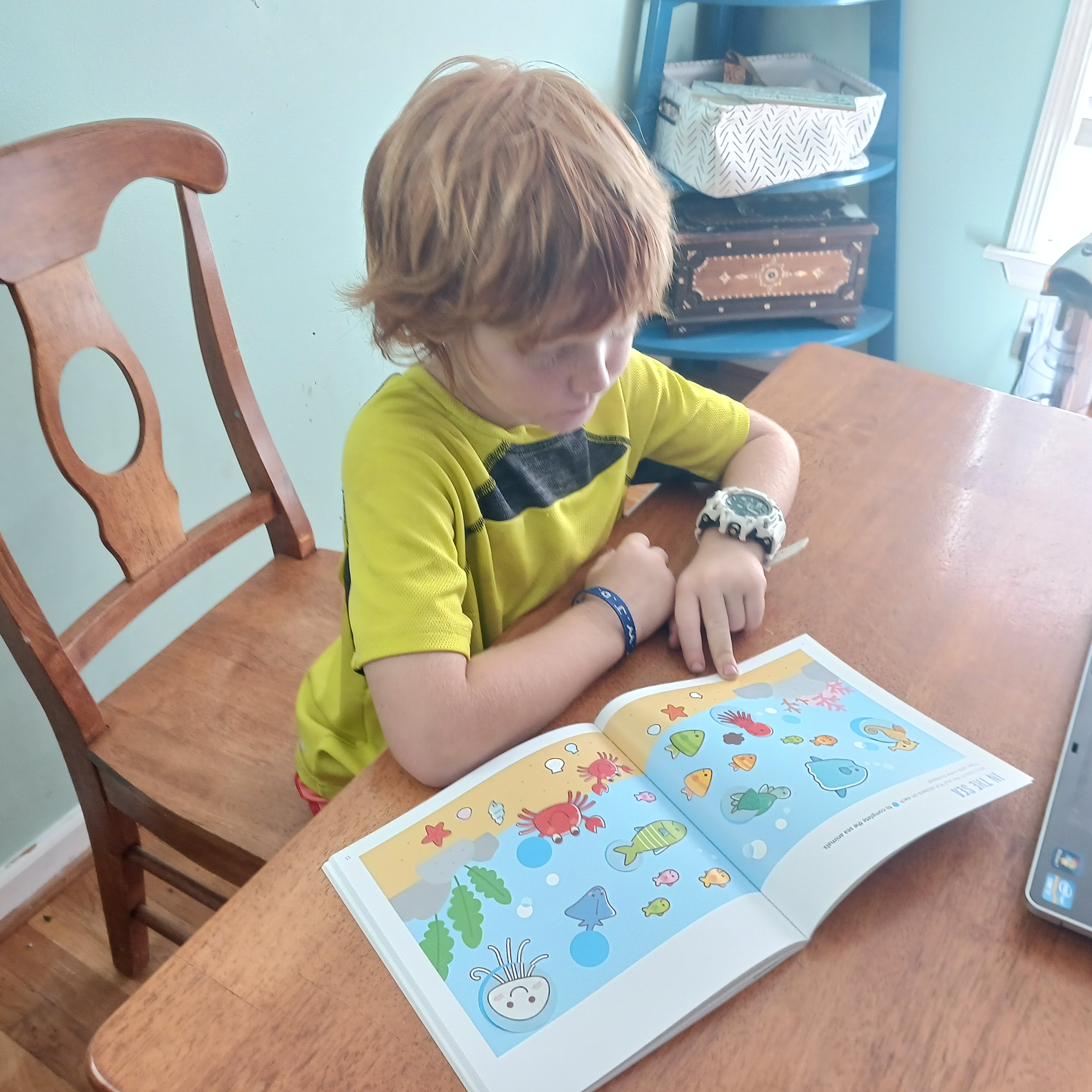
My son loved it and kept asking to do more pages. While some of them were very basic for him, he enjoyed each activity that he did.
You can see more and purchase your copy over at Timberdoodle. It is available independently or as a part of their Pre-K kit.

Gnome Sweet Gnome a Timberdoodle Review

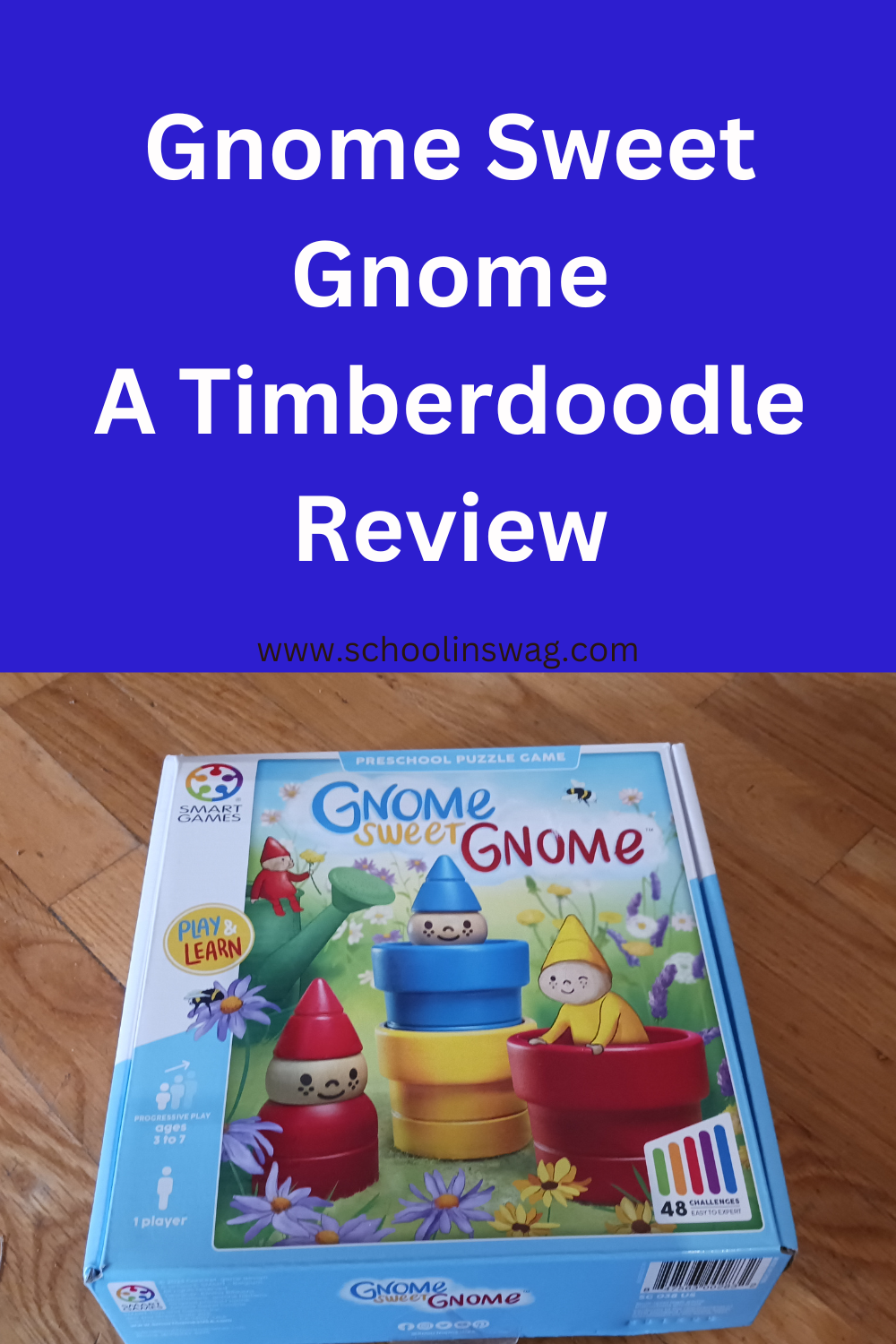
Children learn so much through play, and I love it when I find tools that can help guide that learning while still being fun and enjoyable for the child. I recently had the opportunity to review the game Gnome Sweet Gnome from Timberdoodle.

Gnome Sweet Gnome is a game that children can play independently. It has several different skill levels, making it great for developing skills. It works on fine motor skills, critical thinking, comparing sizes, and color recognition and is great for preschool through kindergarten or first grade.

What is Gnome Sweet Gnome?

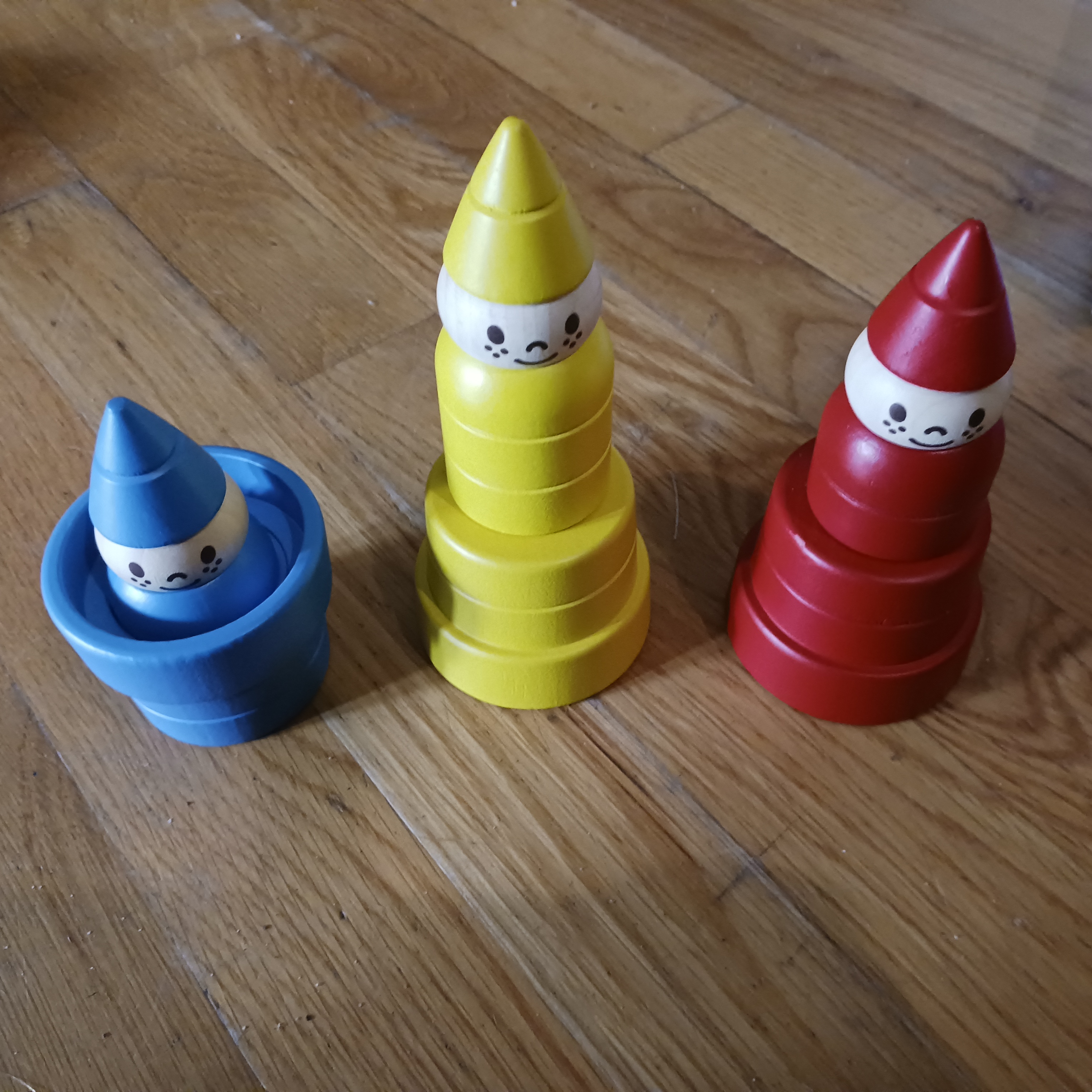
The game includes three different gnomes, each gnome is a different size and color. The Gnomes each come with a matching flower pot, each with a different depth. The different sizes and depths mean that when stacked in different combinations, you can see different amounts of the gnome. For example, if you put the smallest gnome in the deepest flower pot, you can only see the top of his hat.

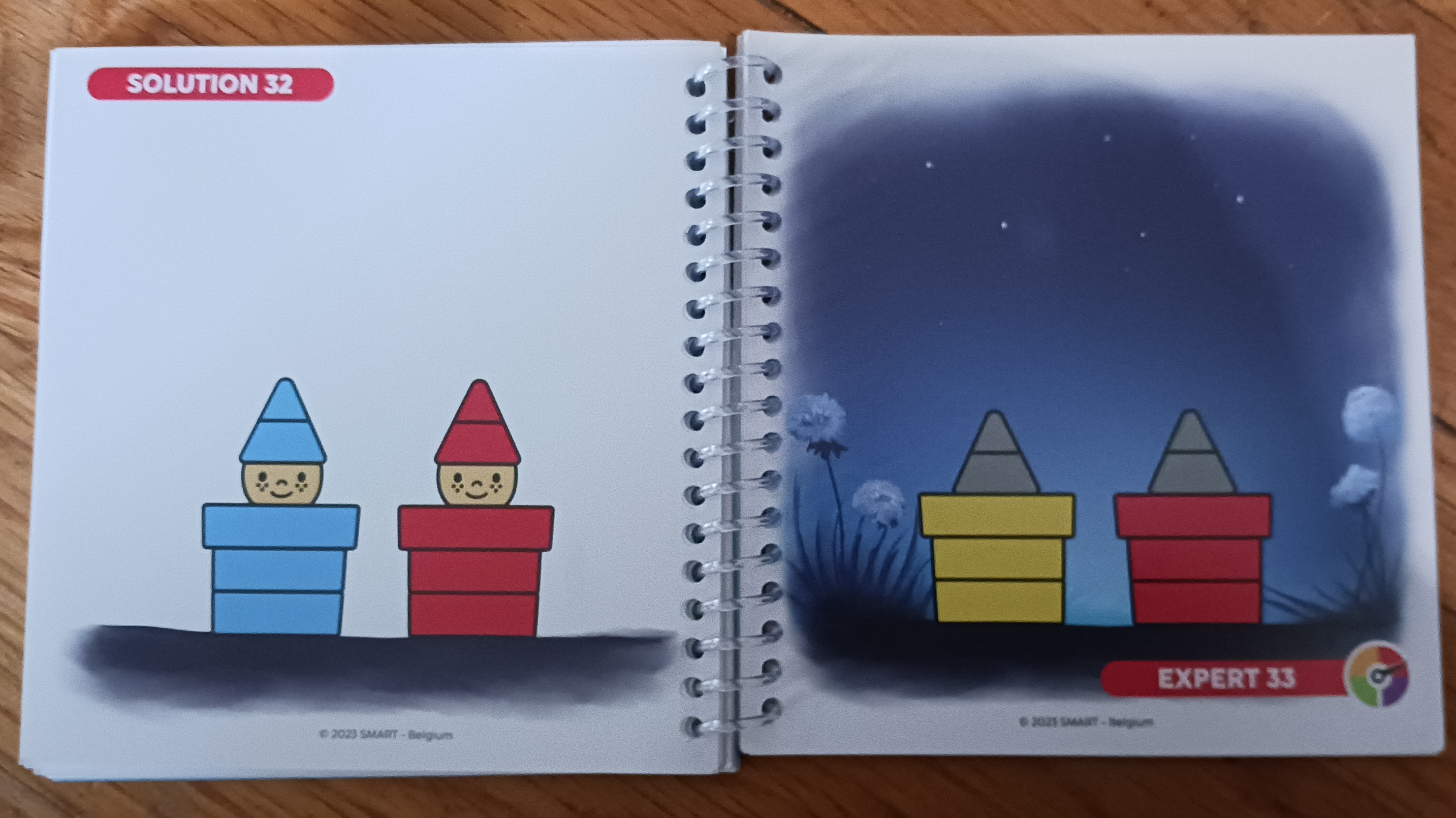
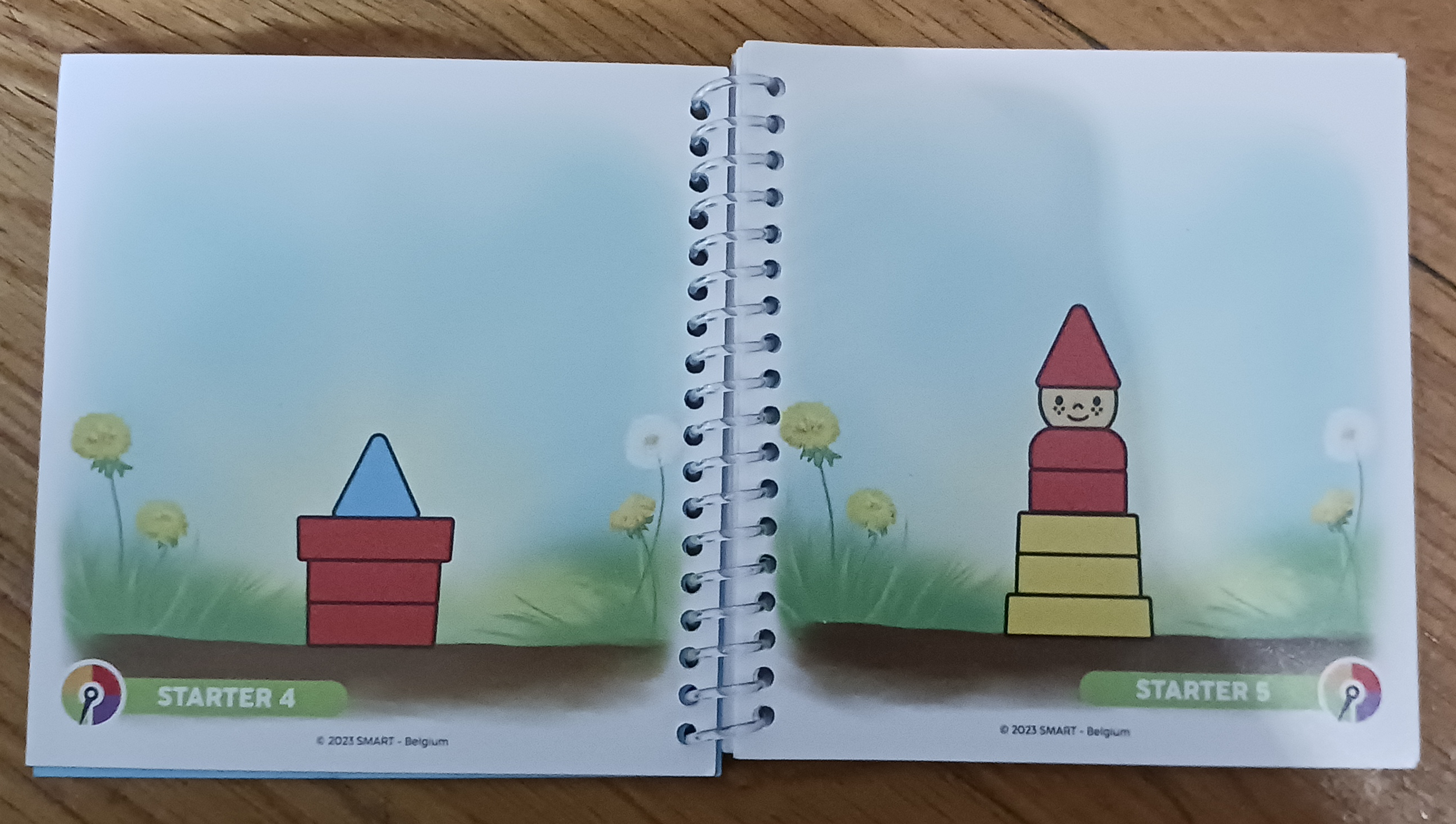
There are forty-eight challenges included with the game (each challenge is a different picture that the child needs to recreate). The challenges vary from easy to expert levels. I loved that the challenges were all enclosed in a spiral-bound book. That means no loose cards that are easy to misplace.

How Do We Play Gnome Sweet Gnome?

The beginning challenges use only a few pieces, and the challenge card shows the color for all of the pieces used. Then, they get a little more challenging by using more pieces but still showing all of the colors. On the final levels of difficulty, some or all of the colors are grayed. Other than the easiest level, all the challenges have a solution picture on the back of the page so the child can check their work.

This game can be completed independently, or a parent could work with the child to check their work and help them problem-solve. Depending on their attention span and ability level, children can work through anywhere from one challenge to the whole book. Younger children can start with the easier levels, and as they get more practice and confidence, they can move up to the more challenging options.

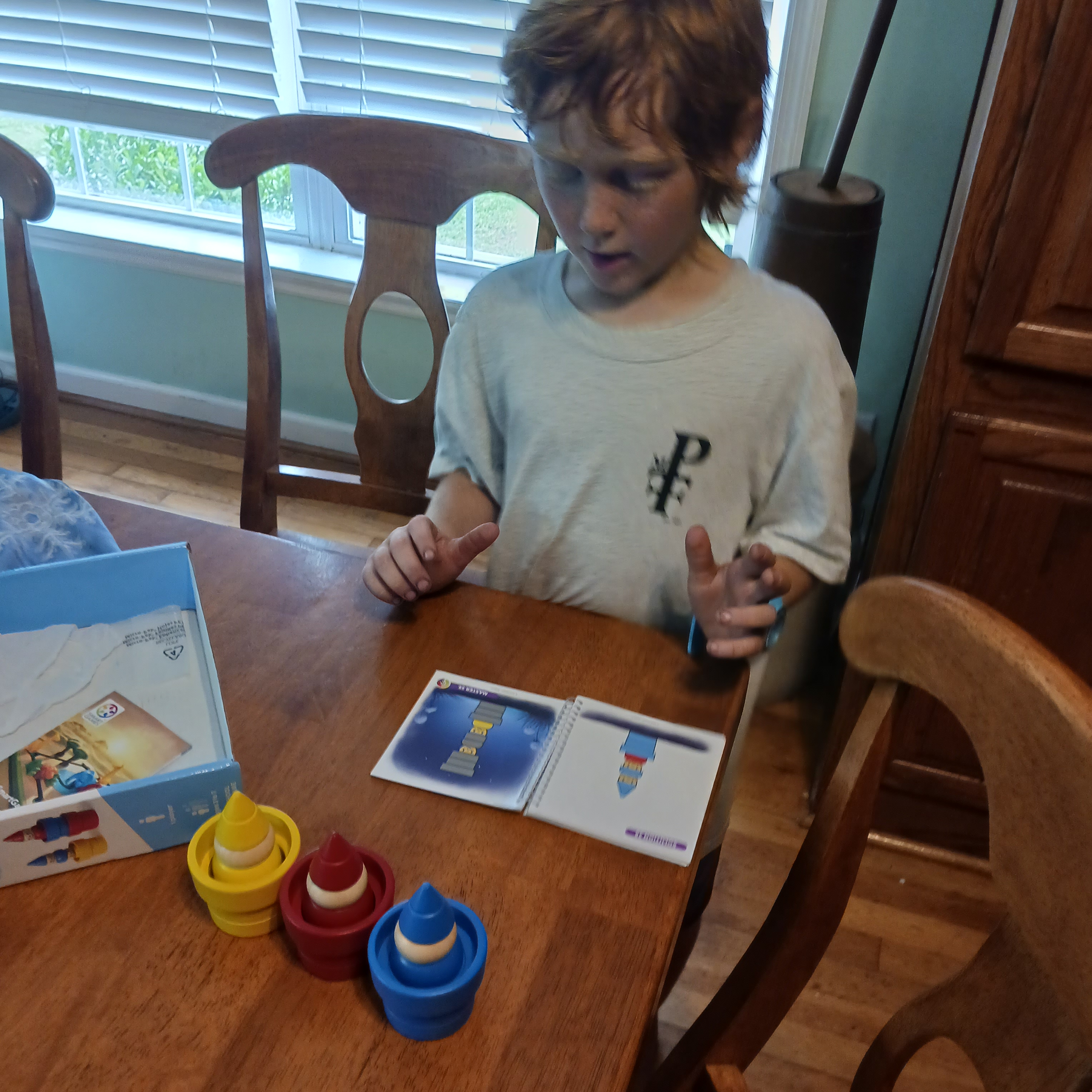
Overall, we really enjoyed this game. My six-year-old wanted to check it out and went through all the levels in one sitting. Even though he had completed them all, he still wanted to play again on other occasions, so it was not a one-and-done activity.

He loves playing Gnome Sweet Gnome!

This is also a great game to prepare students for the more challenging IQ Gears that we reviewed a few weeks ago for Timberdoodle. They work on similar skills at different levels.

Where Do I Find Gnome Sweet Gnome?

I highly recommend this game if you have a young child and want to work on fine motor skills (stacking), colors, or problem-solving. You can find out more and purchase Gnome Sweet Gnome at Timberdoodle. It is also included in their preschool kit.

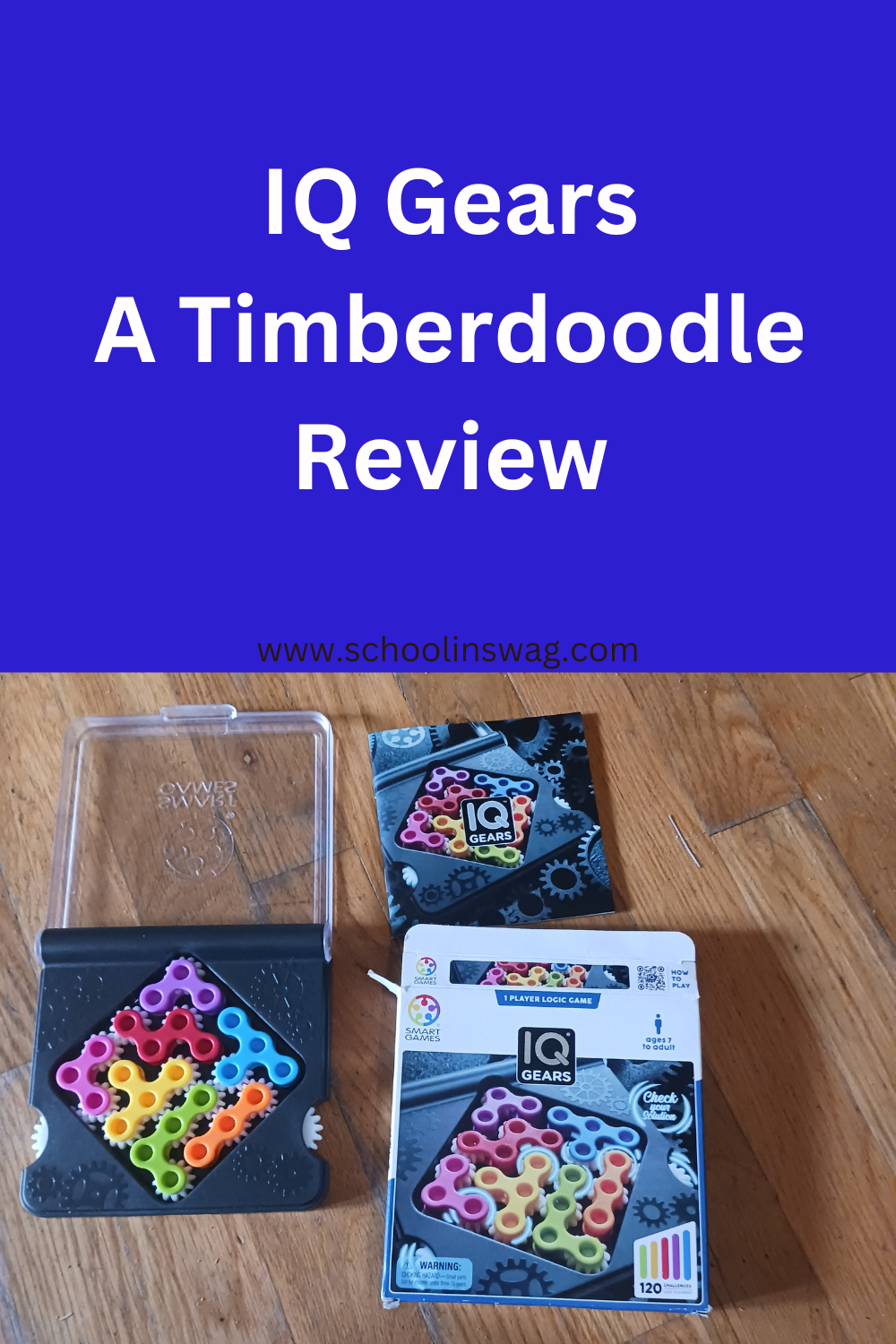
IQ Gears a Timberdoodle Review

I love getting my hands on fun and educational games, little ways my children can keep their minds growing while they play. Thus, I was excited to get the opportunity to review Smart Games’ IQ Gears from Timberdoodle.  We had reviewed another game, IQ 6 Pro, from them last year, so I had high expectations.

The IQ Gears was similar to the IQ 6 Pro but with added fun and challenge. It is a puzzle game that can be played independently or together, with players challenging each other to different levels.

What is IQ Gears?

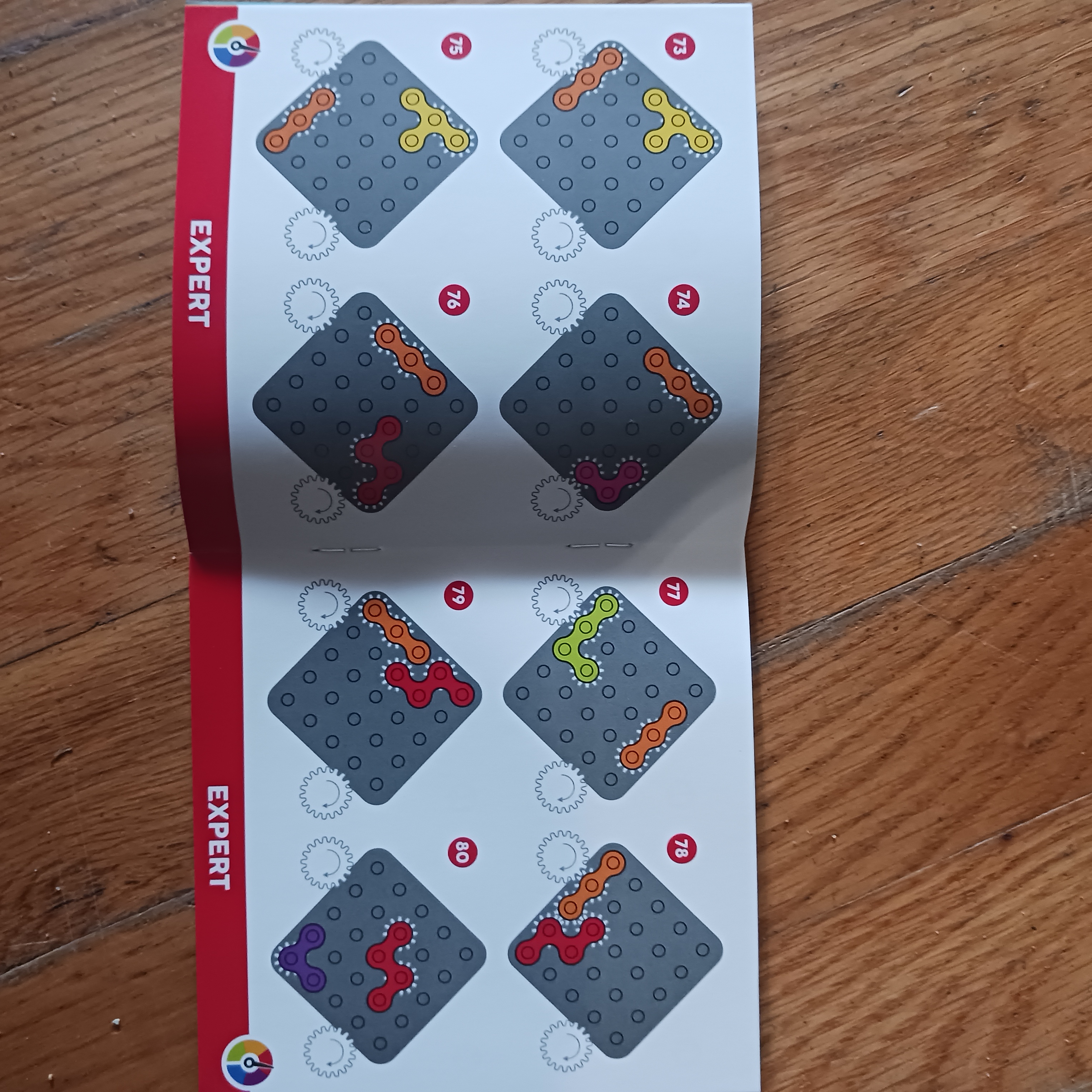
The game consists of a playing board and seven puzzle pieces. Seven pieces may not seem like a lot, but there are so many different combinations and challenge levels that it is great for a variety of ages. The included manual has over one hundred challenges at five different levels, ranging from starter to wizard.

Each of the seven pieces is a different color and shape. They also each have small gears on different parts of the shape. On the outside of the playing board are two larger gears. The goal is to get the puzzle pieces to fit back on the playing board in a way that connects the two outside gears. So you should be able to turn one outside gear and cause the other outside gear to turn.

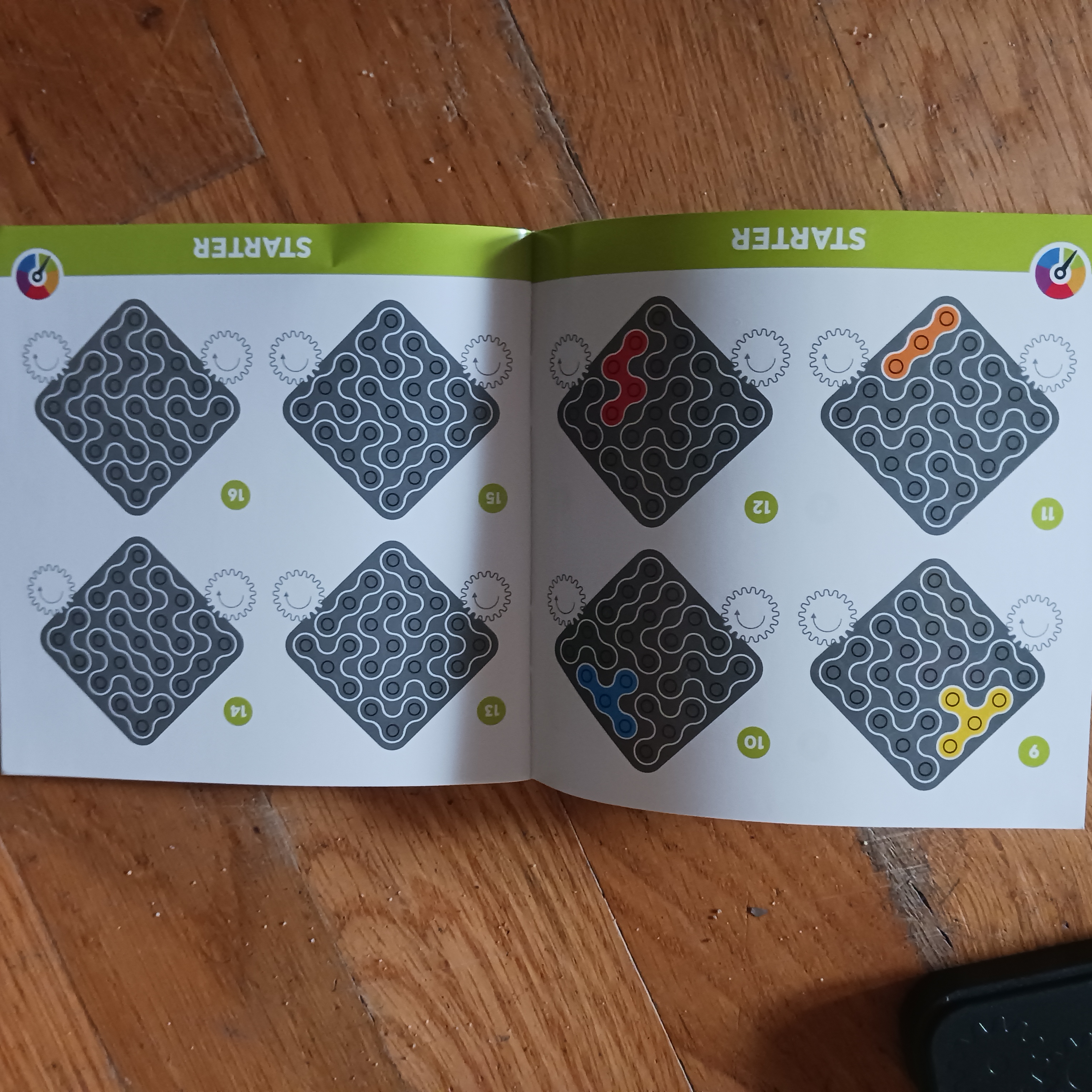
There are many possible combinations to make this happen, but each challenge has specifics that have to be in place. For example, it might show you the position of several of the pieces, and you have to figure out where the other pieces will fit. Some of the challenges show positions but with the pieces whited out so that you have to figure out which pieces they are using and get them all in the right places. 

The easiest starter puzzles show the shapes of all the pieces on the board but only have a few of them colored in. All of these levels make it easy for people of different ages to enjoy the puzzle together.

How To Use This Game

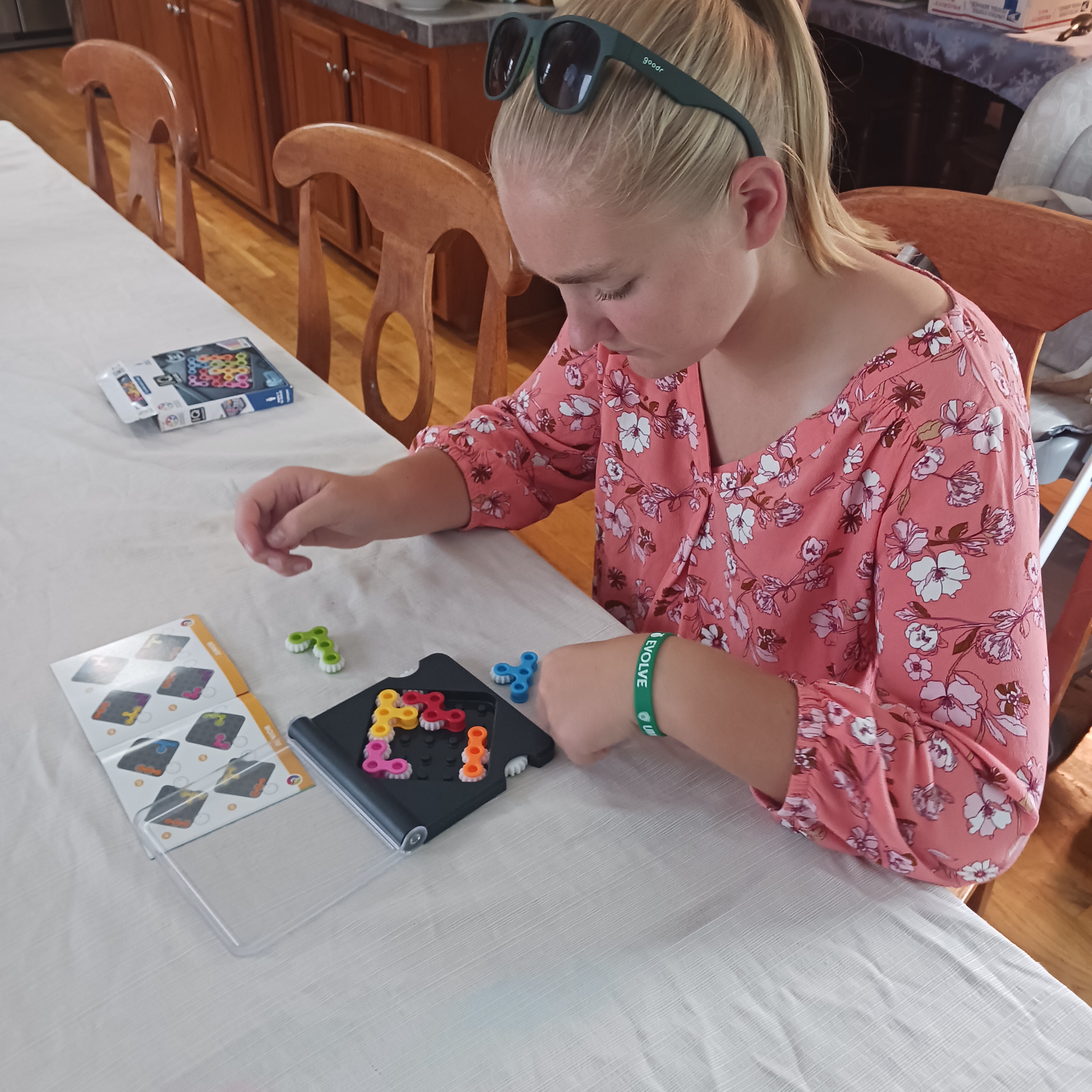
As a homeschool mom, I loved that this game was working on critical thinking skills and was QUIET. It was very small and self-contained, so it worked well as a game for car rides. A child who needs to keep their hands occupied during read-aloud time could also use it.

 It doesn’t have to be for school; it also makes a delightful family game to play in the evenings. It challenges teenagers and can be a great way to engage them in family time. My daughter was surprised at how challenging it was at first. She assumed that with only sevel pieces it would be too easy.

We enjoyed the game and were glad to add it to our collection. I encourage you to find out more about IQ Gears at Timberdoodle, where it can be purchased independently or as part of the 10th-grade kit.

Book Recommendations: Summer 2024

Reading is something that I enjoy year-round, but our summer schedule often allows more time for reading than other times of the year. While summer is never quite the slow, easy time I have in my dreams, I do take homeschooling off my plate for a few months.

*Some links are affiliate links, see disclosure below*

My children go to camp, do 4-H activities, spend time at the river, and engage in many other activities that keep us on the go, but many of them do not require much of my time. This leaves me with a little more flexibility to read.

This summer, I read several great books, both fiction and nonfiction. For years, I was staunchly on team “real paper books,” and while in many ways that is still my preference, I have found it easier to hold a baby and read on my phone. Going digital also opened up lots of more cost-effective options, like Kindle Unlimited and borrowing ebooks through Hoopla from our library.

Book I Read This Summer

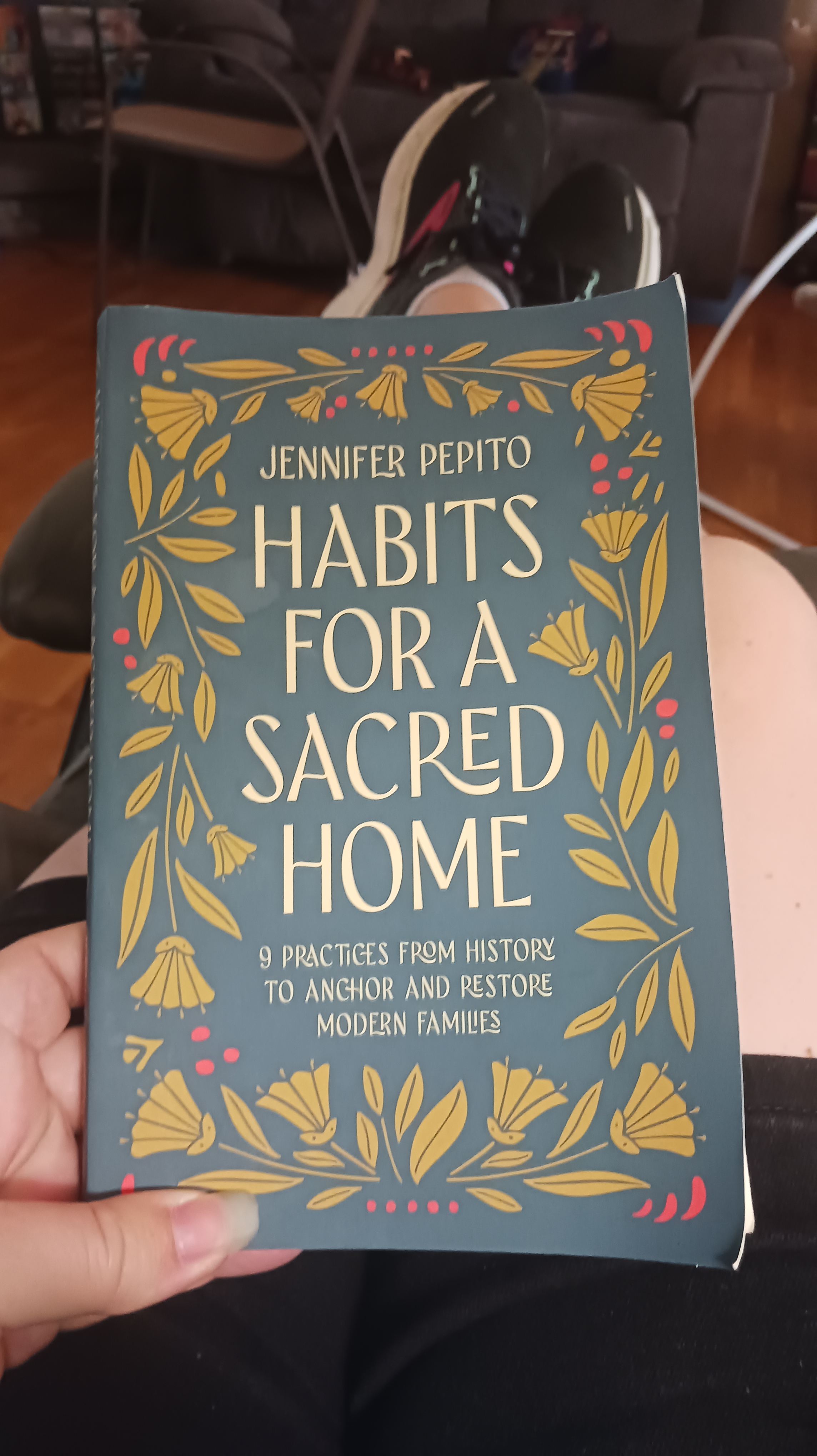
Habits of a Sacred Home by Jennifer Pepito

                Habits of a Sacred Home was a wonderful book to start my summer reading. I found it inspiring, challenging, and yet not so heavy as to be hard to read. It covers “9 practices from history to anchor and restore modern families.”  By reading one chapter a day, I could take the time to focus on and reflect on each habit. I was most inspired and challenged by the chapters on the habits of prayer and simplicity.

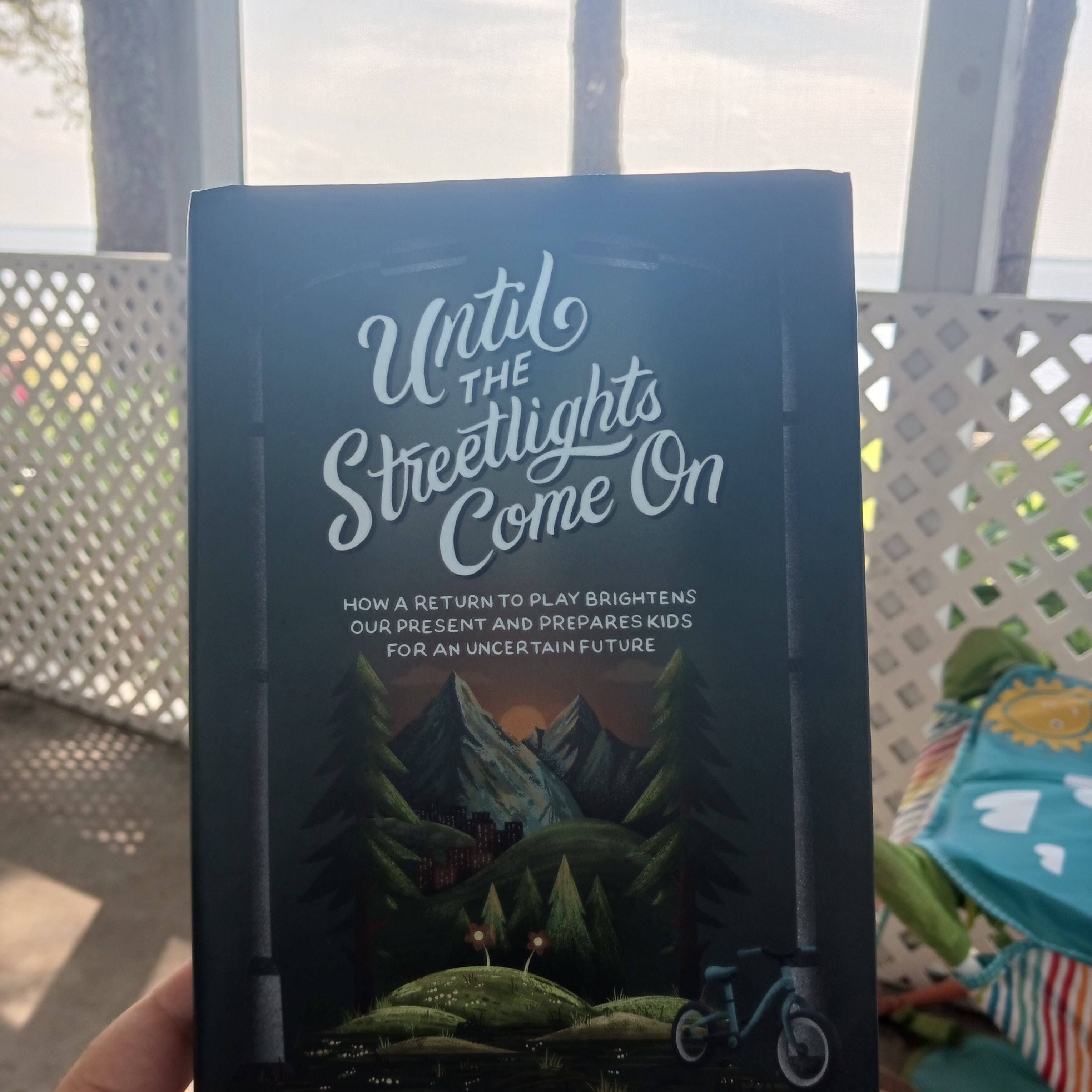
Until the Streetlights Come On by Ginny Yurich

                This book has been on my bedside table since shortly after it was published, but life kept getting in the way of me reading it. However, I am so glad that I could take the time to read it this summer. It reaffirmed my desire to give my children more time outside, more time engaged in authentic play, and more time adventuring together as a family. It also brought up some great points about different types of light and some other science behind all of this that I had not known before.  I am excited about growing further in these areas this year.

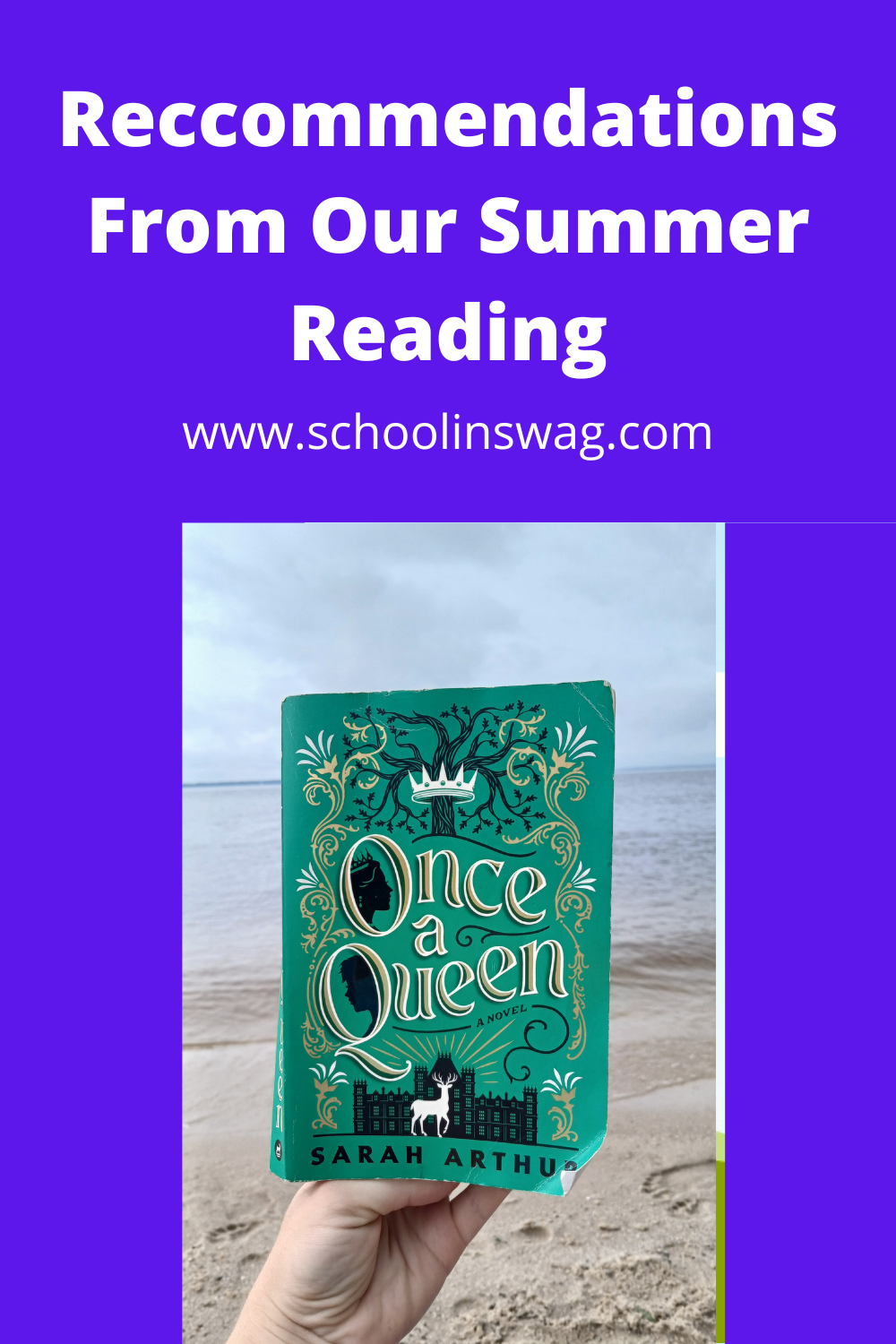
Once a Queen by Sarah Arthur

                On my own, I would never have picked up Once a Queen, but I am so glad that I did. It is a middle-grade fiction novel with excellent fantasy elements reminiscent of Narnia. Read Aloud Revival was doing it as a book for mama book club, and I decided it would be fun to read it with them and have my teenage daughter read it.  It was the perfect summer reading, light, and fun, with a little mystery and some fun references to Narnia for those who know the series. My only complaint is that the sequel will not be out until next year!

Your Teenager Isn’t Crazy by Jeramy and Jershua Clark

                Your Teenager Isn’t Crazy: Understanding Your Teen’s Brain Can Make You a Better Parent is an engaging book that offers lots of scientific information and practical application. I have not quite finished reading it, but I have loved what I have read so far. It really helped me better understand my teenagers and gave me ideas for how to respond to them and help them through the emotions and reactions of the teenage brain. (As a bonus, this is available on Kindle Unlimited!)

Chasing Slow by Erin Loechner

                Chasing Slow: Courage to Journey Off the Beaten Path is the story of how Erin Loechner, a TV show star and viral blogger, took control of her life and slowed down. It is less practical self-help strategies and more autobiographical, but inspirational ideas are intertwined into the story.  It was a good, easy read, but I wish there were more practical tips. I felt like it did a great job showing the benefits of Chasing Slow, but I would have liked a little more help with the application side of the equation. (This title was also a Kindle Unlimited read.)

My Current and Upcoming Books

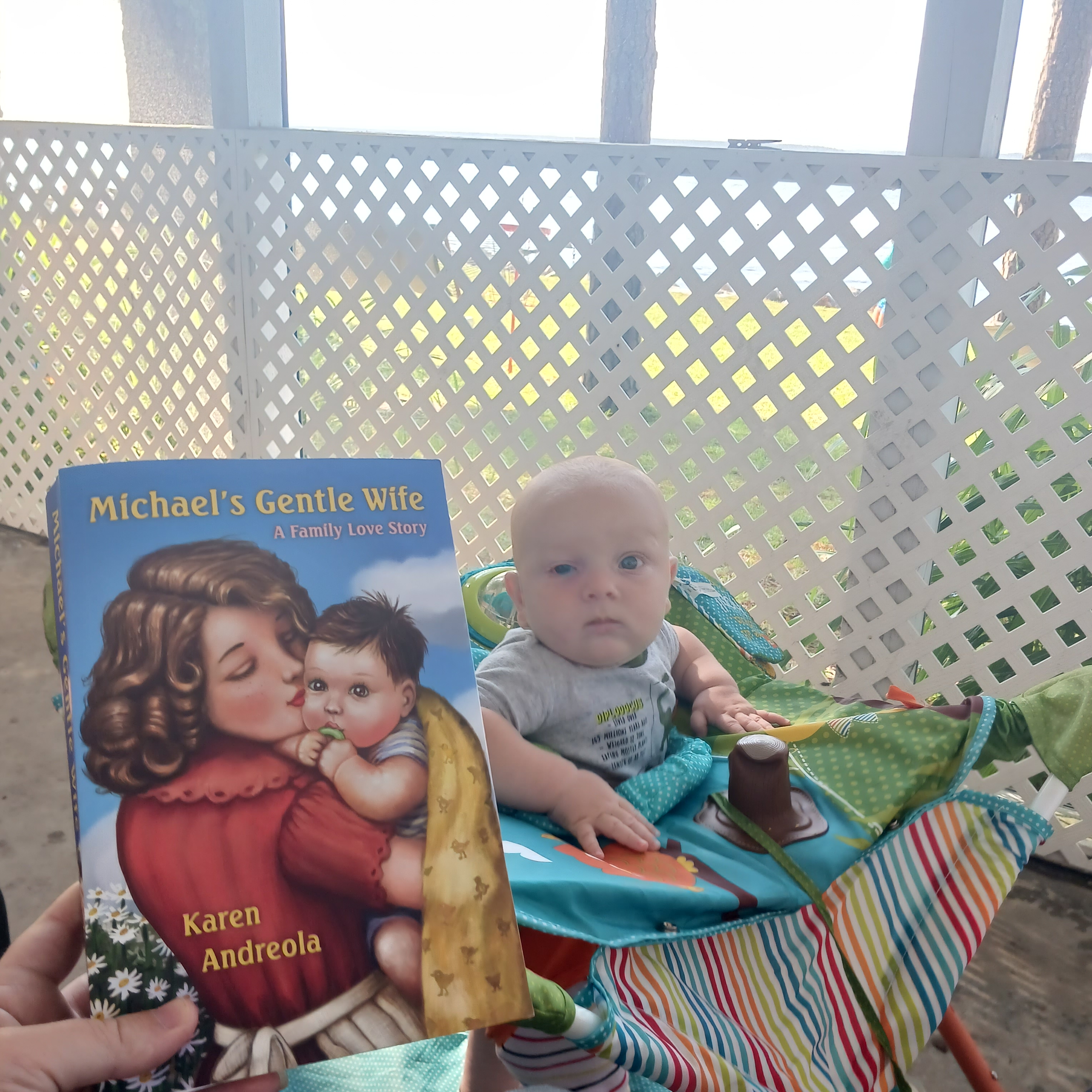
Michael’s Gentle Wife by Karen Andreola

I had a gift card for Amazon last month, and I knew just what I would buy. Michael’s Gentle Wife by Karen Andreola was at the top of my wish list. I had already read the two books before this one, Pocketful of Pinecones and Lessons at Blackberry Inn. So, I knew that I wanted to get my hands on this latest book. I am only a few chapters into it, but I love it so far. It is an easy-to-read story full of ideals and slower living. Set in the 1930s, things are different than today, and while it is written a bit more idyllic than real life, I also find it to be encouraging as we seek to slow down and enjoy our homeschool day.

The Opt-Out Family by Erin Loechner

Within about a month, I saw several references to The Opt Out Family by Erin Loechner in books I read. I also had several friends mention it. I want to take a second look when something keeps appearing like that. I found this one as a digital loan in our library app and have just started it as well.

I am looking forward to reading it and hopefully gaining encouragement and practical strategies for further reducing our family’s dependence on screens while balancing our desire to stay connected.

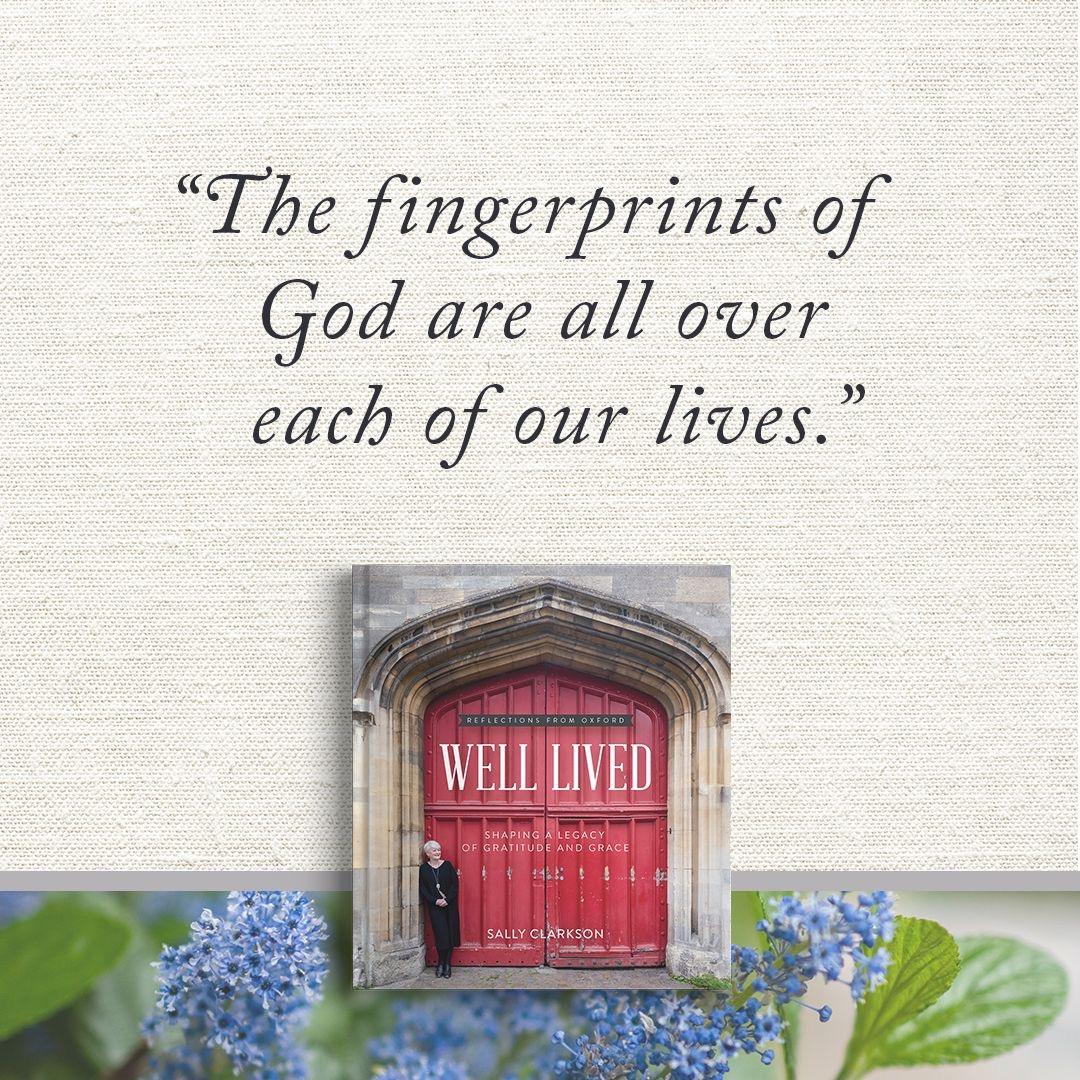
 Well Lived by Sally Clarkson

Finally, Sally Clarkson is one of my favorite authors who has encouraged and inspired me along my homeschool journey. She writes about the ideals that we try to impart to our children and share in our home. She has encouraged me to continue living out those ideals over the years, even when things are imperfect, which has paid off in many ways. I have had the privilege of reading the first chapter of her new book, Well Lived: Shaping a Legacy of Gratitude and Grace, and I look forward to reading the rest of it when it comes out next month.

In addition to all of these wonderful books, I have been indulging in some fun Christian fiction through my Kindle Unlimited subscription. A chapter or two at night before bed is a great way for my mind to unwind and relax. My son has been reading some books on his Kindle, and my daughter has as well, so we find it to be a great deal, and we save money each month over what we would have spent to buy the individual books.

I am always adding books to my pile, and I would love to hear your recommendations as well.

Deals and Freebies

If you have not tried SchoolhouseTeachers.com, you don’t want to miss this sale!

Tuttle Twins is having a Back to School Sale! Great deals on books and their new Academy.

New subscribers can get 3 months of World Watch for FREE! This is a great deal.

Morning Time Plans 2024

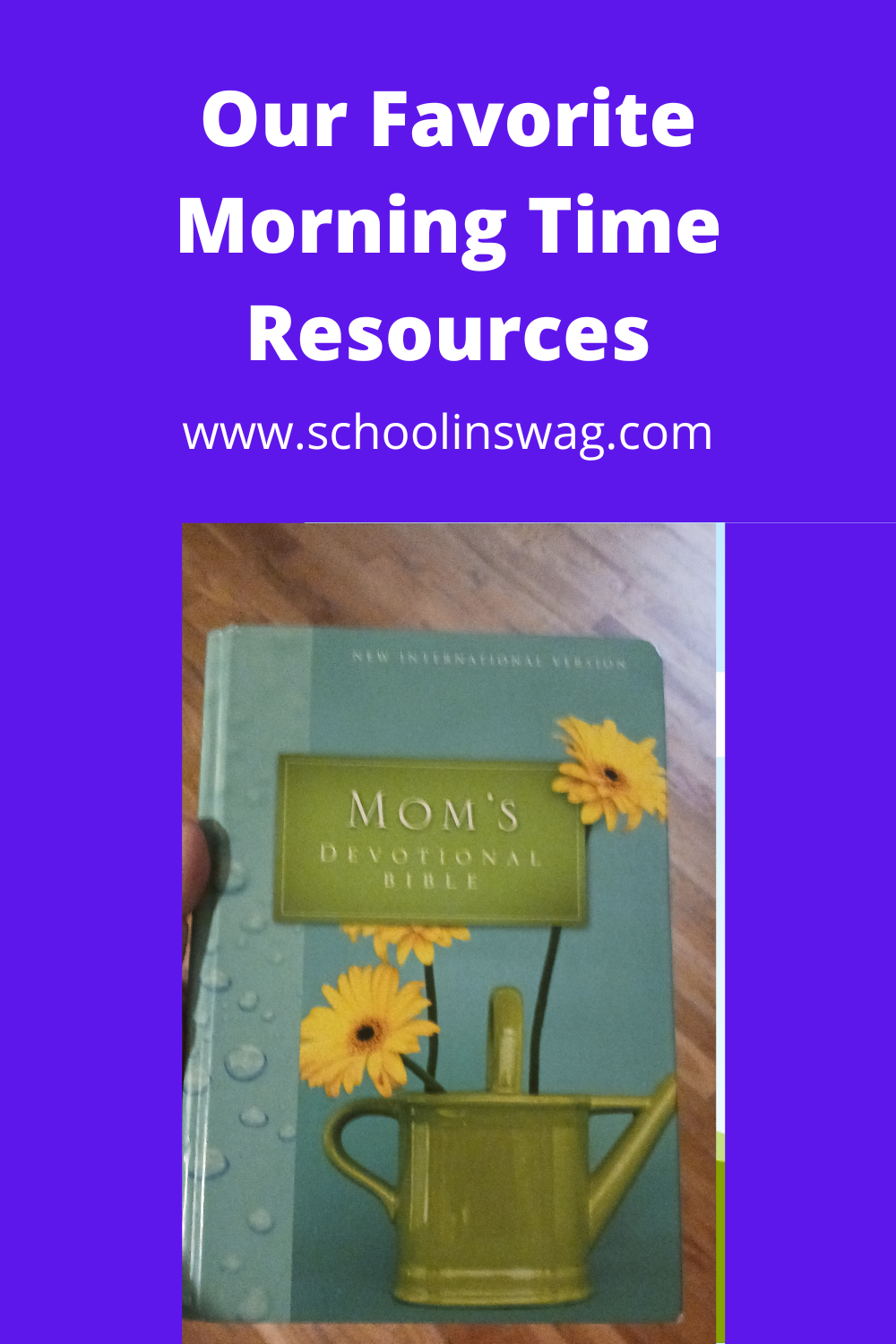
Over the years, we have changed many things in our homeschool, but through it all, we have tried to maintain some form of “morning time.” There have been years when morning time more typically happened in the evening (we could rename it family time), but we have tried to keep that learning time together.

We have incorporated a variety of subjects, and it looks a little different each year, but two things have remained the same: we learn together as a family, and we incorporate some type of Bible study.

*Some of the links in my posts may be affiliate links. See below for more information. *

This year will be the first year with one of my children, out of the nest, so to speak. My oldest is headed off to college this year. I also have a young baby that will add a bit of noise and chaos to our mornings. In order to be realistic with the baby, I am trying to keep mornings simple this year.

Every Day Morning Time Choices

Our two main morning priorities will be our daily family Bible reading and World Watch. Over the years, we have used a wide variety of Bible curriculum and enjoyed many of them, but I often found it hard to be consistent when using curriculum and trying to make it work for all ages. However, several years ago, I read Help Your Kids Learn and Love the Bible and realized I was over complicating things.

Now, as a family, we read one chapter a day from the Bible, going through an entire book. This keeps it simple and easy to maintain, even during busy seasons. We read (or listen to it on my phone app) the chapter and then discuss it. My husband bought me a wonderful set of commentaries that we pull out if we have questions or want to dig deeper into a verse.  We have found this to be hugely impactful and easy to maintain.

After the Bible, World Watch is our second priority. We even kept these two components when we were traveling last spring. If you are not familiar, World Watch is a news program with a Christian perspective designed for students. It is ten minutes a day and covers a variety of major news topics and fun interest stories.

 I find that it has opened the door for many conversations, helped my teens better understand what is happening in the world, and given us all more perspective.  We have found that watching and discussing works well for our family, but I did want to mention that they now also have downloadable worksheets that you could add to your World Watch time if you felt your student needed that or to help you use it for high school credit.

Morning Time Rotations

In addition to our two main components, we will try to incorporate one additional subject each day. Those will include fine arts, hymn study, logic, poetry, books of the Bible, and any other topics that I want to fit in as a family. Sometimes, we may do the same subject each day for several weeks; other times, we may rotate daily depending on our needs. This allows us to cover various topics without adding too many different things in one day (which would make it unmanageable).

For those rotations, we will be using the following resources:

Fine Arts: We will be using the Fine Arts program from You Are An Artist. They have a variety of fine arts courses that focus on different eras and topics.

Hymn Study: For the hymn study, we will use the studies I have already written and some new ones I will add throughout the year.

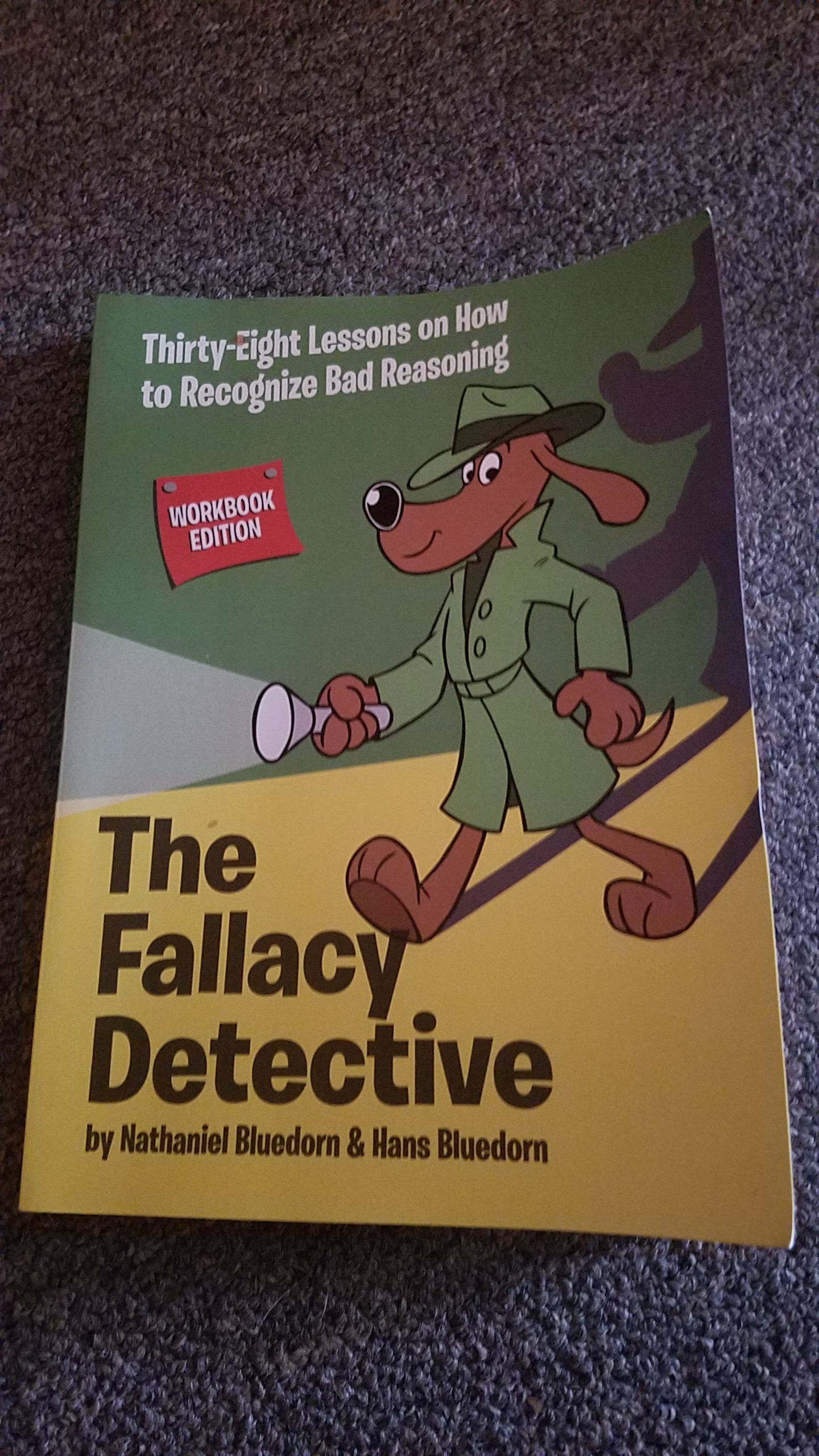
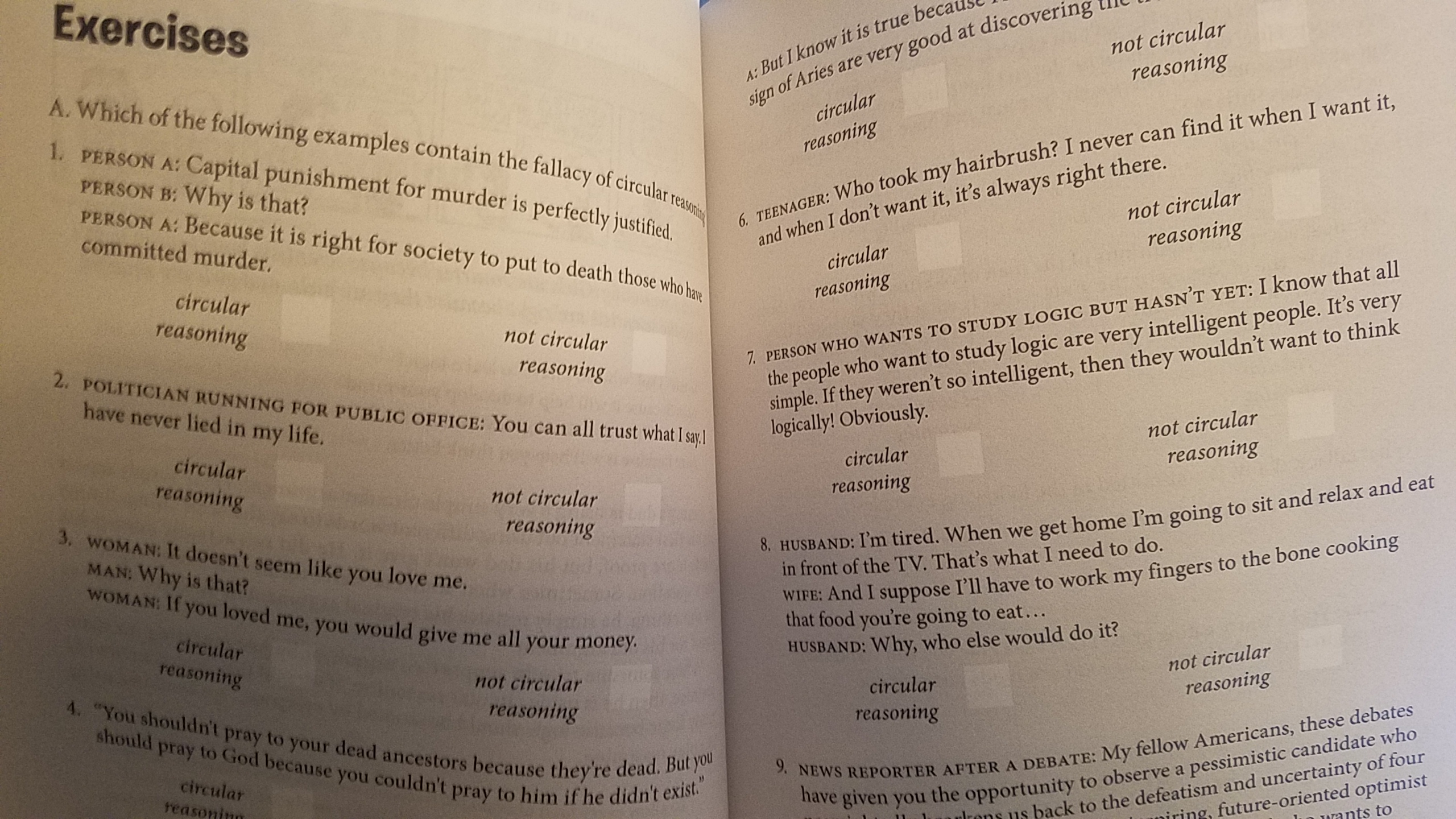
Logic: We use the book The Fallacy Detective to study logic and logical fallacies. While I don’t particularly care if my children can remember a fallacy’s exact name, I appreciate how it helps them identify fallacies in different arguments. (And they have come to love calling them out by name.)

Poetry: For poetry, we love the Poetry for Young People series. It is a great way to learn more about a poet and their poetry through read-aloud.

Books of the Bible: I realized that while we were covering a lot of Bible in our home, my younger boys had not memorized the books of the Bible, so we decided to grab the Books of the Bible set from Danika Cooley to work through this year and help them not only memorize the books but also understand a little more about them.

I am looking forward to our morning time together this year. We plan to do it right after breakfast to start our day together, but when that doesn’t work, we can be flexible and do it any time. I would love to hear what you are using for your morning studies this year.

Resource Library and Affiliate Disclosure

When you sign up for the Schoolin’ Swag free resource library, you will get a link and password to the library. We add new items to the library each month. You will also get a bi-weekly newsletter email to keep you updated on what we have going on.

Resource Library 

This post may contain affiliate or referral links, including Amazon affiliate links. As always, I will never recommend a product that I don’t believe in, and you will never be charged more for purchasing through our links. However, it does help pay for the costs associated with the blog.

Deals and Freebies

Schoolhouse Teachers is also offering a BOGO great sale! They are a great place for a one-stop shop curriculum or for having many options to fill in different electives and courses into what you have already chosen.

Don’t miss this FREE Shipping deal from All About Learning Press! We utilize both All About Spelling and All About Reading in our homeschool.

Tuttle Twins has some great new books available, as well as their new Academy on pre-order!

Bible Blueprints (Review)

Disclosure: I received this complimentary product through the Homeschool Review Crew.

Last year we shared about Bible Breakdowns from Teach Sunday School, and this year we are excited to share about their new product, Bible Blueprints. The Bible Blueprints are divided into Old Testament and New Testament.

What Are Bible Blueprints?

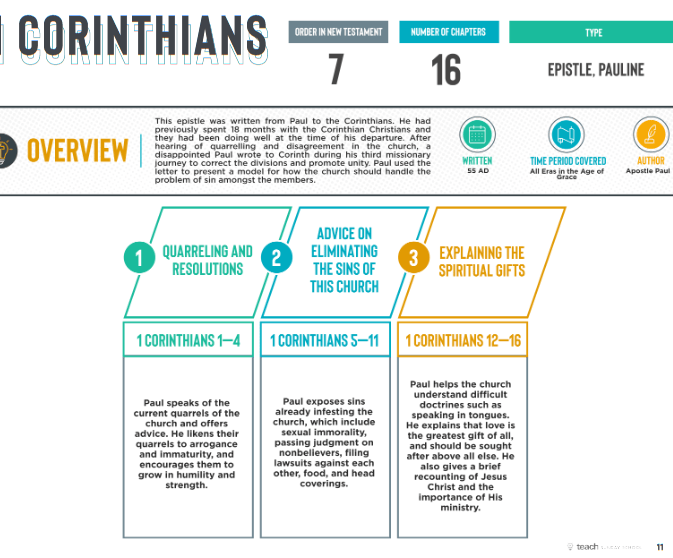
With-in the Old and New Testament sets, each page covers one book of the Bible. The page includes important information such as:

  • When it was written
  • Time period covered
  • Type of book
  • Number of chapters
  • Author

There is also a short one-paragraph overview of what that book covers.

Below that information is a guideline or blueprint of what is in the book, which breaks it down into more significant information sections. For example, 1 Corinthians is divided into three sections: Quarrelling and Resolutions, Advice on Eliminating the Sins of the Church, and Explaining the Spiritual Gifts. The author then goes on to give an explanation and overview under each of those headings.

How Can You Use Bible Blueprints?

These could be great to use in your homeschool to help students get a better understanding of the sequence and flow of the Bible. Sometimes students have difficulty understanding how it all fits together, and these pages can help them see it more in the big picture.

The Blueprints are also an excellent resource for your Bible study. You can use them before you dig into a particular book of the Bible to help you get a bit of context (what type of book, who wrote it, and when it was written) as well as an overview of what will be covered in the book.

I could also see them being a lot of fun used in a trivia or Jeopardy-style game with your students. They could help them memorize the authors, the location in the Bible, timeframes, etc., and then answer trivia questions about that information.

Teach Sunday School

Our Thoughts

We thought this was a great resource. I appreciated how it included the background information at the top to help you better understand the context of the book.

The layout was simple and easy to read while still being visually appealing. The use of different colors helped to make it easier to read.

I think Bible Blueprints would make a great Bible resource for any family, and anyone old enough to read could use them.

I encourage you to click on the graphic below to check out what other Crew Families thought about this resource.

Bible Overview

Healthy Habit Trackers (Review)

Disclosure: I received this complimentary product through the Homeschool Review Crew.

Summer can be a great time to focus on starting (or getting back to) good healthy living routines. 

This summer, we have had the privilege of trying out some neat Healthy Habit Trackers from the American Coaching Academy.

What Are Healthy Habit Trackers?

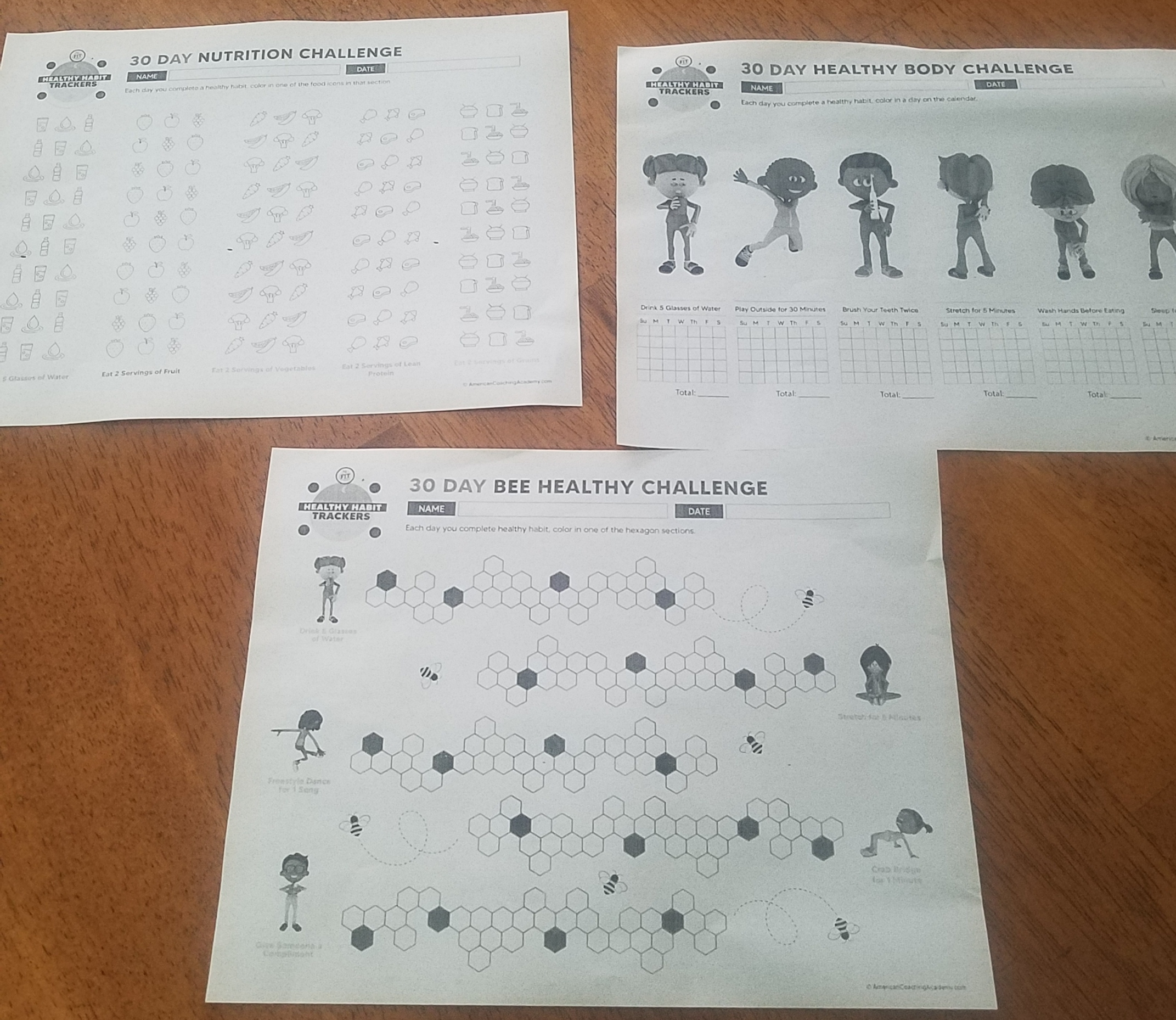
The Healthy Habit Trackers are a set of twelve different trackers designed to help children keep track of various things, including exercise, nutrition, and even chores. 

They are creative and visually appealing to help make them motivating for your children.

They include:

  • Muscular Endurance
  • Household Chores
  • Healthy Body
  • Kindness
  • Nutrition
  • Locomotor
  • Boot Camp
  • Yoga Flow
  • Cardio
  • Flexibility
  • Muscular Strength
  • Bee Fit

American Coaching Academy

How Can You Use Healthy Habit Trackers?

These are designed to use a different one of twelve different trackers to be used one per month. However, you can decide what your family needs most, and you might stick with one for several months or use more than one per month.

Some families choose not to do yoga, so you might not even print that tracker. These give families a great deal of flexibility in how they use them.

For example, a family might decide to use the healthy body one every month because it motivates children to brush their teeth, get plenty of sleep, etc. Other families might find that the routines and habits are in place after a month, and they want to move on to a different tracker.

If your children like the trackers, they might want to do several at once, while other students might find that a bit overwhelming.

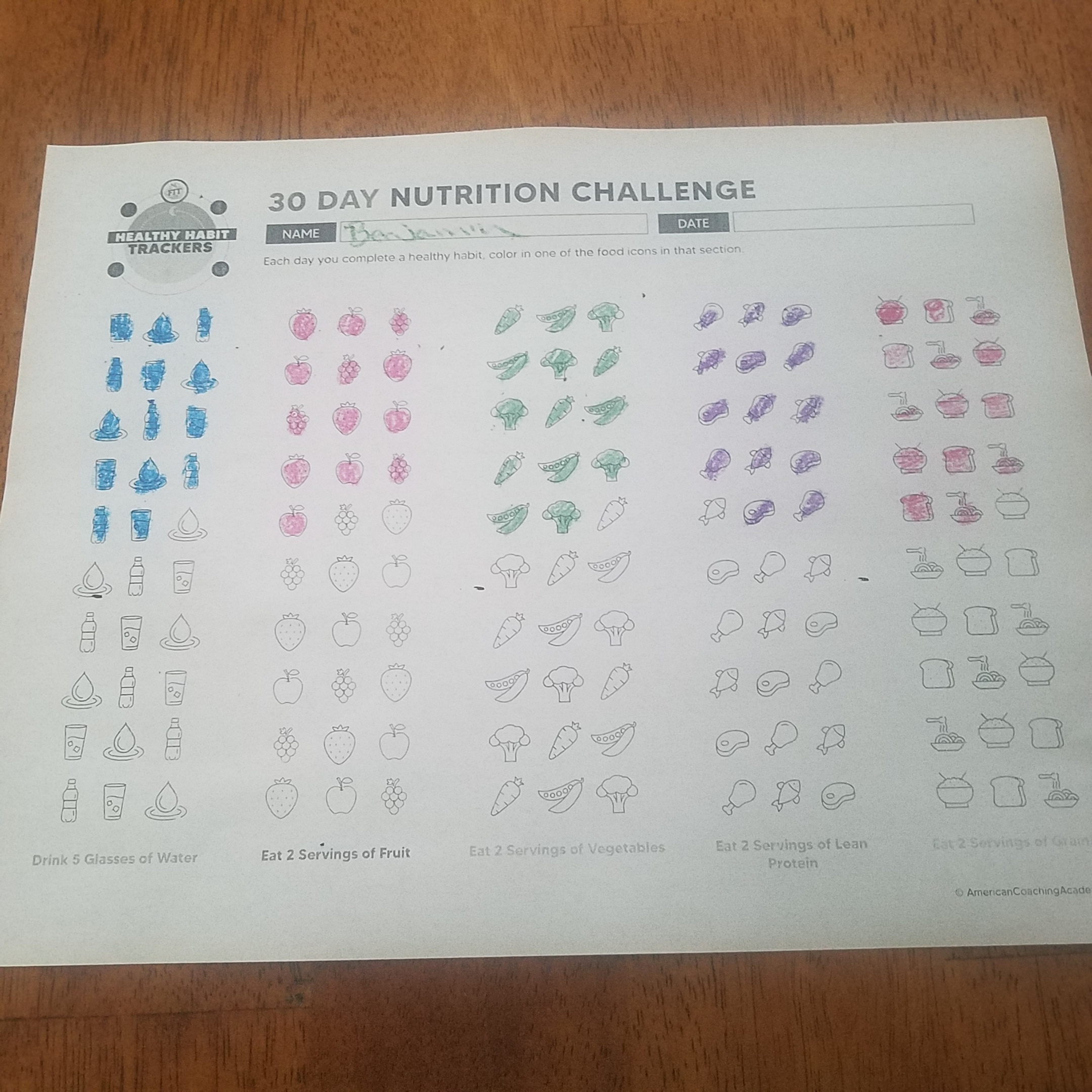
I felt like starting with one was a good fit for our family because I was using them with my younger sons, and I knew I would be responsible for helping them keep track. We started with nutrition because we had already been working on helping my eight-year-old better stay hydrated and eat well.

What Did We Think About the Healthy Habit Trackers?

I think the Healthy Habit Trackers are an excellent tool for helping children become more consistent with their healthy habits. I love that they are all visually different so that the design works well for the particular habits and keeps things visually interesting for the child.

I also appreciated the bonus blank tracking forms that allow us to track other habits or activities. For example, I am planning to use one of them in the fall to help my son track his music practice and motivate him to be more consistent.  

Conclusions

If your children struggle to be consistent with their exercise, nutrition, tooth brushing, etc., these might be a simple and inexpensive way to motivate them. Though our family will not use all of them, they are a great set, and it is easy to pick and choose the ones that will work best for your family.

I encourage you to click on the graphic below to see how other Review Crew families used these in their homes.

Habit Tracker

Cover Story Cloud Set Writing Program Review

Disclosure: I received this complimentary product through the Homeschool Review Crew.

My daughter has a rather complicated relationship with writing. She loves the idea and is even working on writing a book. However, she dislikes writing assignments and has complained about writing programs. When the opportunity came to review the Cover Story Cloud Set by Clear Water Press, It seemed like it would be a great fit. 

I showed it to my daughter because I knew I would need her buy-in for it to be successful. She loved the idea of writing on her chosen topics and having her magazine at the end of the course. 

What is Cover Story?

This set includes Cloud Access to the Video lessons and physical copies of:

  • The Teacher’s Guide
  • The Student Book
  • The Journal

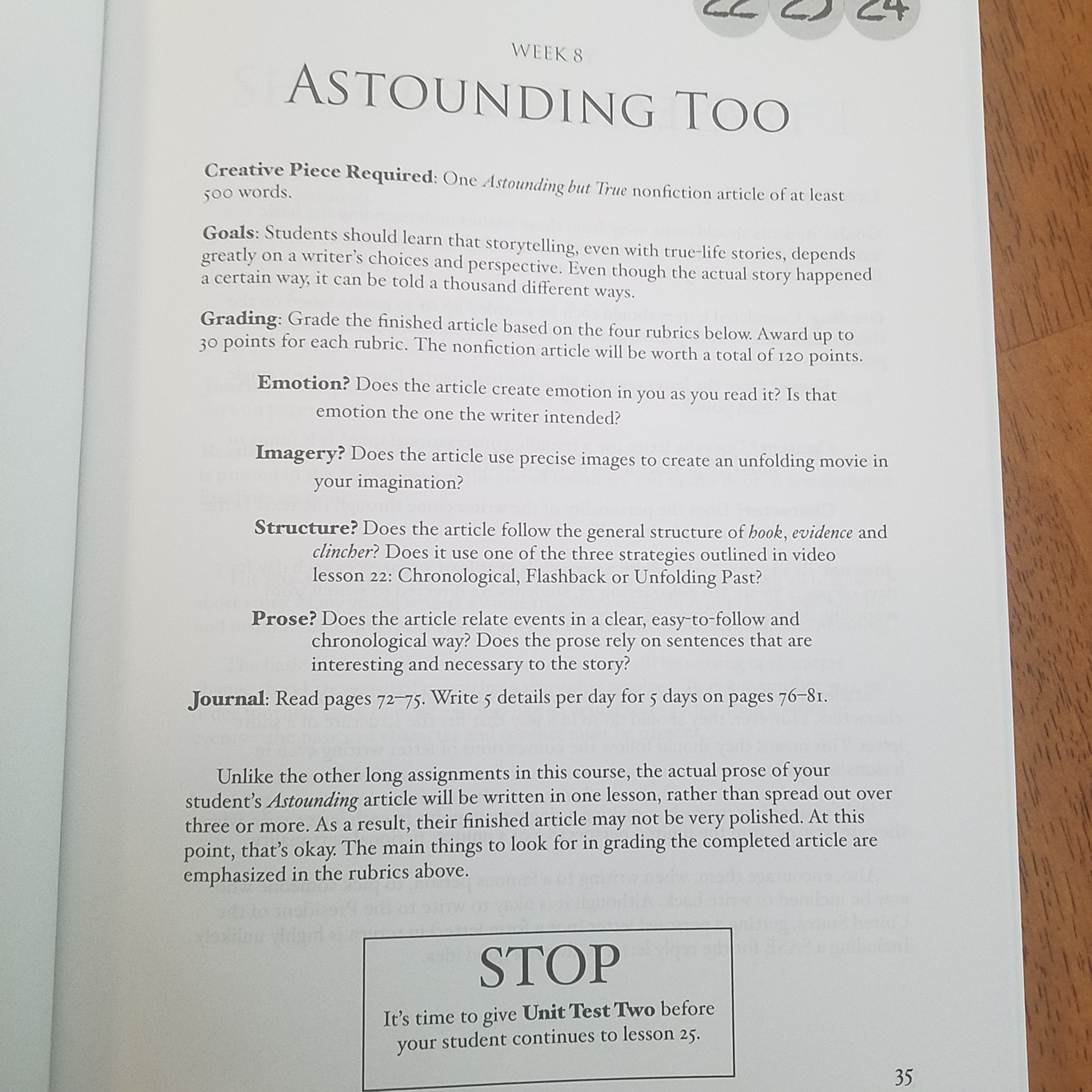
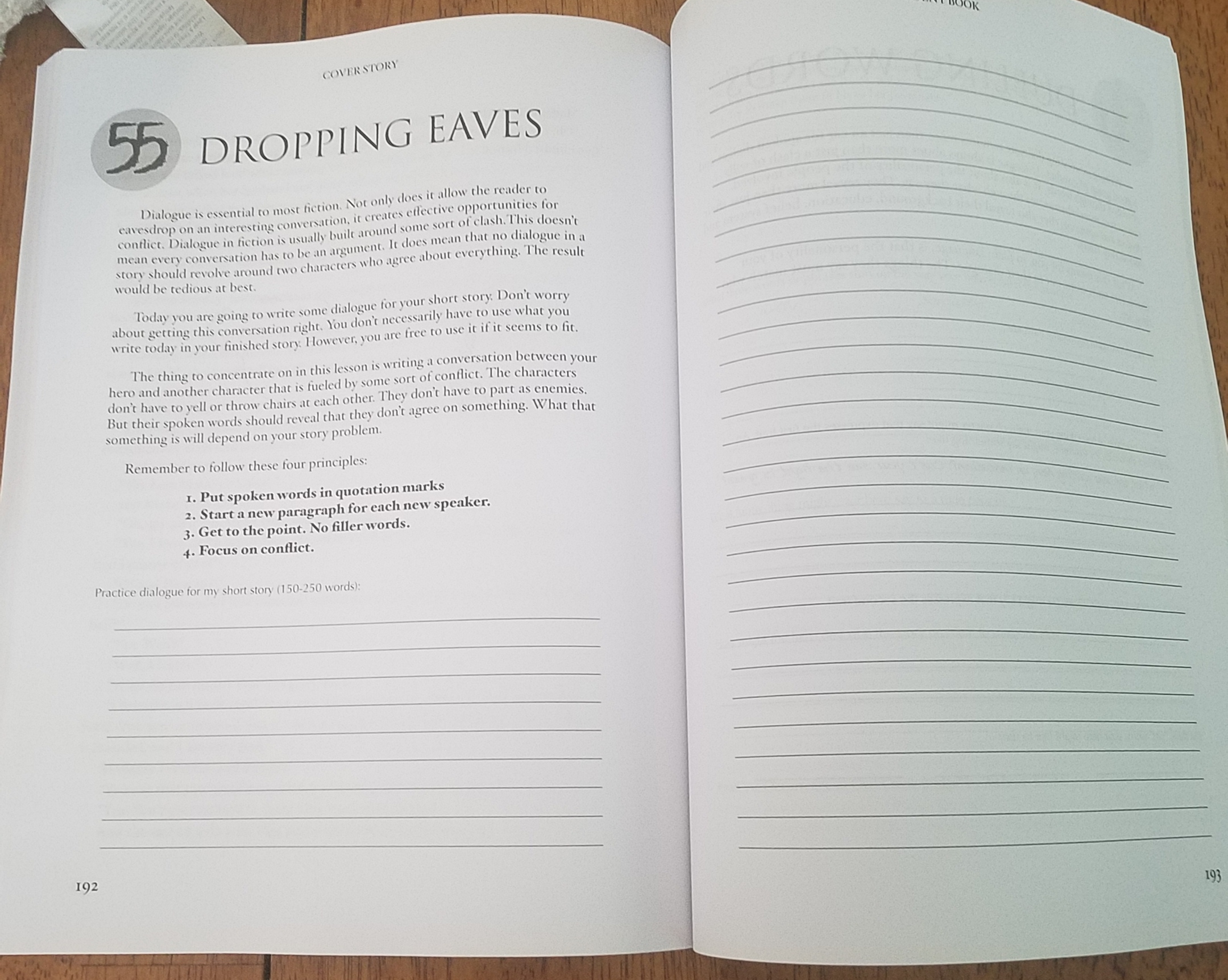
The course is twenty-four weeks of video lessons plus an additional twelve weeks of optional grammar videos. There are three lessons each week plus five journal entries per week. In addition, there are six unit tests throughout the course.

The videos are about ten to twenty minutes long, and we found them both informative and engaging. 

In the journal, they are given a specific task for each day. For example, in the beginning, they are to write five curious questions each day. The video lessons explain what that means. Another section works on details and another on sentences about people, etc.

The course aims to help students in grades 6-9 create the content for their own magazine, including short stories, articles, poems, letters, blog posts, and reviews. The lessons primarily focus on the magazine’s content, not the pictures and layout, and those items are addressed briefly at the end of the course.

The Teacher’s Guide is a great resource. It contains lesson plans so the parent can easily follow each week’s lesson, scoring rubrics, examples, answer keys, and pages to track scoring.

What Did My Daughter Think?

 “I like the writing program. The teacher is easy to understand and funny. The workbook is easy to understand and follow. I like how his lessons are easily accessible and are not scattered around. For example, if you are doing week 1, you go and click on week one, and right under it, you get all three lessons for week one, making it easy to find what you need. The lessons are around 10-15 minutes each.”

What Did I Think?

I have enjoyed having a writing program that my daughter seemed to enjoy completing. I appreciated that Cover Story was designed to make it very easy on the parent. My only significant contribution to the program is grading completed work and ensuring my daughter stays on track.

I was particularly grateful that one of the early lessons worked on passive verbs/voice. Passive voice is something that I have always struggled with, and many programs do not address it. 

While this program is billed as a middle grades curriculum, I feel it is rigorous enough for my daughter’s freshman year in high school. I hope it will give her the skills and strategies needed to take her writing to the next level.

I am hopeful that I will even be able to publish some of her writing on the blog soon!

Conclusions

Cover Story is a great writing program for middle and early high school students. This might be a great fit if you have a child that needs assignments to have more of a purpose. It is also helpful for parents that want the instruction to be more independent because of the videos.

My daughter plans to continue to work on this program through the summer slowly and then pick back up with a more regular pace in the fall to complete the course. I encourage you to check out the Cover Story Cloud Set website and click on the graphic below to read more reviews! 

Middle School Language Arts

Principles and Precepts of Government from Paradigm Accelerated Curriculum (Review)

Disclosure: I received this complimentary product through the Homeschool Review Crew.

One of our educational goals for our children is to have a good understanding of our government and grow up to be informed, productive citizens. As a part of that goal, we have been looking for an excellent high school-level government class. We have recently reviewed the Principles and Precepts of Government from Paradigm Accelerated Curriculum (PAC).


What Is Principles and Precepts of Government?


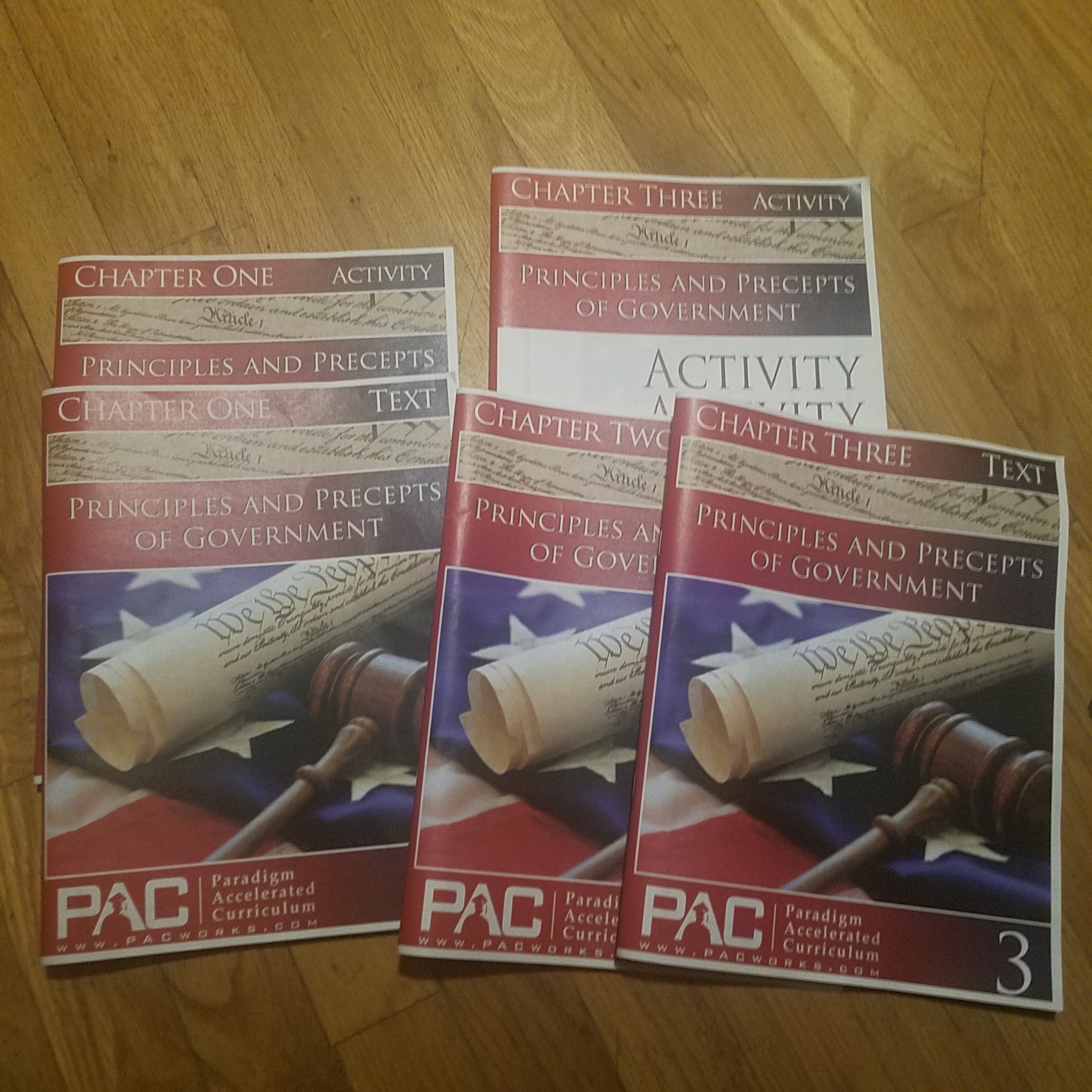
The Principles and Precepts of Government curriculum included three text booklets and three coordinating activity booklets. There was also a teacher’s resource kit with tests and quizzes. You can choose from print or digital versions, and we were able to look over both for this review. The program is worth ½ of a social studies credit.


Course Overview


The text booklets are approximately 60-75 pages in length. Each one contains three sections which are further divided into five topics.
The content begins with the evolution of government, going back to historic empires before Christ. Then it moves on to the Roman government before introducing the colonies and the beginning of the US government.
The second booklet is an in-depth look at the constitution, the bill of rights, and the branches of government. The final booklet covers state and local government, the election of the president, rights and responsibilities, and parliamentary procedure.

I am somewhat concerned that the paper formatting of the text booklets may not hold up to long-term use.


Text Layout


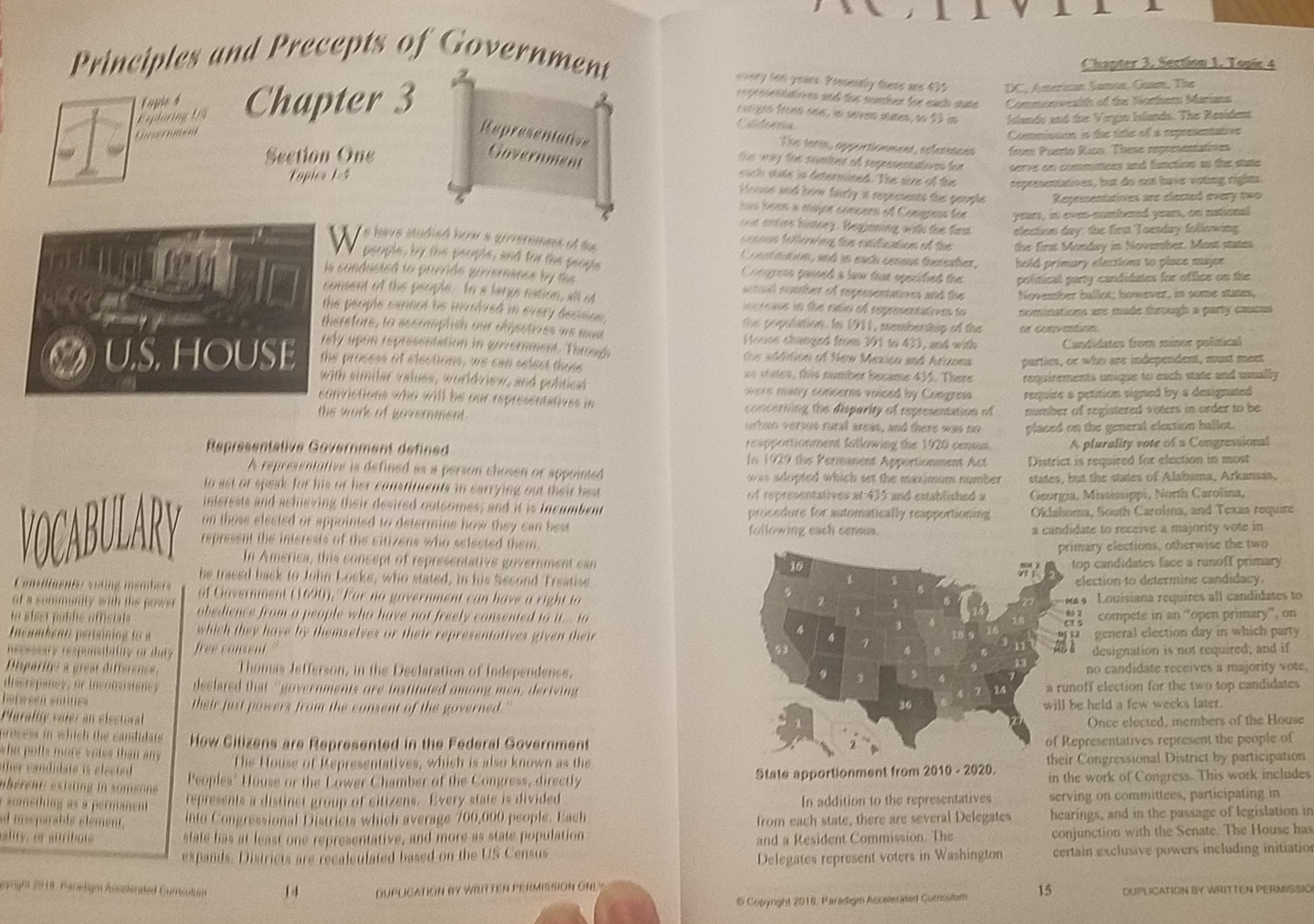
Each topic is only 3-4 pages in length, making it a manageable amount to cover in a day. At the beginning of each topic, a vocabulary list covers essential vocabulary from within the text. Those vocabulary words are also written in bold format within the text. There are black and white illustrations and maps sprinkled throughout the text.
Most sections also include a life principle, an important quote about government from famous historical figures. For example, one of the sections is from Francis Bacon. “If we do not maintain justice, justice will not maintain us.”

Principles and Precepts of Government Text Booklet


Activity Books


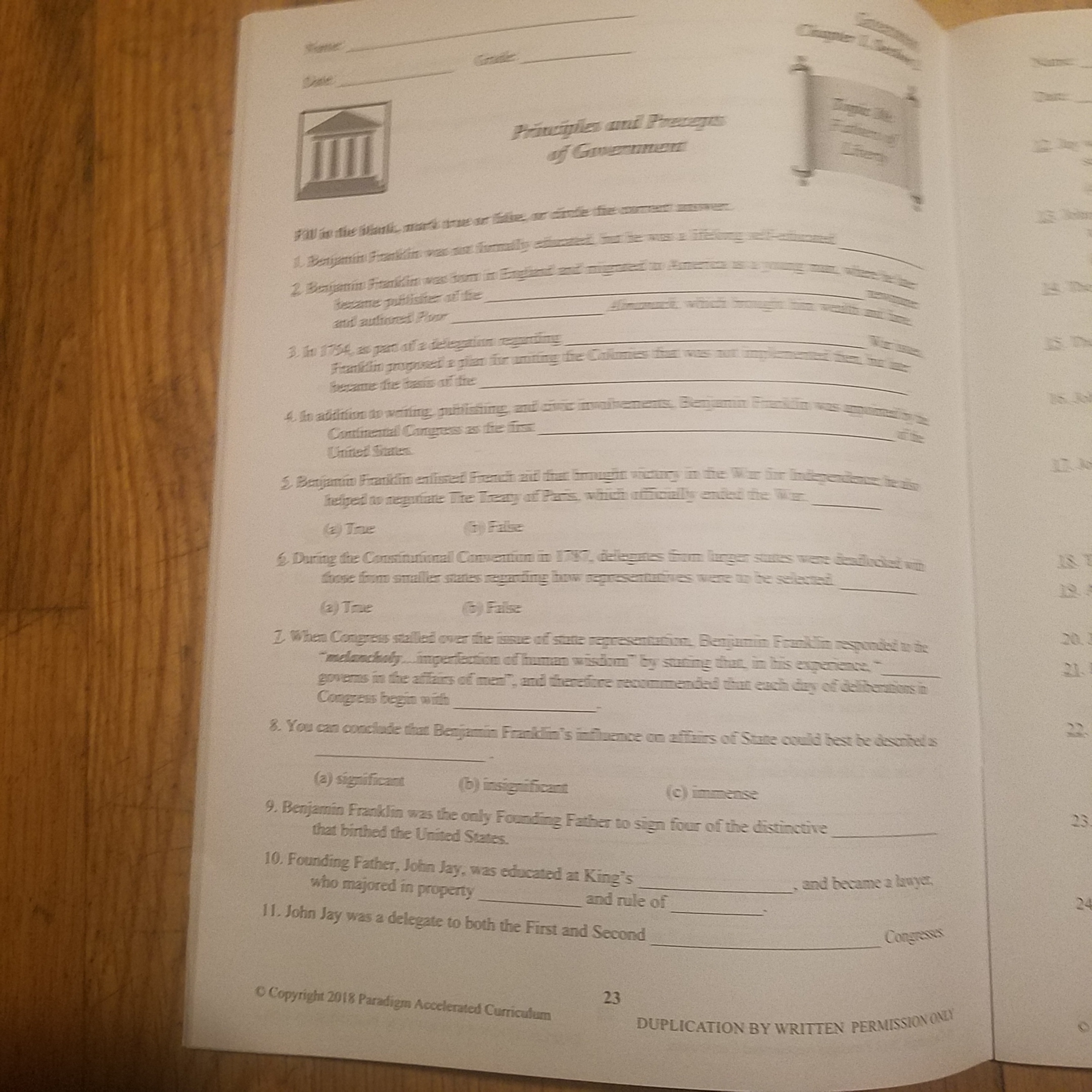
The activity books are broken down into the same chapter, sections, and topics as the textbooks, which makes pairing them seamless. Each topic has a page or two of questions that are mostly fill-in-the-blank and multiple choice. Sometimes, there are places to write down quotes or important content, such as the preamble to the Declaration of Independence.
I think it is important to note that while these are called activity books, they are more in the style of what most people would consider workbooks. There are no hands-on activities, just the questions.


How Did We Use Principles and Precepts of Government?


I have a rising ninth-grader and a rising high school junior who both need an American Government course, so we are going through this course with both. They are doing the work independently, but then we discuss it as a family. (You need a second set of activity books for a second student as they are consumable.)
Since it is broken down into small topics, we can do two to three topics a week and cover the course material in one semester.

Activity Book Page

What Did I Think?


I liked that the curriculum was straightforward and easy to use. They had the students understand the background of our government and get a good knowledge of our constitution. Grading was simple because it included worksheets and tests.
I would like to see a little more time on primary source materials and more hands-on learning, but I appreciate the quality content and ease of use.
I also really appreciated this quote on the Paradigm website, “Principles and Precepts of Government is designed to equip students with an understanding of the evolution of various forms of governance, and thereby gain an appreciation of the workings and myriad benefits afforded in their American Republic, the sacrifices to bring it to fruition, and the requirements of involvement to preserve it.”


I just felt like that quote aligned with our family’s desire to teach our children about our government.


Both of my high school students will complete this course and some additional government materials to make a full government credit in the fall. You can also pair this course with an economics course from Paradigm to make a full credit.


What Did the Teenagers Think?

“I like how it is easy to find where you need to be in the text and activity books because Chapter #, Section #, and topic # are given at the top of the page. At the beginning of each section, it gives a vocabulary part, and throughout the section, it highlights all the words in the vocabulary part. I like how the quizzes are formatted with multiple-choice, fill-in-the-blank, or true or false questions. The curriculum covers from about 500 BC to more modern times, which I like because it gives you a good background on how government started and how it works now.” Elizabeth, Age 14

“The government course is a great course on the history roots and workings of the US government and I like the way that the quizzes are set up as multiple choice or fill in the blank.” Matthew, Age 15

Conclusions


Overall, this is an excellent self-paced American Government course for high schoolers. Most high schoolers could complete it independently, or you can add in family discussions. If your student is a more hands-on or auditory learner, you may want to add some additional activities or lectures.
I encourage you to check out this course and the other offerings at Paradigm Accelerated Curriculum. You can also click on the graphic below to see what other Review Crew Members thought about various classes.

Paradigm Accelerated Curriculum

Whistlefritz Spanish Review

Disclosure: I received this complimentary product through the Homeschool Review Crew.

Whistlefritz

My second grader had been asking to learn Spanish, and I honestly just had not made it a priority. When I heard about Whistlefritz, I decided it would be an excellent opportunity to try Spanish with both my second grader and my four-year-old. We received the Educator’s Spanish Collection (with ¡Buenos Días! and La Música) for our review.

What is Whistlefritz?

Whistlefritz is a language program geared towards prekindergarten and early elementary students.
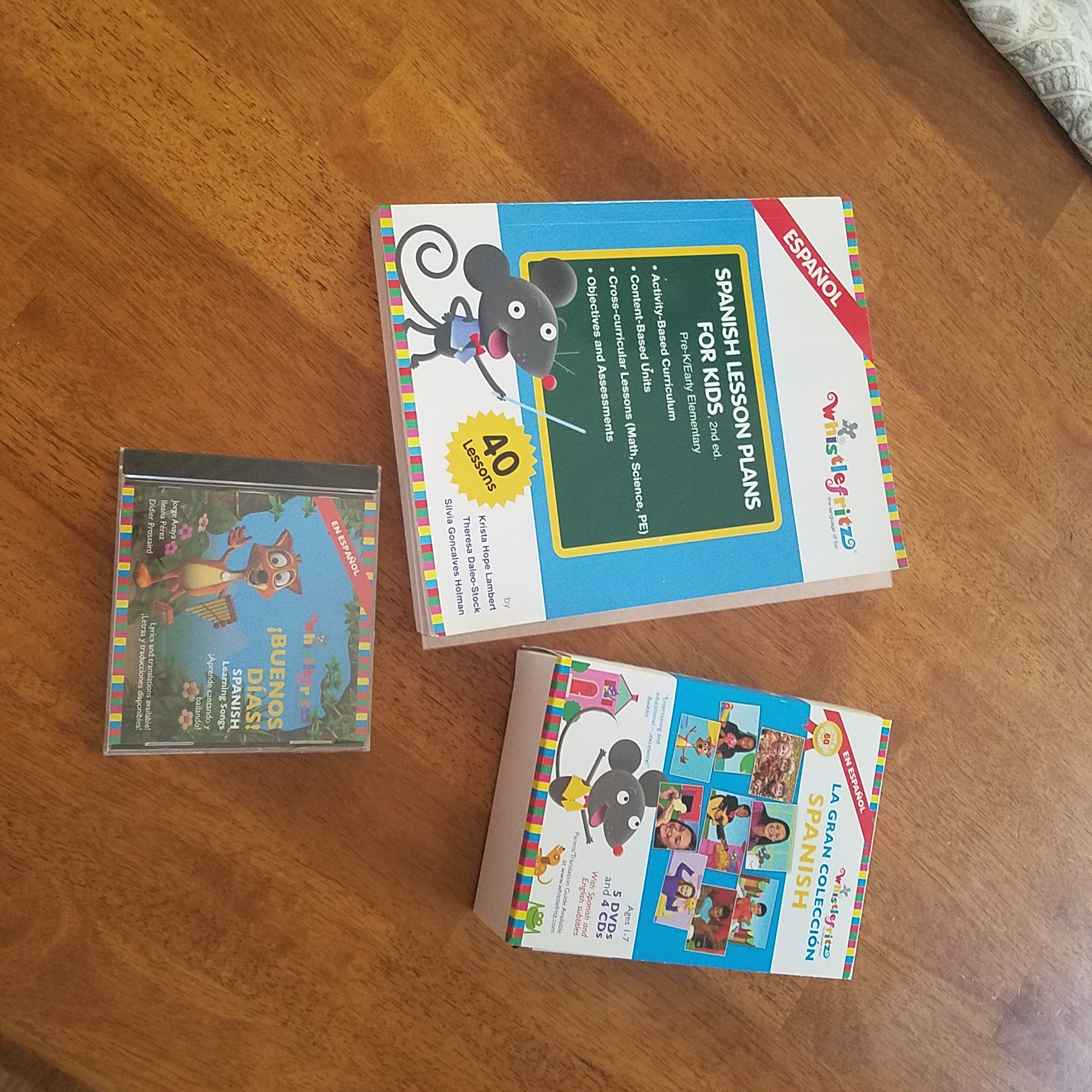
The kit includes a teacher’s manual with lessons and activities, videos accompanying the program, and a CD with music. There is also a set of memory matching cards. A downloadable parent’s guide also gives a suggested schedule for homeschoolers. That schedule is flexible and can be adapted to fit the needs of individual families.

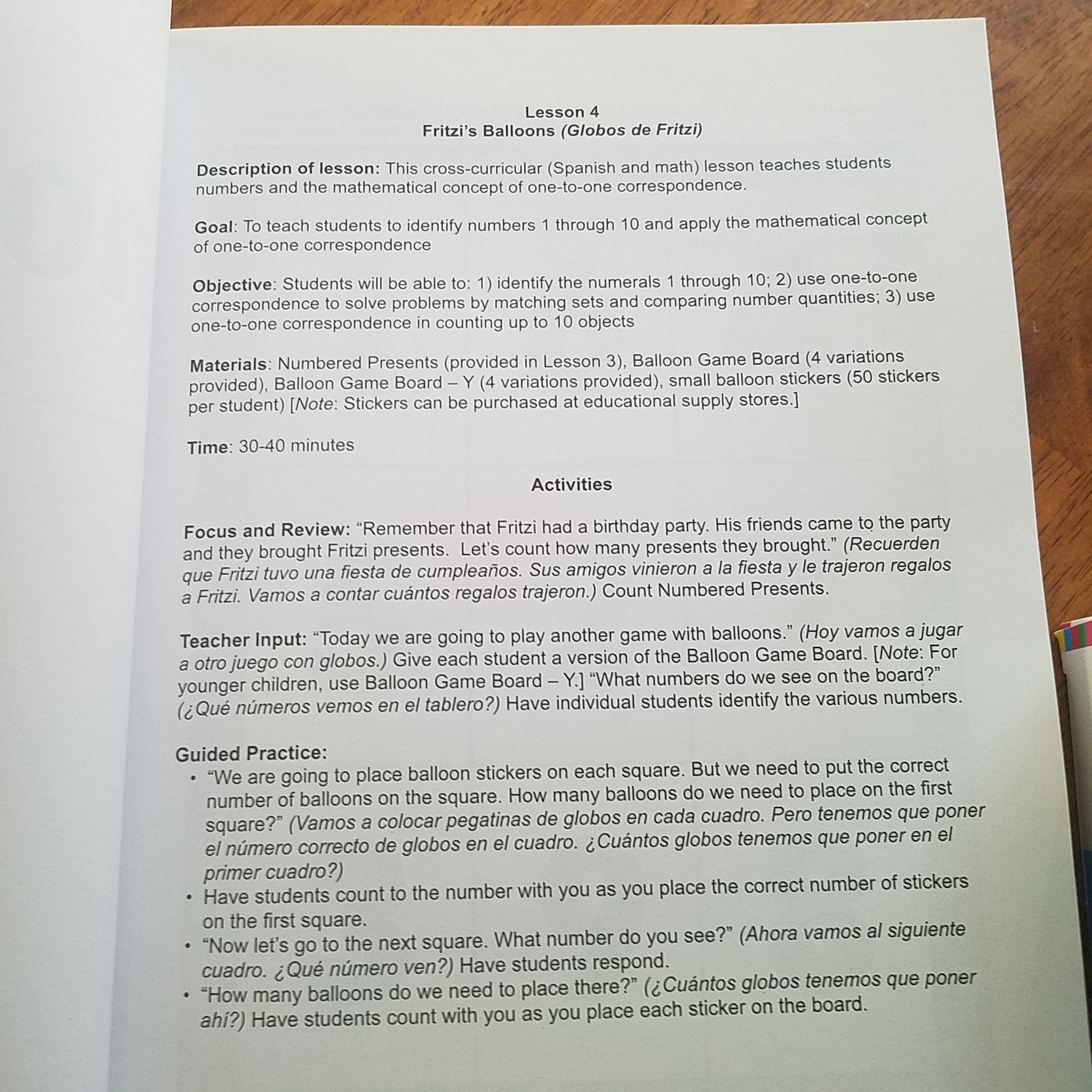
During an average week, the parent would lead a lesson that introduces the concept for the week. For example, one week, we learned the colors in Spanish. The program is also cross-curricular and introduced the idea of primary and secondary colors in that lesson.

After introducing the lesson, there is an activity to complete together. There are suggestions for which videos/video segments and songs on the CD to do throughout the week to reinforce the concepts.

For instance, after the lesson on colors, we watched a video about a birthday party that talked about the colors of different balloons. The videos are immersion-style, with everything being in Spanish. There is some live-action with an instructor and young children and some animation.

How We Used the Program

The guide suggests doing Spanish 4-5 days a week, but we usually fit Spanish in 2-3 days a week. However, with the program’s flexibility, that was not a problem.

I would teach a lesson one day a week, and then they would watch the videos on the other days. The classes generally took me about 10 minutes and then another five to ten minutes for the activity. The book appears to be written for classroom instruction, but it was not hard to modify for home use.

They enjoyed the songs, and I am looking to get an inexpensive CD player for the boys to listen to those as they do other activities during the day. We currently have to use a computer to listen.

My four-year-old is on the young side (just turned four) and did not pick up on the language as quickly as my second-grader. However, he enjoyed the videos, and I think the exposure was beneficial. He can repeat the program next year and continue to add to what he is learning.
Our Opinions on Whistlefritz Educator’s Spanish Collection

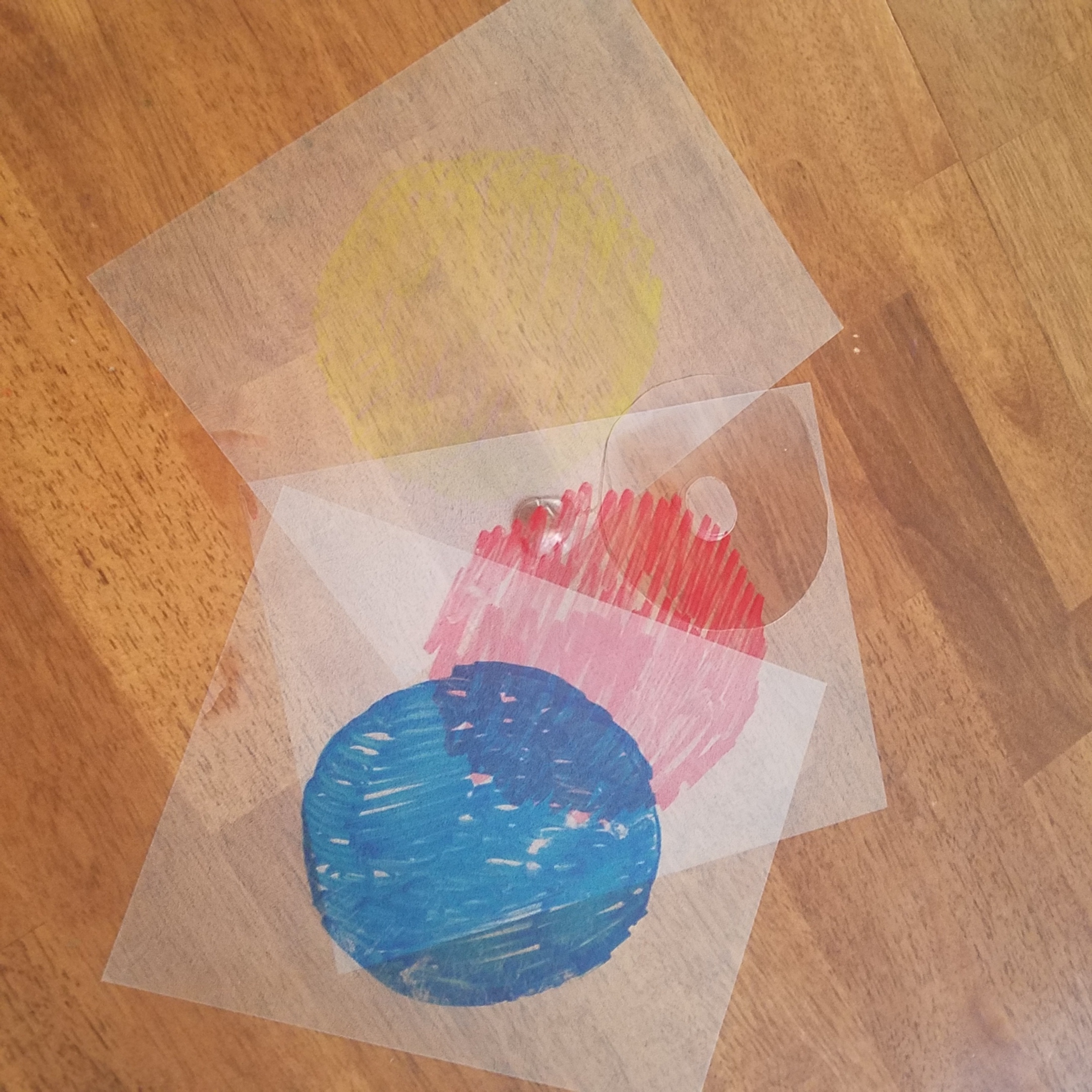
Overall, we enjoyed the Whistlefritz Educator’s Spanish Collection. My son was hesitant initially but told me that he really enjoyed it and wanted to do more. It was reasonably easy to implement, though you need to look ahead in the book to ensure you have needed supplies and copies. Many supplies were things that were already found in our home, but some, like transparencies, might not be something you already have available.

While there are videos included in this program, it is important to realize that they are supplementary and it still requires parental instruction. They provide pronunciation guides to make it easy for parents to implement.

We plan to continue implementing this program with both of my younger boys at least through the end of our school year and possibly into next year.

Click on the graphic below to see what other Crew members thought about Whistlefritz. 


Spanish for Kids