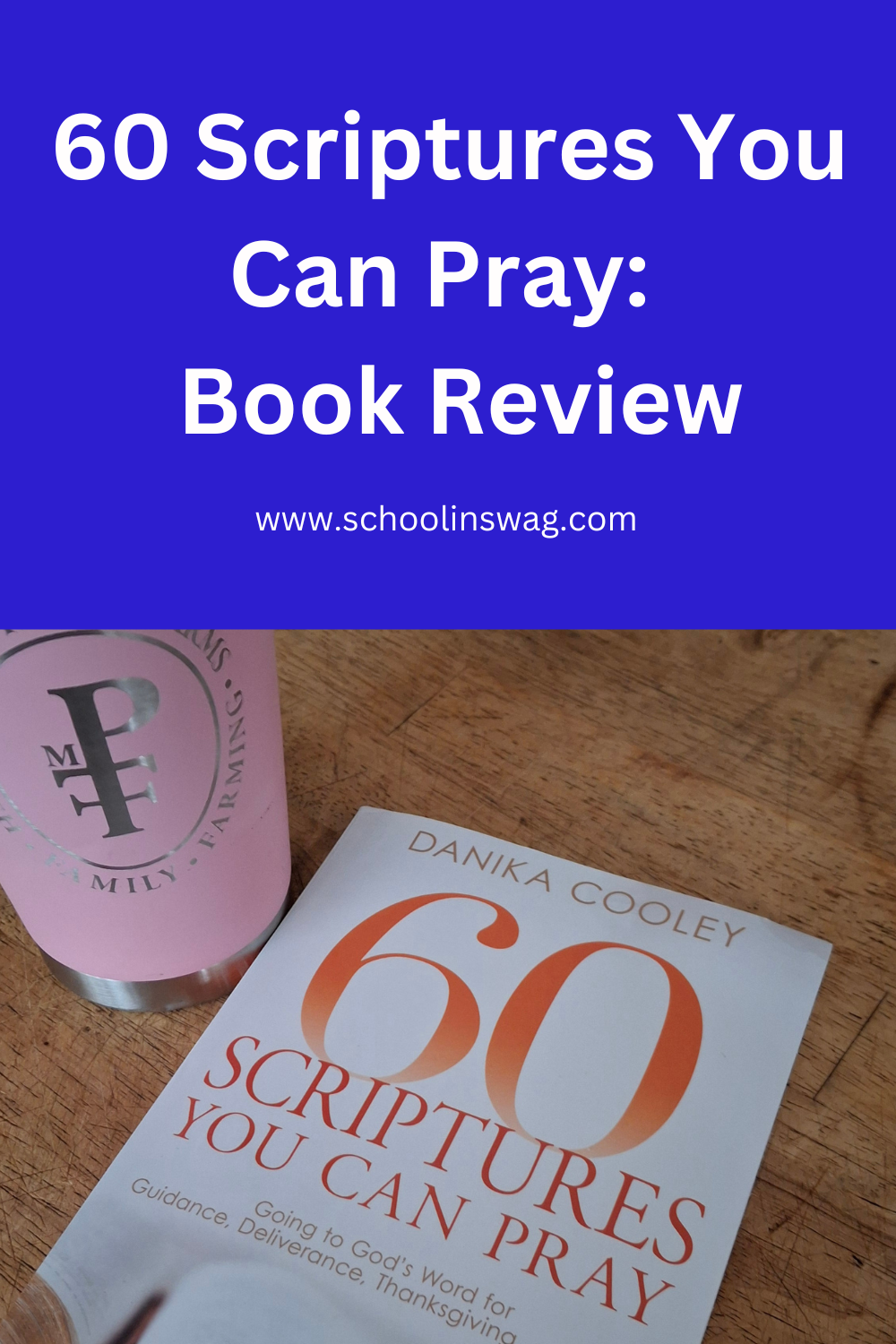
While our primary Bible study should be through reading the scripture itself, a good devotional can be a great way of helping us learn more about a topic or get a different perspective on the scriptures. However, too many devotionals are light on scripture and heavy on opinion or platitudes. 60 Scriptures You Can Prayby Danika Cooley is different.
60 Scriptures You Can Pray is a beautifully written book of devotionals and prayers based directly on scripture. As stated in the title, there are 60 different prayers. Those 60 are broken into eight categories: Praise, Thanksgiving, Confession, Supplication, Intercession, Deliverance, Lament, and Guidance.
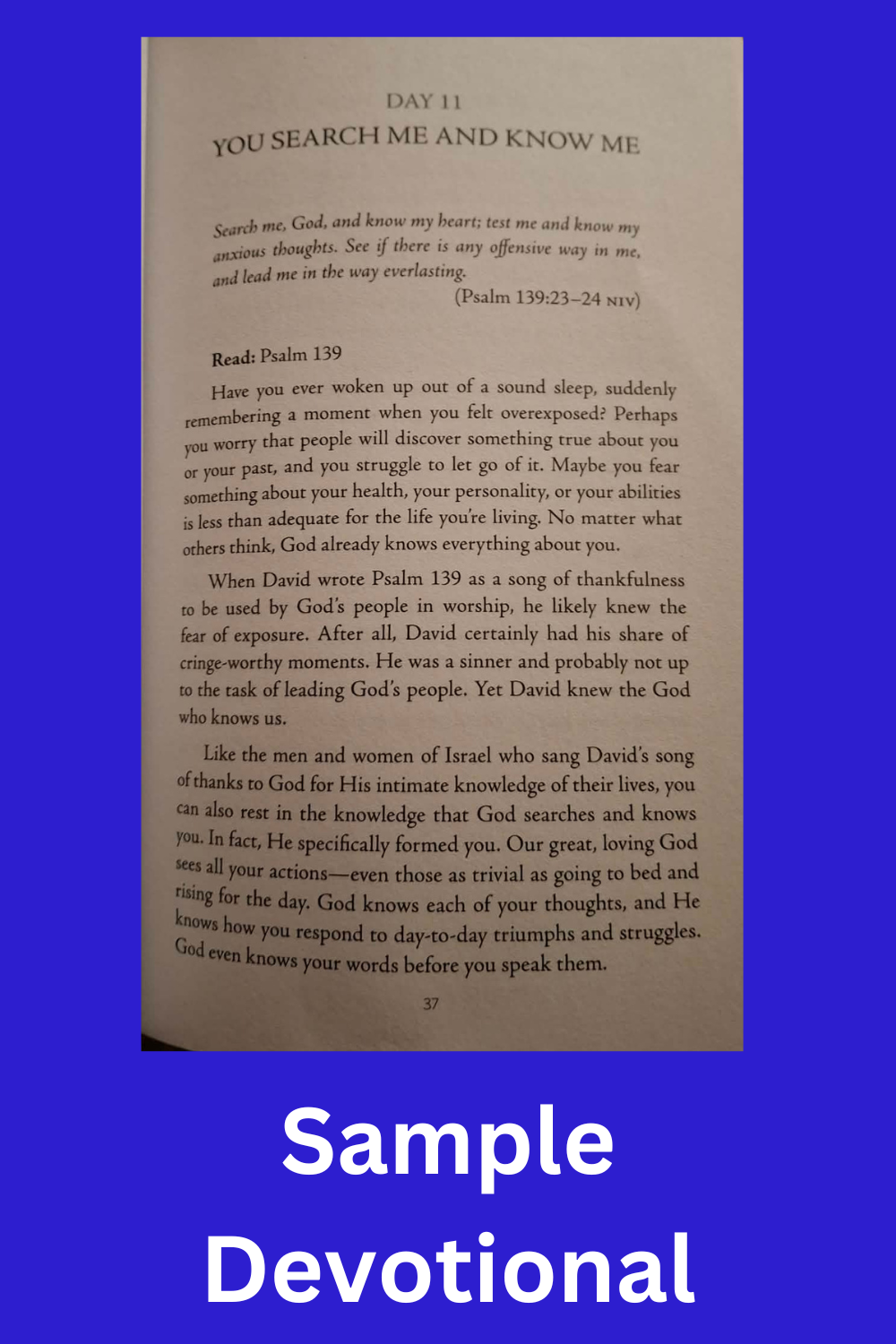
Each devotional starts where all good study starts, with reading the scripture. Then there is a short devotional on the scripture, followed by a prayer based on it.
They can be read in order or picked and chosen based on what you need that day (or season). I love that they are scripturally solid, but short enough for a busy mom to read one each day. Each one covers the front and back of a single page, and the recommended scripture reading ranges from about 10 verses to a chapter. So I can grab my hot tea and the book, take ten minutes to focus my mind on God, and spend time in prayer.
For example, day 29 is titled “May We Do His Will.” The scripture for the day is Hebrews 13, and the devotional discusses what it looks like to serve Jesus in today’s world. The prayer asks Him to help us carry out His will. In part, it says, “ Jesus is the Good Shepherd, and I am the sheep. Please equip me to do every good thing according to your will. Help me to carry out the good works you have ordained just for me,”
I highly recommend 60 Scriptures You Can Pray for teens or adults aiming to deepen or establish a prayer habit. This book offers a straightforward approach to integrating prayer and scripture into your daily routine, whether you’re just starting or looking to enrich an existing practice. Find it on Amazon or at Danika’s website, Thinking Kids Press.
Resource Library and Affiliate Disclosure
When you sign up for the Schoolin’ Swag free resource library you will get a link and password to the library, we are adding to the library each month with new items. You will also get a bi-weekly newsletter email to keep you up to date on what we have going on.
This post may contain affiliate or referral links, including Amazon affiliate links. As always I will never recommend a product that I don’t believe in and you will never be charged more for purchasing through our links. It does help pay for the costs associated with the blog.
Morning time has been one of the few constants in our homeschool. As my children have changed, our schedules have changed, and our goals have changed, we have adapted our homeschooling curriculum in many ways, but having a morning time has remained a constant.
There have been years when morning time more typically happened in the evening (we should rename it family time), but we tried to keep that time of learning together. We have incorporated a variety of subjects, and it looks a little different each year.
Still, two things have remained the same: we learn together as a family, and we incorporate some type of Bible study.
What is Changing in our Morning Time Routine?
Last year, I worked hard to make sure we were consistent each morning with our time, even if we kept it simple some mornings. This year, we are keeping many of the same things in our “morning time.” However, between some speech and physical therapy appointments and my daughter having an early morning dual enrollment class twice a week, the timing is going to be a bit different.
I still want to be consistent because this is one of the most essential parts of our school day, but instead of a consistent time each day, I am working on a consistent time for each day of the week.
So, for example, on Mondays and Wednesdays, we will do morning time just after breakfast, but on Thursdays, we will do our “morning time” after dinner, and on Tuesdays, it will be after lunch. The value in morning time comes from the content and family togetherness, not the time of day.
What Do We Include In Our Morning Time Studies?
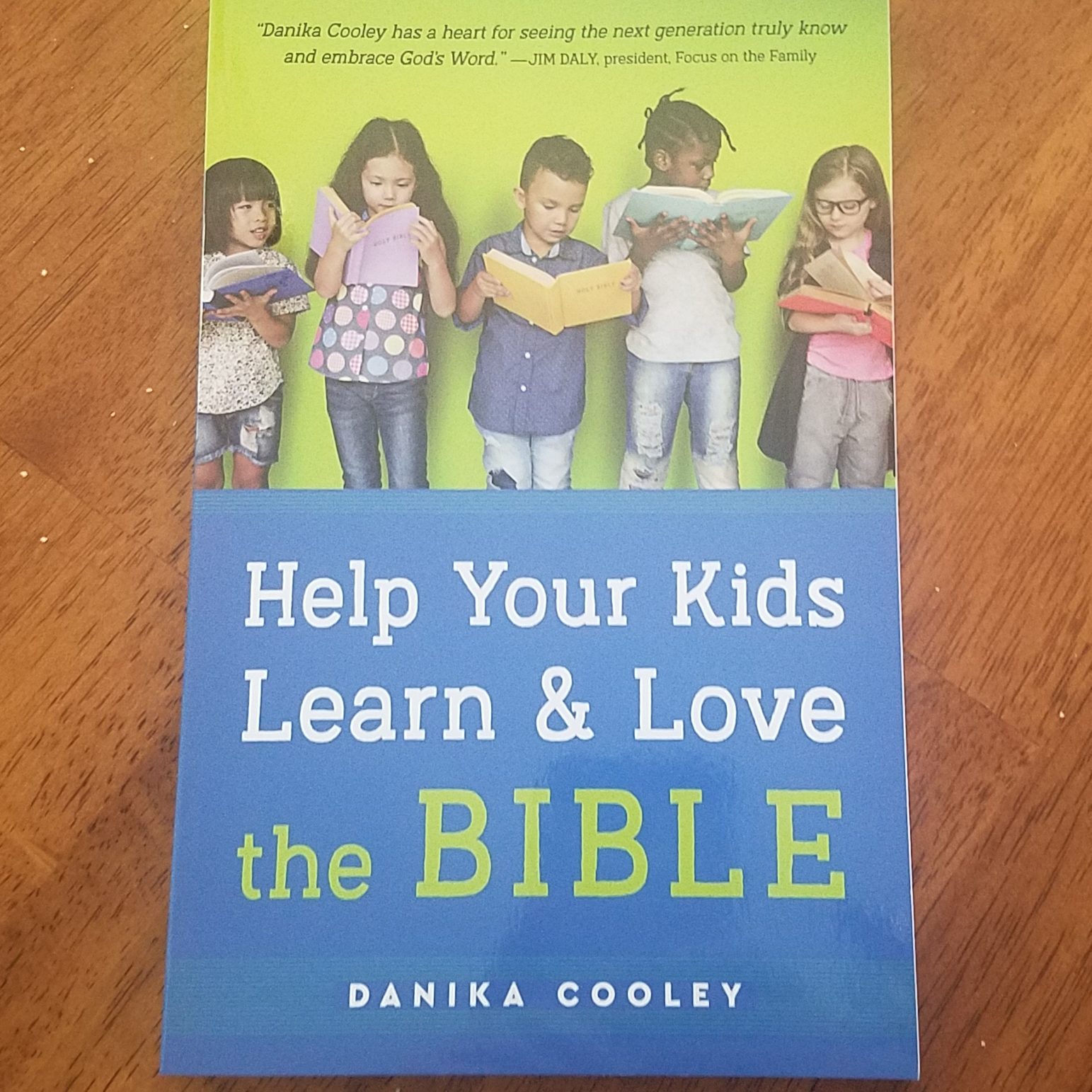
Our two main priorities for morning time will remain our daily family Bible reading and World Watch. Over the years, we have used a wide variety of Bible curricula and enjoyed many of them, but often I found it hard to be consistent when using curricula and trying to make it work for all ages. However, several years ago, I read Help Your Kids Learn and Love the Bible, and realized I was over complicating things.
Our Bible Study
Now, as a family, we read one chapter a day from the Bible, going through an entire book. This keeps it simple and easy to maintain, even during busy seasons. We read (or listen to it on my phone app) the chapter and then discuss it.
My husband bought me an excellent set of commentaries that we pull out if we have questions or want to dig deeper into a verse. We have found this to be hugely impactful and easy to maintain.
World Watch
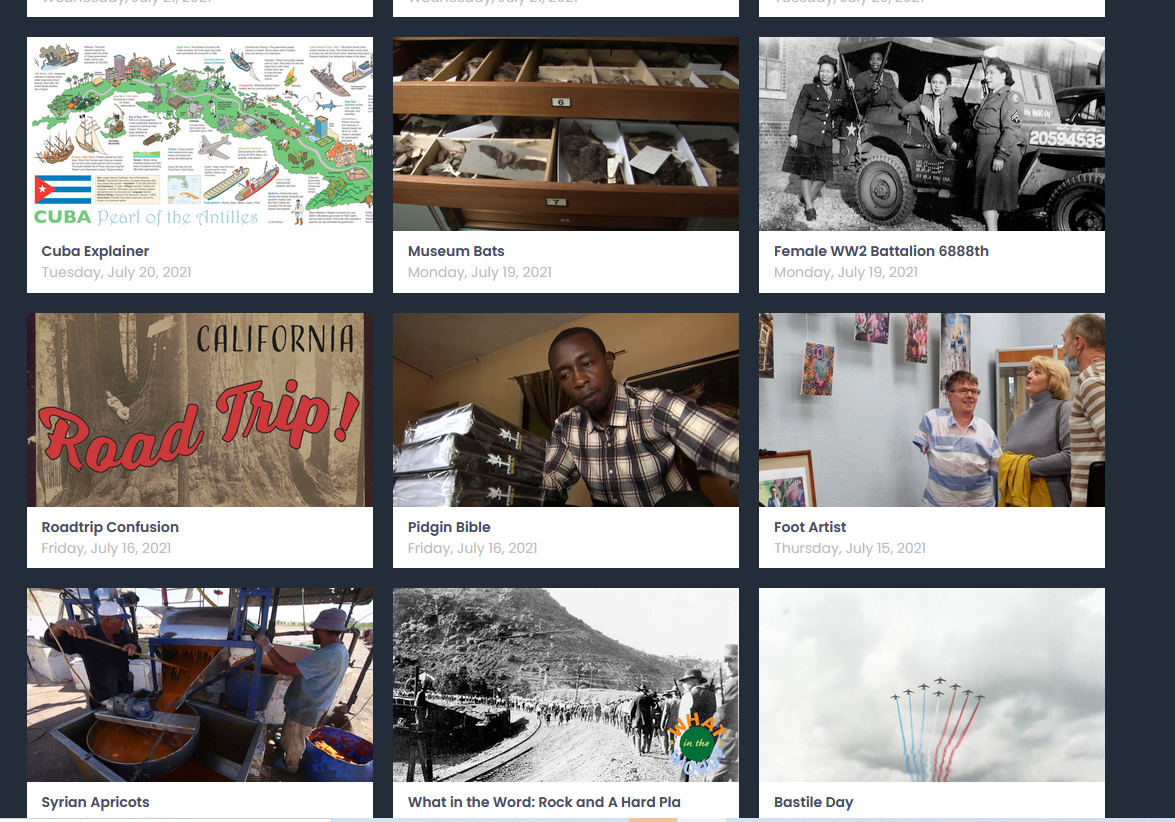
World Watch is our second priority. We even kept these two components throughout most of our summer break. If you are not familiar, World Watch is a student news program with a Christian perspective. It is ten minutes a day and covers a variety of both major news topics and fun interest stories.
It has opened the door for many conversations, helped my teens better understand what is happening in the world, and given us all more perspective. We have found that watching and discussing works well for our family, but I did want to mention that they now also have downloadable worksheets that you could add to your World Watch time if you felt your student needed that or to help you use it for high school credit.
In addition to our two main components, we will incorporate one additional subject each day. Those will include fine arts, hymn study, logic, poetry, books of the Bible, and any other topics that I want to fit in as a family.
Sometimes we may do the same subject each day for several weeks, and other times we may rotate daily depending on our needs. This allows us to cover a variety of topics without trying to add in too many different things in one day (which would make it unmanageable).
Our Morning Time Rotations
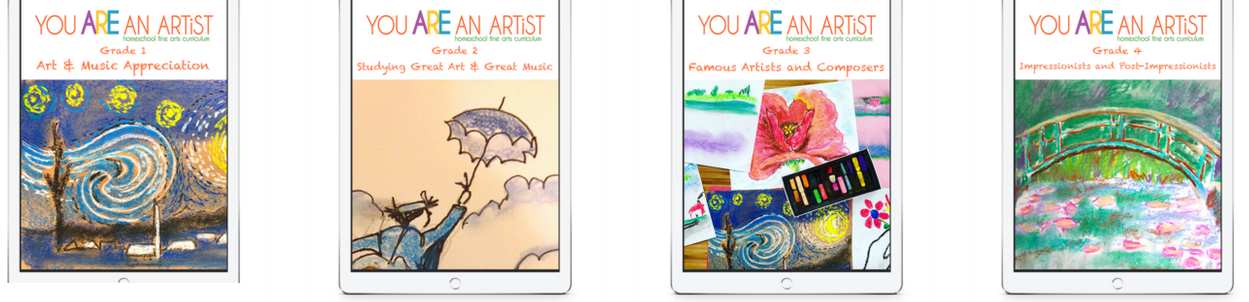
Fine Arts: We will be using the Fine Arts program from You Are An Artist. They have a variety of fine arts courses that focus on different eras and topics.
A few of the many fine arts options that are available!
Hymn Study: For hymn study, we will be using the studies that I have already written, as well as some new studies that I will be adding throughout the year.
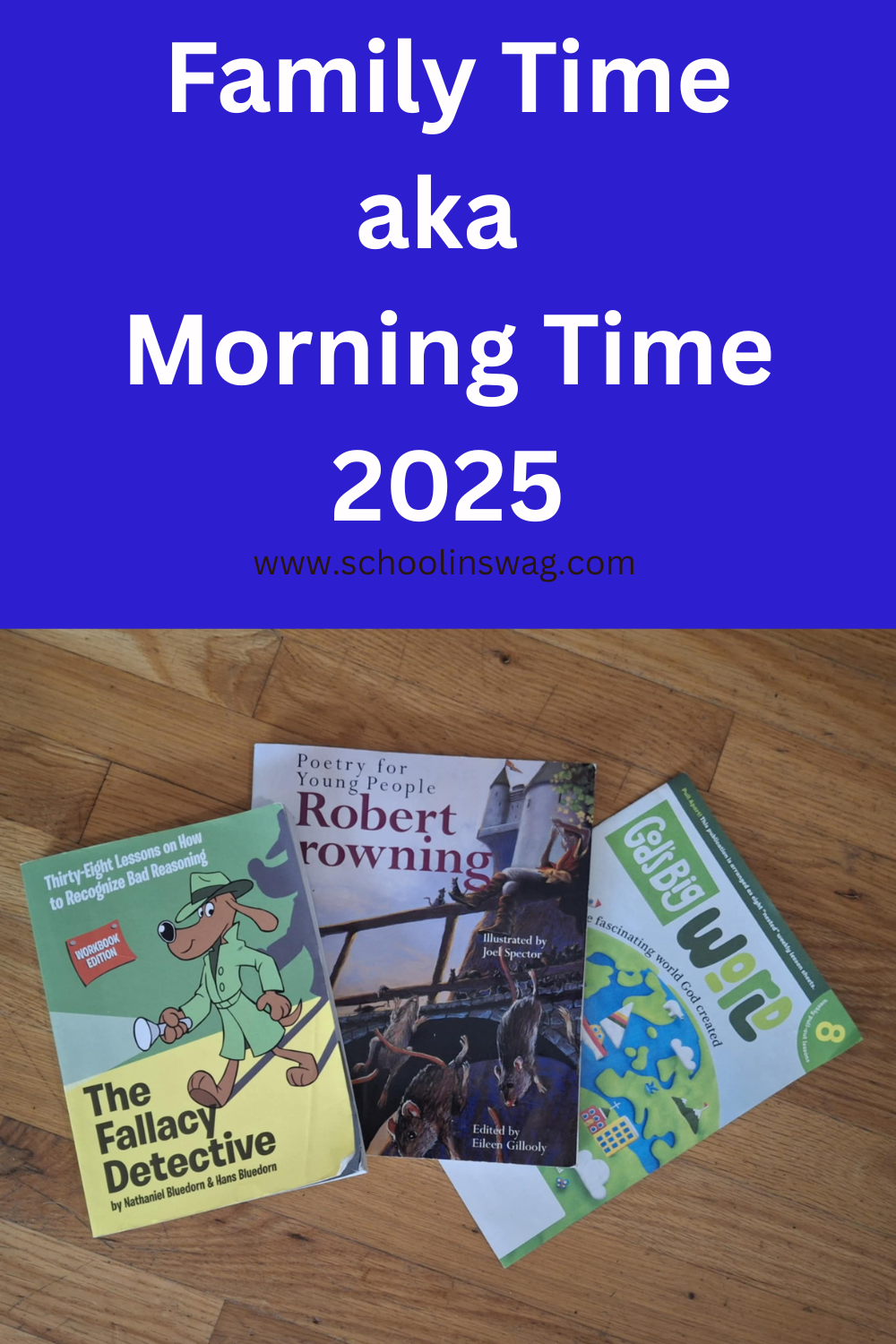
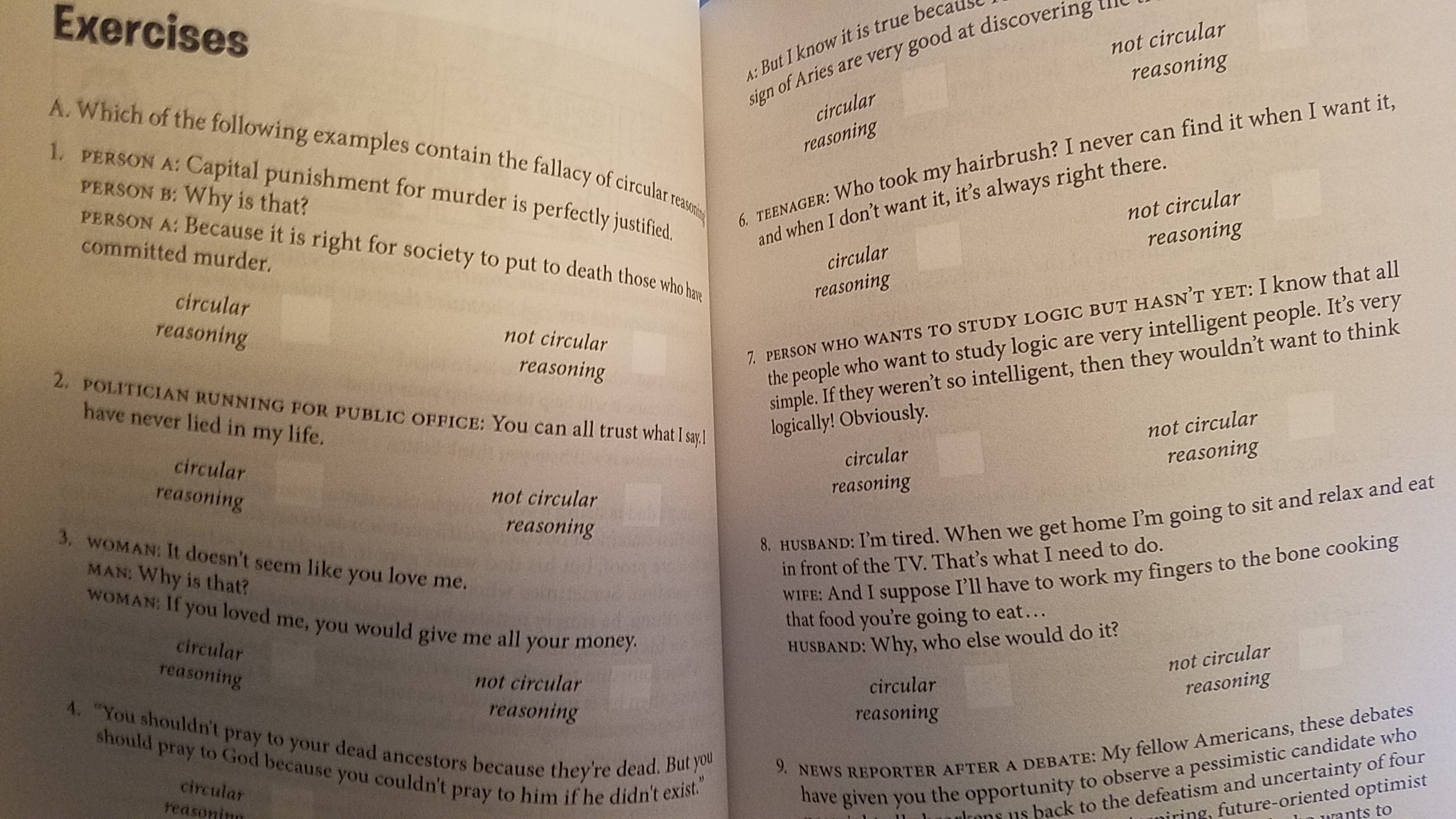
Logic: We use the book, The Fallacy Detective, for our study of logic and logical fallacies. While I don’t particularly care if my children can remember the exact name of a fallacy, I appreciate how it helps them identify fallacies in different arguments. (And they have come to love calling them out by name.)
Poetry: For poetry, we love the Poetry for Young People series. It is a great way to learn a little more about a poet and their poetry through reading aloud.
We are entering this school year amid a hectic life season (we have six scheduled appointments each week for speech and physical therapy), and the routine is going to look a lot different. Still, I am excited to get back into a routine.
I pray that our morning time helps keep us focused and working together and provides an anchor in the busyness of this season.There are so many different options for morning time. I’d love to hear how you incorporate it into your homeschool and if you have any favorite resources.
Resource Library and Affiliate Disclosure
When you sign up for the Schoolin’ Swag free resource library you will get a link and password to the library, we are adding to the library each month with new items. You will also get a bi-weekly newsletter email to keep you up to date on what we have going on.
This post may contain affiliate or referral links, including Amazon affiliate links. As always I will never recommend a product that I don’t believe in and you will never be charged more for purchasing through our links. It does help pay for the costs associated with the blog.
Find Christ-centered homeschool curriculum at SchoolhouseTeachers.com and set their hearts on the right path.
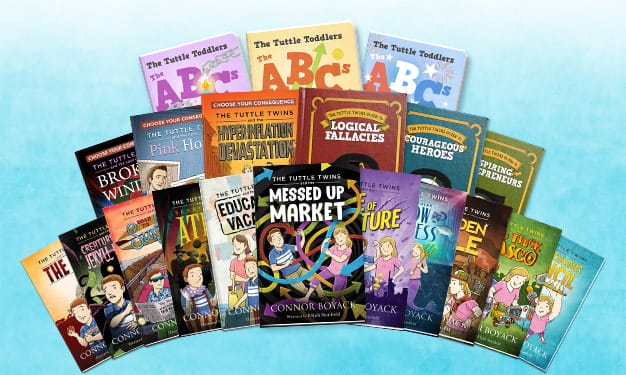
Tuttle Twins is having their BIG Back to School sale. They have up to 70% off book bundles and major discounts on their academy classes (which now has World History offerings). We love their books and their American History curriculum.
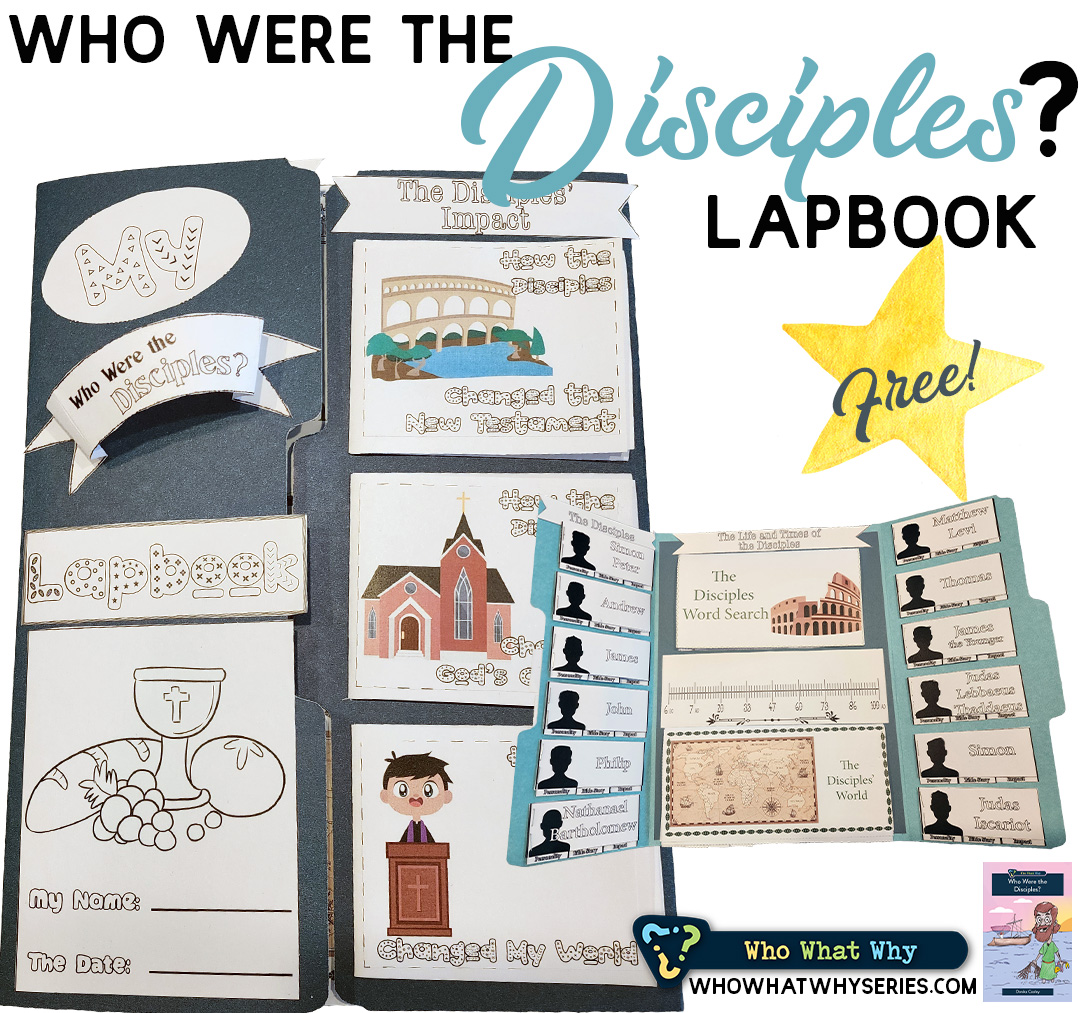
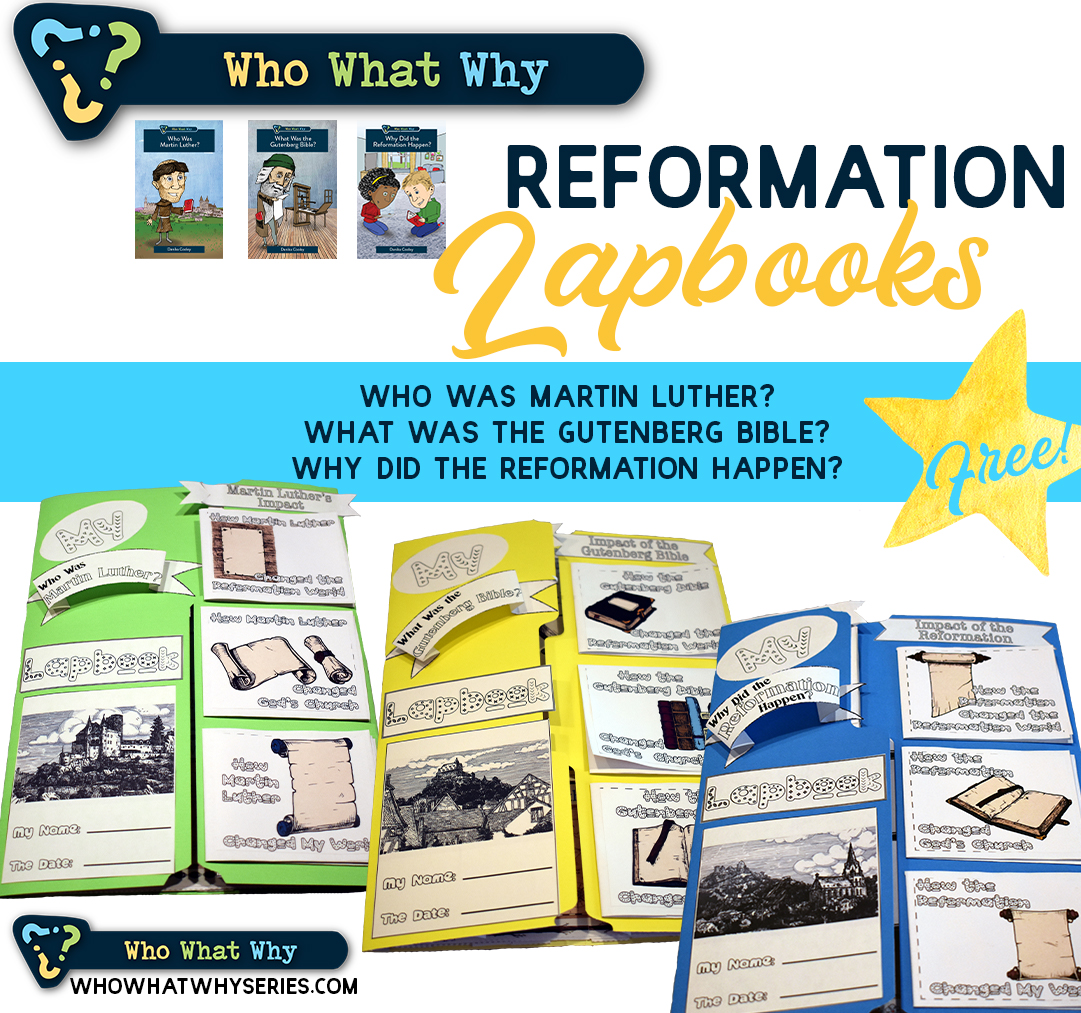
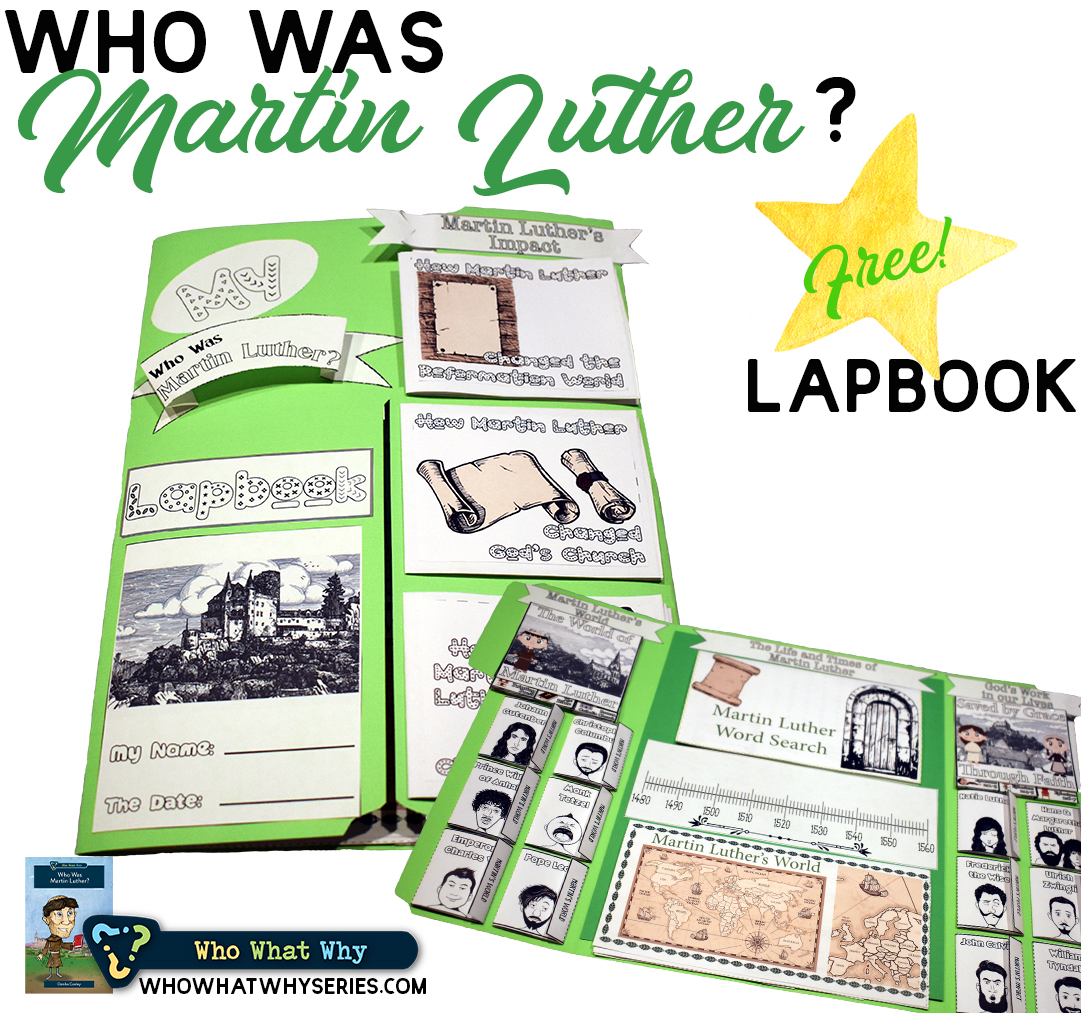
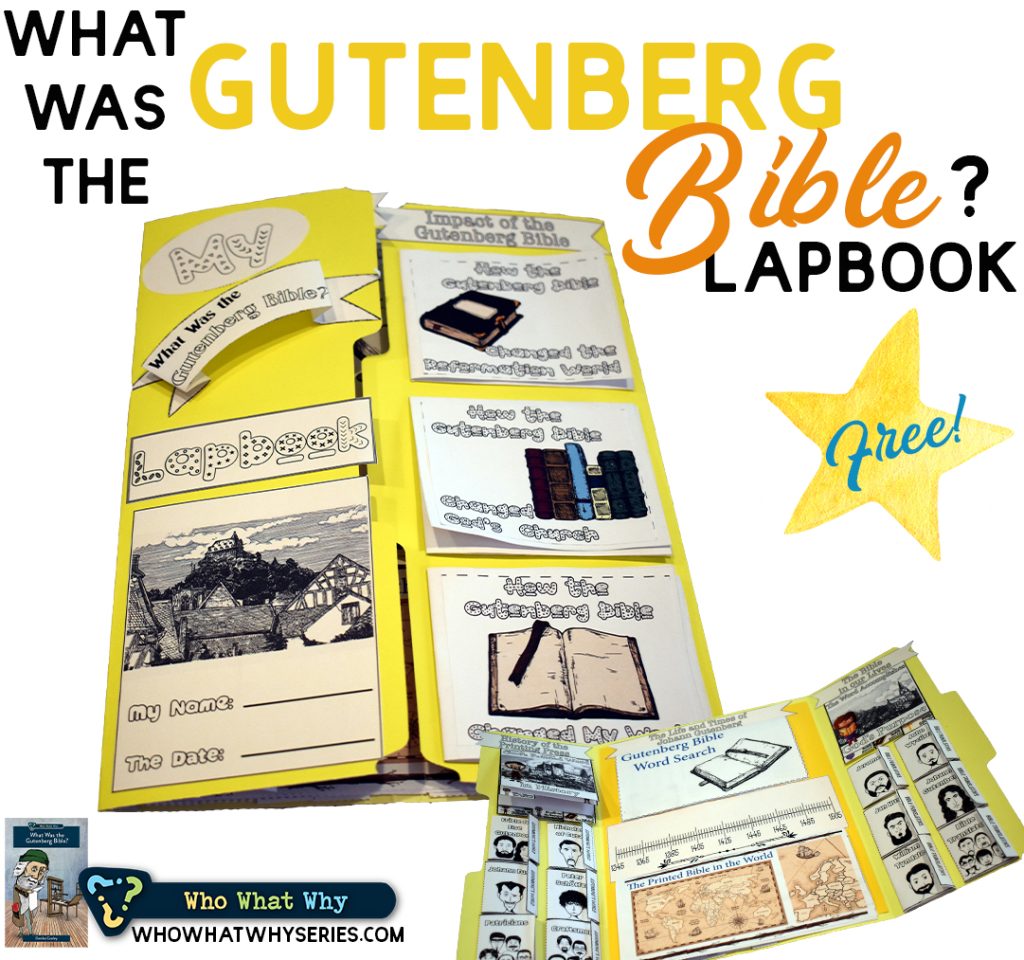
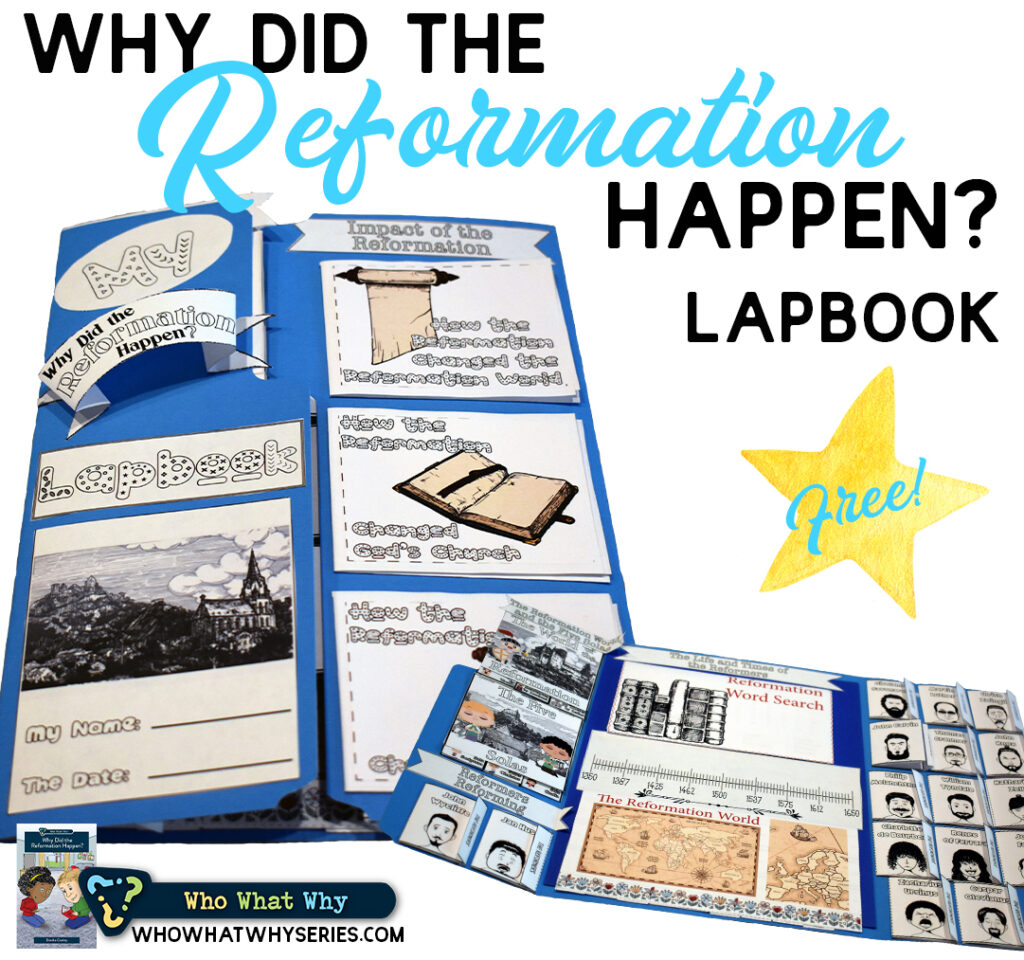
Teaching history doesn’t have to be dry or boring. Check out these free history lapbooks your kids will love!
Do you remember how you learned history in school when you were a kid? More than likely, it involved a list of wars, dates, and fill-in-the blank worksheets.
The good news is that homeschool history doesn’t need to be dull or boring. Instead, we can use literature to help our kids feel they’ve really entered the story of history. Historical fiction, biographies, and narrative nonfiction are all wonderful ways for our kids learn about the people and events that impacted history.
It’s even better new that we can teach history from a Christian perspective. While our children learn about the important events in history, they can also be learning character and theology. With books that highlight how individuals chose to live for Jesus, kids can learn how ordinary men and women can impact the world for the kingdom of God.
As our kids read great books about important history, we want to use the tool of narration. What is narration? It’s simply having our kids retell the story in their own words. Lapbooks and notebooking are wonderful tools to help our kids practice written narration. I particularly like using lapbooks with elementary-aged kids, because they’re fun to put together, and they give children a great visual keepsake of their learning journey.
History lapbooks develop 6 important skills:
Handwriting | Practice makes perfect! As your children write in their lapbooks, the process of writing long-hand naturally helps develop handwriting.
Reading and Listening Comprehension | Your children will begin to pay attention and deepen their understanding of the information they are hearing or reading, knowing they will be taking notes on it.
Pre-writing | As they recall information, children identify what is important and organize their thoughts.
Research | Lapbooks provide an excellent tool to do extra research on a subject, like the mini-Bible studies included in the Who What Why history lapbooks.
Long-term Memory | Written narration helps cement what students have studied into their long-term memory.
Cognitive Skills | Taking notes requires a higher thought process. At first, your children will need help to process and narrate what they’ve learned, but cognitive skills will soon become second-hand.
History lapbooks, paired with good books, help kids learn in a hands-on way they will remember for years to come!
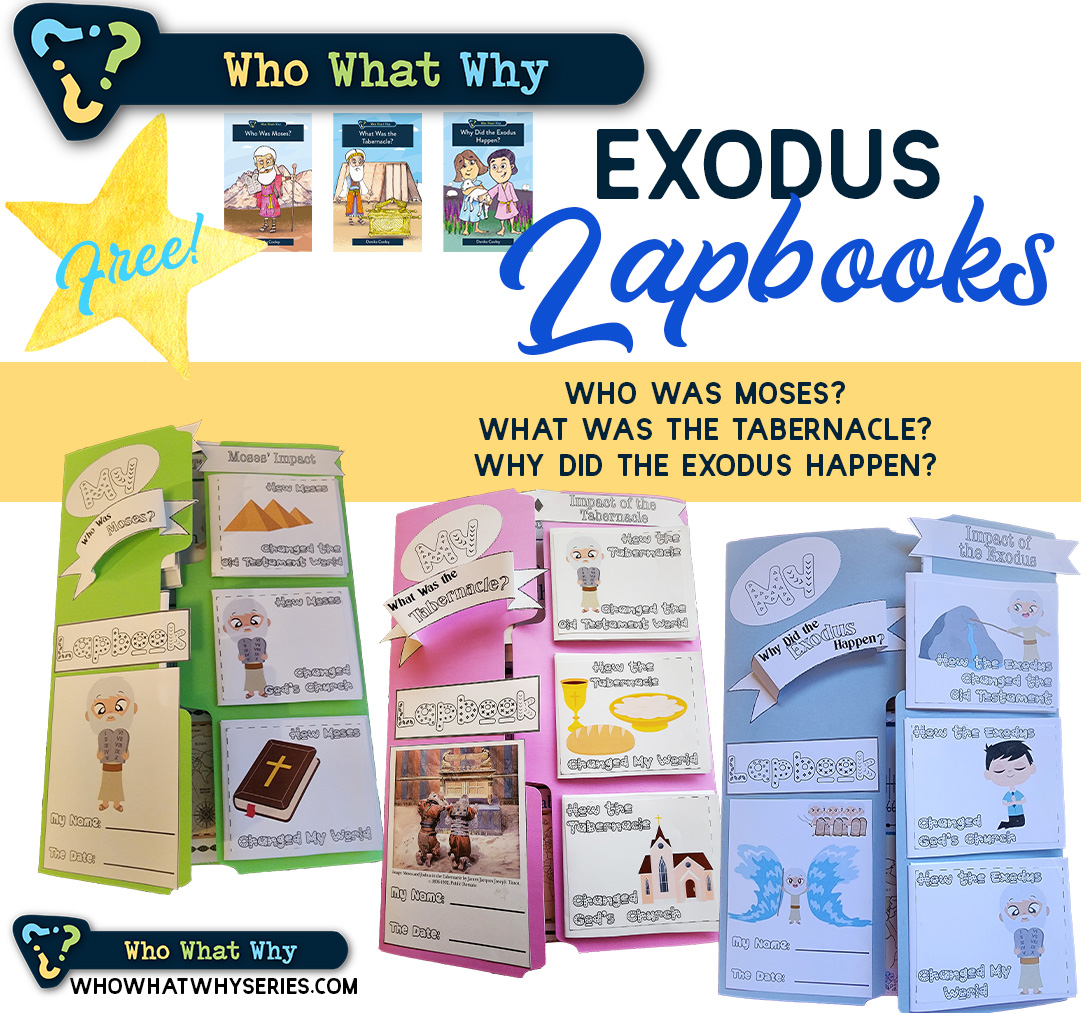
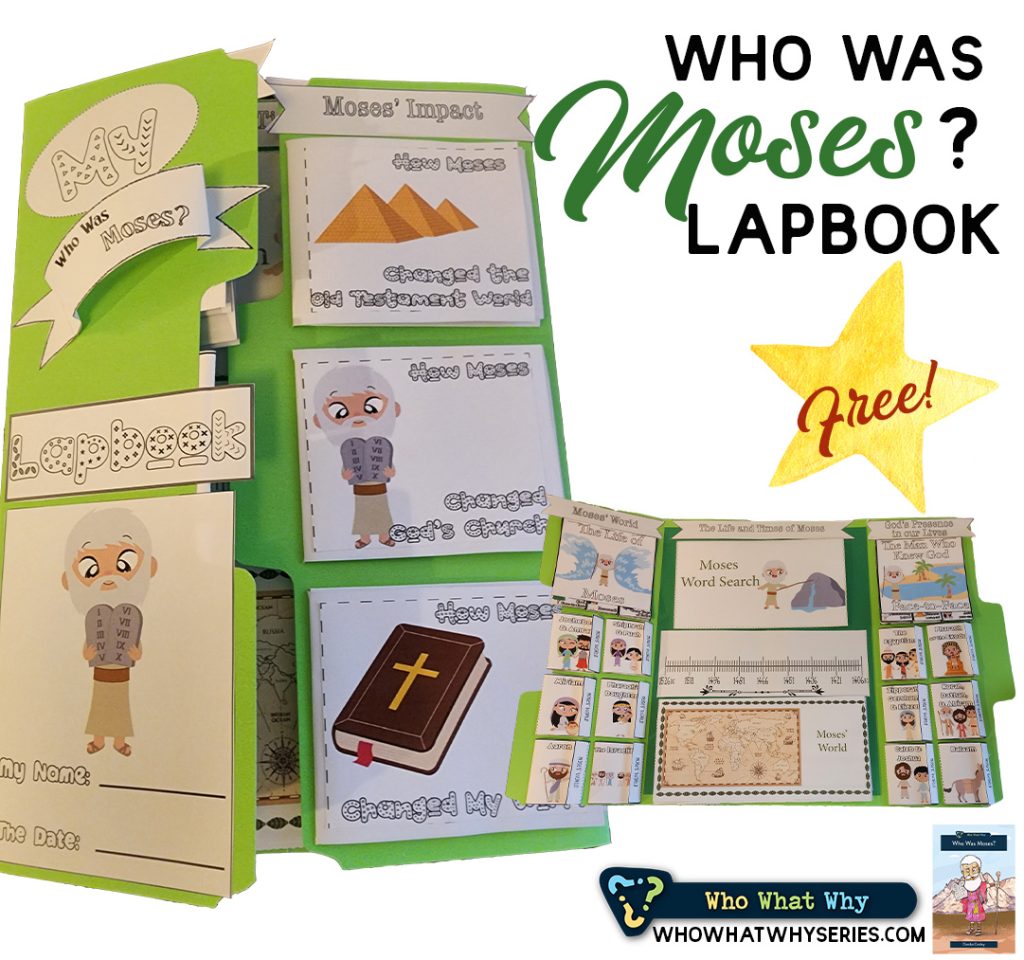
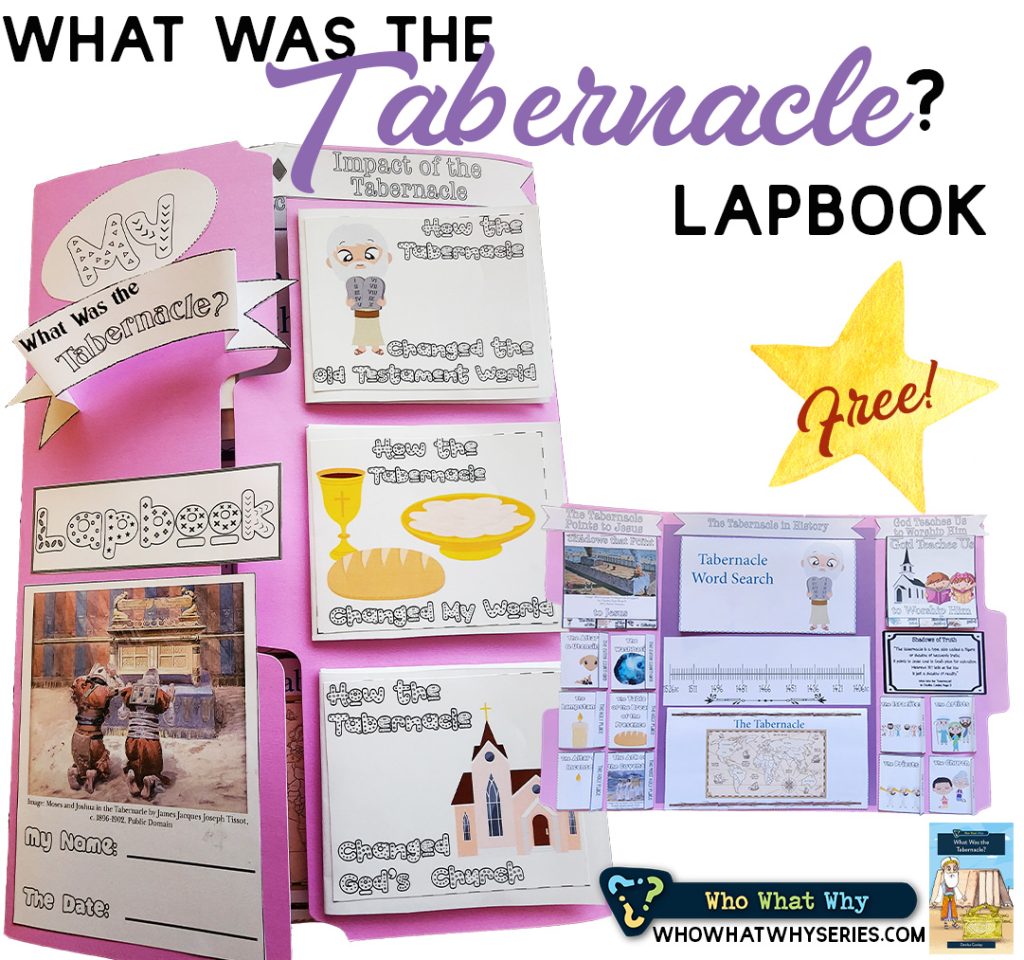
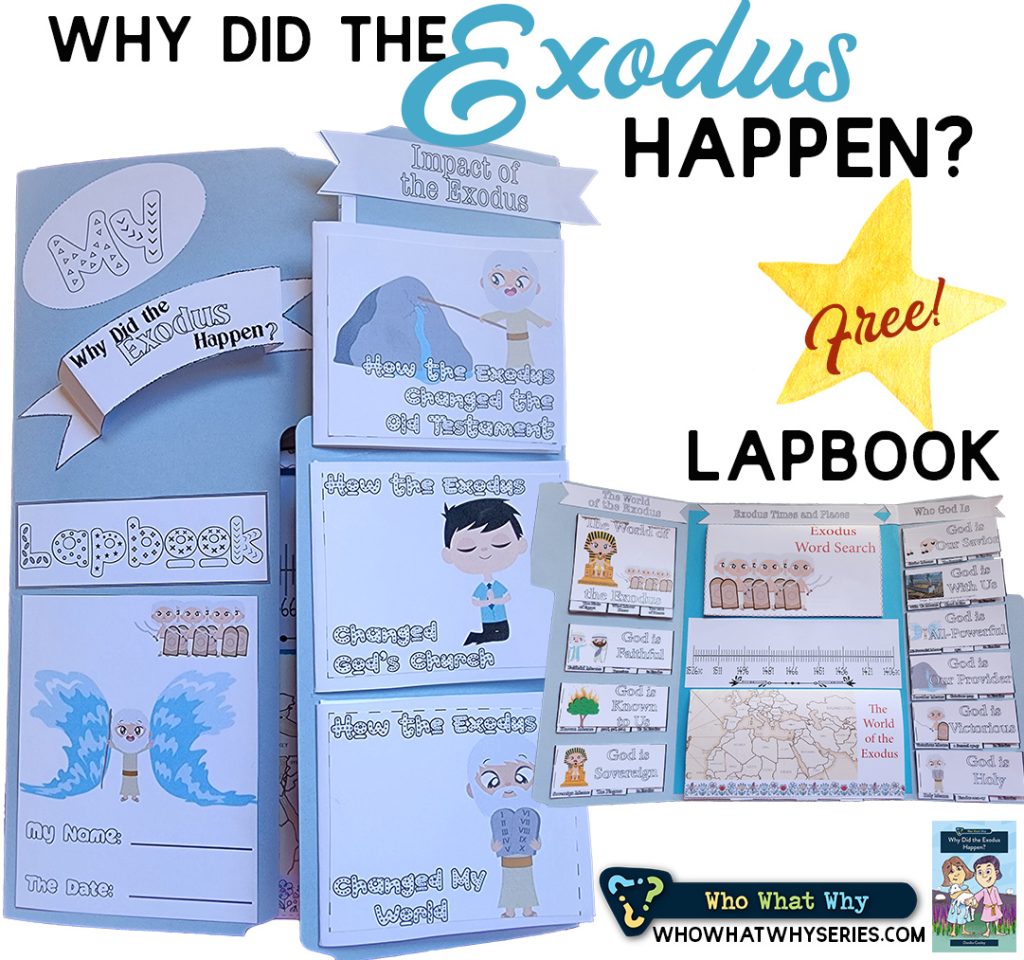
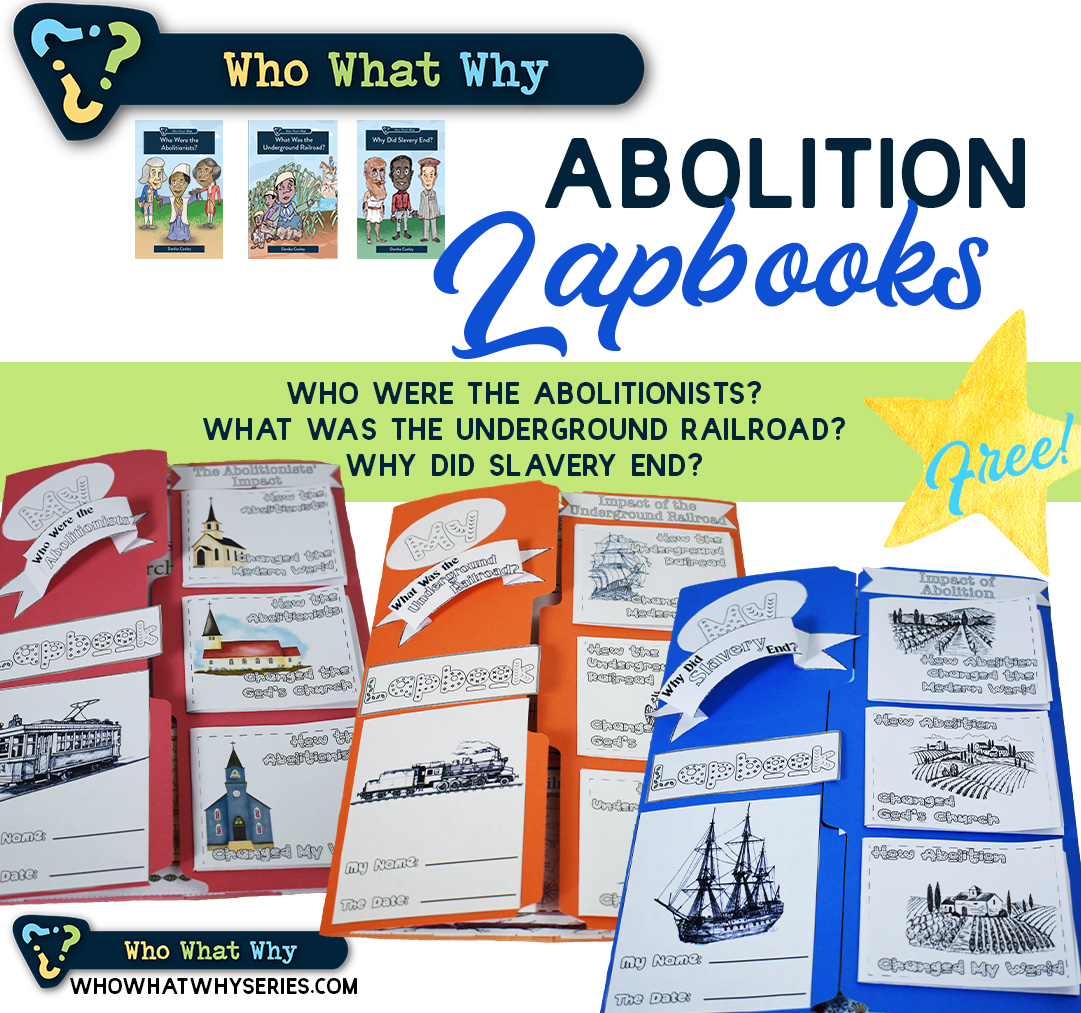
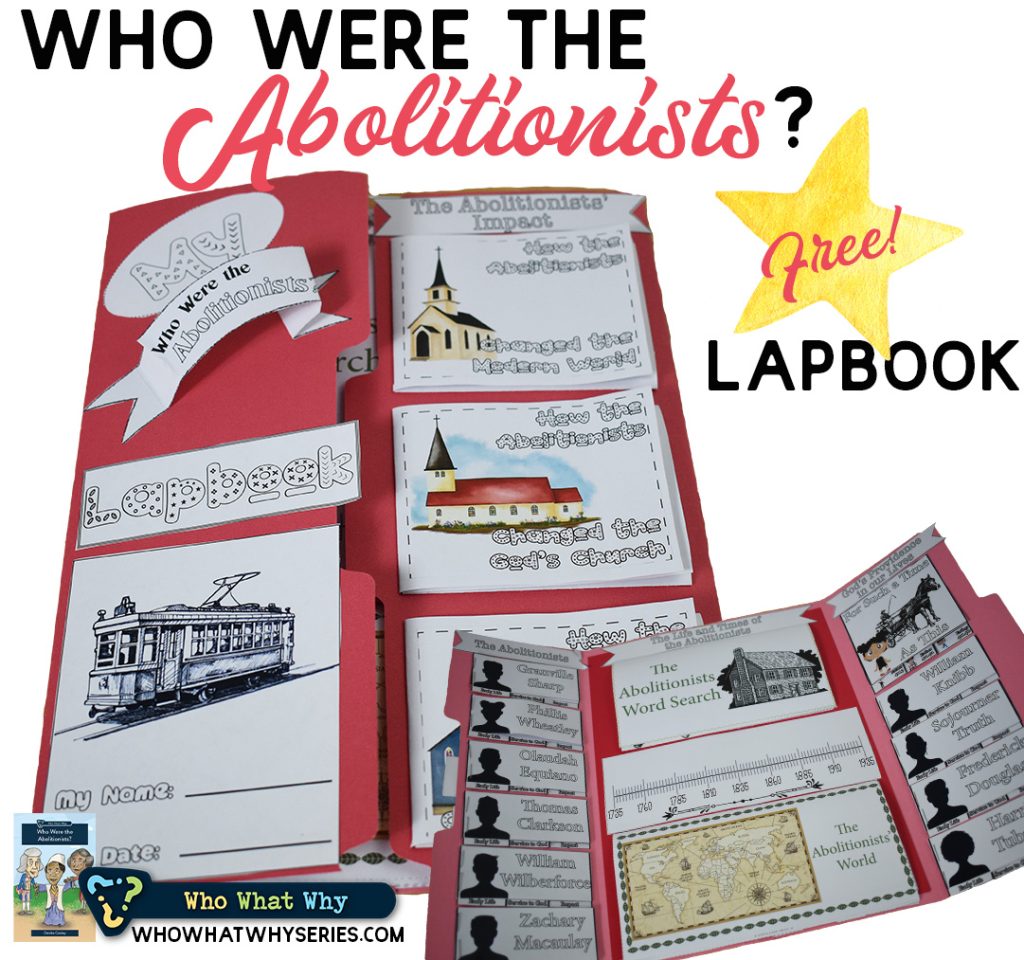
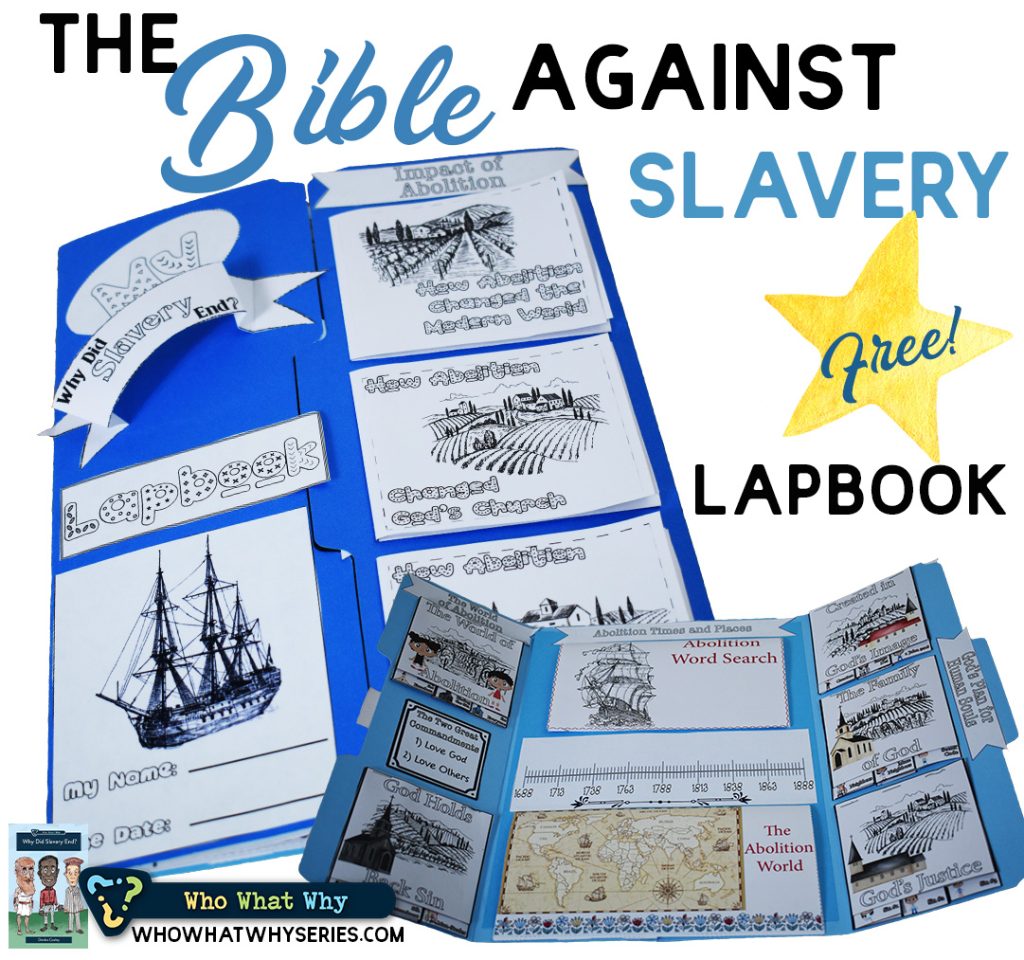
The Who What Why Christian history series of books has a series of free history lapbooks. They’re fun to make–and they allow your kids to keep track of important facts they learn about Christian history, the Bible, and theology.
Who What Why History Lapbooks | With the Who What Why lapbooks, your children will delve deeper into what they’ve learned, including:
The impact of each historical person and movement on history, on the Church, and on your child’s world.
The world throughout history. Your child will learn about what it was like to live during the time of each historical movement.
The people involved in each historical story.
Historical and theological vocabulary.
The timeline of each historical event.
The geography of each story.
Theology: Bible passages addressed in each story from history.
History lapbooks are a powerful tool to help your 7-12 year olds consider and remember what they’ve learned!
Danika Cooley’s Who What Why Christian history series is perfect for your 7-12 year olds. Your children will better understand the history of the Christian faith, the people who loved Jesus, and what the Bible says about really important issues! Danika is an award-winning children’s author and Bible curriculum developer. Her popular Bible Road Trip™ is used by tens of thousands of families.
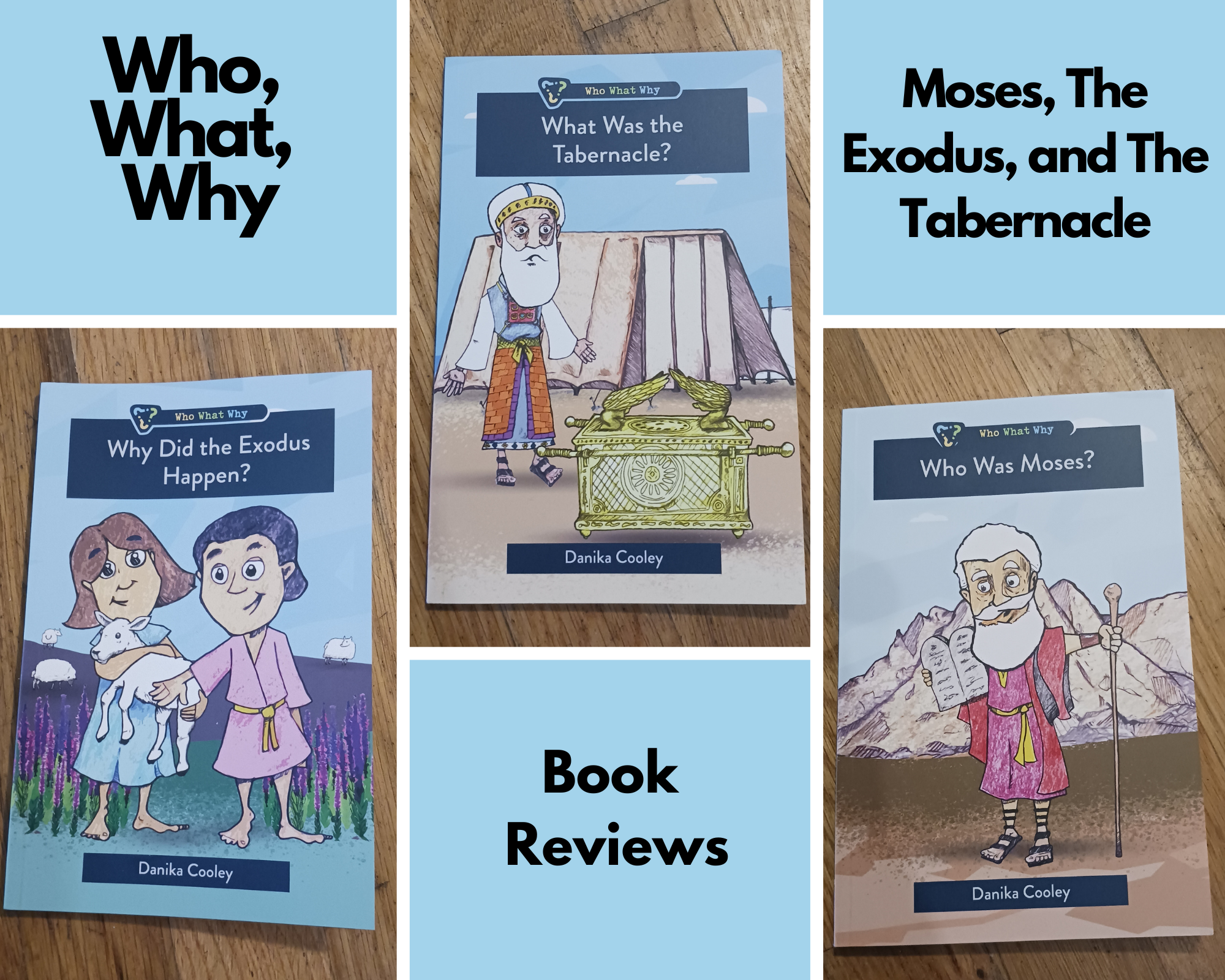
I am excited to share the latest three books in Danika Cooley’s Who, What, Why series with you! I always look forward to these books because they are engaging and full of great Biblical information to help us as I teach and disciple my children.
The three newest books in the series were released this month. They cover Moses, the Exodus, and the Tabernacle.
*Some links are affiliate links, see disclosure below*
Who What Why Series
If you are unfamiliar with the series, it consists of brief chapter books geared toward students aged eight to eleven. The books are nonfiction but engaging and sometimes humorous. In addition to the target age group, younger students could enjoy them and learn from them through read-aloud. In addition, older students would find them to be very simple but still educational.
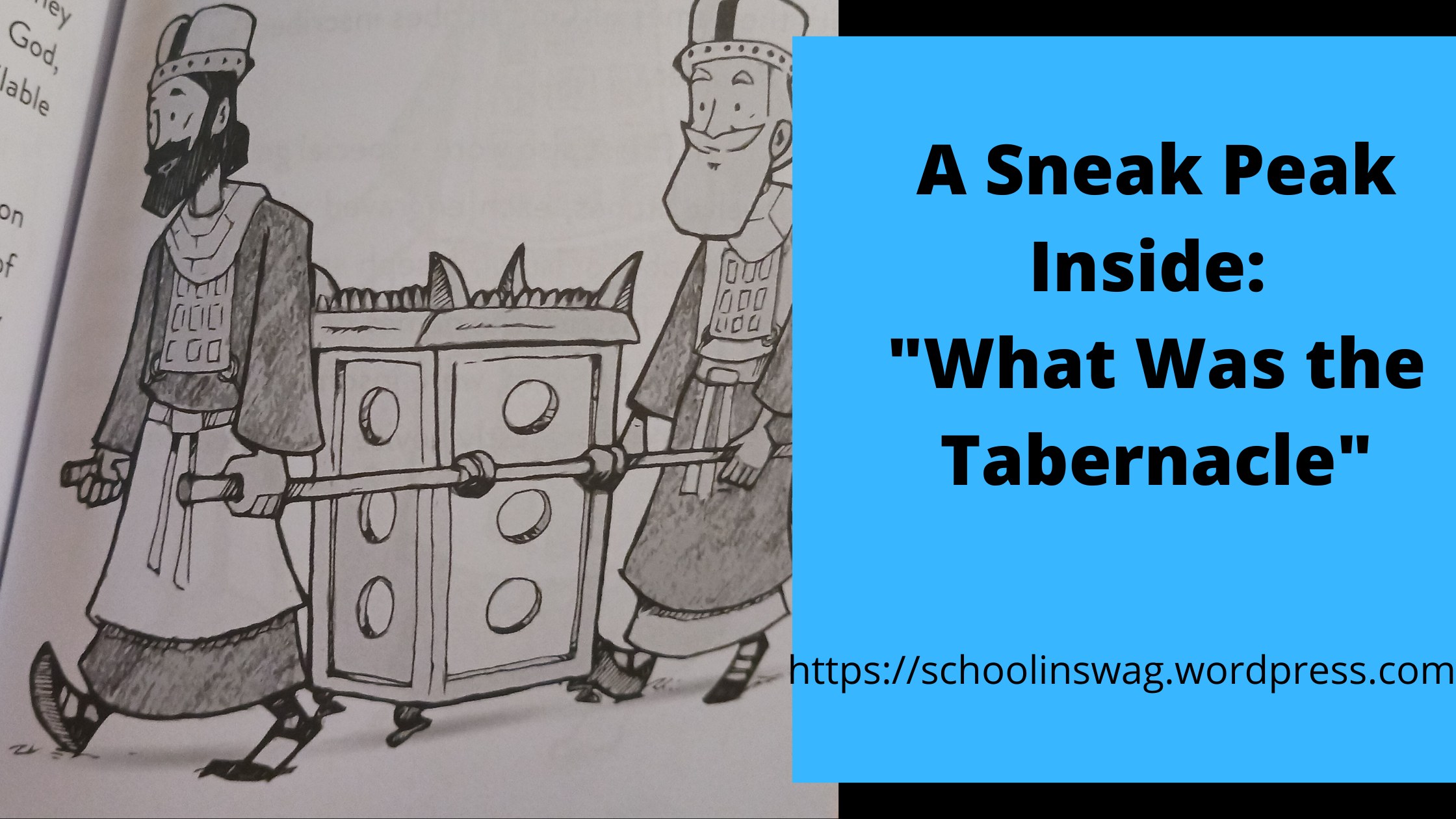
Each book contains illustrations that help the reader understand the book (and are often quite humorous), a timeline of events, and a works cited section so that you know where she derived the historical information.
Who Was Moses?
This exciting and easy-to-read chapter book details Moses’s life and contributions. It also explains how the events that happened with Moses point to Jesus. An excellent timeline in the back helps you understand how Moses’s life fits with other Biblical and historical events.
Did you know that while it should only have taken 11 days to walk from Mount Sinai to Kadesh, it took the Israelites over forty years? Did you know that Moses was 120 when God showed him the promised land?
While the facts are all included in scripture, this book helps to really break things apart and allows the reader to really understand Moses and his life.
Why Did the Exodus Happen?
All scripture is useful for teaching, but some of its contents can be a little challenging for children to understand. This book helps students better understand the Exodus, why it happened, and the historical timeline.
Many interesting facts help students (and parents) better understand the Exodus. For example, did you know that “The people of Israel left Egypt in the middle of the night with bowls of flatbread dough tied to their backs…There were six hundred thousand Israelite men walking out of Egypt. With their wives and children, the caravan probably numbered more than two million people.” While I have read about the Exodus multiple times, I had never really thought about just how many people were included.
Throughout this book, while learning about the Exodus, the reader is also introduced to the various characteristics of God. For example, God is Faithful, God is Known to Us, God is Sovereign, and God is our Savior.
It is a great resource to assist children in their study and understanding of the Bible.
What was the Tabernacle?
The Old Testament spends a great deal of time discussing the Tabernacle, both its physical characteristics and spiritual importance. This book helps students understand what the Tabernacle was and how that physical Tabernacle pointed to Jesus.
This book describes the Tabernacle’s physical description, information on how long it took to make, the materials used, the craftsmanship involved, etc. However, it also takes time to discuss the different feasts and procedures involved in worshiping God through the Tabernacle.
Then, it takes it a step further and discusses how things are different now because of Jesus and the New Covenant.
Conclusions
The Who, What, Why series is a great addition to any home library. They are useful as read-alouds or independent reading. You can supplement your Bible study or a study of Ancient History with these books. They could also work as independent reading.
These books are available to purchase at Thinking Kids Press (individually or save money and buy them as a bundle) or on Amazon.
Which title most interests you? What other titles would you like to see added to the series?
Resource Library and Affiliate Disclosure
When you sign up for the Schoolin’ Swag free resource library, you will get a link and password to the library. We add new items to the library each month. You will also receive a monthly newsletter email to keep you up to date on what we have going on.
This post may contain affiliate or referral links, including Amazon affiliate links. As always, I will never recommend a product that I don’t believe in, and you will never be charged more for purchasing through our links. It does help pay for the costs associated with the blog.
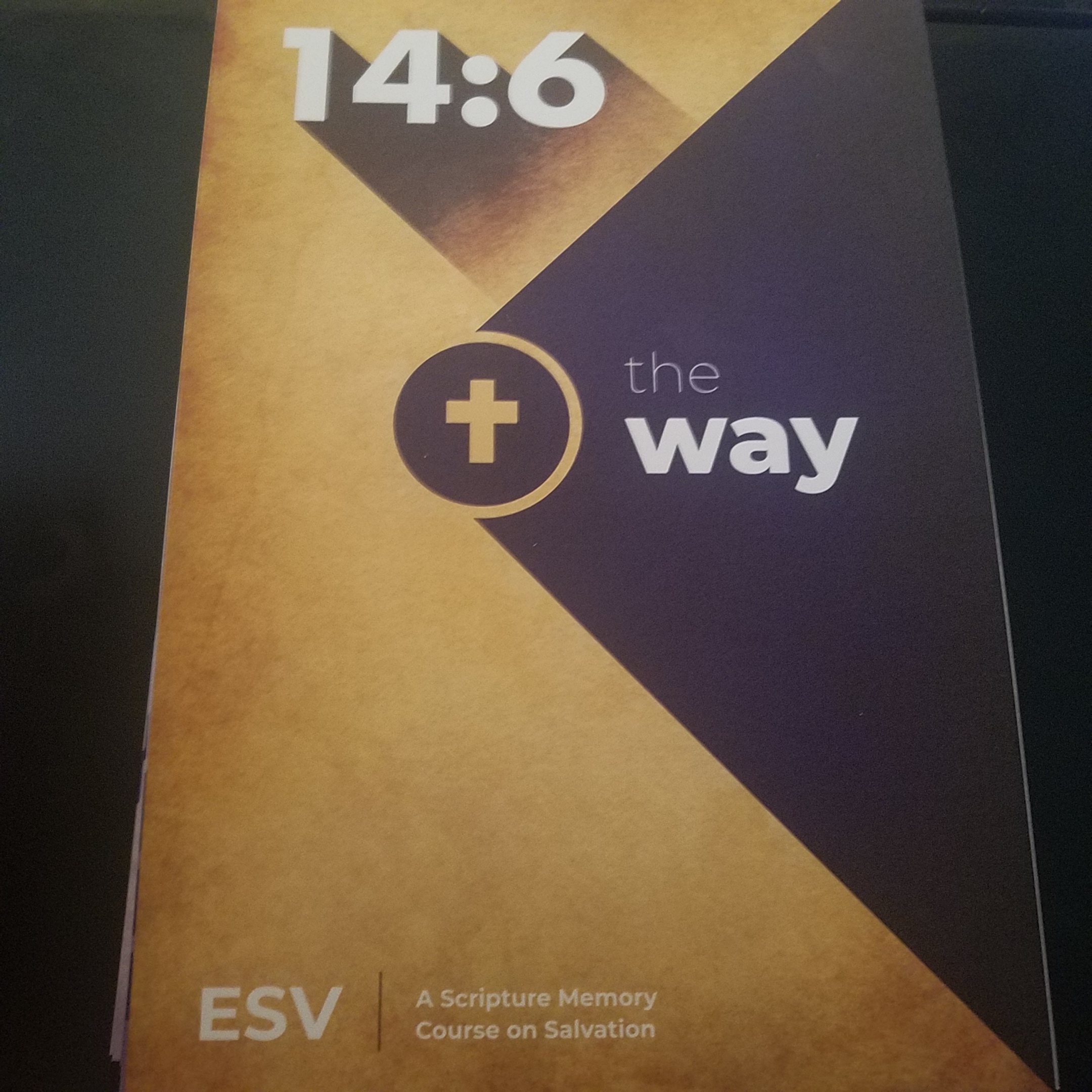
Like most of the reviews you see here, I planned to use 14:6 – The Way by Scripture Memory Fellowship with my children. However, life and God had other plans, and I ended up using it for myself. Around the time that it arrived in the mail, my father ended up in the hospital having major surgery. Suddenly, our ‘lazy’ summer days were spent with me driving back and forth to the hospital to give my mom a break and check in on my dad.
I had planned to use this as a part of our morning time routine, which we had added back to our days even though we were still enjoying summer break. However, we put our morning time routine on hold. While I plan to add it to our morning time this year, it worked out really well for me to use it for my Bible time and memorization.
What is 14:6 The Way?
14:6 – The Way is a scripture memory program that includes three different levels of scripture memory, recitation, and study. The program has seven units, with four lessons each, and you complete one lesson each week.
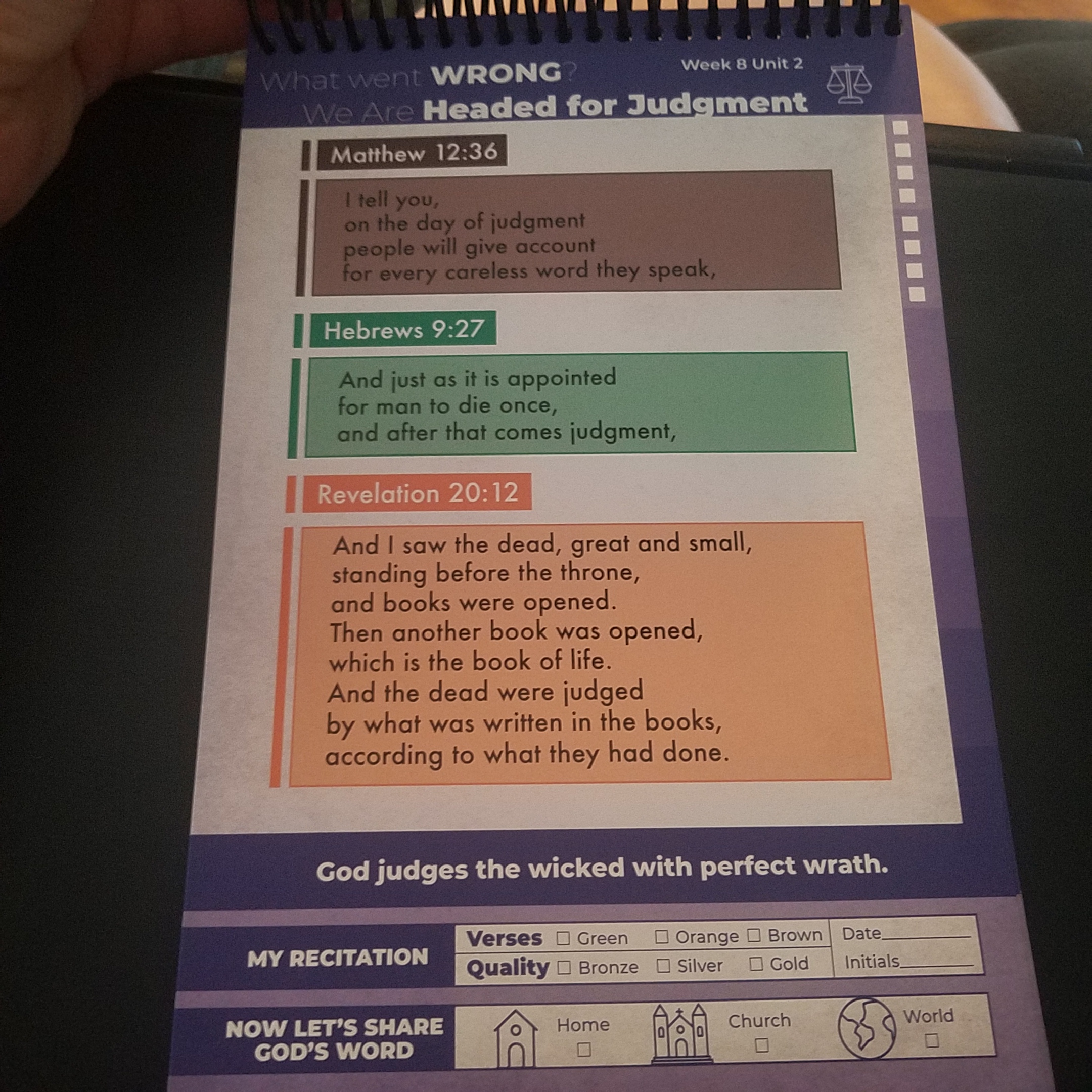
During the week, the user works on memorizing one to three Bible verses of increasing length. This allows younger children to participate with just the first shorter verse and older students or adults to learn two or three verses each week. The verses are color coded to help with organization. We chose and received the edition that uses the ESV for verses, but they also offer the KJV.
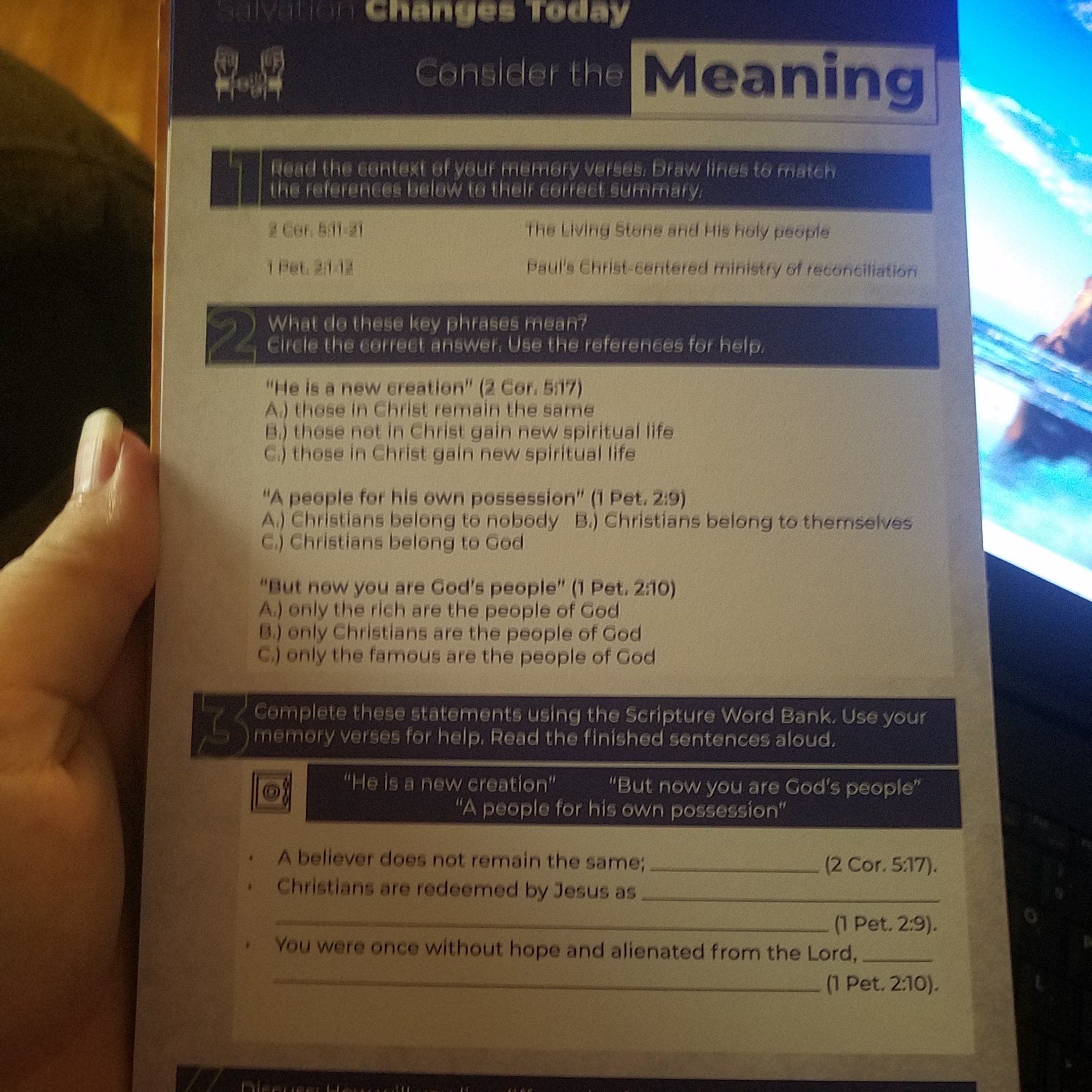
Each lesson is one page in the spiral-bound book. The front of the page has the three color-coded memory verses, the thesis statement for the week, and a place to check off how the student did with their recitation at the end of the week. It also has a place to mark how they shared God’s word that week.
On the back of the page is more information on the meaning of the verses. There is more reading to give context to the memory verses, multiple choice questions about the meaning, fill-in-the-blank questions to accompany the verses, and a discussion question.
How Did We Use It?
As I mentioned earlier, instead of my children, I used this product. During a stressful time, it was a blessing to have something to help me keep up with my time in God’s word and scripture on which to focus. I could study the scripture and work on memorization while I sat at the hospital and meditate on it during the long car rides each day.
Moving forward, we will work on memorizing the scriptures together as a family. My younger students will learn the first verse each week, and I will encourage my teens to memorize at least two each week. We will spend a few minutes on it each morning during our breakfast Bible time.
This program is very adaptable for different ages, abilities, and schedules.
What Did We Think?
I liked the program’s layout and that it included more extended readings for context. I appreciated that it had discussion questions to ensure our children understand the scriptures they are hiding in their hearts.
From the weeks I have used so far, I have found it to be scripturally based and not focused on specific denominational doctrines, which I appreciated.
Who Would I Recommend It For?
I think this is a good resource for a variety of ages. It is simple enough for elementary-aged children, yet with the leveled verses, families can use it for teens and adults. It is a simple way to get an entire family to start memorizing scripture together.
Last year we shared about Bible Breakdowns from Teach Sunday School, and this year we are excited to share about their new product, Bible Blueprints. The Bible Blueprints are divided into Old Testament and New Testament.
What Are Bible Blueprints?
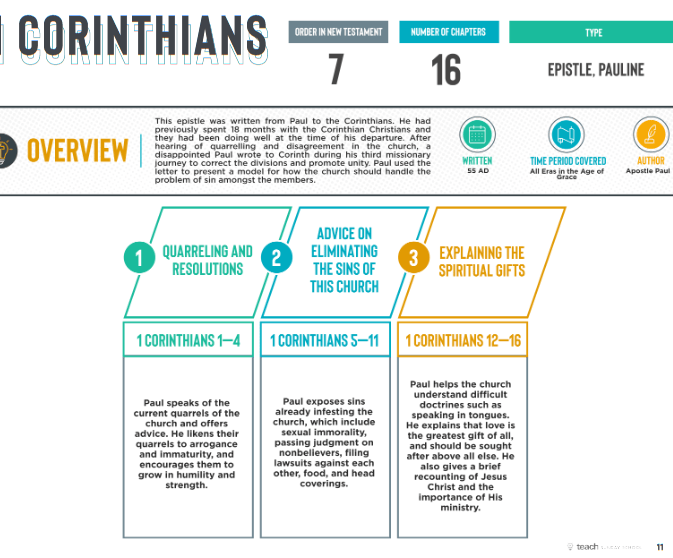
With-in the Old and New Testament sets, each page covers one book of the Bible. The page includes important information such as:
When it was written
Time period covered
Type of book
Number of chapters
Author
There is also a short one-paragraph overview of what that book covers.
Below that information is a guideline or blueprint of what is in the book, which breaks it down into more significant information sections. For example, 1 Corinthians is divided into three sections: Quarrelling and Resolutions, Advice on Eliminating the Sins of the Church, and Explaining the Spiritual Gifts. The author then goes on to give an explanation and overview under each of those headings.
How Can You Use Bible Blueprints?
These could be great to use in your homeschool to help students get a better understanding of the sequence and flow of the Bible. Sometimes students have difficulty understanding how it all fits together, and these pages can help them see it more in the big picture.
The Blueprints are also an excellent resource for your Bible study. You can use them before you dig into a particular book of the Bible to help you get a bit of context (what type of book, who wrote it, and when it was written) as well as an overview of what will be covered in the book.
I could also see them being a lot of fun used in a trivia or Jeopardy-style game with your students. They could help them memorize the authors, the location in the Bible, timeframes, etc., and then answer trivia questions about that information.
Our Thoughts
We thought this was a great resource. I appreciated how it included the background information at the top to help you better understand the context of the book.
The layout was simple and easy to read while still being visually appealing. The use of different colors helped to make it easier to read.
I think Bible Blueprints would make a great Bible resource for any family, and anyone old enough to read could use them.
I encourage you to click on the graphic below to check out what other Crew Families thought about this resource.













 The Schoolin' Swag Blog