Dynamic Christian Living Positive Action Bible Curriculum (Review)

Disclosure: I received this complimentary product through the Homeschool Review Crew.

Positive Action Bible Curriculum

My daughter enjoyed her Bible curriculum on Proverbs from Positive Action Bible Curriculum last year; therefore, I was excited for the opportunity to review another one of their selections. We reviewed Dynamic Christian Living, designed for middle and high school students.


What is Dynamic Christian Living?


We received the student book and teacher’s manual for Dynamic Christian Living. This curriculum covers basic Christian doctrine, salvation, the study of the Bible, and the power of prayer. The student book was a 271-page paperback workbook and the teacher’s manual was enclosed in a three-ring binder. The manual was organized with tabs into teaching material, testing material, and the answer key.


Each week there is a guided lesson for the parent or teacher to do with the student. The teacher would teach the lesson and the student would complete a guided notes page in the student manual. Then there is work in the student book for the student to complete independently. It took my daughter about an hour to ninety minutes each week to complete the lesson.
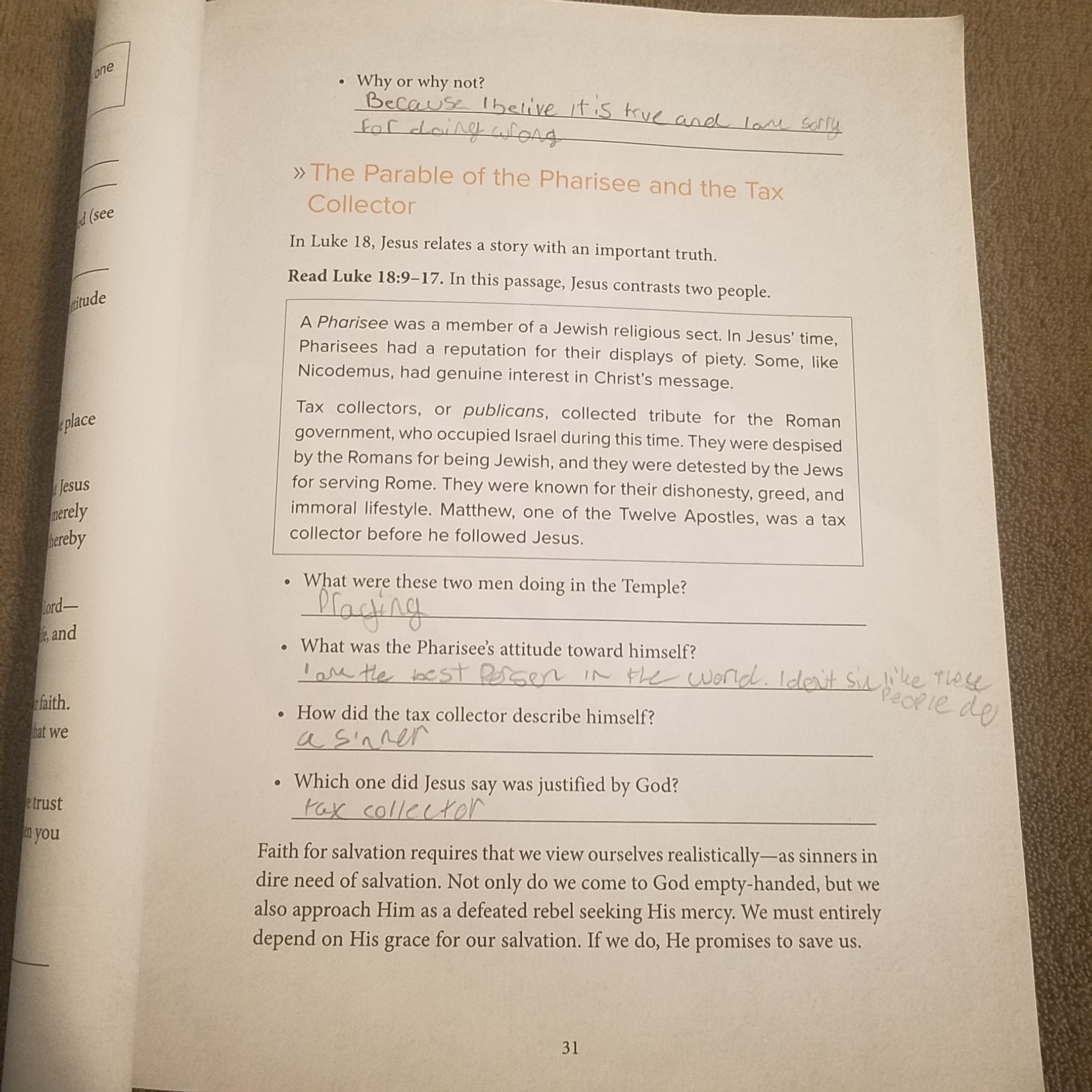
Sample Student Page


There are 35 lessons in the book, which works out to one lesson per week for most students.
The manual also includes tests and quizzes that we could use for student evaluation. There is an optional scripture memorization plan as well, but we chose not to use that memorization plan since my daughter already does other scripture memorization.
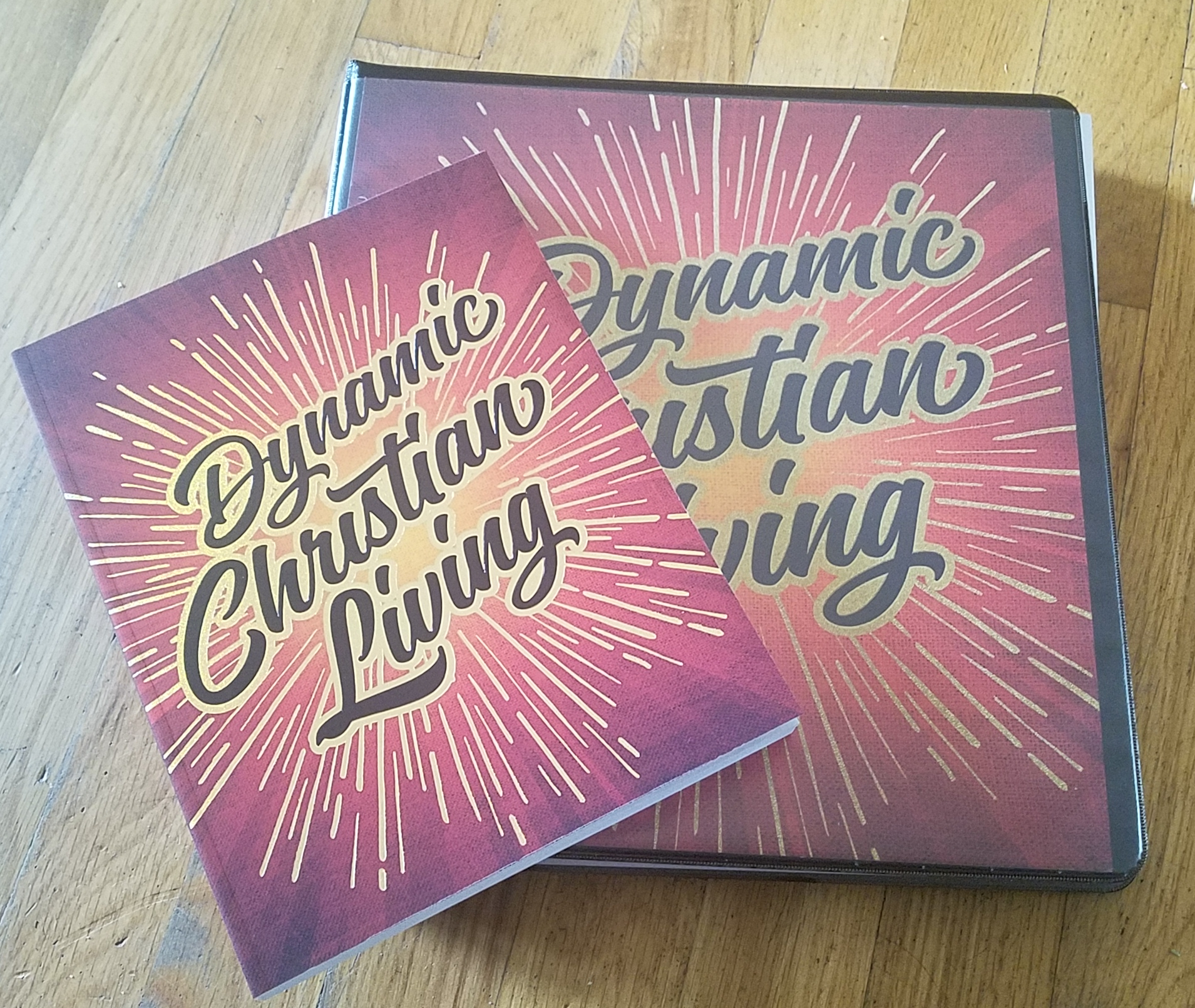
Positive Action Bible Curriculum Daily Christian Living

What is Included in the Content?

  • Unit 1: Birth (Salvation)
  • Unit 2: Growth (The Bible)
  • Unit 3: Breath (Prayer)
  • Unit 4: Communication (Witnessing, Sin, Questions)
  • Unit 5: Behavior (Living a Godly Life)

What Did My Daughter Think About Daily Christian Living?


“I have enjoyed working on this bible study. So far, it has talked about salvation, faith, grace, and a few other words relating to those topics. It has me read a section from the Bible, answer questions, and it explains some of what I read and helps to tie it into the word we are discussing.
While I have learned from this study, it would make an excellent curriculum for someone who didn’t know how to be saved.” Elizabeth, 14


What Did I think?

Student Book and Teachers Manual


Overall, we like this program. I love that it is set up to allow me to stay involved but also has students work through some of it independently.


I appreciate that it is more than surface-level devotionals or character education.


I did feel like they underemphasized baptism when they discussed the process of salvation and receiving the Holy Spirit. Otherwise, I was pleased with the theology and thought it was Biblically accurate. Since the parent is involved in the lesson, it allows me to continue to monitor the theology to make sure it aligns and facilitates any necessary conversations about Biblical interpretation.


We plan to have her continue to use this program and believe that it will help her in her Biblical foundation. While some of the first chapters were mostly review for her because of her spiritual maturity, I believe that the three units she has left will help her continue to grow.
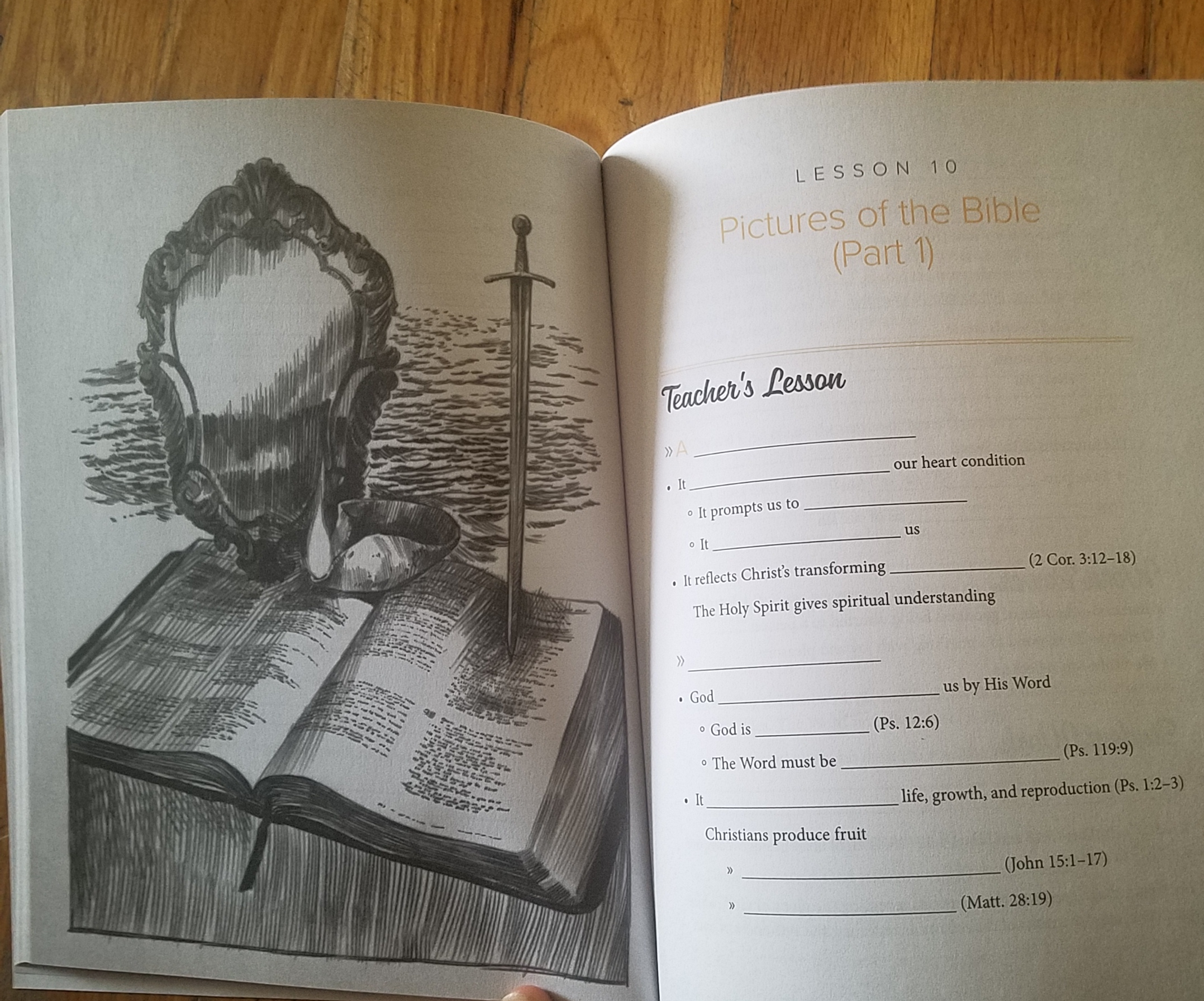
Inside of Student Book


I encourage you to click on the graphic below to see what other families thought about Dynamic Christian Living and several other selections from Positive Action Bible Curriculum.


Bible Curriculum for Homeschool

Memoria Press Famous Men of Greece

Disclosure: I received this complimentary product through the Homeschool Review Crew.

Memoria Press

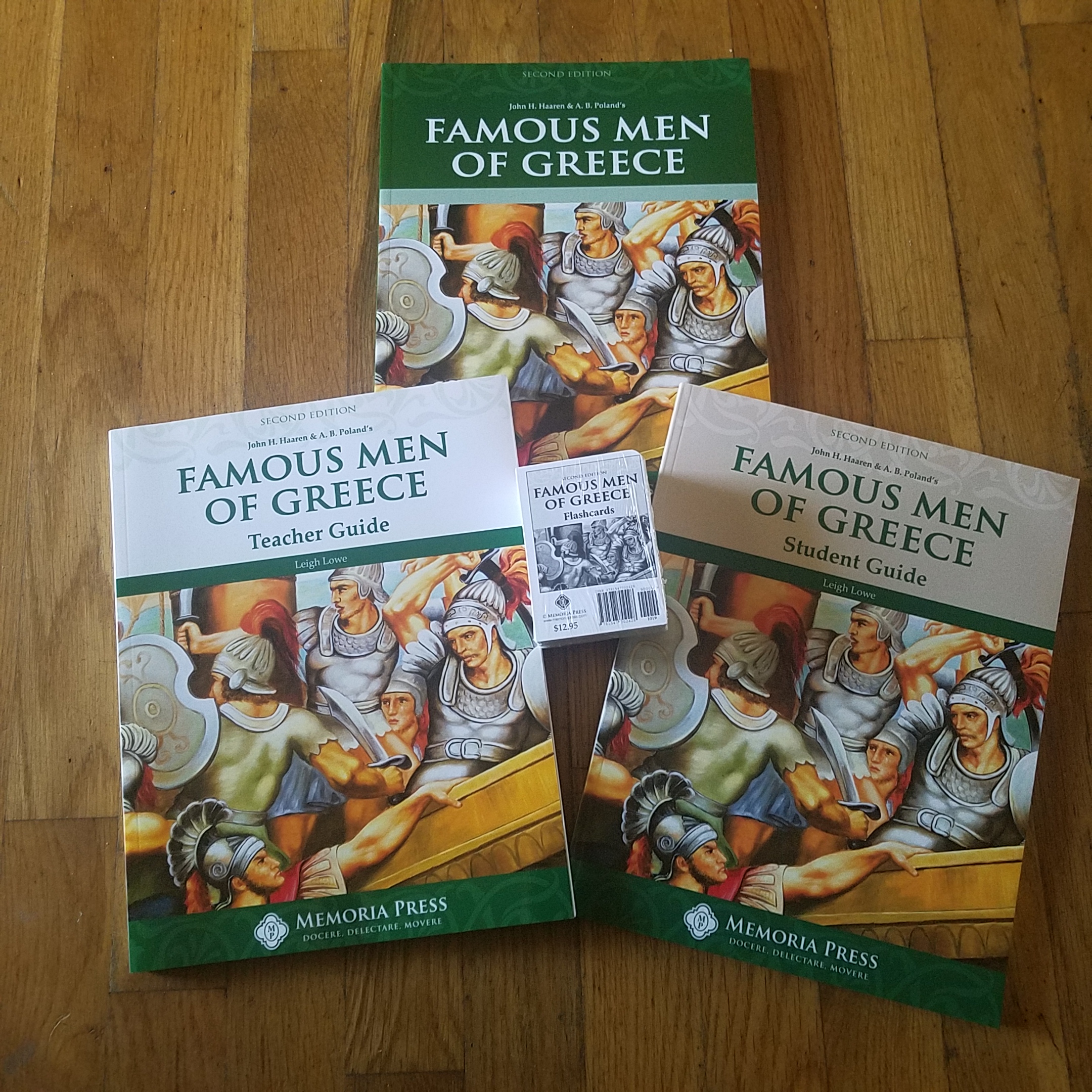
I have had the opportunity to review Famous Men of Greece from Memoria Press over the last few weeks. I was given the textbook, student guide, teacher guide, and flashcards. I was happy to check it out because it tied in nicely to the era in history that I have been covering with my elementary and middle school students.

What is Famous Men of Greece?

Famous Men of Greece is a history program designed primarily for middle school-aged students. The program includes a student textbook broken down into sections focusing on different men from Greece. For example, it covers Socrates, Philip of Macedonia, Alexander the Great, and Aristotle.

It also covers the Gods of Greece and the Fall of Greece.

There are many pictures throughout the book, which help keep it exciting and engaging for students. 

The book is 126 pages long, including the table of contents and a pronunciation guide at the end of the book.

The set also includes a student guide which is a workbook that accompanies the text. 

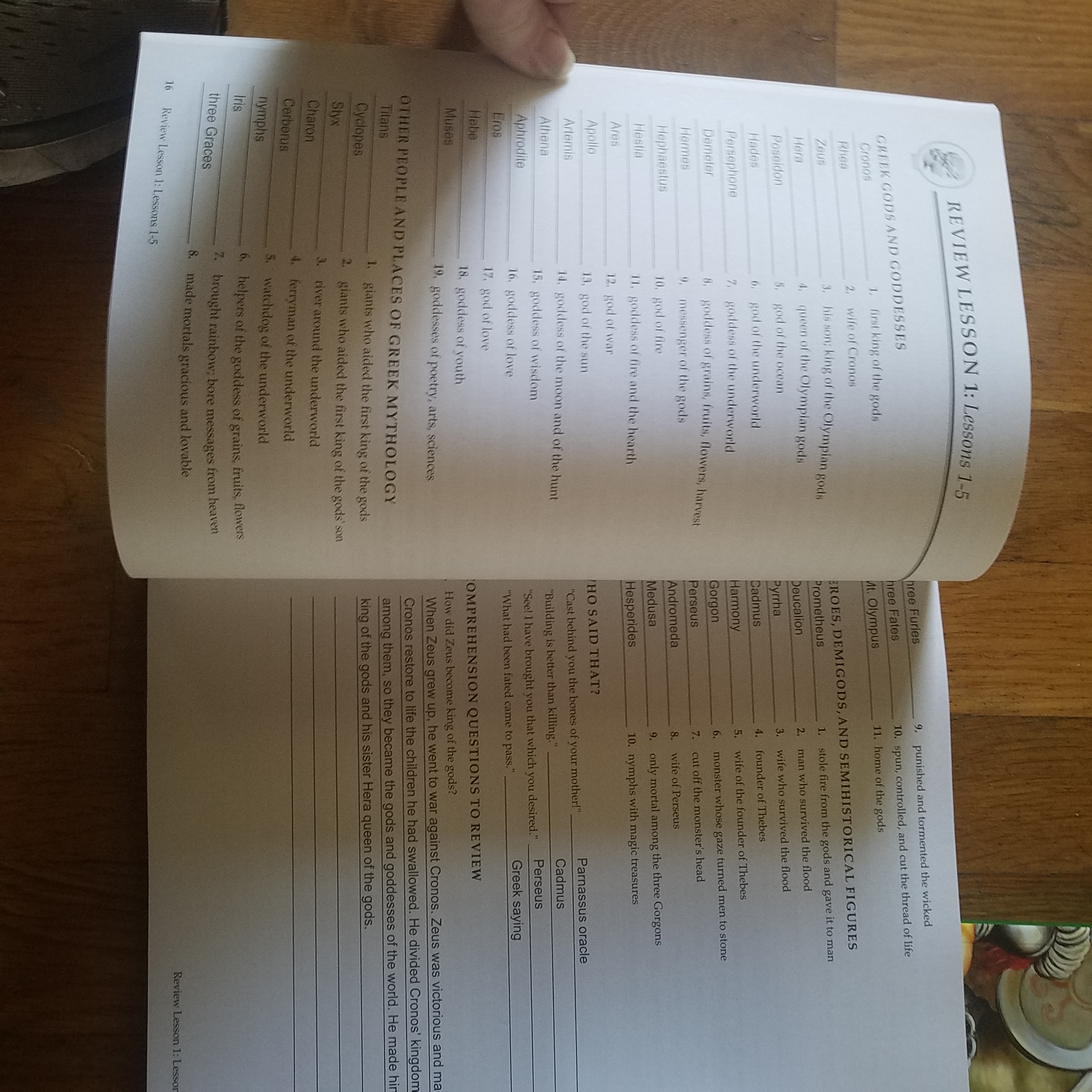
Each lesson includes vocabulary, facts to know, and comprehension questions. There are also additional activities that often involve mapping or timelines.

The teacher’s manual includes an answer key for the student guide and tests and a final exam.

Finally, the set includes a nice pack of flashcards. These flashcards can be a great way to review the material, and you can use them as traditional flashcards or create a game to help make studying more fun.

How Would We Use Famous Men of Greece?

Famous Men of Greece is a very classical style product. Since our family leans towards a more Charlotte Mason style approach, we would adapt our learning. The textbook is written in an exciting story-style fashion that works well for classical and charlotte mason style families.

In our family, we do not use a lot of workbooks for history, especially before high school. However, using the comprehension questions as discussion starters could be a great resource. We would read the section in the textbook together and then discuss the vocabulary and comprehension questions.

Teacher’s Guide

Who Would Benefit From Famous Men of Greece?

I think that the Famous Men of Greece would be great for middle grades students who like using a classical or traditional approach. It is also a good resource for adapting to families that enjoy a Charlotte Mason style approach.

The program could also be a part of a high school curriculum, particularly for a student that did not have a strong history background.

The Review Crew is reviewing Famous Men of Greece and several other products from Memoria Press. Click on the graphic below to see how other families used these products in their homeschools.

Classical Christian Education

Tuesday Tips: Relationships Over Academics

I only have to learn some lessons once, but this is one that I have to remind myself and use to help evaluate our schedule constantly.

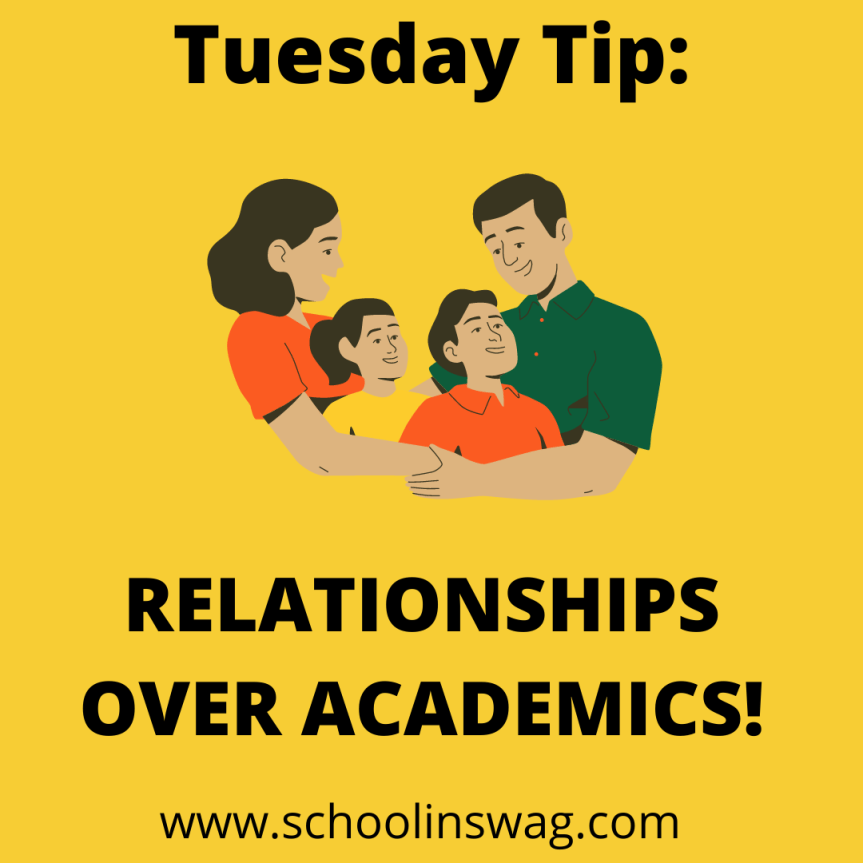
Relationships are more important than academics! 

*Some links in this post are affiliate links, see disclosure below*

Some of you are shouting Amen, and others wonder if my children can read or if I threw out the textbooks. Hear me out; I am not saying that academics aren’t important or that we shouldn’t be teaching our children a wide variety of subjects. However, I do strive to put relationships first in our home.

When I think about relationships in this context, I think first of our relationship with God and second of our relationships with the family (marriage, parent/child, and sibling). 

Our relationships with others outside of our homes are also meaningful.

Relationship with God

Mark 8:36 says, “For how is a man benefited if he should gain the whole world and he should lose his soul?”

I do not believe that our relationship with God excludes academics; on the contrary, I think that he gave us minds to learn and grow. However, I think that my children’s relationship with God is ultimately far more important than their academics. That means that I try to prioritize our time in the Word, our time worshipping, and our time in discipleship.

It also means that if I see issues with a child’s relationship with God or struggling with sin, I do not mind putting the academics to the side while we deal with that. I try to keep eternity in mind when setting our priorities.

Family Relationships

I need you to know that I am preaching to myself as much as I am sharing with you on this one. When you are in the same house, doing school, meals, and all of life together, it can create close relationships. However, it can also create friction.

Marriage Relationships

It is vital to take the time to work on the relationships within your home. First, as a homeschool mom, it can be really easy for me to get wrapped up in homeschooling, house cleaning, and feeding the children who eat like hobbits.  

None of those are bad things, but if you are not careful, they can cause you to neglect your marriage. Sometimes you need to put away the lesson planner, turn off the computer, and focus on your spouse.

This might also look like stopping school in the middle of the day to take your husband something he forgot or help him with a project. Your children will benefit from seeing you prioritize your spouse.

Sibling Bumper Car Fun!

Sibling Relationships

This might just be at my house, but I think my children are far harder on each other than they are on people outside of our home. We struggle with raised voices, tense words, and unkind actions in our sibling relationships. While I do not think this is uncommon, I also believe it is essential that we take the time to address those issues.

For our family, that has meant stopping schoolwork to have family discussions or to help two children work through their issues. It has also meant adding in sibling Bible study to help them understand how God wants them to treat one another.

Other times, it means encouraging them to stop what they are doing to help out a sibling or to go and support them at an event.

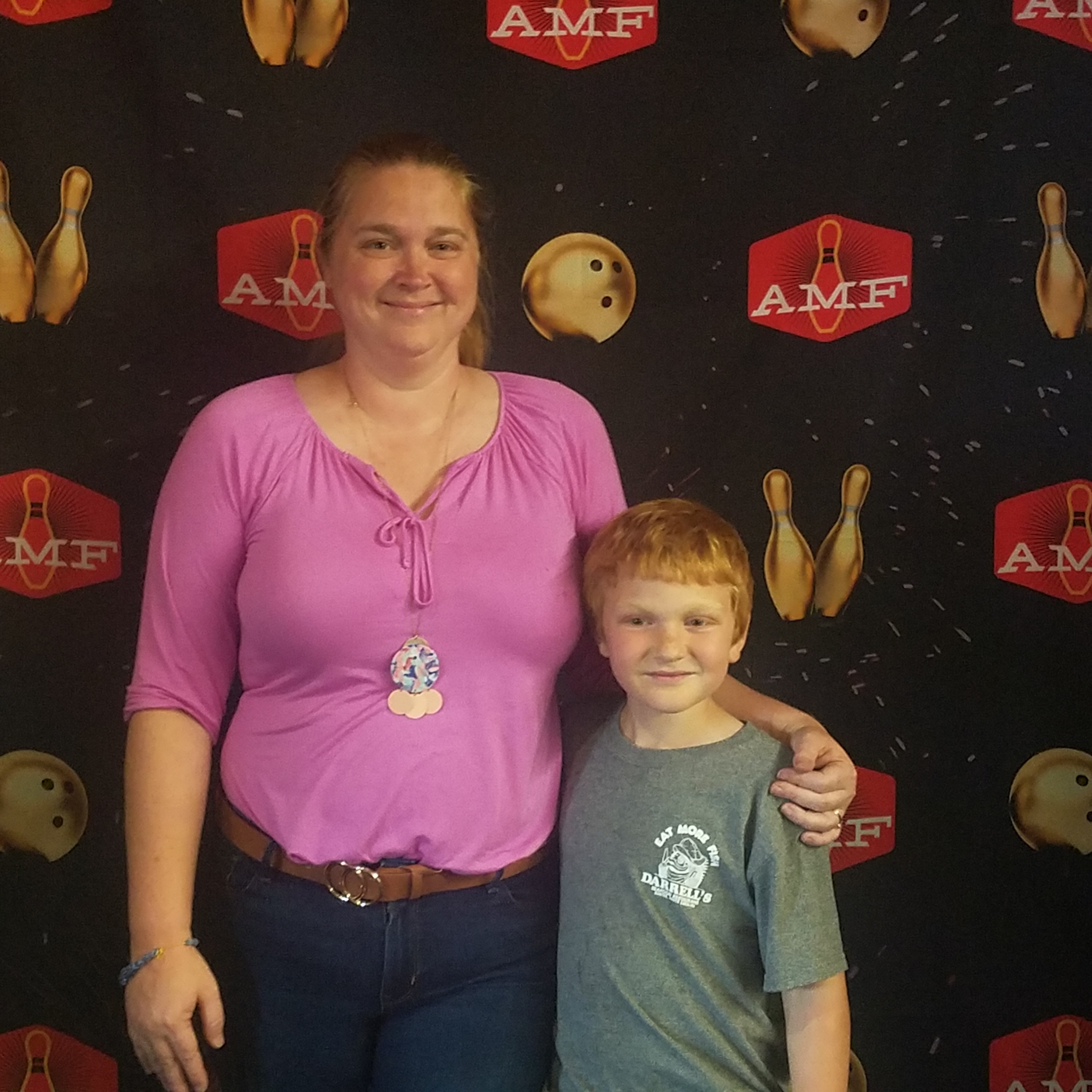
Mother Son Bowling Fun!

Parent/Child Relationships

Last but not least are the parent/child relationships. Putting relationships first in this category means spending time together that does not revolve around school, and it might mean taking a day to hang out and have fun or taking the time to listen when they are having a tough day.

For us, it also meant getting an online program with tutoring for upper math. I love teaching my children and learning along with them. However, my son and I were constantly at odds over Algebra.

There were tears and harsh words, and it strained our relationship. After much discussion, we tried a different program for Geometry (Thinkwell) that had online tutoring. Having someone else help out with that one class was so worth the benefits to our relationship.

Relationships with Others

In addition to our family relationships, we need to think about our relationships with others. This might mean friends, neighbors, church family, the mailman, or anyone you come into contact with on a given day.

At this point, your teenagers might agree with me and use this as an excuse to hang out with their friends instead of doing math.

What Does That Look Like?

That is not what I am talking about, but it might look like taking the day off to sit with a friend whose parent is having surgery or supporting a friend going through a difficult time.

I am not saying that we should put aside academics for every social activity. However, we must remember it is okay to set aside academics for a day or a time to help others. A day spent with grandma will be remembered long after that history lesson. It is okay to take a break from math and help your neighbor get her heavy groceries put away.

Overall, academics are necessary but not as important as relationships. Relationships have a lifelong and sometimes eternal impact!  

Resource Library and Affiliate Disclosure

When you sign up for the Schoolin’ Swag free resource library you will get a link and password to the library, we are adding to the library each month with new items. You will also get a bi-weekly newsletter email to keep you up to date on what we have going on.

Resource Library 

This post may contain affiliate or referral links, including Amazon affiliate links. As always I will never recommend a product that I don’t believe in and you will never be charged more for purchasing through our links. It does help pay for the costs associated with the blog.

Deals and Freebies

If you have not tried SchoolhouseTeachers.com, you don’t want to miss this sale!

Journey Homeschool Academy is having their early bird sale! It is their best deal of the year and we love the high school science courses.

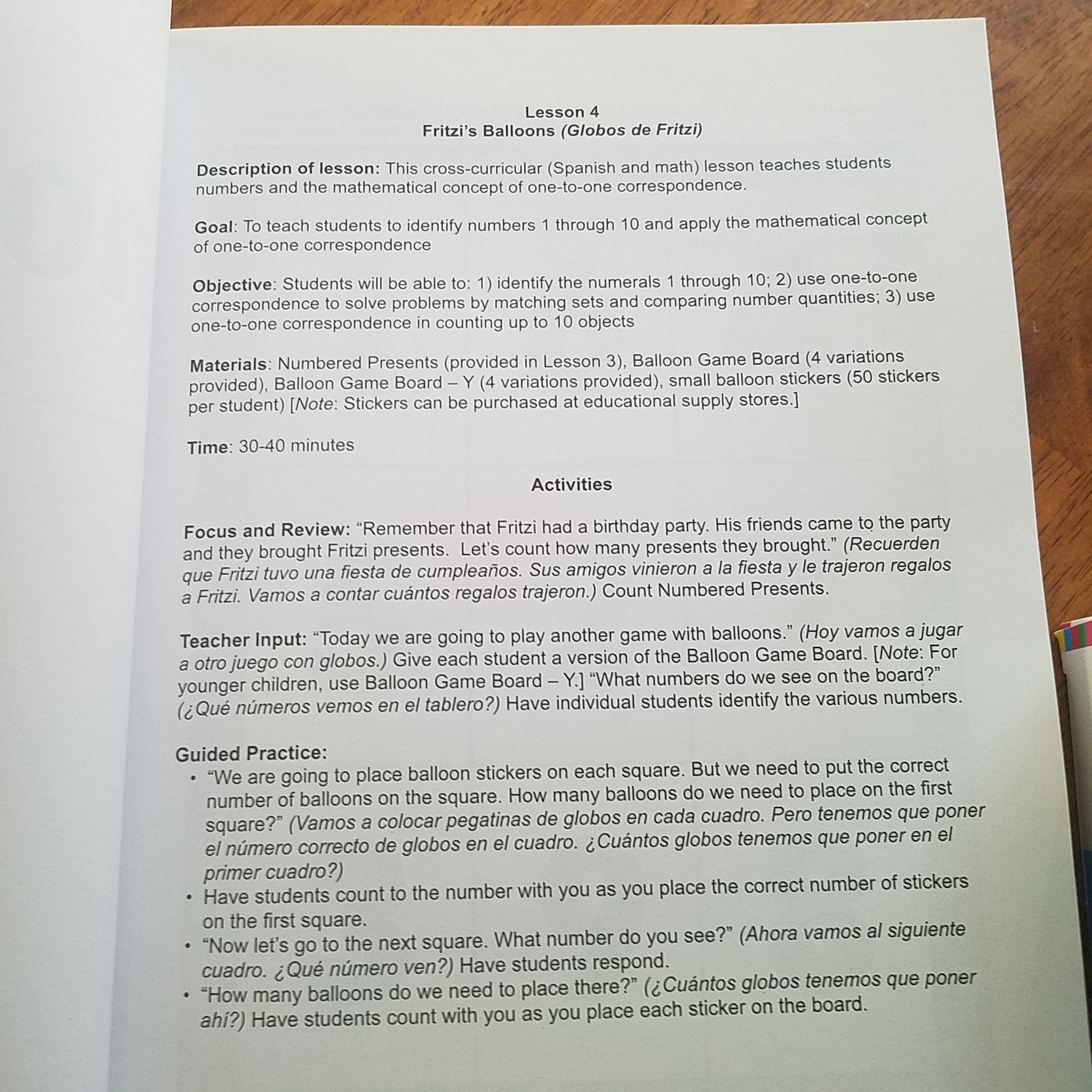
Whistlefritz Spanish Review

Disclosure: I received this complimentary product through the Homeschool Review Crew.

Whistlefritz

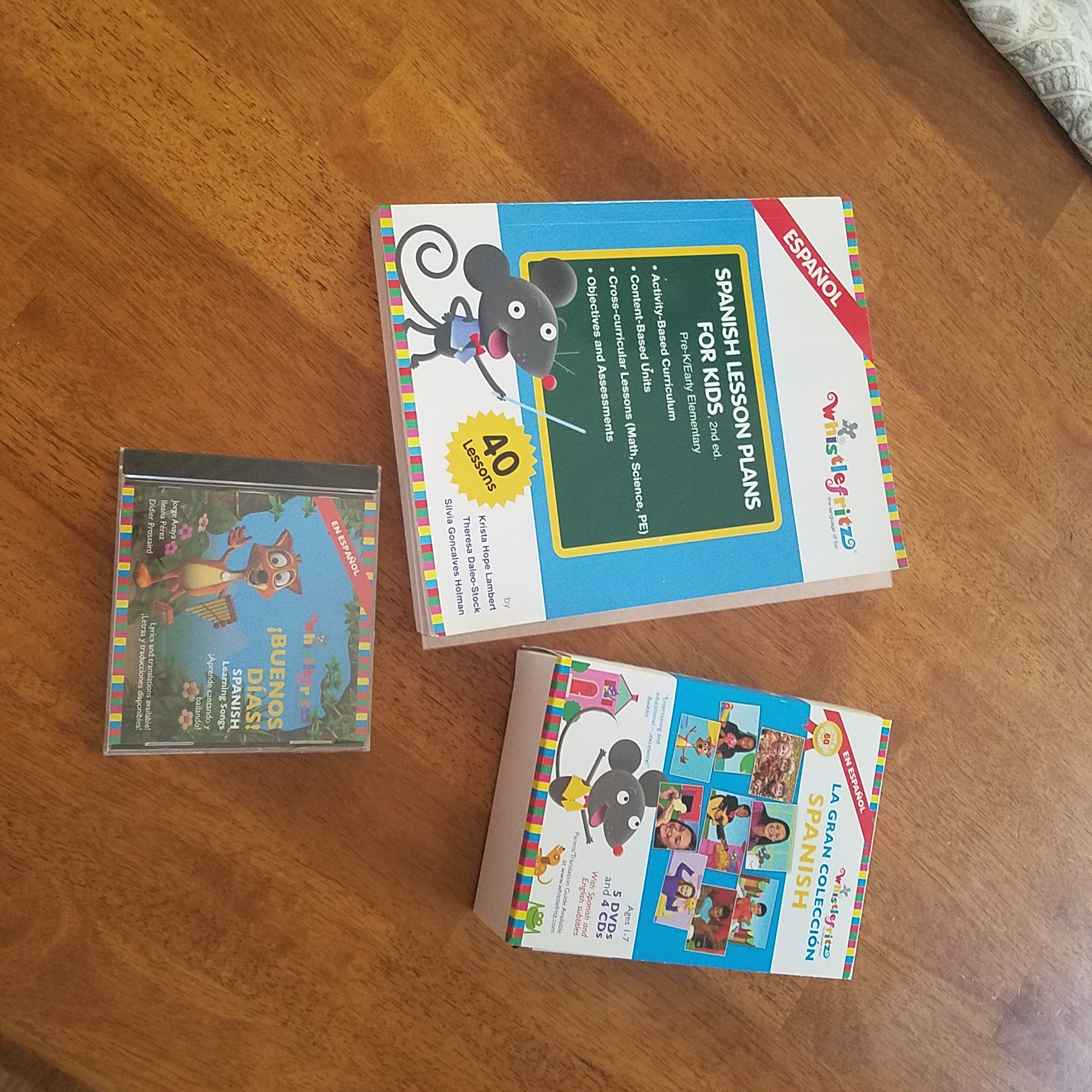
My second grader had been asking to learn Spanish, and I honestly just had not made it a priority. When I heard about Whistlefritz, I decided it would be an excellent opportunity to try Spanish with both my second grader and my four-year-old. We received the Educator’s Spanish Collection (with ¡Buenos Días! and La Música) for our review.

What is Whistlefritz?

Whistlefritz is a language program geared towards prekindergarten and early elementary students.
The kit includes a teacher’s manual with lessons and activities, videos accompanying the program, and a CD with music. There is also a set of memory matching cards. A downloadable parent’s guide also gives a suggested schedule for homeschoolers. That schedule is flexible and can be adapted to fit the needs of individual families.

During an average week, the parent would lead a lesson that introduces the concept for the week. For example, one week, we learned the colors in Spanish. The program is also cross-curricular and introduced the idea of primary and secondary colors in that lesson.

After introducing the lesson, there is an activity to complete together. There are suggestions for which videos/video segments and songs on the CD to do throughout the week to reinforce the concepts.

For instance, after the lesson on colors, we watched a video about a birthday party that talked about the colors of different balloons. The videos are immersion-style, with everything being in Spanish. There is some live-action with an instructor and young children and some animation.

How We Used the Program

The guide suggests doing Spanish 4-5 days a week, but we usually fit Spanish in 2-3 days a week. However, with the program’s flexibility, that was not a problem.

I would teach a lesson one day a week, and then they would watch the videos on the other days. The classes generally took me about 10 minutes and then another five to ten minutes for the activity. The book appears to be written for classroom instruction, but it was not hard to modify for home use.

They enjoyed the songs, and I am looking to get an inexpensive CD player for the boys to listen to those as they do other activities during the day. We currently have to use a computer to listen.

My four-year-old is on the young side (just turned four) and did not pick up on the language as quickly as my second-grader. However, he enjoyed the videos, and I think the exposure was beneficial. He can repeat the program next year and continue to add to what he is learning.

Our Opinions on Whistlefritz Educator’s Spanish Collection

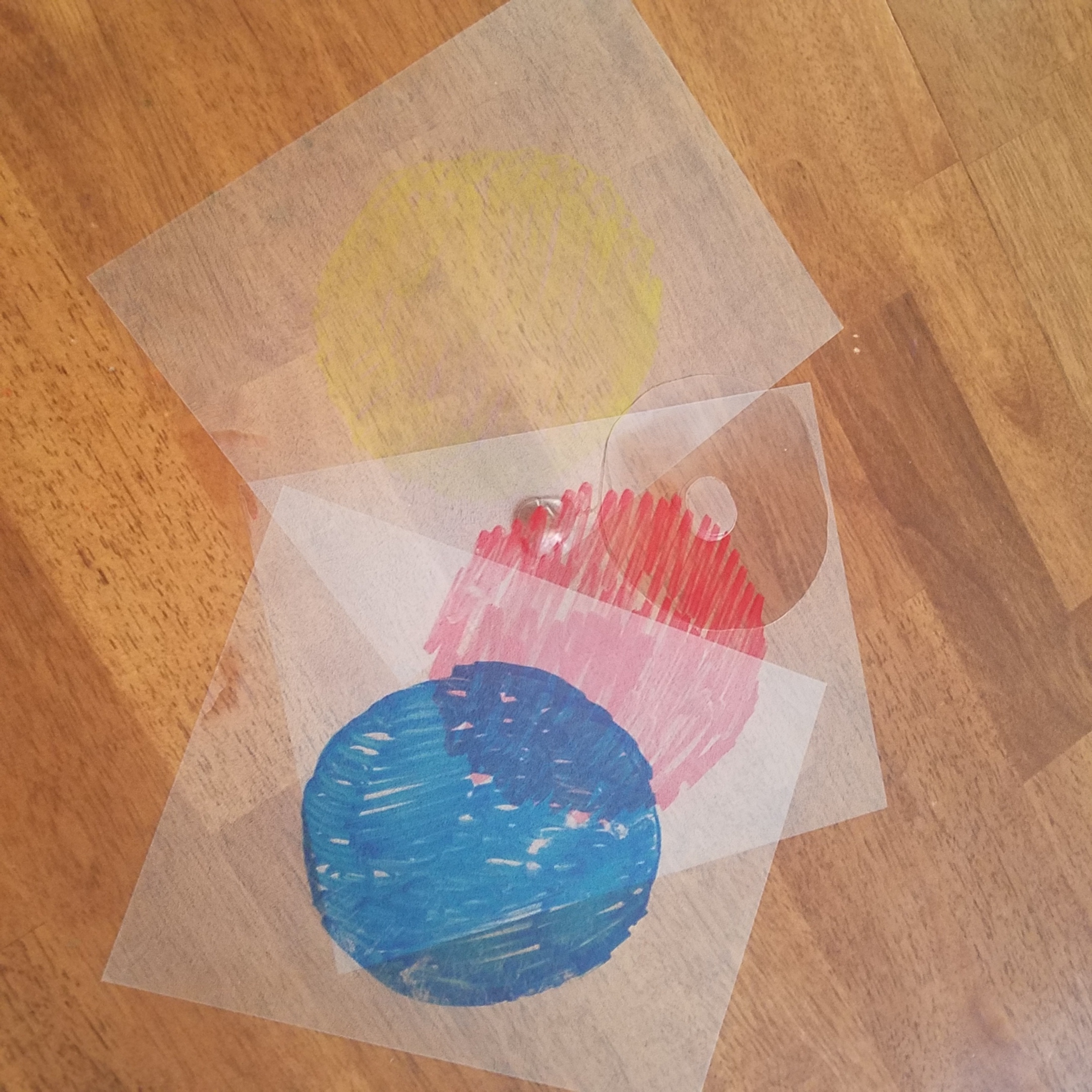
Overall, we enjoyed the Whistlefritz Educator’s Spanish Collection. My son was hesitant initially but told me that he really enjoyed it and wanted to do more. It was reasonably easy to implement, though you need to look ahead in the book to ensure you have needed supplies and copies. Many supplies were things that were already found in our home, but some, like transparencies, might not be something you already have available.

While there are videos included in this program, it is important to realize that they are supplementary and it still requires parental instruction. They provide pronunciation guides to make it easy for parents to implement.

We plan to continue implementing this program with both of my younger boys at least through the end of our school year and possibly into next year.

Click on the graphic below to see what other Crew members thought about Whistlefritz. 


Spanish for Kids

Tuesday Tip: Read Alouds and Legos are like Peanut Butter and Jelly

Read Alouds and Legos are like peanut butter and jelly; they just go together. (Full disclosure: I dislike peanut butter, but my kids love PB&J).

*Links contained in this post may be affiliate links, see disclosure below*

One of the questions or concerns that I often hear from the parents of young children is that their children have a hard time being still and focusing when they read aloud. Too often, the solution is to stop reading or spend the whole time stressed out about getting the little one to sit still.

Instead of being a fun learning experience, it becomes a stressful chore for both the mom and the child.

My Own Experience and Background

I had a habit, some might say a bad habit, of doodling in my notebooks when I was listening to a lecture in a class. Later in graduate school, I would eat dry Lucky Charms while listening to the professors.

I knew that I could eat and listen or doodle and listen, though I sometimes tried to break the habit. It was not until I was talking about it to one of my graduate professors that I realized it helped me focus. The professor said it did not bother her because she knew that it was keeping my hands busy so my mind could focus on what she was saying.

This concept really helped me better understand how my brain worked and has been super beneficial in allowing me to help both my public school students and now my own homeschooled children find ways to help them listen.

Why Legos?

Legos are great for working with while listening because they can be done quietly and without a lot of movement, and this keeps them from being distracting to the other children in the room.

We particularly like free building instead of kits for read-aloud time because it allows their brains to still focus on what they are hearing. Younger children can work with Duplo blocks.

As a bonus, Legos are great for helping with fine motor skills and creativity.

Are Legos the Only Option?

Legos are a great tool but just one of many great options for read-aloud time. My daughter often worked on her hat loom or colored pictures while I read aloud. Other students enjoy snack time as you read.

Any quiet activity that does not take too much mental focus can be great for read-aloud time.

Do All Students Need an Activity?

Some students can sit and listen to a read-aloud for long periods without any activity and may prefer to sit and listen.

Activities are particularly helpful for those like me and my son who have ADHD but can benefit many children who do not struggle with ADHD. It is all about what works best for the individual child.

Conclusions

If read-aloud time is going great in your home, do not feel the need to make changes. However, if you are disappointed with your read-aloud time and feel your children struggle to focus, do not be afraid to try Legos or another quiet activity.

These activities can also work well with audiobooks to get in even more great literature. Nothing fully replaces the example and bonding of having a parent read aloud, but audiobooks are an excellent way to supplement that and fit in all of the great books you want your children to enjoy.

Blog Posts with More Read-Aloud and Audio Book Resources

Remarkable Read Alouds

Tip Tuesday: Our Homeschool Secret Weapon-Audiobooks

Reading With Your Ears

Read-Aloud Family Book Study: Chapter 1

Resource Library and Affiliate Disclosure

When you sign up for the Schoolin’ Swag free resource library you will get a link and password to the library, we are adding to the library each month with new items. You will also get a bi-weekly newsletter email to keep you up to date on what we have going on.

Resource Library 

This post may contain affiliate or referral links, including Amazon affiliate links. As always I will never recommend a product that I don’t believe in and you will never be charged more for purchasing through our links. It does help pay for the costs associated with the blog.

Deals and Freebies

If you have not tried SchoolhouseTeachers.com, you don’t want to miss this sale!

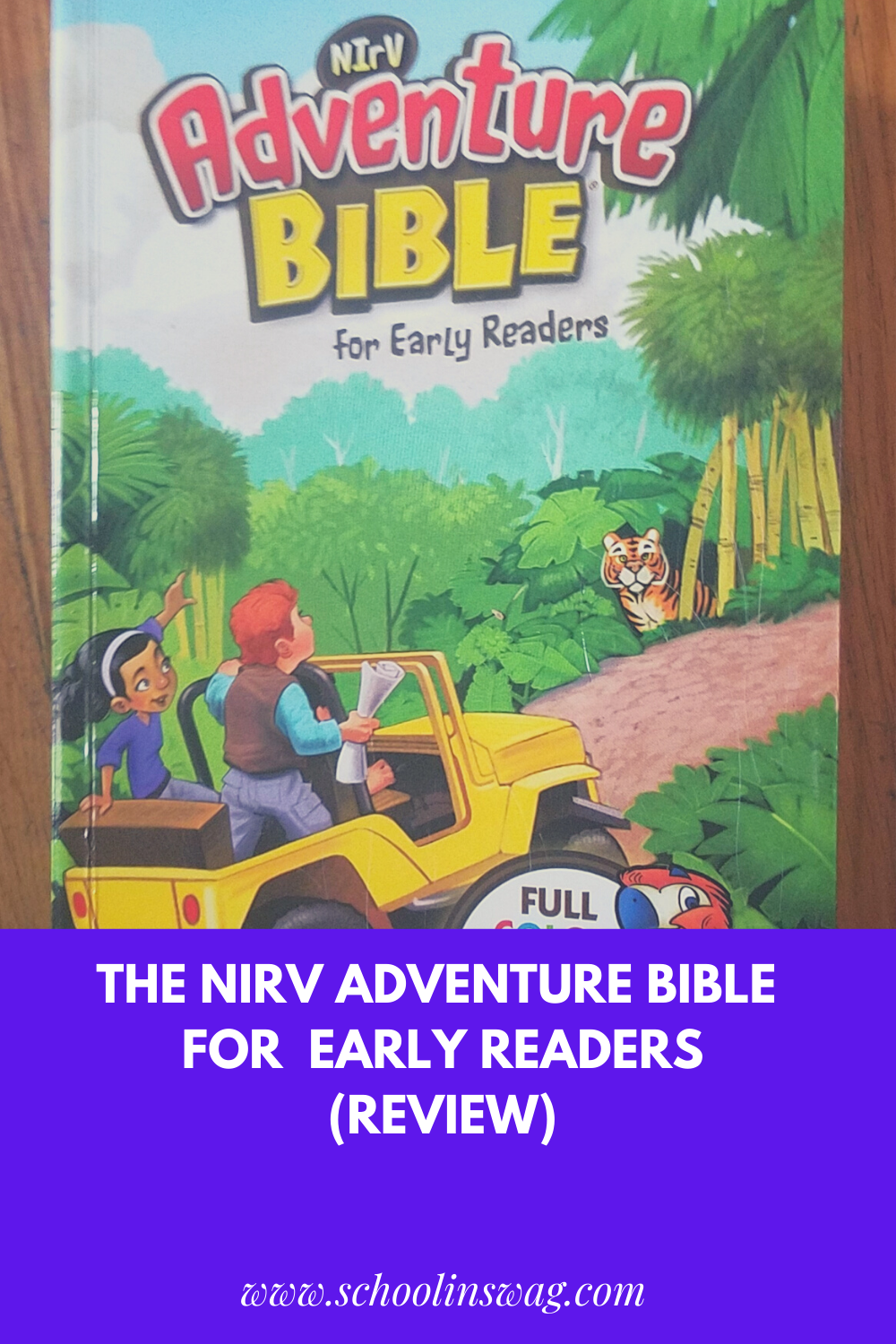
NIrV Adventure Bible for Early Readers Review

Disclosure: I received this complimentary product through the Homeschool Review Crew.

This review is a little different than many of the reviews that I share on the blog. Instead of reviewing a curriculum or book series, we are examining a particular translation and the formatting and information included in the NIrV Adventure Bible for Early Readers from Zondervan.

I want to be upfront that I have been reading and studying the Bible since my childhood, I am very familiar with the Bible, but I also do not claim to be a Bible scholar. This review is my opinion as a Christian and a mother. It is also important to note that we hold the Bible in high esteem in our home and consider it the holy and inerrant word of God.

Layout and Formatting of the NIrV Adventure Bible for Early Readers

The paperback version of the NIrV Adventure Bible for Early Readers that I received to review is a full-color book that includes a bright and lively cover that both of my young sons found interesting.

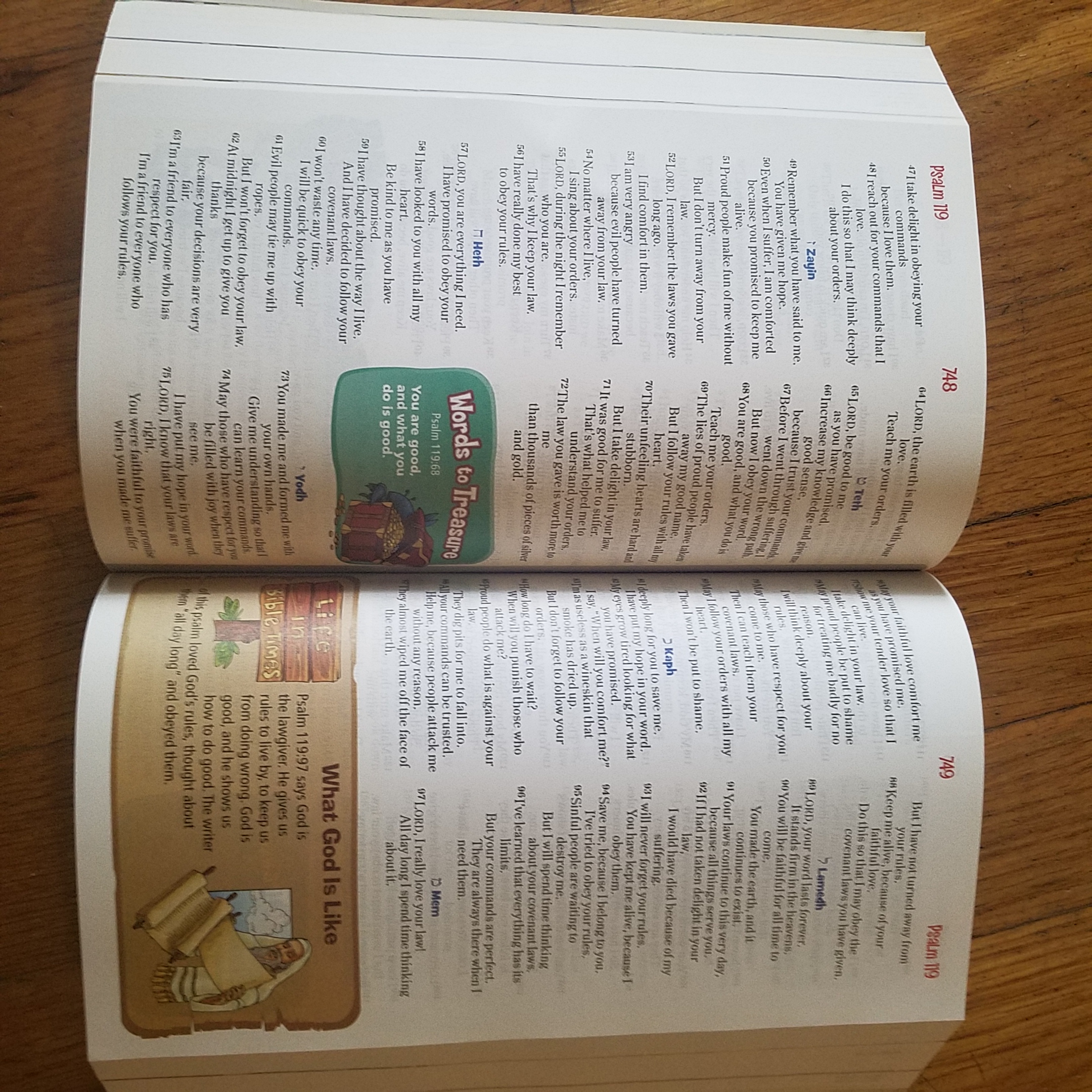
The bulk of the print was black, but headings, chapter numbers, and other information were in different colors. I thought this was very helpful for teaching a new reader how to navigate the Bible. Colorful sections are included throughout the Bible with additional information, illustrations, and thoughts.

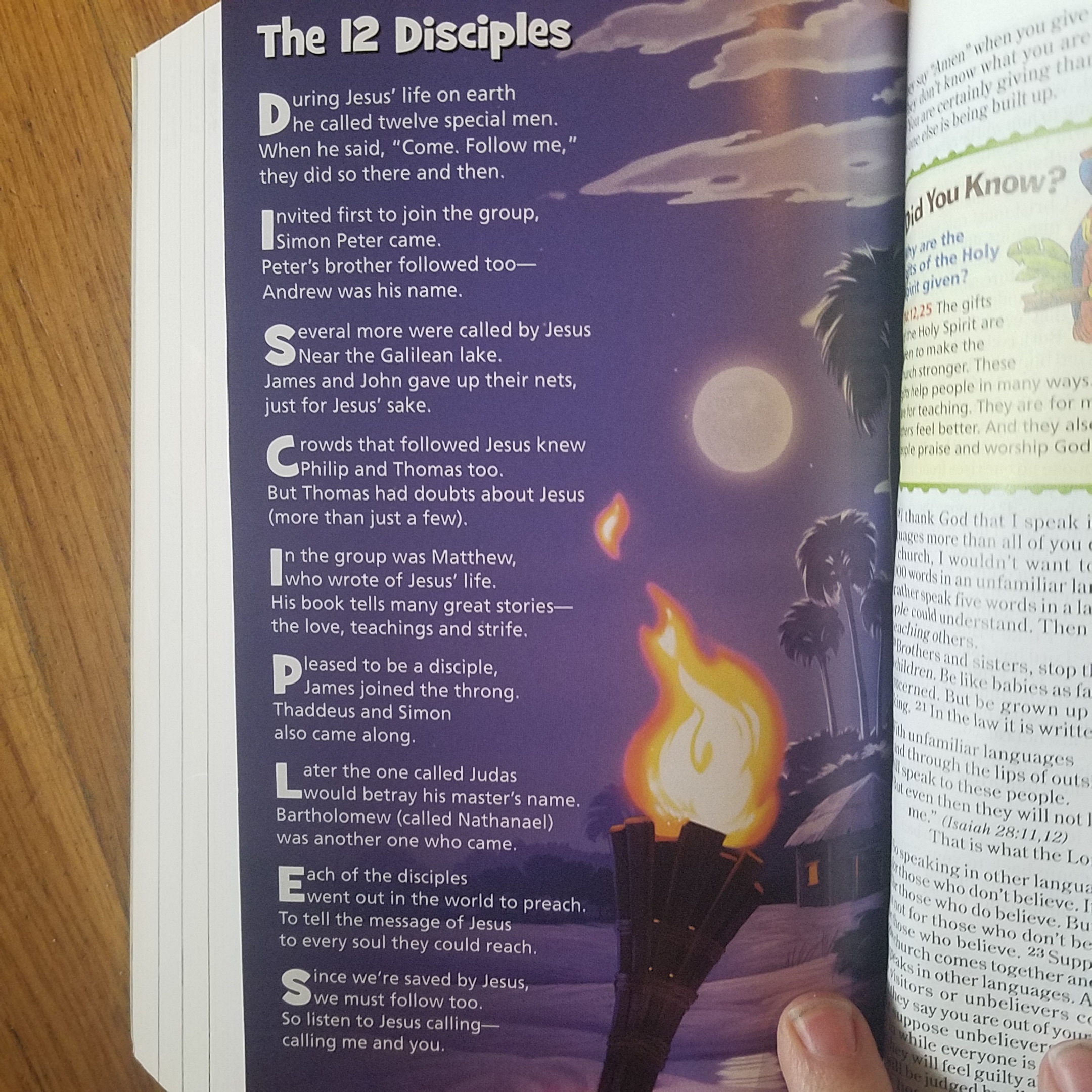
The beginning of each book of the Bible has a page that gives information about who wrote the book, when it was written, important events, etc. In addition, there are full-color pages sprinkled throughout with important information, such as a list of the Old Testament prophets, a list of the disciples, and a timeline of the life of Christ with scripture references.

Thoughts on the NIrV translation

When I looked over this translation and compared it with the translations that we traditionally use, I felt like it was a reasonably accurate translation of the Bible. There were times when I felt that other translations were more precise because of the more complicated language. However, I did not think that this translation for inaccurate or false.

The wording was similar to the New International Version (NIV), but many sentences were shorter, and simpler language was used. It was very appropriate for a beginning reader but not as precise as I would want for a study Bible.

How We Used the NIrV Adventure Bible for Young Readers

I decided to review this edition of the Bible because I have a seven-year-old who is just learning to read, and I thought it might be a good fit for him. He is not to the point in his reading that he could read the Bible independently.

The NIrV is on the third-grade reading level, and my son has an early second-grade reading level. 

He enjoyed spending some time looking over the Bible, looking at the pictures, and decoding what he could. We also used this Bible when we looked up verses in conjunction with his Bible curriculum.
Since he is a very early reader, he still needed help with some of the words, but he could be much more successful at reading this translation than some of the other translations.

Zondervan

Opinions of the NIrV Adventure Bible

Overall, I think that this is an excellent translation for younger readers, and I am excited to use it with my young sons over the next several years. I believe it is the perfect bridge between children’s Bibles, which are often more of a collection of Bible stories and a more traditional translation.

In our home, I will have my beginning readers use it to allow them to start reading scripture for themselves and following along with our family studies. However, it will not replace the translations we prefer for teen and adult Bible study.

Be sure to take a look at the NIrV Adventure Bible for Early Readers and click on the graphic below to see what other Review Crew families thought!

Read the Latest Kids Bible With Your Children

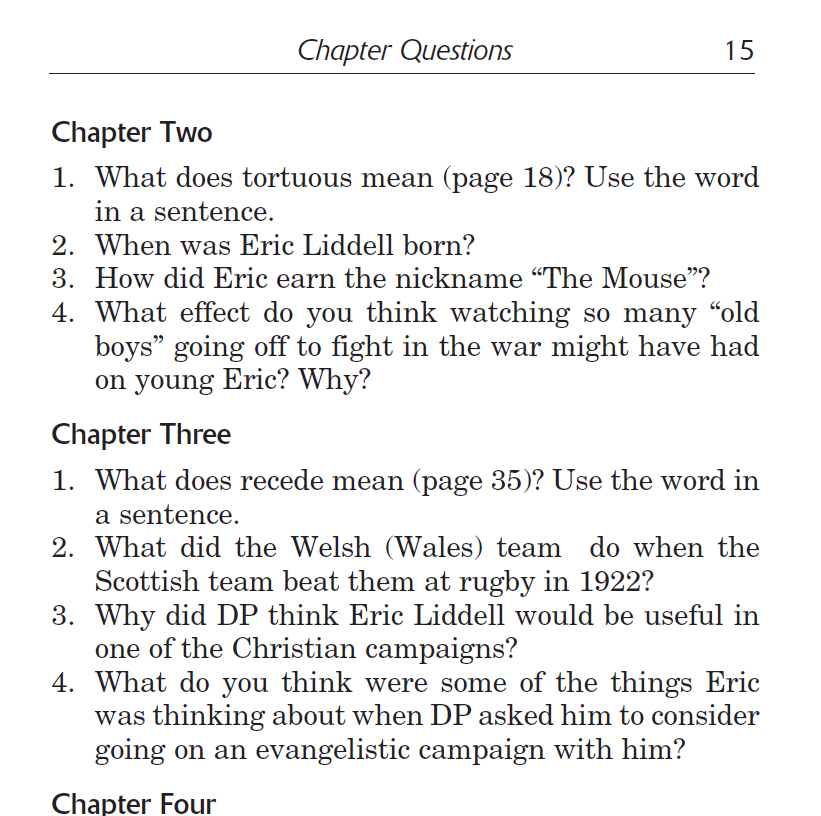
YWAM Christian Heroes Then and Now Eric Liddell Review

Disclosure: I received this complimentary product through the Homeschool Review Crew

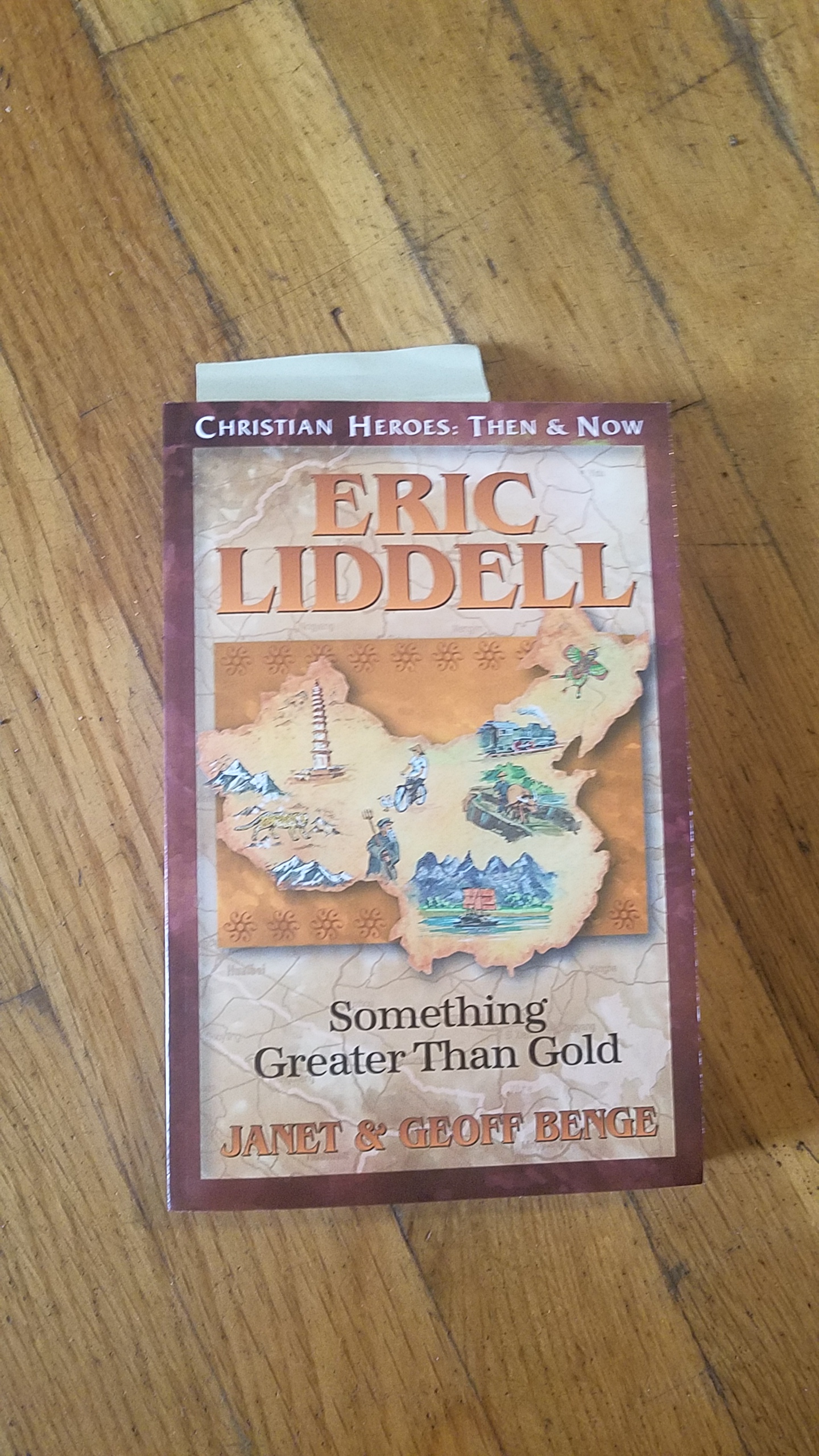
We are always blessed when we have an opportunity to review books from the Christian Heros Then and Now series by YWAM Publishing. I do not have to ask my children if they want to participate in the review, just which title they want to try. Since we were getting this one around the time of the winter Olympics we decided to try Eric Liddell: Something Greater Than Gold.

Christian Heroes Then and Now Series

The Christian Heroes Then and Now series are all biographies of Christians who have faithfully served God in various ways and places. Most are what we would call missionaries, and they include well-known names such as Elisabeth Elliot, George Mueller, Nate Saint, and more.

The Story of Eric Liddell: Something Greater Than Gold

This paperback book, written by Janet and Geoff Benge, is just under 200 pages long. It would be great independent reading for upper elementary and middle school students. However, we decided to use it as a family read-aloud. You could even use these for high school students, especially with the in-depth unit study.

This book is a biography of Olympic gold medalist Eric Liddell. However, his greatest accomplishment is not his gold medal but his work for Christ as a missionary to China. This book tells about his time as an Olympian and as a missionary.

Eric Liddell Unit Study

In addition to the book, we received a PDF study guide that included almost 70 pages of ideas and activities. You could use this to make the book into a complete unit study, or you can pick and choose activities to make it fit your needs. There are discussion questions for each chapter, writing prompts, creative writing activities, hands-on projects, and arts and crafts. The guide also included a timeline activity, a basic information sheet, and several maps.

The unit study allows students to go more in-depth not only in the life of Eric Liddell but in the Olympics, which he was known for, and in Chinese culture to bring a greater understanding of the people he served.

Conclusions

 The books work great as a family read-aloud, independent reading, or complete unit studies when combined with the study guides. I prefer to use most of the books as read alouds or personal reading for our family but add in the study guide for a unit study once or twice a year. 

YWAM Publishing

If this book interests you, you might also want to check out my reviews of several other books from YWAM Publishing: Alan Shepard, Benjamin Franklin, and Orville Wright. 

Don’t forget to click the graphic below to check out the variety of reviews by other Crew members. There are many great choices; which one would you like to try?

christian-biographies-from-ywam-publishing-bring-heroes-to-life

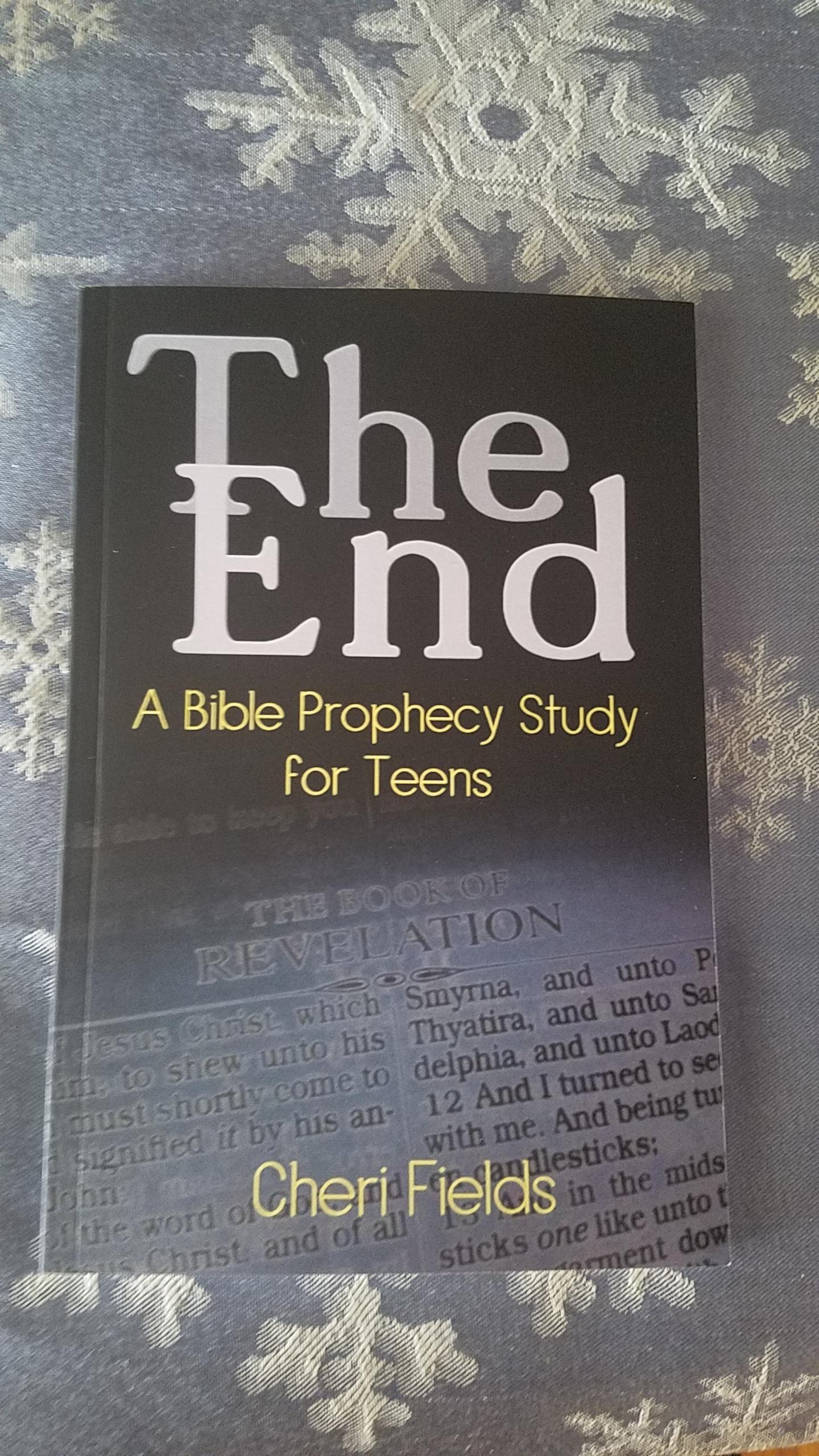
The End: A Bible Prophecy Study for Teens (Review)

Disclosure: I received this complimentary product through the Homeschool Review Crew

My daughter has been expressing an interest in studying the book of Revelation. In the interest of transparency, that is probably the most challenging book in the Bible for me to understand completely.

I am primarily of the mindset that I know the ultimate end and its details are not exceptionally important to me. However, I wanted to support her in her quest for more Biblical knowledge. All of that made it an easy decision to accept the opportunity to review, The End: A Bible Prophecy Study for Teens by Cheri Fields.

What is The End?

The End: A Bible Prophecy Study for Teens is a 144-page book that goes through various Biblical prophesies, including the book of Revelation. The book is written in a more conversational style than many Bible studies, making it more engaging for a teen reader. 

In the words of my fourteen-year-old daughter:

“The first 20ish pages talk about what prophecy is, give some examples, and talk about how it is like a puzzle (you have to put together the pieces) or a mystery (keep track of the clues). This part also talks about mark and Luke’s versions of Jesus’s prophecies.

Then it talks about Daniel and goes through a few chapters, sort of verse by verse, and talks about the prophecies in Daniel. After it talks about all of that, before it gets to Revelation, it has odds and ends leading up to Revelation, Old Testament prophecies, and then New Testament prophecies.

After odds and ends, it goes to Revelation. It goes through each chapter and has you read a couple of verses from that chapter but not the whole chapter; it also has you reading a lot of other scripture verses.”

What Did We Think About The End?

My daughter has been working through this book a few pages a day for several weeks. While written in a more conversational tone, it covers a lot of dense material and has the student reading a lot of scripture. This is not a bad thing, but it is much slower than just reading a 144-page book. 

“For at least one section, it had me read a whole chapter in the bible, each paragraph plus other random verses through the paragraph, and that felt like a lot, So while this book may look thin, it took a while to make progress because of all the Bible reading thrown in.” Elizabeth

I think that is a great way to help teens work their way through the study of prophecy, but you cannot go into expecting just to read the book in a few hours and be done. There is a lot of extra scripture reading (as there should be), and then the book helps you understand the scripture.

While we have not finished the book, we have read so far has been Biblically sound.

Cheri Fields

Recommendations and Conclusions. 

This book is excellent for a teen or family that wants a little help diving into Biblical prophecy. I would not recommend it for students younger than 13/14, and I think it would be appropriate for older teens and even adults. 

Given the challenge and intensity of the topic, I find it is best done with an adult to discuss with the teen. However, older teens may be able to complete it on their own. 

Be sure to click on the graphic below to see what other Review Crew families thought about The End: A Bible Prophecy Study for Teens and how they used it in their homes. 

incorporate-an-end-times-bible-study-into-your-homeschool-schedule

TRIVE Goal Setting and Team Building Review


Disclosure: I received this complimentary product through the Homeschool Review Crew

Often I review brands and products with which we are already somewhat familiar. Even if I have never used the product, I have generally heard about the company or know someone that uses that curriculum. However, this month we were able to try out a product that was totally new to me: TRIVE.


What is TRIVE?

TRIVE is a goal-setting and team-building program designed for teens and adults. The recommended ages are 15+, though we included my fourteen-year-old daughter with no problems.

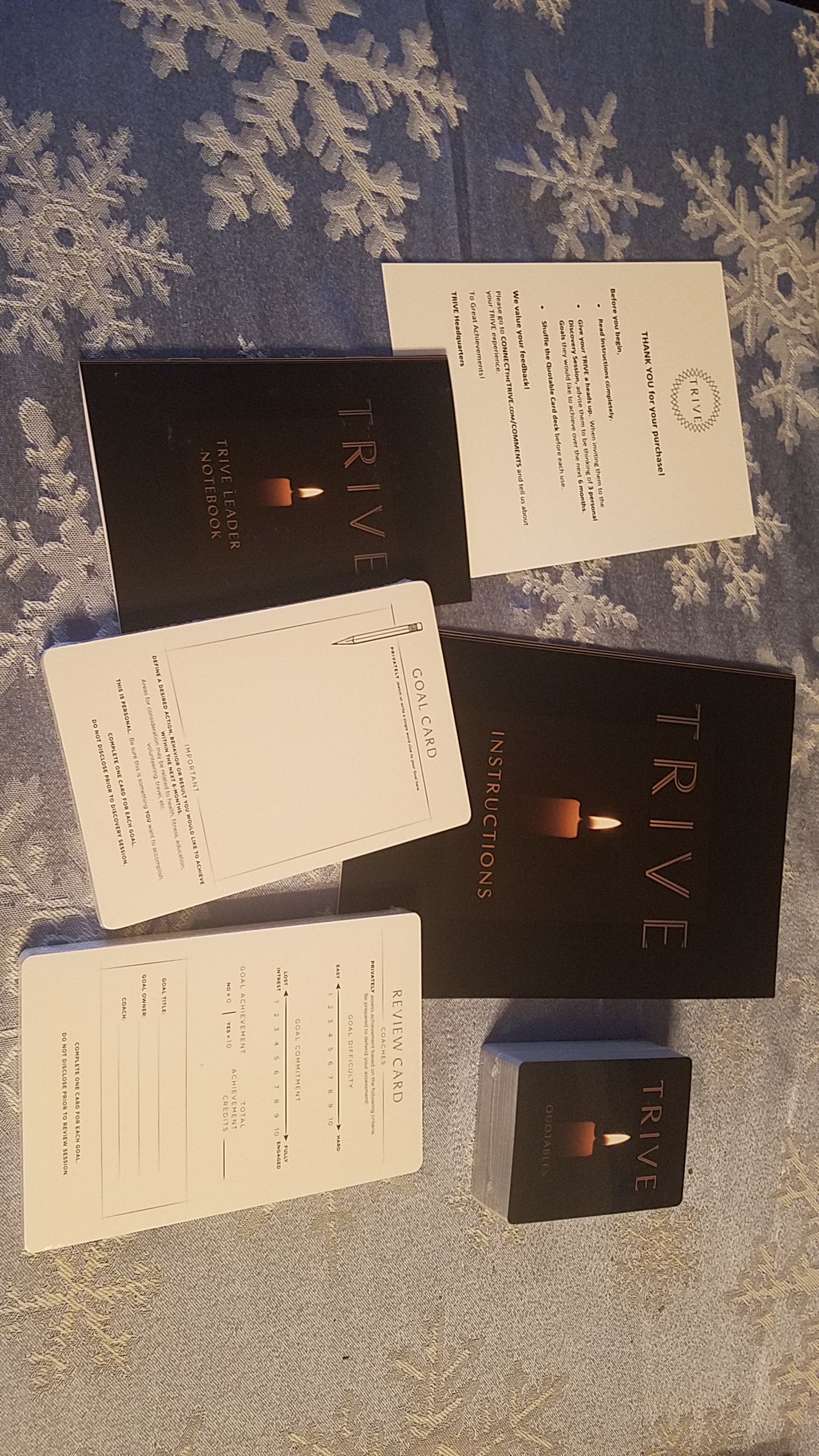
The program is built around a group of people (or a TRIVE) who set goals and hold each other accountable. During the first meeting, there is a fun quote game that helps bring people together and facilitates sharing goals. Each person comes to the meeting with three goals they want to accomplish during a six-month period.

The goals are shared, and each person is assigned a coach and someone they will coach throughout the process. Then each person works on their goals during the six months. Coaches are supposed to check in on the person they were assigned periodically.

There are also emails sent from TRIVE every few weeks to help you in the process.

At the end of six months, the whole group comes back together to discuss and assess their goal progress. There are scoring cards to score how well people did on their goals and how they performed as a coach.

How Did Our Family Use TRIVE?

Our TRIVE of four (the minimum number needed) included my husband, two teens, and myself. We all gathered together one night after the little boys had gone to bed and set our goals. I appreciate the opportunity to do something that focused on my teens and helped bring us closer.

TRIVE

During the meeting, my daughter was chosen to be the TRIVE leader. It is her responsibility to keep track of the goals and assignments. She readily took on that assignment and was excited about trying.

We have been trying to connect with our coaches weekly to discuss progress and make any needed changes.

We have a date set in our google calendar to gather together six months from the start date to score the achievements.

What Did the Teens Think?

“The TRIVE program seems like a good program. My favorite part was the game that we used to start the team building, and it helped get us more in the mood for the more serious part about discussing our goals and picking partners. I like getting emails with the dates and information to help keep me reminded of my goals; however, more regular emails would help me complete and be more effective at my goals”

Matthew, age 15

“I like TRIVE because I am competitive and know that if I do everything I can to complete my goals, I have a higher chance of winning, which encourages me to work toward my goals. Six months is a reasonable amount of time to work on our goals. It has us meet at the very beginning and the very end, and I think that maybe we should have a meeting perhaps every month to keep connected and maybe use more of the quote cards to earn points or have some activities to do.” Elizabeth, age 14

Conclusions

Overall, I loved having another way to connect with my teens. I feel like it is a great program and even something we could continue as they move away to college. I am interested to see how things go when we get back together to score the achievements in a few months.

This program was fairly simple to implement and could work well for family units, friend groups, or co-workers.

Be sure to check out the other Crew Reviews of  TRIVE by clicking on the graphic below.

set-goals-to-succeed-while-playing-a-family-game:-trive

Pursuing Gold Book and Curriculum Review

Disclosure: I received this complimentary product through the Homeschool Review Crew

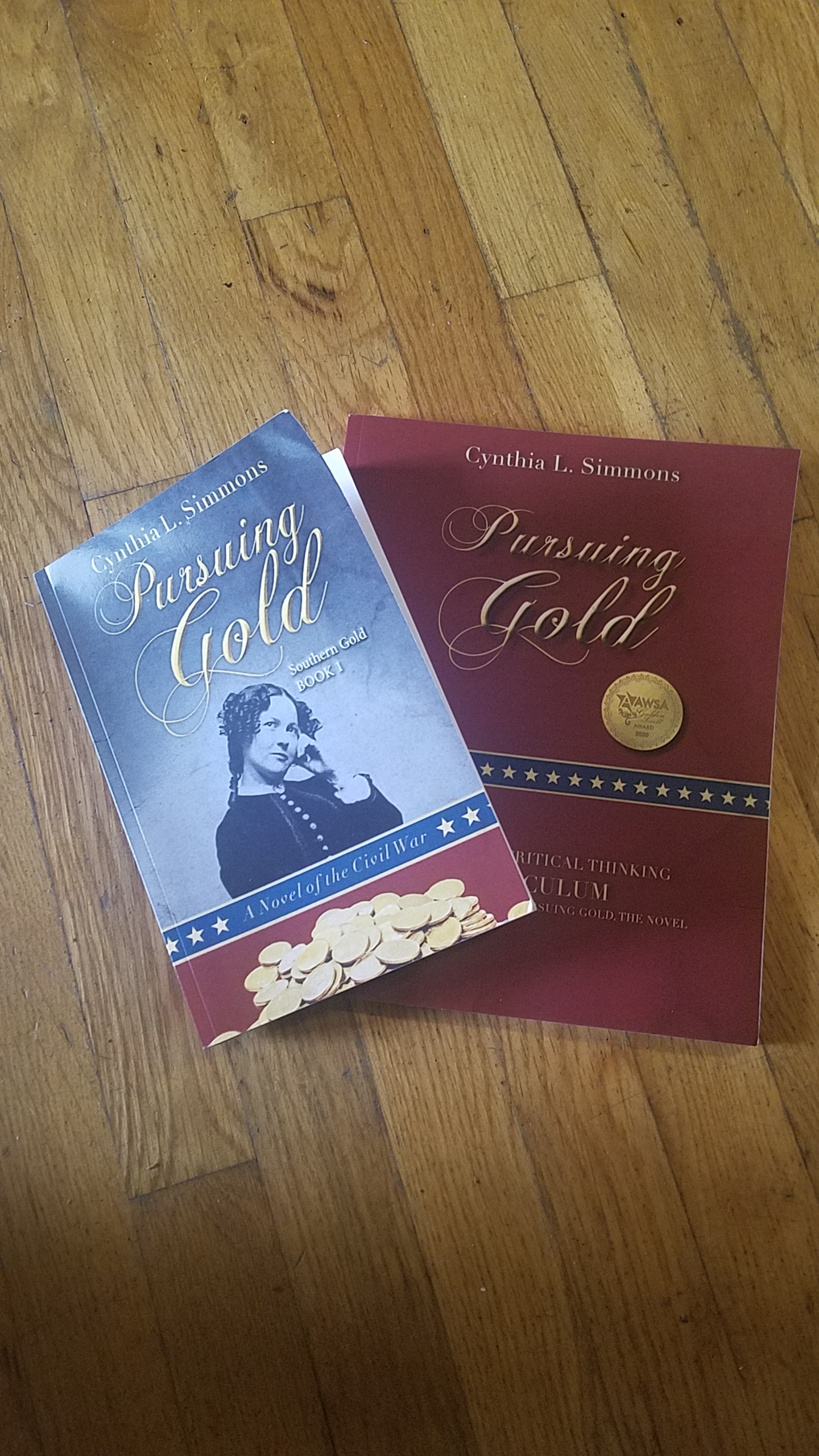
We recently had the opportunity to review Pursuing Gold (and Pursuing Gold: History and Critical Thinking Curriculum) by Cynthia L. Simmons and Heart of the Matter. My daughter loves reading and was excited to read this historical fiction book that includes a touch of sweet romance.

My daughter is a quick reader, but when the book was unexpectedly delayed, I didn’t think she would have it finished by the time I needed to share my review. I handed her the book and told her I needed her to work through the first few chapters and discuss the curriculum.

Later that night, she came to me and asked me if she had to stop when she reached the point I had mentioned. I said, of course not, and over the next two days, she managed to complete the entire 372-page book.

Cynthia L Simmons

Pursing Gold Book Overview

In the words of my fourteen-year-old daughter:

“I really like this book. It has kept me interested and wanting to read and not put it down (It must be a book about gravity, I can’t put it down!!). The story is really cool. It is about Peter and Mary Beth courting and running a bank during the Civil War.

They are struggling with keeping the bank above water, and there is someone counterfeiting. Throughout the book, they are working together to try and figure out who it is before it hurts the bank. Peter is also trying to keep his mother and sister safe; they are concerned about an invasion. “

This book is set in Tennessee during the civil war. While set during the civil war, the focus is more on the counterfeiting mystery, the instability of currency during the war, and the relationships than the war itself.

Pursing Gold History and Critical Thinking Curriculum

The history and critical thinking curriculum accompanying Pursuing Gold is a great way to incorporate history, economics, and literature discussion into the book.

The main section of the curriculum has a page or two for each chapter, including several discussion questions for each chapter. In addition, some chapters have crossword puzzles for the vocabulary words, and others include a bit more background information about the history covered in that chapter.

There are also Bible references included within the guide.

After that section, there are several appendixes with further work. The first is a study on budgeting. This fairly in-depth study includes information on budgeting, debt, interest, and more. Next is a section on the history of money, and finally, there is an answer and discussion key to help the parent work through the curriculum.

Our Thoughts and Conclusions

Overall, as she shared earlier in the review, my daughter really enjoyed this book. We chose to have her read through it and then discuss some of the questions from the curriculum. However, you could easily go chapter by chapter and make this a more in-depth unit study covering literature, history, and economics.

I appreciate that my daughter enjoyed the book so much that she finished reading it far faster than required. As a parent, I want to encourage a love of reading and not have her literature study be drudgery. I also appreciate the Christian morals that were sprinkled throughout the book. My daughter even went online to get the sequel for herself.

If you want to read a book with mystery, intrigue, and a bit of clean romance set in a historically challenging time, this is the book for you! Instead of focusing on the soldiers and politics of the time, I love that it focuses on the lives of regular small-town citizens.

Be sure to click on the graphic below to see what other families thought about Pursuing Gold.

Using Historical Fiction in Your Homeschool with Pursuing Gold