I have been doing a lot of planning and thinking about what I wanted to share on the blog this year. There will be many curriculum and book reviews, more hymn studies, and some fun unit studies.
I also wanted to start a new series called Tuesday Tips, where I will share a simple homeschool tip each Tuesday (or at least most Tuesdays). Some tips will be for new homeschoolers, and others will focus on specific areas like teens or homeschooling in the kitchen.
These will be short and simple posts that will hopefully give you some new ideas and strategies to help your homeschool run smoothly. I would love for you to share your thoughts and/or questions that need tips in the comments.
Tuesday Homeschooling Tips
Today’s Tuesday Homeschooling Tip
Teacher workdays are essential for homeschool teachers.
We often think of teacher workdays as just something for classroom teachers, but they can be beneficial in our homeschools. These days are perfect for planning, grading papers (especially those high schoolers), preparing materials, and setting goals.
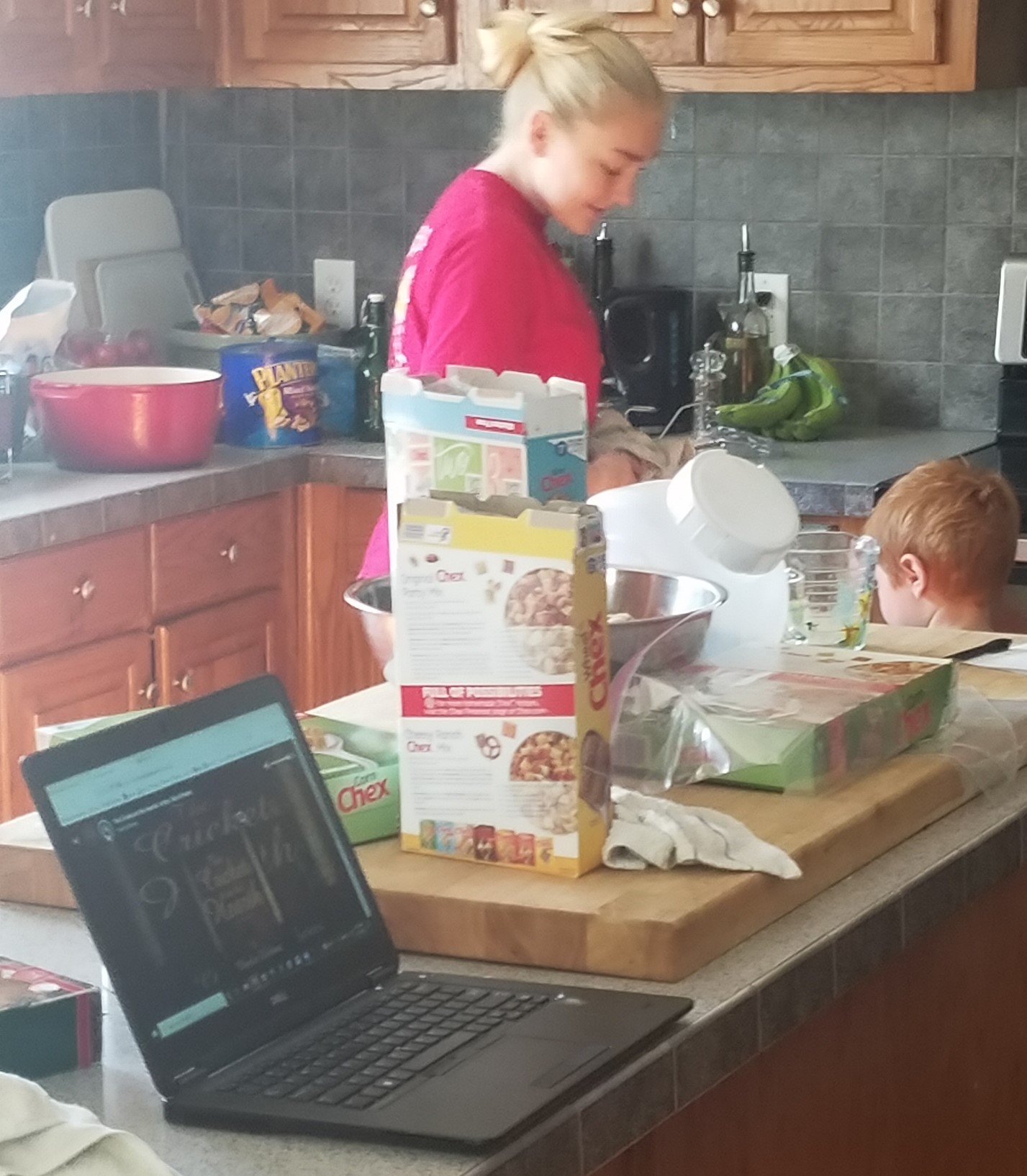
Sometimes I schedule them ahead of time, like this week. My high schooler is doing some independent work, but I am taking this week to plan and prepare before we start back from our break.
Other times we take one just because we need it. When life happens, and you feel overwhelmed, or behind, it is okay to decide to take a teacher workday and get things straight before moving forward.
You might have realized that a particular program was not working, but you aren’t sure how to fix it or what to try. Take the day to research ideas and develop a plan without feeling the pressure of also trying to keep teaching.
Are you already utilizing teacher workdays in your homeschool? What works for you?
Last week I was thinking about my goals for the new year and what direction I wanted to go. I like coming up with a word or phrase to help guide me each year. I had a hard time deciding but kept thinking about the word clarity.
2022 Word of the Year
I wanted clarity of thought, clarity of purpose, and general clarity about where God was leading me. I honestly thought I would use clarity as my word of the year, but then I went to church this morning and realized that while I needed to seek clarity, my focus should be Draw Close.
While our preacher talked about drawing close to God, I feel that the phrase applies across multiple relationships in my life.
Draw Close to God
I have had a saving relationship with Jesus for many years now, but I must always continue to draw closer to Him. I need to continue studying and growing to become more like Christ and better understand his will for my life. (This will also help provide that clarity that I was thinking about.)
Today, my preachers’ message was to read God’s word, study God’s word, and know God’s word. I want to continue working on those things and strengthening my prayer life.
Draw Close to my Husband
My husband and I find ourselves in a good place in our marriage. We survived the rocky early years where we needed to learn how to be married, live and work together, and prioritize our relationship. However, I know that I also need to grow and work on that relationship constantly. We can grow together, or we can grow apart.
So this year, I want to make drawing closer to my husband a priority. I plan to be intentional about date nights, making time to talk with each other uninterrupted (which can be a real challenge with four children), and supporting him in his goals for the new year.
Draw Close to my Children
After Christ and my husband, my children are my next priority. Overall, our family lifestyle (homeschooling and working from home) allows me to spend a great deal of time with my children. However, like with our other relationships, we must continue to draw close to our children. Several years ago, I watched a movie that talked about “tying our children’s heartstrings to ours.” That quote really stuck with me through the years as I work to maintain a close bond with my children.
Every stage and situation has its challenges. In our current stage, my children range from three to fifteen. The challenge is providing time and attention to a toddler and teens, not forgetting the seven-year-old in the middle.
I want to make sure that I find time each week to give focused attention to each child. Not necessarily leaving the house or doing a date (though we love to do those when we can work it out.) I simply want to spend time connecting with each child. That might be working in the garden or listening to music with my oldest, talking about books or cooking with my daughter, playing Legos or reading aloud with my seven-year-old, and doing crafts or playing play-doh with the youngest. Simple things that allow us to spend time together and connect can impact our relationships.
Draw Close to Others
Drawing closer to others is another area where my first word, clarity, comes to play. I plan to spend time praying and finding clarity on how to grow other relationships in my life.
I want clarity on the people God is asking me to reach and what relationships he wants me to strengthen. I know there are only so many hours in a day and somedays I feel stretched too thin. However, I think God will help me discern where to put my time and efforts in drawing close to others.
I want to continue to work on making our home a welcome haven for friends and guests and finding ways that I can pour God’s love into the other people God has placed in our lives.
Conclusions
Overall, while I have no idea what 2022 will bring to the world, I am looking forward to drawing closer to God and others. Do you pick a word of the year? Tell us what you chose this year or what goals you have for the year in the comments.
*Some links are affiliate links, see disclosure below*
While our school year runs from September to May, I always like to use our Christmas break as a time to reevaluate our curriculum choices and make any changes that might be needed. (I fully respect that you can revaluate and change the curriculum at any point during the year.)
Most years, I find that I need to change several parts of our curriculum, and a few years, we have done a complete overhaul. Typically, there are one or two things that I started the year planning to use but let the ball drop for whatever reason.
What is Working
This year, we are honestly keeping most of our curriculum the same. We have made good progress, the children are doing well with the programs, and it has been a manageable load for me.
As homeschool moms, we sometimes forget that keeping it manageable for us is just as important as having it be a good fit for our children.
I am seeing great improvement with my son’s reading and he is getting ready to move into the next level of All About Reading. He loves his math and science programs and is overall doing great.
My older two children are doing a great job being more independent with their courses and staying on track! It is hard for me to believe that my oldest will be able to start taking college courses next year through dual enrollment.
Changes
The one area that I wanted to change was adding more nature study. We have been doing nature study for years, but I had let that ball drop this year. However, my children, particularly my seven-year-old son, missed that part of our studies. I set up his science to be very low maintenance for me, and he loves it, so we left that intact and are just planning to add in the nature study at least twice a week. (He would do it every day if I let him, and I will try to work it in as often as possible, but I want to be realistic in what I can add to my day.) The three-year-old will also join us for nature study because he loves being outside and he loves learning.
My thirteen-year-old daughter is taking a rigorous science course that is beneficial but also challenging. So we decided that we would let my daughter alternate between her regular science curriculum and nature study. This change will allow her to keep learning while taking a bit of a break from her more rigorous curriculum.
Adding Nature Study
When we first started doing nature study, we found many great resources to use. Then as time went on and I became more comfortable with nature study, I began to create my lessons. However, at this stage in our homeschool (1 in high school, 1 in middle school, 1 in elementary, and a three-year-old), I recognize that I need something laid out for me to make it easier for me to get it done.
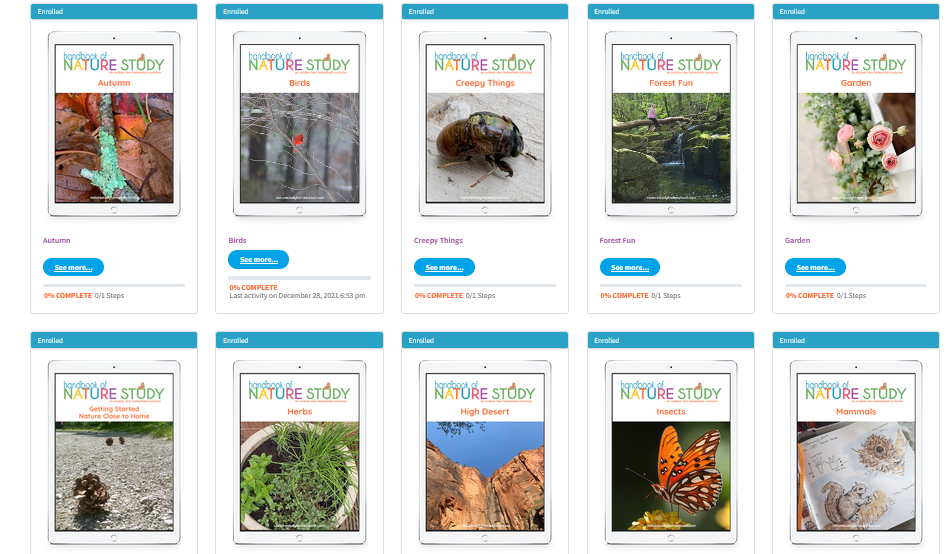
Just a few of the courses included in the homeschool nature study membership.
Thankfully, I found a program that will make it easy for me to implement nature study on our schedule and based on our interests. Years ago, we used the Outdoor Hour Challenges and other resources from the Handbook of Nature Study website to learn about nature study. As of last month, my friend Tricia Hodges is the new owner of that material, and they are revamping the materials and offering some great resources.
We are excited to use the new homeschool nature study site to make nature study easy in our home. There is a daily calendar of ideas and access to materials on a wide variety of topics. We plan to combine the daily calendar and courses that are interesting to my children or fit into our other studies.
For example, my son loves birds, so we will be spending some time using the Birds course. Some of it we will do together, but there are also activities like studying a feather that he can do independently.
As an added bonus this will make it even easier for us to combine our art lessons with our nature study.
Reviews and Questions
Other than going back to our regular scripture and Bible plans after having paused those in favor of Advent studies for December, we are not making any other significant changes in the curriculum this year.
I am sure we will be adding and supplementing as we get back into various reviews beginning in February, but our curriculum is working well. We are enjoying the progress that we are seeing in each child. This year is our tenth year of homeschooling and probably the first year we haven’t needed to make significant changes mid-year. So if you look at your homeschool and need to make substantial changes, please know that you are not alone, and it is perfectly normal to need to make changes and not a sign of failure.
Are you making any changes in your homeschool? What programs are working well for you, and what is not going great?
Other Helpful Resources
If you are needing to make changes, these resources might be helpful.
When you sign up for the Schoolin’ Swag free resource library, you will get a link and password to the library. You will also get a monthly newsletter email to keep you updated on what we have going on.
This post may contain affiliate or referral links, including Amazon affiliate links. I will never recommend a product that I don’t believe in, and you will never be charged more for purchasing through our links. It does help pay for the costs associated with the blog.
My Teaching Library is offering 40% off of their lifetime access membership with great products for pre-k to 12th grade.
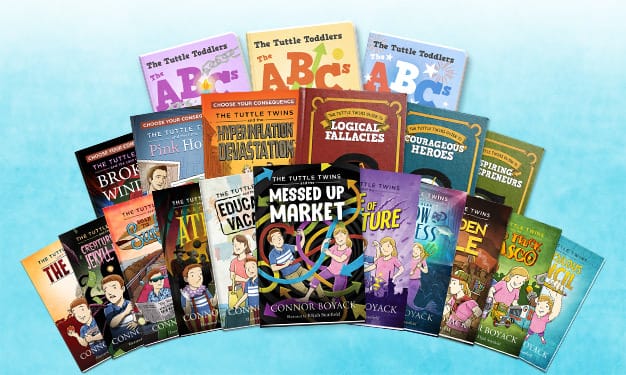
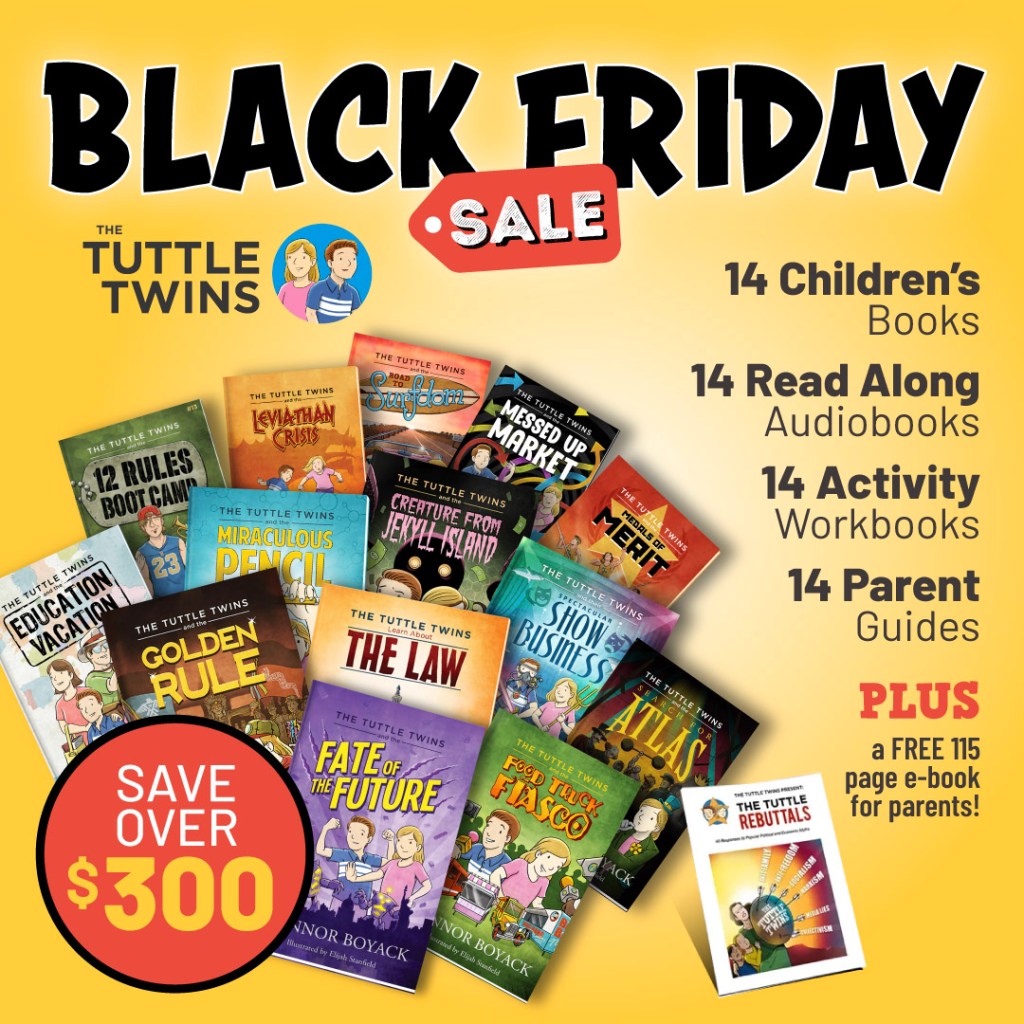
Tuttle Twins is offering 25% off individual books. This is a great way to complete your set if new books have come out since you bought a bundle or ‘dip your toes in the water’ and try one if you are new to Tuttle Twins.
Schoolhouse Teachers is offering a great deal on their ultimate annual membership!
*Some links are affiliate links, see disclosure below*
If you find yourself needing a last-minute gift idea and do not want to brave the crazy of the stores on the week before Christmas I have some great options for you! I have included some of my favorite digital resources for both mom and children in this list.
For Children
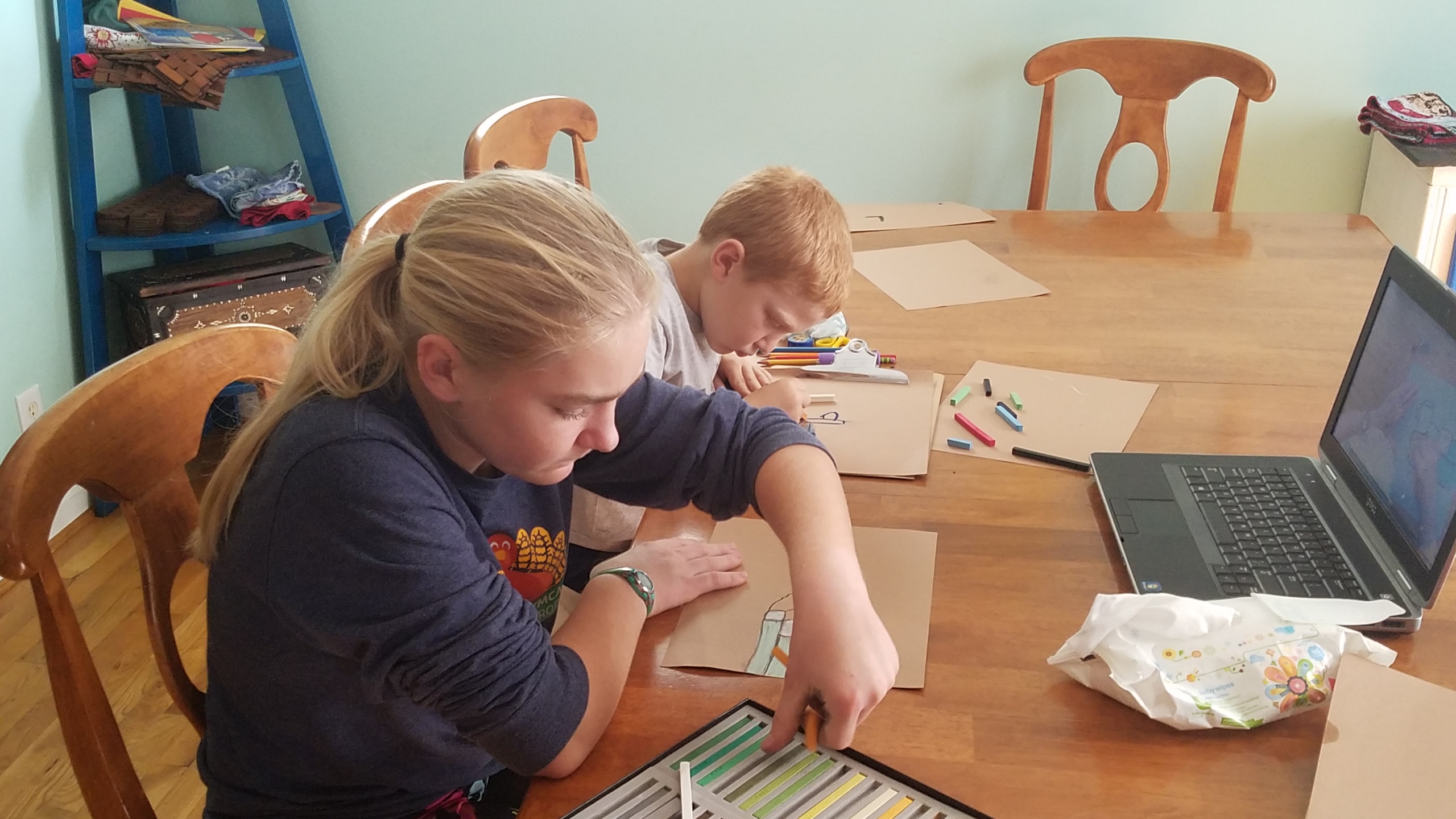
You Are an Artist Clubhouse Membership! This wonderful art subscription will provide your child with countless hours of fun and instruction with chalk pastels and acrylics. We use those lessons each week and are always finding new favorites.
Musik At Home is a great program for babies through early elementary ages. My three-year-old love to do his music lessons!
One of my children is getting a couple months of Practice Monkeys lessons under the tree this year!
Fit2B is an amazing online fitness program and would be the perfect gift for a mom that was interested in fitness!
Adore Your Wardrobe is a really fun course that helps you to learn about your body type and how to find clothes that flatter your body type.
For the Family
A Kindle Unlimited Subscription is a gift that can benefit the whole family. There are books on there for all different ages and interests.
Audible offers gift subscriptions as well. This is the perfect time for families to enjoy an audiobook together.
Not Consumed is offering 25% off their gift cards right now with code: GIFT25
Whether you forgot something on your list, something got lost in the mail (or canceled last minute), or the Christmas bonus finally came in allowing you to make purchases, these digital gifts are the perfect way to finish your shopping without having to leave home. I hope this list is helpful as you finish up any last-minute shopping and allows you more time to spend with your family.
Resource Library and Affiliate Disclosure
When you sign up for the Schoolin’ Swag free resource library you will get a link and password to the library, we are adding to the library each month with new items. You will also get a bi-weekly newsletter email to keep you up to date on what we have going on.
This post may contain affiliate or referral links, including Amazon affiliate links. As always I will never recommend a product that I don’t believe in and you will never be charged more for purchasing through our links. It does help pay for the costs associated with the blog.
Christmas can be a wonderful, fun, and festive time of year, but it can also be stressful and overwhelming. There are so many fun activities both at home and outside of the house, family obligations, schoolwork, and life, and all combined, it can leave us stressed, overwhelmed, and burning the candle at both ends.
You might feel like you aren’t getting enough school amidst all of the activities. On the flip side, you might feel like you aren’t doing all of the Christmas activities you wanted to do amidst regular life and school.
Does It Have to Be That Way?
I want to spend a few minutes today encouraging you that you don’t have to feel overwhelmed. It is okay to take a step back and prioritize. I can’t tell you which activities to prioritize because that will be different for each family.
Take a few minutes and think about the future. When you look back on this season 5 years or 10 years from now, what are you going to wish you had done?
For some, that may mean putting aside some activities and choosing just one or two Christmas things that are important to your family. For others, that may mean setting aside the school books for a few weeks and focusing on the Christmas activities.
Our Christmas Plan
For our family, it looked different for different children. My high schooler did a Christmas unit for literature but continued with his other regular studies before our two-week break. We decided to keep moving forward in math and phonics (elementary) but focus on Christmas for everything else with my middle school daughter and elementary-aged son.
We did Christmas art and music lessons, an Advent reading and a family study of Luke for Bible, and lots of Christmas read-alouds.
We made a plan before Thanksgiving that I thought was workable, but the further into December we got, the more I realized it was still a bit much, so we adapted.
Adapting
We were behind on my middle school daughter’s Christmas literature, So, I found the audiobook on Hoopla (a free app from our library), and she listened to the book while she worked in the kitchen getting some treats ready.
It is so easy this time of year to over plan and over-commit and then not enjoy any activities. Every year I have to work at finding the balance, and I am still a work in progress. I do not write this letter from a position of perfection, but as someone who needs this reminder.
So I pray this year that you can step back and decide what will be important years from now and make that the priority during this season. That may change from year to year and is certainly different for each family.
I pray that you can have a fun and peaceful season without overwhelm and guilt.
Need a good way to organize all of these great printables and have access to them when you need them? Try a free Dropbox Plan.
Amazon Prime 30 day FREE trial. If you do not yet have Amazon Prime this is a great time to try it for free for 30 days! Get your Christmas shopping done with free shipping, enjoy Christmas music and more.
$10 Sign-Up Bonus for Ibotta and they are doing some major savings and rebates starting today. Great way to save money on the things you are already buying.
Two Free Audio Books with an Audible Trial and if you aren’t sure what to start with I’d suggest checking out the Green Ember or The Penderwicks for good family choices.
One of my favorite Amazon sales, just in time for Christmas shopping! Buy 2 Get 1 Free Books!
Free Makeover Your Morning 5 Day Challenge! This is a great way to help re-focus and get your day off on the right foot.
*some links are affiliate links, see disclosure below for more information*
Hot apple cider, hot cocoa, peppermint, sugar cookies…
There are so many delicious flavors that remind me of the Christmas season. I do not want to pick a favorite, but gingerbread certainly ranks very high on my list. I enjoy soft gingerbread cake and crunch gingerbread cookies!
This year, I thought it would be fun (and delicious) to do a unit study on gingerbread.
Gingerbread Cookies
History of Gingerbread
Gingerbread has a long and interesting history. A few variations are told, but we know that gingerbread has been around for a very long time. Years before Christ, possibly as far as 2400 BC, gingerbread was initially just preserved ginger, and it would be hundreds of years later before gingerbread became what we know it as today.
Gingerbread developed differently in different countries, from China to Germany to England. Queen Elizabeth I is credited with gingerbread cut into shapes and decorated with gold leaf. While gold leaf is not common anymore, shaped and decorated gingerbread cookies are still popular today.
Another common tradition is building and decorating gingerbread houses. This tradition originated in Germany in the 16th century, and they were made famous by the Hansel and Gretel story by Hans Christian Anderson. Today you can buy kits or create your own gingerbread houses.
You can find out more over at The Spruce Eats or PBS. You can also check out this documentary with Amazon Prime Video about gingerbread. (This is on our list to watch this year, but I have not yet watched it.)
Books for a Gingerbread Study
Books tend to be the backbone of our studies, and I love a good read-aloud. There are so many to choose from for this gingerbread study. Rather than choosing just one to base the unit around, I have picked out several that we could read during the study.
Gingerbread Study Books
Some of my favorites are the Jan Brett gingerbread books because of the stunning illustrations. She has several, but we particularly like Gingerbread Christmas and Gingerbread Friends for this study.
I also found this bilingual edition of The Gingerbread Man (included for free if you have Kindle Unlimited). My seven-year-old has been trying to learn Spanish, so I think he will enjoy listening to the story in both languages.
Hansel and Gretel is also a good story for a gingerbread lesson. There are many different versions with some excellent illustrations.
I even found this chapter book Rescue at Gingerbread Mountain that sounds intriguing, and I have not yet read it but did grab it with my Kindle Unlimited subscription to give it a try. It sounds like a great read for your upper elementary-age children.
Bonus Tip: If you want to add a few of these books to your household collection, Amazon is offering this $5 off of $20 book purchase, including several gingerbread books.
Gingerbread Art
You know I had to add some art to our study. We love this gingerbread and holly lesson included with our You Are an Artist membership (If you want to try it out but don’t want the membership, you can also purchase the Christmas Course.)
In addition to a traditional art lesson, you can build and decorate a gingerbread house or gingerbread men (maybe even both.) It is such a fun way to incorporate family members of all ages.
If you need a less messy option or have food allergy issues, you can make one from a foam kit.
Gingerbread Activities
There are so many gingerbread-based activities that you could do to go along with your students. This Gingerbread playdough is a hit with all ages. Younger children can use it like regular playdough, and older children often like using it more like a stress ball.
I found this Gingerbread House Kit idea that you could make ahead for your children to do. You could even have your children make them for their friends or family as an inexpensive but fun Christmas gift.
There are many free and inexpensive gingerbread-themed printables such as The Mailbox, Royal Baloo, and 123Homeschool4Me. These offer a way to stay in the gingerbread theme while reinforcing reading and math skills.
For older students, you could assign a gingerbread-themed writing prompt. For example, have them write their own gingerbread man story or do a descriptive writing exercise about a gingerbread house.
If you have done all of this and your child still wants more gingerbread fun, check out this list of fifty gingerbread activities.
Putting It Into Action
Whether you spend one day learning all about gingerbread or sprinkle gingerbread activities into your learning over several weeks, it is sure to be a fun family time. There are hundreds of wonderful gingerbread recipes available on the internet, and I encourage you to try one or more. However, if you want to keep it super simple, remember there is nothing wrong with making memories from a box mix!
We enjoy the Betty Crocker Gingerbread Mix for making soft gingerbread cakes. We make them in a decorative pan similar to this and dust them with sugar. They look so beautiful and fancy, but they are simple and quick.
Remember; make this study work for your family. Do whatever activities interest you and skip the ones that do not. It is not about completion but learning and having fun together as a family.
Resource Library and Affiliate Disclosure
When you sign up for the Schoolin’ Swag free resource library, you will get a link and password to the library. You will also get a monthly newsletter email to keep you updated on what we have going on.
This post may contain affiliate or referral links, including Amazon affiliate links. I will never recommend a product that I don’t believe in, and you will never be charged more for purchasing through our links. It does help pay for the costs associated with the blog.
Deals and Freebies
Need a good way to organize all of these great printables and have access to them when you need them? Try a free Dropbox Plan.
Amazon Prime 30 day FREE trial. If you do not yet have Amazon Prime this is a great time to try it for free for 30 days! Get your Christmas shopping done with free shipping, enjoy Christmas music and more.
$10 Sign-Up Bonus for Ibotta and they are doing some major savings and rebates starting today. Great way to save money on the things you are already buying.
Two Free Audio Books with an Audible Trial and if you aren’t sure what to start with I’d suggest checking out the Green Ember or The Penderwicks for good family choices.
One of my favorite Amazon sales, just in time for Christmas shopping! Buy 2 Get 1 Free Books!
Free Makeover Your Morning 5 Day Challenge! This is a great way to help re-focus and get your day off on the right foot.
*Some links are affiliate links; see disclosure below for more information*
Every year we do school a little differently in December. During the first couple of years that we homeschooled, I added many Christmas activities to our regular school. The kids loved the activities, but we were all burned out from trying to fit in everything.
Now, as much as possible, I trade out regular curriculum components for Christmas activities. For example, we choose a Christmas novel for our read-aloud, Christmas hymns for our music, and an Advent study for our Bible time. This keeps the fun but minimizes burnout.
Each year looks different as we learn and grow as a family, and we are in different ages and stages. Today I wanted to share what we are doing this year if you were looking for some fun ideas for your family. We have four children ages three to fifteen, and it will look a bit different for each child.
Family Christmas Studies
Our whole family will be doing Christmas hymn study together. We love listening to familiar Christmas music and learning more about the song’s origins. We also incorporate some fun art lessons.
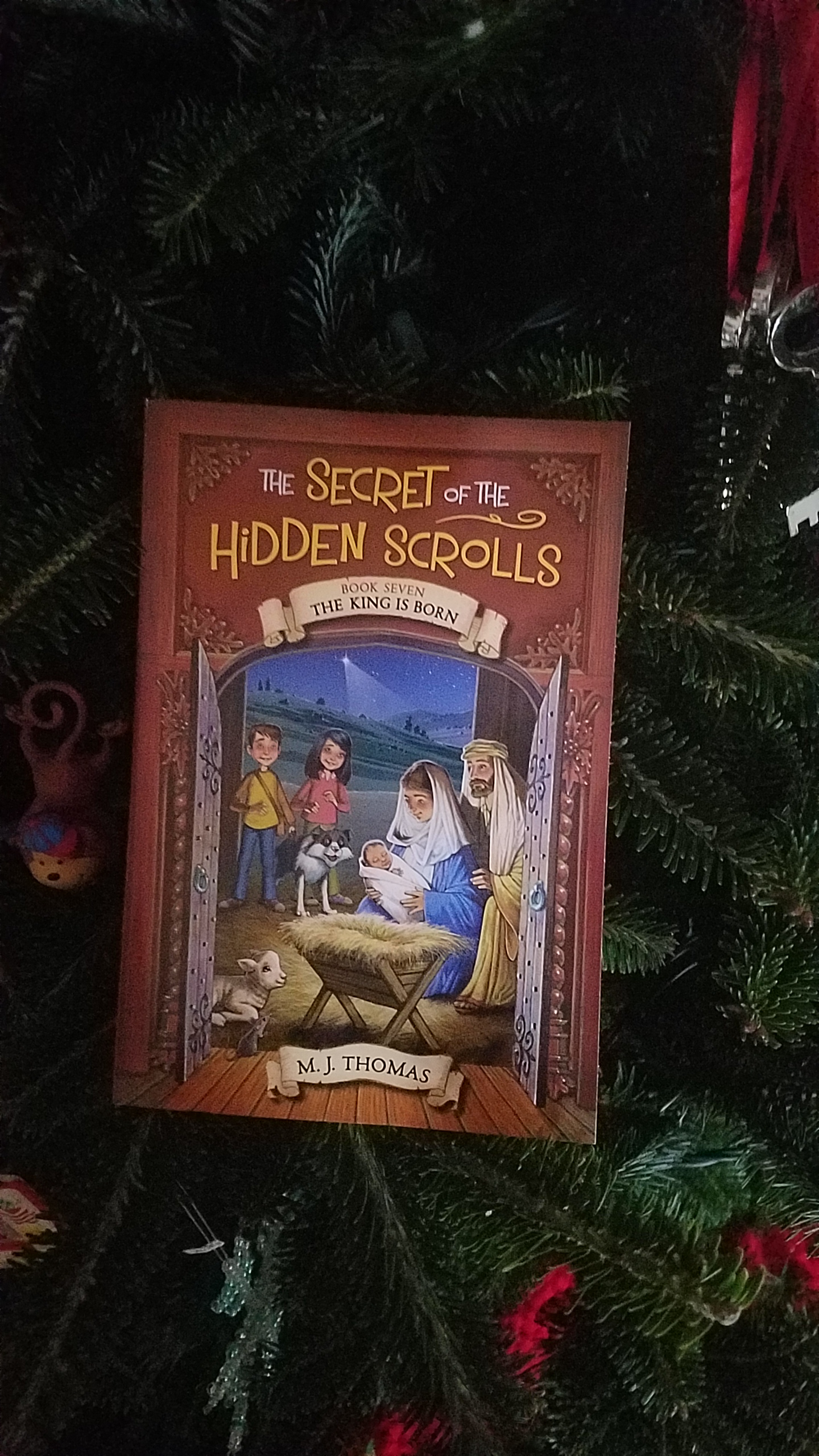
Next, our Bible time will be Christmas-focused. We have been reading through the book of Psalms with one Psalm a day. However, we will switch that up and do a book of Luke each morning. We are also excited to be starting Jotham’s Journey this week as a part of our Advent study.
A Christmas Carol Study
Next, my high school son was slated to read one of Charles Dickens’ books after the New Year with his literature course. Instead, I decided that we would read Dickens’ A Christmas Carol. My son will read it independently, and I will have my younger children listen together on audio. Then we can discuss it as a family. After the reading, we will watch one of the children’s versions together as a family. I may also have my teens watch the regular movie. I think it will be a fun but meaningful Christmas activity.
I mentioned in our Hymn study that we love Christmas carols. In addition to the hymn study, we will add the SQUILT Music Calendar for December for an almost effortless way to add a little more Christmas music to our mornings. It is an easy addition to our morning time that we all enjoy.
Some of her classes match our hymn studies, but there are also many other fun Christmas paintings. From fun Grinch and Charlie Brown pictures to nativity paintings, there is something different we could do each day. She even has a new Saint Nicholas lesson this year.
Christmas Activities for Younger Learners
As my children get older, it can feel a little more challenging to take a break from the regular curriculum. However, it is a lot of fun with my three-year-old and seven-year-old, and there are many options.
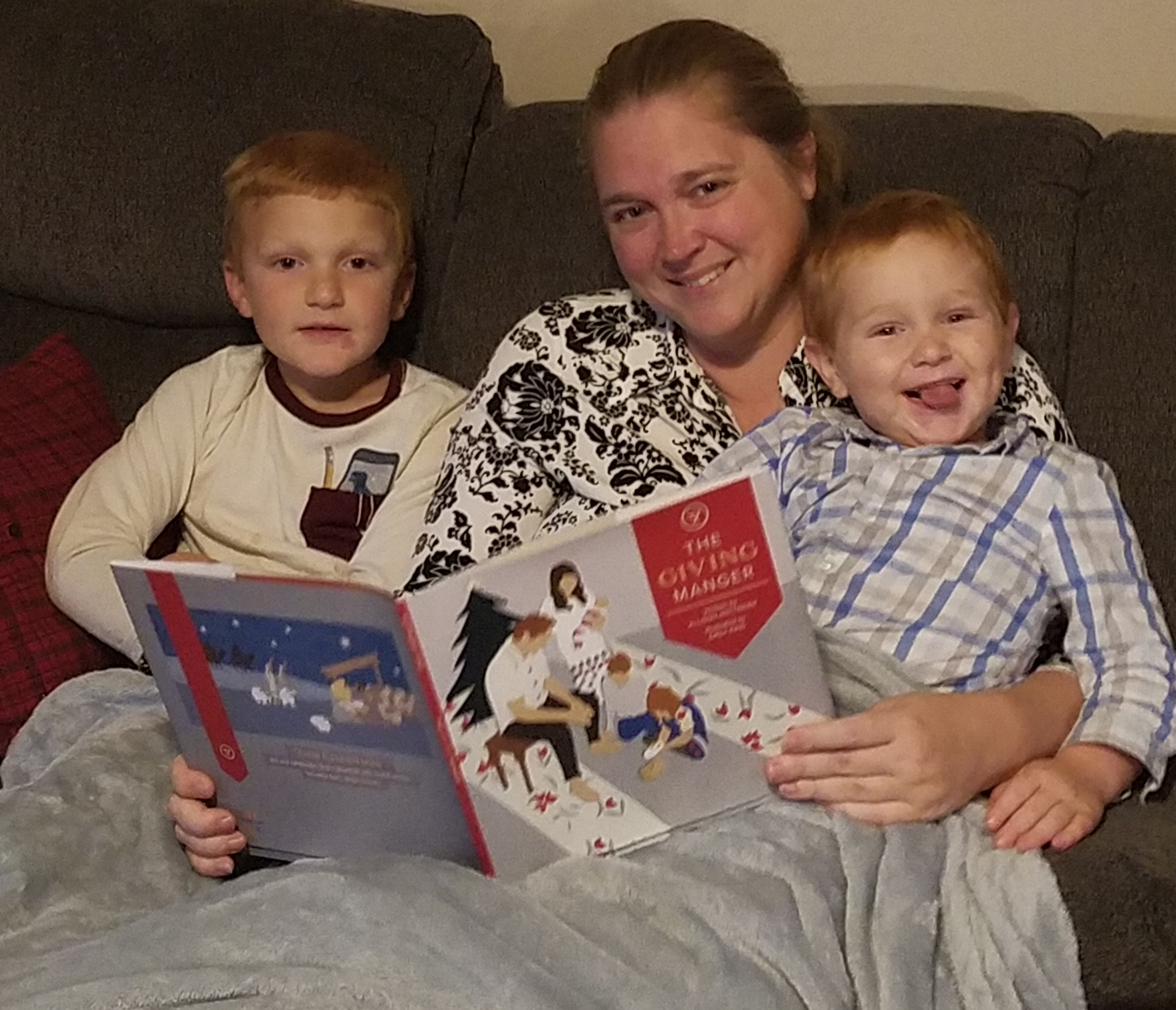
First, we will be reading Christmas picture books each day. I love Christmas books, and we have quite a collection. I try to add at least one book to our collection each year. Many focus on the real meaning of Christmas, but we also enjoy some just for fun. One of our favorites is Cranberry Christmas. My husband also enjoys reading the Night Before Christmas to them each year.
Advent Calendars
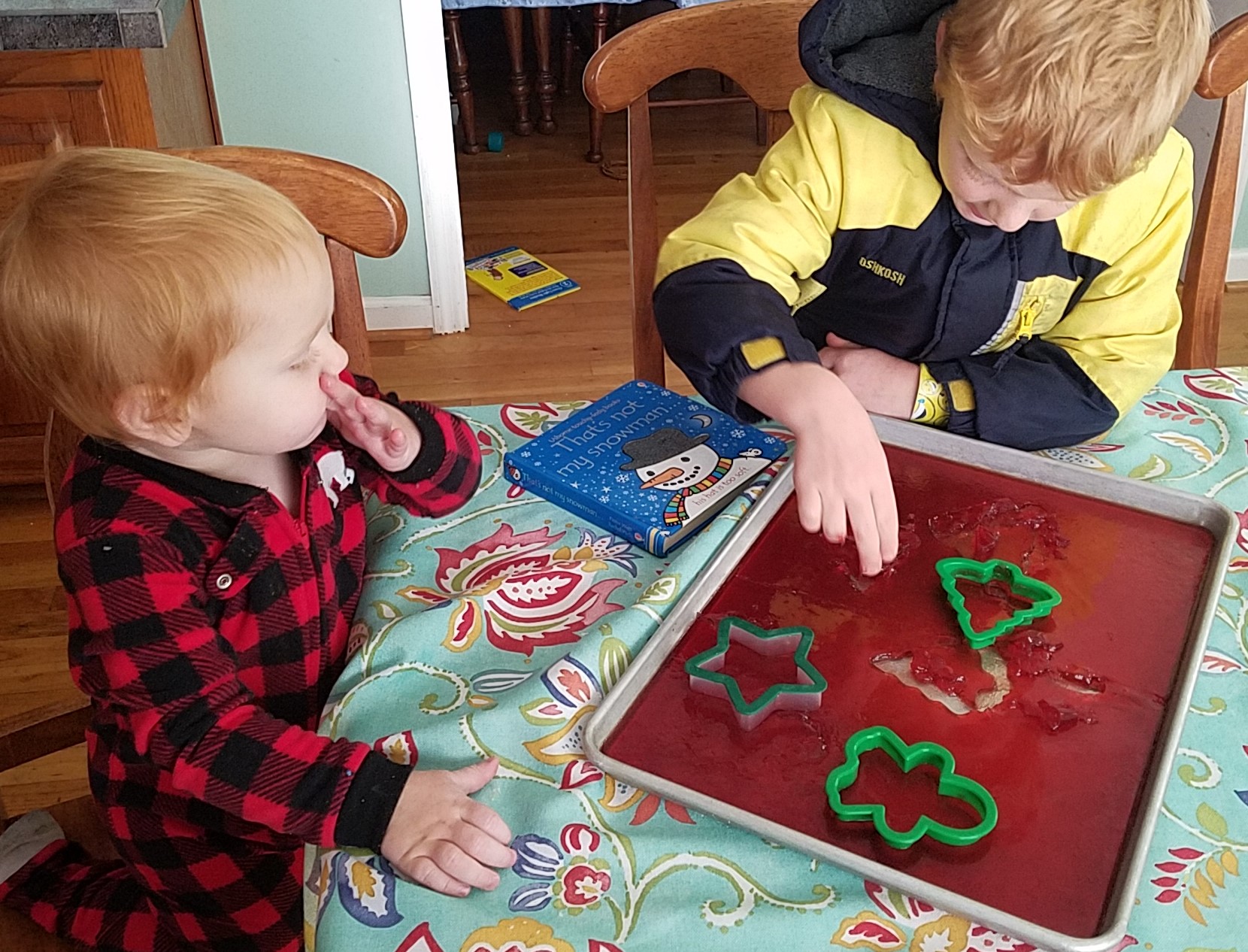
Several years ago, I bought a Lego advent calendar. At that time, it was a massive hit for my eldest. Now, my seven-year-old enjoys it. We reuse it each year. Each day he takes out the Legos for that day and builds the object. It has been a lot of fun.
I decided to add a play-doh advent calendar this year for my three-year-old. He is not quite old enough for the Legos, but I knew he would want to get in on the fun. So each day we will spend some time with Legos and play-doh. They are great for working on fine motor skills.
We love our pattern blocks and have found them to be a big hit year after year! We the varying levels of difficulty in our pattern sheets, both of the children can use them and be successful. They think it is a lot of fun, and I like seeing them work on fine motor skills and spatial awareness. There are many other fun crafts and activities that we may add in as time allows.
Finally, we are going to be adding fun Christmas reading and math printables. There are so many fun and free printables. We can add in some math review and sight word practice; for some reason, addition problems are far more enjoyable when there is a Christmas ornament involved.
What Are You Doing for Christmas?
Overall, we are excited about this Christmas season. Life has been hectic lately, but we have carved out some time to be home and enjoy each other during the season. We have lots of good books to read (and some hot cocoa to accompany them) and great music to fill our ears and our hearts.
I would love to know what you are doing for Christmas school this year. Please share your ideas in the comments. Be sure to check out all of our other Christmas Ideas and Our Black Friday/Cyber Monday Deals.
Resource Library and Affiliate Disclosure
When you sign up for the Schoolin’ Swag free resource library, you will get a link and password to the library. We are adding to the library each month with new items. You will also get a bi-weekly newsletter email to keep you updated on what we have going on.
This post may contain affiliate or referral links, including Amazon affiliate links. As always, I will never recommend a product that I don’t believe in and you will never be charged more for purchasing through our links. It does help pay for the costs associated with the blog.
Deals and Freebies
Need a good way to organize all of these great printables and have access to them when you need them? Try a free Dropbox Plan.
Amazon Prime 30 day FREE trial. If you do not yet have Amazon Prime this is a great time to try it for free for 30 days! Get your Christmas shopping done with free shipping, enjoy Christmas music and more.
$10 Sign-Up Bonus for Ibotta and they are doing some major savings and rebates starting today. Great way to save money on the things you are already buying.
Two Free Audio Books with an Audible Trial and if you aren’t sure what to start with I’d suggest checking out the Green Ember or The Penderwicks for good family choices.
One of my favorite Amazon sales, just in time for Christmas shopping! Buy 2 Get 1 Free Books!
Free Makeover Your Morning 5 Day Challenge! This is a great way to help re-focus and get your day off on the right foot.
*Some of these links are affiliate links please see disclosure below for more information*
I hope you are doing well this holiday season. I have compiled this list of sales to help you get the best deals from the comfort of your home. There are sales, freebies, and deals of homeschool curriculum, extras, and a few ideas for moms!
There are more deals coming through Cyber Monday and I will be adding them to the list as they become available. Our family greatly appreciates your support through buying from our links. We hope to be able to give you the best deals and support the blog.
50% off any of our hymn studies now through Cyber Monday! Code: Christmas
All About Learning is offering a couple great Black Friday Deals starting at midnight on Friday! Free shipping over $50 and a Free Gift for the first 200 orders. This deal runs through Cyber Monday!
Tuttle Twins is offering several big sales through December 6th.
Not Consumed is offering 25 percent off all products. We love their missionary study and their Bible studies.
SchoolhouseTeachers.com has a great BOGO sale happening now! Their membership includes the whole family for one low price.
All About Learning is offering this brand new FREE Christmas Pack full of fun activities!
Evan-Moor has some great holiday freebies and 30% off everything only on Cyber Monday!
Fine Arts
Maestro Classics has some great Black Friday deals on Nutcracker and more.
You Are An Artist has this great FREE Grinch art lesson if you want to have a little fun after all that shopping! Or if you need a gift for a budding artist, their Membership is a great value.
For Mom
Tummy Team has some new lo prices on their amazing membership. Give yourself the gift of healing and health. This online abdominal and pelvic floor rehab is well worth the cost.
Fit2B is my favorite online fitness program and they have some great sales on memberships and individual courses right now! This is a great deal on some excellent fitness options.
HomeschoolStyleCo. is having some great sales this week. They have some cute shirts for the children and for moms!
Looking for ideas for keeping Christ in Christmas? Check out this FREE class!
When you sign up for the Schoolin’ Swag free resource library you will get a link and password to the library, we are adding to the library each month with new items. You will also get a bi-weekly newsletter email to keep you up to date on what we have going on.
This post may contain affiliate or referral links, including Amazon affiliate links. As always I will never recommend a product that I don’t believe in and you will never be charged more for purchasing through our links. It does help pay for the costs associated with the blog.
Christmas is my favorite time of year, and we love to incorporate Christmas into our homeschool. I have done various things throughout the years, from adding Christmas projects to our homeschool to entirely focusing on Christmas in place of our other curriculum. What will work best for your family will depend on your children, their ages, and various other personal factors.
This is a round-up of some of my posts with different ideas and activities. I encourage you to take the time to consider a variety of options and choose what will work best for your family. Make sure that you don’t overload the schedule, and you leave time for the many family and church events that tend to happen this time of year.
I have found that the more I can allow the Christmas activities to replace the regular activities, the easier it is to incorporate them into our day.
Books and Curriculum
Picture books and Bible studies are a great way to incorporate Christmas into your homeschool. We love reading as many books as possible from our collection and the local library. I try to add at least one new Christmas book each year. Be sure to check out the Cozy, Book Filled December post for links to some of our favorites.
Each year we change things up a bit and use some different resources. Some traditions and resources are staples and some we really enjoy but only use once. The resources below share what we have used during other years and some fun traditions that we have as a family.
Music and art are two of my favorite ways to incorporate Christmas into our homeschool. We love doing hymn studies (and have quite a few free ones here on the blog). We also enjoy letting the children listen to different music and learn to play Christmas songs together on their instruments. We incorporate lots of art into our Christmas studies, everything from art to match our hymns to fun Snoopy Christmas art.
Finally, I don’t know about you, but sometimes the stuff and the clutter can get overwhelming. It can be hard to know what to get my kids that won’t turn into junk that is in the way. I love educational gifts, but want them to feel special and not like I am giving them school supplies. I have included a variety of gift lists with ideas that can encourage their passions and avoid feeling like clutter.
I hope you find these ideas helpful! I will be sharing our 2021 Christmas School plans next week as well. I would absolutely love to have you share your favorite resource or tradition in the comments. I hope that you have a peaceful, joy-filled season.
Deals and Freebies
Need a good way to organize all of these great printables and have access to them when you need them? Try a free Dropbox Plan.
Amazon Prime 30 day FREE trial. If you do not yet have Amazon Prime this is a great time to try it for free for 30 days! Get your Christmas shopping done with free shipping, enjoy Christmas music and more.
$10 Sign-Up Bonus for Ibotta and they are doing some major savings and rebates starting today. Great way to save money on the things you are already buying.
Two Free Audio Books with an Audible Trial and if you aren’t sure what to start with I’d suggest checking out the Green Ember or The Penderwicks for good family choices.
One of my favorite Amazon sales, just in time for Christmas shopping! Buy 2 Get 1 Free Books!
Free Makeover Your Morning 5 Day Challenge! This is a great way to help re-focus and get your day off on the right foot.
We have reviewed many different homeschool products and programs, and I do not often say that a program was life-changing. However, I can honestly say that Practice Monkeys was life-changing for our daughter and has positively impacted our entire family.
We first encountered Practice Monkeys in the fall of 2018 when the Review Crew reviewed their violin program. We had a lot going on as a family during that time because of dealing with the aftermath of Hurricane Florence, but we decided to let my daughter give it a try. I thought it might be good exposure for her to have a few months of music lessons.
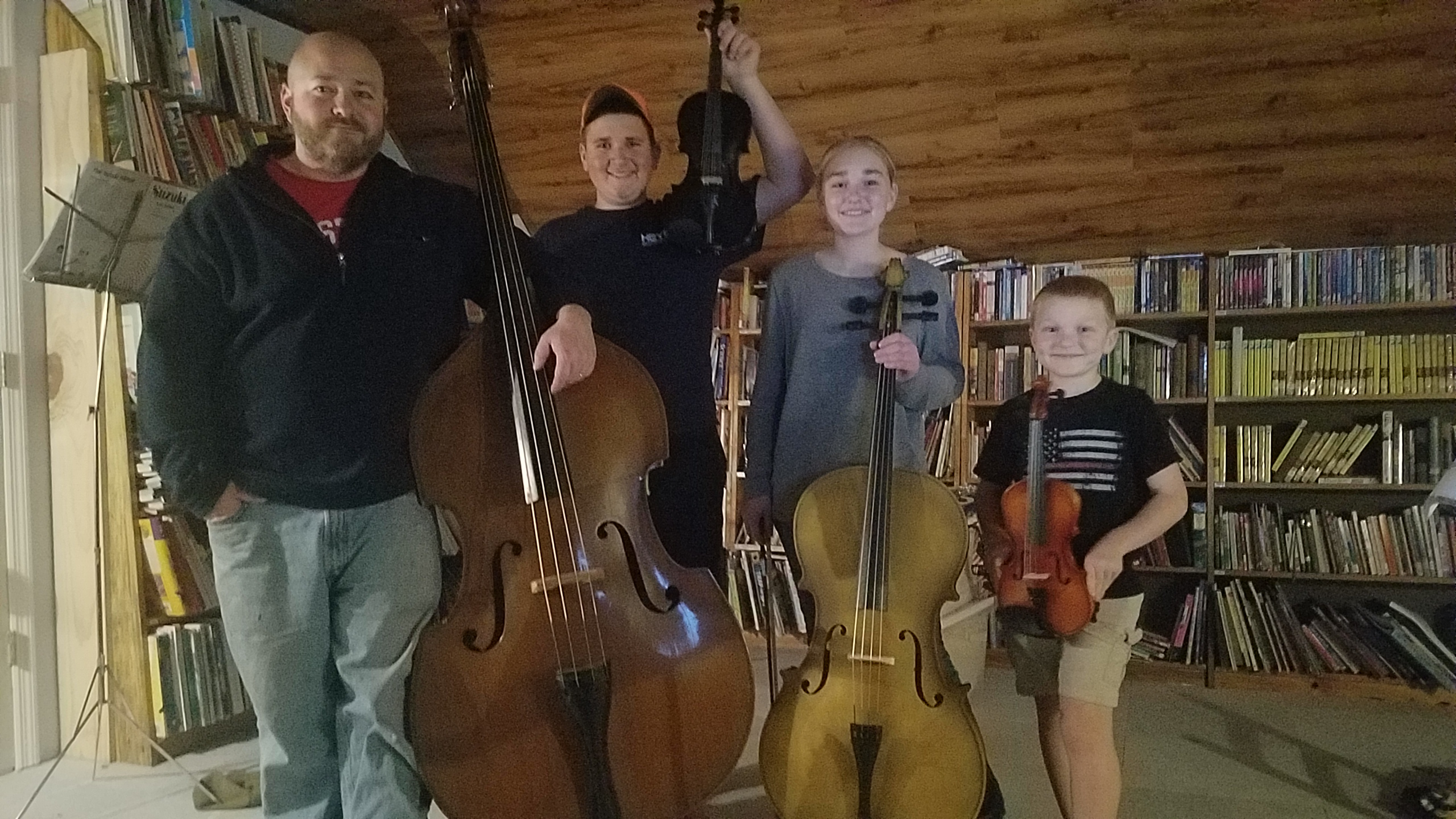
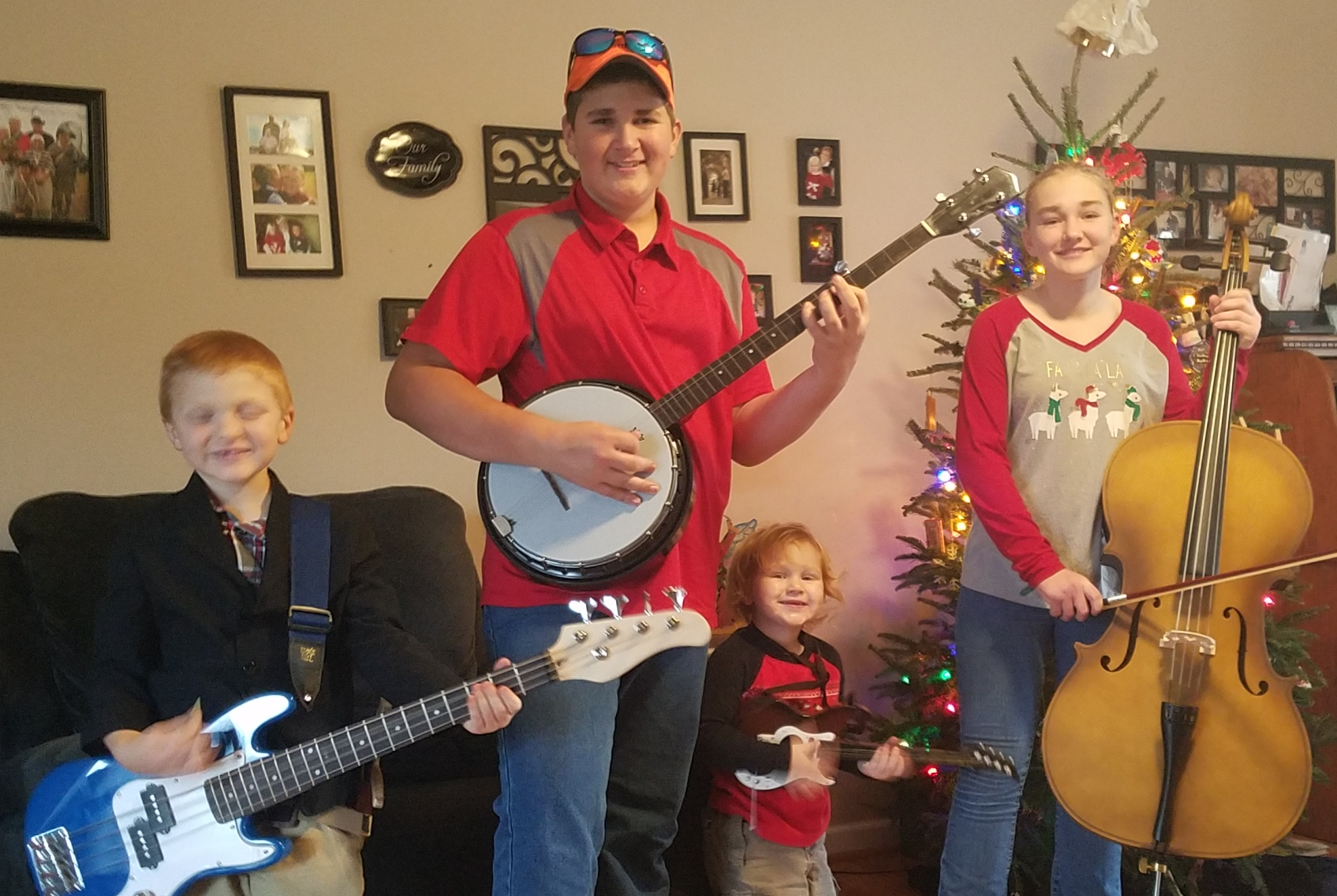
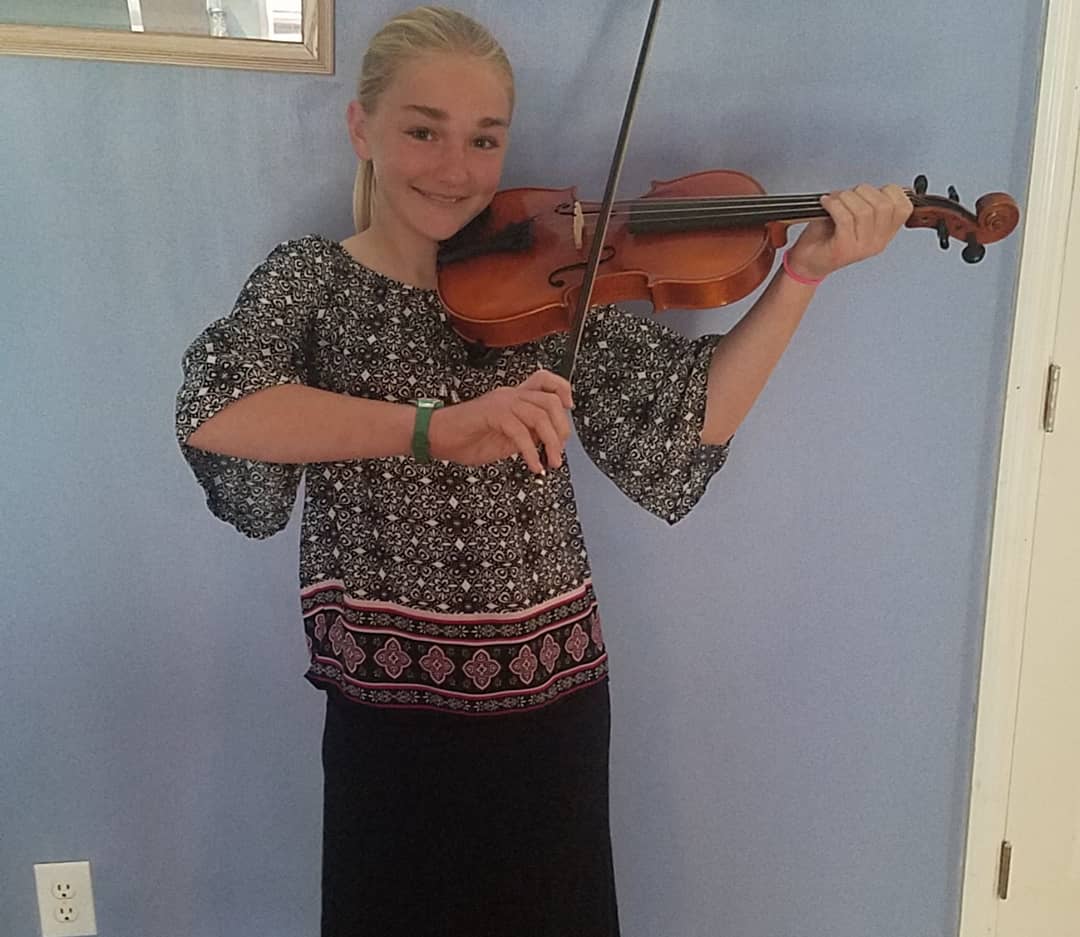
Little did I know that my daughter would be playing violin and piano, and recently cello three years later. My oldest son did violin for a while but really found his niche with Practice Monkeys guitar. My seven-year-old son is playing violin, and my three-year-old is working with my daughter to hopefully be ready to start violin lessons after the New Year. My daughter even dreams of one-day teaching violin lessons as her career.
Our Musical Family
Practice Monkeys Overview
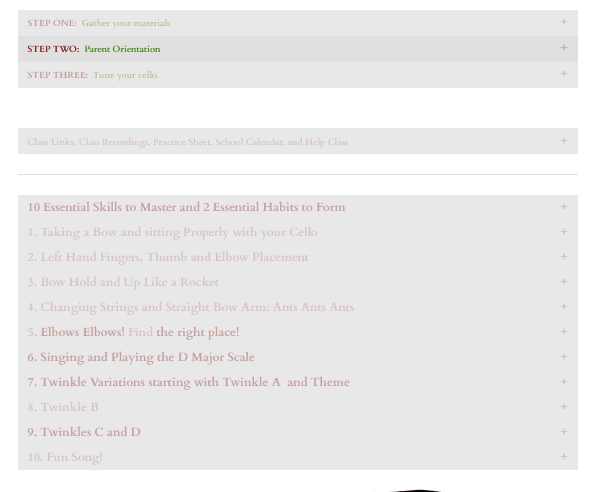
Practice Monkeys is an online program for Suzuki method music lessons. They offer violin, piano, cello, and guitar. Monday through Thursday, there is a fifteen-minute group lesson for each level of each instrument. Students attend the lesson and then practice an additional fifteen minutes after class. In addition, students practice independently two other days per week.
If students are unable to attend the class during the set time, students can go in and practice at any time using recorded lessons. Students also have access to skill videos and other tutorials in their’ treehouse,’ which is just the area on the website that has all of the needed information for that level.
While students can be successful using the recorded lessons, I do highly encourage students to attend as many live lessons as possible. We can’t always make the live lessons, but I do feel like they are very beneficial.
Each Suzuki level is broken into smaller levels of Practice Monkeys so that students are practicing with students of similar abilities. Each level has a check sheet of skills and songs to be mastered before moving to the next level. When a student has mastered the items on the check sheet, they pay for a private assessment, and then if they pass, they move on to the next level. The instructors are happy to help make sure your student is ready for assessment before you schedule it. The assessment also provides some one-on-one time in which they get information and help with the skills that are coming in the next level.
Do Online Music Lessons Work?
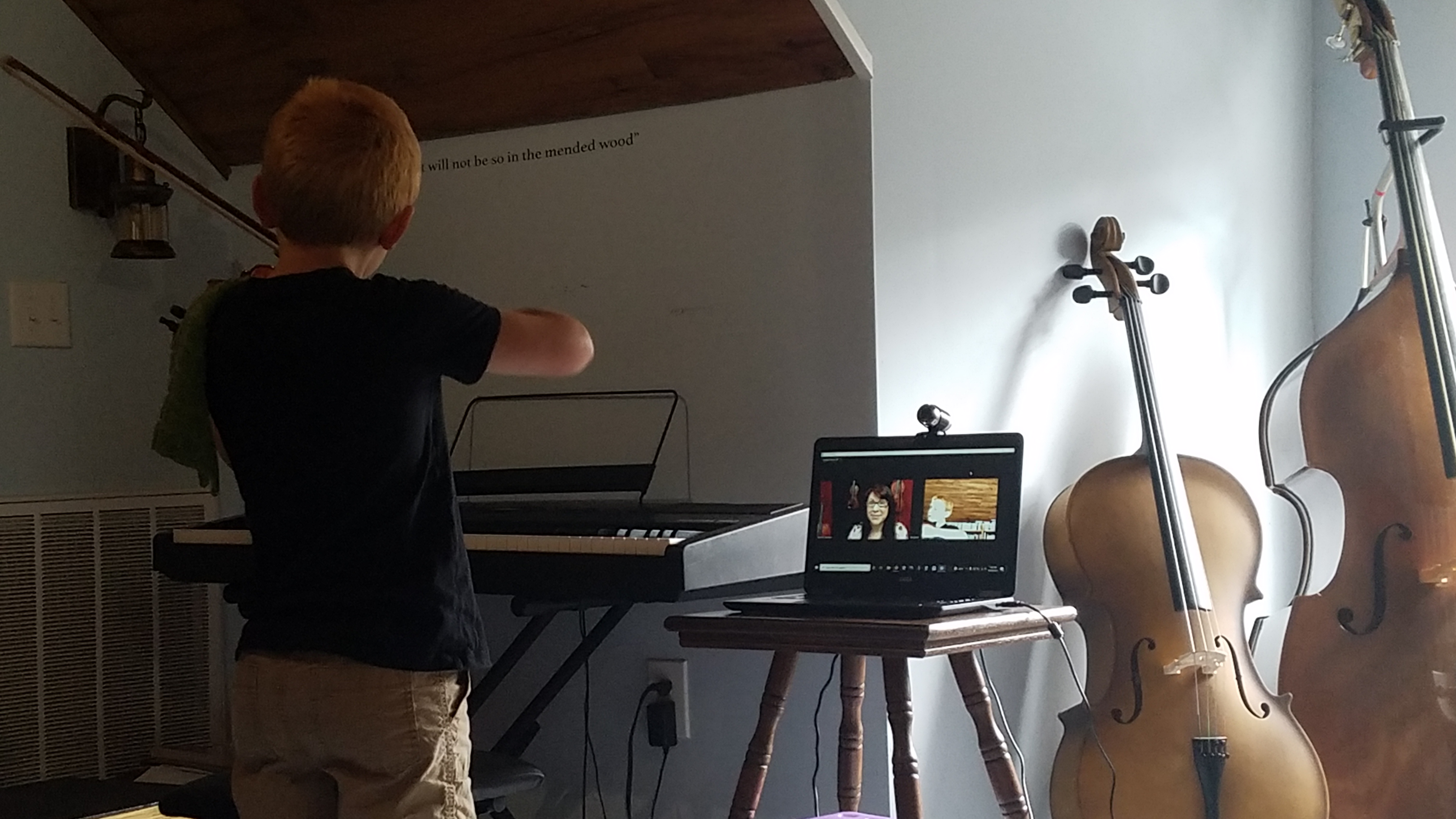
When we first started, I was concerned about whether or not my children would get enough help with online lessons. I knew that I did not have the skills or time to help them with these instruments. However, I did not need to be worried. The interactive nature of Practice Monkeys has allowed them to all grow and be successful, even online. There is immediate feedback provided in the daily zoom classes and help class on Wednesdays to offer any additional one-on-one support that they might need.
My daughter did an in-person strings camp this summer through a local program. All of the teachers there were impressed with how well she played and the skills she had learned from Practice Monkeys.
Matthew’s Guitar Lessons
My oldest son is fifteen and took violin for several years. He was learning a lot and doing well with it, but it was never his passion. When Practice Monkeys started doing guitar lessons, he jumped at the opportunity. He has been doing guitar for about a year now and loves it! He practices without being asked and is always looking for ways to improve. He is even working towards being able to play the guitar at church in our youth group band. The lessons are giving him skills and confidence in his abilities. We are also using these classes as a music performance elective for his high school studies.
Benjamin’s Violin Lessons
Benajmin’s Violin Assessment
My seven-year-old has been playing violin for several years now. At first, his progress was slow because he was consistent about playing and practicing. However, as he has matured, he has gotten better at practicing and is now moving forward. During this review period, he moved from level two to level three and is very excited about the new songs he is learning. I love that it is teaching him about the benefits of hard work and consistency. I also appreciate that he loves sharing his music with anyone willing to listen. Mrs. Van Kleeck and the other Practice Monkeys teachers are super patient with their students, but I especially notice it with the younger ones.
Elizabeth’s Music Lessons
Practice Monkeys has made an impact on all of my children, but not more than my daughter. She started with violin three years ago, added piano almost two years ago. She has alarms set on her watch to remind her to practice each day, and she is very diligent. She even helps Benjamin with his violin lesson each day. Because of her time with Practice Monkeys, she even did her 4-H presentation on being a violin instructor and is considering going to college for music or getting Suzuki trained.
For Christmas last year, she asked for a cello. We were able to get her one, but we could not add cello lessons to her piano and violin lessons. However, with this review, she was able to add cello into her already busy music schedule. Since she had been working independently a little with her cello and had a good understanding of the music from her violin studies, she has been able to move quickly in her cello lessons. She started at level one but was able to take an assessment after just a few weeks and moved to level two. She continued working hard and should be moving up to level three later this week.
She enjoyed her cello lessons so much that she is asking grandparents and other family members to gift her money towards lessons for Christmas and her birthday to continue taking classes next year (her dad and I gave her a two instrument limit for what we will pay).
Costs
Now that I’ve told you about these excellent programs, you might be thinking it sounds great, but you could never afford it. Before Practice Monkeys, we had priced out music lessons, and they were out of the budget. However, Practice Monkeys is very affordable. It is $50 per month per instrument for the whole family. So, even though I have two children in violin at different levels (and at times have had three), it would only cost our family $50 for violin lessons. This includes the lessons Monday through Thursday, help class as needed on Wednesdays, and the recordings. Our family feels like this is a great value, especially since I do not have to load everyone up in the car and drive to lessons.
Having the lessons online was a significant benefit for our family. With three children wanting to do music lessons and a three-year-old who just wants to play, it would have been too much for us to drive to different classes. However, my children step upstairs and turn on the computer to do their lesson while the rest of the family continues with whatever they need to do.
Conclusions
I honestly was not exaggerating when I said this program was life-changing for my daughter and our family. It allowed her to explore a music interest in ways we otherwise would not have been able to offer her. The program’s flexibility and affordability allow each of my children to pursue their musical interests and passions without burdening our time and finances.
Maybe you have a child interested in learning a musical instrument, but you are worried about adding one more commitment out of the house, or you looked at the costs of private lessons and knew that it wasn’t in the budget. I highly encourage you to give Practice Monkeys a try. Be sure to click on the graphic below to see what other people thought about the lessons and check out some of the other programs they offer.